

 English
 русский
 Deutsch
 Türk
Türk 中文简体
中文简体
66mm Jumbo Flange O-Ring Seal for Reliable Static Sealing in Large Equipment Covers and Flange Joints
66mm Jumbo Flange O-Ring Seal for Reliable Static Sealing in Large Equipment Covers and Flange Joints
66mm Jumbo Flange O-Ring Seal for Reliable Static Sealing in Large Equipment Covers and Flange Joints
66mm Jumbo Flange O-Ring Seal for Reliable Static Sealing in Large Equipment Covers and Flange Joints
66mm Jumbo Flange O-Ring Seal for Reliable Static Sealing in Large Equipment Covers and Flange Joints
66mm Jumbo Flange O-Ring Seal for Reliable Static Sealing in Large Equipment Covers and Flange Joints
66mm Jumbo Flange O-Ring Seal for Reliable Static Sealing in Large Equipment Covers and Flange Joints
66mm Jumbo Flange O-Ring Seal for Reliable Static Sealing in Large Equipment Covers and Flange Joints
66mm Jumbo Flange O-Ring Seal for Reliable Static Sealing in Large Equipment Covers and Flange Joints
66mm Jumbo Flange O-Ring Seal for Reliable Static Sealing in Large Equipment Covers and Flange Joints
66mm Jumbo Flange O-Ring Seal for Reliable Static Sealing in Large Equipment Covers and Flange Joints
66mm Jumbo Flange O-Ring Seal for Reliable Static Sealing in Large Equipment Covers and Flange Joints
66mm Jumbo Flange O-Ring Seal for Reliable Static Sealing in Large Equipment Covers and Flange Joints
66mm Jumbo Flange O-Ring Seal for Reliable Static Sealing in Large Equipment Covers and Flange Joints
66mm Jumbo Flange O-Ring Seal for Reliable Static Sealing in Large Equipment Covers and Flange Joints
66mm Jumbo Flange O-Ring Seal for Reliable Static Sealing in Large Equipment Covers and Flange Joints

Deng Yixuan — Domestic Sales Supervisor
Home / Author / Deng Yixuan — Domestic Sales Supervisor / 66mm Jumbo Flange O-Ring Seal for Reliable Static Sealing in Large Equipment Covers and Flange Joints
NEW Category
Contact us
66mm Jumbo Flange O-Ring Seal for Reliable Static Sealing in Large Equipment Covers and Flange Joints
Content
- 1 Product Overview
- 2 Why the 66*2.65 Dimension Matters
- 3 Core Advantages Over Ordinary O-Rings
- 4 Material Performance: The Strength of NBR
- 5 Designed for Large Equipment Covers and Flange Joints
- 6 Precision Manufacturing and Process Control
- 7 Company Strengths Behind the Product
- 8 Quality Advantages Compared with Competitors
- 9 Application Scenarios
- 10 Installation and Groove Design Considerations
- 11 Long-Term Static Sealing Performance
- 12 Cost Efficiency and Total Value
- 13 Customization Possibilities
- 14 Environmental and Operational Reliability
- 15 Recommended Purchasing Considerations
- 16 Q&A Section
- 16.1 Q1: What is the main purpose of the 66mm Jumbo Flange O-Ring Seal?
- 16.2 Q2: What does the 66*2.65 specification mean?
- 16.3 Q3: Why is NBR used for this product?
- 16.4 Q4: How does this product compare with ordinary low-cost O-rings?
- 16.5 Q5: Is this O-ring suitable for dynamic sealing?
- 16.6 Q6: Can the material be changed for special applications?
- 16.7 Q7: What installation problems should be avoided?
- 16.8 Q8: Why is low stress relaxation important?
- 16.9 Q9: What industries can use this product?
- 16.10 Q10: Why choose a specialized sealing technology manufacturer?
- 17 Conclusion
- 18 References
- 19 Product: 66mm Jumbo Flange O-Ring Seal
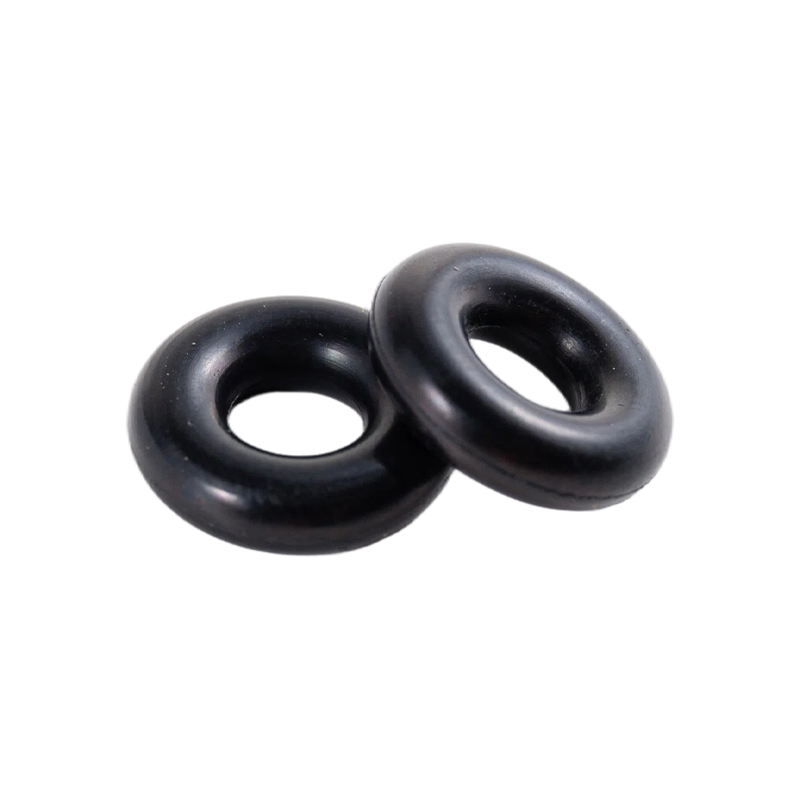
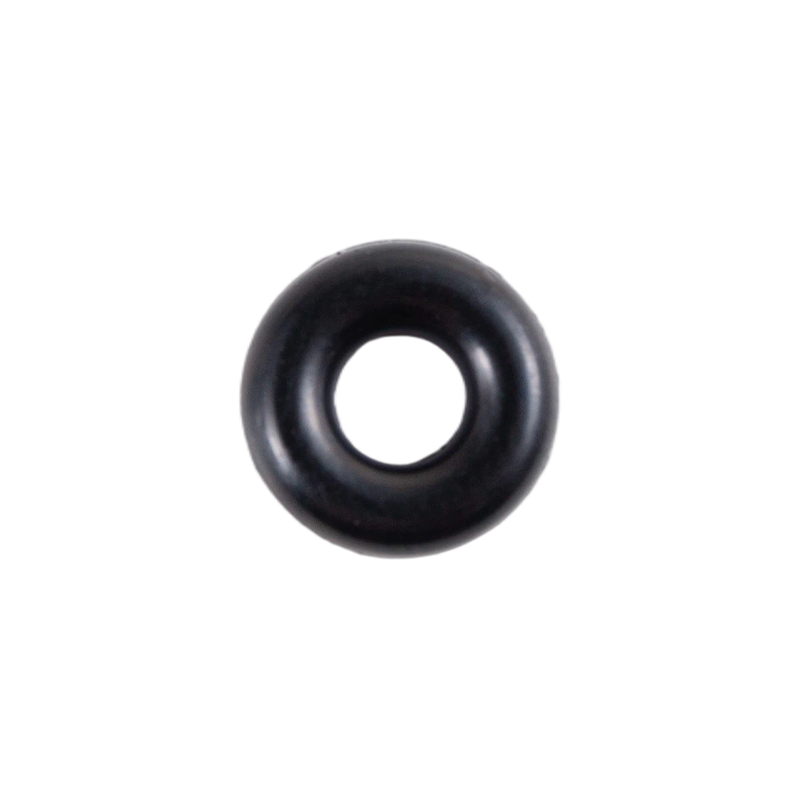
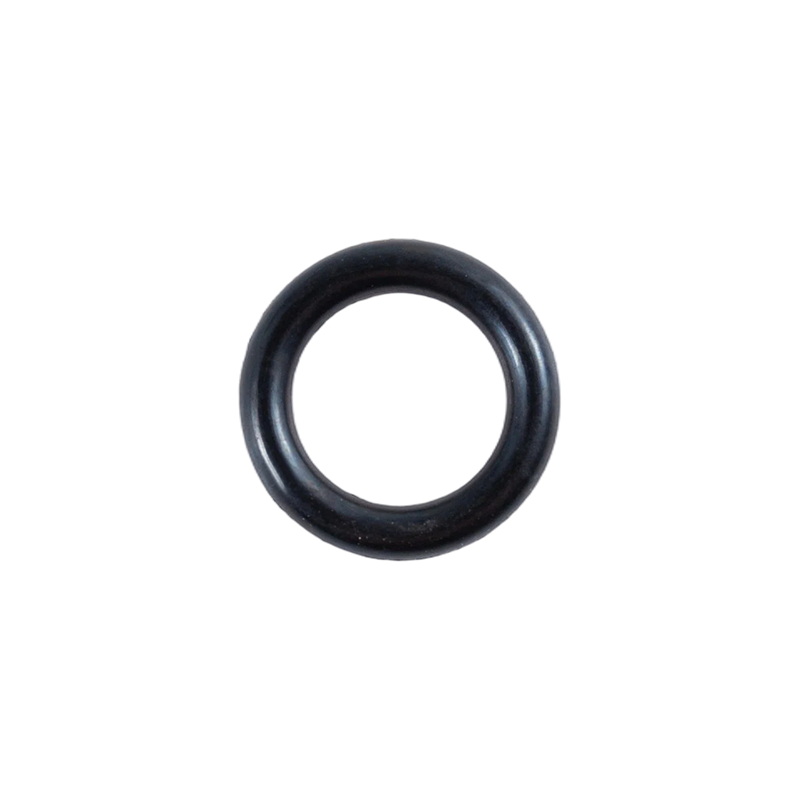
In demanding sealing applications, the smallest dimensional detail can determine whether a machine remains clean, efficient, and safe or becomes vulnerable to leakage, contamination, pressure loss, and premature maintenance. The 66mm Jumbo Flange O-Ring Seal is designed for large equipment covers, flange joints, housings, and static sealing positions where a robust yet controlled sealing profile is required. With a specification of 66*2.65, an inner diameter of 66 mm, and a wire diameter of 2.65 mm, this O-shaped oil seal ring provides a balanced combination of sealing height, installation adaptability, compression stability, and long-term resistance to stress relaxation.
This product belongs to the O-Shaped Oil Seal Ring category and is identified by Product Code A-4-015. Manufactured from NBR, it is engineered for sealing environments where resistance to oils, greases, hydraulic fluids, and general industrial media is required. Its relatively large inner diameter makes it suitable for large circular grooves, covers, flanges, inspection ports, and equipment interfaces where smaller O-rings cannot provide adequate coverage or compression uniformity. At the same time, the 2.65 mm wire diameter avoids excessive closure force, helping assemblies maintain reliable sealing without overloading bolts, covers, plastic parts, or machined flanges.
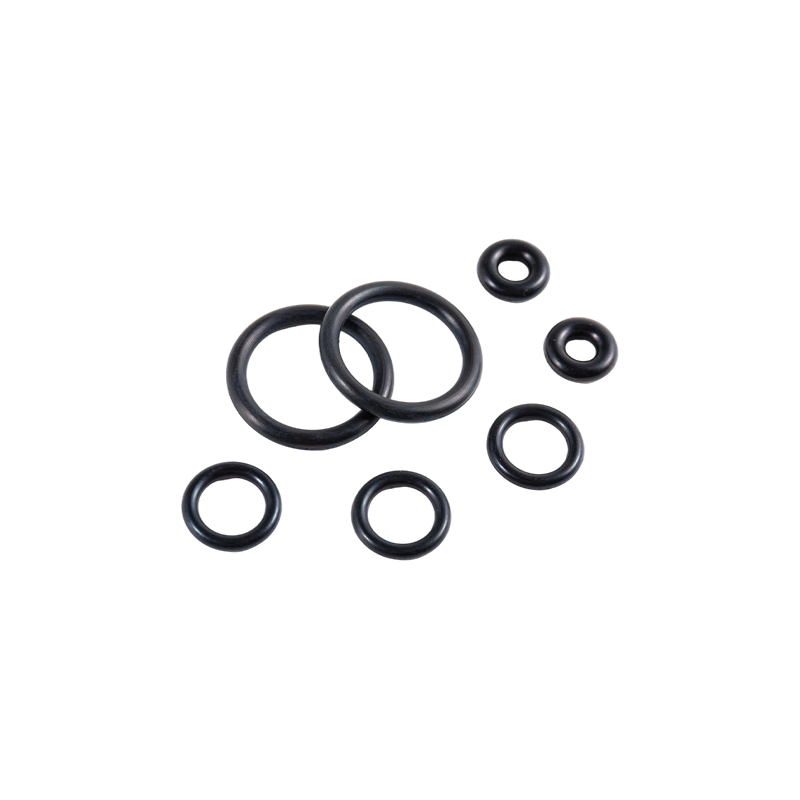
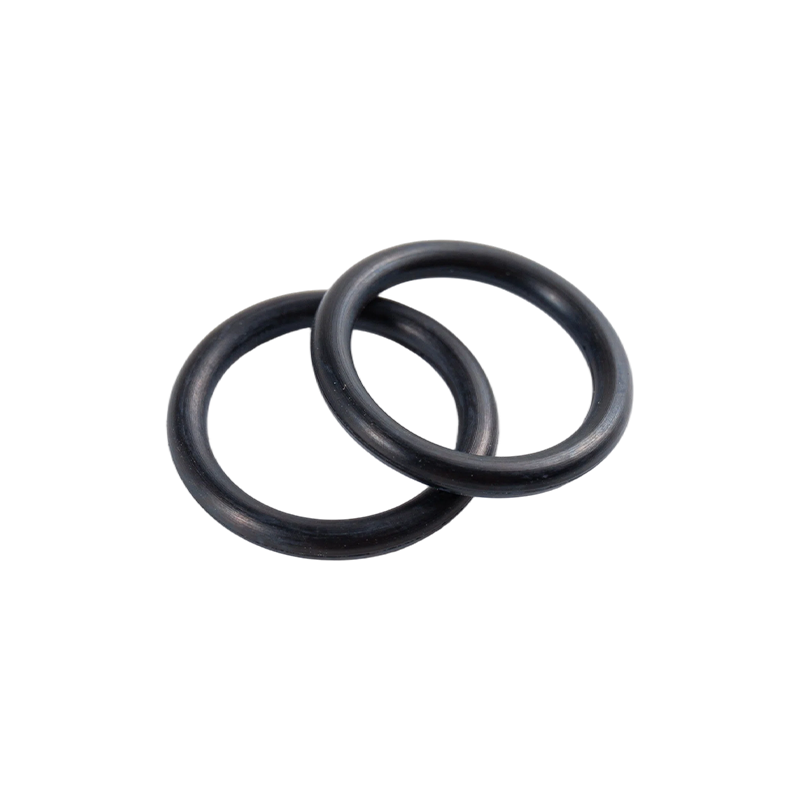
66mm Jumbo Flange O-Ring Seal
Product Overview
The 66mm Jumbo Flange O-Ring Seal is a precision-molded elastomeric sealing component intended primarily for static sealing. In a static sealing position, the O-ring is compressed between two surfaces and remains largely stationary during operation. The seal must maintain elastic recovery, conform to small surface irregularities, and resist permanent deformation over time. The purpose of this product is not only to block leakage but also to preserve assembly reliability through repeated temperature changes, vibration exposure, pressure fluctuations, and long operating periods.
Its 66 mm ID allows it to seal large openings and equipment covers with a consistent circular compression path. This is especially valuable in flange joints, where uniform sealing pressure around the entire circumference helps prevent localized leakage. The 2.65 mm WD provides enough cross-sectional material to generate contact stress while preserving manageable installation force. In many large-diameter applications, an excessively thick O-ring can require high clamping force and increase the risk of groove distortion, while an undersized section can fail to compensate for surface imperfections. The 66*2.65 configuration is therefore a practical choice for assemblies requiring dependable sealing with moderate compression demand.
NBR, also known as nitrile rubber, is widely used in industrial sealing because it provides a strong balance of oil resistance, mechanical strength, abrasion resistance, and cost efficiency. For equipment covers and flange joints exposed to lubricants, mineral oils, greases, and certain hydraulic media, NBR is a proven material option. This product is especially suitable for customers who require stable sealing performance in industrial, automotive, furniture hardware, gas spring, damper, home appliance, construction, and equipment manufacturing fields.
| Item | Specification |
| Product Name | 66mm Jumbo Flange O-Ring Seal |
| Product Category | O-Shaped Oil Seal Ring |
| Product Specification | 66*2.65 |
| Inner Diameter | 66 mm |
| Wire Diameter | 2.65 mm |
| Material | NBR |
| Product Code | A-4-015 |
| Typical Use | Large equipment covers, flange joints, static sealing grooves, circular housings |
Why the 66*2.65 Dimension Matters
O-ring selection is not simply a matter of choosing a rubber ring that fits into a groove. The relationship between inner diameter, wire diameter, groove width, groove depth, compression ratio, stretch, squeeze, gland fill, surface finish, operating medium, and temperature range must all be considered. The 66*2.65 configuration is particularly useful because it supports wide sealing coverage while maintaining a controlled cross-section. This makes the product well suited for large-diameter sealing points where a compact but stable elastomer section is preferred.
The 66 mm inner diameter helps reduce installation stretch in large grooves. Excessive stretching can thin the cross-section, reduce sealing force, accelerate stress relaxation, and make the installed O-ring vulnerable to twisting or rolling. A properly selected large ID allows the ring to sit naturally in the gland with minimal tension. This improves dimensional stability and supports consistent contact pressure after compression. For covers and flanges that may be opened during maintenance, correct diameter selection also improves ease of reassembly and reduces the risk of accidental damage.
The 2.65 mm wire diameter offers an effective sealing height for static applications. It provides enough elastomer volume to compensate for minor surface imperfections, machining tolerances, and flange irregularities. At the same time, it helps limit the closure force required to compress the seal. This is important for assemblies that use multiple bolts, thin covers, aluminum housings, polymer components, or precision-machined interfaces. A seal that requires excessive compression force can distort the joint, unevenly load fasteners, or create assembly difficulties. The 66mm Jumbo Flange O-Ring Seal offers a balanced profile that supports both sealing performance and assembly efficiency.
Core Advantages Over Ordinary O-Rings
Compared with common low-grade O-rings, this product is designed with stronger attention to dimensional control, material consistency, and sealing reliability. Many ordinary O-rings on the market may appear similar at first glance, but their actual performance often differs significantly because of inconsistent compound quality, rough molding, high flash, unstable hardness, poor curing, and weak batch traceability. The 66mm Jumbo Flange O-Ring Seal is positioned for customers who require more predictable performance rather than simply the lowest unit price.
One major advantage is its low stress relaxation behavior for long-term static sealing. In static applications, an O-ring is compressed for extended periods. Over time, poor-quality elastomers may lose elastic force and take a permanent compression set. Once the contact stress falls below the level needed to seal the interface, leakage can begin. A well-formulated NBR compound and controlled vulcanization process help the ring retain its sealing force over a longer service period. This reduces maintenance frequency, lowers the risk of unexpected leakage, and supports safer equipment operation.
Another advantage is the product’s balance between sealing strength and closure force. Some competitor products compensate for poor material quality by increasing section size, but this can create installation problems. Others use undersized or unstable sections that fit easily but fail under real working conditions. The 2.65 mm wire diameter is designed to produce reliable compression without excessive assembly pressure. This is particularly beneficial for manufacturers producing covers, damper components, gas spring housings, and flange systems in volume because it supports repeatable installation and reduces variation during assembly.
The product also benefits from material suitability. NBR remains one of the most practical sealing materials for oil-contact environments. In comparison with generic rubber compounds, NBR provides better resistance to lubricants and hydrocarbon-based fluids. In comparison with more expensive specialty compounds, it offers cost-effective performance for many standard industrial conditions. When customers require different media resistance or temperature performance, the manufacturer’s experience with NBR, HNBR, and FPM O-ring products also allows material customization for specific operating environments.
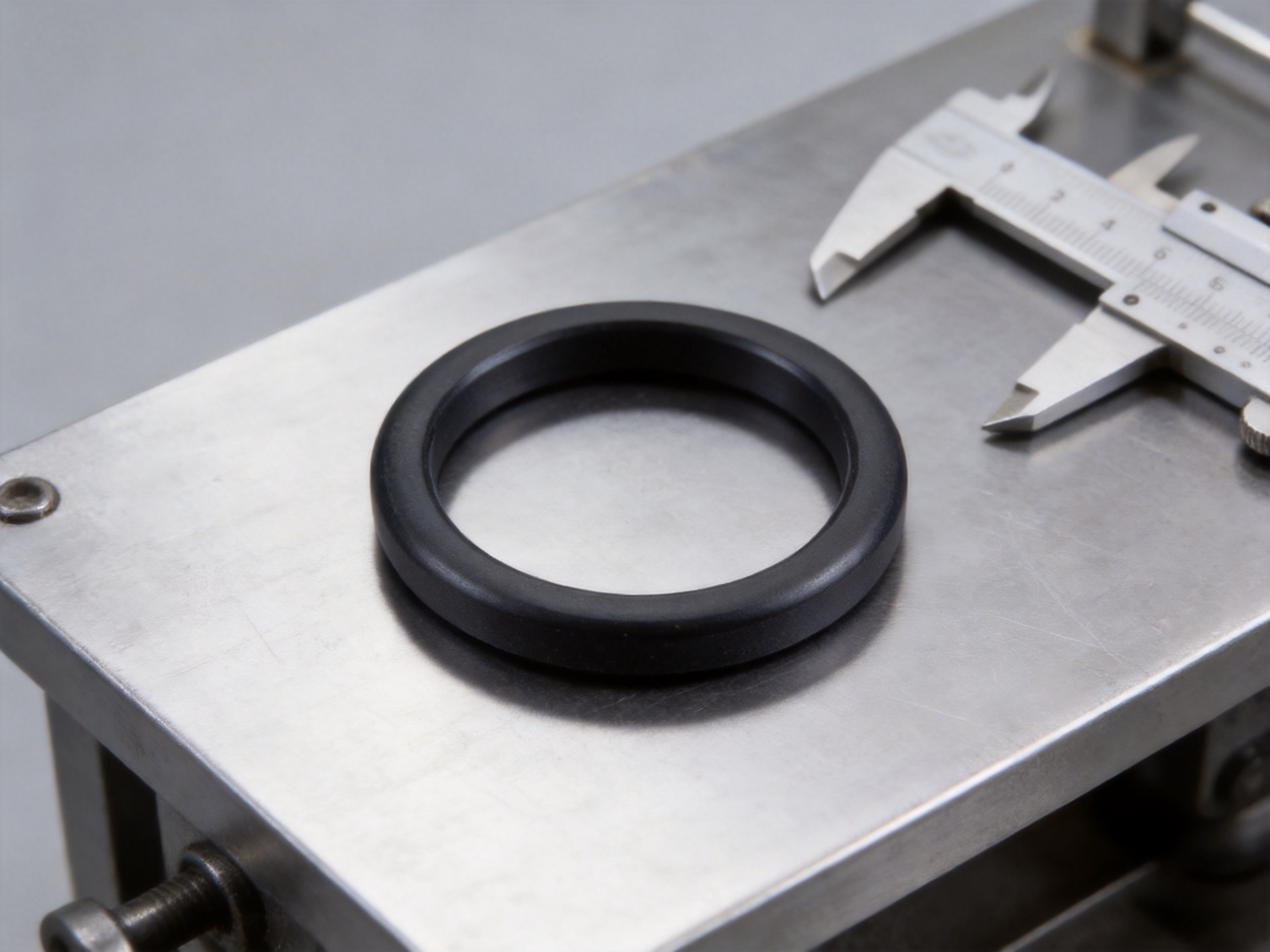
Material Performance: The Strength of NBR
NBR is a synthetic rubber made from acrylonitrile and butadiene. Its properties can be adjusted by changing the acrylonitrile content, curing system, filler system, plasticizer selection, and other compounding details. For O-rings, NBR is especially valued because it combines good oil resistance with mechanical resilience. It is commonly used in hydraulic systems, pneumatic devices, dampers, gas springs, automotive components, machinery, and industrial sealing systems.
For the 66mm Jumbo Flange O-Ring Seal, NBR offers several practical advantages. First, it resists swelling in many oils and greases better than general-purpose rubber. Excessive swelling can cause an O-ring to expand, lose hardness, extrude from the groove, or create assembly stress. Second, NBR provides good tensile and tear resistance, helping the seal survive installation and handling. Third, it offers favorable compression set resistance when properly compounded and cured. Fourth, it remains economical enough for high-volume industrial use, making it suitable for both OEM production and maintenance replacement needs.
The material also supports reliable sealing in static flange applications because it maintains elastic contact against metal or rigid polymer surfaces. When the flange is tightened, the O-ring deforms into the gland and creates contact pressure. A suitable NBR compound allows this deformation to remain controlled rather than brittle, excessively soft, or permanently flattened. This is essential for long-term sealing, especially in equipment that may experience temperature cycling, vibration, and mechanical settling after assembly.
While NBR is highly versatile, correct application assessment remains important. For very high temperatures, aggressive chemicals, ozone-heavy outdoor exposure, or specialized fuels, other elastomers such as HNBR or FPM may be recommended. A strong manufacturer does not merely sell a standard ring; it evaluates the working conditions and recommends the right compound. This is where professional sealing technology support becomes a major competitive advantage.
Designed for Large Equipment Covers and Flange Joints
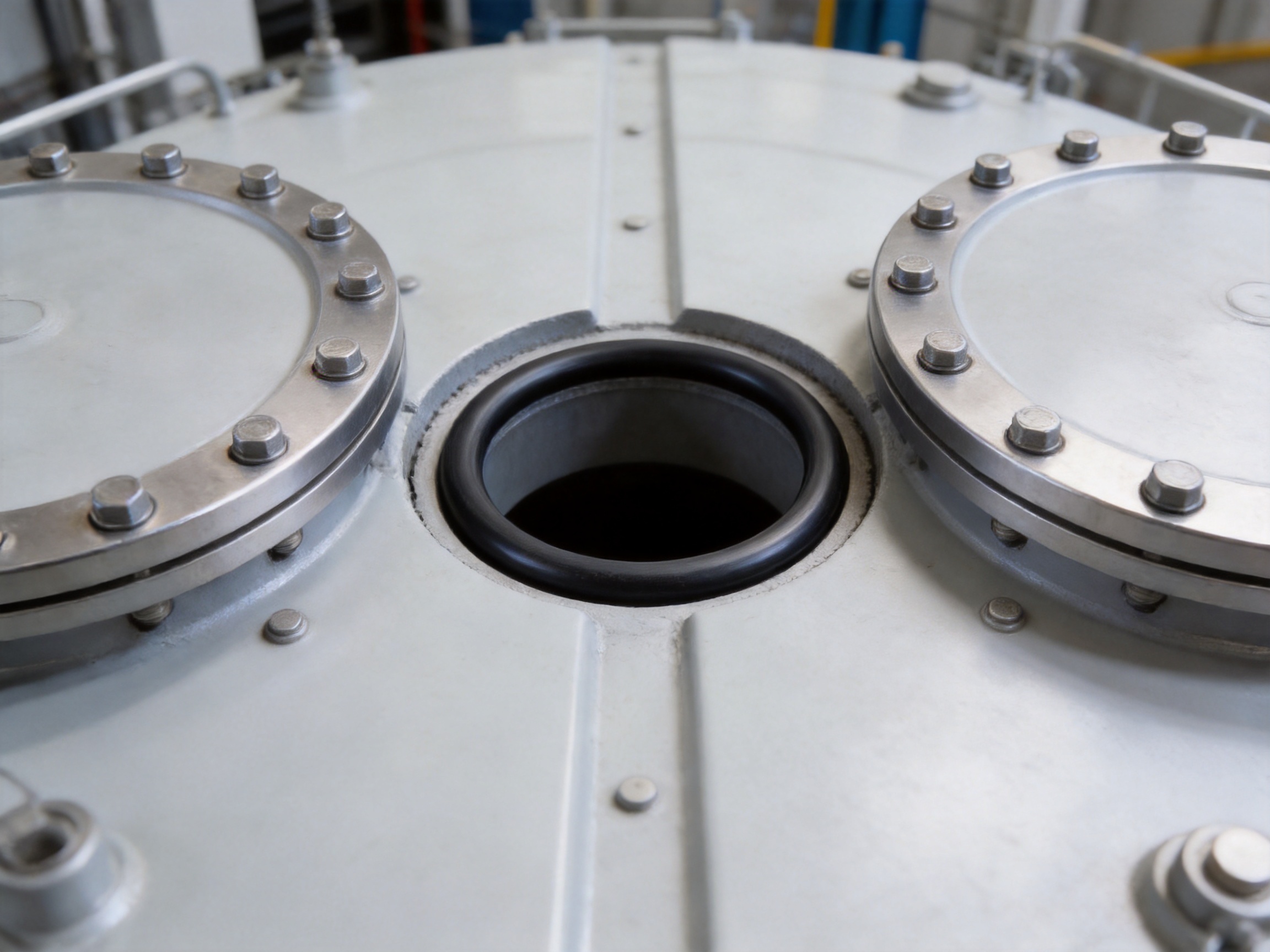
Large equipment covers and flange joints present unique sealing challenges. The sealing path is longer, which means any lack of uniformity in the O-ring, groove, or compression load can become a leakage point. The flange may also be affected by bolt spacing, surface flatness, machining marks, thermal expansion, and assembly torque variation. A large O-ring must therefore provide stable geometry, consistent cross-section, and enough resilience to adapt to the full circular contact area.
The 66mm Jumbo Flange O-Ring Seal is dedicated to 66 mm equipment covers or flange joints where predictable static sealing is needed. It is particularly valuable when the sealing interface must be opened for inspection or maintenance and then resealed. A stable O-ring reduces the risk of installation twisting, uneven seating, and pinching. It can also help maintenance teams restore sealing performance without complicated procedures.
In flange applications, the O-ring groove should be properly designed to maintain compression while preventing overfill. If the gland is too shallow, the O-ring may be over-compressed, causing high stress and early failure. If it is too deep, the O-ring may not generate enough sealing force. The 2.65 mm section provides a practical basis for designing a groove with appropriate squeeze. When installed correctly, the seal can maintain long-term compression force with reduced stress relaxation.
Large covers often encounter pressure differences, oil mist, lubricating fluid, dust, or environmental contamination. The seal prevents media from escaping and contaminants from entering. This improves the service life of internal components, reduces cleaning requirements, and supports equipment reliability. In industries where downtime is costly, the value of a dependable O-ring is much greater than its simple purchase price.
Precision Manufacturing and Process Control
The performance of an O-ring depends heavily on manufacturing control. Even a high-quality material formula can fail if the molding process is unstable. Ningguo Jnsseals Sealing Technology Co., Ltd. focuses on sealing technology for gas springs, dampers, and related O-ring products, and its production approach emphasizes precision, consistency, and application-oriented quality. The company’s manufacturing strengths include material preparation, mold design, rubber mixing control, vulcanization management, trimming, inspection, and technical support.
In the compounding stage, raw rubber, reinforcing fillers, curing agents, processing aids, and performance additives must be measured and mixed accurately. Poor dispersion can create weak spots, hardness variation, and inconsistent compression set. Controlled mixing helps ensure that each batch of NBR compound provides stable mechanical and sealing properties. For industrial customers, this batch stability is critical because it allows parts to perform consistently across repeated production runs.
Mold quality is another key factor. The O-ring mold must produce accurate ID and WD dimensions while minimizing flash and parting line defects. A poorly designed mold may create uneven cross-sections, eccentric rings, surface marks, or excessive trimming needs. Precision tooling improves the finished ring’s geometry and reduces the risk of defects that could affect sealing. For a 66 mm large O-ring, dimensional uniformity around the entire circumference is especially important because any local deviation can reduce contact pressure.
Vulcanization is the process that transforms the rubber compound into an elastic sealing product. Temperature, pressure, and curing time must be controlled carefully. Under-curing can leave the rubber weak, tacky, or unstable. Over-curing can make it brittle or reduce elastic recovery. A controlled vulcanization process helps the 66mm Jumbo Flange O-Ring Seal achieve the intended balance of hardness, resilience, tensile strength, and compression set resistance.
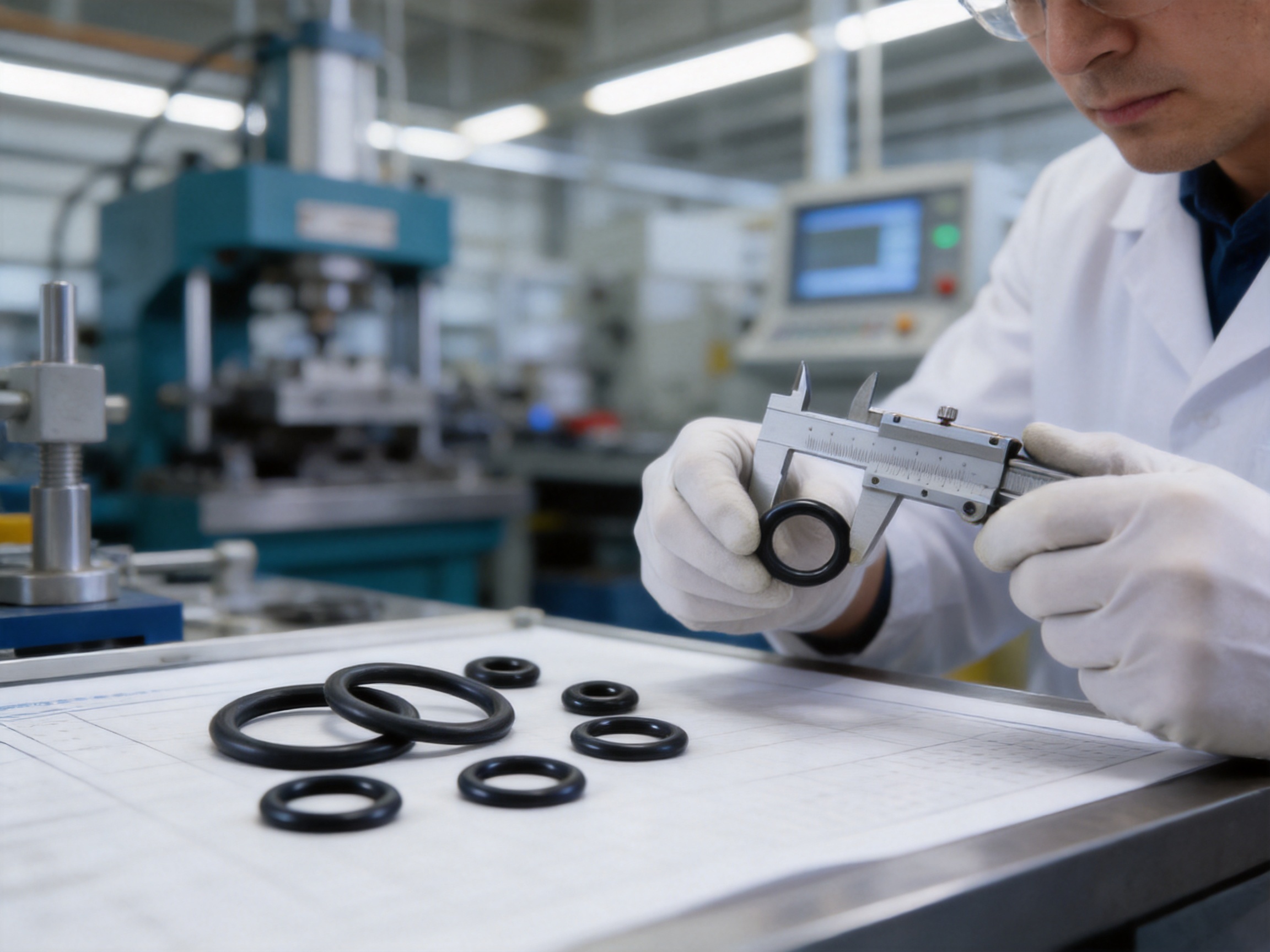
After molding, trimming and finishing remove flash and improve appearance. However, trimming must be controlled so that it does not cut into the sealing surface or create irregular edges. Quality inspection then verifies size, surface quality, material consistency, and visual defects. For demanding customers, inspection can include dimensional measurement, hardness testing, tensile testing, compression set testing, oil resistance testing, and aging evaluation according to project requirements.
Company Strengths Behind the Product
Ningguo Jnsseals Sealing Technology Co., Ltd. is a high-tech enterprise founded in 2019 and headquartered in Anhui, China. The company is dedicated to the research, development, and application of sealing technology, especially for gas springs, dampers, and O-ring products. This focused specialization is important because sealing components require more than general rubber processing knowledge. They require understanding of fluid behavior, friction, compression, media compatibility, groove design, and real-world installation conditions.
The company’s products are widely used in automotive, furniture, home appliances, medical equipment, construction, and other industries. These industries place different demands on sealing products. Automotive applications may require resistance to oil, heat, vibration, and long service life. Furniture and gas spring applications may require smooth operation, stable damping performance, and compact sealing structures. Home appliances may require clean appearance and reliable long-term operation. Construction and industrial equipment may require durability under dust, load, and temperature variation. Serving such a broad range of industries strengthens the company’s technical experience.
Another important strength is customized sealing solution capability. Customers often require more than a catalog size. They may need support with product design, groove recommendations, test validation, material selection, performance comparison, or failure analysis. The company provides product design, testing, and technical consultation, helping customers select suitable sealing structures and materials. This reduces trial-and-error cost and accelerates product development.
The company follows the philosophy of “People Oriented, Innovation Driven, Pursuit of Excellence.” In practical terms, this means investing in technical talent, improving production methods, and striving for reliable quality. For customers purchasing the 66mm Jumbo Flange O-Ring Seal, these strengths translate into consistent supply, professional communication, and the ability to support both standard and customized orders.
Quality Advantages Compared with Competitors
In the global O-ring market, competition is intense, and customers often face products that look similar but perform differently. A low-cost seal may save a small amount at purchase but create significant losses if it fails in service. Leakage can cause product recalls, equipment downtime, warranty claims, contamination, safety risks, and reputation damage. Therefore, the true value of an O-ring should be measured by installed performance, not only by unit price.
The 66mm Jumbo Flange O-Ring Seal offers advantages through controlled dimensions. Competitor products with poor dimensional tolerance may create uneven compression. If the cross-section is too thin in one area, leakage may occur. If it is too thick in another area, installation stress may increase. Stable 66*2.65 geometry helps maintain even sealing pressure around the flange. This is especially important in large-diameter seals because the sealing circumference is long and any inconsistency is multiplied over the whole interface.
Surface quality is another advantage. A sealing surface should be free from cracks, voids, deep parting marks, contamination, and rough flash. Defects can become leakage paths or stress concentration points. Advanced molding and inspection reduce these risks. Compared with ordinary O-rings that may have visible imperfections, a carefully manufactured seal improves reliability and customer confidence.
Material consistency also distinguishes high-quality products from commodity alternatives. Some low-cost O-rings may use recycled rubber, unstable filler ratios, or inconsistent curing systems. These practices can reduce oil resistance, increase compression set, and shorten service life. A professional manufacturer controls material formulation and production conditions to ensure predictable NBR performance. Customers benefit through fewer failures, more stable assembly processes, and better long-term sealing.
Technical support is another competitive advantage. Many suppliers provide parts only, leaving customers to solve application problems alone. A sealing technology company can assist with material selection, gland design, testing, and optimization. For example, if a customer uses the 66*2.65 O-ring in a flange that experiences frequent maintenance opening, the company can advise on installation lubrication, groove retention, and inspection intervals. If the application involves higher temperature or aggressive media, the company can recommend HNBR or FPM alternatives. This engineering support reduces risk and improves total value.
Application Scenarios
The 66mm Jumbo Flange O-Ring Seal can be used in many static sealing environments. One common application is equipment cover sealing. Covers are used for inspection access, lubrication chambers, transmission housings, valves, dampers, and mechanical assemblies. A large O-ring seated in a circular groove can prevent oil leakage while keeping dust, moisture, and foreign particles outside.
Another application is flange joint sealing. Flanges connect two mechanical parts and require a reliable sealing element between them. The O-ring provides localized compression and can seal effectively with lower clamping force than some flat gaskets, provided the groove is designed correctly. In compact equipment, this can allow smaller bolts, reduced assembly weight, and cleaner sealing geometry.
The product may also be used in gas spring and damper-related equipment where static sealing around housings, covers, or support components is required. Since the manufacturer specializes in gas spring and damper sealing technology, it understands the importance of stable elastomer behavior in systems where pressure retention, smooth movement, and long life are critical.
Industrial machinery, home appliances, automotive components, furniture hardware, and construction equipment can all include sealing points where a 66 mm ID O-ring is appropriate. Because the product is made from NBR, it is most suitable for oil and grease contact environments rather than highly aggressive chemical environments. However, application-specific verification is always recommended for critical systems.
Installation and Groove Design Considerations
Correct installation is essential for realizing the full performance of the 66mm Jumbo Flange O-Ring Seal. Even the best O-ring can fail if it is twisted, cut, over-compressed, under-compressed, or exposed to incompatible media. Before installation, the groove and mating surfaces should be clean, free from burrs, and properly machined. Sharp edges should be removed or chamfered to prevent cutting the O-ring during assembly.
The O-ring should sit evenly in the groove without excessive stretch. If installation requires stretching, it should be done smoothly and not beyond recommended limits. Excessive stretching reduces cross-section and can cause long-term stress. For large rings, installers should avoid rolling or spiraling the O-ring into the groove. A twisted O-ring may appear seated but can create uneven sealing pressure and premature failure.
Lubrication may be used when compatible with the rubber and working medium. A suitable lubricant reduces friction during assembly and helps prevent pinching. However, the lubricant must not cause swelling, softening, or chemical damage to NBR. In oil-contact applications, the operating oil may sometimes serve as an assembly lubricant, but this should be confirmed based on the application.
Groove design should consider compression squeeze, gland fill, thermal expansion, pressure direction, and tolerance accumulation. Static seals generally require enough squeeze to generate sealing force but not so much that the O-ring is crushed. The groove width should allow the rubber to deform without being overfilled. If pressure is present, extrusion gaps should be controlled. For higher pressure conditions, backup rings may be considered depending on the clearance and pressure level.
Long-Term Static Sealing Performance
Long-term static sealing depends on the seal’s ability to maintain contact stress. When an O-ring is compressed, the rubber pushes back against the mating surfaces. This elastic reaction creates the sealing force. Over time, heat, oil exposure, oxidation, and mechanical stress can reduce the rubber’s recovery. This is known as stress relaxation and compression set. A seal with low stress relaxation retains sealing force longer, making it more dependable for covers and flange joints that remain closed for extended periods.
The 66mm Jumbo Flange O-Ring Seal is described as having low stress relaxation for long-term static sealing. This is a critical advantage in equipment where the cover is not frequently opened. A seal that remains compressed for months or years must continue to prevent leakage even after temperature cycles and material aging. If the O-ring takes a permanent set, it may no longer rebound when the joint moves slightly or when pressure changes. This can create seepage or sudden leakage.
NBR’s compression set performance depends on compound formulation and curing quality. Proper manufacturing helps reduce permanent deformation. In addition, the 2.65 mm section provides enough elastomer body to maintain sealing force while avoiding extreme compression. The result is a practical sealing component for large static joints where stability matters.
Cost Efficiency and Total Value
When evaluating O-rings, cost should be considered in terms of total value. The purchase price is only one factor. Other costs include installation time, rejection rate, maintenance frequency, leakage risk, warranty claims, equipment downtime, and inventory management. A high-quality O-ring may offer a much lower total cost if it reduces failures and improves assembly consistency.
The 66mm Jumbo Flange O-Ring Seal provides cost efficiency because NBR is a practical, widely used material. It delivers strong oil resistance and mechanical properties without the higher cost of specialty elastomers. For many equipment covers and flange joints, NBR offers the best balance between performance and affordability. This makes the product suitable for both high-volume production and maintenance replacement programs.
Dimensional stability also supports cost efficiency. If an O-ring fits correctly and installs easily, assembly workers spend less time correcting seating issues. Stable cross-section reduces the chance of over-compression or leakage. Reliable batch quality reduces incoming inspection problems and production interruptions. Technical support from the manufacturer further reduces development time and application risk.
Compared with competitors offering generic O-rings without engineering support, this product provides a stronger value proposition. Customers receive not only a sealing component but also access to a manufacturer with sealing technology experience, advanced production equipment, and customized solution capabilities.
Customization Possibilities
Although the A-4-015 product is specified as 66*2.65 NBR, many customers require customized solutions. A flange joint may operate at higher temperature, contact special oil, require a different hardness, or need improved resistance to ozone, wear, or chemicals. Ningguo Jnsseals Sealing Technology Co., Ltd. offers custom NBR, HNBR, and FPM O-ring products, allowing customers to select materials according to application requirements.
HNBR may be selected when higher temperature resistance, better ozone resistance, and improved mechanical strength are needed compared with standard NBR. FPM may be selected for higher heat resistance and stronger chemical resistance in demanding fluid environments. For standard oil sealing and cost-effective industrial applications, NBR often remains the preferred choice. The ability to provide multiple material options helps customers optimize performance and cost.
Customization can also include dimensions, hardness, color, packaging, inspection standards, and application testing. For OEM customers, stable supply and traceability are important. For maintenance customers, fast identification and reliable replacement dimensions matter. The company’s technical consultation service helps bridge the gap between product design and actual field performance.
Environmental and Operational Reliability
Reliable sealing contributes to environmental protection and operational cleanliness. Oil leakage is not only a maintenance problem; it can contaminate work areas, damage nearby components, create slip hazards, and increase fluid consumption. A dependable O-ring helps keep lubricants and working fluids contained. This supports safer workplaces and reduces waste.
In machinery and equipment manufacturing, leak prevention also improves product reputation. End users expect equipment to remain clean and functional. A small seal failure can create the impression of poor overall quality, even if the rest of the machine is well designed. Selecting a reliable O-ring for large covers and flanges helps manufacturers protect their brand reputation and reduce after-sales service costs.
Operational reliability also depends on compatibility between the seal and the system. The 66mm Jumbo Flange O-Ring Seal performs best when used within suitable NBR conditions. For applications outside normal NBR capability, professional material evaluation should be performed. This responsible approach ensures that customers receive the right sealing solution rather than a one-size-fits-all recommendation.
Recommended Purchasing Considerations
Before purchasing the 66mm Jumbo Flange O-Ring Seal, customers should confirm the groove diameter, groove width, groove depth, mating surface finish, operating medium, temperature range, pressure condition, and assembly method. These factors determine whether the 66*2.65 NBR specification is ideal for the application. If the product is used as a replacement part, the old seal should be measured carefully, but customers should remember that used O-rings may be deformed and may not represent the original dimensions accurately.
For new designs, engineers should calculate compression squeeze and gland fill using recognized O-ring design principles. They should also consider tolerance stack-up and thermal expansion. If the flange is made of plastic or aluminum, closure force should be reviewed carefully. The 2.65 mm wire diameter helps balance sealing height and closure force, but proper groove design remains essential.
Customers should also consider storage conditions. O-rings should be stored away from direct sunlight, ozone sources, high heat, moisture, and chemical vapors. They should remain in clean packaging until use. Proper storage helps preserve elasticity and extends shelf life. Inventory should be managed by batch and date to maintain quality traceability.
Q&A Section
Q1: What is the main purpose of the 66mm Jumbo Flange O-Ring Seal?
The main purpose is to provide reliable static sealing for large equipment covers, flange joints, circular housings, and similar interfaces. It prevents oil, grease, or other compatible media from leaking while helping keep contaminants outside the assembly.
Q2: What does the 66*2.65 specification mean?
The specification means the O-ring has a 66 mm inner diameter and a 2.65 mm wire diameter. The large ID is suitable for wide circular sealing paths, while the 2.65 mm cross-section provides balanced sealing height and manageable closure force.
Q3: Why is NBR used for this product?
NBR is used because it offers good resistance to oils, greases, and many industrial fluids. It also provides practical mechanical strength, abrasion resistance, compression performance, and cost efficiency, making it suitable for many static sealing applications.
Q4: How does this product compare with ordinary low-cost O-rings?
Compared with ordinary low-cost O-rings, this product emphasizes dimensional consistency, material stability, controlled molding, low stress relaxation, and application reliability. These qualities help reduce leakage risk, improve installation consistency, and lower long-term maintenance costs.
Q5: Is this O-ring suitable for dynamic sealing?
The product is primarily described for static sealing, especially equipment covers and flange joints. It may not be the best choice for high-speed dynamic sealing unless the application is evaluated by sealing engineers. Dynamic conditions require additional consideration of friction, wear, lubrication, and movement.
Q6: Can the material be changed for special applications?
Yes. The manufacturer offers custom sealing solutions, including NBR, HNBR, and FPM O-ring products. If the application involves high temperature, aggressive chemicals, ozone exposure, or special fluids, an alternative material may be recommended.
Q7: What installation problems should be avoided?
Installers should avoid twisting, cutting, overstretching, over-compressing, under-compressing, and pinching the O-ring. The groove should be clean, burr-free, and properly designed. Compatible lubrication may be used to reduce assembly friction.
Q8: Why is low stress relaxation important?
Low stress relaxation means the O-ring can retain sealing force for a longer time after compression. This is essential for static sealing because a seal that loses contact pressure may begin to leak even if it initially performed well.
Q9: What industries can use this product?
Potential industries include automotive, furniture hardware, home appliances, medical equipment, construction equipment, gas springs, dampers, machinery, and general industrial equipment. Suitability depends on the exact working conditions and media compatibility.
Q10: Why choose a specialized sealing technology manufacturer?
A specialized manufacturer can provide not only the product but also technical consultation, material selection, design support, testing, and customized solutions. This reduces application risk and improves the reliability of the final equipment.
Conclusion
The 66mm Jumbo Flange O-Ring Seal is a practical and reliable sealing solution for large equipment covers and flange joints requiring stable static sealing performance. With its 66*2.65 dimension, 66 mm inner diameter, 2.65 mm wire diameter, and NBR material, it provides a well-balanced combination of sealing height, closure force control, oil resistance, and long-term elastic stability. Its low stress relaxation makes it especially valuable for static joints that must remain sealed over extended operating periods.
Its advantages over ordinary competitor products come from consistent dimensions, controlled material quality, precision molding, professional production processes, and application-oriented technical support. Rather than functioning as a simple commodity rubber ring, it serves as a carefully engineered sealing component that supports equipment reliability, cleaner operation, and reduced maintenance risk.
Ningguo Jnsseals Sealing Technology Co., Ltd. strengthens the value of this product through its focus on sealing technology, advanced manufacturing capabilities, R&D strength, testing support, and customized solution services. For customers in automotive, furniture, home appliances, medical equipment, construction, gas spring, damper, and industrial machinery fields, the company offers both standard O-ring products and tailored sealing solutions. When properly selected, installed, and maintained, the 66mm Jumbo Flange O-Ring Seal can provide dependable performance and long-term value in large static sealing applications.
References
1. Parker Hannifin Corporation. O-Ring Handbook: Design, Materials, and Applications.
2. SAE International. Elastomer Compatibility and Sealing Design Guidelines for Industrial and Automotive Applications.
3. ASTM International. Standard Test Methods for Rubber Property Evaluation, Including Compression Set and Tensile Performance.
4. James Walker. Elastomer Engineering Guide for Sealing Applications.
5. Fluid Sealing Association. Technical Handbook for Compression Seals and O-Ring Gland Design.
6. ISO 3601. Fluid Power Systems: O-Rings, Inside Diameters, Cross-Sections, Tolerances, and Design Criteria.
Product: 66mm Jumbo Flange O-Ring Seal
PREV:1500N Heavy-Duty Hydraulic Seal: Design, Performance, Manufacturing Quality, and Application Guide
NEXT:No next article
NEXT:No next article


Want to know more
about us?
about us?

Precision sealing for gas springs and dampers. Durable, wear-resistant, and built for long-life performance in demanding applications.
Product Categories
Quick Links
Contact Us
-
Email: jns@jnsseals.cn

-
Manager Gong: +86-18563770820

-
Manager Wang: +8615357558902
-
No. 5, Meilin Avenue, Meilin Industrial Development Zone, Ningguo City, Anhui Province, China

