

 English
 русский
 Deutsch
 Türk
Türk 中文简体
中文简体
1500N Heavy-Duty Hydraulic Seal: Design, Performance, Manufacturing Quality, and Application Guide
1500N Heavy-Duty Hydraulic Seal: Design, Performance, Manufacturing Quality, and Application Guide
1500N Heavy-Duty Hydraulic Seal: Design, Performance, Manufacturing Quality, and Application Guide
1500N Heavy-Duty Hydraulic Seal: Design, Performance, Manufacturing Quality, and Application Guide
1500N Heavy-Duty Hydraulic Seal: Design, Performance, Manufacturing Quality, and Application Guide
1500N Heavy-Duty Hydraulic Seal: Design, Performance, Manufacturing Quality, and Application Guide
1500N Heavy-Duty Hydraulic Seal: Design, Performance, Manufacturing Quality, and Application Guide
1500N Heavy-Duty Hydraulic Seal: Design, Performance, Manufacturing Quality, and Application Guide
1500N Heavy-Duty Hydraulic Seal: Design, Performance, Manufacturing Quality, and Application Guide
1500N Heavy-Duty Hydraulic Seal: Design, Performance, Manufacturing Quality, and Application Guide
1500N Heavy-Duty Hydraulic Seal: Design, Performance, Manufacturing Quality, and Application Guide
1500N Heavy-Duty Hydraulic Seal: Design, Performance, Manufacturing Quality, and Application Guide
1500N Heavy-Duty Hydraulic Seal: Design, Performance, Manufacturing Quality, and Application Guide
1500N Heavy-Duty Hydraulic Seal: Design, Performance, Manufacturing Quality, and Application Guide
1500N Heavy-Duty Hydraulic Seal: Design, Performance, Manufacturing Quality, and Application Guide
1500N Heavy-Duty Hydraulic Seal: Design, Performance, Manufacturing Quality, and Application Guide

Deng Yixuan — Domestic Sales Supervisor
Home / Author / Deng Yixuan — Domestic Sales Supervisor / 1500N Heavy-Duty Hydraulic Seal: Design, Performance, Manufacturing Quality, and Application Guide
NEW Category
Contact us
1500N Heavy-Duty Hydraulic Seal: Design, Performance, Manufacturing Quality, and Application Guide
Content
- 1 1. Product Overview
- 2 2. How the Y-Type Sealing Profile Works
- 3 3. Heavy-Duty Performance up to 1500N
- 4 4. NBR Material and Its Practical Benefits
- 5 5. Manufacturing Process and Production Strengths
- 6 6. Competitive Advantages of the A-1-017 Design
- 6.1 Advantage 1: Heavy-Duty Structural Design
- 6.2 Advantage 2: Application Range up to 1500N
- 6.3 Advantage 3: Optimized Lip Angle
- 6.4 Advantage 4: NBR Oil Resistance
- 6.5 Advantage 5: Compact Standardized Dimensions
- 6.6 Advantage 6: Technical Customization
- 6.7 Advantage 7: Industry Experience Across Applications
- 7 7. Application Areas
- 8 8. Installation Recommendations
- 9 9. Maintenance and Service-Life Considerations
- 10 10. Quality Assurance and Customer Support
- 11 11. Comparison with General-Purpose Sealing Rings
- 12 12. Engineering Limits and Responsible Selection
- 13 13. Custom Development Opportunities
- 14 14. Why Manufacturing Partnership Matters
- 15 15. Frequently Asked Questions
- 15.1 Q1: What type of seal is the A-1-017 product?
- 15.2 Q2: What are the main dimensions?
- 15.3 Q3: What does the 1500N rating represent?
- 15.4 Q4: Which material is used?
- 15.5 Q5: Is the product suitable for every hydraulic application?
- 15.6 Q6: Can the seal be used in gas springs?
- 15.7 Q7: How does the thick-wall design help?
- 15.8 Q8: What is the purpose of the optimized lip angle?
- 15.9 Q9: Can an alternative material be requested?
- 15.10 Q10: Can the product be customized?
- 15.11 Q11: What should be checked before installation?
- 15.12 Q12: How can premature seal failure be prevented?
- 15.13 Q13: What industries can use this product?
- 15.14 Q14: Does the product require testing before volume purchase?
- 15.15 Q15: What information should be provided for technical consultation?
- 16 16. Conclusion
- 17 References
- 18 Product: 1500N Heavy-Duty Hydraulic Seal
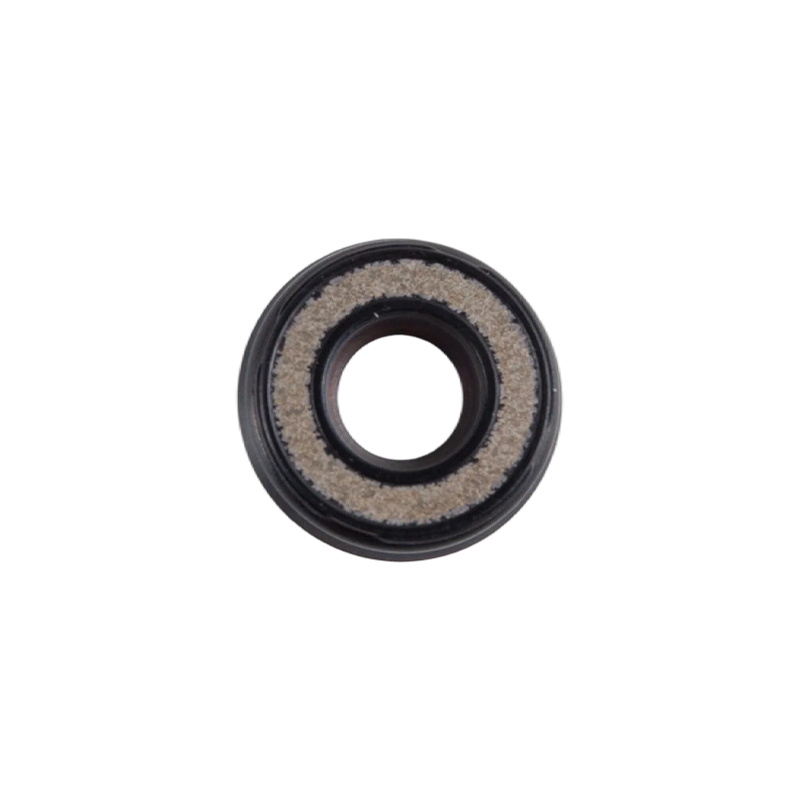
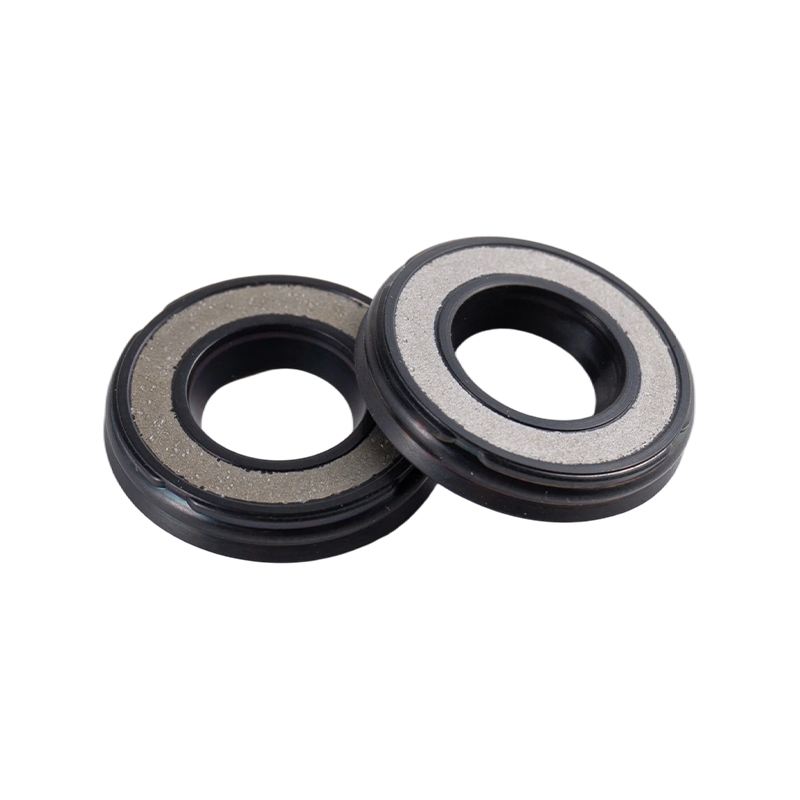
The 1500N Heavy-Duty Hydraulic Seal is a compact sealing component designed for demanding gas spring, damper, piston, and hydraulic-style actuator applications. Its primary purpose is to maintain a dependable barrier between moving components while resisting thrust, impact, friction, and the gradual wear associated with repeated operating cycles. With a thick-wall profile, an optimized sealing lip angle, and an NBR elastomer construction, this seal is engineered for applications in which ordinary light-duty sealing rings may deform, leak, or lose their sealing force.
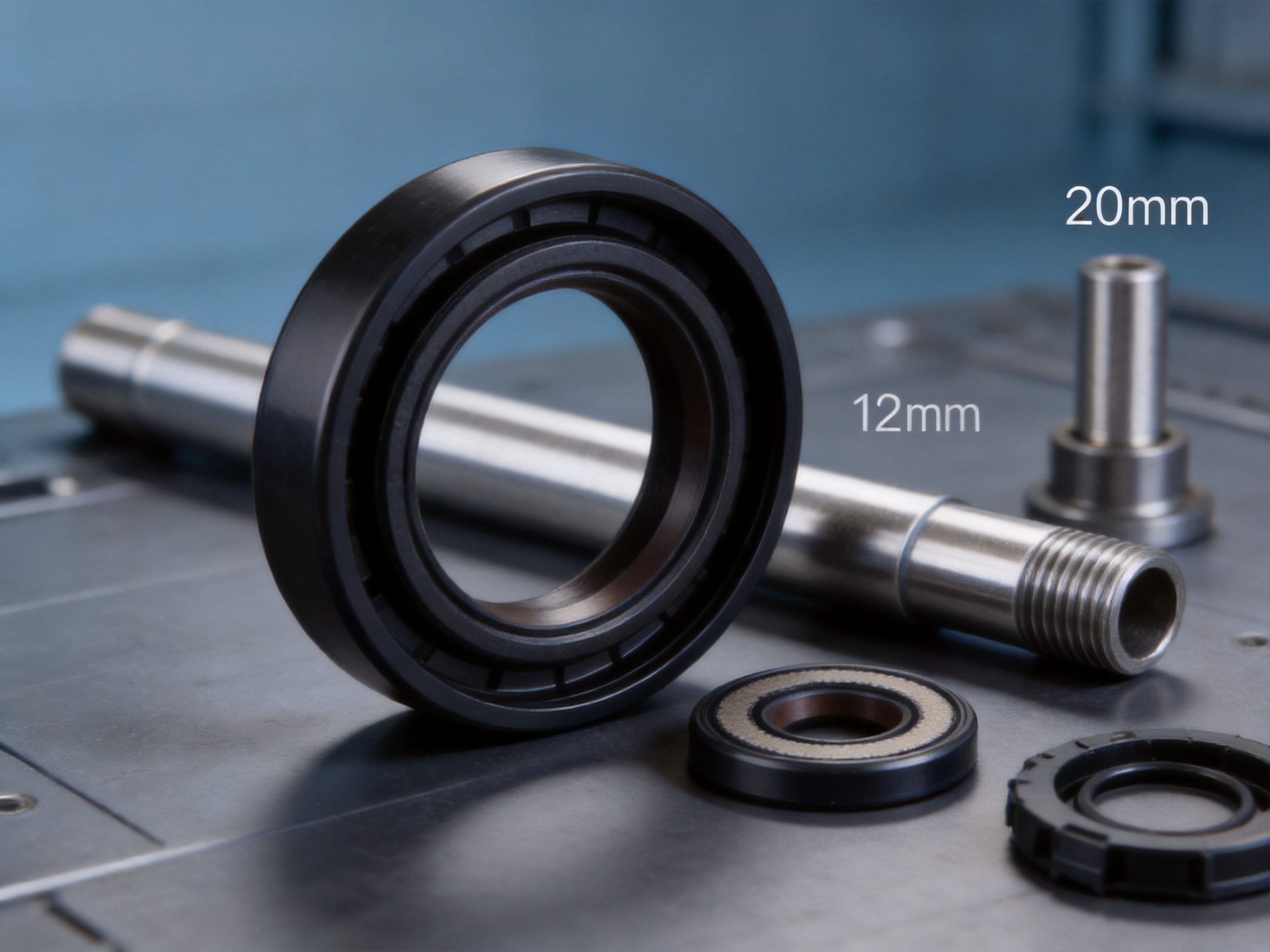
The product is identified by product code A-1-017 and is specified at 20.8 mm outside diameter, 11.2 mm inside diameter, and 3.8 mm height. It is designed for use with a 20 mm by 12 mm steel pipe and piston rod arrangement, with a compatible 20 mm by 2.4 mm O-ring adapter. Its stated design applicable pressure range is 50–1500N, indicating a focus on axial load and thrust-related sealing performance rather than a conventional pressure rating expressed in bar or megapascals.
In practical applications, seal performance depends on more than material hardness or nominal dimensions. The interaction between the seal profile, piston rod, housing, O-ring adapter, surface finish, assembly method, temperature, lubricant, and operating cycle all influence service life. The A-1-017 design addresses several of these factors through a reinforced geometry that supports stable contact and improved resistance to mechanical shock.
This article examines the product’s construction, operating principles, material characteristics, manufacturing strengths, quality considerations, application guidelines, competitive advantages, and selection factors. It also explains how Ningguo Jnsseals Sealing Technology Co., Ltd. supports customized sealing projects through product design, testing, technical consultation, and production expertise.
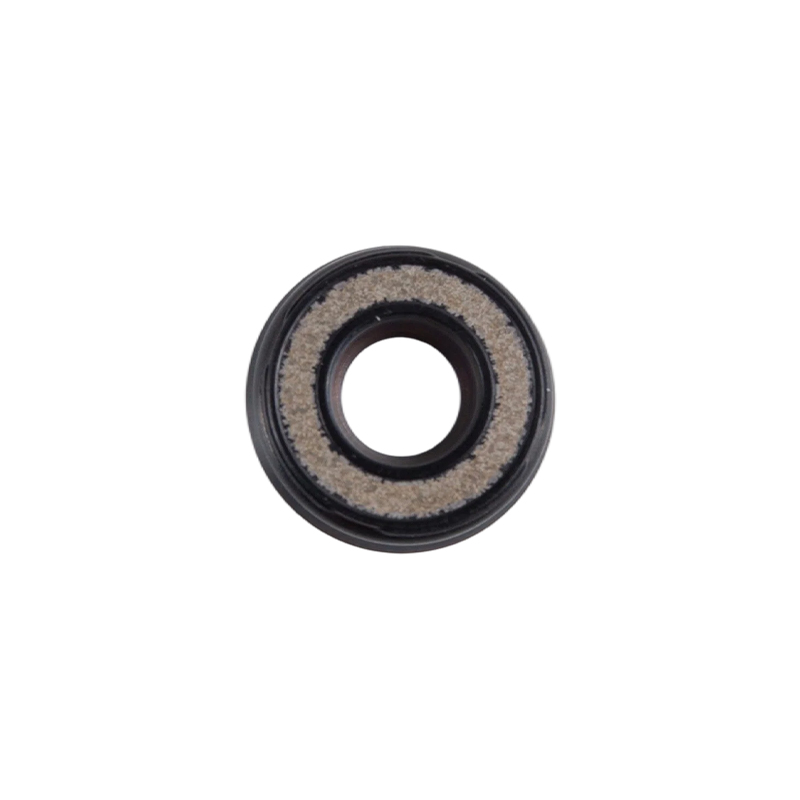
1500N Heavy-Duty Hydraulic Seal
1. Product Overview
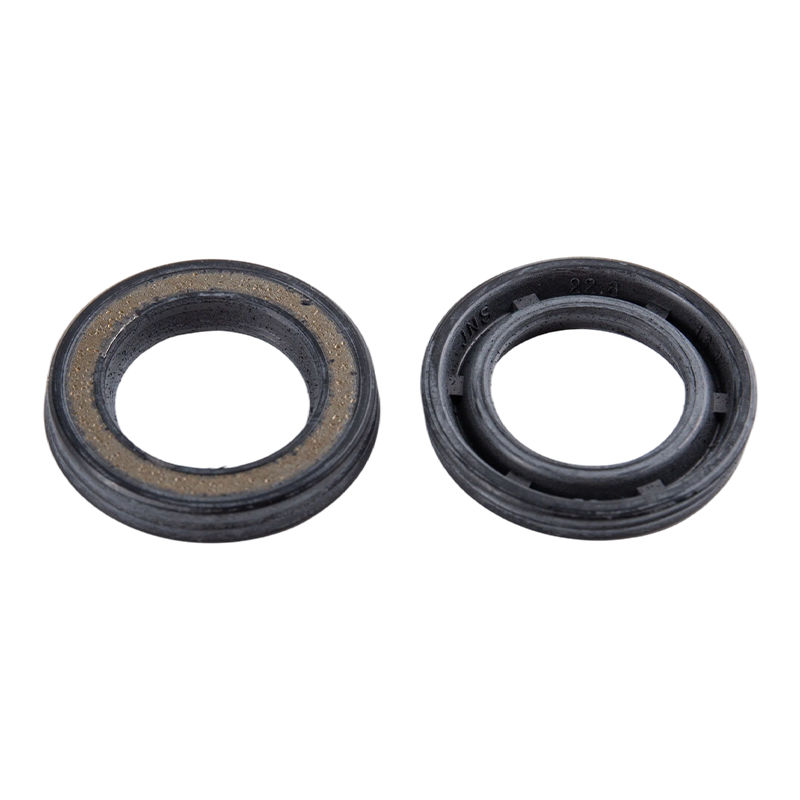
The 1500N Heavy-Duty Hydraulic Seal is a Y-type oil seal ring intended for use in compact mechanical systems that require controlled sealing around a moving rod or piston. The Y-type configuration receives its name from the general cross-sectional appearance of the seal. Its two sealing lips form a functional contact structure that can maintain contact with a mating surface while leaving the body supported within the groove or housing.
The seal’s product description is A-1-017, and its design is associated with 2012 specifications. This specification reference provides a dimensional and application basis for compatible assemblies. Before installation, engineers should confirm whether the intended equipment follows the same dimensional standard and whether the product’s force range, temperature conditions, surface finish, and material requirements are suitable for the application.
The principal product dimensions are compact enough for gas springs, dampers, furniture mechanisms, automotive components, and other space-constrained assemblies. The 20.8 mm outside diameter allows the seal to fit a corresponding housing, while the 11.2 mm inside diameter provides the nominal rod-contact dimension. The 3.8 mm height defines the axial space required by the seal within the assembly.
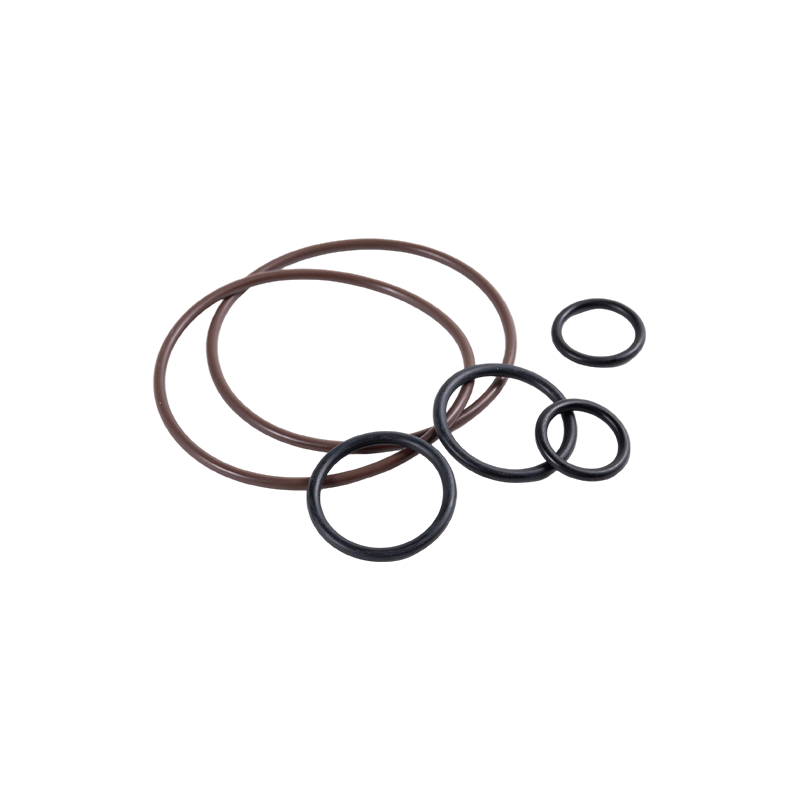
The included O-ring adapter specification is 20 mm by 2.4 mm. This adapter can work as part of the sealing arrangement, supporting installation and helping maintain a stable interface between the main seal and the surrounding component. Correct compatibility between the seal, adapter, groove, and housing is essential. Even a high-quality seal may perform poorly if installed in an incorrectly sized or damaged groove.
Key Product Data
| Item | Specification |
|---|---|
| Product name | 1500N Heavy-Duty Hydraulic Seal |
| Product type | Y-Type Oil Seal Ring |
| Product code | A-1-017 |
| Outside diameter | 20.8 mm |
| Inside diameter | 11.2 mm |
| Height | 3.8 mm |
| O-ring adapter | 20 mm × 2.4 mm |
| Compatible pipe and piston rod arrangement | 20 mm steel pipe inner diameter × 12 mm piston rod diameter |
| Design applicable force range | 50–1500N |
| Material | NBR |
| Application focus | Gas springs, dampers, compact actuators, and related sealing assemblies |
The dimensions should be treated as nominal product data. Actual installation should be verified against the engineering drawing, groove dimensions, tolerance requirements, mating rod diameter, and assembly conditions. If the product will be used in a new design, a sample evaluation is recommended before full-scale production.
2. How the Y-Type Sealing Profile Works
A Y-type oil seal ring is designed to create controlled sealing contact around a moving shaft, rod, or piston. The lips are shaped to maintain contact with the dynamic surface without generating unnecessary friction. The seal body is retained by the housing or groove, while the lip geometry responds to movement, pressure, and lubrication.
During operation, fluid or gas pressure can assist the sealing action by pressing the lip against the rod surface. This pressure-assisted effect can help reduce leakage when the seal is correctly installed and when the pressure direction matches the design. At the same time, the seal must not be exposed to pressure levels, pressure spikes, or motion speeds beyond its intended application range.
The optimized lip angle of the A-1-017 design supports a balance between sealing force and movement resistance. If the lip angle is too open, the seal may not maintain sufficient contact during low-pressure or reversing movement. If the angle is too aggressive, friction and heat generation may increase. A carefully selected angle allows the seal to remain effective while supporting smooth movement.
The thick-wall design contributes to structural stability. A thin or weak seal may roll, twist, buckle, or extrude when exposed to impact or axial thrust. By contrast, a thicker body can provide greater resistance to deformation during installation and operation. This is particularly valuable in compact gas springs and dampers where the available groove space is limited and the component may experience repeated compression and extension.
A seal is not simply a passive barrier. It is a precision interface that must accommodate relative movement, thermal expansion, surface irregularities, pressure changes, and assembly variation. The quality of its geometry therefore has a direct influence on leakage control, friction behavior, noise, and service life.
3. Heavy-Duty Performance up to 1500N
The product is designed for applications handling up to 1500N of extreme thrust within the stated design range. This characteristic makes it more suitable for demanding assemblies than many light-duty sealing rings intended only for low-load mechanisms. The heavy-duty designation reflects the combination of load capability, thick-wall construction, impact resistance, and optimized lip geometry.
Load resistance is important in applications where the piston or rod is not merely moving smoothly through a low-pressure chamber. A gas spring may experience high compression forces, sudden changes in load, side loading caused by imperfect alignment, or repeated end-of-stroke impacts. A damper may encounter rapid cycling, vibration, and pressure changes. These conditions can challenge the stability of the sealing lip and the retention of the seal body.
The A-1-017 seal is designed to remain functional under these demanding conditions when used within the specified design parameters. Its structure helps distribute mechanical stress through the seal body rather than concentrating all of the load at a narrow lip edge. This can reduce the possibility of local tearing, rolling, or permanent deformation.
It is important to interpret the 50–1500N range correctly. The value is presented as a design applicable pressure range in the supplied product information, but it is expressed in newtons, a unit of force. It should therefore be confirmed with the equipment manufacturer or application engineer before use in a system where fluid pressure is normally stated in bar or megapascals. The actual pressure capability of a seal depends on extrusion gaps, material hardness, temperature, clearance, speed, surface finish, and pressure duration.
Heavy-duty performance also depends on the surrounding assembly. A seal cannot compensate for an oversized clearance, a rough or damaged piston rod, incorrect groove dimensions, or severe misalignment. The best results are achieved when the seal and the complete mechanical system are designed as a compatible set.
Impact Resistance
Impact resistance is a key advantage in mechanisms that experience abrupt movement or load changes. During installation, the seal may encounter a groove edge or rod transition. During operation, the piston may change direction or reach an end stop. A seal with insufficient structural support may be cut, folded, or displaced under these conditions.
The thick-wall profile of the A-1-017 design provides additional material around the sealing structure. This supports better resistance to mechanical shock than a delicate, thin-section ring. It also helps the seal retain its shape during handling, fitting, and repeated cycling.
Stable Sealing Contact
The optimized lip angle helps create stable contact with the rod while avoiding excessive interference. Stable contact is essential for preventing leakage paths. It also helps the seal accommodate small changes in position that can occur as the rod moves or the elastomer responds to temperature and pressure.
In a properly lubricated assembly, the lip should retain a controlled film of lubricant rather than scraping every trace from the rod. This balance reduces friction and protects the contact surfaces. The exact behavior depends on lubricant compatibility, surface texture, rod hardness, operating speed, and temperature.
4. NBR Material and Its Practical Benefits
The A-1-017 seal is manufactured from NBR, or nitrile butadiene rubber. NBR is widely used in oil seals, O-rings, gaskets, hydraulic components, gas spring seals, and industrial sealing products because it provides a useful combination of oil resistance, mechanical strength, abrasion resistance, and cost efficiency.
One of the main strengths of NBR is its compatibility with many mineral-based oils and common industrial lubricants. This makes it suitable for a broad range of mechanical sealing environments. However, compatibility must always be confirmed against the exact fluid, additive package, temperature, and exposure time. Not every oil, fuel, solvent, or chemical is suitable for every NBR compound.
NBR also offers good resistance to wear under dynamic contact. The sealing lip repeatedly interacts with the piston rod, so resistance to abrasion is essential. A material that wears too quickly may develop a leakage path, lose contact pressure, or produce excessive friction particles within the assembly.
Mechanical strength is another important benefit. NBR can resist tearing and deformation when properly compounded and cured. This supports the thick-wall and impact-resistant design objectives of the product. The actual performance of an NBR seal depends on its formulation, hardness, curing system, filler package, reinforcement, and production consistency.
NBR is not universally suitable for every operating environment. Applications involving very high temperatures, aggressive chemicals, ozone exposure, or specialized fuels may require HNBR, FPM, or another elastomer. Ningguo Jnsseals Sealing Technology Co., Ltd. also focuses on NBR, HNBR, and FPM O-ring products, allowing customers to discuss material selection when NBR is not the optimal choice.
NBR Selection Considerations
When selecting an NBR seal, engineers should evaluate the working temperature, lubricant type, pressure or force, movement speed, rod material, surface finish, environmental exposure, expected cycle count, and storage conditions. Hardness is also important. A softer compound may conform well to surface irregularities but can be more vulnerable to extrusion or wear. A harder compound may resist extrusion and deformation but generate greater friction if the design is not adjusted accordingly.
The product data supplied for A-1-017 identifies the material as NBR but does not specify hardness, temperature range, elongation, tensile strength, or compression set. These values should be requested when they are critical to the application. For large-volume or safety-sensitive projects, a technical review and sample test can establish whether the chosen compound meets the required performance.
5. Manufacturing Process and Production Strengths
Reliable sealing performance begins with controlled manufacturing. A seal’s dimensions may appear simple, but small deviations in lip angle, height, diameter, concentricity, surface condition, or material hardness can influence leakage and friction. For this reason, professional seal production requires carefully managed tooling, material preparation, molding, trimming, inspection, and packaging.
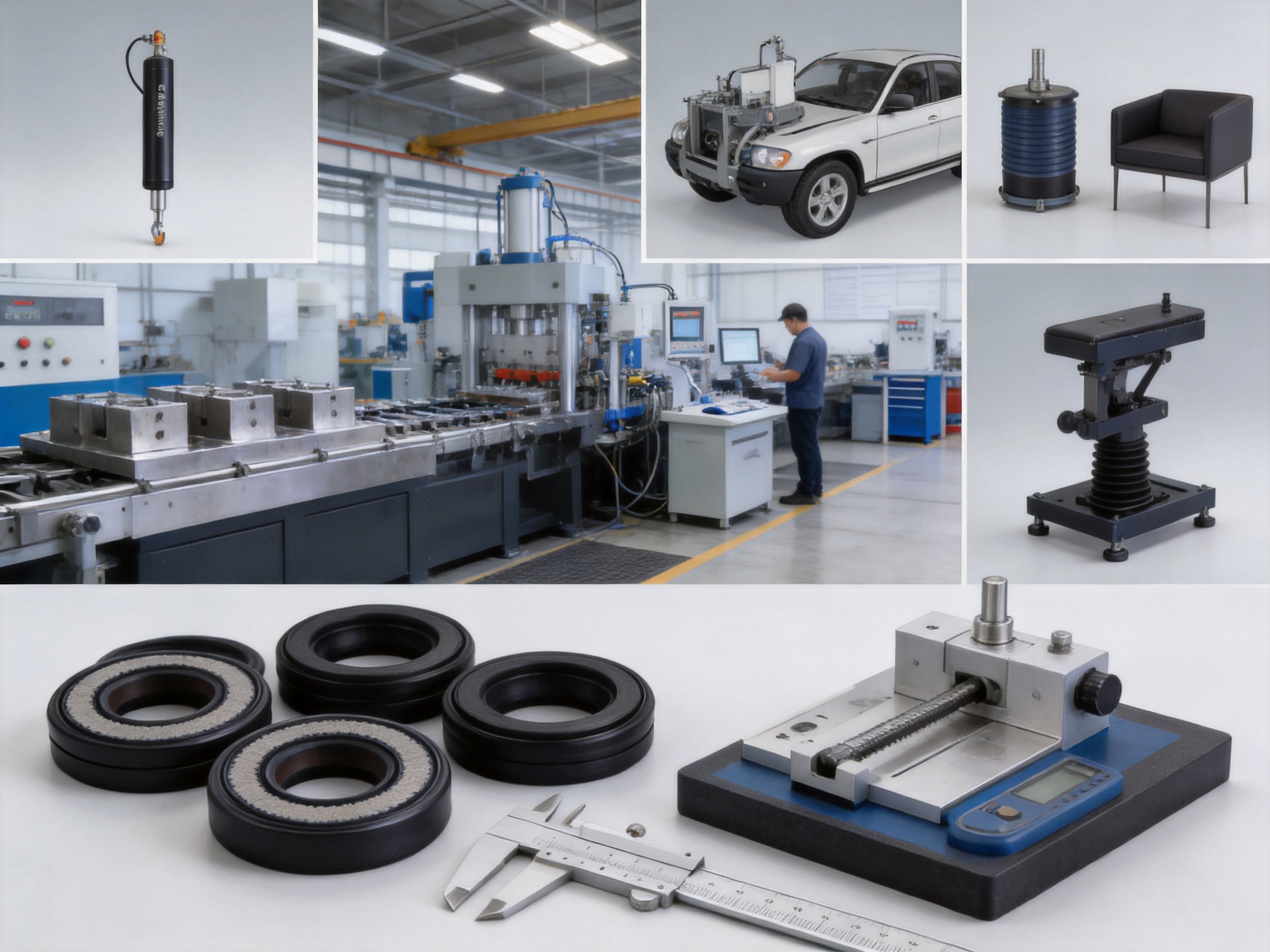
Ningguo Jnsseals Sealing Technology Co., Ltd. is a high-tech enterprise founded in 2019 and headquartered in Anhui, China. The company focuses on the research, development, and application of sealing technology for gas springs, dampers, and related O-ring products. Its stated capabilities include product design, testing, technical consultation, advanced production equipment, and professional technical service.
The manufacturing process for a product such as A-1-017 generally begins with technical review. Engineers confirm the dimensional requirements, application conditions, material selection, groove arrangement, and expected production volume. If the seal is being developed for a customer-specific assembly, the team may review drawings, samples, mating components, and performance targets before preparing tooling or modifying an existing design.
Compound Preparation
Material preparation is a critical first stage. NBR compounds are formulated according to the intended balance of elasticity, oil resistance, hardness, abrasion resistance, tensile strength, and compression set. Accurate weighing and controlled mixing help ensure that each production batch has consistent properties.
Inconsistent mixing can produce variations in hardness, color, cure response, or mechanical strength. Professional production therefore requires attention to ingredient dispersion, mixing temperature, mixing time, batch identification, and storage conditions. Proper material traceability also supports quality investigations and repeat orders.
Tooling and Mold Control
The sealing profile is formed by a precision mold. Tooling quality directly affects the accuracy of the lip angle, wall thickness, inside diameter, outside diameter, and overall height. Mold wear, contamination, flash formation, or misalignment can create dimensional variation.
For a heavy-duty Y-type seal, mold control is particularly important because the thick-wall structure and lip geometry must work together. The mold must reproduce the intended profile consistently across the entire circumference. Any unevenness can lead to irregular contact pressure, localized friction, or a leakage channel.
Vulcanization and Curing
During molding, the NBR compound is shaped and vulcanized under controlled conditions. Temperature, pressure, and time must be managed to achieve the desired cross-linked structure. Under-curing may reduce strength and resilience, while over-curing can make the material excessively hard or less flexible.
Consistent curing supports stable compression recovery and resistance to permanent deformation. These properties are essential for seals that remain compressed in a groove for long periods or undergo repeated dynamic cycles. Process records can help manufacturers maintain repeatability from one production batch to another.
Trimming and Finishing
After molding, excess rubber or flash may be removed from the sealing ring. Trimming must be precise because a damaged lip edge or remaining flash can interfere with movement and create an early leakage path. The finished surface should be free from cuts, cracks, bubbles, foreign material, and obvious molding defects.
Finishing operations should preserve the sharpness and uniformity of the sealing lips. Excessive trimming can reduce the intended contact geometry, while insufficient trimming can increase friction or prevent proper seating. Visual inspection and dimensional checks are therefore important at this stage.
Inspection and Testing
Quality inspection may include outside diameter, inside diameter, height, lip profile, concentricity, visual appearance, hardness, and material identification. Depending on the application, additional testing may evaluate compression set, tensile behavior, elongation, oil resistance, leakage, friction, and repeated cycling.
The company’s emphasis on research and development, production equipment, and technical service allows it to address more than the basic manufacture of standard rings. It can support customers who need a sealing solution adapted to a particular gas spring, damper, actuator, furniture mechanism, or industrial assembly.
6. Competitive Advantages of the A-1-017 Design
The A-1-017 seal competes with general-purpose oil seal rings, low-load Y-rings, thin-wall sealing elements, and application-specific alternatives. Its advantages are most apparent when the application involves high thrust, repeated cycling, impact, limited installation space, and the need for stable performance.
Advantage 1: Heavy-Duty Structural Design
The thick-wall profile gives the seal greater resistance to deformation than a lightweight ring. In a high-load application, this can help prevent the body from rolling or collapsing. The additional material also supports impact resistance during assembly and operation.
Advantage 2: Application Range up to 1500N
The stated design range up to 1500N makes the seal appropriate for demanding force conditions. This is a practical advantage over products intended only for light furniture hardware or low-load pneumatic mechanisms. The product allows equipment designers to use a compact seal while still addressing a relatively high thrust requirement.
Advantage 3: Optimized Lip Angle
The lip angle is designed to balance sealing performance and movement efficiency. Compared with an undifferentiated rubber ring, a shaped Y-type profile can provide more controlled dynamic contact. This may help reduce leakage while avoiding the excessive friction that can occur when a seal is compressed too aggressively.
Advantage 4: NBR Oil Resistance
NBR offers a practical material solution for many oil-lubricated mechanisms. Its established use in industrial sealing gives customers access to a familiar and economical elastomer with good mechanical performance.
Advantage 5: Compact Standardized Dimensions
The 20.8 mm by 11.2 mm by 3.8 mm dimensions are suitable for compact assemblies. The associated 20 mm by 2.4 mm O-ring adapter and 20 mm by 12 mm pipe-and-rod arrangement provide a clear basis for component matching.
Advantage 6: Technical Customization
Some competitors provide only catalog products with limited engineering support. JNS offers customized sealing solutions that may include product design, testing, and technical consultation. This is valuable when the customer needs a modified profile, an alternative elastomer, a different hardness, a special packaging method, or support with assembly validation.
Advantage 7: Industry Experience Across Applications
The company’s products are used in automotive, furniture, home appliance, medical equipment, construction, and other industries. This cross-industry exposure can help its technical team understand different requirements, including compact dimensions, long cycle life, smooth movement, environmental resistance, and stable mass production.
7. Application Areas
Gas Springs
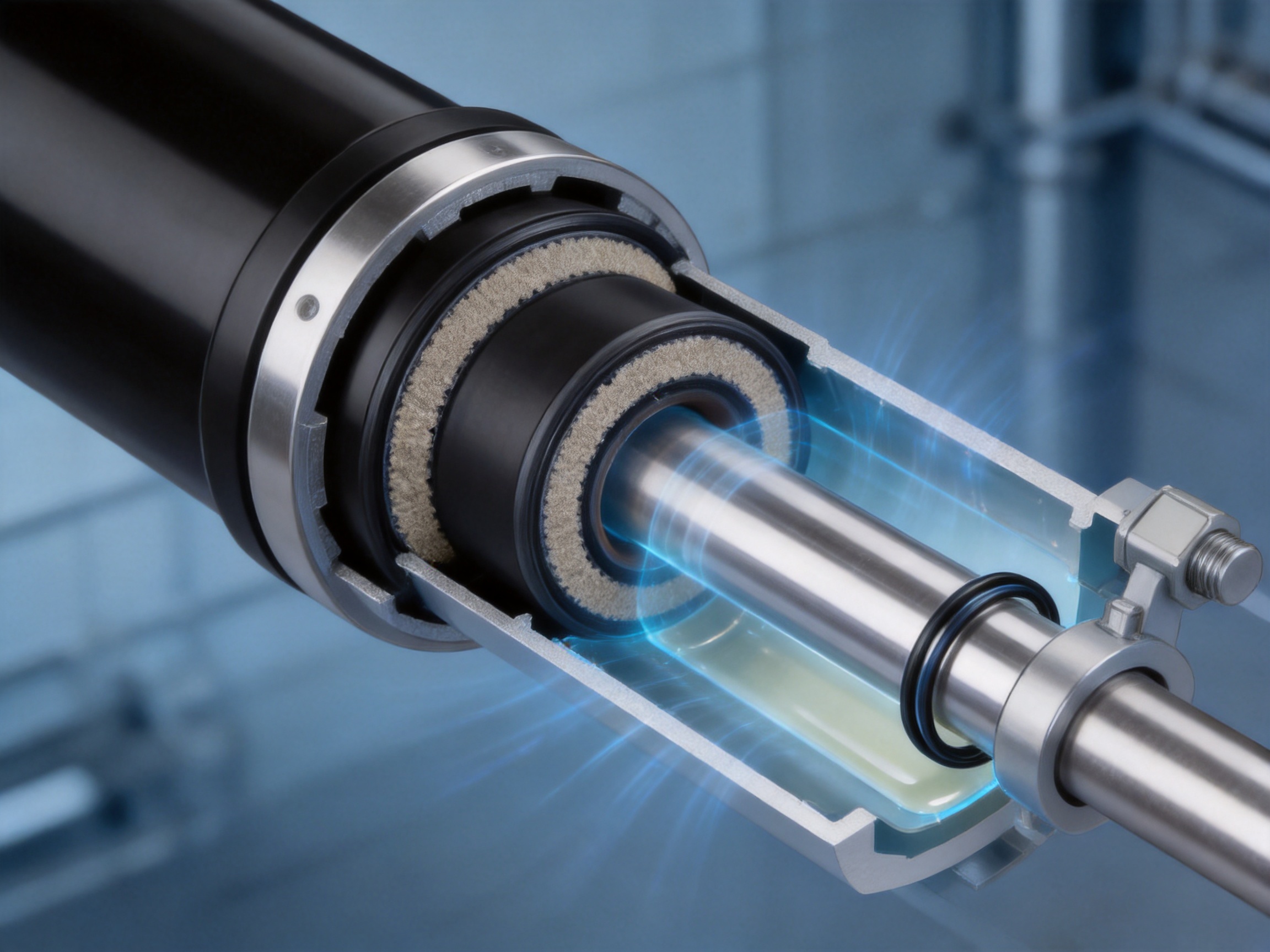
Gas springs require seals that can preserve internal gas pressure while allowing the piston rod to move repeatedly. The seal must resist friction, wear, and pressure-related deformation. The A-1-017 design is particularly relevant to gas spring assemblies in which the force level approaches the upper part of its applicable range.
Gas springs are widely used in vehicle hoods, seats, cabinets, beds, office furniture, medical equipment, machinery covers, and access panels. In these applications, a leaking seal can cause gradual loss of lifting force, unstable movement, or reduced safety. A heavy-duty seal can help maintain system reliability when correctly matched with the cylinder, lubricant, rod finish, and gas pressure.
Dampers
Damper systems use resistance to control movement, vibration, or impact. The sealing element must endure repeated reciprocating motion and may experience changing pressure as the damper cycles. The thick-wall construction and impact resistance of A-1-017 can be beneficial in compact damper assemblies.
Automotive Components
Automotive applications place strong demands on sealing components because of vibration, temperature changes, contamination, and long service intervals. The seal may be used in components related to hoods, seats, lifting mechanisms, dampers, or other compact moving systems. Material and application compatibility should be verified against the specific automotive fluid and environmental conditions.
Furniture and Home Appliances
Furniture mechanisms and home appliances often require smooth, quiet, repeatable movement. Gas springs and dampers in cabinets, chairs, adjustable tables, beds, and doors must retain their performance through many cycles. A compact Y-type seal can support these requirements while fitting into space-limited designs.
Medical Equipment
Medical equipment may use gas springs, dampers, or actuators for height adjustment, positioning, and controlled movement. These systems often require clean manufacturing, consistent dimensions, low leakage, and reliable operation. Additional customer requirements may apply concerning materials, cleanliness, traceability, and validation.
Construction and Industrial Equipment
Construction-related equipment and industrial mechanisms may expose seals to vibration, dust, temperature variation, and high mechanical loads. The A-1-017 design can be considered where the dimensions and NBR compatibility meet the application requirements. Protective design and correct installation remain essential in contaminated environments.
8. Installation Recommendations
Correct installation is as important as product quality. Before assembly, inspect the seal, housing, rod, adapter, and groove. Confirm that the dimensions match the approved design and that no component has sharp edges, burrs, dents, corrosion, or contamination.
Cleanliness is especially important. Dust, metal particles, old rubber fragments, and machining debris can damage the lip or create a leakage channel. The groove and rod should be cleaned with a compatible method that does not leave harmful residue or attack the NBR material.
Inspect the piston rod surface for scratches, pits, grooves, and excessive roughness. A damaged rod can quickly wear the sealing lip. Excessive surface roughness may cause leakage and generate heat, while an overly smooth surface may not retain enough lubricant. The correct surface condition should be established according to the equipment design and seal manufacturer’s recommendations.
Use a suitable lubricant during installation if permitted by the application. Lubrication reduces assembly friction and helps prevent the lip from being cut or folded. The lubricant must be compatible with NBR and with the operating medium. Avoid forcing the seal over sharp threads, keyways, holes, or abrupt shoulders without a protective sleeve or lead-in chamfer.
Do not use metal tools that can cut or scratch the elastomer. A rounded plastic installation tool is generally safer. The seal should be pressed evenly into its groove rather than driven from one side. After installation, confirm that the lip is not twisted, rolled, trapped, or displaced.
If an O-ring adapter is used, verify its size and seating position. The 20 mm by 2.4 mm adapter should be installed without stretching beyond its design condition or allowing it to twist. Incorrect adapter placement can affect the main seal’s compression and may result in leakage or assembly damage.
Where possible, conduct a low-speed or low-load verification cycle before placing the equipment into full service. Check for abnormal friction, sticking, noise, leakage, and irregular rod movement. Early inspection can identify installation problems before they become expensive field failures.
9. Maintenance and Service-Life Considerations
Seals are wear components, even when manufactured to a high standard. Their service life depends on cycle frequency, stroke length, speed, temperature, load, fluid, contamination, rod alignment, and storage conditions. A maintenance program should monitor the surrounding equipment as well as the seal itself.
Visible oil or gas leakage may indicate lip wear, surface damage, excessive clearance, pressure overload, or installation error. Increased operating friction may indicate dry running, material swelling, contamination, rod damage, or excessive interference. Unusual noise or stick-slip motion may also be an early warning sign.
When a seal is replaced, inspect the rod and housing rather than installing a new ring into a damaged assembly. If the underlying cause of failure is not corrected, the replacement seal may fail in a similarly short period. Examine the removed seal for cuts, abrasion, extrusion, hardening, swelling, compression set, or localized wear. These failure patterns can help identify the root cause.
Store unused seals in a cool, dry, and clean environment away from direct sunlight, ozone-generating equipment, excessive heat, and chemicals. Keep them in their original packaging until use. Avoid folding, hanging, stretching, or placing heavy objects on the rings for extended periods.
10. Quality Assurance and Customer Support
For sealing products, quality assurance must cover both material and geometry. A seal that meets the outside diameter but has inconsistent hardness or an improperly formed lip may not deliver reliable performance. Effective quality management therefore combines incoming material control, process monitoring, dimensional inspection, visual inspection, and application testing.
Ningguo Jnsseals Sealing Technology Co., Ltd. supports customers through research and development, production capability, and technical service. Its focus on gas spring and damper sealing technology gives it a relevant foundation for products such as A-1-017. The company’s work across automotive, furniture, home appliance, medical equipment, construction, and other fields also supports broader application knowledge.
For custom projects, customers can provide drawings, sample parts, required operating conditions, target service life, fluid information, and annual demand. The technical team can then evaluate the profile, dimensions, compound, and testing requirements. Customization may be appropriate when the standard product does not fully match the groove, rod, pressure, temperature, or environmental conditions.
Technical consultation is particularly useful when a customer is replacing a competitor’s product. A replacement should not be selected based only on nominal diameter. The engineer should compare cross-sectional shape, lip arrangement, material, hardness, groove compression, clearance, pressure direction, and operating temperature.
Recommended Pre-Order Information
Customers seeking a suitable seal should prepare the following information: application type, rod diameter, housing diameter, available groove height, movement type, stroke length, operating speed, force or pressure, temperature range, lubricant or fluid, expected number of cycles, environmental exposure, and installation method.
Photographs of the assembly, drawings of the groove, and samples of the existing seal can also improve technical evaluation. When the application is safety-critical or used in high volumes, prototype testing should be completed before production approval.
11. Comparison with General-Purpose Sealing Rings
General-purpose sealing rings are often adequate for low-load and low-cycle mechanisms. They may offer an economical solution where the operating environment is mild and the consequences of leakage are limited. However, they may not provide the structural stability needed for high thrust or repeated impact.
The A-1-017 design is differentiated by its heavy-duty intent. Its thick-wall body and optimized lip angle are intended to support demanding applications rather than simply close a static gap. This can provide a stronger performance margin in mechanisms exposed to compression, extension, vibration, and abrupt load changes.
Compared with a simple O-ring used as a dynamic seal, the Y-type profile offers a more application-specific contact geometry. An O-ring can seal effectively in many static and low-speed dynamic applications, but it may generate higher friction or experience rolling and twisting during reciprocating movement if the design is not carefully controlled.
Compared with a thin-wall lip seal, the A-1-017 structure is better suited to resisting impact and shape deformation. This does not mean that every heavy-duty seal is superior in every application. A thin seal may be preferable when installation space, friction, temperature, or speed requirements are different. The correct choice depends on the complete operating profile.
| Comparison factor | General-purpose ring | A-1-017 heavy-duty Y-type seal |
|---|---|---|
| Primary design focus | Basic sealing in moderate conditions | Heavy-duty dynamic sealing and thrust resistance |
| Structural profile | May be thin or uniform | Thick-wall profile with shaped sealing lips |
| Load suitability | Usually selected for lower loads | Designed for an applicable range up to 1500N |
| Impact resistance | Depends strongly on profile and compound | Supported by reinforced wall geometry |
| Material | May vary widely | NBR |
| Technical customization | May be limited | Supported through design, testing, and consultation services |
| Best use case | Simple, moderate-duty sealing | Gas springs, dampers, and compact high-load mechanisms |
12. Engineering Limits and Responsible Selection
Product advantages should always be considered together with operating limits. The 1500N designation does not mean that the seal can withstand every combination of high pressure, high speed, high temperature, and large clearance. A seal may tolerate one demanding condition while requiring a lower level of another.
For example, increasing temperature can reduce elastomer stiffness and increase the risk of extrusion or permanent deformation. High speed can increase frictional heat. A large extrusion gap can damage the lip under pressure. Contamination can abrade the rod and seal. Misalignment can create uneven contact around the circumference.
For systems operating near the upper design range, engineers should evaluate pressure spikes, load direction, duty cycle, emergency conditions, and assembly tolerances. Testing should include a realistic combination of load, movement, lubricant, temperature, and cycling rather than a single idealized condition.
If the application involves aggressive chemicals, high ozone exposure, elevated temperature, or specialized fuels, HNBR or FPM may be more appropriate than standard NBR. If the operating conditions are uncertain, technical consultation should be obtained before final material selection.
13. Custom Development Opportunities
Not every sealing application can be served by an off-the-shelf ring. Equipment designers may require an unusual diameter, a modified lip angle, a different height, a special adapter, a nonstandard hardness, or a material optimized for a specific fluid. Custom development can reduce the need for compromises in the surrounding hardware.
JNS provides customized sealing solutions that may include product design, testing, and technical consultation. This approach allows the seal to be considered as part of the complete mechanism. Engineers can evaluate the housing, rod, groove, load, movement, and material together instead of selecting a ring based only on a catalog dimension.
A custom project commonly moves through several stages. The customer first supplies technical requirements and application information. The manufacturer reviews the requirements and proposes a profile or material. Samples are then produced for dimensional and functional testing. If the results are satisfactory, the design can proceed to production qualification and volume manufacturing.
Testing may include leakage evaluation, friction measurement, durability cycling, temperature exposure, lubricant compatibility, and post-test inspection. The exact test plan should reflect the actual equipment conditions. A seal that passes a short static test may still require additional dynamic cycling before it is approved for long-term use.
14. Why Manufacturing Partnership Matters
Purchasing a sealing ring is not only a transaction involving a rubber component. It is also a decision about consistency, technical response, traceability, and long-term supply. A manufacturer with research and development capability can help solve problems that a simple distributor may not be equipped to address.
Stable production is especially important for customers using seals in large quantities. Small changes in dimensions or material behavior can influence assembly force and operating performance. Consistent process control helps reduce variation between batches and supports predictable equipment production.
Technical communication also contributes to product success. When the manufacturer understands the customer’s load, motion, temperature, fluid, and assembly conditions, it can recommend a more appropriate solution. This reduces the risk of selecting a seal that appears dimensionally compatible but performs poorly in service.
Ningguo Jnsseals Sealing Technology Co., Ltd. combines sealing research, production equipment, technical service, and customized development. Its stated company philosophy, “People Oriented, Innovation Driven, Pursuit of Excellence,” reflects an emphasis on technical progress and customer support. For international customers, direct communication regarding drawings, samples, performance targets, packaging, and delivery requirements can help establish an efficient cooperation process.
15. Frequently Asked Questions
Q1: What type of seal is the A-1-017 product?
The A-1-017 product is a Y-type oil seal ring designed for heavy-duty dynamic sealing applications. It is identified as the 1500N Heavy-Duty Hydraulic Seal and is made from NBR.
Q2: What are the main dimensions?
The nominal dimensions are 20.8 mm outside diameter, 11.2 mm inside diameter, and 3.8 mm height. The associated O-ring adapter is 20 mm by 2.4 mm.
Q3: What does the 1500N rating represent?
The supplied product information states a design applicable range of 50–1500N. This is a force-based value and should be confirmed against the actual equipment design. It should not automatically be interpreted as a fluid-pressure rating in bar or megapascals.
Q4: Which material is used?
The product is made from NBR, or nitrile butadiene rubber. NBR is commonly selected for its oil resistance, mechanical strength, abrasion resistance, and cost-effective performance.
Q5: Is the product suitable for every hydraulic application?
No. Suitability depends on pressure, temperature, speed, fluid, clearance, surface finish, alignment, and duty cycle. The product should be evaluated against the complete application before approval.
Q6: Can the seal be used in gas springs?
Yes. The design is intended for applications such as gas springs and dampers, provided the dimensions, force range, lubricant, temperature, rod finish, and assembly conditions are compatible.
Q7: How does the thick-wall design help?
The thick-wall structure improves resistance to deformation, impact, rolling, and installation damage. It is particularly useful in compact mechanisms exposed to repeated movement or high thrust.
Q8: What is the purpose of the optimized lip angle?
The lip angle helps balance sealing contact and movement resistance. A properly designed angle can support leakage control while limiting unnecessary friction and heat generation.
Q9: Can an alternative material be requested?
Customers can discuss alternative materials when NBR is not suitable. The company focuses on NBR, HNBR, and FPM sealing products, and material selection should be based on temperature, fluid, environmental exposure, and mechanical requirements.
Q10: Can the product be customized?
Customized sealing solutions are available through product design, testing, and technical consultation. Customers should provide drawings, samples, operating conditions, and performance requirements for evaluation.
Q11: What should be checked before installation?
Check the seal dimensions, groove, housing, piston rod, adapter, surface finish, cleanliness, lubricant compatibility, and installation direction. Remove burrs and sharp edges, and prevent the seal from twisting or being cut during assembly.
Q12: How can premature seal failure be prevented?
Use compatible materials and lubricants, maintain correct tolerances, protect the lip during assembly, avoid excessive pressure or speed, control contamination, and inspect the rod and housing during replacement. The cause of the original failure should be corrected before installing a new seal.
Q13: What industries can use this product?
Potential industries include automotive, furniture, home appliances, medical equipment, construction, industrial equipment, gas spring manufacturing, and damper production.
Q14: Does the product require testing before volume purchase?
Testing is recommended for new designs, demanding operating conditions, safety-sensitive equipment, and replacement applications where the previous seal failed. Sample testing can confirm leakage, friction, durability, and material compatibility.
Q15: What information should be provided for technical consultation?
Provide the application type, seal dimensions, groove drawing, rod diameter, movement type, speed, stroke, force or pressure, temperature, fluid, lubricant, expected cycle count, environmental conditions, and installation method.
16. Conclusion
The 1500N Heavy-Duty Hydraulic Seal is a compact NBR Y-type oil seal ring developed for demanding dynamic sealing applications. Its 20.8 mm outside diameter, 11.2 mm inside diameter, 3.8 mm height, and 20 mm by 2.4 mm O-ring adapter provide a defined dimensional basis for compatible gas spring, damper, piston, and actuator assemblies.
Its most important advantages are the thick-wall construction, impact resistance, optimized lip angle, oil-resistant NBR material, and design applicability up to 1500N. These features make it a stronger candidate than a basic general-purpose ring for mechanisms that experience substantial thrust, repeated cycling, and sudden load changes.
Performance depends on proper system design. Correct groove dimensions, rod quality, surface finish, lubrication, alignment, temperature, pressure or force, and installation technique are all necessary for dependable service. The seal should be selected and tested as part of the complete assembly rather than judged by dimensions alone.
Ningguo Jnsseals Sealing Technology Co., Ltd. strengthens the product offering through sealing research, production capabilities, quality-focused manufacturing, customized development, testing, and technical consultation. With experience serving automotive, furniture, home appliance, medical, construction, and other industries, the company can support both standard product supply and application-specific sealing projects.
For customers seeking a compact, heavy-duty sealing solution for gas springs, dampers, and related mechanisms, A-1-017 provides a practical starting point. Technical evaluation and application testing should be completed whenever operating conditions approach the design limits or when the product is introduced into a new equipment platform.
References
1. Product specification information for the 1500N Heavy-Duty Hydraulic Seal, product code A-1-017.
2. Material information for NBR elastomer sealing products and common industrial oil-seal applications.
3. General engineering principles for dynamic elastomer seals, reciprocating piston rods, and Y-type sealing profiles.
4. General guidance on elastomer storage, installation, lubrication compatibility, and seal failure analysis.
5. Company information and technical service overview supplied by Ningguo Jnsseals Sealing Technology Co., Ltd.
Product: 1500N Heavy-Duty Hydraulic Seal
PREV:Micro Precision Y-Seal for Low-Pressure Pumps and Damping Devices
NEXT:66mm Jumbo Flange O-Ring Seal for Reliable Static Sealing in Large Equipment Covers and Flange Joints
NEXT:66mm Jumbo Flange O-Ring Seal for Reliable Static Sealing in Large Equipment Covers and Flange Joints



Want to know more
about us?
about us?

Precision sealing for gas springs and dampers. Durable, wear-resistant, and built for long-life performance in demanding applications.
Product Categories
Quick Links
Contact Us
-
Email: jns@jnsseals.cn

-
Manager Gong: +86-18563770820

-
Manager Wang: +8615357558902
-
No. 5, Meilin Avenue, Meilin Industrial Development Zone, Ningguo City, Anhui Province, China

