

 English
 русский
 Deutsch
 Türk
Türk 中文简体
中文简体
2000N Extreme Thrust Seal for High-Pressure Motion Control Systems
2000N Extreme Thrust Seal for High-Pressure Motion Control Systems
2000N Extreme Thrust Seal for High-Pressure Motion Control Systems
2000N Extreme Thrust Seal for High-Pressure Motion Control Systems
2000N Extreme Thrust Seal for High-Pressure Motion Control Systems
2000N Extreme Thrust Seal for High-Pressure Motion Control Systems
2000N Extreme Thrust Seal for High-Pressure Motion Control Systems
2000N Extreme Thrust Seal for High-Pressure Motion Control Systems
2000N Extreme Thrust Seal for High-Pressure Motion Control Systems
2000N Extreme Thrust Seal for High-Pressure Motion Control Systems
2000N Extreme Thrust Seal for High-Pressure Motion Control Systems
2000N Extreme Thrust Seal for High-Pressure Motion Control Systems
2000N Extreme Thrust Seal for High-Pressure Motion Control Systems
2000N Extreme Thrust Seal for High-Pressure Motion Control Systems
2000N Extreme Thrust Seal for High-Pressure Motion Control Systems
2000N Extreme Thrust Seal for High-Pressure Motion Control Systems

Fang Zhiqing — International Product Sales Manager
Home / Author / Fang Zhiqing — International Product Sales Manager / 2000N Extreme Thrust Seal for High-Pressure Motion Control Systems
NEW Category
Contact us
2000N Extreme Thrust Seal for High-Pressure Motion Control Systems
Content
- 1 Product Overview and Application Value
- 2 Key Technical Specifications
- 3 Why a 2000N High-Pressure Seal Matters
- 4 Advantages Over Conventional Sealing Options
- 5 Material Performance: The Role of NBR
- 6 Profile Design and Sealing Mechanism
- 7 Manufacturing Strengths Behind the Product
- 8 Quality Control and Testing Philosophy
- 9 Application Areas
- 10 Installation and System Design Considerations
- 11 How the Product Supports Lower Total Cost
- 12 Company Manufacturing and Service Strength
- 13 Comparison With Ordinary Market Alternatives
- 14 Recommended Buyer Evaluation Checklist
- 15 Q&A Section
- 15.1 What is the 2000N Extreme Thrust Seal used for?
- 15.2 What product category does it belong to?
- 15.3 What is the design applicable pressure range?
- 15.4 What material is used?
- 15.5 How does this seal compare with ordinary oil seals?
- 15.6 What are the key dimensions?
- 15.7 Why is rebound important?
- 15.8 Can the seal be customized?
- 15.9 Which industries can use this seal?
- 15.10 What should be checked before installation?
- 16 Conclusion
- 17 References
- 18 Product: 2000N Extreme Thrust Seal
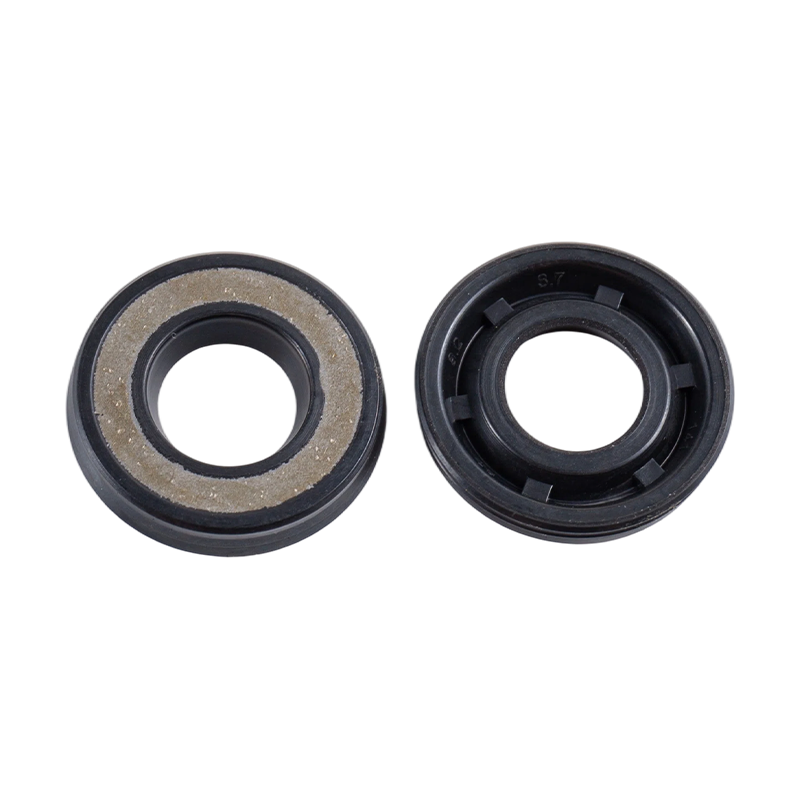
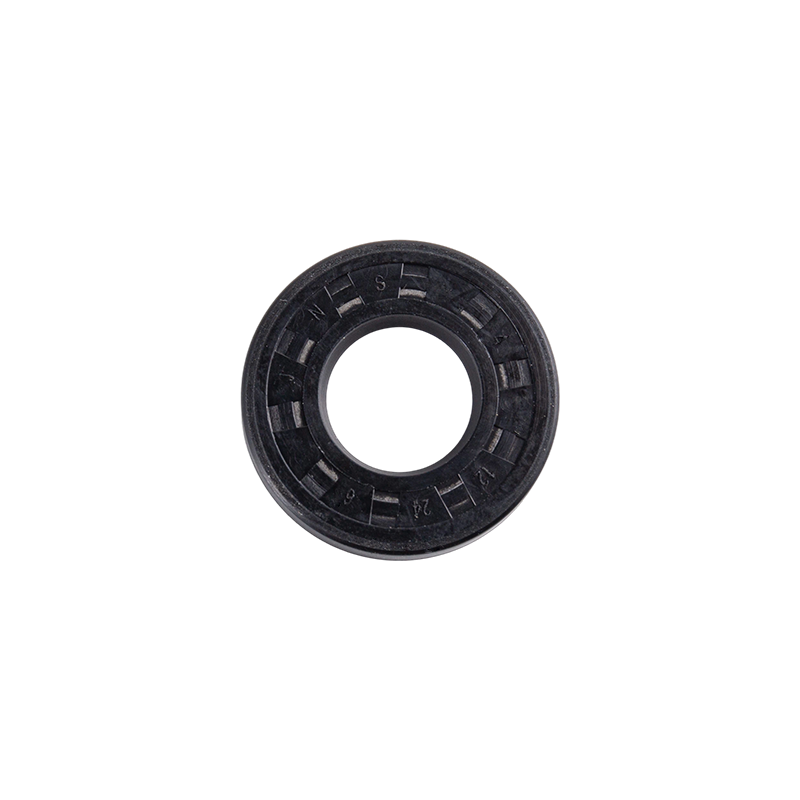
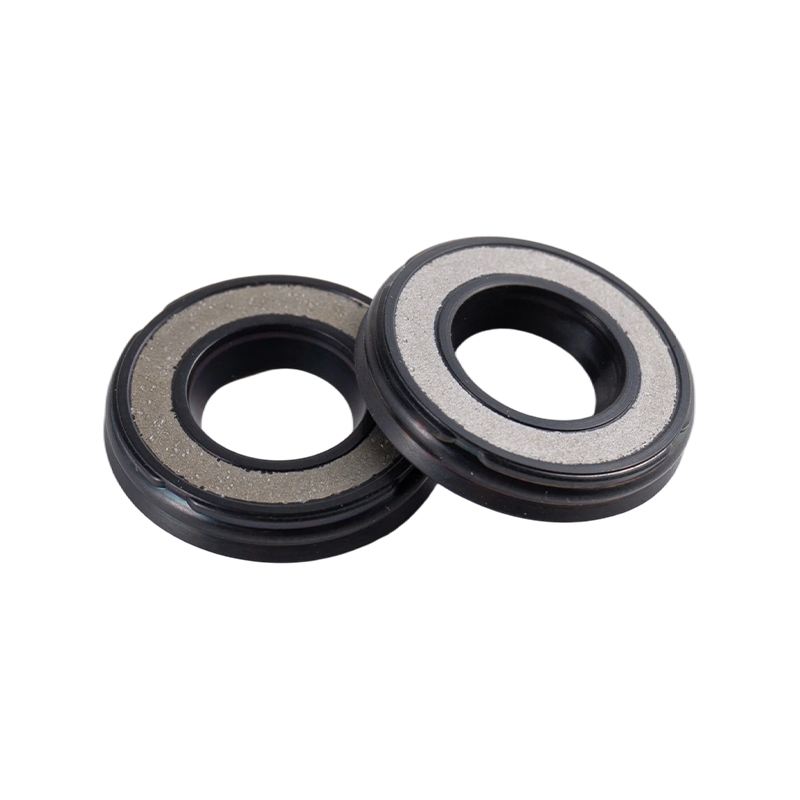
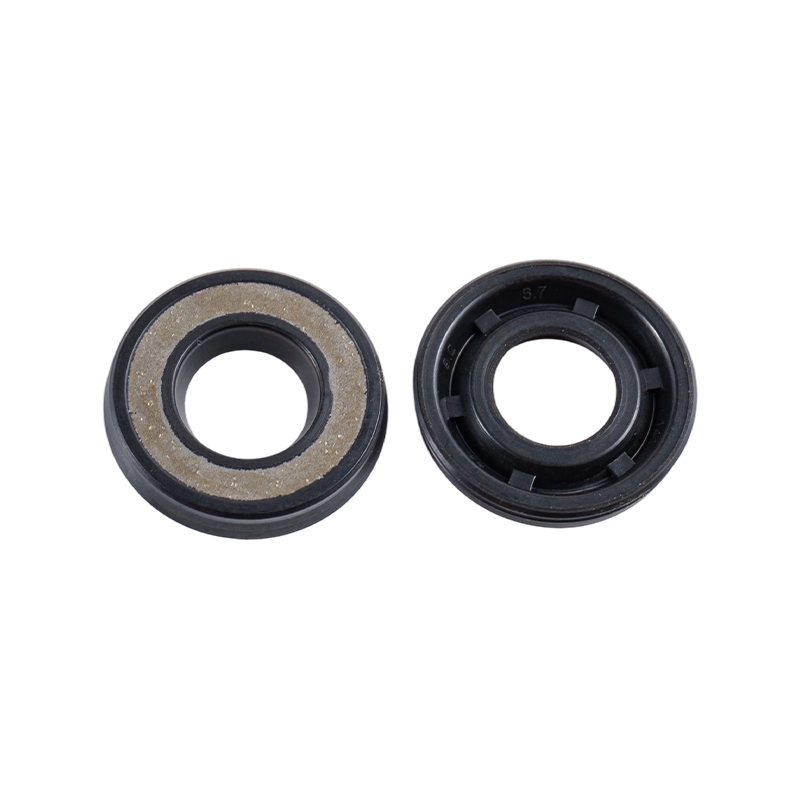
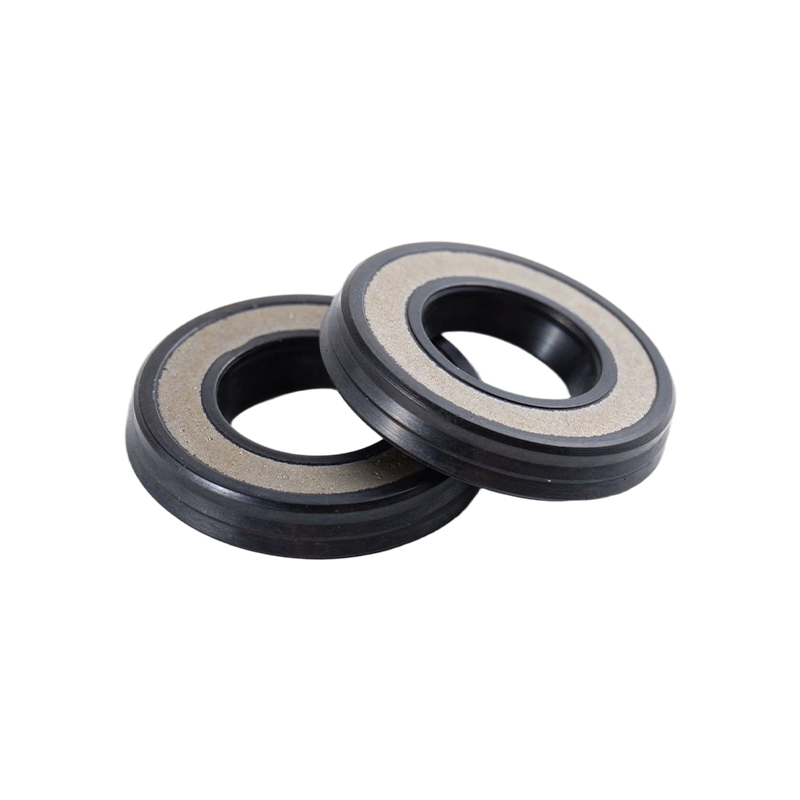
In high-pressure motion control equipment, sealing performance is not a secondary detail; it is one of the main factors that determines operating stability, service life, safety, and the total cost of ownership. The 2000N Extreme Thrust Seal is a precision Y-Type Oil Seal Ring designed for demanding hydraulic stations, gas spring systems, damper assemblies, and compact high-load mechanisms where consistent pressure retention and strong rebound behavior are essential. With a design applicable pressure range of 800–2000N, an NBR material structure, and a configuration optimized for high-pressure oils, this seal is built to support equipment that must perform reliably under force, speed, and repeated cycling.
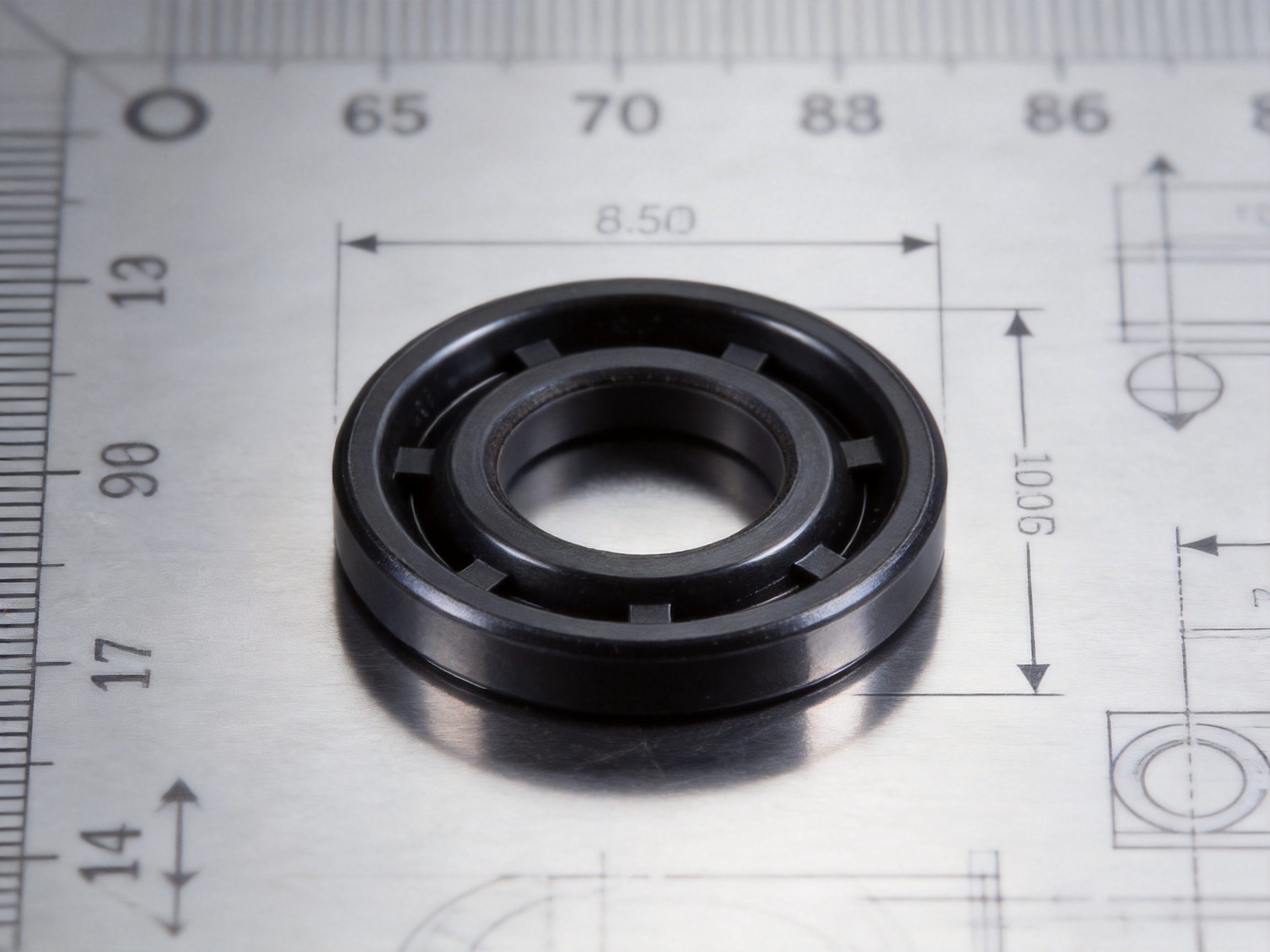
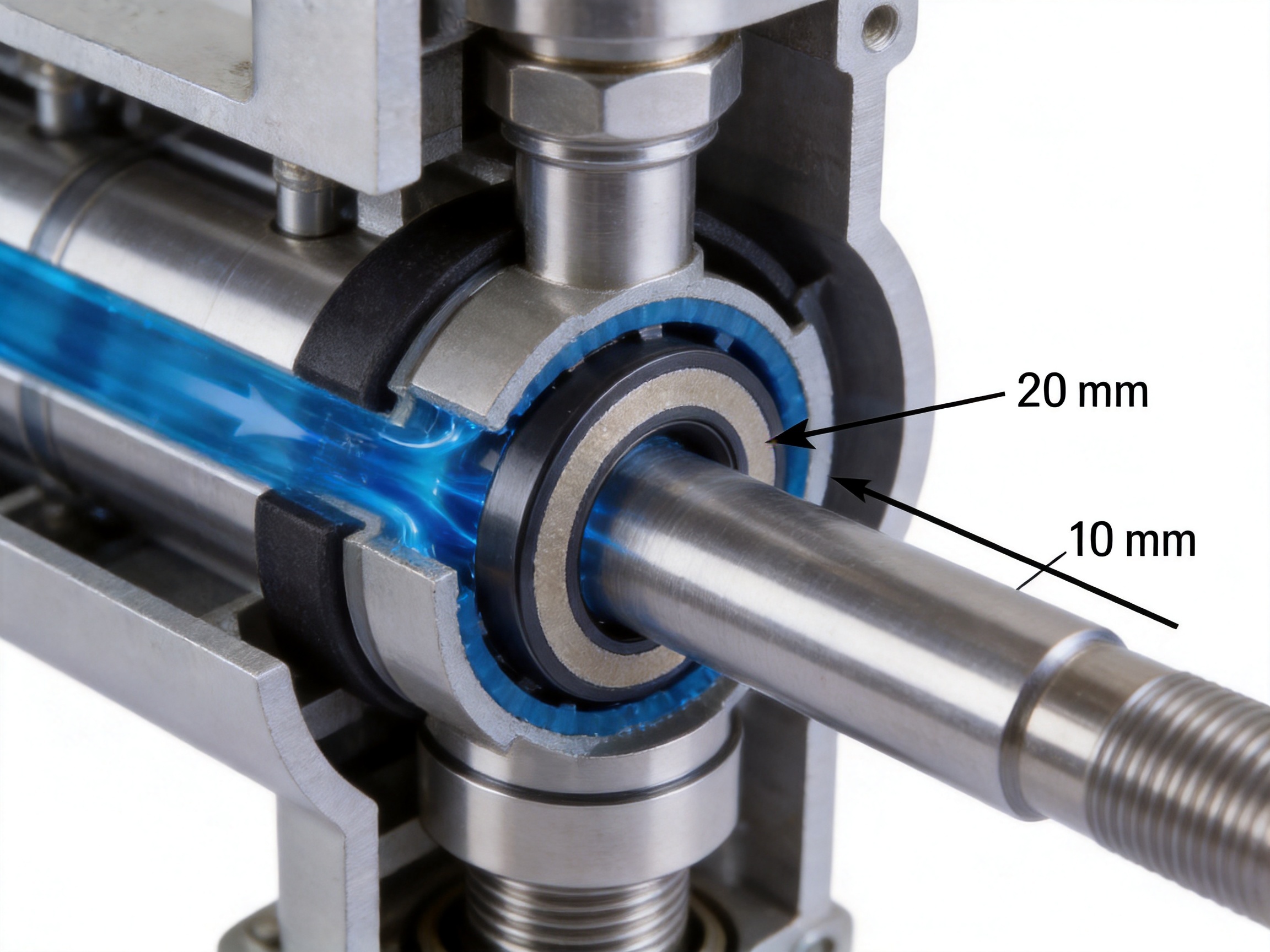
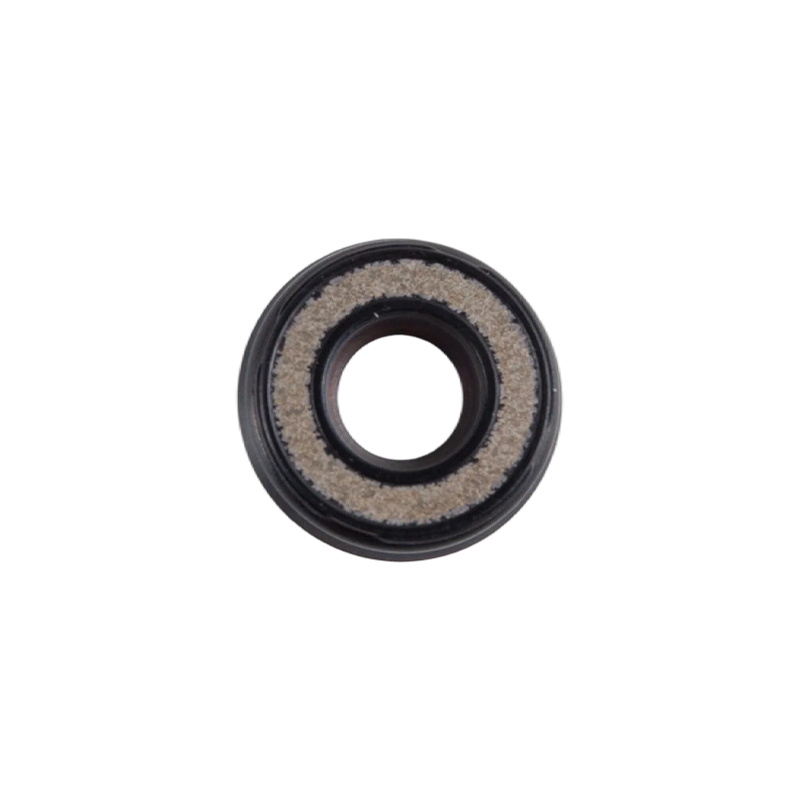
The product, identified by code A-1-023, is engineered with a specification of 20.85*9.35*3.8, an outer diameter of 20.85, an inner diameter of approximately 9.3, and a height of 3.8. It is compatible with a 20*2.4 O-ring adapter and designed for a steel pipe inner diameter and piston rod diameter combination of 20*10. These details are important because high-pressure sealing depends not only on material strength but also on dimensional accuracy, lip geometry, contact stress distribution, and compatibility with the operating hardware.
Compared with conventional oil seals intended for lighter-duty equipment, the 2000N Extreme Thrust Seal focuses on greater peak pressure capacity, improved rebound factor, stable sealing contact, and enhanced resistance to extrusion in compact working spaces. It is especially suitable for systems where pressure spikes, repeated reciprocating movement, and high-force compression cycles may challenge standard sealing rings. For manufacturers of hydraulic supports, gas springs, dampers, lifting devices, adjustable furniture mechanisms, automotive motion components, and specialized industrial equipment, a seal of this class can help reduce leakage risk and improve product consistency.
Product Overview and Application Value
The 2000N Extreme Thrust Seal belongs to the Y-Type Oil Seal Ring category, a sealing profile widely used where directional pressure resistance and dynamic sealing are required. The Y-type profile is valued because its lip structure can respond to pressure by increasing contact against the mating surface. In practical terms, the pressure in the system helps energize the sealing lips, improving the seal’s ability to block oil migration. This makes the design particularly useful in hydraulic and pneumatic motion systems where the sealing element must adapt to changing load conditions.
At its core, this product is designed for environments where ordinary seals may deform too quickly, lose rebound performance, or fail to maintain adequate surface contact after repeated cycles. The 2000N peak pressure capability makes it a high-grade option for heavy hydraulic stations and other applications requiring strong thrust resistance. In such systems, seal failure can lead to oil leakage, pressure loss, reduced damping effect, inconsistent movement, noise, contamination, or even equipment shutdown. A correctly selected high-pressure seal helps protect the entire assembly.
The seal’s NBR material contributes to its ability to work with high-pressure oils. NBR, also known as nitrile rubber, is widely used in oil sealing because it offers strong compatibility with mineral oils, good mechanical properties, and cost-effective performance. For applications where hydraulic fluid resistance, compression recovery, and wear performance are important, NBR remains one of the most practical choices. When combined with accurate molding and controlled finishing, NBR can deliver stable sealing results in compact mechanical assemblies.
This product is not merely a rubber ring; it is a functional pressure-control component. The dimensions, material hardness, sealing lip geometry, adapter compatibility, and installation fit all contribute to final performance. In many hydraulic or gas spring products, a small variation in seal dimension can significantly alter friction, leakage, and durability. Therefore, the production and inspection processes behind the seal are just as important as the material itself.
Key Technical Specifications
| Item | Specification | Engineering Meaning |
| Product Name | 2000N Extreme Thrust Seal | High-pressure sealing component for demanding thrust systems |
| Product Code | A-1-023 | Traceable identification for ordering and production control |
| Product Category | Y-Type Oil Seal Ring | Directional dynamic sealing profile for pressure-assisted lip contact |
| Product Specification | 20.85*9.35*3.8 | Compact size for precision hydraulic and gas spring assemblies |
| Outer Diameter | 20.85 | Controls housing fit and radial sealing position |
| Inner Diameter | 9.3 | Supports piston rod contact and dynamic sealing performance |
| Height | 3.8 | Influences axial stability, compression, and installation space |
| O-ring Adapter | 20*2.4 | Supports matched assembly design and sealing system integration |
| Design Applicable Pressure Range | 800–2000N | Suitable for medium-to-heavy thrust and high-pressure operating conditions |
| Steel Pipe Inner Diameter * Piston Rod Diameter | 20*10 | Application reference for tube and rod matching |
| Product Material | NBR | Oil-resistant elastomer with reliable mechanical sealing properties |
Why a 2000N High-Pressure Seal Matters
In any sealed motion system, pressure capability is more than a simple number. A seal that can reach a 2000N peak pressure level must maintain lip integrity, recover shape after deformation, resist oil attack, and preserve a controlled friction interface. When a seal is exposed to high force, it is subjected to compression, shear, heat generation, fluid pressure, and dynamic contact with metal surfaces. If the seal lacks sufficient rebound or dimensional stability, leakage may begin as a small film and gradually develop into visible oil loss or performance decline.
The 2000N Extreme Thrust Seal is designed to address these challenges by combining a high-pressure Y-type profile with NBR material performance. The Y-type structure helps the sealing lips respond to internal pressure. Instead of relying only on static compression, the seal uses pressure-assisted contact to enhance its sealing force. This design approach is valuable in applications with variable load because the seal can adapt as pressure increases.
For equipment manufacturers, pressure stability directly affects product quality. In a gas spring, poor sealing can reduce support force over time. In a damper, leakage can change damping resistance and lead to uneven motion. In a hydraulic station, seal failure can reduce system efficiency and create maintenance costs. By using a seal specifically designed for high-pressure oils and 800–2000N force conditions, manufacturers can improve reliability in finished products.
Competitor products in the same general size category may be designed for ordinary thrust loads or may prioritize low cost over high rebound and pressure endurance. Such products may perform acceptably in light-duty assemblies but become unstable under heavy cycling, sudden pressure peaks, or demanding hydraulic fluid conditions. The 2000N Extreme Thrust Seal is positioned as a top-tier configuration for systems where heavy-duty performance is expected from the beginning.
Advantages Over Conventional Sealing Options
Higher Peak Pressure Capacity
The most direct advantage of the 2000N Extreme Thrust Seal is its ability to operate within a design applicable pressure range of 800–2000N. Many standard seals are selected based only on size compatibility, without enough attention to force rating and dynamic pressure behavior. Under high thrust, a standard seal may experience lip rollover, accelerated abrasion, or extrusion at the sealing edge. This product is engineered for applications where strong pressure resistance is a core requirement rather than an optional feature.
Higher peak pressure capacity gives equipment designers more confidence when specifying seals for compact, high-load devices. It also helps reduce the risk of under-specification, which can cause early leakage, customer complaints, or repeated warranty service. In industries such as automotive components, furniture lifting systems, medical equipment adjustment units, construction devices, and industrial dampers, reliable pressure capacity can significantly influence user experience and product reputation.
High Rebound Factor for Dynamic Cycling
Rebound performance is essential in reciprocating sealing. During movement, the seal is compressed and released repeatedly. If the material does not recover effectively, contact pressure may decline, and oil can bypass the sealing lip. The 2000N Extreme Thrust Seal emphasizes high rebound factor, helping the sealing element maintain functional contact after repeated movement cycles.
Compared with lower-quality seals that may harden, flatten, or lose elasticity after use, a seal with strong rebound behavior can extend the effective operating life of the assembly. This is especially important in gas springs and dampers, where repeated extension and compression are part of normal use. A seal that maintains rebound helps preserve consistent force, smooth movement, and controlled damping behavior.
Optimized for High-Pressure Oils
Hydraulic oils place specific demands on elastomer seals. The seal must resist swelling, softening, cracking, and chemical degradation while retaining mechanical strength. NBR is widely selected for such applications because it offers reliable resistance to many petroleum-based oils and greases. The 2000N Extreme Thrust Seal uses NBR to support compatibility with high-pressure oil environments, making it suitable for hydraulic stations and related motion systems.
Competitor seals made from unsuitable or poorly controlled compounds may show dimensional change after oil exposure. Even small swelling can increase friction, while shrinkage or hardening can reduce sealing force. By selecting an oil-resistant material and controlling the molding process, this product supports stable performance across practical operating conditions.
Precision Fit for 20*10 Tube and Rod Assemblies
The recommended application reference of 20*10 for steel pipe inner diameter and piston rod diameter allows designers to integrate the seal into matched assemblies with greater confidence. The outer diameter of 20.85 and inner diameter of 9.3 are not random figures; they reflect the need to create correct interference, lip pressure, and installation stability in a compact system.
A common weakness of general-purpose seals is poor dimensional consistency. If the seal is too loose, leakage risk rises. If it is too tight, friction increases and movement becomes uneven. The 2000N Extreme Thrust Seal is developed for defined dimensional conditions, supporting more predictable assembly outcomes and reducing trial-and-error during product development.
Balanced Sealing and Friction Behavior
High sealing force is necessary, but excessive friction is also a problem. A good dynamic seal must maintain oil retention without creating unnecessary resistance, heat, or wear. The Y-type design helps balance this requirement by allowing pressure to energize the lip when needed. In low or moderate pressure states, the seal can maintain contact without relying on excessive static compression. Under higher pressure, lip force increases to strengthen the sealing barrier.
This pressure-responsive behavior gives the product an advantage over overly rigid sealing elements that may create high friction at all times. Lower unnecessary friction can improve motion smoothness, reduce energy loss, and contribute to longer service life for the rod, tube, and seal itself.
Material Performance: The Role of NBR
NBR is one of the most established elastomer materials for oil sealing, but not all NBR components perform the same. The final behavior of an NBR seal depends on compound formulation, curing process, mold precision, post-processing, and inspection. In the 2000N Extreme Thrust Seal, NBR is selected for a practical combination of oil resistance, tensile strength, compression recovery, wear behavior, and manufacturability.
Oil resistance is especially important in high-pressure sealing. If a material absorbs too much oil, its volume can change, which alters the geometry of the sealing lip. If the material becomes brittle, it may crack under dynamic motion. If it becomes too soft, it may extrude or wear rapidly. NBR offers a reliable balance for many hydraulic oils, making it a dependable material for the intended use of this seal.
Compression set resistance is another key consideration. Compression set refers to the permanent deformation that remains after a rubber component has been compressed for a period of time. In sealing applications, excessive compression set can create leakage paths. A high-quality NBR seal, produced under controlled curing conditions, can maintain better recovery and therefore preserve sealing force longer.
The seal’s high rebound factor is directly related to material elasticity and processing control. A well-formulated and properly cured NBR component can return closer to its original shape after deformation. This property supports repeated operation in gas springs, dampers, and hydraulic devices where the seal is constantly exposed to changing pressure and movement.
In addition to oil resistance and rebound, NBR offers practical production advantages. It can be molded into complex profiles, including Y-type lips, with good dimensional repeatability. It is also suitable for volume production, helping manufacturers maintain consistent quality while controlling production cost. For customers, this means the 2000N Extreme Thrust Seal can deliver industrial-grade reliability without unnecessary material overengineering.
Profile Design and Sealing Mechanism
The Y-Type Oil Seal Ring design is a major reason this product performs well under pressure. A Y-type seal typically includes sealing lips that contact the rod or housing surface. When pressure acts on the profile, it can push the lips outward or inward depending on orientation, increasing the contact force and improving sealing effectiveness. This makes the seal especially suitable for dynamic pressure environments.
Unlike simple O-rings, which seal primarily through compression, Y-type oil seals use lip geometry to manage pressure and movement. O-rings remain valuable in many applications, and this product is compatible with a 20*2.4 O-ring adapter as part of a broader sealing arrangement. However, for high-pressure reciprocating oil sealing, lip-type geometry often provides more controlled contact and lower leakage risk.
The height of 3.8 supports axial stability while allowing the seal to fit within compact groove designs. The outer diameter of 20.85 supports housing engagement, while the inner diameter of 9.3 helps create the correct relationship with a 10 mm piston rod application reference. These dimensions support functional interference and sealing lip loading after installation.
In practical terms, the seal must do several things at once. It must block oil, guide contact stress, recover after motion, resist wear, and avoid damage during assembly. The Y-type geometry helps distribute these functions across the seal profile. The lips form the primary sealing barrier, while the body of the seal supports shape stability and pressure response.
When compared with flat or low-profile sealing designs, the Y-type profile generally offers a stronger pressure-adaptive sealing effect. For equipment facing 800–2000N operating conditions, this is an important advantage. It allows the seal to respond dynamically rather than relying only on the initial compression established during assembly.
Manufacturing Strengths Behind the Product
Ningguo Jnsseals Sealing Technology Co., Ltd. is a high-tech enterprise founded in 2019 and headquartered in Anhui, China. The company focuses on research, development, and application of sealing technology for gas springs and dampers, as well as related O-ring products. This technical focus is important because the 2000N Extreme Thrust Seal is not an isolated product; it reflects the company’s broader experience in motion control sealing systems.
Advanced manufacturing is essential for this type of seal. A high-pressure sealing ring must be produced with strict control over compound preparation, mold accuracy, curing temperature, curing time, finishing, and dimensional inspection. Even when the same material is used, poor process control can result in inconsistent hardness, flash defects, weak lip edges, internal voids, or incorrect dimensions. These defects can significantly shorten service life.
The company’s manufacturing approach emphasizes precision and repeatability. For a product with dimensions such as 20.85*9.35*3.8, small deviations matter. The sealing lip must be sharp enough to maintain contact but not so fragile that it tears during installation. The body must be dimensionally stable but elastic enough to recover during operation. Achieving this balance requires controlled tooling, stable rubber processing, and experienced production personnel.
Modern sealing production begins with material preparation. NBR compound consistency affects every property of the finished seal, including elasticity, hardness, oil resistance, and tensile strength. Controlled mixing helps distribute fillers, plasticizers, curing agents, and other ingredients uniformly. Uniform material distribution reduces weak spots and supports consistent rebound performance across batches.
Molding is another critical stage. Precision molds define the Y-type geometry and dimensional accuracy of the seal. For high-pressure sealing, lip geometry is especially important. If the lip is too thick, friction may increase; if it is too thin, durability may suffer. If the parting line is poorly controlled, flash may interfere with sealing. Advanced tooling and careful mold maintenance help ensure that each seal meets functional requirements.
Curing control is equally important. Rubber curing transforms the compound into an elastic network. Under-curing can leave the material weak or chemically unstable, while over-curing can reduce elasticity and rebound. Proper curing time and temperature help the seal achieve the intended mechanical properties. For a high rebound, high-pressure product, this step cannot be treated casually.
After molding, the seal may require trimming, cleaning, inspection, and packaging. These steps protect the sealing lips and prevent contamination. Because the product is used in oil systems, cleanliness is important. Particles, flash, or surface defects can become leakage points or create wear. Careful finishing helps maintain the integrity of the sealing surface.
Quality Control and Testing Philosophy
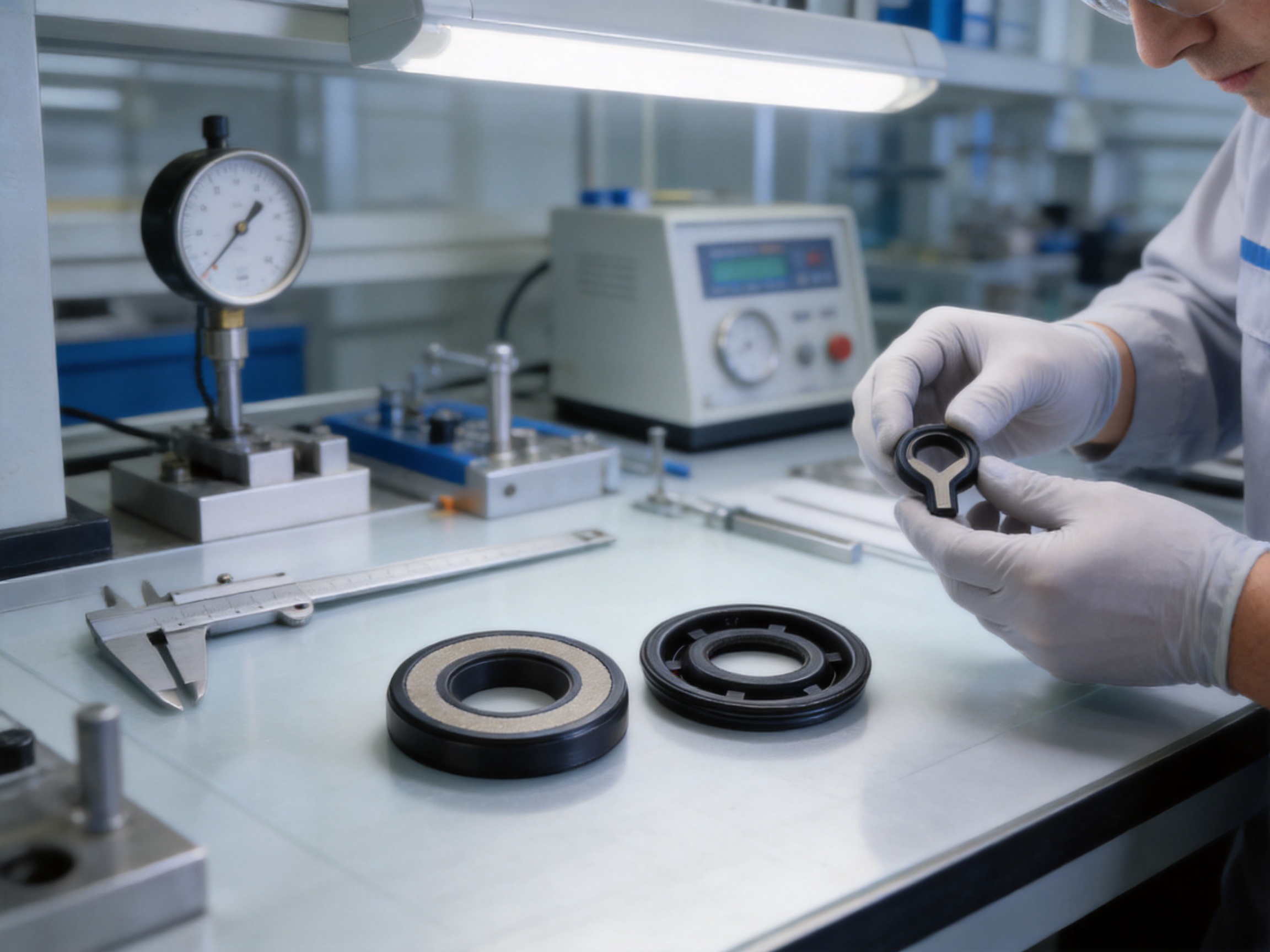
Quality control for a 2000N seal must cover both visible and invisible characteristics. Visual inspection can identify flash, cuts, cracks, contamination, deformation, or incomplete molding. Dimensional inspection confirms OD, ID, height, and fit-related features. Material testing can verify hardness, tensile strength, elongation, compression set, and oil resistance. Functional testing may evaluate pressure retention, rebound, and cycling behavior.
Ningguo Jnsseals Sealing Technology Co., Ltd. provides customized sealing solutions, including product design, testing, and technical consultation. This capability is valuable for customers who need more than a catalog part. In many applications, the seal must match a specific tube, rod, groove, lubricant, operating temperature, pressure cycle, and assembly method. Technical consultation helps reduce development risk and supports faster product validation.
Compared with suppliers that only sell standard parts, a manufacturer with testing and design support can help customers solve practical sealing problems. For example, if a customer experiences high friction, the seal profile, hardness, groove compression, or lubrication condition may need adjustment. If leakage occurs after cycling, rebound, lip wear, or pressure direction may need analysis. If assembly damage occurs, lead-in chamfers or installation tools may require improvement.
Quality control also supports batch consistency. In high-volume industries such as automotive, furniture, home appliances, and medical equipment, customers need every shipment to perform similarly. A seal that performs well in one batch but poorly in another creates production instability. Process discipline, inspection records, and traceable product codes such as A-1-023 help maintain consistency.
For critical motion components, the cost of seal failure is often much greater than the cost of the seal itself. Leakage may require product replacement, field service, assembly rework, or customer compensation. Therefore, investing in a high-quality seal with controlled manufacturing and testing is a practical decision, not simply a technical preference.
Application Areas
Heavy Hydraulic Stations
The product description specifically identifies the 2000N Extreme Thrust Seal as a top-tier configuration for heavy hydraulic stations. In such equipment, fluid pressure must be controlled reliably to generate force. Seal failure can reduce pressure efficiency and create safety or maintenance issues. The high-pressure capability and oil-resistant NBR material make this seal suitable for hydraulic systems that require robust sealing in compact spaces.
Gas Springs
Gas springs require seals that maintain internal pressure and allow smooth rod movement. A small leakage path can gradually reduce force and shorten product life. Because Ningguo Jnsseals Sealing Technology Co., Ltd. focuses strongly on gas spring sealing technology, the 2000N Extreme Thrust Seal benefits from application knowledge in this field. Its rebound performance and pressure-adaptive profile are useful where repeated extension and compression occur.
Dampers
Dampers rely on controlled fluid movement to manage speed and resistance. If oil leaks past the seal, damping force can become inconsistent. In furniture, automotive, medical, and industrial equipment, poor damping can reduce comfort, safety, and precision. The seal’s compatibility with high-pressure oils and dynamic operation makes it appropriate for damper assemblies requiring reliable long-term function.
Automotive Components
Automotive motion systems often face vibration, temperature variation, repeated cycling, and exposure to oils or greases. Seals used in such systems must be reliable and consistent. The 2000N Extreme Thrust Seal can support automotive-related applications where compact hydraulic or damping mechanisms require strong oil sealing and pressure stability.
Furniture and Adjustable Mechanisms
Modern furniture increasingly uses gas springs, dampers, and lifting mechanisms for height adjustment, soft closing, reclining, and support functions. Users expect smooth motion and long service life. A high-pressure seal helps maintain consistent performance in these mechanisms, reducing the likelihood of force loss or oil leakage during daily use.
Medical Equipment
Medical equipment often requires smooth, controlled, and reliable movement. Adjustable beds, treatment chairs, lifting columns, and positioning devices may use gas springs or dampers. A seal that provides stable pressure retention can contribute to safety and user comfort. Consistent manufacturing quality is particularly important in such applications because reliability expectations are high.
Construction and Industrial Equipment
Construction and industrial devices often operate under heavy loads and harsh conditions. While the 2000N Extreme Thrust Seal is compact, its pressure-oriented design makes it valuable in smaller hydraulic or damping units used in industrial assemblies. Strong oil resistance, rebound, and dimensional stability support dependable operation under demanding cycles.
Installation and System Design Considerations
Even the best seal must be installed correctly to achieve its intended performance. For the 2000N Extreme Thrust Seal, designers should consider groove geometry, rod surface finish, tube dimensions, pressure direction, lubrication, installation tools, and compatibility with the 20*2.4 O-ring adapter. A high-pressure seal works as part of a system, not as a standalone object.
Rod surface condition is especially important. A surface that is too rough can abrade the sealing lip, while a surface that is too smooth may not retain sufficient lubrication film. Scratches, burrs, corrosion, or contamination can create leakage paths. Before installation, the piston rod and steel pipe should be clean and free from sharp edges that could cut the seal.
Lead-in chamfers and assembly tools help prevent lip damage. Y-type sealing lips may be damaged if forced over sharp edges or installed without proper alignment. Lubricating the seal with compatible oil before assembly can reduce installation stress and initial friction. Care should be taken to avoid twisting, folding, or reversing the seal orientation.
Groove design must allow the seal to sit securely without excessive compression. Too much compression may increase friction and heat. Too little compression may reduce sealing contact. The specified dimensions provide a foundation, but final groove design should be validated according to the operating pressure, rod speed, temperature range, and fluid type.
Because this seal is intended for 800–2000N applications, system designers should also consider pressure spikes. Real operating systems may experience short-term pressure peaks beyond normal levels. Proper backup support, housing design, and seal selection can reduce extrusion risk. Consulting with the manufacturer during design can help optimize the sealing arrangement.
How the Product Supports Lower Total Cost
A high-performance seal can reduce total cost in several ways. First, it can lower leakage-related failure rates. Leakage is one of the most common reasons for maintenance and warranty issues in hydraulic and damping products. By improving pressure retention, the 2000N Extreme Thrust Seal helps protect the function of the entire assembly.
Second, consistent seal quality can reduce assembly problems. If seals vary widely in dimension or hardness, production workers may encounter unstable installation force, inconsistent product testing results, or higher scrap rates. A precisely manufactured seal helps stabilize assembly operations and quality inspection outcomes.
Third, longer service life reduces replacement and downtime. In many applications, replacing a seal requires disassembling the mechanism or replacing the entire product. A seal with better rebound and oil compatibility can extend operating life, especially in systems exposed to repeated movement.
Fourth, technical support can reduce development time. When customers work with a manufacturer that understands gas springs, dampers, and O-ring systems, they can receive guidance on design, testing, and troubleshooting. This reduces the risk of selecting an unsuitable sealing structure and can shorten the path from prototype to mass production.
Finally, the product’s pressure capability gives designers a margin of confidence. Using a seal designed for demanding conditions can reduce the risk of performance loss when the final product is used more heavily than expected. In competitive markets, reliability can become a major selling point.
Company Manufacturing and Service Strength
Ningguo Jnsseals Sealing Technology Co., Ltd. is located in Ningguo City, Anhui Province, China, and operates with a focus on sealing technology innovation. The company’s product range includes Y-Type Oil Seal Rings, L-Shaped Oil Seal Rings, damping oil seals, O-Shaped Oil Seal Rings, and other miscellaneous sealing items. This broad product structure allows the company to support integrated sealing solutions rather than only single-component supply.
The company serves industries such as automotive, furniture, home appliances, medical equipment, construction, and other industrial sectors. These markets require different performance balances, from low friction and quiet movement to high pressure resistance and long cycle life. Experience across multiple sectors helps the company understand diverse sealing challenges and apply practical solutions.
Its philosophy of being people oriented, innovation driven, and committed to excellence is reflected in a service model that includes product design, testing, technical consultation, and customization. Customers often need seals adapted to unique operating conditions. A manufacturer capable of adjusting material selection, dimensions, hardness, and profile design can provide more value than a supplier limited to fixed standard parts.
Advanced production equipment supports repeatability and scale. In sealing manufacturing, equipment quality influences mixing uniformity, molding accuracy, curing stability, and inspection reliability. Combined with a professional technical service team, this supports both standard production and special customer projects.
For international customers, a reliable sealing partner must provide not only products but also communication, documentation, and engineering support. The company’s commitment to global customers is important because sealing problems often require collaborative diagnosis. By understanding the customer’s system, pressure range, fluid, rod surface, and cycle requirements, the technical team can recommend more suitable solutions.
Comparison With Ordinary Market Alternatives
Ordinary market alternatives may appear similar in size, but sealing performance depends on far more than outer diameter and inner diameter. A low-cost seal may use inconsistent rubber compound, less precise tooling, or limited quality inspection. Such a product may initially fit into the groove but fail to maintain pressure after cycling. The 2000N Extreme Thrust Seal is differentiated by its high-pressure target, NBR oil compatibility, defined application range, and manufacturing focus.
Another difference is application specialization. General-purpose seals are often designed for broad use but may not be optimized for gas spring, damper, or high-thrust hydraulic systems. This product is positioned specifically for high-pressure oils and heavy hydraulic stations. That specialization helps improve suitability for demanding motion control systems.
Dimensional detail is also a competitive advantage. The specification of 20.85*9.35*3.8 and the matching reference of 20*10 for steel pipe and piston rod show that the product is intended for a defined engineering environment. This reduces uncertainty during selection and helps customers match the seal to a suitable assembly.
Rebound behavior is another differentiator. Some seals may pass initial static leakage tests but lose performance after repeated motion. The 2000N Extreme Thrust Seal emphasizes high rebound factor, which is essential for dynamic applications. This makes it more suitable for products expected to cycle many times over their service life.
Finally, the company’s ability to provide customized sealing solutions gives customers a path for improvement if their application requires modification. Instead of replacing one standard seal with another, customers can work with the manufacturer to refine the sealing system. This engineering support is often the difference between temporary improvement and long-term reliability.
Recommended Buyer Evaluation Checklist
When evaluating the 2000N Extreme Thrust Seal for a project, buyers should confirm several key factors. First, verify that the intended pressure range falls within the design applicable range of 800–2000N. Second, confirm that the tube and rod dimensions correspond to the 20*10 application reference or consult the manufacturer if the dimensions vary. Third, confirm that the operating fluid is compatible with NBR.
Fourth, evaluate temperature conditions. Although NBR is widely used in oil sealing, every elastomer has practical temperature limits depending on formulation and environment. Fifth, review rod surface finish and hardness. A suitable rod surface can reduce wear and improve sealing life. Sixth, confirm groove dimensions and installation method to prevent lip damage.
Seventh, consider cycle life requirements. If the product will operate frequently, rebound and wear performance become especially important. Eighth, evaluate whether an O-ring adapter of 20*2.4 is needed in the final sealing system. Ninth, request samples or testing support for validation before full production. Finally, maintain traceability using product code A-1-023 to ensure consistent ordering and communication.
Q&A Section
What is the 2000N Extreme Thrust Seal used for?
The 2000N Extreme Thrust Seal is used for high-pressure sealing in hydraulic stations, gas springs, dampers, and compact motion control systems. It is designed for applications requiring strong thrust resistance, oil compatibility, and reliable rebound during repeated movement.
What product category does it belong to?
It belongs to the Y-Type Oil Seal Ring category. This profile is useful for dynamic sealing because its lip structure can be energized by pressure, improving sealing contact under load.
What is the design applicable pressure range?
The seal is designed for an applicable pressure range of 800–2000N, making it suitable for medium-to-heavy thrust systems and high-pressure oil environments.
What material is used?
The product is made from NBR, a nitrile rubber material widely used for oil seals because of its resistance to petroleum-based oils, mechanical strength, and practical elasticity.
How does this seal compare with ordinary oil seals?
Compared with ordinary oil seals, this product offers higher peak pressure capacity, better rebound behavior, and a design intended for high-pressure oils. It is more suitable for heavy hydraulic stations and demanding dynamic applications.
What are the key dimensions?
The product specification is 20.85*9.35*3.8. Its outer diameter is 20.85, inner diameter is approximately 9.3, and height is 3.8. It is designed with a 20*2.4 O-ring adapter reference and a 20*10 steel pipe inner diameter and piston rod diameter reference.
Why is rebound important?
Rebound is important because dynamic seals are repeatedly compressed and released. A high rebound factor helps the sealing lip maintain contact after cycling, reducing leakage risk and supporting longer service life.
Can the seal be customized?
Ningguo Jnsseals Sealing Technology Co., Ltd. provides customized sealing solutions, including design, testing, and technical consultation. Customers with special groove dimensions, pressure conditions, or material requirements can consult the company for support.
Which industries can use this seal?
The seal can be used in automotive, furniture, home appliances, medical equipment, construction, hydraulic equipment, gas spring, and damper-related applications where reliable oil sealing and pressure retention are required.
What should be checked before installation?
Before installation, users should check rod surface quality, groove dimensions, pressure direction, lubrication, cleanliness, and compatibility with NBR and the intended hydraulic oil. Proper installation helps prevent lip damage and ensures performance.
Conclusion
The 2000N Extreme Thrust Seal is a high-performance Y-Type Oil Seal Ring developed for demanding pressure and motion conditions. With a design applicable pressure range of 800–2000N, NBR material construction, high rebound factor, and suitability for high-pressure oils, it provides a strong solution for heavy hydraulic stations, gas springs, dampers, and compact force-control assemblies.
Its advantages over conventional seals include higher peak pressure capability, better dynamic recovery, pressure-assisted lip sealing, defined dimensional compatibility, and support from a manufacturer experienced in sealing technology. The product specification of 20.85*9.35*3.8, OD 20.85, ID 9.3, height 3.8, O-ring adapter 20*2.4, and 20*10 tube and rod reference provide clear engineering guidance for selection.
Behind the product is the manufacturing and technical strength of Ningguo Jnsseals Sealing Technology Co., Ltd., a company focused on sealing solutions for gas springs, dampers, and related O-ring products. Through advanced production equipment, R&D capability, testing support, and customization services, the company helps customers improve sealing reliability and reduce product development risk.
For buyers seeking a compact, high-pressure, oil-resistant seal with reliable rebound and strong application support, the 2000N Extreme Thrust Seal offers a practical and competitive choice. It is especially valuable in systems where leakage prevention, pressure stability, smooth movement, and long service life are essential to product success.
References
1. Fluid Power Sealing Association. Handbook of Hydraulic Sealing Principles and Applications.
2. Smith, J. Elastomer Engineering for Oil and Hydraulic Sealing Systems. Industrial Materials Press.
3. Brown, T. Dynamic Seals in Reciprocating Motion Equipment. Mechanical Design Publications.
4. International Rubber Study Group. Technical Guide to Nitrile Rubber Properties and Applications.
5. Parker, R. Hydraulic Seal Design Fundamentals for High-Pressure Systems. Engineering Reference Series.
6. Lee, M. Gas Spring and Damper Sealing Technology: Materials, Profiles, and Testing. Applied Motion Control Library.
7. Johnson, A. Failure Analysis of Elastomeric Seals in Oil-Based Systems. Reliability Engineering Notes.
8. Davis, P. Practical Quality Control for Molded Rubber Components. Manufacturing Process Review.
Product: 2000N Extreme Thrust Seal


Want to know more
about us?
about us?

Precision sealing for gas springs and dampers. Durable, wear-resistant, and built for long-life performance in demanding applications.
Product Categories
Quick Links
Contact Us
-
Email: jns@jnsseals.cn

-
Manager Gong: +86-18563770820

-
Manager Wang: +8615357558902
-
No. 5, Meilin Avenue, Meilin Industrial Development Zone, Ningguo City, Anhui Province, China

