

 English
 русский
 Deutsch
 Türk
Türk 中文简体
中文简体
Medium-Duty Balanced L-Type Oil Seal for Reversing Hydraulic Applications
Medium-Duty Balanced L-Type Oil Seal for Reversing Hydraulic Applications
Medium-Duty Balanced L-Type Oil Seal for Reversing Hydraulic Applications
Medium-Duty Balanced L-Type Oil Seal for Reversing Hydraulic Applications
Medium-Duty Balanced L-Type Oil Seal for Reversing Hydraulic Applications
Medium-Duty Balanced L-Type Oil Seal for Reversing Hydraulic Applications
Medium-Duty Balanced L-Type Oil Seal for Reversing Hydraulic Applications
Medium-Duty Balanced L-Type Oil Seal for Reversing Hydraulic Applications
Medium-Duty Balanced L-Type Oil Seal for Reversing Hydraulic Applications
Medium-Duty Balanced L-Type Oil Seal for Reversing Hydraulic Applications
Medium-Duty Balanced L-Type Oil Seal for Reversing Hydraulic Applications
Medium-Duty Balanced L-Type Oil Seal for Reversing Hydraulic Applications
Medium-Duty Balanced L-Type Oil Seal for Reversing Hydraulic Applications
Medium-Duty Balanced L-Type Oil Seal for Reversing Hydraulic Applications
Medium-Duty Balanced L-Type Oil Seal for Reversing Hydraulic Applications
Medium-Duty Balanced L-Type Oil Seal for Reversing Hydraulic Applications

Fang Zhiqing — International Product Sales Manager
Home / Author / Fang Zhiqing — International Product Sales Manager / Medium-Duty Balanced L-Type Oil Seal for Reversing Hydraulic Applications
NEW Category
Contact us
Medium-Duty Balanced L-Type Oil Seal for Reversing Hydraulic Applications
Content
- 1 1. Product Overview
- 2 2. Why a Balanced L-Shaped Seal Matters
- 3 3. Material Advantages of NBR
- 4 4. Dimensional Design and Installation Interface
- 5 5. Performance Advantages Compared with General-Purpose Alternatives
- 6 6. Advanced Manufacturing Strengths
- 7 7. Engineering and Technical Service Capability
- 8 8. Suitable Applications
- 9 9. Installation and Maintenance Best Practices
- 10 10. Quality and Reliability Considerations
- 11 11. Commercial Benefits for Equipment Manufacturers
- 12 12. Recommended Selection Procedure
- 13 13. Manufacturing Partner Strengths
- 14 14. Frequently Asked Questions
- 14.1 Q1: What type of seal is the A-2-003?
- 14.2 Q2: What material is used?
- 14.3 Q3: What are the main dimensions?
- 14.4 Q4: What pressure range is specified?
- 14.5 Q5: Is the seal suitable for frequent hydraulic cylinder reversal?
- 14.6 Q6: What is the advantage of enhanced radial pre-load?
- 14.7 Q7: Is the product compatible with every hydraulic oil?
- 14.8 Q8: Can the seal be supplied in another material?
- 14.9 Q9: Can the product be customized?
- 14.10 Q10: What should be checked before installation?
- 14.11 Q11: Can the seal be used without a wiper?
- 14.12 Q12: What are the main causes of early leakage?
- 14.13 Q13: How should the seal be stored?
- 14.14 Q14: What industries may use this product?
- 14.15 Q15: Why choose a specialized sealing manufacturer?
- 15 15. Conclusion
- 16 References
- 17 Product: Medium-Duty Balanced L-Type Oil Seal
In hydraulic cylinders and compact gas-spring assemblies, the oil seal is a small component with a major influence on reliability, efficiency, service life, and maintenance cost. A seal must retain fluid, prevent contamination, tolerate repeated movement, accommodate pressure changes, and maintain contact with the moving rod or piston without creating excessive friction. These demands become more difficult when the equipment operates with frequent reciprocation, limited installation space, variable pressure, and exposure to hydraulic oils or other chemically active media.
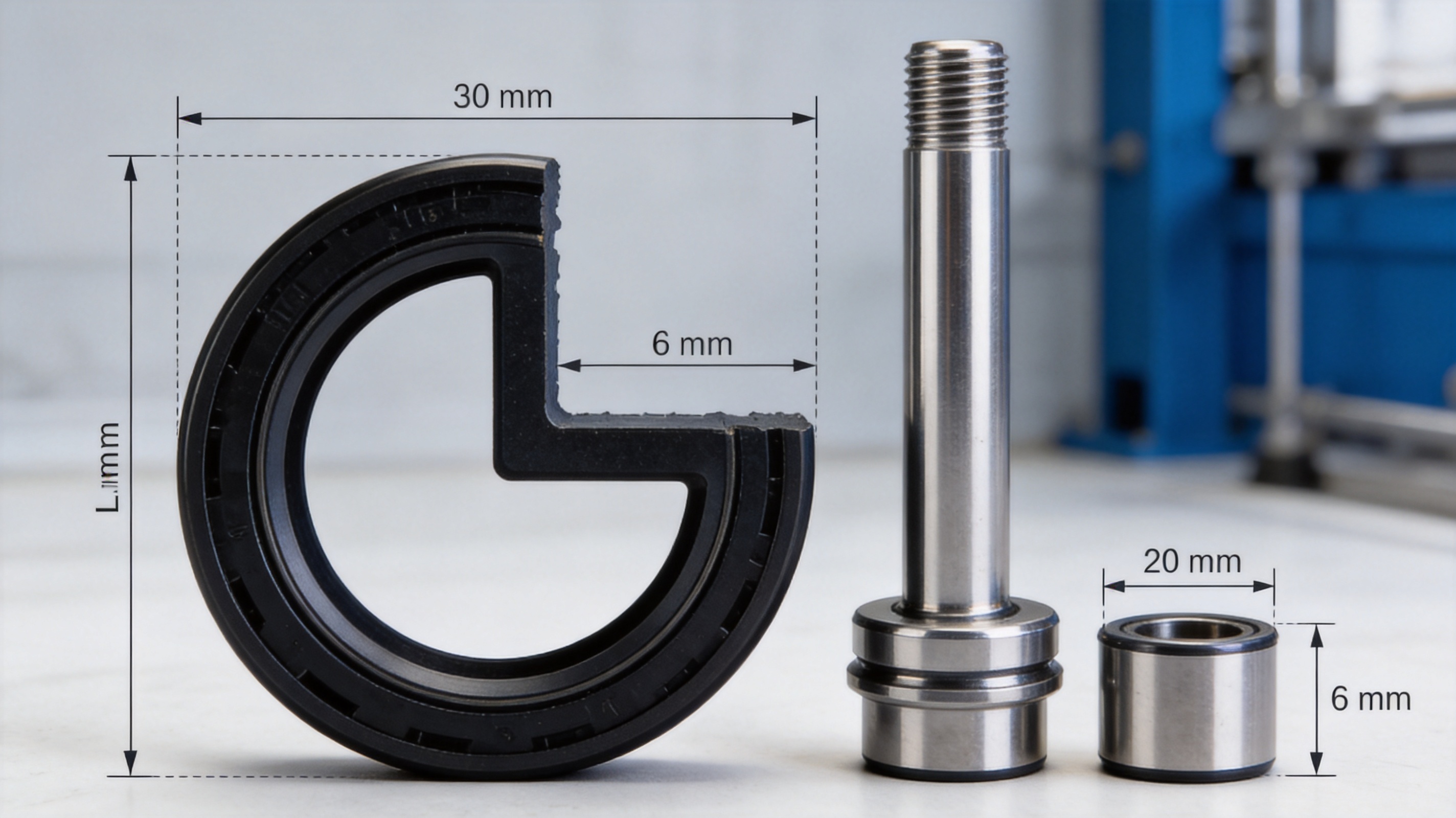
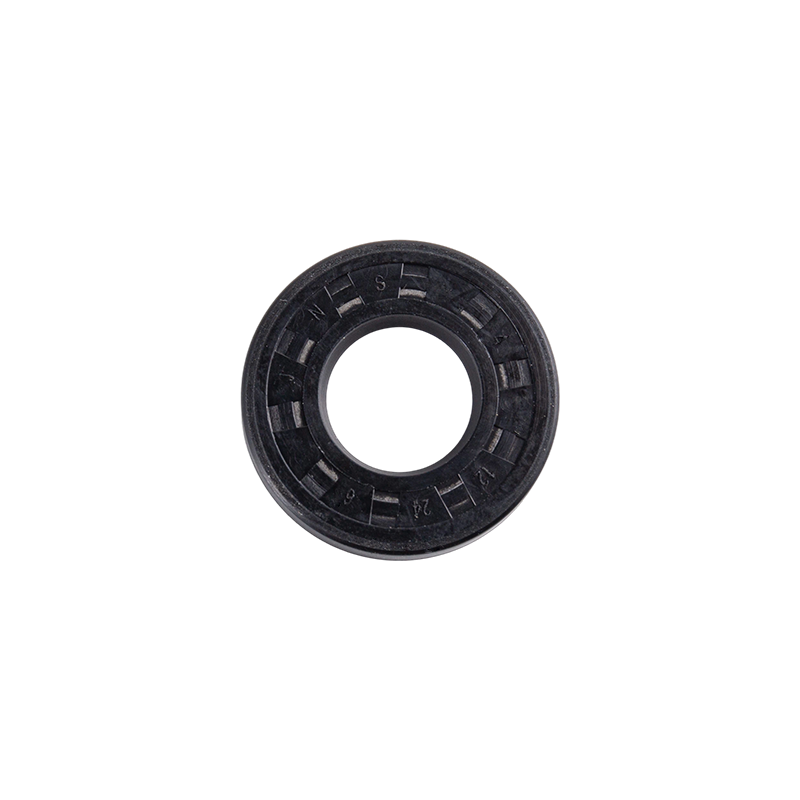
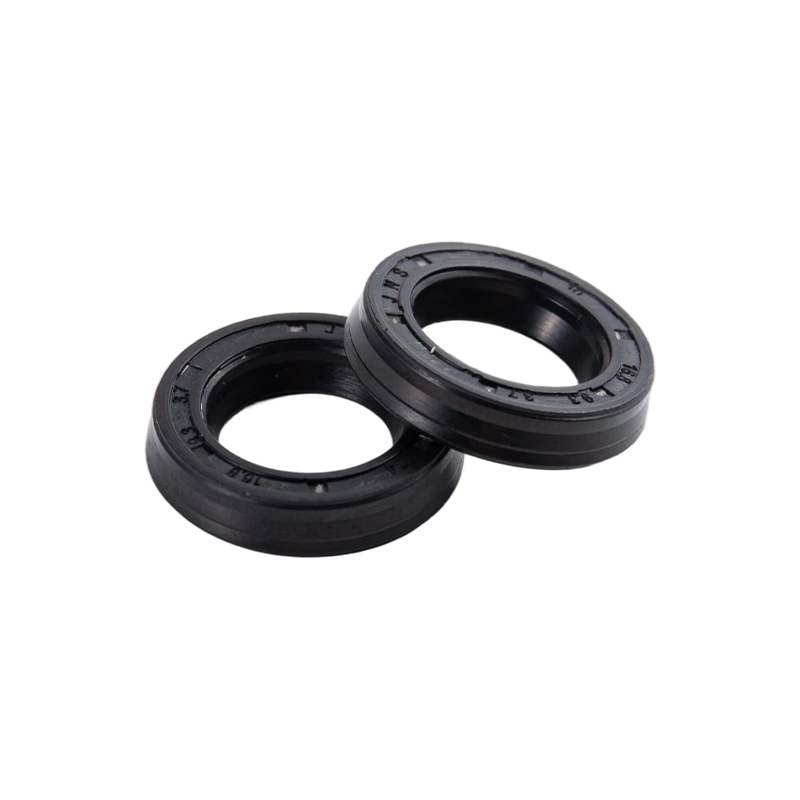
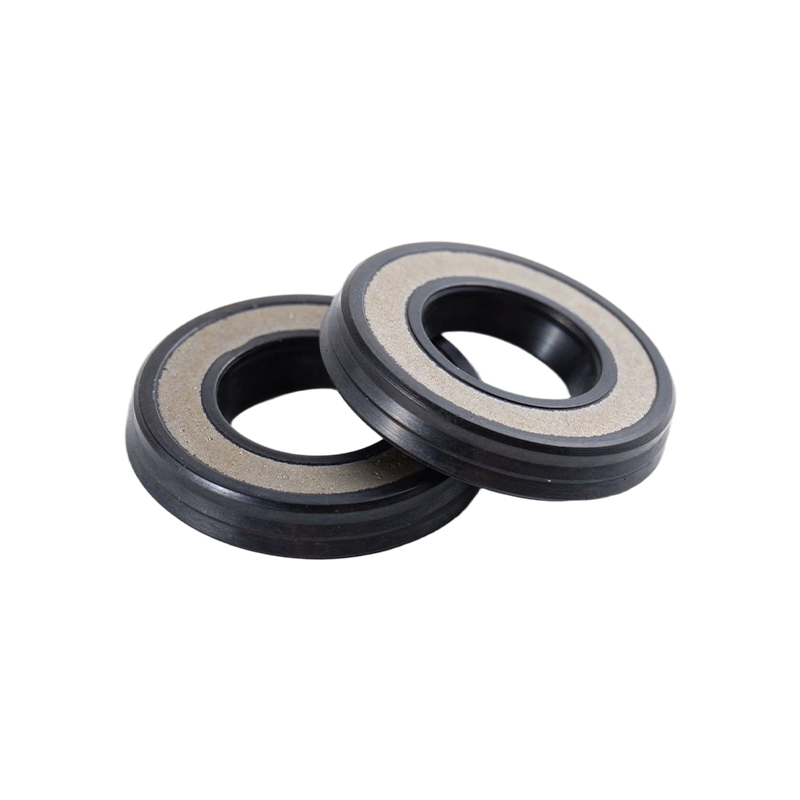
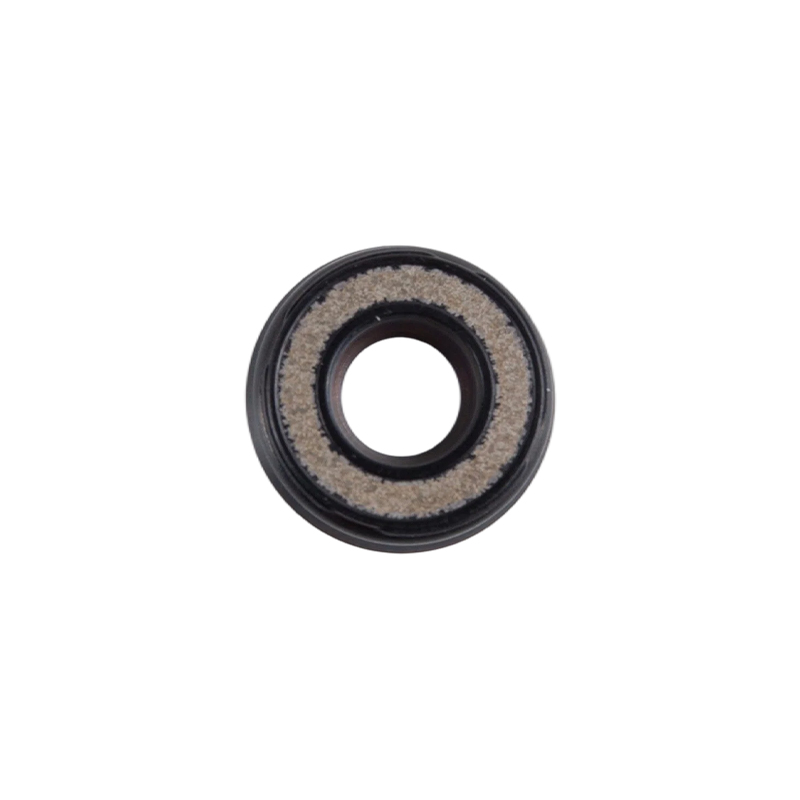
The A-2-003 Medium-Duty Balanced L-Type Oil Seal is designed for this type of demanding service. It is a versatile sealing element with a nominal product specification of 10 × 20 × 6, an outer diameter of 20.45 mm, an inner diameter of 9.2 mm, and a height of 6 mm. It is intended for a 20 × 10 groove arrangement and uses NBR as its primary material. Its stated design pressure range extends from 50 N to 1300 N, giving the seal a broad operating window for compact hydraulic and mechanical systems.
Rather than focusing on a single narrow operating condition, this seal is engineered to balance radial pre-load, pressure distribution, friction, chemical resistance, and dimensional stability. That balance is particularly important in hydraulic cylinders that reverse direction repeatedly. During every change of direction, the sealing lip must recover quickly, remain in contact with the rod, and avoid folding, twisting, or losing its sealing line. The A-2-003 is developed around these practical requirements.
This article examines the product’s design, dimensions, material, operating characteristics, manufacturing advantages, application suitability, installation considerations, quality-control priorities, and technical value compared with less specialized or less balanced sealing alternatives.
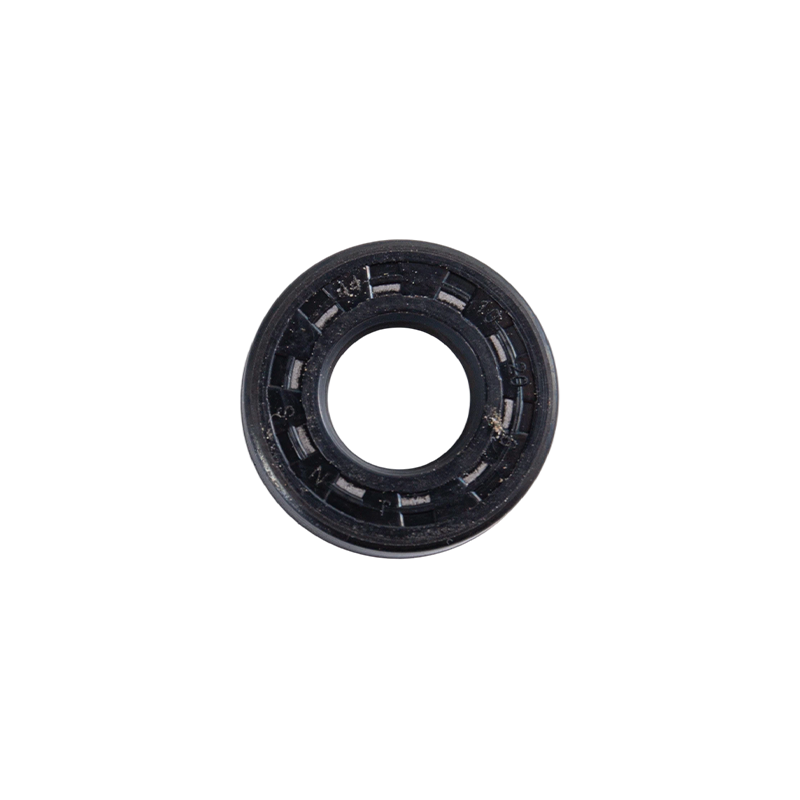
Medium-Duty Balanced L-Type Oil Seal
1. Product Overview
The A-2-003 belongs to the L-shaped oil seal ring category. Its geometry is intended to provide a stable sealing interface while fitting into a compact installation space. The L-shaped profile supports a controlled relationship between the sealing lip, the housing or groove, and the moving rod. This arrangement helps the seal maintain contact under changing pressure and movement conditions.
The product information identifies the seal as a medium-duty, balanced design. The term “balanced” is important because it indicates that the seal is not simply relying on high interference or excessive lip pressure to prevent leakage. Instead, the design aims to distribute mechanical and fluid forces in a controlled manner. A balanced sealing structure can reduce localized stress, moderate friction, and improve performance during repeated movement.
The A-2-003 has the following principal specifications:
| Item | Specification | Functional Significance |
|---|---|---|
| Product code | A-2-003 | Identifies the specific seal design and size |
| Product category | L-Shaped Oil Seal Ring | Defines the general cross-sectional sealing structure |
| Product specification | 10 × 20 × 6 | Nominal dimensional designation |
| Outer diameter | 20.45 mm | Supports controlled installation in the housing |
| Inner diameter | 9.2 mm | Defines the initial sealing interface with the rod |
| Height | 6 mm | Represents the axial installation dimension |
| O-ring adapter or groove arrangement | 20 × 10 | Supports installation in the specified compact assembly |
| Steel pipe inner diameter and piston rod diameter | 20 × 10 | Indicates the associated cylinder dimensions |
| Design applicable pressure range | 50–1300 N | Provides a broad stated design operating range |
| Material | NBR | Provides oil compatibility and elastic recovery |
Dimensions should always be checked against the customer’s actual housing, rod, groove, tolerance, surface-finish, temperature, and fluid requirements before mass production or installation. The dimensional designation and listed measured dimensions should be interpreted together with the relevant assembly drawing and application conditions.
2. Why a Balanced L-Shaped Seal Matters
A reciprocating hydraulic seal works under a combination of radial contact pressure, hydraulic pressure, friction, temperature, and mechanical movement. A conventional seal that performs acceptably under steady pressure may behave differently when the rod changes direction repeatedly. Reversal can momentarily alter the pressure distribution around the lip. It can also encourage lubricant redistribution, elastic deformation, and small variations in contact width.
If the radial pre-load is too low, the seal may permit leakage during low-pressure operation, start-up, vibration, or reversal. If the pre-load is too high, the seal may create excessive friction, produce heat, accelerate wear, and increase the force required to move the rod. Excessive interference can also damage the sealing edge or generate stick-slip behavior.
The balanced L-shaped structure is intended to provide a more controlled compromise. The geometry helps maintain a defined sealing line while allowing pressure to act on the seal in a predictable way. This design approach is different from relying only on a thick, heavily compressed lip. In many compact applications, controlled contact is more useful than maximum contact force.
The A-2-003 also features enhanced radial pre-load for stability. This feature is valuable in applications where the seal must remain engaged during frequent directional changes, low-pressure periods, or small dimensional variations. Properly controlled radial pre-load helps the seal follow the rod without losing its contact line.
Stable sealing during reversal
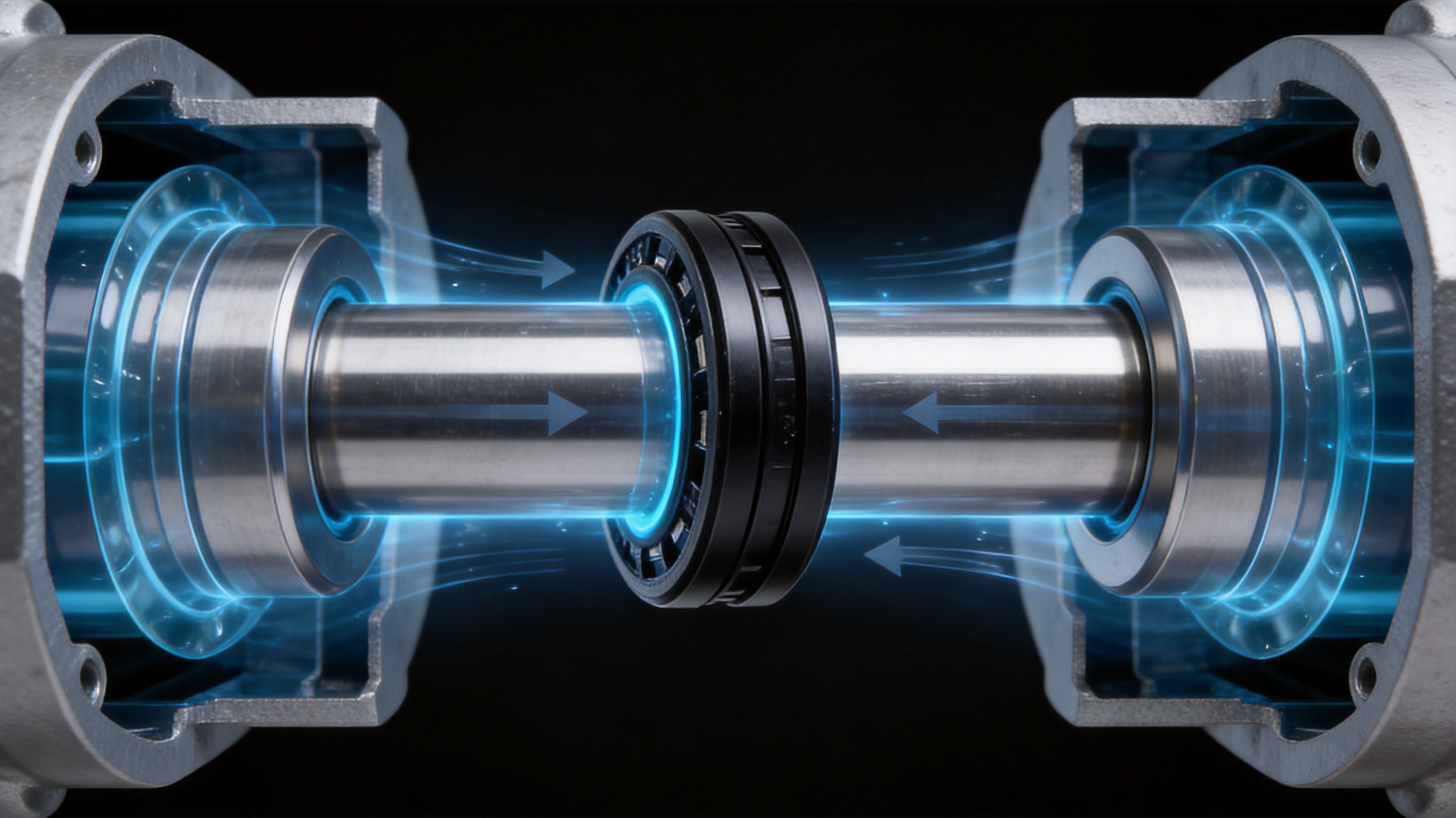
Reversal is one of the most demanding events for a reciprocating seal. When a piston rod changes from extension to retraction, the sealing lip must transition rapidly from one movement direction to the other. A poorly supported lip can momentarily lift, roll, or experience uneven stress. A balanced profile is intended to limit these effects by supporting the lip and distributing force across the sealing structure.
For equipment such as compact hydraulic cylinders, dampers, furniture actuators, and gas-spring-related mechanisms, movement may occur thousands or millions of times over the product life. A seal that remains stable at each reversal can contribute to lower leakage risk and more consistent operating force.
Controlled friction
Low friction is not achieved by removing all contact. A seal must maintain enough contact to retain fluid. The objective is controlled friction: sufficient to protect the sealing function, but not so high that it causes excessive energy consumption or wear. The A-2-003’s balanced geometry and radial pre-load are intended to support this compromise.
Compared with a highly aggressive, unbalanced sealing profile, a balanced L-shaped ring may offer more predictable friction across a wider operating range. This can be an advantage in equipment where smooth motion, low noise, and consistent actuation force are important.
Pressure distribution
The product is described as a wide-pressure versatile seal covering a stated range from 50 N to 1300 N. This broad range suggests that the design is intended to remain useful across multiple pressure conditions rather than being limited to a single narrow duty point. A seal that distributes pressure more evenly can reduce concentrated loading at the lip and support more uniform wear.
The stated range should not be treated as a substitute for a complete pressure rating in megapascals or another standard pressure unit. In actual engineering selection, the buyer should confirm how the design range is defined, including whether the value refers to a force condition, a test condition, a cylinder load, or another application parameter. Final selection should be based on the manufacturer’s technical confirmation and the complete working environment.
3. Material Advantages of NBR
The A-2-003 is manufactured from NBR, or nitrile butadiene rubber. NBR is widely used for oil seals because it offers a practical combination of oil resistance, elasticity, abrasion resistance, and cost efficiency. It is especially suitable for many mineral-oil-based hydraulic fluids and general industrial lubrication applications.
NBR can maintain useful elastic recovery over repeated movement. This recovery is essential because the sealing lip must return toward its designed position after deformation. When the rod moves, the lip experiences sliding contact and pressure-induced deflection. When the pressure or movement condition changes, the material must recover sufficiently to preserve the sealing line.
The product description emphasizes high chemical compatibility with hydraulic oils. This is a significant advantage in hydraulic service, where contact with incompatible fluids can cause swelling, hardening, softening, cracking, or loss of elasticity. NBR is commonly selected when the fluid is compatible with its compound formulation and when the temperature remains within the material’s suitable operating range.
Material selection should still be verified against the exact hydraulic fluid, additives, temperature, pressure, speed, and exposure duration. Hydraulic oils may differ substantially in formulation. Fire-resistant fluids, biodegradable fluids, synthetic fluids, and special chemical mixtures may require a different elastomer, such as HNBR, FPM, or another compound. The A-2-003 is supplied as NBR, while alternate materials should be discussed when the application requires them.
Resistance to wear
Reciprocating seals are exposed to continuous sliding contact. Surface roughness, contamination, side loading, pressure, temperature, and lubrication all influence wear. NBR offers useful abrasion resistance for many medium-duty applications, particularly when the rod surface and installation conditions are properly controlled.
A seal’s wear behavior depends on the complete system, not on the elastomer alone. The rod must have an appropriate surface finish, adequate hardness, suitable geometry, and sufficient cleanliness. If the rod is rough, corroded, misaligned, or contaminated, even a well-designed seal can wear prematurely. The product’s material strength becomes most valuable when combined with correct equipment design.
Elastic recovery
Elastic recovery helps compensate for minor changes in contact conditions. During installation, the seal may be compressed or stretched within its designed limits. During operation, hydraulic pressure may deform the lip. NBR’s elastic behavior allows the seal to maintain contact after these temporary changes.
Enhanced radial pre-load further supports this function. The pre-load creates an initial sealing force before hydraulic pressure is applied. As pressure increases, the fluid can assist the sealing action by pressing the lip toward the contact surface. This combination of initial mechanical contact and pressure-assisted sealing is useful across variable operating conditions.
4. Dimensional Design and Installation Interface
The listed product specification is 10 × 20 × 6, with an outer diameter of 20.45 mm, an inner diameter of 9.2 mm, and a height of 6 mm. The related adapter or groove arrangement is listed as 20 × 10. The associated steel pipe inner diameter and piston rod diameter are also identified as 20 × 10.
These dimensions indicate that the seal is intended for a compact cylinder or rod-sealing arrangement. Its small envelope can be advantageous where installation space is limited. Compact dimensions may also help reduce the overall size and mass of a hydraulic assembly, which is useful in furniture mechanisms, automotive components, small actuators, and equipment with strict packaging requirements.
Dimensional accuracy is essential in a seal of this size. A small deviation in the inner diameter, outer diameter, lip geometry, or height can alter the contact pressure and installation fit. If the inner diameter is too large, leakage may occur. If it is too small, friction and heat may increase. If the outer diameter is incorrect, the ring may rotate, extrude, or fail to seat correctly.
The listed 20.45 mm outer diameter should be considered during housing design. The housing bore, roundness, surface condition, and tolerance influence whether the seal is firmly retained. The rod diameter and rod tolerance influence the radial interference. The groove width and depth control axial support and compression. These parameters should be verified through a controlled drawing before production release.
ISO-compatible groove application
The product description states that the seal fits 20 × 10 grooves and identifies the arrangement as ISO compliant. This should be understood as compatibility with the stated groove configuration rather than a general claim that every installation dimension or every finished product is independently certified to an international standard. Buyers should confirm the applicable standard, groove dimensions, tolerances, and inspection requirements for the specific project.
Compatibility with a recognized groove arrangement can simplify design work. It may reduce the need for custom housing modifications and make the seal easier to integrate into existing cylinder designs. Standardized interfaces can also improve replacement availability and reduce the risk of incorrect installation.
Installation orientation
An L-shaped seal should be installed in the orientation specified by the technical drawing. The sealing lip must face the pressure or fluid side as required by the design. Installing the ring backward can reduce pressure-assisted sealing, increase leakage, or expose the lip to an unsuitable mechanical load.
During installation, the rod and groove should be clean and free of metal chips, dust, old seal fragments, and sharp edges. The seal should not be dragged across a damaged surface. If the rod has a keyway, thread, hole, or sharp transition, a suitable installation sleeve or protective tool should be used to prevent cutting the sealing lip.
Lubricating the seal with a compatible assembly lubricant can reduce installation damage. The lubricant must be compatible with NBR and the working hydraulic fluid. Excessive stretching, twisting, folding, or compression should be avoided. After installation, the rod should be moved carefully through its initial stroke to confirm smooth operation and identify any abnormal resistance.
5. Performance Advantages Compared with General-Purpose Alternatives
The A-2-003 offers several practical advantages over a basic, non-specialized oil seal. These advantages arise from its combination of balanced geometry, enhanced radial pre-load, compact dimensions, NBR material, and broad intended pressure coverage.
Broader application flexibility
Many general-purpose seals are selected for a limited set of conditions. They may perform well at a particular pressure and speed but become less predictable when the application experiences frequent reversal or changing load. The A-2-003 is described as a wide-pressure versatile seal, making it more suitable for equipment with variable operating conditions.
This flexibility can help manufacturers reduce the number of seal designs used across related product families. A single seal configuration that covers several medium-duty applications can simplify inventory, purchasing, assembly training, and maintenance planning. The actual interchangeability of the product must be confirmed for each application, but the broad design intention is commercially valuable.
More stable radial contact
Enhanced radial pre-load gives the A-2-003 a clear functional distinction from a lightly loaded seal. Stable contact is especially important during low-pressure operation, equipment storage, vibration, and movement reversal. A seal that depends entirely on fluid pressure may not seal effectively when the system is idle or operating at low pressure. Mechanical pre-load helps maintain the initial barrier.
At the same time, the balanced profile is intended to avoid the excessive friction that can occur when a seal uses unnecessarily high interference. This balance can provide a better performance compromise than either an under-loaded seal or an overly aggressive high-friction design.
Improved suitability for compact cylinders
The 6 mm height and compact 20 mm class installation dimensions make the seal suitable for space-constrained designs. Compact hydraulic cylinders are often used in furniture adjustment systems, automotive mechanisms, medical equipment, small machinery, and consumer products. In such systems, the seal must provide reliable performance without increasing the size of the cylinder body.
A compact seal can also support simplified assembly. When the groove and seal dimensions are correctly matched, the ring can be incorporated into a relatively small housing while maintaining a controlled sealing interface.
Hydraulic oil compatibility
NBR is a familiar and cost-effective material for oil sealing. Its suitability for many hydraulic oils makes it a logical choice for conventional hydraulic applications. Compared with an elastomer selected without regard to fluid compatibility, a properly formulated NBR seal can offer better resistance to swelling, hardening, and loss of elasticity.
Customers should provide the exact oil specification during technical evaluation. This allows the compound and operating conditions to be checked before approval. Where temperatures or fluids exceed ordinary NBR service conditions, the same sealing geometry may need to be produced in another elastomer.
Potential for lower maintenance cost
Leakage from a small seal can create a disproportionate maintenance burden. Fluid loss may require cleaning, replenishment, downtime, component replacement, and inspection of adjacent parts. A stable seal can help reduce these indirect costs when the application is properly matched to the product.
The A-2-003’s design emphasis on pressure distribution and reversal stability can support longer service intervals compared with a poorly matched general-purpose ring. Actual life will depend on rod condition, pressure, temperature, speed, contamination, fluid, alignment, and installation quality. No seal should be considered maintenance-free under all conditions.
6. Advanced Manufacturing Strengths
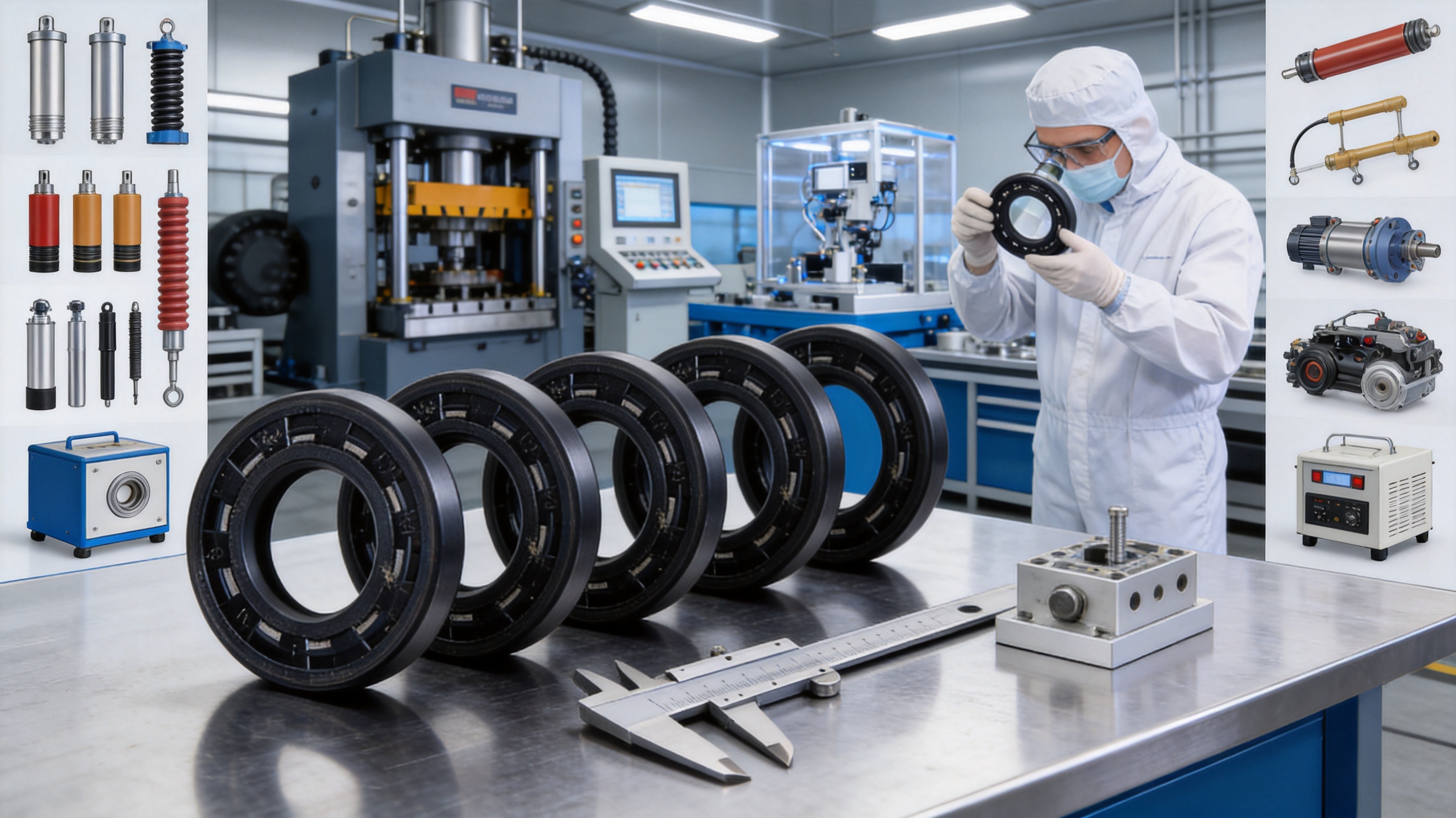
A high-performance seal depends on more than the nominal elastomer and cross-sectional shape. Manufacturing consistency determines whether each production batch delivers the intended geometry and material behavior. The producer’s stated strengths include research and development capability, advanced production equipment, a professional technical service team, and experience in sealing technology for gas springs, dampers, and related O-ring products.
These capabilities are important for the A-2-003 because small dimensional features can have a direct effect on performance. The sealing lip, radial pre-load, outer diameter, inner diameter, and height must be controlled consistently. A product that matches the catalog specification only occasionally cannot provide dependable field performance.
Compound development and material control
NBR is not a single uniform material. Its performance depends on the selected polymer grade, acrylonitrile content, plasticizers, fillers, curing system, reinforcing agents, and processing conditions. A sealing manufacturer with compound-development capability can adjust the formulation for hardness, elasticity, oil resistance, abrasion resistance, compression behavior, and temperature performance.
Material control begins with incoming raw-material inspection. Rubber polymers, additives, pigments, and other ingredients should be identified, documented, and stored appropriately. Controlled weighing and mixing help maintain batch-to-batch consistency. The compound should be evaluated for relevant properties before being released to molding or forming operations.
For the A-2-003, material consistency supports stable radial pre-load and predictable elastic recovery. If hardness or cure state changes significantly from batch to batch, the installation force and dynamic sealing behavior may also change. Controlled compounding therefore contributes directly to product reliability.
Precision molding and forming
The seal’s final geometry is created through a controlled molding process. Mold design must account for the L-shaped profile, lip edges, parting lines, shrinkage, flash, and demolding behavior. The mold must produce a clean and consistent sealing edge without excessive flash or distortion.
Advanced production equipment can improve process repeatability by controlling temperature, pressure, time, and material flow. Stable molding conditions reduce variation in dimensions and cure quality. They also help limit defects such as incomplete filling, trapped air, surface porosity, excessive flash, deformation, and uneven edges.
For a small seal, even a minor molding defect can become significant. A small projection may increase friction or scratch the rod. A small void may become a leakage path. An uneven lip may produce localized wear. Precision molding and post-molding inspection are therefore essential.
Post-curing and finishing control
Depending on the compound and production method, post-curing or controlled stabilization may be used to complete material performance and reduce residual volatile content. Finishing operations remove unwanted flash and ensure that the sealing edges are clean. These steps must be controlled carefully because excessive trimming can damage the lip, while insufficient trimming can leave unwanted material on the sealing surface.
Surface cleanliness is also important. Finished seals should be protected from dust, metal particles, oil contamination, and deformation during storage and packaging. Proper packaging helps preserve the original shape until installation.
Dimensional inspection
Quality control should include measurement of the outer diameter, inner diameter, height, groove-related dimensions, and critical lip features. Inspection tools must be suitable for soft elastomeric parts because excessive measuring force can distort the seal and create misleading results.
Sampling plans may be used for routine production, while first-article inspection and increased inspection frequency are appropriate for new molds, new materials, or process changes. Traceability of production batches supports root-cause investigation if a customer reports leakage or dimensional variation.
Functional testing
Dimensional inspection alone cannot prove dynamic sealing performance. Functional evaluation may include compression testing, hardness measurement, tensile properties, elongation, compression set, fluid immersion, temperature exposure, and reciprocating seal testing. The exact tests should be selected according to the application and customer requirements.
For the A-2-003, testing under representative hydraulic oil, pressure, movement frequency, rod surface condition, and temperature can provide more meaningful information than a generic laboratory test. A professional technical team can help translate the customer’s operating conditions into an appropriate validation plan.
7. Engineering and Technical Service Capability
The manufacturer provides customized sealing solutions, including product design, testing, and technical consultation. This capability is valuable because sealing problems are often caused by the interaction of multiple components rather than by the seal alone.
When reviewing an application, engineers should consider the rod diameter, housing bore, groove size, tolerances, rod hardness, surface finish, eccentricity, side load, stroke length, movement speed, pressure cycle, fluid type, temperature, contamination, and expected service life. A complete application review can determine whether the A-2-003 is appropriate or whether a different profile or material is required.
Technical consultation can also help identify the cause of an existing failure. Leakage may result from an incorrect seal size, damaged rod, excessive extrusion gap, contamination, installation damage, excessive pressure, incompatibility with the fluid, or improper storage. Replacing the seal without identifying the underlying cause may only provide a temporary solution.
Customized product development is another strength. Customers may require changes in material, hardness, color, profile, packaging, dimensional tolerance, or inspection documentation. Customization should be managed through controlled drawings, approved samples, testing, and documented change procedures. This approach reduces the risk of unapproved variation between prototype and mass production.
8. Suitable Applications
The A-2-003 is intended for medium-duty sealing requirements in compact hydraulic and mechanical assemblies. Potential applications include hydraulic cylinders, dampers, gas-spring-related components, furniture actuators, automotive mechanisms, home appliances, medical equipment, construction equipment, and general industrial devices.
In furniture applications, a seal may be required in an adjustable chair, lift mechanism, bed actuator, cabinet support, or other compact movement system. Smooth operation and low leakage are important because the mechanism may be used frequently and may be installed in an indoor environment where maintenance access is limited.
In automotive applications, the seal may support a compact actuator or damping-related assembly. Automotive environments can involve vibration, temperature variation, and repeated movement. The exact application must be reviewed carefully because automotive fluids and temperatures can differ substantially from ordinary industrial hydraulic service.
In medical equipment, cleanliness, low noise, reliable movement, and controlled maintenance are often important. The seal should be evaluated not only for mechanical performance but also for the cleanliness and regulatory requirements of the finished equipment.
In construction or industrial equipment, the seal may experience greater contamination, shock, side load, and pressure variation. The A-2-003 may be suitable for selected compact or medium-duty applications, but the customer should verify pressure, speed, temperature, rod condition, and contamination protection before approval.
Applications requiring additional review
Applications involving high temperatures, fire-resistant hydraulic fluids, aggressive chemicals, gas permeation, abrasive media, very high speed, severe side loading, or unusually high pressure require additional technical evaluation. NBR may not be the best material for every environment, even if the geometry is appropriate.
For outdoor equipment, ultraviolet exposure, ozone, moisture, and temperature cycling may influence service life. For systems exposed to dirt or water, a dedicated wiper or contamination-control element may be required in addition to the oil seal. The A-2-003 should be treated as one part of a complete sealing system.
9. Installation and Maintenance Best Practices
Correct installation is one of the most important factors in seal performance. Before fitting the A-2-003, inspect the groove and rod. Remove burrs, corrosion, old seal material, and contaminants. Confirm that the groove dimensions correspond to the intended 20 × 10 arrangement and that the rod diameter is appropriate for the 9.2 mm nominal inner dimension and specified cylinder design.
Check the seal visually for cuts, cracks, deformation, surface defects, and foreign particles. Do not install a seal that has been damaged during transport or storage. Elastomeric seals should be stored away from direct sunlight, ozone-generating equipment, excessive heat, and sharp objects. They should not be compressed under heavy parts for long periods.
Use a compatible lubricant during assembly. Avoid tools with sharp metal edges. If the seal must pass over a thread, groove, keyway, or other discontinuity, cover the discontinuity with a suitable sleeve or protective film. Do not force the seal into place with uncontrolled impact or excessive stretching.
After assembly, operate the mechanism slowly. Check for abnormal friction, rod scratching, leakage, uneven movement, and unusual noise. If the system is hydraulically pressurized, increase pressure gradually and inspect the seal area under controlled conditions.
Maintenance inspection
Routine inspection should look for visible fluid leakage, contamination accumulation, changes in operating force, stick-slip movement, rod scoring, and unexpected pressure loss. A small amount of initial lubricant film may be normal in some systems, but persistent or increasing leakage requires investigation.
When replacing a worn seal, inspect the rod and housing rather than replacing only the elastomer. A damaged rod surface can rapidly destroy a new seal. Check for misalignment, excessive side load, incorrect groove dimensions, and contamination. Confirm that the replacement part has the correct product code and material.
10. Quality and Reliability Considerations
Reliability is created through a chain of controlled decisions. The material must be appropriate. The geometry must be accurate. The molding process must be stable. The finished part must be inspected. The seal must be stored correctly. The assembly must be clean and dimensionally suitable. The working environment must remain within the design limits.
The A-2-003’s advantages are strongest when these factors are managed together. Enhanced radial pre-load cannot compensate for a damaged rod. Chemical compatibility cannot compensate for an incorrect groove. A balanced profile cannot compensate for severe misalignment. For this reason, product selection should be combined with application engineering and process control.
A professional manufacturer can support reliability through documented production procedures, controlled materials, inspection records, testing, batch traceability, and technical communication. These systems are particularly important for original equipment manufacturers that need consistent performance across large production volumes.
For customers comparing suppliers, useful evaluation questions include:
1. Can the supplier provide a controlled dimensional drawing?
2. Can the supplier confirm the NBR compound and relevant material properties?
3. Can the supplier support testing with the customer’s actual hydraulic oil?
4. Can the supplier explain its inspection and batch-traceability procedures?
5. Can the supplier provide samples for assembly and endurance evaluation?
6. Can the supplier customize the material or profile when the application requires it?
7. Can the supplier investigate field failures using technical data rather than simply replacing parts?
These questions help distinguish a sealing technology partner from a source that only supplies standard catalog items.
11. Commercial Benefits for Equipment Manufacturers
The A-2-003 can provide commercial value beyond its individual sealing function. A compact, versatile design may help manufacturers standardize components across multiple product models. Standardization can lower inventory complexity, reduce purchasing effort, simplify assembly training, and make spare parts management easier.
Its NBR construction can also offer a cost-effective solution for many conventional hydraulic oil applications. Where high-temperature or chemically aggressive conditions are not present, NBR may deliver the required balance of performance and price without using a more expensive specialty elastomer.
The product’s compact dimensions may support smaller actuator designs. Smaller actuators can reduce material consumption and assembly space, which may contribute to lower system weight and more flexible product packaging. These benefits are especially relevant to furniture, automotive, appliance, and compact industrial equipment manufacturers.
Customized technical support can reduce development time. Instead of adapting an unsuitable general-purpose seal through repeated trial and error, a customer can provide the operating conditions and receive assistance with profile, material, groove, and test selection. This approach may shorten validation cycles and reduce the risk of late-stage redesign.
12. Recommended Selection Procedure
Before ordering the A-2-003 for production, the customer should complete a structured selection review. First, confirm the application type and whether the seal will be exposed to hydraulic oil, lubricating oil, water-containing fluid, gas, or another medium. Second, identify the maximum and minimum operating temperature. Third, record pressure, movement speed, stroke length, reversal frequency, and expected service life.
Next, measure or verify the rod diameter, housing bore, groove dimensions, tolerances, rod hardness, surface finish, concentricity, and side load. Confirm that the listed 20 × 10 cylinder or groove arrangement matches the actual design. Review whether a wiper, backup ring, guide ring, or additional sealing element is required.
Then, compare the operating environment with NBR suitability. If the fluid or temperature is outside the expected range, request an alternative compound or technical recommendation. Finally, conduct sample testing under representative conditions before approving mass production.
| Selection Stage | Information to Confirm | Reason |
|---|---|---|
| Fluid review | Hydraulic oil type, additives, contamination, and lubrication condition | Confirms chemical compatibility |
| Temperature review | Minimum, normal, peak, and storage temperatures | Confirms elastomer suitability and life expectations |
| Pressure review | Operating pressure, peak pressure, and pressure cycling | Evaluates deformation and extrusion risk |
| Movement review | Speed, stroke, frequency, and reversal behavior | Evaluates friction, wear, and dynamic stability |
| Dimensional review | Rod, housing, groove, tolerances, and assembly clearance | Confirms correct mechanical fit |
| Surface review | Rod hardness, roughness, roundness, and cleanliness | Protects the sealing lip from premature wear |
| Validation review | Sample testing under representative conditions | Confirms system-level performance before release |
13. Manufacturing Partner Strengths
The producer is a high-tech sealing enterprise founded in 2019 and based in Anhui, China. Its focus on sealing technology for gas springs, dampers, and related O-ring products gives it experience in applications where compact size, repeated movement, elastic recovery, and fluid control are important.
The company’s stated product fields include automotive, furniture, home appliances, medical equipment, construction, and other industries. This cross-industry exposure can be valuable because it brings together different requirements for friction, durability, cleanliness, size, cost, and customization.
Research and development capability supports ongoing improvement in product profiles, elastomer compounds, tooling, and testing methods. Advanced production equipment supports stable processing and repeatable output. A professional technical service team helps customers address design, testing, installation, and failure-analysis questions.
The company also provides customized sealing solutions, including product design, testing, and technical consultation. This makes it suitable for customers that need more than a standard replacement part. Original equipment manufacturers can work with the supplier to develop a sealing solution around the complete assembly rather than selecting a ring in isolation.
A strong manufacturing process should connect development, tooling, compounding, molding, inspection, packaging, and technical service. When these functions communicate effectively, product changes can be controlled, quality issues can be traced, and customer feedback can be converted into design improvements.
14. Frequently Asked Questions
Q1: What type of seal is the A-2-003?
The A-2-003 is a medium-duty balanced L-type oil seal ring designed for compact reciprocating applications, including selected hydraulic cylinder and damper assemblies.
Q2: What material is used?
The listed material is NBR, or nitrile butadiene rubber. NBR is commonly used for oil seals because of its elasticity, abrasion resistance, and compatibility with many mineral-oil-based hydraulic fluids.
Q3: What are the main dimensions?
The listed product specification is 10 × 20 × 6. The stated outer diameter is 20.45 mm, the inner diameter is 9.2 mm, and the height is 6 mm. The related O-ring adapter or groove arrangement is 20 × 10.
Q4: What pressure range is specified?
The design applicable range is listed as 50–1300 N. Because this value is expressed in newtons rather than a conventional fluid-pressure unit, the customer should request confirmation of the test definition and application meaning before final selection.
Q5: Is the seal suitable for frequent hydraulic cylinder reversal?
Yes, the product description specifically emphasizes stable pressure distribution during frequent hydraulic cylinder reversals. Its balanced profile and enhanced radial pre-load are intended to help maintain contact during directional changes.
Q6: What is the advantage of enhanced radial pre-load?
Enhanced radial pre-load helps maintain initial contact between the sealing lip and the rod. This can support sealing stability during low-pressure operation, vibration, start-up, and repeated movement reversal. Excessive pre-load should still be avoided because it may increase friction and wear.
Q7: Is the product compatible with every hydraulic oil?
No seal should be assumed to be compatible with every hydraulic fluid. NBR is suitable for many conventional hydraulic oils, but the exact oil, additives, temperature, and exposure time should be reviewed before approval.
Q8: Can the seal be supplied in another material?
The listed A-2-003 material is NBR. If the application requires higher temperature resistance, special chemical resistance, or improved performance with a particular fluid, the customer should discuss HNBR, FPM, or another suitable compound with the technical team.
Q9: Can the product be customized?
The manufacturer provides customized sealing solutions, including product design, testing, and technical consultation. Customization may involve material, profile, dimensions, tolerances, packaging, or inspection requirements, subject to technical review.
Q10: What should be checked before installation?
Check the rod diameter, housing bore, groove dimensions, tolerances, surface finish, roundness, hardness, alignment, cleanliness, and the orientation of the seal. Also verify that the working fluid and temperature are suitable for NBR.
Q11: Can the seal be used without a wiper?
That depends on the environment. A wiper may be necessary when the assembly is exposed to dust, water, mud, metal particles, or other contamination. The oil seal and wiper perform different functions and should be evaluated as part of the complete sealing system.
Q12: What are the main causes of early leakage?
Common causes include incorrect dimensions, backward installation, cuts during assembly, rod damage, excessive roughness, contamination, misalignment, side loading, unsuitable fluid, excessive pressure, and temperature beyond the material’s capability.
Q13: How should the seal be stored?
Store it in a cool, clean, and dry location away from direct sunlight, ozone sources, excessive heat, chemicals, and sharp objects. Avoid long-term compression or deformation before installation.
Q14: What industries may use this product?
Potential industries include automotive, furniture, home appliances, medical equipment, construction, gas-spring systems, dampers, hydraulic equipment, and general industrial machinery. Suitability must be confirmed for the actual operating conditions.
Q15: Why choose a specialized sealing manufacturer?
A specialized manufacturer can provide more than a standard ring. Its research, material, tooling, production, inspection, testing, and technical-support capabilities can help customers achieve a better-matched sealing solution and more consistent production quality.
15. Conclusion
The A-2-003 Medium-Duty Balanced L-Type Oil Seal is designed for compact reciprocating equipment that requires stable sealing across changing operating conditions. Its balanced L-shaped profile, enhanced radial pre-load, compact 10 × 20 × 6 specification, 20.45 mm outer diameter, 9.2 mm inner diameter, and NBR material make it a practical option for many hydraulic oil applications.
Its principal advantage over a basic general-purpose seal is the focus on controlled performance during frequent reversal. The design aims to distribute pressure more evenly, maintain a stable contact line, support elastic recovery, and avoid unnecessary friction. These characteristics can help equipment manufacturers improve leakage control, operating consistency, maintenance performance, and product compactness.
The product’s success ultimately depends on correct engineering selection. Fluid compatibility, temperature, pressure, speed, rod condition, groove dimensions, alignment, contamination, and installation must all be considered. The stated 50–1300 N design range and 20 × 10 groove compatibility should be confirmed against the customer’s actual assembly and testing requirements.
Supported by research and development, production equipment, technical consultation, product testing, and customized sealing capability, the manufacturing organization behind the product can serve customers seeking both standard and application-specific solutions. For original equipment manufacturers and distributors, the A-2-003 represents a compact, versatile, and technically focused sealing option for medium-duty hydraulic and damper-related applications.
References
1. Product specification sheet for the A-2-003 Medium-Duty Balanced L-Type Oil Seal, including dimensions, material, groove arrangement, and design application range.
2. General engineering principles for reciprocating hydraulic seals, including radial pre-load, pressure-assisted sealing, friction, wear, and installation control.
3. Nitrile butadiene rubber material guidance for oil-sealing applications, including elastomer compatibility, elastic recovery, abrasion resistance, and fluid exposure considerations.
4. Industrial seal design practices for groove geometry, rod surface finish, dimensional tolerance, alignment, contamination control, and dynamic testing.
5. Quality-control principles for molded elastomeric components, including compound traceability, molding-process control, dimensional inspection, functional validation, and batch management.
Product: Medium-Duty Balanced L-Type Oil Seal
PREV:25mm Standard Balanced Y-Seal: A Practical Guide to Reliable Gas Spring and Damper Sealing
NEXT:2000N Extreme Thrust Seal for High-Pressure Motion Control Systems
NEXT:2000N Extreme Thrust Seal for High-Pressure Motion Control Systems


Want to know more
about us?
about us?

Precision sealing for gas springs and dampers. Durable, wear-resistant, and built for long-life performance in demanding applications.
Product Categories
Quick Links
Contact Us
-
Email: jns@jnsseals.cn

-
Manager Gong: +86-18563770820

-
Manager Wang: +8615357558902
-
No. 5, Meilin Avenue, Meilin Industrial Development Zone, Ningguo City, Anhui Province, China

