

 English
 русский
 Deutsch
 Türk
 中文简体
High-Temperature FPM Rotary Sealing Rings for Demanding Chemical and High-Speed Applications
High-Temperature FPM Rotary Sealing Rings for Demanding Chemical and High-Speed Applications
High-Temperature FPM Rotary Sealing Rings for Demanding Chemical and High-Speed Applications
High-Temperature FPM Rotary Sealing Rings for Demanding Chemical and High-Speed Applications
High-Temperature FPM Rotary Sealing Rings for Demanding Chemical and High-Speed Applications
High-Temperature FPM Rotary Sealing Rings for Demanding Chemical and High-Speed Applications
High-Temperature FPM Rotary Sealing Rings for Demanding Chemical and High-Speed Applications
High-Temperature FPM Rotary Sealing Rings for Demanding Chemical and High-Speed Applications
High-Temperature FPM Rotary Sealing Rings for Demanding Chemical and High-Speed Applications
High-Temperature FPM Rotary Sealing Rings for Demanding Chemical and High-Speed Applications
High-Temperature FPM Rotary Sealing Rings for Demanding Chemical and High-Speed Applications
High-Temperature FPM Rotary Sealing Rings for Demanding Chemical and High-Speed Applications
High-Temperature FPM Rotary Sealing Rings for Demanding Chemical and High-Speed Applications
High-Temperature FPM Rotary Sealing Rings for Demanding Chemical and High-Speed Applications
High-Temperature FPM Rotary Sealing Rings for Demanding Chemical and High-Speed Applications
High-Temperature FPM Rotary Sealing Rings for Demanding Chemical and High-Speed Applications

Fang Zhiqing — International Product Sales Manager
Home / Author / Fang Zhiqing — International Product Sales Manager / High-Temperature FPM Rotary Sealing Rings for Demanding Chemical and High-Speed Applications
NEW Category
Contact us
High-Temperature FPM Rotary Sealing Rings for Demanding Chemical and High-Speed Applications
Content
- 1 1. Product Overview
- 2 2. Why FPM Is Appropriate for Severe Environments
- 3 3. Rotary Design and Wear Considerations
- 4 4. Advantages Compared with Conventional Alternatives
- 5 5. Manufacturing Strengths and Technical Capabilities
- 6 6. Process Quality from Material to Finished Ring
- 7 7. Application Areas
- 8 8. Installation Recommendations
- 9 9. Selection and Engineering Checklist
- 10 10. Customization and Technical Support
- 11 11. Maintenance and Failure Prevention
- 12 12. Purchasing and Supplier Evaluation
- 13 13. Sustainability and Service-Life Value
- 14 14. Technical Summary
- 15 15. Frequently Asked Questions
- 15.1 What is the A-5-003 sealing ring made of?
- 15.2 What are the dimensions of the product?
- 15.3 Is this product suitable for rotary motion?
- 15.4 What is the main advantage of FPM over ordinary rubber?
- 15.5 Can the seal be used with every chemical solvent?
- 15.6 Is a pressure rating provided?
- 15.7 Can the A-5-003 be used in high-speed equipment?
- 15.8 What should be checked before installation?
- 15.9 How should the sealing ring be stored?
- 15.10 Can customized sealing products be developed?
- 15.11 Which industries may use this product?
- 15.12 Does FPM eliminate the need for maintenance?
- 16 Conclusion
- 17 References
- 18 Product: High-Temp FPM Rotary Sealing Ring
Modern industrial equipment increasingly operates under severe conditions. Rotating shafts may be exposed to elevated temperatures, corrosive solvents, lubricants, cleaning agents, pressure fluctuations, vibration, and continuous mechanical movement. In these environments, a sealing component must do more than close a gap. It must maintain dimensional stability, resist chemical attack, reduce leakage, withstand friction, and continue working reliably throughout the equipment’s service life.
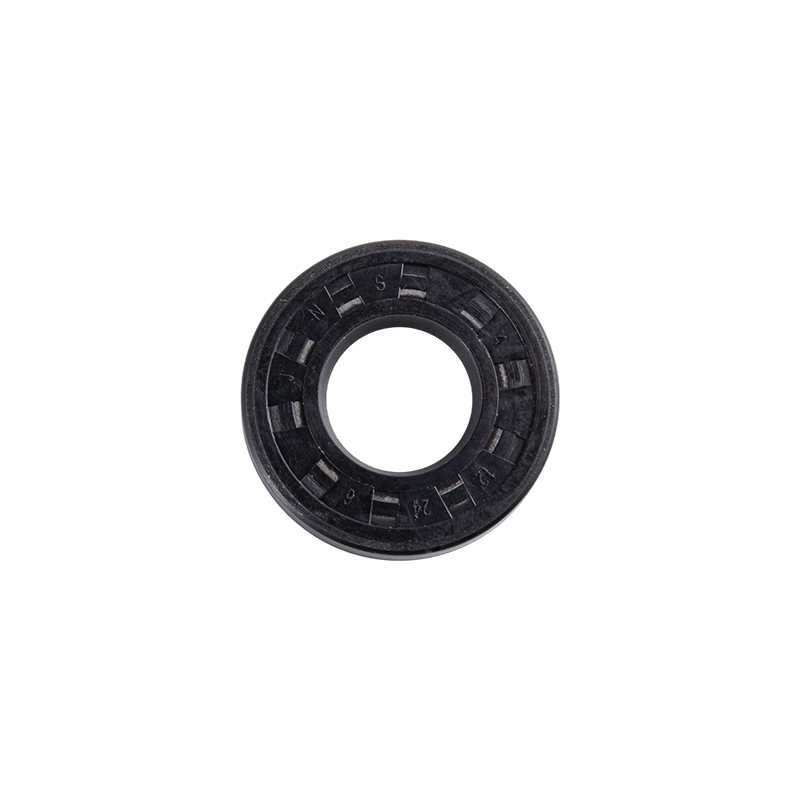
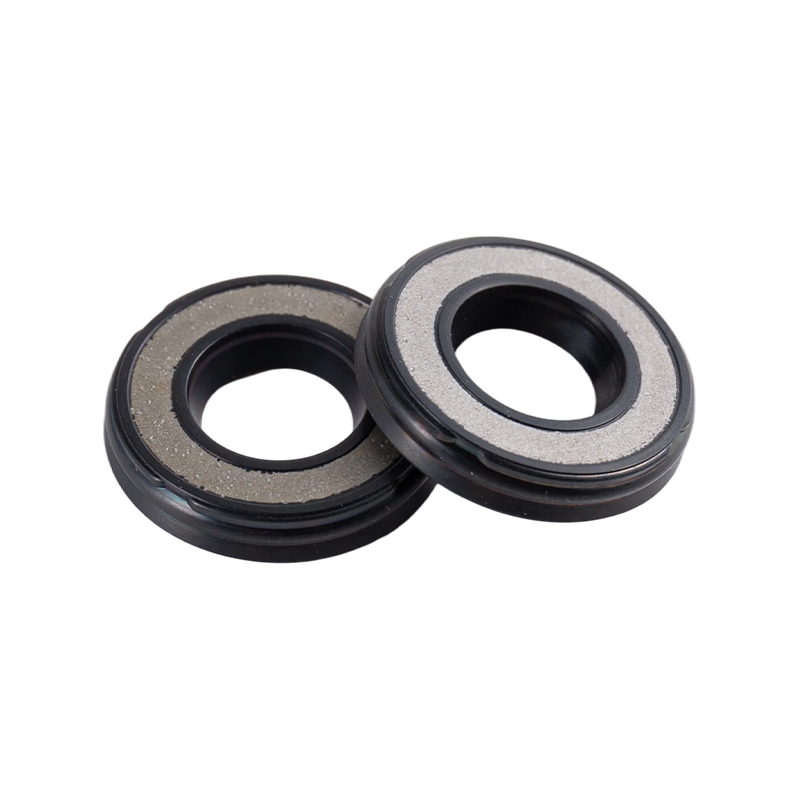
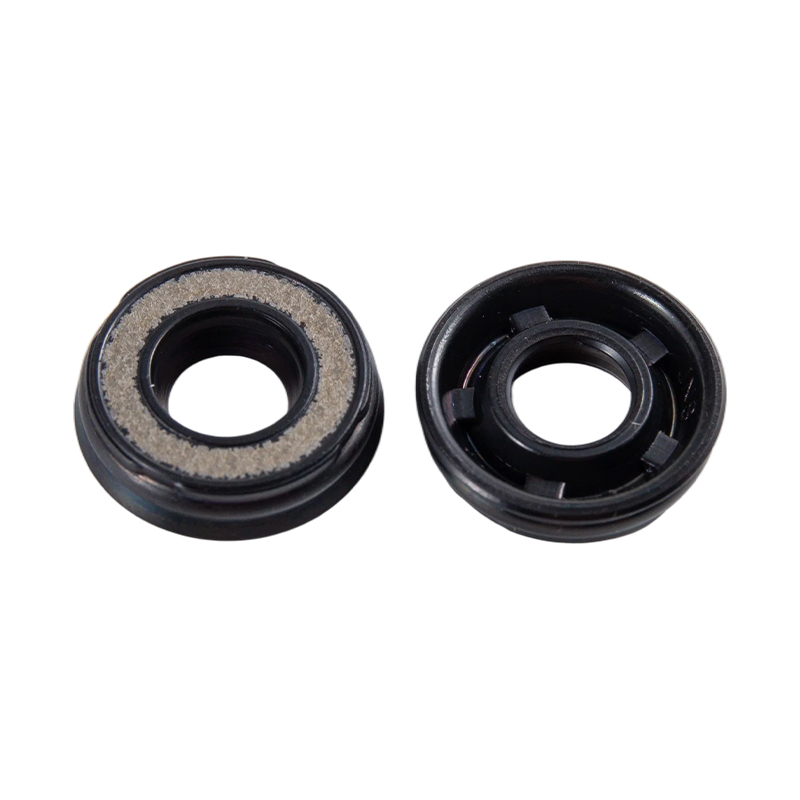
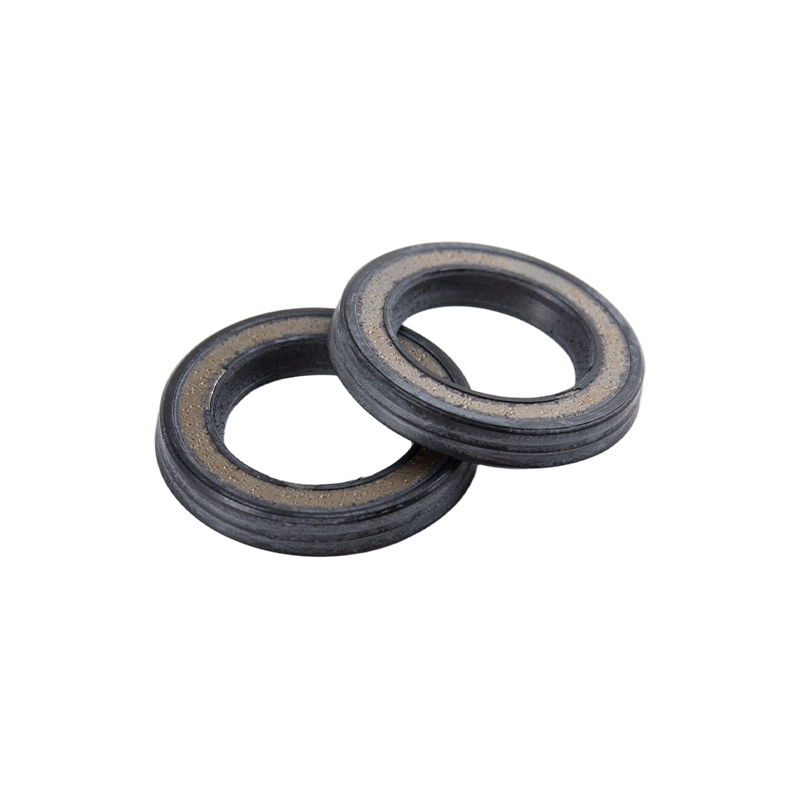
The High-Temp FPM Rotary Sealing Ring, product code A-5-003, is designed for this type of demanding application. Manufactured with FPM, also known as Viton-type fluoroelastomer, the sealing ring combines thermal resistance, chemical resistance, and suitability for rotary motion. Its compact 21 mm outside diameter, approximately 14.5 mm inside diameter, and 3.6 mm height make it suitable for equipment designers who require a small, dependable sealing solution for shafts, rotating assemblies, chemical equipment, and other precision mechanisms.
This article examines the design characteristics, material advantages, manufacturing strengths, application suitability, quality considerations, installation requirements, and customization potential of the A-5-003 rotary sealing ring. It also explains why an FPM sealing solution can offer meaningful advantages over conventional elastomer products when operating temperatures, chemical exposure, and rotational wear become major concerns.
1. Product Overview
The A-5-003 is a high-temperature rotary sealing ring produced from FPM material. It is intended specifically for rotary sealing applications rather than general static sealing alone. The product is developed to maintain a sealing interface around a rotating shaft or similar moving component while minimizing the risk of premature wear and material degradation.
The available product specifications identify the nominal product size as 15*21*3.6. The listed outside diameter is 21 mm, the inside diameter is 14.5 mm, and the height is 3.6 mm. The product material is FPM. The product code is A-5-003, and the product belongs to the “Other Miscellaneous Items” category in the supplied product classification.
| Product Name | High-Temperature FPM Rotary Sealing Ring |
| Product Code | A-5-003 |
| Product Type | Rotary sealing ring |
| Material | FPM fluoroelastomer |
| Outside Diameter | 21 mm |
| Inside Diameter | 14.5 mm |
| Height | 3.6 mm |
| Nominal Specification | 15*21*3.6 |
| O-Ring Adapter | Not specified |
| Design Pressure Range | Not specified in the supplied data |
| Application Focus | Rotary shafts, chemical equipment, and high-speed rotating assemblies |
The compact dimensions are suitable for equipment in which installation space is limited. Small rotating mechanisms frequently require seals that fit accurately into narrow grooves or housings without compromising performance. A correctly selected ring can help protect bearings, gears, shafts, actuators, and internal components from external contaminants while also helping retain lubricants or process fluids.
Because pressure range, speed limit, shaft finish, and temperature limits depend on the complete equipment design, these factors should be confirmed before final selection. The sealing ring is a precision component, and its performance depends not only on material but also on housing geometry, shaft condition, installation accuracy, lubrication, and operating environment.
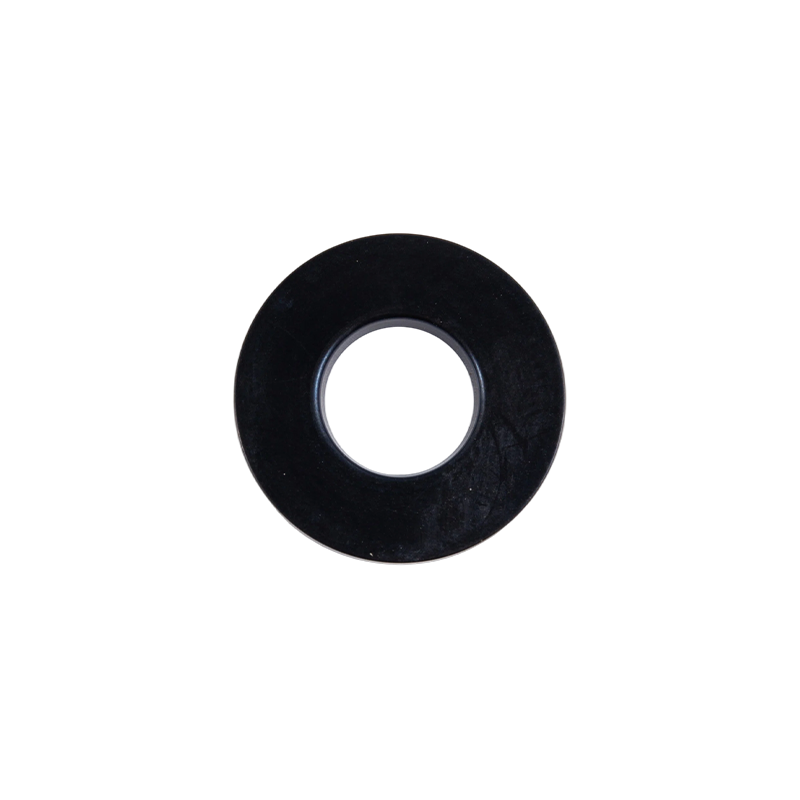
High-Temp FPM Rotary Sealing Ring
2. Why FPM Is Appropriate for Severe Environments
FPM is a fluoroelastomer recognized for its resistance to heat and many aggressive chemicals. Compared with several general-purpose elastomers, FPM is often selected when a seal must tolerate higher temperatures, fuels, oils, solvents, or chemically challenging conditions. Its fluorinated polymer structure helps provide a useful balance between elasticity and resistance to environmental degradation.
In a rotary sealing application, the material must repeatedly deform against a moving surface. This creates friction and heat at the sealing interface. If the elastomer softens excessively, hardens, cracks, swells, or loses its recovery force, leakage may occur. FPM helps address these risks by maintaining more stable properties across a demanding range of thermal and chemical conditions than many conventional rubber materials.
2.1 Thermal Stability
The principal advantage of the A-5-003 is its FPM construction and associated thermal stability. Rotary equipment can generate heat through friction, high speed, bearing operation, or proximity to hot process media. External heating from ovens, engines, chemical processing equipment, or industrial machinery may also expose the seal to elevated temperatures.
When an elastomer is exposed to heat beyond its suitable range, several failure mechanisms may occur. The material can lose elasticity, become permanently compressed, develop surface cracking, or experience accelerated aging. These changes reduce the contact pressure that maintains the seal. FPM is selected for applications where improved resistance to thermal aging is required.
The A-5-003 is therefore a practical candidate for equipment designers who need a compact rotary seal capable of retaining its functional properties in warm or high-temperature conditions. The exact operating temperature must be established through application testing, because the actual limit depends on compound formulation, exposure time, shaft speed, pressure, lubrication, and chemical medium.
2.2 Chemical and Solvent Resistance
Chemical compatibility is a major factor in seal selection. A sealing ring may come into contact with lubricants, fuels, cleaning fluids, hydraulic media, solvents, vapors, process chemicals, or contaminated industrial fluids. If the material is incompatible with the medium, it may swell, shrink, soften, harden, or lose mechanical strength.
FPM is widely chosen for its resistance to many oils, fuels, and corrosive solvents. This makes the A-5-003 suitable for consideration in chemical equipment and other installations where general-purpose rubber may not provide sufficient resistance. Better chemical stability can reduce the likelihood of rapid volume change and help preserve the sealing geometry.
Nevertheless, “chemical resistant” does not mean universally compatible with every chemical. Certain concentrated chemicals, amines, ketones, hot water, steam, and other specific media may require a different elastomer or a specialized FPM compound. Application engineers should evaluate the exact fluid concentration, temperature, exposure duration, and pressure before approving the material.
2.3 Elastic Recovery and Contact Stability
A rotary seal must maintain contact with the rotating shaft while accommodating small dimensional variations, vibration, and thermal expansion. The elastomer’s ability to recover after deformation is essential. If the seal cannot maintain adequate contact pressure, the sealing path may open during rotation or thermal cycling.
FPM provides the elastic behavior needed for many sealing designs while offering greater resistance to environmental deterioration than less specialized materials. In the A-5-003, the material choice supports a stable sealing interface when the product is installed in an appropriate housing and operated within its design conditions.
Stable contact also helps reduce the entry of dust, moisture, and other contaminants. In rotating assemblies, contamination can damage bearings and shafts, reduce lubricant quality, increase friction, and shorten maintenance intervals. A properly selected FPM ring supports a cleaner and more controlled internal environment.
3. Rotary Design and Wear Considerations
Static and rotary seals are exposed to different mechanical conditions. A static seal may remain compressed between two stationary surfaces. A rotary seal must accommodate relative movement, friction, heat generation, and possible shaft runout. These factors make rotary sealing more demanding.
The A-5-003 is described as being engineered specifically for rotary motion. Its intended function is not simply to fill a stationary gap; it is to maintain a sealing interface during shaft rotation. The design is reinforced for rotational wear, allowing it to be considered for applications where continuous movement would quickly challenge an ordinary static gasket.
3.1 Controlling Friction
Friction must be controlled in every rotary sealing system. Excessive friction can increase heat, energy consumption, and wear. Insufficient contact, however, can result in leakage. The correct balance depends on seal geometry, material hardness, shaft speed, shaft surface finish, lubrication, and installation dimensions.
The small dimensions of the A-5-003 support compact equipment designs, but compactness does not remove the need for careful engineering. The shaft diameter, housing bore, groove dimensions, interference, and permitted eccentricity should be checked against the intended application. The seal should not be forced into a housing that is too small, nor installed on a shaft with burrs or rough edges.
3.2 Resistance to Rotational Wear
Rotational wear may be caused by continuous sliding, misalignment, vibration, shaft runout, contaminants, inadequate lubrication, or excessive pressure. A seal that wears rapidly may lose its ability to retain fluid or exclude contaminants. FPM’s resistance to thermal and chemical degradation helps support longer service in demanding environments, while the product’s rotary-oriented construction addresses the mechanical wear associated with motion.
The actual life of a rotary seal is application-dependent. High speed, elevated temperature, dry running, abrasive particles, and poor shaft finish can reduce life regardless of material. The A-5-003 should therefore be viewed as a high-performance sealing component whose advantages are realized when the surrounding system is designed correctly.
3.3 Compactness and Equipment Integration
Many modern machines are designed with reduced footprints and closely arranged components. A 21 mm outside diameter allows the A-5-003 to fit into relatively compact mechanisms. Its 3.6 mm height can be useful where axial installation space is restricted.
Compact seals can also help simplify equipment architecture. They may permit smaller housings, lighter assemblies, and more efficient packaging around rotating shafts. In automotive components, furniture mechanisms, dampers, appliances, and compact industrial equipment, space efficiency can be as important as sealing performance.
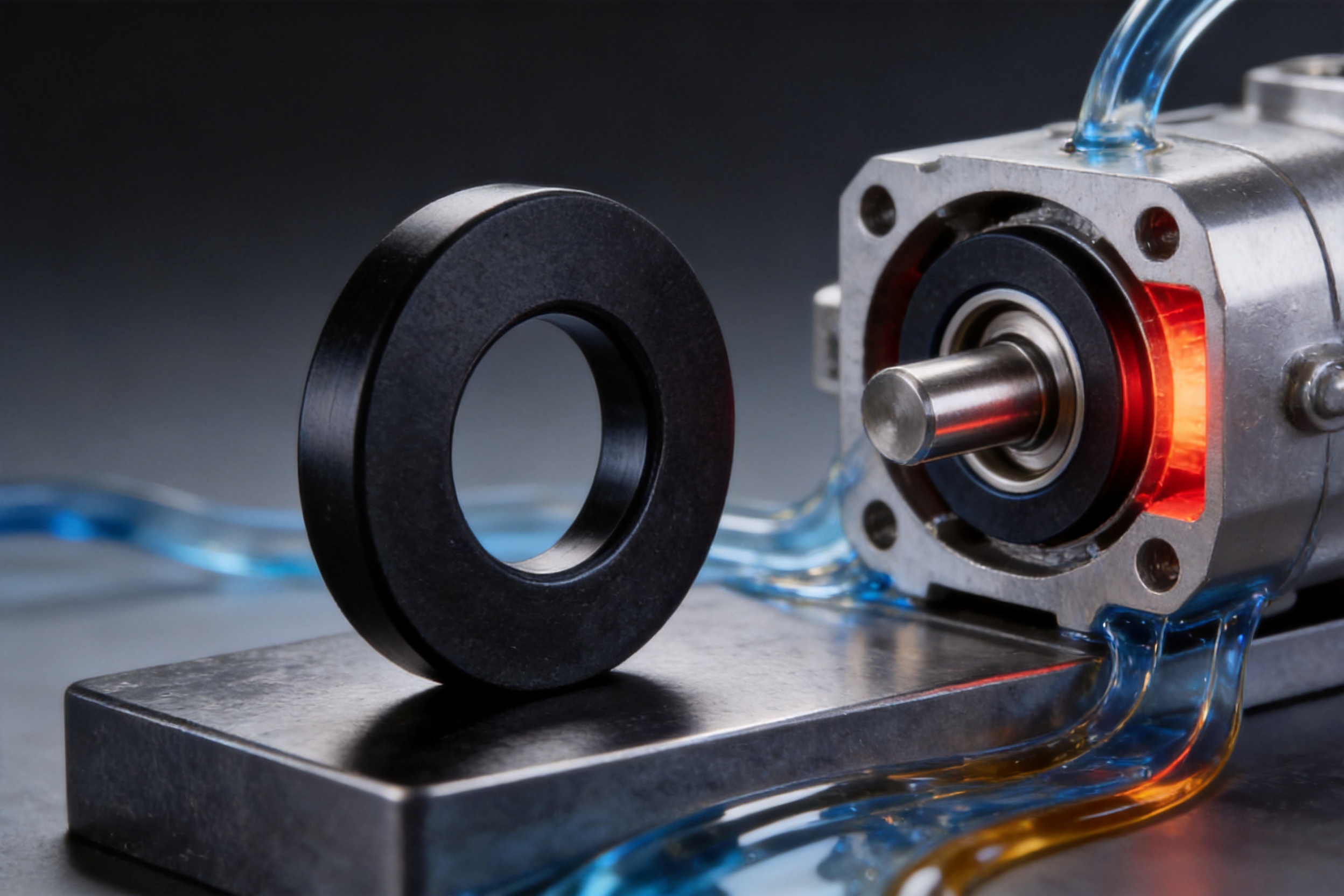
4. Advantages Compared with Conventional Alternatives
Product comparison should always be based on the full operating environment rather than on material names alone. A low-cost general-purpose seal may perform well in a moderate-temperature, chemically neutral, slow-speed application. However, that same seal may be less suitable when exposed to heat, solvents, oils, or continuous rotational movement.
The A-5-003 offers several potential advantages over conventional non-specialized sealing products.
4.1 Improved High-Temperature Capability
FPM is selected when thermal resistance is more important than the basic economy associated with some general-purpose rubber compounds. In high-temperature applications, this can help delay hardening, loss of elasticity, and thermal aging. A seal that maintains its characteristics for longer can reduce leakage risk and limit unplanned maintenance.
4.2 Better Resistance to Many Oils and Solvents
Where the seal contacts fuel, oil, or chemically active fluids, FPM can provide a more reliable material choice than elastomers with lower chemical resistance. Reduced swelling or softening helps maintain dimensional control. This is especially valuable in chemical equipment and high-speed rotary applications where even small changes in the seal profile may affect leakage and friction.
4.3 More Suitable for Rotary Motion
Not every O-ring or stationary gasket should be used as a rotary seal. Rotary applications require consideration of sliding contact, frictional heating, and wear. The A-5-003 is developed for rotary motion and is therefore a more application-focused choice than a generic sealing ring selected without regard to movement.
4.4 Space-Efficient Dimensions
The 21 mm outside diameter and 3.6 mm height make the product suitable for compact assemblies. A compact seal can reduce housing size and support more efficient equipment layouts. It can also help designers replace larger or less integrated sealing arrangements when the available geometry is compatible.
4.5 Reduced Risk of Premature Material Failure
Material degradation is one of the most common causes of sealing failure. The combination of FPM and rotary-oriented construction can reduce the risk associated with thermal deterioration, solvent exposure, and rotational wear. This does not eliminate all failure modes, but it can improve the suitability of the seal for severe operating environments.
| Selection Factor | Potential Benefit of the A-5-003 | Engineering Consideration |
| Temperature | FPM offers strong thermal stability | Confirm actual temperature and exposure duration |
| Chemical exposure | Good resistance to many oils, fuels, and solvents | Check compatibility with the exact medium |
| Rotary movement | Designed for sealing during shaft rotation | Confirm speed, runout, lubrication, and shaft finish |
| Installation space | Compact 21 mm OD and 3.6 mm height | Verify housing and groove dimensions |
| Maintenance | Potential for improved service stability | Life depends on the complete system |
5. Manufacturing Strengths and Technical Capabilities
A high-performance sealing ring depends on more than the selected elastomer. The material must be processed correctly, the mold must form the intended geometry, and the finished product must be inspected for defects and dimensional consistency. Manufacturing discipline is especially important for small rotary seals because minor deviations can influence contact pressure, friction, and leakage.
Ningguo Jnsseals Sealing Technology Co., Ltd. is a high-tech enterprise founded in 2019 and headquartered in Anhui, China. The company focuses on the research, development, and application of sealing technology for gas springs, dampers, and related O-ring products. Its stated capabilities include product research and development, advanced production equipment, product testing, and technical consultation.
5.1 Research and Development Orientation
Sealing products must be developed around real operating conditions. A material that works in a static furniture fitting may not be suitable for a high-speed rotary shaft. A compound appropriate for ordinary oil exposure may not withstand a particular solvent at elevated temperature. The company’s focus on sealing technology provides a foundation for adapting product designs to different mechanical and environmental requirements.
Research and development can include material selection, profile optimization, mold design, dimensional analysis, and application testing. For a product such as the A-5-003, these activities support the development of a ring that is compact, resilient, and appropriate for rotational motion.
5.2 Advanced Production Equipment
Advanced production equipment contributes to repeatability. Elastomer sealing products are often produced through controlled molding and curing processes. Temperature, pressure, time, material preparation, and mold condition can influence the final product. Consistent processing helps maintain the intended hardness, elasticity, surface finish, and dimensions.
Reliable equipment also supports higher production efficiency and more stable quality across batches. This is important for customers who use sealing rings in mass-produced products, because interchangeability and predictable installation are essential to maintaining a consistent assembly process.
5.3 Mold and Dimensional Control
The A-5-003 has a compact geometry that requires accurate mold control. The listed outside diameter is 21 mm, the inside diameter is 14.5 mm, and the height is 3.6 mm. These dimensions define how the ring interacts with the shaft and housing. Excess material, flash, deformation, or dimensional drift may increase friction or reduce sealing contact.
Professional manufacturing processes should include attention to mold precision, flash removal, curing stability, and dimensional inspection. These controls are particularly important for rotary components because an irregular sealing edge can create localized wear and heat.
5.4 Testing and Technical Service
The company provides customized sealing solutions that include product design, testing, and technical consultation. This service model is useful when the customer’s application cannot be solved by selecting a standard catalog dimension alone. For example, customers may require support in reviewing chemical compatibility, shaft geometry, temperature cycles, installation conditions, or production requirements.
Testing may be used to evaluate compression behavior, dimensional stability, chemical exposure, thermal aging, friction, leakage, and wear. The exact test program should be based on the end application. A seal used in a chemical pump requires a different evaluation from one used in a furniture damper or automotive mechanism.
5.5 Industry Experience and Application Breadth
The company’s products are used in automotive, furniture, home appliance, medical equipment, construction, and other industries. This broad application range indicates experience with varied requirements, including compact dimensions, repeated movement, environmental exposure, and customized designs.
Different industries also demand different documentation and quality expectations. Automotive and medical equipment customers may require strict traceability and validation. Furniture and appliance manufacturers may prioritize high-volume consistency and cost control. Construction equipment users may focus on durability, contamination resistance, and field service life. A supplier with experience across sectors can better understand these differing priorities.
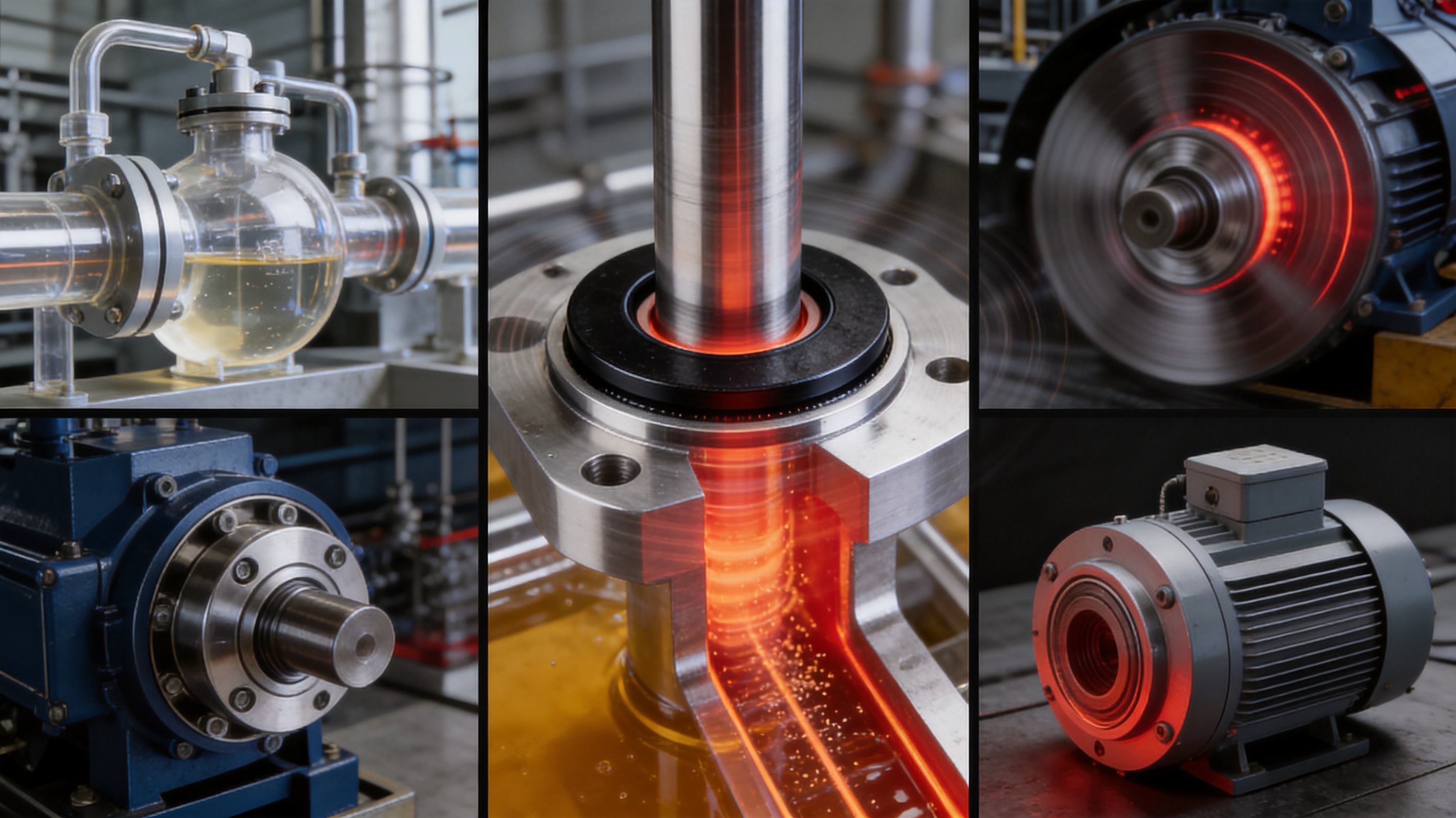
6. Process Quality from Material to Finished Ring
The production of a dependable FPM rotary sealing ring begins with material control. FPM compound preparation should be managed to ensure consistent mixing, dispersion, and curing behavior. Variations in raw material quality or formulation can influence hardness, tensile strength, elongation, compression set, and chemical resistance.
After material preparation, the forming process must produce a ring with a stable profile. The mold should be clean and properly maintained. Processing conditions should be controlled so that the material fills the cavity correctly and cures uniformly. Incomplete filling, trapped air, surface defects, or uneven curing can compromise the finished product.
6.1 Curing Control
Curing transforms the raw elastomer into a stable elastic product. Under-curing may result in poor strength or inadequate dimensional stability, while over-curing may make the product too hard or brittle. Correct curing is especially important for FPM because the final performance depends on the balance between elasticity and resistance to heat and chemicals.
Process monitoring helps reduce variation between production batches. A stable curing process contributes to more consistent installation force, sealing contact, and service behavior.
6.2 Surface and Edge Quality
A rotary sealing ring must have a clean and consistent surface. Flash, burrs, pits, cracks, or sharp irregularities can damage the shaft surface or create leakage paths. Visual inspection and appropriate finishing processes help ensure that the ring is ready for assembly.
Surface quality also affects friction. A rough or uneven sealing surface may generate excessive heat during rotation. The manufacturer’s production and inspection procedures should therefore address both appearance and functional geometry.
6.3 Dimensional Inspection
Inspection of the outside diameter, inside diameter, height, and critical profile areas helps verify conformity with the intended product design. For the A-5-003, the nominal listed dimensions provide a reference for production and purchasing. Customers with tight assembly tolerances should confirm the applicable dimensional tolerances and inspection standards with the supplier.
Dimensional inspection is not limited to the finished ring. Mold condition, material shrinkage, curing behavior, and storage conditions can all influence the final size. A systematic approach helps identify process drift before it affects customer assemblies.
6.4 Packaging and Storage
Elastomer seals should be stored in a clean, dry environment away from direct sunlight, ozone-generating equipment, excessive heat, and aggressive chemicals. Unnecessary stretching, bending, or compression during storage should be avoided. Proper packaging helps protect the finished ring from contamination and deformation before installation.
Customers should follow a first-in, first-out inventory practice where appropriate and inspect long-stored products before use. Even a high-quality FPM seal can be damaged by unsuitable storage conditions.
7. Application Areas
7.1 Chemical Equipment
Chemical equipment often involves aggressive fluids, elevated temperatures, and continuous or intermittent rotation. Pumps, mixers, valves, metering systems, and compact drive mechanisms may require seals that resist solvents and maintain stability under heat.
The A-5-003 is suitable for consideration in such applications because of its FPM material and rotary design. Before use, the chemical medium should be compared with the specific FPM compound, particularly when the equipment handles concentrated chemicals, ketones, amines, steam, or high-temperature water.
7.2 High-Speed Rotary Shafts
High-speed shafts generate frictional heat and may magnify the effects of small installation errors. A rotary sealing ring must be correctly aligned and lubricated, and the shaft must have a suitable surface finish. The A-5-003’s focus on rotational wear makes it a candidate for compact high-speed mechanisms, provided the speed and pressure remain within validated operating limits.
7.3 Automotive Components
Automotive systems may expose seals to fuel, oil, heat, vibration, and repeated motion. FPM is commonly considered for applications where resistance to petroleum-based fluids and high temperatures is important. The product may be evaluated for compact actuators, damping systems, rotating components, or other automotive mechanisms.
7.4 Dampers and Gas Spring-Related Equipment
The company specializes in sealing technology for gas springs and dampers. These products often require reliable sealing under repeated movement, pressure variation, and long service cycles. Although the A-5-003 is described as a rotary sealing ring, its development within a broader sealing technology environment supports technical understanding of elastomer behavior in moving mechanical assemblies.
7.5 Home Appliances and Furniture Mechanisms
Modern furniture and home appliances may include compact rotating hinges, dampers, adjustment mechanisms, and motor-driven assemblies. A small FPM seal can be useful when the mechanism encounters heat, oils, cleaning agents, or limited installation space. Designers should confirm whether the chemical and temperature requirements justify FPM over a lower-cost material.
7.6 Medical and Construction Equipment
Medical equipment may require clean, stable sealing components in compact mechanisms, while construction equipment often faces dust, vibration, oils, and temperature variation. In both cases, the correct seal must be selected based on the complete operating environment. The A-5-003 can be evaluated where its dimensions and FPM performance characteristics match the equipment requirements.
8. Installation Recommendations
Correct installation is essential to achieving the expected performance of any rotary seal. Before assembly, inspect the ring for cuts, cracks, deformation, contamination, or visible molding defects. Confirm that the shaft, housing, and groove dimensions are compatible with the product specification.
The shaft should be clean, smooth, and free from burrs or sharp edges. Any edge that contacts the seal during installation should be properly chamfered or protected. Sharp edges can cut the elastomer, especially when the ring is stretched or pushed over a shaft.
Use a compatible installation lubricant when appropriate. The lubricant should not chemically attack FPM or contaminate the application. Dry installation can increase friction and damage the sealing surface. However, excessive lubricant may attract contaminants or interfere with the equipment’s process fluid.
Do not twist the ring during installation. Twisting can create uneven contact, localized stress, and premature leakage. The seal should be seated uniformly in its groove or housing. If the design includes a retainer, backup element, or supporting component, each part should be installed in the correct orientation.
After assembly, rotate the shaft slowly by hand where possible. Check for abnormal resistance, binding, displacement, or visible damage. Initial functional testing should monitor leakage, temperature rise, noise, and friction. For high-speed equipment, controlled commissioning is preferable to immediately operating at maximum speed.
9. Selection and Engineering Checklist
Before ordering the A-5-003 for a production application, engineers should collect the following information:
- Actual shaft diameter and housing dimensions.
- Available axial and radial installation space.
- Continuous and peak operating temperature.
- Shaft speed, acceleration, and duty cycle.
- Pressure on either side of the seal.
- Type and concentration of process fluid.
- Presence of abrasive particles, dust, or moisture.
- Shaft surface finish, hardness, runout, and eccentricity.
- Lubrication method and lubricant compatibility.
- Required service life and maintenance interval.
- Applicable industry, safety, and quality requirements.
The supplied product information does not specify a design pressure range, O-ring adapter, or detailed speed and temperature limits. These values should therefore be confirmed with the manufacturer before use in a critical system. Product selection based only on outside diameter and material may not be sufficient for demanding applications.
10. Customization and Technical Support
Sealing requirements vary significantly between customers. A standard product may fit one machine but require modification for another. Variations may include shaft size, housing configuration, temperature, chemical medium, pressure, surface finish, or installation method.
Ningguo Jnsseals Sealing Technology Co., Ltd. provides customized sealing solutions, including product design, testing, and technical consultation. This can support customers who need a modified dimension, different FPM compound, specialized profile, or application-specific validation.
10.1 Custom Dimensions
Customers may require a different inside diameter, outside diameter, height, groove arrangement, or cross-sectional profile. Custom dimensions should be reviewed together with expected compression, stretch, clearance, and movement. A change in one dimension can affect friction and contact pressure, so engineering review is recommended.
10.2 Material and Compound Selection
Not all FPM compounds have identical performance. Different formulations may vary in low-temperature flexibility, chemical resistance, compression set, hardness, and processing behavior. The appropriate compound should be selected according to the application rather than assuming that every FPM product has the same capability.
10.3 Prototype Testing
Prototype testing allows the customer and manufacturer to evaluate sealing behavior under realistic conditions. Testing may include rotational endurance, thermal cycling, chemical immersion, pressure exposure, leakage measurement, and wear inspection. Results can be used to refine the profile or material before full-scale production.
10.4 Technical Consultation
Technical consultation is particularly valuable when the application involves high speed, high temperature, unusual chemicals, tight tolerances, or safety-critical performance. Early communication can help identify unsuitable conditions before tooling and mass production begin.
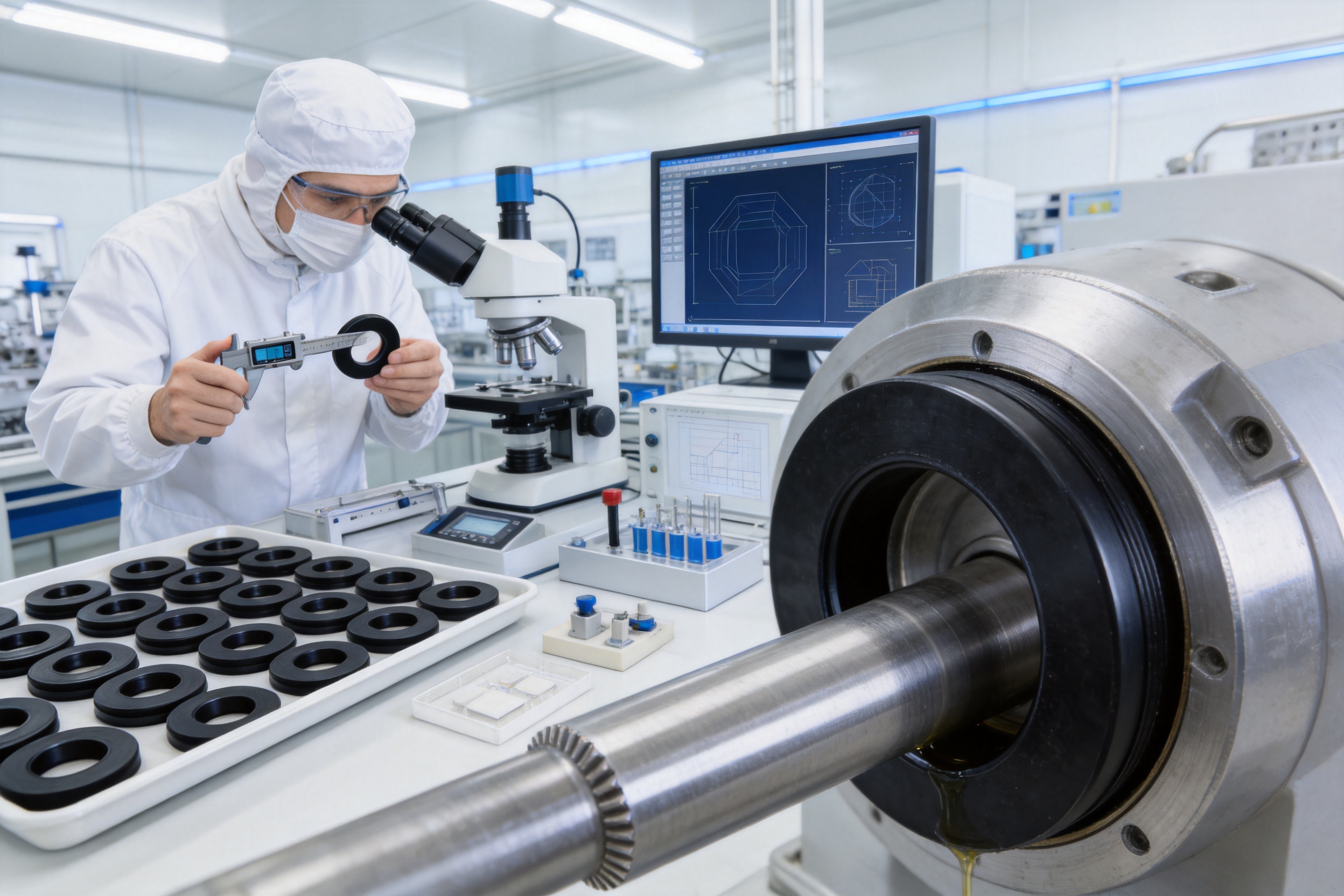
11. Maintenance and Failure Prevention
Regular maintenance can extend the service life of a rotary sealing ring. Operators should monitor leakage, friction, temperature, vibration, and changes in equipment performance. A small leak may be an early indication of shaft damage, seal wear, installation displacement, chemical incompatibility, or excessive pressure.
If a seal fails prematurely, replacing the ring without investigating the cause may lead to repeated failures. The shaft should be checked for grooves, roughness, corrosion, misalignment, and excessive runout. The housing should be inspected for damage and incorrect dimensions. Lubricant condition and contamination should also be reviewed.
Common causes of premature rotary seal failure include:
- Operating temperature above the suitable range.
- Incompatible chemical media.
- Excessive shaft speed or pressure.
- Dry running or inadequate lubrication.
- Rough, damaged, or corroded shaft surfaces.
- Misalignment or excessive eccentricity.
- Incorrect installation or seal twisting.
- Contamination by abrasive particles.
- Improper storage before installation.
FPM’s high-temperature and chemical-resistance characteristics can reduce certain risks, but no seal can compensate for severe mechanical damage or unsuitable system design. Preventive maintenance should address the equipment as a complete assembly.
12. Purchasing and Supplier Evaluation
When purchasing a rotary sealing ring, buyers should consider more than unit price. The cost of leakage, downtime, contamination, product loss, and repeated maintenance can exceed the initial purchase cost. A seal that performs reliably under the actual operating conditions may offer better total value than a lower-priced product with limited resistance.
Supplier evaluation should include material traceability, dimensional consistency, production capability, testing resources, technical communication, and response to customization requirements. Customers should request relevant technical data when the application is critical.
The manufacturer’s location is No. 5, Meilin Avenue, Meilin Industrial Development Zone, Ningguo City, Anhui Province, China. The company provides sealing products for international customers and supports technical consultation for customized requirements. Direct communication with the technical team is recommended when pressure, speed, chemical compatibility, or non-standard dimensions are involved.
13. Sustainability and Service-Life Value
Seal sustainability is closely related to service life. A component that lasts longer can reduce replacement frequency, maintenance labor, equipment downtime, and material consumption. By selecting a seal that matches the temperature, chemical, and motion conditions, equipment designers can reduce avoidable failures.
The A-5-003 may support longer service intervals in demanding applications because FPM is resistant to many forms of thermal and chemical degradation. However, service-life improvements must be verified through application testing. Environmental conditions, production processes, cleaning methods, and maintenance practices all influence actual performance.
Careful material selection also helps prevent system contamination. Leakage from a failed seal may damage neighboring components or release process fluid. A suitable rotary sealing ring can help protect the equipment and maintain more stable operation.
14. Technical Summary
The High-Temperature FPM Rotary Sealing Ring A-5-003 is a compact sealing component designed for rotary motion. Its FPM material provides a strong foundation for applications requiring thermal stability and resistance to many oils, fuels, and corrosive solvents. The listed dimensions are 21 mm outside diameter, 14.5 mm inside diameter, and 3.6 mm height, with a nominal specification of 15*21*3.6.
The product is particularly relevant to chemical equipment, high-speed rotary shafts, automotive mechanisms, dampers, compact appliances, furniture hardware, construction equipment, and other systems where temperature, chemical exposure, and rotational wear are important selection criteria.
Its advantages over conventional general-purpose sealing materials include greater suitability for severe thermal environments, improved resistance to many chemically aggressive fluids, rotary-oriented construction, compact integration, and the potential for more stable service performance. These advantages should be evaluated together with shaft speed, pressure, lubrication, surface finish, and exact chemical compatibility.
The manufacturer supports the product with sealing technology research, advanced production equipment, product development, testing, and technical consultation. This combination of material expertise, manufacturing capability, and customized engineering support can help customers develop reliable sealing solutions for both standard and specialized applications.
15. Frequently Asked Questions
What is the A-5-003 sealing ring made of?
The A-5-003 is made of FPM, a fluoroelastomer commonly selected for high-temperature and chemical-resistant sealing applications.
What are the dimensions of the product?
The listed dimensions are 21 mm outside diameter, 14.5 mm inside diameter, and 3.6 mm height. The product specification is shown as 15*21*3.6. Customers should confirm dimensional tolerances and installation requirements with the manufacturer.
Is this product suitable for rotary motion?
Yes. The product is engineered specifically for rotary motion and is intended to provide sealing around a rotating shaft or comparable moving assembly.
What is the main advantage of FPM over ordinary rubber?
FPM generally offers stronger resistance to heat and many oils, fuels, and solvents than several general-purpose elastomers. It is often selected when thermal aging and chemical exposure are major concerns.
Can the seal be used with every chemical solvent?
No. FPM is resistant to many chemicals, but compatibility depends on the specific medium, concentration, temperature, and exposure time. The exact chemical should be reviewed before approval.
Is a pressure rating provided?
The supplied product information does not list a design pressure range. Pressure capability should be confirmed based on the seal design, housing, shaft movement, lubrication, and equipment conditions.
Can the A-5-003 be used in high-speed equipment?
It can be considered for high-speed rotary applications because it is designed for rotational wear and uses FPM. However, the permissible speed depends on shaft diameter, lubrication, temperature, pressure, surface finish, runout, and seal geometry. Application testing or technical confirmation is recommended.
What should be checked before installation?
Check the shaft diameter, housing dimensions, groove geometry, surface finish, temperature, chemical medium, pressure, speed, and lubrication. Also inspect the ring for damage and ensure that the shaft has no burrs or sharp edges.
How should the sealing ring be stored?
Store it in a clean, dry place away from direct sunlight, ozone sources, excessive heat, and chemicals. Avoid unnecessary stretching, bending, or compression during storage.
Can customized sealing products be developed?
Yes. The manufacturer provides customized sealing solutions, including product design, testing, and technical consultation. Customers can discuss non-standard dimensions, material requirements, profile changes, and application-specific testing.
Which industries may use this product?
Potential industries include chemical processing, automotive, furniture, home appliances, medical equipment, construction, dampers, gas spring-related equipment, and other industrial machinery with compact rotary sealing requirements.
Does FPM eliminate the need for maintenance?
No. FPM can improve resistance to heat and chemicals, but service life still depends on installation, shaft condition, lubrication, contamination, speed, pressure, and operating temperature. Regular inspection remains important.
Conclusion
The High-Temperature FPM Rotary Sealing Ring A-5-003 provides a focused solution for compact rotary sealing applications exposed to heat, chemicals, and mechanical wear. Its FPM construction supports thermal stability and resistance to many aggressive fluids, while its rotary-oriented design makes it more suitable for moving shafts than a generic static sealing product.
With a 21 mm outside diameter, 14.5 mm inside diameter, and 3.6 mm height, the product can be integrated into space-limited assemblies. It is appropriate for evaluation in chemical equipment, high-speed rotary mechanisms, automotive systems, dampers, appliances, furniture mechanisms, construction equipment, and other applications requiring a compact and durable sealing component.
The product’s value is strengthened by the manufacturer’s research and development focus, advanced production equipment, testing capability, customization services, and technical consultation. By combining appropriate FPM material selection with controlled manufacturing and application-specific engineering, customers can improve sealing reliability and reduce the risks associated with leakage, chemical degradation, thermal aging, and rotational wear.
References
1. Manufacturer-supplied product specification for High-Temperature FPM Rotary Sealing Ring, product code A-5-003.
2. Manufacturer-supplied company information for Ningguo Jnsseals Sealing Technology Co., Ltd.
3. General technical literature on fluoroelastomer material behavior in high-temperature sealing applications.
4. General engineering literature on rotary shaft seal installation, lubrication, shaft finish, and wear prevention.
5. General reference materials concerning elastomer chemical compatibility and seal material selection.
Product: High-Temp FPM Rotary Sealing Ring

PREV:1200N High-Load Sealing System for Stable Rod Applications
NEXT:7.3 mm Pneumatic-Grade O-Ring Seal: Design, Performance, and Manufacturing Advantages
NEXT:7.3 mm Pneumatic-Grade O-Ring Seal: Design, Performance, and Manufacturing Advantages


Want to know more
about us?
about us?

Precision sealing for gas springs and dampers. Durable, wear-resistant, and built for long-life performance in demanding applications.
Product Categories
Quick Links
Contact Us
-
Email: jns@jnsseals.cn

-
Email: LouZhuoyu@outlook.com
-
Manager Gong: +86-18563770820

-
Manager Wang: +8615357558902
-
No. 5, Meilin Avenue, Meilin Industrial Development Zone, Ningguo City, Anhui Province, China

