

 English
 русский
 Deutsch
 Türk
 中文简体
25.9 mm Precision-Gap Seal: Engineering Performance, Fit, and Reliable Application
25.9 mm Precision-Gap Seal: Engineering Performance, Fit, and Reliable Application
25.9 mm Precision-Gap Seal: Engineering Performance, Fit, and Reliable Application
25.9 mm Precision-Gap Seal: Engineering Performance, Fit, and Reliable Application
25.9 mm Precision-Gap Seal: Engineering Performance, Fit, and Reliable Application
25.9 mm Precision-Gap Seal: Engineering Performance, Fit, and Reliable Application
25.9 mm Precision-Gap Seal: Engineering Performance, Fit, and Reliable Application
25.9 mm Precision-Gap Seal: Engineering Performance, Fit, and Reliable Application
25.9 mm Precision-Gap Seal: Engineering Performance, Fit, and Reliable Application
25.9 mm Precision-Gap Seal: Engineering Performance, Fit, and Reliable Application
25.9 mm Precision-Gap Seal: Engineering Performance, Fit, and Reliable Application
25.9 mm Precision-Gap Seal: Engineering Performance, Fit, and Reliable Application
25.9 mm Precision-Gap Seal: Engineering Performance, Fit, and Reliable Application
25.9 mm Precision-Gap Seal: Engineering Performance, Fit, and Reliable Application
25.9 mm Precision-Gap Seal: Engineering Performance, Fit, and Reliable Application
25.9 mm Precision-Gap Seal: Engineering Performance, Fit, and Reliable Application

Shen Ruolan — After-Sales Technical Consultant
Home / Author / Shen Ruolan — After-Sales Technical Consultant / 25.9 mm Precision-Gap Seal: Engineering Performance, Fit, and Reliable Application
NEW Category
Contact us
25.9 mm Precision-Gap Seal: Engineering Performance, Fit, and Reliable Application
Content
- 1 Product Overview and Technical Identity
- 2 Why Dimensional Precision Matters in Sealing Systems
- 3 Material Advantages of NBR
- 4 Application Range: 50–1400 N
- 5 Competitive Advantages of the Precision-Gap Design
- 6 Manufacturing Process and Quality Considerations
- 7 Installation and Assembly Guidance
- 8 Application Areas
- 9 Comparison with Generic Sealing Products
- 10 Customization and Engineering Collaboration
- 11 Quality, Reliability, and Lifecycle Value
- 12 Packaging, Storage, and Handling
- 13 Recommended Validation Program
- 14 Frequently Asked Questions
- 14.1 What is the main purpose of the 25.9 mm Precision-Gap Seal?
- 14.2 What material is used for this seal?
- 14.3 What are the principal dimensions?
- 14.4 What piston rod and tube arrangement is associated with the product?
- 14.5 What force range is associated with the seal?
- 14.6 Is this seal suitable for every oil or chemical?
- 14.7 Can the product be used in a high-temperature environment?
- 14.8 How does the product differ from a standard 26 mm seal?
- 14.9 Can the product be customized?
- 14.10 What information should be provided when requesting a quotation?
- 14.11 What should be checked before installation?
- 14.12 Does a precision seal remove the need for system testing?
- 14.13 Who can benefit from this product?
- 15 Why Work with an Experienced Sealing Manufacturer?
- 16 Conclusion
- 17 References
- 18 Product: 25.9mm Precision-Gap Seal
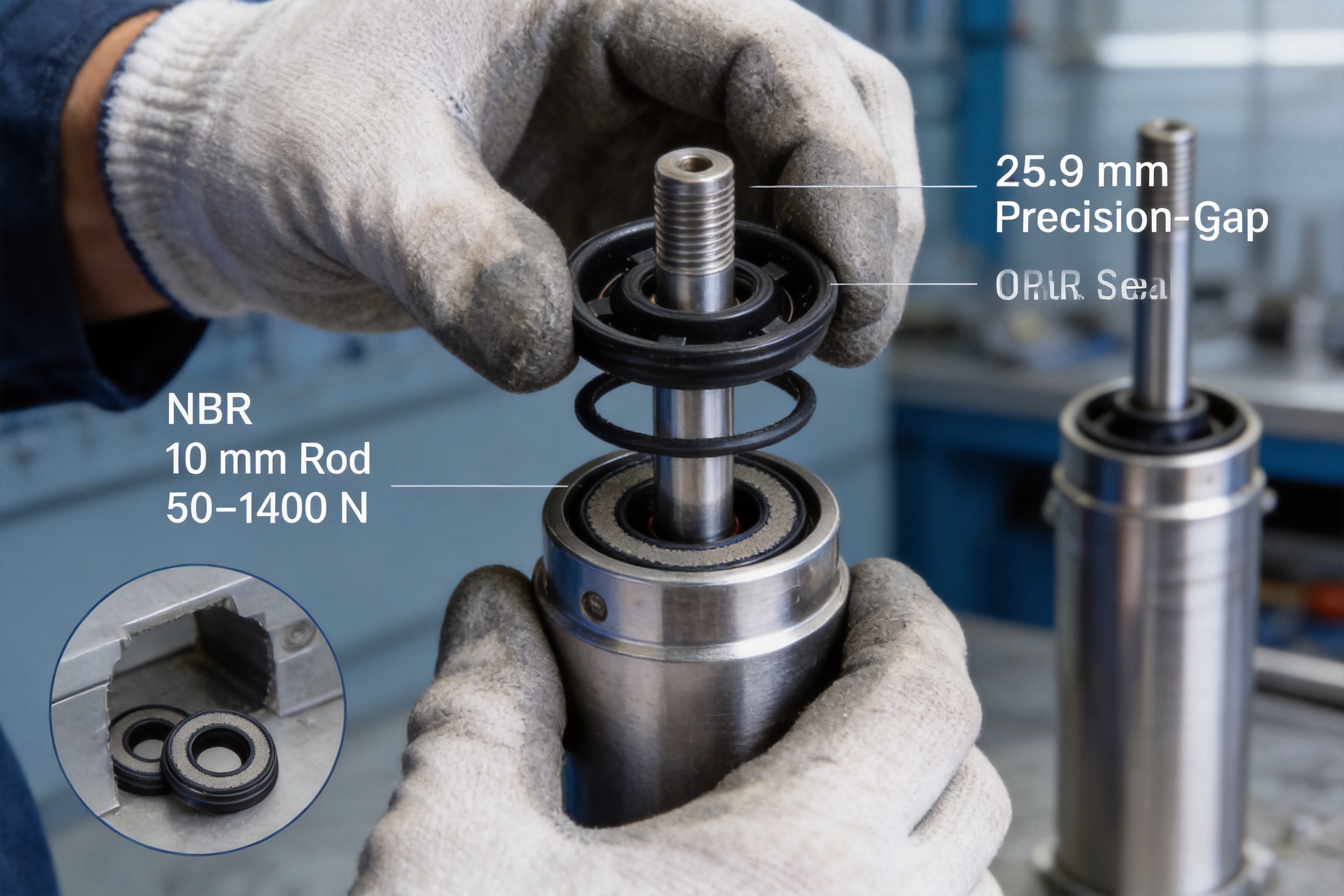
Precision sealing is a critical requirement in gas springs, dampers, compact actuators, furniture support systems, automotive components, and many other mechanical assemblies. A seal may be small in physical size, yet its influence on leakage control, movement stability, service life, friction, and overall product safety can be substantial. The 25.9 mm Precision-Gap Seal is designed for applications that require a carefully controlled fit, dependable sealing performance, and consistent operation across a defined load range.
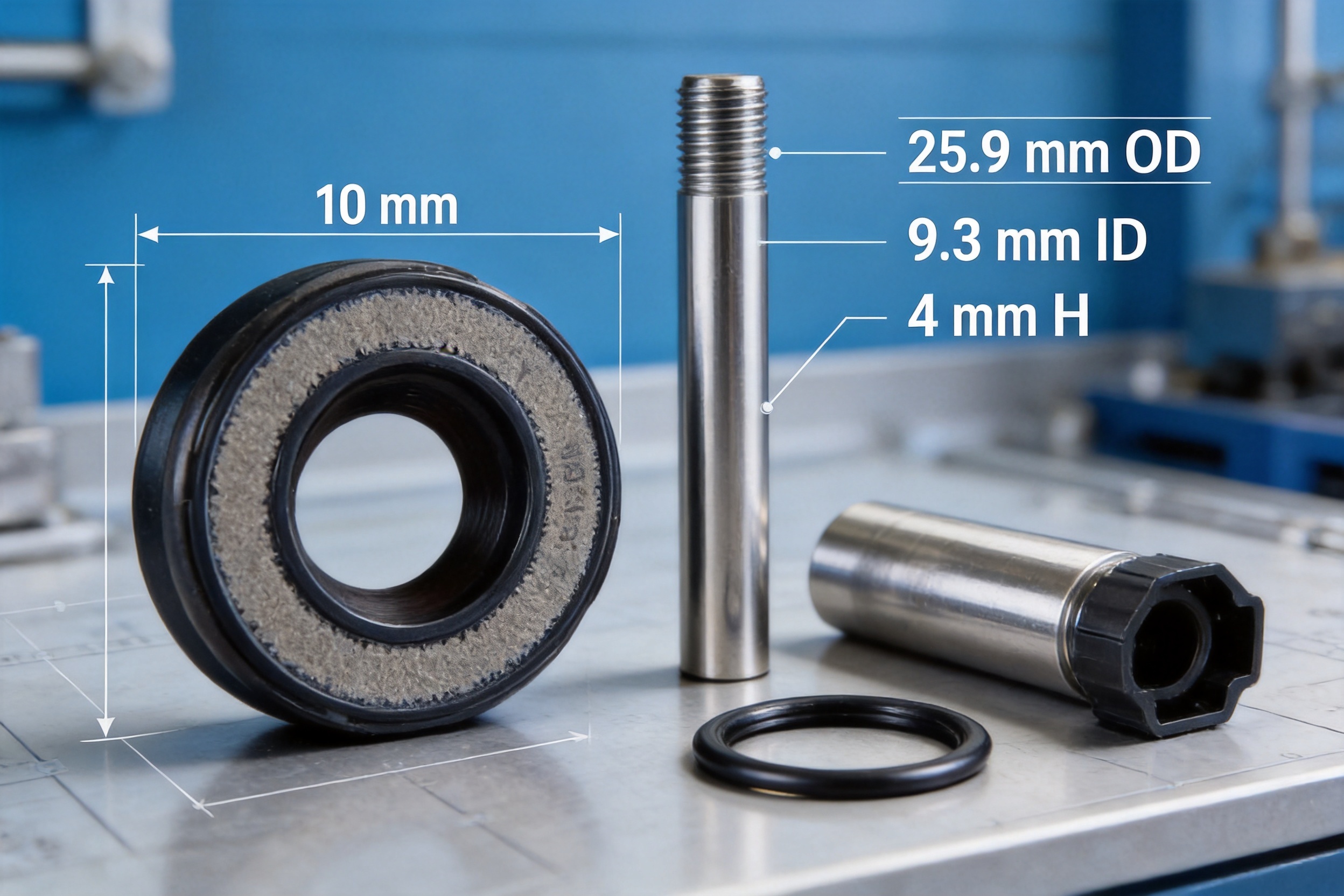
This seal is identified by product code A-1-033 and is manufactured from standard nitrile butadiene rubber, commonly known as NBR. Its principal dimensions are an outside diameter of 25.9 mm, an inside diameter of 9.3 mm, and a height of 4 mm. It is designed around a 25 mm by 10 mm steel pipe and piston rod arrangement, with a 25 mm by 2.4 mm O-ring adapter. The design application range is stated as 50–1400 N, making the product suitable for a broad range of gas spring and damper configurations.
The defining feature of this product is its fine-tuned outside diameter. At 25.9 mm, the seal is intended to provide a controlled relationship with its mating housing and reduce unnecessary mechanical play. This precision-oriented geometry can support improved positioning, smoother movement, and more stable performance when compared with a seal selected only by a rounded nominal dimension. For manufacturers and maintenance teams, such dimensional control can simplify product matching and help reduce the risk of an unsuitable fit.
The product is developed by Ningguo Jnsseals Sealing Technology Co., Ltd., a specialized sealing technology enterprise established in 2019 in Anhui, China. The company focuses on sealing solutions for gas springs, dampers, and related O-ring products. Its capabilities include product research and development, seal design, testing, manufacturing, customization, and technical consultation. These capabilities are important because sealing performance depends not only on rubber material but also on mold accuracy, process control, inspection, application engineering, and consistency between production batches.
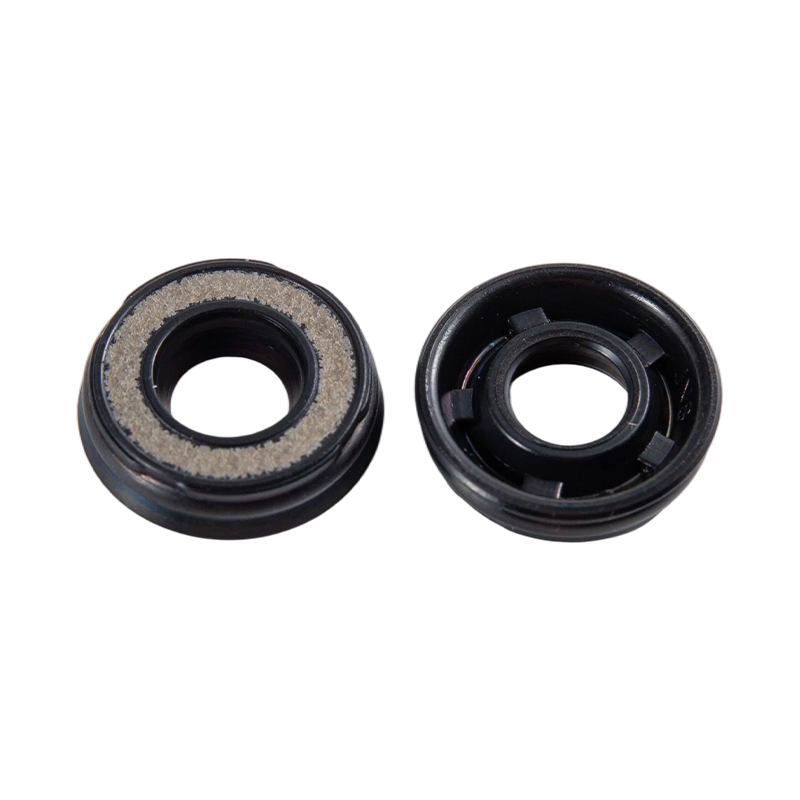
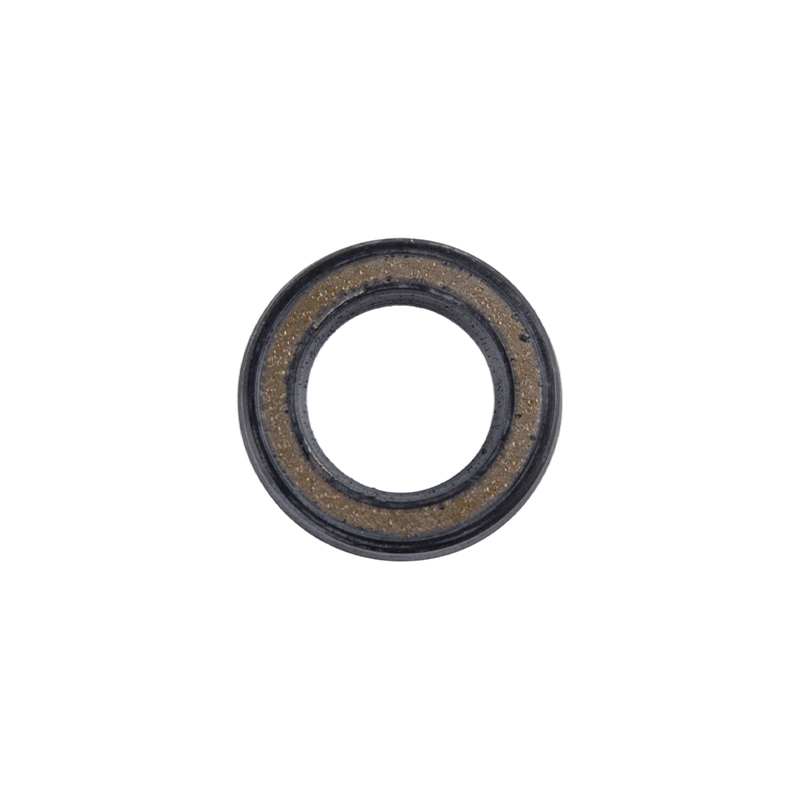
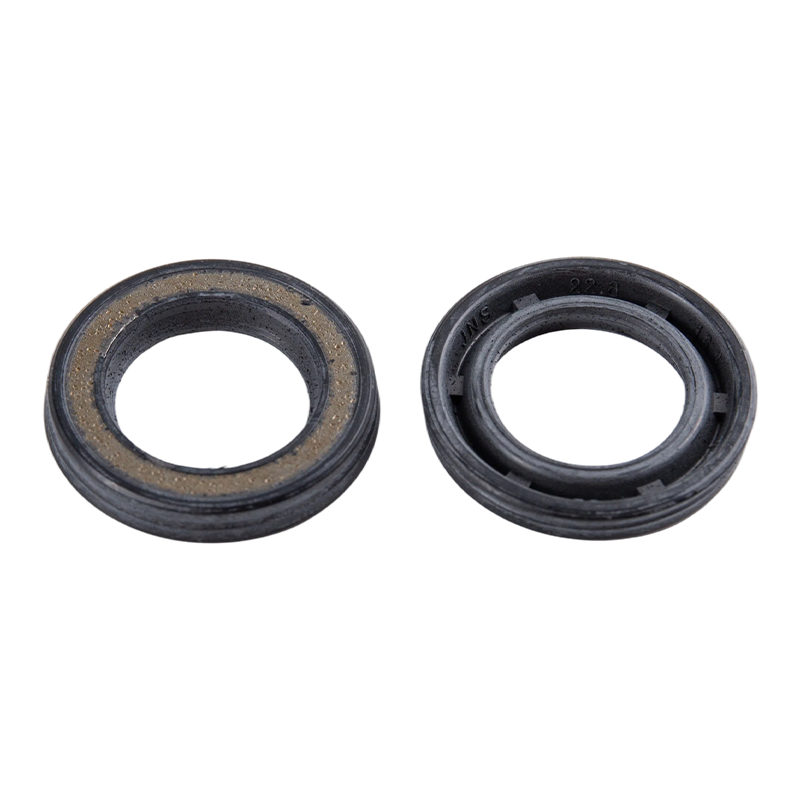
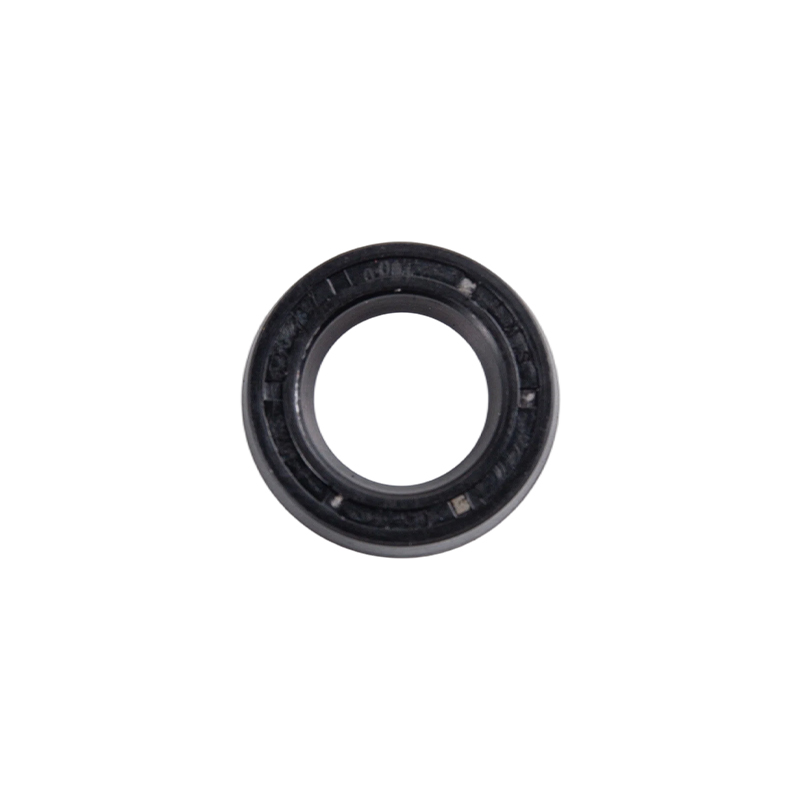
25.9mm Precision-Gap Seal
Product Overview and Technical Identity
The 25.9 mm Precision-Gap Seal is a compact sealing component intended for assemblies in which controlled dimensional fit is important. It belongs to the Y-type oil seal ring category, although its application may be associated with gas springs, dampers, piston assemblies, and other reciprocating or pressure-related mechanisms. Its product description emphasizes a fine-tuned size for applications operating between 50 and 1400 N.
The product code is A-1-033. This code provides a practical reference for purchasing, production planning, replacement, technical communication, and inventory management. When ordering, customers should identify the product by both its code and its dimensional requirements, especially when the seal is used in a customized assembly or a system with strict tolerance requirements.
| Product Attribute | Specification |
| Product name | 25.9 mm Precision-Gap Seal |
| Product category | Y-Type Oil Seal Ring |
| Product code | A-1-033 |
| Outside diameter | 25.9 mm |
| Inside diameter | 9.3 mm |
| Height | 4 mm |
| Listed product specification | 26 × 9.3 × 4 mm |
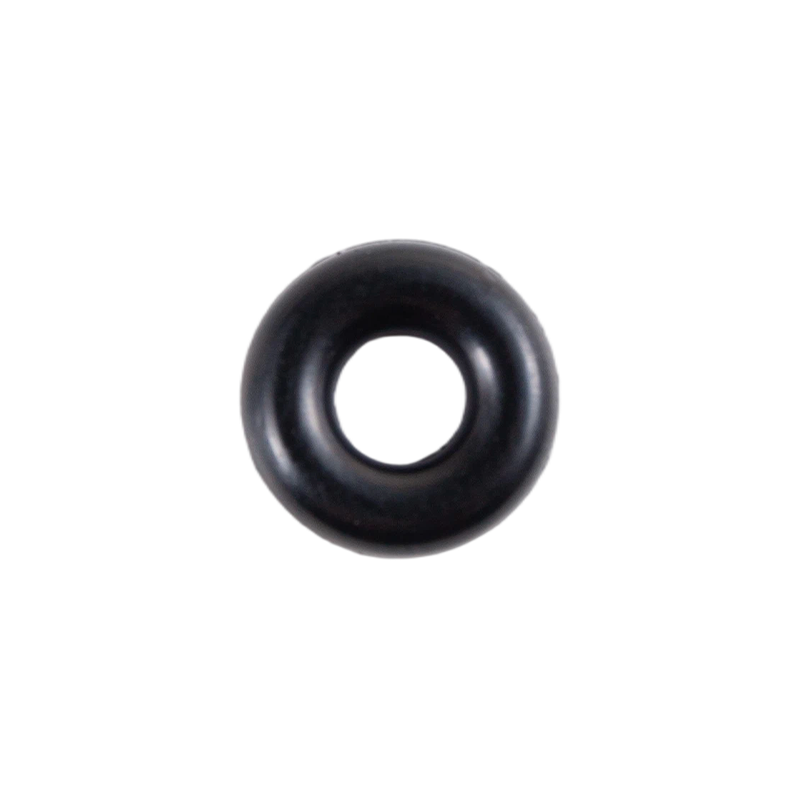
| O-ring adapter | 25 × 2.4 mm |
| Design application range | 50–1400 N |
| Steel pipe inner diameter and piston rod diameter | 25 mm × 10 mm |
| Material | NBR |
The listed product specification of 26 × 9.3 × 4 mm and the measured or fine-tuned outside diameter of 25.9 mm should be understood together. The 26 mm designation can function as a nominal product size, while 25.9 mm represents the precision-oriented outside dimension. In practical procurement, the assembly designer should confirm housing dimensions, groove geometry, compression requirements, and tolerance conditions before final selection.
The 9.3 mm inside diameter is matched to the stated application involving a 10 mm piston rod. This relationship is essential in a dynamic seal because the sealing lip or internal profile must maintain contact with the moving rod without creating excessive friction. The 4 mm height contributes to the axial envelope of the seal and must be considered when designing the groove, retainer, washer, or adjacent components.
Why Dimensional Precision Matters in Sealing Systems
A sealing ring operates within a mechanical system rather than in isolation. Its performance depends on contact pressure, material elasticity, surface finish, temperature, lubrication, pressure variation, rod movement, and the dimensional relationship between the seal and the housing. A small dimensional difference can change how the seal is compressed and how it responds during movement.
If a seal is too loose in its housing, it may allow unwanted movement, extrusion, leakage paths, or unstable positioning. If it is too tight, the resulting compression may increase friction, create excessive heat, accelerate wear, or make assembly difficult. A fine-tuned 25.9 mm outside diameter is intended to help create a more controlled fit in the relevant housing environment.
Reduced mechanical play can be particularly valuable in gas spring and damper assemblies. Uncontrolled movement between a seal and its housing may contribute to noise, inconsistent force behavior, or variation in the piston rod’s movement. A better-controlled fit can support more predictable operation, provided that the housing and groove are manufactured within the appropriate tolerances.
Dimensional precision can also improve repeatability during mass production. When a seal is consistently produced within a controlled dimensional range, the assembly line can experience fewer adjustments and fewer fit-related interruptions. Consistent components are easier to validate, easier to replace, and more suitable for standardized production procedures.
It is important to distinguish precision from universal compatibility. A precision seal is not automatically suitable for every housing with a similar nominal size. The correct selection still requires confirmation of groove dimensions, rod diameter, pressure or force conditions, surface finish, temperature, lubrication, and movement speed. Precision is most valuable when it is matched to a properly engineered application.
Material Advantages of NBR
The 25.9 mm Precision-Gap Seal uses NBR, or nitrile butadiene rubber. NBR is widely used in sealing applications because it offers a practical balance of oil resistance, mechanical strength, elasticity, abrasion resistance, and cost efficiency. These characteristics make it a common choice for general-purpose oil seals, O-rings, gas spring seals, hydraulic components, pneumatic equipment, and industrial machinery.
NBR is especially useful where the seal may contact mineral oils, lubricating oils, greases, or other commonly used petroleum-based fluids. Its resistance to many ordinary lubricants helps maintain sealing function in applications where friction-reducing lubrication is required. The actual compatibility depends on the specific fluid formulation, temperature, concentration, and exposure duration, so application testing remains advisable for critical systems.
The mechanical strength of NBR supports repeated assembly and dynamic operation. In a piston rod application, the seal may experience cyclic movement, pressure changes, and contact with mating surfaces. A suitable NBR compound can resist deformation while retaining enough elasticity to maintain contact. The final performance depends on the exact compound formulation, hardness, curing conditions, profile design, and operating environment.
NBR also provides a cost-effective option for high-volume products. Compared with some specialty elastomers, standard NBR can offer a favorable balance between performance and manufacturing economy. This is valuable for furniture gas springs, automotive support systems, office chair mechanisms, equipment dampers, and other products that require reliable sealing at competitive production costs.
Material selection should always be based on the complete application. NBR may not be the first choice for environments involving extreme temperatures, aggressive chemicals, ozone exposure, or specialized fuels. In such cases, alternative materials such as HNBR, FPM, or other engineered elastomers may be considered. The manufacturer’s broader material capability in NBR, HNBR, and FPM supports technical discussions when a different environmental requirement exists.
Application Range: 50–1400 N
The stated design application range of 50–1400 N gives the A-1-033 seal a broad operating scope for gas spring and damper-related systems. Force is a key design parameter because it influences internal pressure, rod loading, friction behavior, and the mechanical stress experienced by the sealing components.
A lower-force application may require the seal to maintain stable contact without creating unnecessary resistance to movement. Excessive friction in a low-force gas spring can affect extension behavior, user comfort, and perceived product quality. In a higher-force application, the seal must maintain its position and sealing function under greater internal loading and pressure-related stress.
The wide range does not mean that the seal will perform identically in every system. Gas spring force is affected by gas pressure, piston area, temperature, rod position, friction, and assembly design. The listed range should therefore be treated as a design reference rather than a substitute for application validation. Engineers should evaluate actual operating conditions through prototype testing and, where appropriate, endurance testing.
The seal’s dimensional relationship with a 25 mm steel pipe and a 10 mm piston rod supports a defined design architecture. This can help manufacturers standardize a family of gas springs or dampers around a common tube and rod arrangement. Standardization may reduce tooling complexity, simplify purchasing, and make replacement-part management more efficient.
Typical application areas may include adjustable furniture, office chairs, vehicle support mechanisms, trunk or hood support systems, medical equipment, lifting devices, industrial dampers, and compact actuators. The product may also be considered for other systems where its dimensions, material, and operating requirements are confirmed to be suitable.
Competitive Advantages of the Precision-Gap Design
More Controlled Housing Fit
One of the primary advantages of the 25.9 mm design is its controlled outside diameter. Compared with a generic seal selected only according to a nominal 26 mm size, a 25.9 mm dimension can provide a more deliberate fit relationship. This may help reduce radial looseness and improve the stability of the seal within the housing.
Reduced Mechanical Play
The product description specifically emphasizes the reduction of mechanical play. In a reciprocating assembly, unnecessary movement can influence alignment, noise, friction, and leakage risk. By reducing the space available for unwanted seal movement, the product can contribute to more stable positioning and more predictable mechanical behavior.
Improved Positioning Accuracy
Accurate seal positioning is important during both assembly and operation. A seal that moves within its groove may not maintain its intended contact pattern. The fine-tuned geometry of this product is intended to support more consistent placement, which can improve repeatability during production and contribute to stable performance during service.
Balanced General-Purpose Material
NBR provides a practical combination of properties for many oil and gas spring applications. It is not positioned as a specialist material for every extreme environment, but it is a strong general-purpose choice where oil resistance, elasticity, abrasion resistance, and cost control are all important.
Defined Rod and Tube Compatibility
The stated compatibility with a 25 mm steel pipe and a 10 mm piston rod gives engineers a clear starting point for design evaluation. A seal with clearly identified mating dimensions is easier to integrate into a known assembly than a product supplied with incomplete or ambiguous specifications.
Broad Force Design Reference
The 50–1400 N design range allows the product to be considered across multiple gas spring and damper configurations. A broad reference range can help manufacturers evaluate whether one seal platform may serve several related product models, although each model should still be tested under its actual conditions.
Custom Engineering Support
The manufacturer provides customized sealing solutions that can include product design, testing, and technical consultation. This is a significant advantage over suppliers that only provide standard catalog parts. When a customer needs a modified profile, alternative elastomer, special tolerance, or application-specific validation, access to engineering support can reduce development time and improve the probability of a successful design.
Manufacturing Process and Quality Considerations
Reliable sealing performance begins with controlled manufacturing. A rubber seal must be formed accurately, cured consistently, inspected carefully, and handled correctly after production. Even a well-designed profile can underperform if molding variation, contamination, incomplete curing, or dimensional instability is not controlled.
Compound Preparation
The first important stage is rubber compound preparation. NBR is blended with suitable reinforcing agents, plasticizers, curing ingredients, stabilizers, pigments, and other formulation components. The compound must be mixed sufficiently to distribute ingredients evenly. Inadequate dispersion can create local differences in hardness, elasticity, or wear resistance.
For a precision seal, compound preparation should be managed through controlled weighing, mixing time, temperature monitoring, and batch identification. Traceability makes it possible to connect a finished product to its raw-material and processing history. This is valuable for quality analysis, customer documentation, and continuous improvement.
Mold and Profile Control
The seal profile is defined by the mold. The mold must reproduce the outside diameter, inside diameter, height, sealing lips, grooves, radii, and other functional features. Fine-tuned dimensions such as 25.9 mm require careful attention to mold design, machining accuracy, thermal behavior, and shrinkage compensation.
Rubber changes dimensionally during curing and cooling. A production mold therefore cannot simply reproduce the final dimension at room temperature without accounting for material behavior. Experienced process engineers establish appropriate compensation factors and verify the result through sample measurement and process capability studies.
Compression Molding or Related Forming
Depending on the production design, rubber seals may be produced using compression molding, transfer molding, injection molding, or a related elastomer-forming process. The selected process affects cycle time, flash control, dimensional repeatability, surface quality, and production economics.
For high-volume sealing products, an efficient molding process can improve consistency and reduce unit cost. Process parameters such as mold temperature, pressure, curing time, material volume, and demolding conditions must be controlled. Variation in these parameters can influence hardness, compression set, dimensions, and the appearance of the finished seal.
Vulcanization and Curing
Vulcanization creates the elastic network that gives NBR its functional properties. Correct curing is essential. Under-curing may lead to insufficient strength, poor elasticity, or unstable dimensions. Over-curing may cause excessive hardness, reduced flexibility, or changes in compression behavior.
A controlled curing process should use established temperature and time parameters, supported by material testing and production verification. The correct curing window depends on the compound, part thickness, mold design, and equipment. Consistency in this stage is directly related to the seal’s ability to maintain contact during service.
Flash Removal and Finishing
After molding, excess rubber, commonly known as flash, may remain around the parting line or functional edges. Flash removal must be performed carefully. Excessive trimming can damage a sealing lip or change a critical edge, while insufficient trimming can interfere with assembly or create an uneven contact surface.
Finishing procedures should preserve the intended geometry of the A-1-033 profile. Parts may then be cleaned, visually inspected, and separated according to established acceptance criteria. A clean and undamaged sealing surface is especially important for dynamic applications involving piston rod movement.
Dimensional Inspection
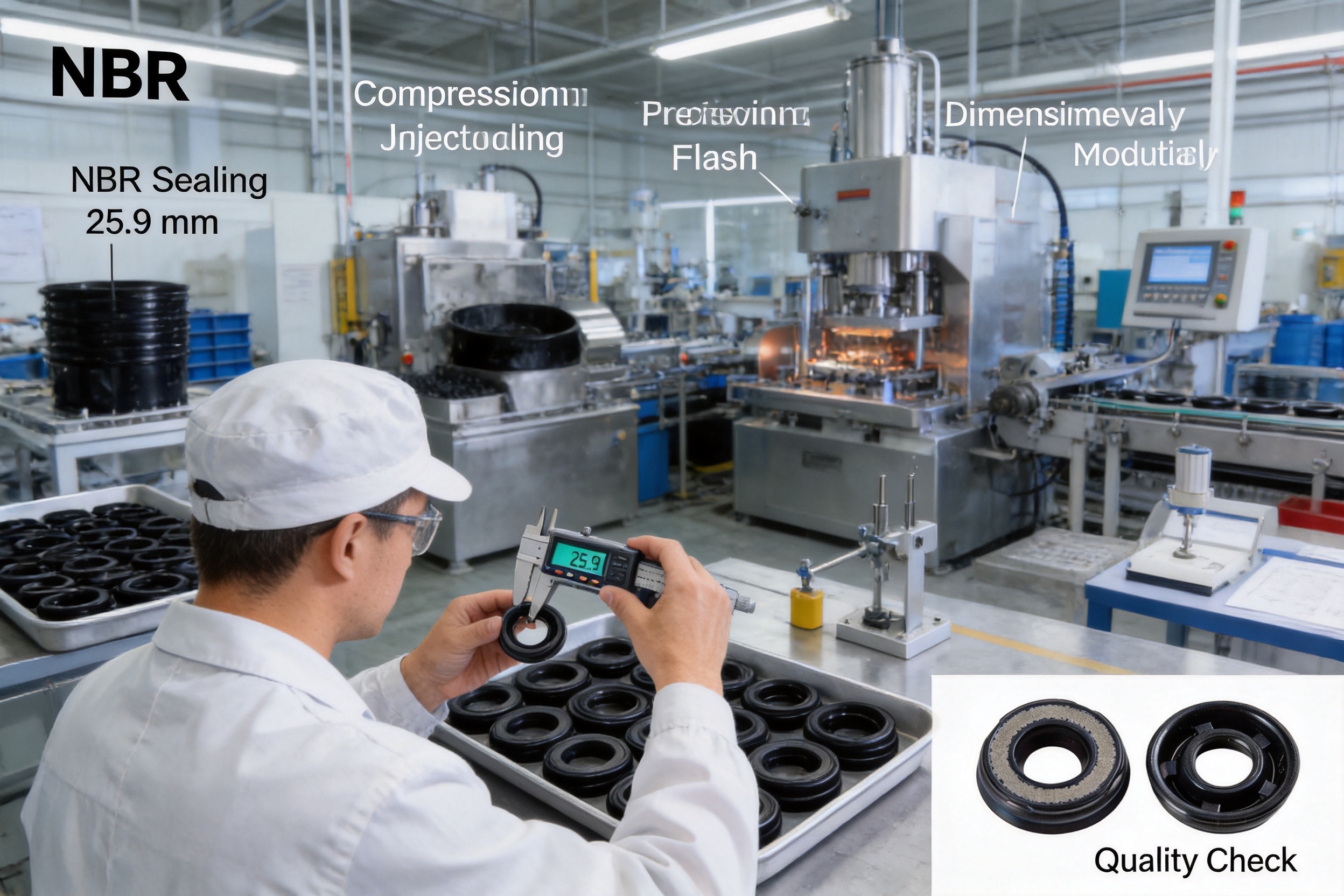
Dimensional inspection verifies critical characteristics such as outside diameter, inside diameter, height, lip geometry, and any relevant adapter dimensions. Measurement equipment should be appropriate for soft elastomeric components because excessive measuring force can temporarily deform the part and produce misleading results.
Inspection may include calibrated gauges, optical measurement systems, profile projectors, coordinate measurement equipment, or purpose-designed fixtures. The method should reflect the actual function of the seal. Measuring a soft ring without controlling its shape, temperature, and contact force can produce results that do not represent its installed condition.
Material and Performance Testing
Material testing may include hardness, tensile strength, elongation, compression set, density, aging resistance, and fluid compatibility. Not every test is required for every order, but a robust quality program should identify the characteristics most relevant to the application.
Performance testing may evaluate leakage, friction, pressure retention, reciprocating movement, temperature exposure, and endurance. For gas spring or damper seals, an assembly-level test is often more informative than a material test alone because it captures the interaction between the seal, rod, tube, lubricant, pressure, and surrounding components.
Traceability and Production Management
Production traceability supports confidence in repeat orders. Batch numbers, material records, mold identification, inspection results, and packaging information can help connect a delivered part with its manufacturing history. This is particularly important for international customers and industries that require documented quality procedures.
The manufacturer’s focus on research and development, production equipment, and technical service provides a foundation for managing these activities. The combination of engineering capability and manufacturing experience can help address both standard requirements and customer-specific sealing challenges.
Installation and Assembly Guidance
Correct installation is necessary to achieve the intended performance of any precision seal. Before assembly, the technician should confirm the product code, dimensions, material, rod diameter, housing size, and application requirements. The 25.9 mm Precision-Gap Seal should not be forced into a groove that is too small or installed in a housing that does not match the intended design.
All mating surfaces should be clean and free from metal chips, sharp edges, rust, dust, and residual machining debris. A sharp edge on a piston rod or housing can cut or scrape the sealing lip during installation. Where appropriate, chamfers and lead-in features should be used to guide the seal into position.
The piston rod should be inspected for scratches, burrs, excessive roughness, corrosion, or bending. A damaged rod surface can rapidly wear a seal, even when the seal itself is produced correctly. The rod should also be clean and compatible with the selected lubricant or assembly medium.
Lubrication may be used when recommended for the application. The lubricant should be compatible with NBR and the working fluid. Excessive lubricant can attract contamination or influence assembly behavior, while insufficient lubrication can cause high starting friction or damage during the first movement cycle.
Seal lips should not be twisted, rolled, cut, or stretched beyond their intended elastic range. If the component uses an O-ring adapter, the adapter should be positioned correctly and protected from sharp edges. Any retaining ring, washer, guide, or adjacent support component should be installed in the correct order.
After assembly, the system should be checked for smooth movement, abnormal noise, leakage, rod alignment, and correct force behavior. For production applications, an established inspection procedure can identify assembly errors before the finished product reaches the customer.
Application Areas
Gas Springs for Furniture
Furniture gas springs often require compact seals that can operate through repeated extension and compression cycles. Office chairs, adjustable desks, recliners, storage beds, cabinets, and other products depend on controlled movement and reliable force retention. The precision-focused outer diameter may help support stable seal positioning in compact gas spring bodies.
Automotive Support Systems
Gas struts and dampers used in vehicle hoods, trunks, tailgates, seats, and access panels require consistent performance across repeated cycles and changing temperatures. NBR may be suitable for many general-purpose applications, subject to temperature, fluid, and environmental compatibility checks.
Medical and Care Equipment
Adjustable medical beds, examination tables, treatment chairs, and rehabilitation equipment may use gas springs or dampers to support controlled movement. In these systems, smooth positioning and dependable mechanical behavior are important. The seal is one component in a larger safety-critical assembly, so complete product validation is required.
Industrial Dampers and Actuators
Industrial equipment may use compact dampers for vibration control, motion regulation, or controlled return. A seal with defined dimensions and a broad force reference can be evaluated for such systems when the pressure, speed, temperature, lubricant, and environment are suitable.
Home Appliances and General Machinery
Appliances, access panels, lifting mechanisms, and compact machines may include gas springs or piston-based support devices. The A-1-033 design can be considered where its dimensions and NBR material align with the engineering requirements.
Comparison with Generic Sealing Products
Many sealing products appear similar when viewed only by nominal size. However, nominal similarity does not guarantee equivalent performance. Two seals marked with the same approximate outside diameter may differ in profile, tolerance, compound hardness, compression behavior, and manufacturing consistency.
A generic seal may be suitable for a low-demand application, but it may not provide the dimensional control required for a precision housing. If its outside diameter is too small, the seal may move within the groove. If it is too large, assembly forces may rise and the seal may experience excessive compression. The 25.9 mm product is positioned for applications where the fit relationship has been deliberately fine-tuned.
Another difference is technical support. Some suppliers provide only a part number and a basic size. A manufacturer with research, development, testing, and technical consultation capabilities can help customers evaluate the complete application. This may include discussing rod size, tube dimensions, pressure or force range, material selection, profile changes, and testing requirements.
Manufacturing consistency is also a meaningful competitive factor. A seal that performs well in one sample but varies significantly between batches can create quality problems in production. Stable compound mixing, controlled molding, accurate trimming, and documented inspection help reduce such variation.
| Evaluation Factor | Generic Nominal Seal | 25.9 mm Precision-Gap Seal |
| Outer diameter approach | May rely primarily on a rounded nominal size | Fine-tuned 25.9 mm design reference |
| Fit objective | General compatibility | Controlled housing fit and reduced play |
| Material | May vary by supplier | Specified standard NBR |
| Rod and tube reference | May be incomplete | 25 mm steel pipe and 10 mm piston rod reference |
| Force design reference | May not be clearly stated | 50–1400 N |
| Technical support | May be limited to catalog information | Design, testing, and consultation capabilities |
| Customization potential | Depends on supplier | Custom sealing solutions are available for evaluation |
This comparison does not mean that every generic seal is unsuitable or that the A-1-033 seal is appropriate for every machine. Instead, it shows why a controlled specification and application-oriented manufacturing approach can create value beyond a simple nominal size.
Customization and Engineering Collaboration
Sealing requirements frequently vary from one customer to another. A customer may need the same basic profile in a different material, a modified outside diameter, a special hardness, an alternative internal geometry, or an adjusted height. The ability to discuss such requirements directly with a sealing manufacturer can shorten the path from concept to production.
Customization typically begins with application information. Useful data includes housing dimensions, rod diameter, pressure or force, temperature range, operating speed, stroke length, lubricant, working fluid, expected service life, assembly method, and environmental exposure. Drawings, samples, failure photographs, and test results can also help engineers understand the actual requirement.
The manufacturer’s stated ability to provide product design, testing, and technical consultation supports a collaborative development process. A project may begin with a standard product such as A-1-033, followed by a fit review and prototype test. If necessary, the profile or material can then be adjusted to better match the customer’s operating conditions.
Engineering collaboration is particularly valuable when a seal is used in a new product. Early design review can identify potential problems involving extrusion gaps, compression, rod finish, installation access, temperature, or lubrication. Addressing these issues before mass production is generally more efficient than correcting them after field failures occur.
Quality, Reliability, and Lifecycle Value
The value of a seal should be measured over the complete product lifecycle, not only by its purchase price. A low-cost part that causes leakage, rework, assembly delays, or premature service may cost more than a consistently manufactured component with a slightly higher initial price.
The 25.9 mm Precision-Gap Seal can contribute to lifecycle value through its controlled fit, defined material, clear application dimensions, and potential for repeatable production. Reduced mechanical play may help lower the risk of fit-related instability. Consistent dimensions may simplify assembly. A standard NBR compound may support economical large-scale production.
Reliability also depends on correct system design. A seal cannot compensate for an excessively rough piston rod, an oversized extrusion gap, incorrect groove dimensions, incompatible fluid, or operation beyond the material’s temperature range. The best results are achieved when the seal, housing, rod, lubricant, and operating conditions are considered as a complete system.
For manufacturers, supplier communication is part of reliability management. Product codes, inspection requirements, packaging standards, batch records, and change-control procedures should be clearly defined. If the application is safety-sensitive or high-volume, customers may also request sample approval, capability data, endurance testing, or periodic quality reports.
Packaging, Storage, and Handling
Elastomeric seals should be stored in a clean, dry environment away from direct sunlight, excessive heat, ozone-generating equipment, and sources of contamination. Long exposure to ultraviolet light, ozone, or unsuitable chemicals can age rubber before the seal is installed.
Parts should not be compressed, stretched, folded sharply, or stored under heavy weight for extended periods. Deformation during storage can make a seal appear unsuitable even when the material and dimensions are correct. Original packaging or clean protective packaging is recommended until the part is ready for assembly.
During handling, technicians should use clean hands or suitable gloves and avoid contact with sharp tools. Metal picks, screwdrivers, or unprotected fixtures can cut the sealing surface. If an installation tool is required, it should be designed to protect the lip and maintain alignment.
Inventory systems should use first-in, first-out control where appropriate. Product code A-1-033, material identification, quantity, batch information, and receipt date should be recorded. These practices support traceability and help prevent accidental mixing of similar-looking seals with different dimensions or materials.
Recommended Validation Program
Before approving the seal for full production, an engineering team should conduct a structured validation program. The first stage is dimensional verification. The seal should be checked against the drawing or approved specification, including the 25.9 mm outside diameter, 9.3 mm inside diameter, and 4 mm height.
The second stage is assembly evaluation. The seal should be installed in the intended housing with the actual piston rod, lubricant, retaining components, and assembly tools. Engineers should record insertion force, visual condition, seal orientation, and any signs of twisting or damage.
The third stage is functional testing. The complete gas spring or damper should be checked for leakage, movement smoothness, friction, force behavior, and abnormal noise. Testing should cover representative operating positions and cycles.
The fourth stage is environmental testing. Depending on the application, this may include temperature exposure, fluid immersion, storage aging, humidity, dust, vibration, or corrosion-related conditions. The selected tests should represent the customer’s actual service environment.
The final stage is endurance testing. Repeated cycling can reveal problems that are not visible during short-term inspection. After testing, the seal should be examined for wear, hardening, cracking, permanent deformation, extrusion, lip damage, and changes in dimensions.
| Validation Stage | Main Purpose | Typical Evaluation |
| Dimensional verification | Confirm part conformity | Outside diameter, inside diameter, height, profile |
| Assembly evaluation | Check installation suitability | Insertion force, orientation, damage, fit |
| Functional testing | Evaluate operating behavior | Leakage, friction, movement, force stability |
| Environmental testing | Assess condition resistance | Temperature, fluids, humidity, vibration, storage |
| Endurance testing | Estimate service durability | Repeated cycles and post-test inspection |
Frequently Asked Questions
What is the main purpose of the 25.9 mm Precision-Gap Seal?
The product is designed to provide controlled sealing and a tighter fit in gas spring, damper, piston, and related mechanical assemblies. Its fine-tuned 25.9 mm outside diameter is intended to reduce mechanical play and support stable positioning.
What material is used for this seal?
The specified material is NBR, or nitrile butadiene rubber. NBR is widely used for applications requiring a balance of oil resistance, elasticity, abrasion resistance, mechanical strength, and cost efficiency.
What are the principal dimensions?
The listed dimensions are 25.9 mm outside diameter, 9.3 mm inside diameter, and 4 mm height. The product is also listed with a nominal specification of 26 × 9.3 × 4 mm.
What piston rod and tube arrangement is associated with the product?
The stated design reference is a 25 mm steel pipe inner diameter and a 10 mm piston rod diameter. The actual assembly should be checked against the complete installation drawing and tolerance requirements.
What force range is associated with the seal?
The design application range is 50–1400 N. This is a reference range for product evaluation, not a guarantee that every application within the range will perform identically. Prototype and assembly-level testing are recommended.
Is this seal suitable for every oil or chemical?
No. NBR is compatible with many common oils and lubricants, but compatibility depends on the exact fluid, temperature, concentration, and exposure time. Chemical and temperature testing should be conducted when the application involves aggressive or unusual media.
Can the product be used in a high-temperature environment?
The suitability of standard NBR depends on the actual temperature range and exposure duration. Customers should provide the expected operating and storage temperatures so that the material and design can be evaluated appropriately.
How does the product differ from a standard 26 mm seal?
The product is associated with a nominal 26 mm specification but emphasizes a fine-tuned 25.9 mm outside diameter. This controlled dimension is intended to improve the housing fit and reduce unnecessary mechanical play compared with a loosely matched generic part.
Can the product be customized?
Customized sealing solutions are available for technical evaluation. Potential changes may include material, profile, dimensions, hardness, or application-specific design features. Customers should provide drawings, samples, and operating data for a meaningful review.
What information should be provided when requesting a quotation?
Useful information includes product code A-1-033, required quantity, outside and inside dimensions, height, tube and rod dimensions, force range, material requirements, operating temperature, working fluid, lubricant, application, packaging requirements, and delivery destination.
What should be checked before installation?
Check the seal dimensions, material, groove, housing, piston rod, surface condition, lubricant compatibility, orientation, and assembly tools. Remove burrs and contamination, and avoid stretching, twisting, cutting, or rolling the seal during installation.
Does a precision seal remove the need for system testing?
No. Precision dimensions improve the probability of a suitable fit, but system performance also depends on pressure, rod finish, groove design, temperature, lubricant, movement speed, and assembly quality. Complete application testing remains important.
Who can benefit from this product?
Potential users include gas spring manufacturers, damper producers, furniture hardware suppliers, automotive component makers, industrial equipment manufacturers, medical equipment companies, maintenance distributors, and engineering teams developing compact piston-based mechanisms.
Why Work with an Experienced Sealing Manufacturer?
A sealing manufacturer with dedicated expertise can provide more than molded rubber parts. It can help customers select materials, refine dimensions, interpret application data, prepare prototypes, conduct tests, and establish a repeatable production program. This integrated capability is valuable when sealing performance affects the function or safety of the finished product.
Ningguo Jnsseals Sealing Technology Co., Ltd. was founded in 2019 and operates from Anhui, China. Its stated focus includes gas spring and damper sealing technology as well as related O-ring products. The company serves industries including automotive, furniture, home appliances, medical equipment, construction, and other industrial sectors.
The company’s development model combines research and development, modern production equipment, professional technical service, and customized solutions. This combination can support customers that need a standard component as well as customers that require a modified seal or a complete technical program.
Its stated business philosophy emphasizes people-oriented development, innovation, continuous improvement, and pursuit of excellence. In practical terms, these principles are most valuable when they are reflected in measurable activities such as controlled production, product testing, technical responsiveness, quality traceability, and consistent customer support.
For international customers, clear communication is especially important. Dimensional drawings, material specifications, inspection standards, packaging requirements, and delivery schedules should be agreed in writing. A professional technical team can help reduce misunderstandings and support efficient coordination across different production environments.
Conclusion
The 25.9 mm Precision-Gap Seal is a purpose-oriented sealing component designed for applications that require controlled fit, reduced mechanical play, and reliable operation within a defined 50–1400 N design range. Its 25.9 mm outside diameter, 9.3 mm inside diameter, 4 mm height, NBR material, and compatibility reference for a 25 mm steel pipe and 10 mm piston rod provide a clear basis for engineering evaluation.
Its principal advantage over a loosely selected generic seal is the emphasis on dimensional precision. A carefully controlled outside diameter can help improve housing fit, positioning stability, and assembly repeatability. The use of standard NBR provides a practical balance of sealing performance, oil resistance, mechanical strength, wear resistance, and cost efficiency for many general-purpose applications.
The product’s value is further supported by the manufacturer’s capabilities in sealing technology research, product development, testing, production, and customization. Advanced manufacturing depends on more than the molding step; it includes compound preparation, mold control, curing, finishing, dimensional inspection, material verification, performance testing, and traceability.
For best results, customers should evaluate the seal as part of a complete system. Housing geometry, piston rod condition, operating force, pressure, temperature, lubricant, working fluid, movement speed, and installation method all influence performance. With correct selection and validation, the A-1-033 seal can serve as a reliable component in gas springs, dampers, furniture mechanisms, automotive systems, industrial equipment, medical devices, and related applications.
For product consultation, customized design, testing support, and purchasing communication, customers may contact the manufacturer through its technical and commercial departments. Product code A-1-033 should be referenced to ensure accurate identification during inquiry and order processing.
References
1. Product specification sheet for the 25.9 mm Precision-Gap Seal, product code A-1-033.
2. Internal dimensional information for NBR sealing rings, including outside diameter, inside diameter, height, and adapter specifications.
3. General engineering principles for elastomeric seals, compression behavior, installation, and dimensional control.
4. General technical literature on nitrile butadiene rubber properties, oil resistance, abrasion resistance, and compression set.
5. General manufacturing references covering rubber compound preparation, molding, vulcanization, flash removal, inspection, and traceability.
6. General application guidance for gas springs, dampers, piston rods, and reciprocating sealing assemblies.
7. Company technical information concerning sealing technology research, customized product development, testing, and technical consultation.
Product: 25.9mm Precision-Gap Seal

PREV:No previous article
NEXT:1200N High-Load Sealing System for Stable Gas Spring and Damper Performance
NEXT:1200N High-Load Sealing System for Stable Gas Spring and Damper Performance



Want to know more
about us?
about us?

Precision sealing for gas springs and dampers. Durable, wear-resistant, and built for long-life performance in demanding applications.
Product Categories
Quick Links
Contact Us
-
Email: jns@jnsseals.cn

-
Email: LouZhuoyu@outlook.com
-
Manager Gong: +86-18563770820

-
Manager Wang: +8615357558902
-
No. 5, Meilin Avenue, Meilin Industrial Development Zone, Ningguo City, Anhui Province, China

