

 English
 русский
 Deutsch
 Türk
 中文简体
1200N High-Load Sealing System for Stable Gas Spring and Damper Performance
1200N High-Load Sealing System for Stable Gas Spring and Damper Performance
1200N High-Load Sealing System for Stable Gas Spring and Damper Performance
1200N High-Load Sealing System for Stable Gas Spring and Damper Performance
1200N High-Load Sealing System for Stable Gas Spring and Damper Performance
1200N High-Load Sealing System for Stable Gas Spring and Damper Performance
1200N High-Load Sealing System for Stable Gas Spring and Damper Performance
1200N High-Load Sealing System for Stable Gas Spring and Damper Performance
1200N High-Load Sealing System for Stable Gas Spring and Damper Performance
1200N High-Load Sealing System for Stable Gas Spring and Damper Performance
1200N High-Load Sealing System for Stable Gas Spring and Damper Performance
1200N High-Load Sealing System for Stable Gas Spring and Damper Performance
1200N High-Load Sealing System for Stable Gas Spring and Damper Performance
1200N High-Load Sealing System for Stable Gas Spring and Damper Performance
1200N High-Load Sealing System for Stable Gas Spring and Damper Performance
1200N High-Load Sealing System for Stable Gas Spring and Damper Performance

Shen Ruolan — After-Sales Technical Consultant
Home / Author / Shen Ruolan — After-Sales Technical Consultant / 1200N High-Load Sealing System for Stable Gas Spring and Damper Performance
NEW Category
Contact us
1200N High-Load Sealing System for Stable Gas Spring and Damper Performance
Content
- 1 Introduction
- 2 Product Overview
- 3 Structural Design for High-Load Applications
- 4 Material Selection: NBR for Practical Sealing Performance
- 5 Advantages Compared with Basic Sealing Solutions
- 6 Manufacturing and Technical Strengths
- 7 Manufacturing Process Considerations
- 8 Installation and Application Guidance
- 9 Application Areas
- 10 Quality, Testing, and Validation
- 11 Why Choose a Specialized Sealing Partner?
- 12 Customization and Product Development Support
- 13 Purchasing and Technical Communication Checklist
- 14 Q&A
- 14.1 What is the 1200N High-Load Sealing System?
- 14.2 What are the product dimensions?
- 14.3 What material is used?
- 14.4 Is the product suitable for every 1200N application?
- 14.5 What is the function of the O-ring adapter?
- 14.6 What are the main advantages over a basic oil seal?
- 14.7 Can the product be customized?
- 14.8 What should be checked before installation?
- 14.9 Which industries may use this sealing system?
- 14.10 How can customers request technical support?
- 15 Conclusion
- 16 References
- 17 Product: 1200N High-Load Sealing System
Introduction
High-load sealing is one of the most demanding challenges in gas spring, damper, furniture, automotive, and industrial actuator design. A seal must prevent leakage while remaining stable under repeated movement, changing pressure, friction, temperature variation, and assembly tolerances. When the application involves a compact rod arrangement and a load reaching the kilonewton range, the sealing system must provide more than basic fluid retention. It must support dynamic stability, resist deformation, maintain contact with the rod, and contribute to consistent service performance.
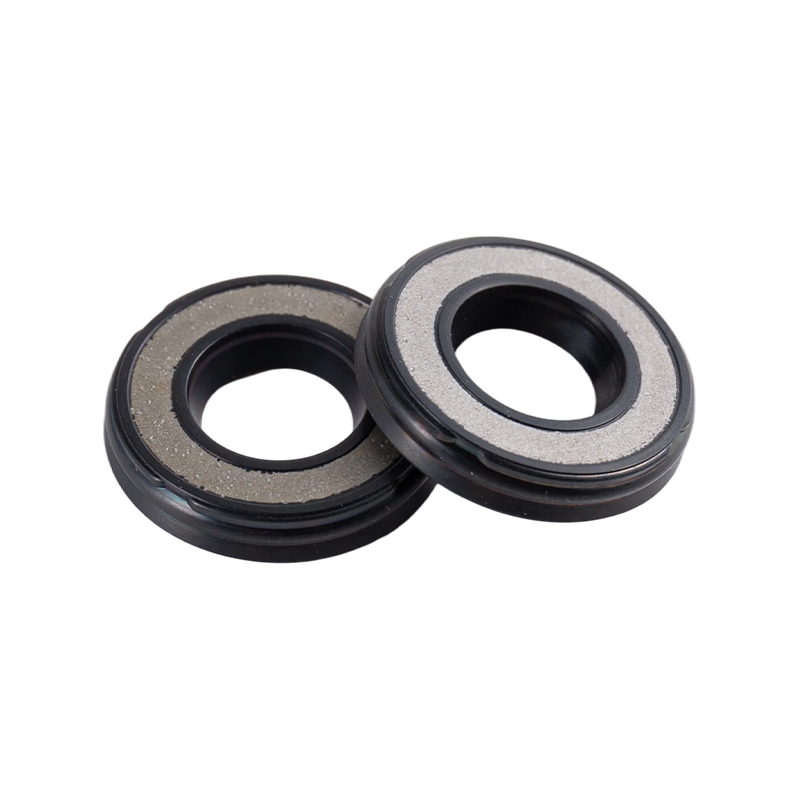
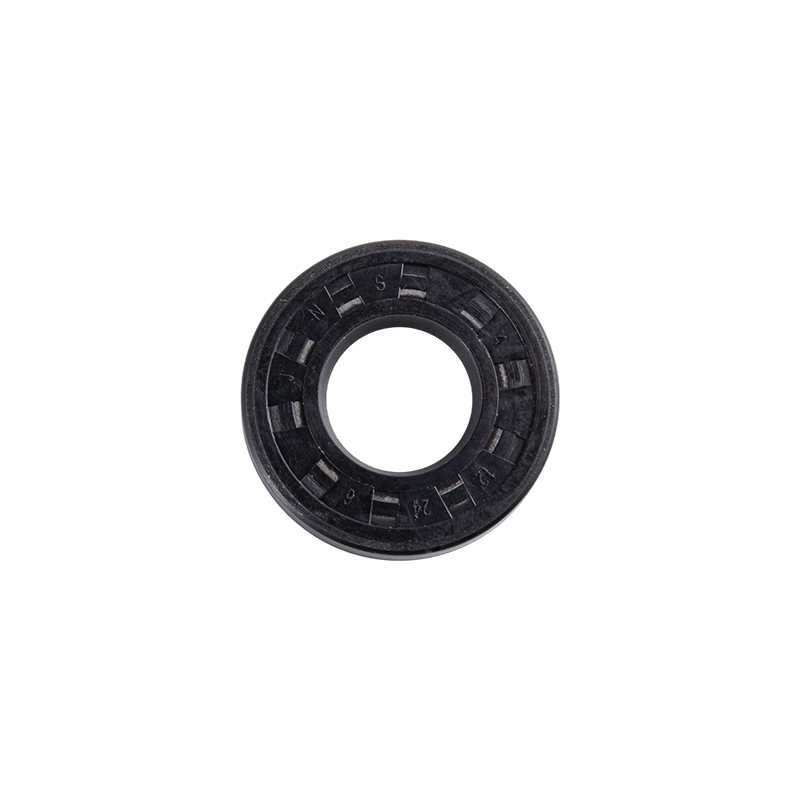
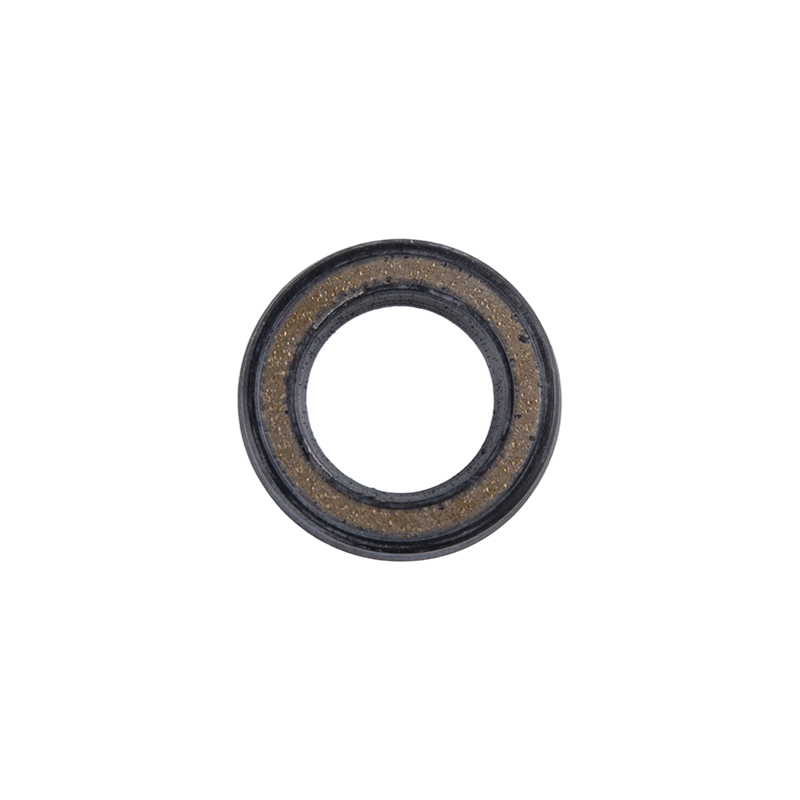
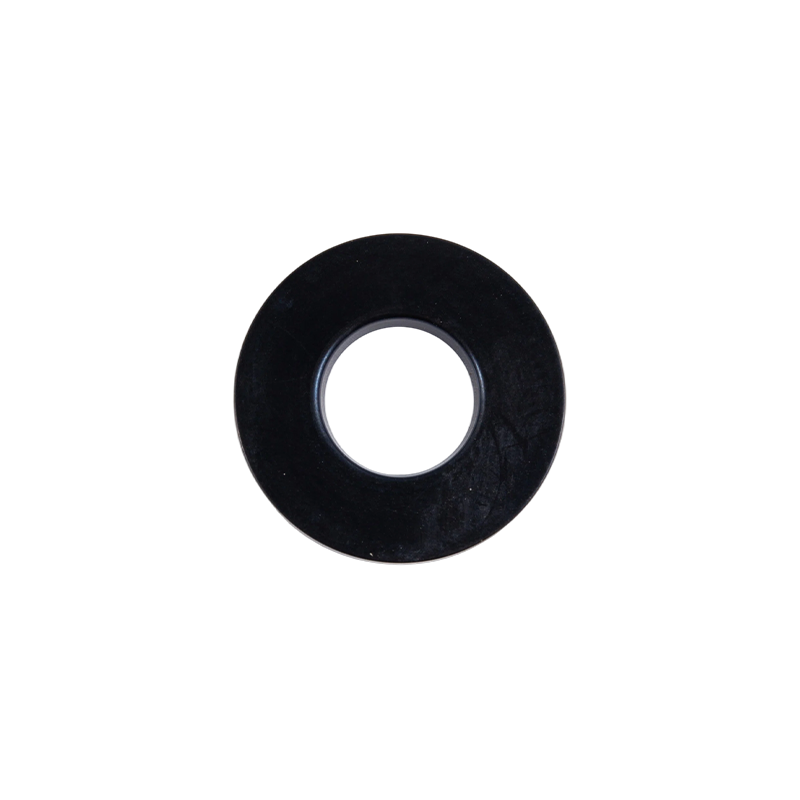
The 1200N High-Load Sealing System is a Y-type oil seal ring developed for demanding rod sealing applications. Identified by product code A-1-015, this sealing solution is structurally optimized for a 19 × 8 rod set and is designed for an applicable pressure range of 50–1200N. Its product specifications are 19.8 × 7.2 × 3.8 mm, with an outer diameter of 19.8 mm, an inner diameter of 7.2 mm, and a height of 3.8 mm. The system also uses a 19 × 2.4 mm O-ring adapter and NBR as its primary material.
The design marks an entry into high-load sealing applications while retaining the compact form required by gas springs and dampers. Its large support surface helps distribute loading across the sealing structure, reducing the risk of localized stress. The Y-type profile supports effective dynamic sealing around the piston rod, while the supporting O-ring adapter helps improve installation stability and sealing contact.
This article examines the product’s structure, working principles, material characteristics, manufacturing strengths, quality considerations, application value, customization potential, and advantages compared with more basic or less specialized sealing solutions. It also explains how a technically focused sealing manufacturer can support product development from initial design through testing and technical consultation.
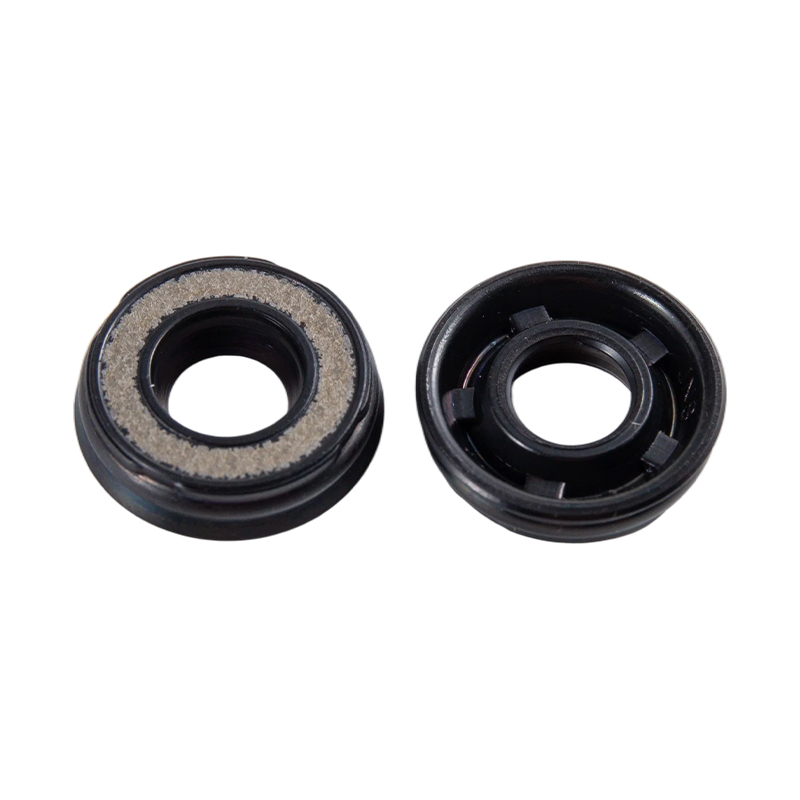
1200N High-Load Sealing System
Product Overview
The 1200N High-Load Sealing System is categorized as a Y-type oil seal ring. Y-type seals are commonly selected for reciprocating applications because their profile can create an effective sealing edge around a moving rod. The geometry is particularly suitable for systems in which the rod repeatedly extends and retracts, such as gas springs, dampers, lift supports, and compact hydraulic or pneumatic mechanisms.
Unlike a simple static gasket, a dynamic rod seal must work continuously during motion. The sealing edge must maintain controlled contact with the rod surface without creating excessive friction. At the same time, the body of the seal must remain supported in its housing so that pressure does not push the seal out of position. These requirements become more difficult as load and pressure increase.
Product A-1-015 addresses this challenge through a combination of compact dimensions, a broad supporting area, NBR material, and an O-ring adapter. The design is intended for a steel pipe with an inner diameter of 19 mm and a piston rod diameter of 8 mm. This specification makes the seal suitable for compact rod assemblies where available installation space is limited but stable sealing performance is still required.
| Product Item | Specification |
| Product name | 1200N High-Load Sealing System |
| Product category | Y-Type Oil Seal Ring |
| Product code | A-1-015 |
| Product specification | 19.8 × 7.2 × 3.8 mm |
| Outer diameter | 19.8 mm |
| Inner diameter | 7.2 mm |
| Height | 3.8 mm |
| O-ring adapter | 19 × 2.4 mm |
| Applicable design pressure range | 50–1200N |
| Steel pipe inner diameter and piston rod diameter | 19 × 8 mm |
| Material | NBR |
| Seal type | Y-type dynamic oil seal ring |
The designation “1200N” communicates the upper load range associated with the product design. It should not be interpreted as a universal operating guarantee for every installation. Actual performance depends on the mating rod finish, housing dimensions, lubrication, temperature, assembly method, medium, stroke frequency, and overall system design. Engineers should validate the seal under the exact conditions of the intended application.
Structural Design for High-Load Applications
Y-Type Dynamic Sealing Profile
The Y-type profile is a central feature of the product. Its sealing lips are designed to contact the moving piston rod and maintain a barrier against the migration of oil, grease, or other internal media. During reciprocating movement, the lips follow the rod while the seal body remains located in the housing.
A carefully designed Y-type seal can balance two competing requirements: reliable leakage control and manageable friction. If the sealing contact is too light, the system may leak during movement or pressure changes. If the contact is excessive, friction increases, motion becomes less efficient, and wear may accelerate. The product’s geometry is intended to provide dynamic stability within a compact rod assembly, helping maintain a controlled sealing interface.
For gas spring and damper manufacturers, this balance is especially important. The component may cycle thousands of times during its service life, and even a small amount of leakage can affect force output, damping behavior, or user safety. A stable seal profile therefore contributes to the repeatability of the complete mechanism.
Large Support Surface
The product description emphasizes a large support surface. This structural characteristic is important when the seal is exposed to elevated load. A broad support area can help distribute force across the seal body and its housing rather than allowing the load to concentrate at a narrow contact point.
Load distribution can reduce the likelihood of local deformation, tilting, or extrusion. It can also help the seal remain correctly positioned when the rod is subjected to movement or minor alignment variation. Compared with a basic seal designed only for light-duty operation, a high-load structure may offer greater resistance to distortion and more consistent support during dynamic service.
The support surface also assists installation stability. During assembly, the seal must seat uniformly in the intended groove or housing. A well-supported design is less likely to roll, twist, or shift during insertion of the rod, provided that the housing and assembly process follow the required specifications.
Integrated O-Ring Adapter
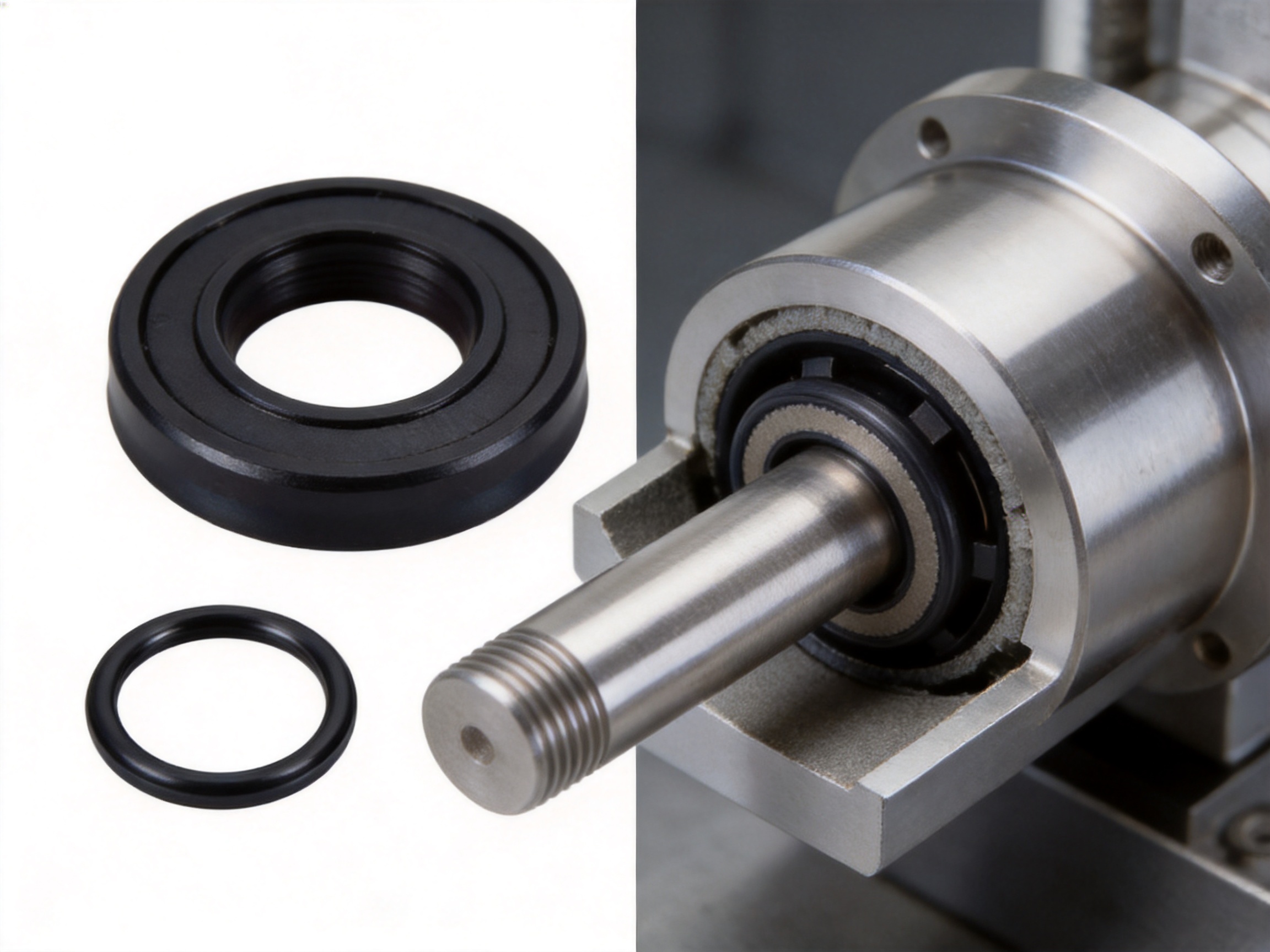
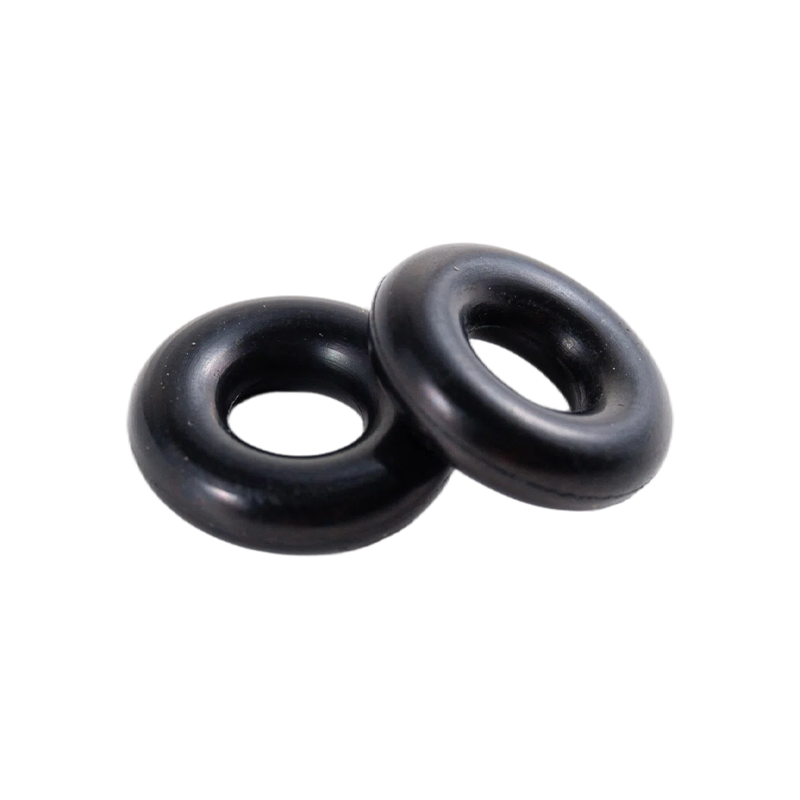
The 19 × 2.4 mm O-ring adapter is an important part of the sealing system. In a dynamic seal assembly, the primary sealing lip addresses movement along the rod, while the O-ring component can help maintain sealing between the seal body and the housing. This creates a complementary sealing arrangement rather than relying on a single contact interface.
The adapter can also help stabilize the seal in its installation position. A stable radial seal seat is important because movement, pressure variation, and assembly forces may otherwise cause the main seal to shift. The O-ring adapter should be selected and installed with attention to groove dimensions, compression, material compatibility, and lubrication.
Because the product combines a Y-type seal ring with an O-ring adapter, it can provide a more coordinated sealing solution than a standalone lip element. This integrated approach may simplify component selection and support more consistent assembly results for manufacturers producing standardized rod sets.
Material Selection: NBR for Practical Sealing Performance
The product uses NBR, or nitrile butadiene rubber, as its specified material. NBR is widely used in oil seals, O-rings, gaskets, and other sealing components because it provides a practical combination of oil resistance, elasticity, abrasion resistance, and cost efficiency.
For gas springs and dampers, NBR is often suitable where the internal medium, operating temperature, and motion conditions fall within the material’s capabilities. Its resistance to many petroleum-based oils makes it useful for applications where the seal is exposed to lubricating oil or similar media. Its elastic recovery also helps the sealing edge maintain contact with the rod during repeated movement.
NBR is not a universal material for every environment. Exposure to certain chemicals, elevated temperatures, ozone, weathering, or specialized fluids may require HNBR, FPM, or another elastomer. The company’s broader product capability includes NBR, HNBR, and FPM O-ring products, allowing customers to discuss material alternatives when the application requires a different balance of temperature resistance, chemical resistance, or long-term durability.
| Material Consideration | Relevance to the Product |
| Elasticity | Supports sealing contact during rod movement and dimensional variation. |
| Oil resistance | Suitable for many oil-based media used in gas springs, dampers, and mechanical systems. |
| Wear resistance | Helps the seal withstand repeated reciprocating movement when the rod and lubrication are properly specified. |
| Manufacturing flexibility | Supports the production of molded sealing components in compact and detailed profiles. |
| Application limits | Temperature, chemicals, fluid type, and environmental exposure must be checked before final selection. |
Material performance depends on more than the elastomer name. Compound formulation, hardness, curing conditions, filler selection, dimensional control, and storage conditions all influence the final result. For this reason, a professional sealing supplier must control both material selection and manufacturing process parameters.
Advantages Compared with Basic Sealing Solutions
Designed for Higher Loads
One of the clearest advantages of the A-1-015 design is its focus on a load range extending to 1200N. Many general-purpose seals are selected for ordinary pressure or light mechanical duty. When those seals are used in high-load rod assemblies without structural verification, they may experience deformation, leakage, premature wear, or unstable friction.
The 1200N High-Load Sealing System is designed around a more demanding operating concept. Its broad support surface and dynamic profile are intended to provide greater structural stability than a simple low-load ring. This makes it a stronger candidate for gas springs, dampers, and actuator systems in which the sealing element must remain reliable under increased mechanical demand.
Compact Dimensions for Space-Limited Assemblies
High-load capability does not always mean a large component. In furniture hardware, automotive components, medical equipment, and compact industrial mechanisms, the available installation space can be strictly limited. The 19.8 × 7.2 × 3.8 mm specification allows the product to fit a compact 19 × 8 mm rod and tube arrangement.
This compact format can help designers preserve the external dimensions of the finished product while upgrading the internal sealing arrangement. Compared with a larger seal that requires a redesigned housing, the product may reduce the need for extensive changes to the rod assembly. Final compatibility must still be confirmed through engineering drawings and trial assembly.
More Stable Dynamic Performance
Dynamic stability is a major consideration in reciprocating systems. A seal may perform adequately when stationary but become unstable when the rod moves rapidly, changes direction, or experiences side loading. A Y-type profile with a properly supported body can help maintain a more consistent relationship between the seal and the moving rod.
Stable sealing can reduce the risk of intermittent leakage and help preserve consistent gas spring or damper characteristics. It can also contribute to smoother motion by avoiding sudden changes in friction caused by seal displacement or lip distortion.
System-Level Sealing Rather Than Isolated Component Selection
The inclusion of an O-ring adapter allows the product to be treated as a sealing system rather than only a single lip component. This approach can be advantageous for manufacturers that want to simplify sourcing, assembly, and technical evaluation. A coordinated ring-and-adapter arrangement can reduce uncertainty about how separate components interact within the same housing.
Compared with purchasing unrelated seals from different sources, a system-oriented product can make it easier to identify the correct combination of dimensions, materials, and installation requirements. It also gives the manufacturer a clear product code, A-1-015, for communication and repeat purchasing.
Potential for Customized Engineering Support
Not every gas spring or damper uses the same rod diameter, housing design, fluid, temperature range, or stroke profile. A key advantage of working with a sealing technology specialist is access to customization support. The manufacturer provides product design, testing, and technical consultation, which can be valuable when an existing standard part is close to—but not exactly suitable for—the application.
Customization may involve dimensions, material selection, profile geometry, hardness, adapter configuration, or testing conditions. Any modification should be validated before mass production, but the ability to communicate directly with a technical team can shorten the path from a sealing problem to a qualified solution.
Manufacturing and Technical Strengths
Specialization in Sealing Technology
Ningguo Jnsseals Sealing Technology Co., Ltd. is a high-tech enterprise founded in 2019 and headquartered in Anhui, China. The company focuses on the research, development, and application of sealing technology for gas springs, dampers, and related O-ring products.
This specialization is relevant to the A-1-015 product because gas spring and damper seals must be developed with an understanding of both elastomer behavior and complete mechanism performance. A supplier that focuses on sealing applications can evaluate the relationship between the seal, piston rod, tube, pressure, lubricant, and assembly process rather than treating the seal as an isolated commodity.
The company’s product scope includes Y-type oil seal rings, L-shaped oil seal rings, damping oil seals, O-shaped oil seal rings, and other miscellaneous sealing items. This range indicates experience across different sealing geometries and application requirements. Such a portfolio can help customers compare alternative profiles when the operating conditions change.
Research and Development Capability
The company states that it is supported by strong research and development capabilities. For a high-load seal, research and development may include profile design, material evaluation, dimensional analysis, mold development, process optimization, and application testing.
Product development begins with understanding the customer’s working conditions. Important inputs include the nominal and maximum load, rod diameter, tube inner diameter, stroke, movement speed, operating temperature, internal medium, expected service life, and installation method. These inputs determine whether the standard A-1-015 configuration is appropriate or whether a modified design should be considered.
Engineering analysis can also help identify risks such as excessive lip interference, insufficient radial compression, extrusion, seal rolling, rod surface damage, or inadequate lubrication. By addressing these factors during design, the manufacturer can improve the probability of stable performance in production.
Advanced Production Equipment
The company is described as having advanced production equipment. In rubber seal manufacturing, suitable equipment is essential for controlling filling, molding, curing, trimming, and dimensional consistency. The equipment must be matched to the material compound and the geometry of the product.
For a compact Y-type seal ring, process control is particularly important. Small variations in lip thickness, inner diameter, height, or support geometry can affect contact pressure and assembly behavior. Stable molding conditions help produce parts with repeatable profiles, while controlled trimming helps reduce unwanted flash that could interfere with installation or sealing.
Advanced equipment alone does not guarantee product quality. It must be combined with appropriate process parameters, trained operators, preventive maintenance, material controls, and inspection procedures. The company’s technical service structure and production focus provide a foundation for managing these requirements.
Professional Technical Service
Sealing performance depends heavily on how the product is installed and used. A professional technical service team can assist customers with product selection, drawing confirmation, installation guidance, material evaluation, and application troubleshooting.
For the A-1-015 system, technical communication should confirm the housing groove, rod dimensions, permissible tolerances, surface finish, lubrication, pressure conditions, and expected cycle count. If the customer experiences leakage, technical analysis can help distinguish between seal design issues and causes such as a scratched rod, incorrect groove dimensions, contamination, excessive side load, or improper assembly.
This service-oriented approach is a practical advantage over suppliers that only provide a part number and basic dimensions. It helps customers make decisions based on the complete operating environment.
Manufacturing Process Considerations
Material Preparation
The manufacturing process begins with controlled preparation of the NBR compound. The compound must be suitable for the required hardness, elasticity, oil resistance, and molding behavior. Mixing consistency is important because uneven distribution of additives or fillers can create variations in mechanical properties.
Material batches should be identified and managed to support traceability. Proper storage protects rubber compounds from excessive heat, moisture, contamination, and premature aging. Before production, the material may be evaluated for characteristics relevant to the intended sealing application.
Mold and Profile Control
The mold determines the basic geometry of the Y-type seal. For the A-1-015 design, the mold must reproduce the 19.8 mm outer diameter, 7.2 mm inner diameter, 3.8 mm height, and supporting profile with suitable accuracy. The lip shape and support area must remain consistent because they directly influence dynamic contact and load distribution.
Mold condition is an important part of process control. Wear, damage, contamination, or incorrect alignment can affect dimensions and surface quality. Regular maintenance and inspection help ensure that the produced parts continue to match the approved design.
Compression Molding and Vulcanization
NBR seals are generally formed and vulcanized under controlled heat and pressure. The curing cycle must be sufficient to develop the required elastic properties without causing excessive degradation or dimensional instability. Temperature, pressure, time, and material flow all influence the finished component.
Inadequate curing may reduce strength and resilience, while excessive curing may affect flexibility and sealing behavior. For a dynamic seal, the final material must retain its ability to recover after deformation and maintain contact with the rod during repeated motion.
Trimming and Finishing
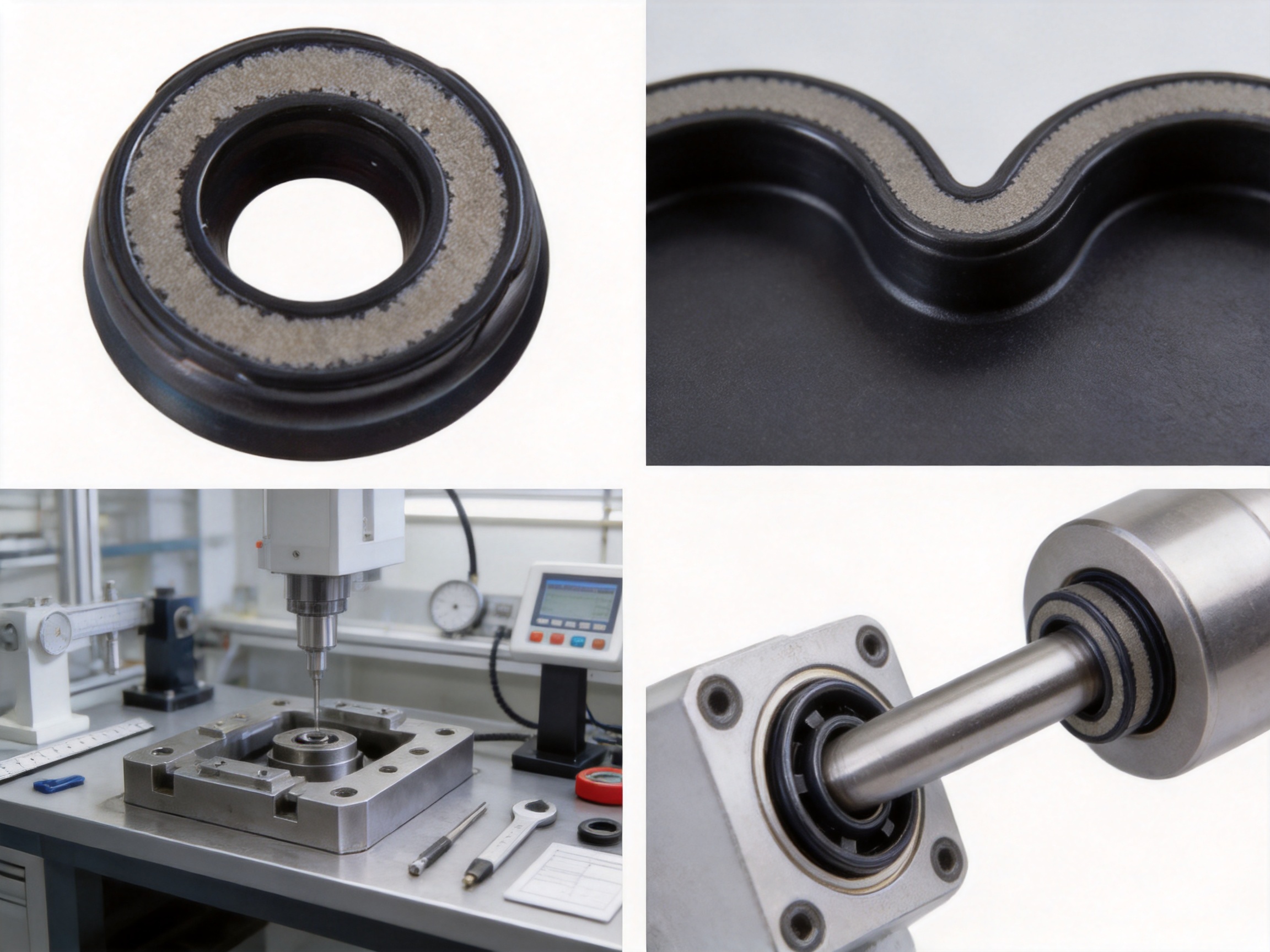
After molding, excess flash may need to be removed from the seal. Trimming must be carefully controlled so that the sealing lips and support surfaces are not damaged. Poor trimming can create loose particles, irregular edges, or changes to the contact geometry.
Finished parts should be handled in a clean environment. Contamination introduced during trimming, inspection, packaging, or assembly can create leakage paths or damage the rod surface. Clean handling is particularly important for small seals with narrow dynamic lips.
Dimensional and Visual Inspection
Inspection should verify the primary dimensions, profile condition, surface quality, and absence of visible defects. For the A-1-015 product, attention should be given to the outer diameter, inner diameter, height, adapter dimensions, lip continuity, and support surface.
Depending on customer requirements, inspection may also include material property checks and functional testing. A production control plan can define inspection frequency, sampling methods, acceptance criteria, and procedures for handling nonconforming parts.
Installation and Application Guidance
Housing and Rod Compatibility
The product is designed for a steel pipe inner diameter and piston rod arrangement of 19 × 8 mm. Before installation, customers should confirm that the actual housing and rod dimensions match the intended design. Dimensional tolerances are as important as nominal dimensions because excessive clearance can promote extrusion, while insufficient space can create excessive compression and friction.
The rod surface should be smooth, clean, and free from burrs, dents, corrosion, sharp edges, or spiral machining marks that could damage the sealing lip. The housing groove should also be clean and free from particles or machining debris.
Lubrication
Correct lubrication can support smooth assembly and reduce initial friction. The lubricant must be compatible with NBR and with the internal medium used in the gas spring or damper. Excessive or unsuitable lubricant may cause swelling, softening, contamination, or changes in friction behavior.
Lubrication should be applied consistently. Dry installation can damage the lip during the first movement, while uncontrolled lubrication can lead to inconsistent assembly results. The recommended method should be confirmed during product validation.
Assembly Technique
The seal must be installed in the correct orientation. A Y-type seal has a functional lip structure, and reversing the part may prevent it from performing as intended. Assembly tools should avoid sharp edges and concentrated forces that could cut, roll, or deform the seal.
The piston rod should be inserted in a controlled manner. If the rod edge is sharp or the seal is forced over an unsuitable transition, the lip may be damaged before the system begins operating. After assembly, the component should be checked for correct seating and, where appropriate, tested for leakage and movement resistance.
Operating Conditions
The stated applicable design pressure range is 50–1200N. Engineers should also define temperature, stroke length, movement speed, duty cycle, side load, internal medium, and expected service life. These parameters interact with one another. For example, increased speed and temperature may accelerate wear, while side loading may produce uneven contact even when nominal pressure remains within the stated range.
Testing under actual or simulated operating conditions is recommended before mass production. Short-term static testing alone may not reveal the effects of repeated movement, thermal cycling, or long-term compression.
Application Areas
Gas Springs
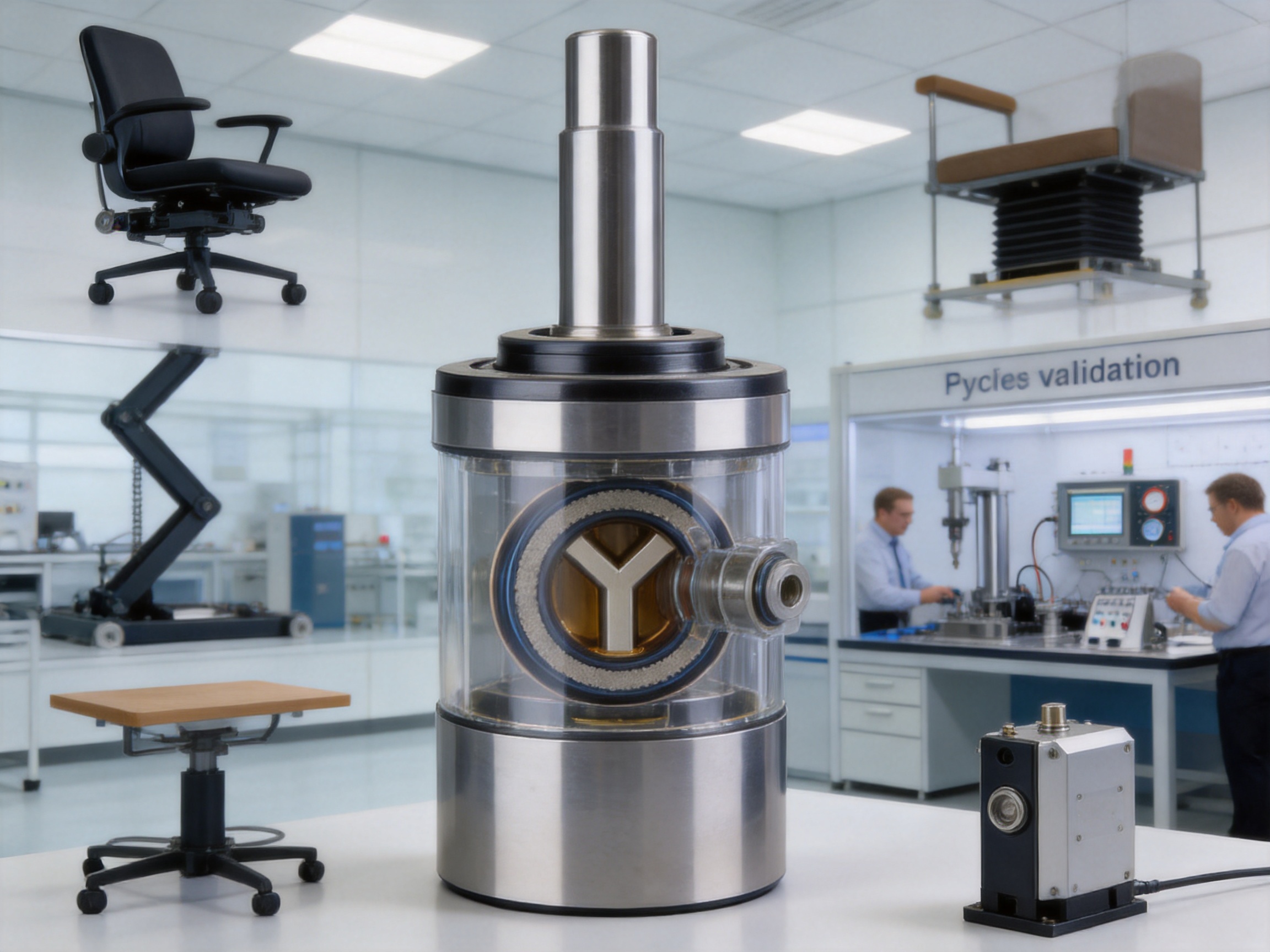
Gas springs rely on sealed pressurized gas and often include oil for lubrication and damping. The rod seal must prevent gas and oil leakage while allowing smooth extension and retraction. The A-1-015 system is designed around a compact 19 × 8 mm rod arrangement and a high-load range, making it relevant to selected gas spring configurations.
Potential applications include adjustable furniture, office seating, vehicle components, access panels, lifting supports, and industrial covers. The appropriate application depends on the complete gas spring design and must be confirmed through testing.
Dampers
Dampers use controlled resistance to manage movement and vibration. A leaking or unstable rod seal can alter the damping medium level and reduce predictable performance. A stable Y-type sealing structure may help maintain the internal medium and support repeatable movement characteristics.
In compact dampers, the seal must operate within limited radial space while handling repeated reciprocation. The small dimensions of the A-1-015 design can support applications where the housing cannot be enlarged.
Automotive and Transportation Components
Automotive mechanisms often require compact, durable sealing components. Gas struts, seat mechanisms, access systems, damping assemblies, and other moving components may benefit from a specialized rod seal. Automotive environments can involve vibration, temperature changes, dust, and repeated cycling, so validation under representative conditions is essential.
Furniture and Home Appliances
Furniture lifting systems, recliner mechanisms, adjustable tables, cabinets, and appliance doors may use gas springs or dampers to control movement. These products require smooth operation, predictable force, and reliable service life. A compact high-load seal can contribute to the durability and user experience of the finished assembly.
Medical and Industrial Equipment
Medical equipment, construction equipment, industrial covers, and mechanical support systems may also use compact actuators or dampers. In these areas, consistent performance and clean manufacturing practices are important. Customers should define any special requirements concerning cleanliness, chemical exposure, temperature, and regulatory compliance before selecting the material and design.
Quality, Testing, and Validation
Product validation should begin with a clear definition of the application. The nominal load range is only one part of the requirement. Engineers should record pressure or force, stroke, speed, temperature, fluid, rod surface condition, housing dimensions, lubrication, cycle count, and acceptable leakage.
Static leakage testing can verify initial sealing under a specified condition. Dynamic testing can evaluate performance during repeated reciprocation. Endurance testing can indicate how the seal behaves after extended cycling. Temperature testing can reveal changes in material properties and friction. Dimensional inspection before and after testing can help identify wear, deformation, or compression set.
Testing should also consider assembly variation. A seal that performs well in a carefully controlled laboratory assembly may behave differently when installed across multiple production lines. Confirming the effects of realistic tolerances, handling methods, lubrication amounts, and rod conditions can improve production reliability.
| Validation Area | Key Questions |
| Dimensional fit | Do the 19.8 × 7.2 × 3.8 mm seal dimensions match the housing and rod assembly? |
| Static sealing | Does the assembly prevent leakage while stationary at the required load? |
| Dynamic sealing | Does the seal maintain performance during repeated rod movement? |
| Friction | Is movement resistance consistent and acceptable for the mechanism? |
| Material compatibility | Does NBR remain stable with the internal medium, lubricant, and environment? |
| Endurance | Does the seal retain its function after the expected operating cycles? |
| Assembly robustness | Can production personnel install the seal without rolling, cutting, or deforming it? |
Testing results should be documented and connected to the product code and material batch where possible. This creates a technical record that can support repeat orders, product improvement, and troubleshooting.
Why Choose a Specialized Sealing Partner?
Seals are small components, but they can determine the reliability of an entire mechanism. A failure may lead to leakage, loss of force, inconsistent damping, noise, increased friction, field returns, and customer dissatisfaction. Choosing a supplier only on unit price can therefore create higher total costs if the product does not match the application.
A specialized sealing partner can contribute at several stages. During the design stage, the supplier can review dimensions and material selection. During prototyping, the supplier can support trial production and performance evaluation. During mass production, the supplier can help maintain consistency and resolve process issues. During product changes, the supplier can assist with alternative materials or profiles.
The company’s experience with gas springs, dampers, and O-ring products supports this application-centered approach. Its stated capabilities in product design, testing, and technical consultation are particularly relevant to customers who need more than a standard catalog component.
The company also serves industries including automotive, furniture, home appliances, medical equipment, construction, and other sectors. Exposure to these markets can help inform solutions for different combinations of movement, load, environmental conditions, and production volume.
Customization and Product Development Support
The A-1-015 product is a defined standard configuration, but many customers require modifications. A custom development project may begin with a drawing, sample, failed seal, or description of the operating problem. The technical team can then evaluate whether the issue is related to geometry, material, installation, lubrication, or system design.
Possible development directions include modifying the inner lip geometry, changing the outer support structure, adjusting the adapter arrangement, selecting HNBR or FPM instead of NBR, or adapting the dimensions to another rod and tube combination. Any proposed change should be supported by technical drawings and validation samples.
Material changes must be considered carefully. HNBR may be selected for improved heat and aging performance in some applications, while FPM may be considered where higher temperature or chemical resistance is needed. These materials can have different elasticity, friction, processing behavior, and cost. The best material is therefore the one that matches the complete operating environment rather than simply the material with the highest individual property.
Customized sealing development can also include packaging, identification, production quantities, and inspection requirements. A clear product code and documented specification help ensure that the approved design is reproduced consistently in future orders.
Purchasing and Technical Communication Checklist
Customers evaluating the 1200N High-Load Sealing System should provide complete technical information whenever possible. This allows the manufacturer to confirm suitability and avoid delays caused by incomplete specifications.
Required seal dimensions and housing drawing.
Piston rod diameter, material, hardness, and surface finish.
Steel pipe inner diameter and groove dimensions.
Nominal and maximum load or pressure.
Stroke length, movement speed, and cycle frequency.
Operating and storage temperature range.
Internal gas, oil, grease, or other medium.
Lubricant type and assembly method.
Required service life and endurance cycle count.
Environmental exposure, including dust, moisture, chemicals, and ozone.
Annual demand, packaging requirements, and inspection standards.
Providing this information enables a more accurate technical review. It also helps determine whether the standard NBR A-1-015 configuration is suitable or whether a customized NBR, HNBR, or FPM solution should be considered.
Q&A
What is the 1200N High-Load Sealing System?
It is a Y-type dynamic oil seal ring system identified by product code A-1-015. It is designed for compact rod assemblies and has an applicable design pressure range of 50–1200N. The system includes the main seal ring and a 19 × 2.4 mm O-ring adapter.
What are the product dimensions?
The product specification is 19.8 × 7.2 × 3.8 mm. The outer diameter is 19.8 mm, the inner diameter is 7.2 mm, and the height is 3.8 mm. The intended steel pipe inner diameter and piston rod diameter are 19 × 8 mm.
What material is used?
The specified material is NBR, or nitrile butadiene rubber. NBR is widely used for oil seals because of its elasticity, oil resistance, abrasion resistance, and practical manufacturing performance.
Is the product suitable for every 1200N application?
No. The 1200N designation describes the product’s intended design range, but actual suitability depends on temperature, movement speed, stroke, medium, rod finish, housing dimensions, lubrication, side load, and service life. Application testing is recommended before approval for mass production.
What is the function of the O-ring adapter?
The O-ring adapter helps seal and stabilize the seal assembly between the seal body and the housing. It complements the dynamic sealing function of the Y-type lip around the moving rod.
What are the main advantages over a basic oil seal?
The product is designed specifically for higher-load service, includes a broad support surface, provides a compact profile for a 19 × 8 mm rod set, and combines a Y-type dynamic seal with an O-ring adapter. These features may provide greater stability than a general-purpose light-duty seal when the application is correctly matched.
Can the product be customized?
The manufacturer provides product design, testing, and technical consultation. Customers can discuss customized dimensions, profile changes, and alternative materials such as HNBR or FPM when the standard NBR configuration does not meet the application requirements.
What should be checked before installation?
Users should check the housing groove, rod diameter, rod surface condition, seal orientation, lubricant compatibility, assembly tools, and dimensional tolerances. The seal and housing should be clean, and the rod should not have burrs, scratches, or sharp edges that could damage the lip.
Which industries may use this sealing system?
Potential industries include gas spring manufacturing, damper production, automotive, furniture, home appliances, medical equipment, construction, and industrial machinery. The final application must be confirmed through technical evaluation.
How can customers request technical support?
Customers can provide the operating conditions, drawings, samples, or failure information to the manufacturer’s technical team. The company offers product design, testing, and technical consultation for sealing applications.
Conclusion
The 1200N High-Load Sealing System is a compact Y-type oil seal ring developed for demanding rod sealing applications. Its A-1-015 configuration combines 19.8 × 7.2 × 3.8 mm dimensions, a 19 × 2.4 mm O-ring adapter, NBR material, a large support surface, and an applicable design pressure range of 50–1200N.
The product’s key value lies in its application-focused structure. It is intended to support dynamic stability, load distribution, and reliable sealing within a 19 × 8 mm rod and steel pipe arrangement. Compared with basic seals designed for lighter service, it offers a more specialized approach to high-load gas spring and damper requirements.
Its performance is also supported by the broader strengths of a sealing technology manufacturer focused on research and development, advanced production equipment, technical service, testing, and customized solutions. These capabilities are important because seal reliability depends on material quality, profile accuracy, process consistency, installation, and system validation.
For engineers and purchasing teams, the best selection process begins with complete operating data. When the load, rod, housing, medium, temperature, motion, lubrication, and service-life requirements are properly reviewed, the A-1-015 system can be evaluated as a practical option for high-load sealing projects. Where requirements differ, customized NBR, HNBR, or FPM solutions can be explored through technical consultation.
References
1. Product specification sheet for A-1-015, 1200N High-Load Sealing System.
2. Manufacturer-provided company profile and sealing technology capability statement.
3. General engineering principles for reciprocating rod seals and dynamic oil seal design.
4. General technical references concerning NBR, HNBR, and FPM elastomer selection.
5. General guidelines for gas spring, damper, and actuator seal installation and validation.
Product: 1200N High-Load Sealing System

PREV:25.9 mm Precision-Gap Seal: Engineering Performance, Fit, and Reliable Application
NEXT:16.8 mm Standard Industrial Y-Seal for Reliable Rod Sealing
NEXT:16.8 mm Standard Industrial Y-Seal for Reliable Rod Sealing


Want to know more
about us?
about us?

Precision sealing for gas springs and dampers. Durable, wear-resistant, and built for long-life performance in demanding applications.
Product Categories
Quick Links
Contact Us
-
Email: jns@jnsseals.cn

-
Email: LouZhuoyu@outlook.com
-
Manager Gong: +86-18563770820

-
Manager Wang: +8615357558902
-
No. 5, Meilin Avenue, Meilin Industrial Development Zone, Ningguo City, Anhui Province, China

