

 English
 русский
 Deutsch
 Türk
Türk 中文简体
中文简体
26mm Durable Industrial Seal: Design, Performance, and Application Guide
26mm Durable Industrial Seal: Design, Performance, and Application Guide
26mm Durable Industrial Seal: Design, Performance, and Application Guide
26mm Durable Industrial Seal: Design, Performance, and Application Guide
26mm Durable Industrial Seal: Design, Performance, and Application Guide
26mm Durable Industrial Seal: Design, Performance, and Application Guide
26mm Durable Industrial Seal: Design, Performance, and Application Guide
26mm Durable Industrial Seal: Design, Performance, and Application Guide
26mm Durable Industrial Seal: Design, Performance, and Application Guide
26mm Durable Industrial Seal: Design, Performance, and Application Guide
26mm Durable Industrial Seal: Design, Performance, and Application Guide
26mm Durable Industrial Seal: Design, Performance, and Application Guide
26mm Durable Industrial Seal: Design, Performance, and Application Guide
26mm Durable Industrial Seal: Design, Performance, and Application Guide
26mm Durable Industrial Seal: Design, Performance, and Application Guide
26mm Durable Industrial Seal: Design, Performance, and Application Guide

Shen Ruolan — After-Sales Technical Consultant
Home / Author / Shen Ruolan — After-Sales Technical Consultant / 26mm Durable Industrial Seal: Design, Performance, and Application Guide
NEW Category
Contact us
26mm Durable Industrial Seal: Design, Performance, and Application Guide
Content
- 1 Product Overview and Identification
- 2 Why the Y-Type Profile Matters
- 3 NBR Material and Functional Benefits
- 4 Fatigue Strength and Million-Cycle Design Objective
- 5 Advanced Manufacturing Capabilities
- 6 Advantages Compared with Basic Competitive Seals
- 7 Installation and Assembly Guidance
- 8 Application Areas
- 9 Quality Control and Technical Service
- 10 Purchasing Considerations for OEM and Industrial Buyers
- 11 Maintenance and Storage Recommendations
- 12 Frequently Asked Questions
- 12.1 What is the A-1-032 product?
- 12.2 What material is used for this seal?
- 12.3 What does the Y-type profile do?
- 12.4 What does the 26 mm specification mean?
- 12.5 What is the listed O-ring adapter size?
- 12.6 Can the seal be used for any 8 mm piston rod?
- 12.7 What is the stated design load range?
- 12.8 Is the product suitable for high-cycle equipment?
- 12.9 How does the seal compare with a basic generic ring?
- 12.10 Can the material be changed if NBR is not suitable?
- 12.11 What should be checked before installation?
- 12.12 Can the company provide customized seals?
- 12.13 Which industries may use this type of product?
- 13 Conclusion
- 14 References
- 15 Product: 26mm Durable Industrial Seal
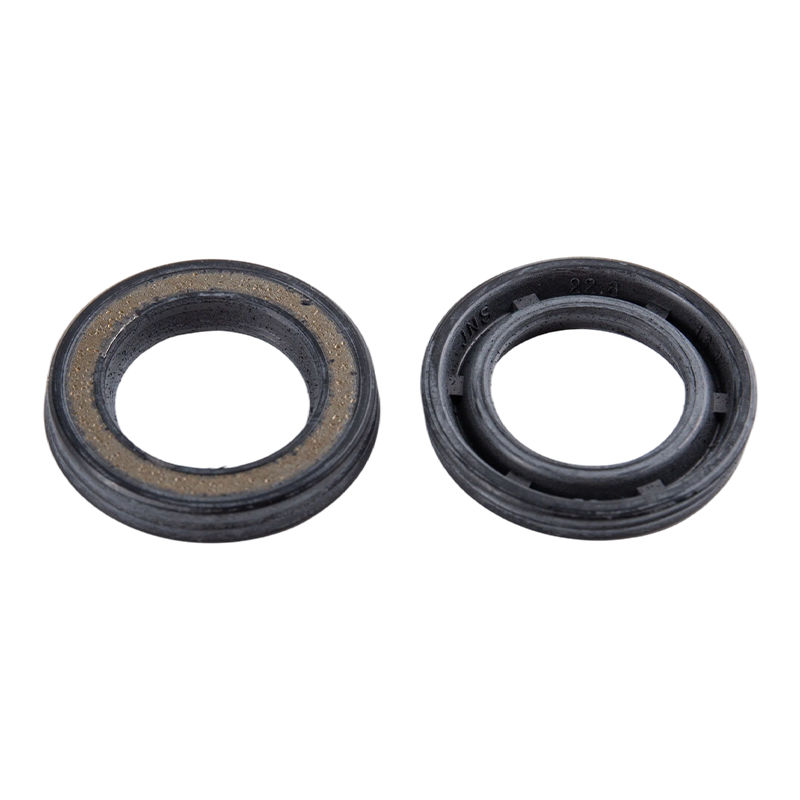
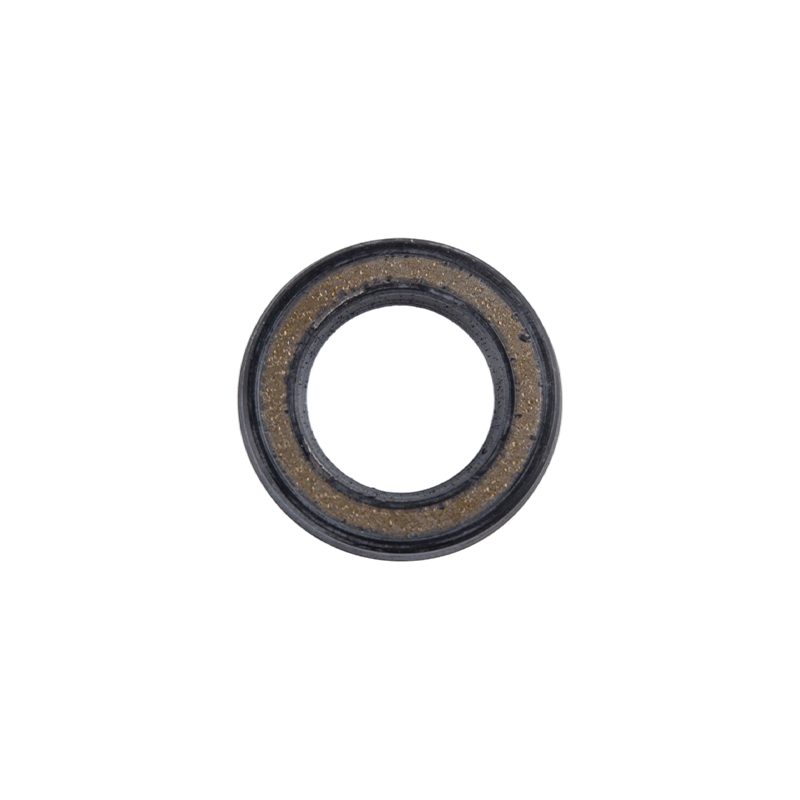
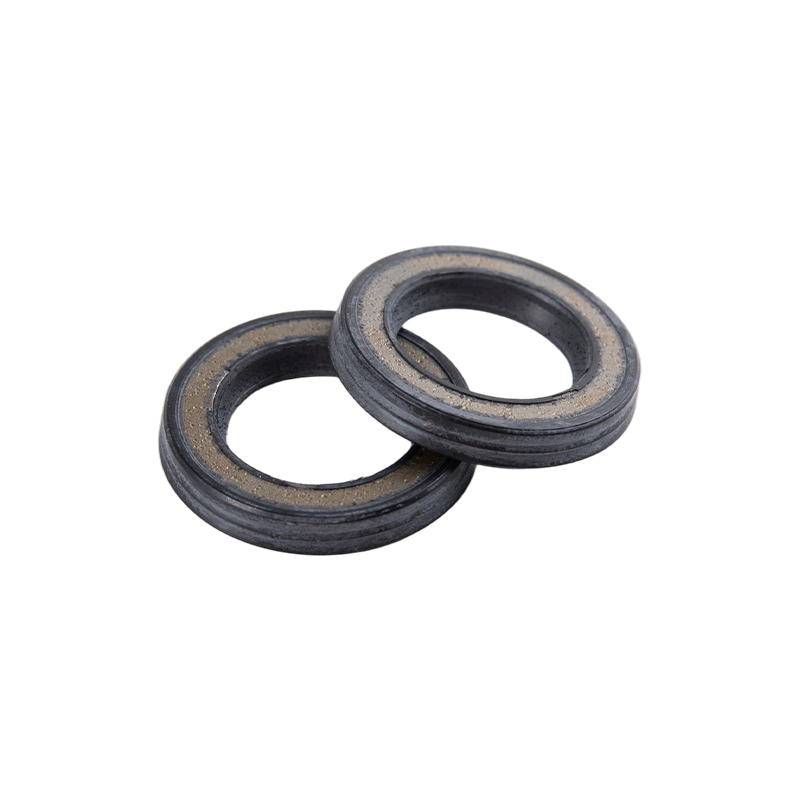
The 26mm Durable Industrial Seal is a compact Y-type oil seal ring designed for demanding sealing applications in gas springs, dampers, piston assemblies, and related mechanical systems. Identified by product code A-1-032, this sealing component combines a 26 mm outside diameter, a 7.2 mm inside diameter, and a 4 mm height in a carefully proportioned design. Its primary material is nitrile butadiene rubber, commonly known as NBR, a widely used elastomer recognized for its resistance to mineral oils, lubricants, and ordinary industrial operating conditions.
Although the component is small, its role is essential. A seal ring must maintain contact with a moving piston rod or mating surface, control lubricant retention, prevent the entry of contaminants, and continue functioning through repeated compression and relaxation. In a gas spring or damper, the seal is also part of a pressure-management system. Its geometry, material formulation, installation condition, and compatibility with an O-ring adapter all influence service life and operating stability.
The A-1-032 focuses on fatigue strength and long-cycle reliability. Its stated performance objective is a million-cycle life under loads reaching 2000 N, subject to suitable application conditions, correct installation, compatible lubrication, and proper system design. The seal also offers strong shape memory, allowing the elastomer to recover its intended profile after repeated deformation. This characteristic supports stable contact and helps the ring remain effective over an extended operating period.
Manufactured by Ningguo Jnsseals Sealing Technology Co., Ltd., the product reflects a manufacturing approach centered on sealing technology for gas springs, dampers, and O-ring products. The company supports product development through material selection, mold design, process control, inspection, testing, and technical consultation. These capabilities are particularly important for small sealing components, where a minor dimensional deviation can influence friction, leakage, assembly force, and fatigue performance.
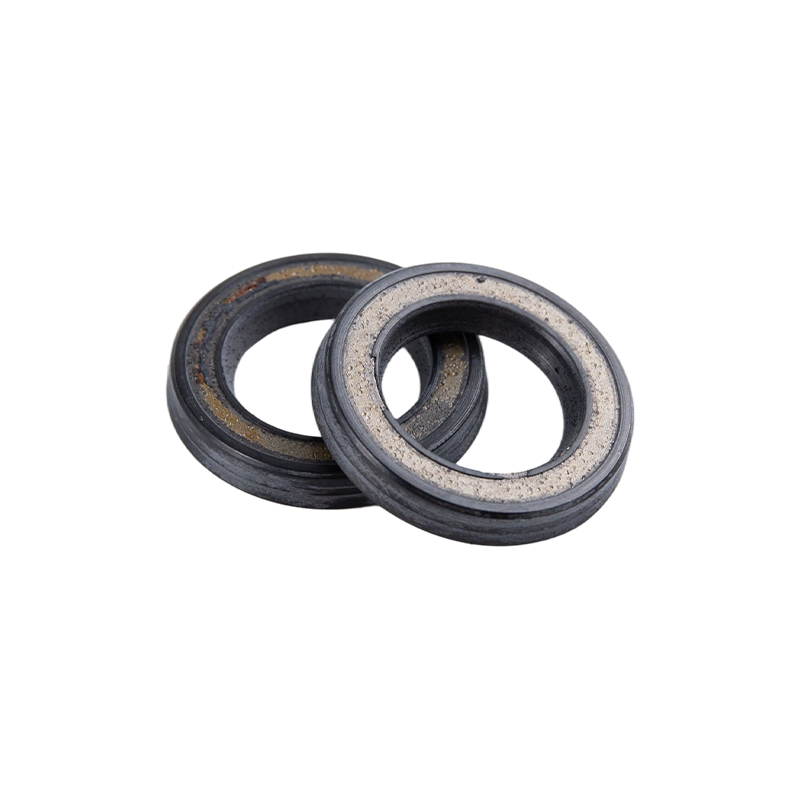
26mm Durable Industrial Seal
Product Overview and Identification
The A-1-032 is categorized as a Y-type oil seal ring. The Y-shaped sealing profile is commonly used when a component must create a reliable sealing interface around a reciprocating rod or piston. Its geometry typically provides sealing lips or contact surfaces that respond to pressure and movement. Depending on the specific assembly, the profile may help retain lubricant on one side while restricting the passage of gas, oil, or external contaminants.
The name “26mm Durable Industrial Seal” refers primarily to its outside diameter. The complete dimensional specification is 26*7.2*4, which corresponds to an outside diameter of 26 mm, an inside diameter of 7.2 mm, and a height of 4 mm. These dimensions should be treated as a matched set. Selecting a seal only by its outside diameter without verifying the bore, rod diameter, groove, compression, and supporting components can lead to premature wear or leakage.
| Item | Specification | Application Significance |
| Product name | 26mm Durable Industrial Seal | Identifies the compact industrial sealing component |
| Product code | A-1-032 | Supports ordering, traceability, and technical communication |
| Seal type | Y-type oil seal ring | Designed for sealing around moving or reciprocating components |
| Outside diameter | 26 mm | Corresponds to the housing or bore-side installation dimension |
| Inside diameter | 7.2 mm | Relates to the piston rod or mating shaft interface |
| Height | 4 mm | Defines the axial installation space |
| O-ring adapter | 25*2.4 | Provides a related adapter dimension for the assembly |
| Material | NBR | Provides oil resistance, elasticity, and practical industrial durability |
| Design load range | 50-2000 N | Indicates the stated design range for the applicable assembly |
| Steel pipe inner diameter and piston rod diameter | 25*8 | Defines the associated pipe and rod configuration |
The product information also lists a steel pipe inner diameter and piston rod diameter of 25*8. This indicates the intended relationship between the surrounding pipe and the rod in the applicable assembly. Because the seal itself has a 7.2 mm inside diameter while the listed rod diameter is 8 mm, engineers should confirm the actual compression, interference, chamfer, and installation arrangement before production use. Seal dimensions can be specified according to free-state geometry, while performance depends on the installed state.
The O-ring adapter specification of 25*2.4 provides additional information about the sealing system. In many assemblies, a primary seal is supported by an O-ring, adapter, retainer, or backup feature. The adapter can assist positioning or provide secondary sealing. Compatibility between these parts is essential. The adapter must not distort the Y-type profile, obstruct the sealing lips, or create excessive local stress during assembly.
Why the Y-Type Profile Matters
A Y-type seal profile is designed to create a functional sealing interface while allowing controlled movement. The profile can be formed with two sealing legs or lips separated by a central section. When installed, the lips contact adjacent surfaces and can respond to mechanical pressure, lubricant, and system movement. This makes the profile suitable for applications where a simple static O-ring may not provide the required dynamic behavior.
In a reciprocating application, the seal must tolerate repeated sliding. The rod moves in and out, changing the contact conditions at the sealing lips. If the seal is too loose, leakage may occur. If it is too tight, friction and heat can increase. The Y-type design seeks a practical balance between contact pressure, flexibility, lubricant retention, and resistance to extrusion or rolling.
Profile stability is especially important in small components. A small seal has limited cross-sectional material, so the geometry must be consistent throughout the circumference. An uneven lip, irregular edge, or local molding defect can create a preferential leak path. For this reason, modern sealing production depends not only on the selected elastomer but also on precision mold manufacturing, controlled vulcanization, trimming, visual inspection, and dimensional verification.
The A-1-032 is intended to provide simple fitting in the relevant assembly. Simple fitting can reduce installation time and lower the risk of damage caused by excessive stretching, twisting, or forced insertion. However, easy installation does not eliminate the need for proper preparation. The housing and rod should be free from sharp edges, burrs, and contamination, and the seal should be installed in the correct orientation.
A Y-type seal should not be treated as a universal replacement for every oil seal. Its suitability depends on the medium, pressure or load, temperature, shaft speed, stroke, surface finish, and available installation space. The stated design range of 50-2000 N is related to the listed application and should be evaluated together with the complete mechanical system rather than interpreted as an independent pressure rating.
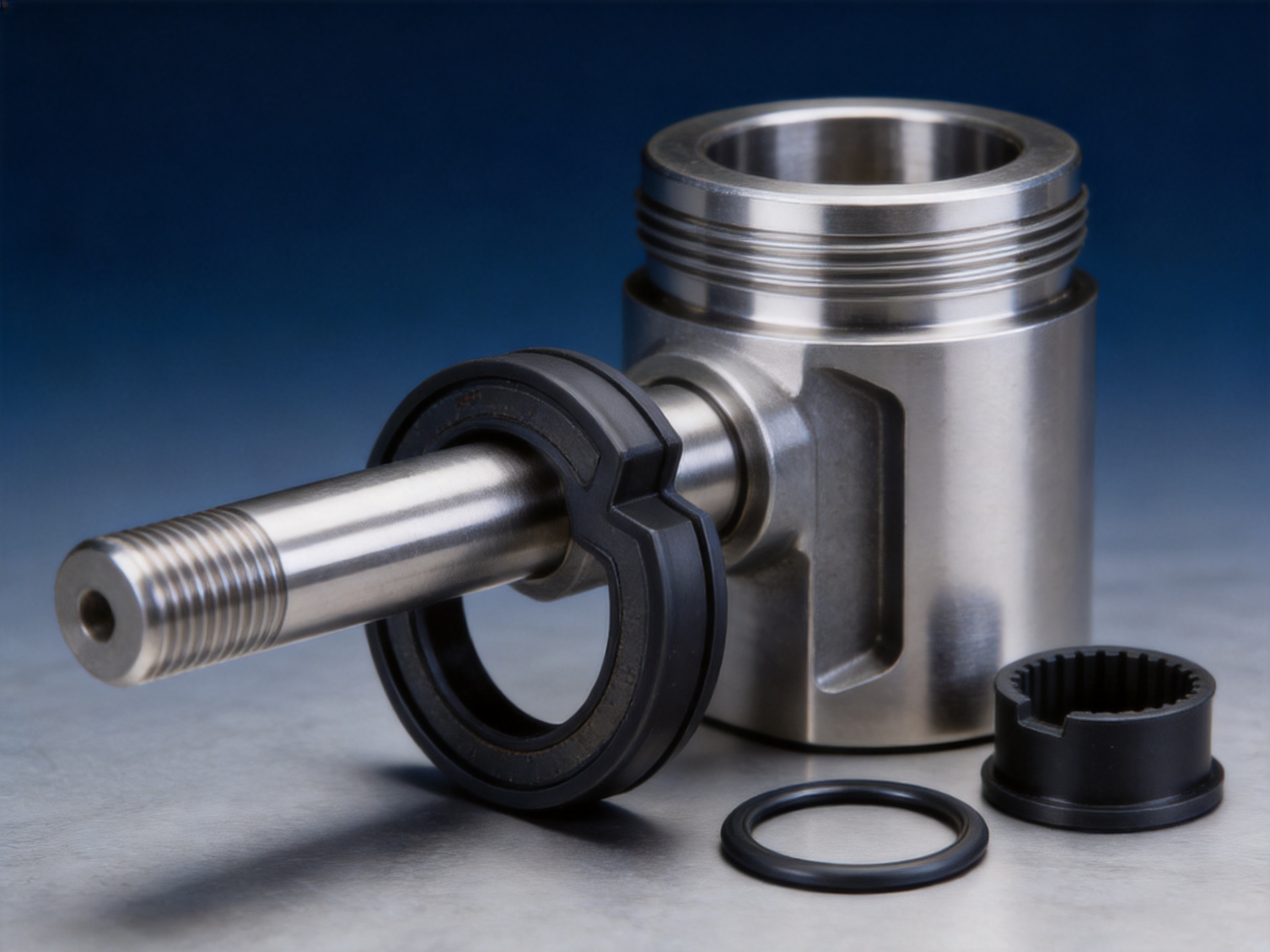
NBR Material and Functional Benefits
NBR is one of the most established materials for oil-resistant sealing products. It is produced from acrylonitrile and butadiene components, and the balance between these components influences oil resistance, flexibility, low-temperature behavior, and mechanical properties. For general industrial sealing, NBR is often selected because it provides a useful combination of elasticity, abrasion resistance, tensile strength, and cost efficiency.
For gas spring and damper applications, NBR can be a practical material when the operating medium and temperature are compatible with its performance range. It is commonly used with mineral oil and many petroleum-based lubricants. The material can maintain a resilient contact force after installation, helping the seal stay engaged with the rod and housing. Its resilience also supports recovery after temporary deformation.
The material selection offers several advantages over lower-grade or poorly matched elastomers. A weak material may develop permanent deformation, cracking, swelling, or loss of contact pressure. An incompatible material may soften in the lubricant or become brittle at operating temperature. NBR does not remove all such risks, but a properly formulated and processed NBR compound provides a dependable balance for ordinary oil-based industrial applications.
The product description emphasizes strong shape memory. In practical terms, shape memory in an elastomeric seal refers to its ability to recover toward its original molded geometry after compression, stretching, or repeated movement. This recovery helps preserve the sealing lips and reduces the likelihood of a permanent flattened profile. Consistent elastic recovery is valuable in systems exposed to frequent cycling.
Material performance is influenced by more than the base polymer. Fillers, plasticizers, curing agents, antioxidants, processing aids, and reinforcing ingredients can affect hardness, compression set, tear strength, and resistance to aging. A professional manufacturer therefore needs control over formulation and mixing, as well as the ability to verify that the finished compound meets the intended product requirements.
NBR is not the correct solution for every environment. Applications involving high ozone exposure, aggressive chemicals, unusually high temperatures, or specialized fuels may require HNBR, FPM, or another elastomer. Ningguo Jnsseals Sealing Technology Co., Ltd. identifies NBR, HNBR, and FPM among its broader O-ring product capabilities. This wider material knowledge can support the selection of an alternative when the operating environment exceeds the practical range of standard NBR.
Fatigue Strength and Million-Cycle Design Objective
Fatigue is one of the most important considerations for a seal used in a gas spring, damper, or repeatedly actuated mechanism. Each operating cycle can compress the seal, shift its contact area, flex its lips, and expose the material to frictional forces. Over time, repeated deformation may cause wear, cracking, compression set, or a gradual loss of sealing force.
The A-1-032 is described as focusing on fatigue strength, with a million-cycle life under loads up to 2000 N. This is a significant design objective for components used in high-cycle equipment. A million-cycle target can reduce maintenance frequency, support predictable service intervals, and improve the reliability of products such as adjustable furniture, vehicle systems, equipment supports, or industrial dampers.
A cycle-life result is meaningful only when the test or application conditions are understood. Load, stroke length, frequency, temperature, lubricant, rod surface finish, seal compression, and contamination all influence fatigue behavior. A seal that reaches a long cycle life in one controlled configuration may perform differently in another. Purchasers and design engineers should therefore request application-specific validation when the seal is used in a critical or unusually demanding system.
The design objective nevertheless indicates that the product is intended for more than occasional static sealing. Its profile and material are selected for repeated movement, and its stated fatigue emphasis distinguishes it from basic low-duty gaskets. The combination of elastic recovery, controlled geometry, and NBR durability is intended to help maintain sealing performance throughout repeated operation.
Fatigue resistance also depends on the absence of local defects. A small nick on a sealing lip can become a starting point for tearing. A surface void can expand under cyclic stress. Excessive flash can increase friction or interfere with seating. Manufacturing inspection is therefore directly connected to field life. Good process control is not merely a cosmetic consideration; it is a factor in the durability of the complete seal.
Factors That Support Long Service Life
Correct installation is the first factor. The rod and bore should be cleaned, edges should be chamfered where appropriate, and assembly tools should not cut or scrape the sealing lips. The seal should not be twisted or rolled into an unintended orientation. If lubrication is specified, it should be compatible with NBR and applied in a controlled amount.
Surface finish is another major factor. A rod that is too rough can abrade the lip, while a surface that is excessively smooth may not retain an appropriate lubricant film. Corrosion, dents, scratches, and plating defects can create leak paths or accelerate wear. The housing should also maintain the seal concentrically so that contact pressure remains even around the circumference.
Operating conditions must remain within the intended design envelope. High temperature can accelerate aging and reduce material strength. Low temperature can increase stiffness and reduce flexibility. Excessive pressure can force the seal into clearances, while high speed can create heat at the sliding interface. Dust, metal particles, and chemical contamination can also damage the sealing surface.
These considerations show why a durable seal is a system solution rather than an isolated component. The A-1-032 can provide a strong foundation for reliable sealing, but the surrounding mechanical design must support its intended function.
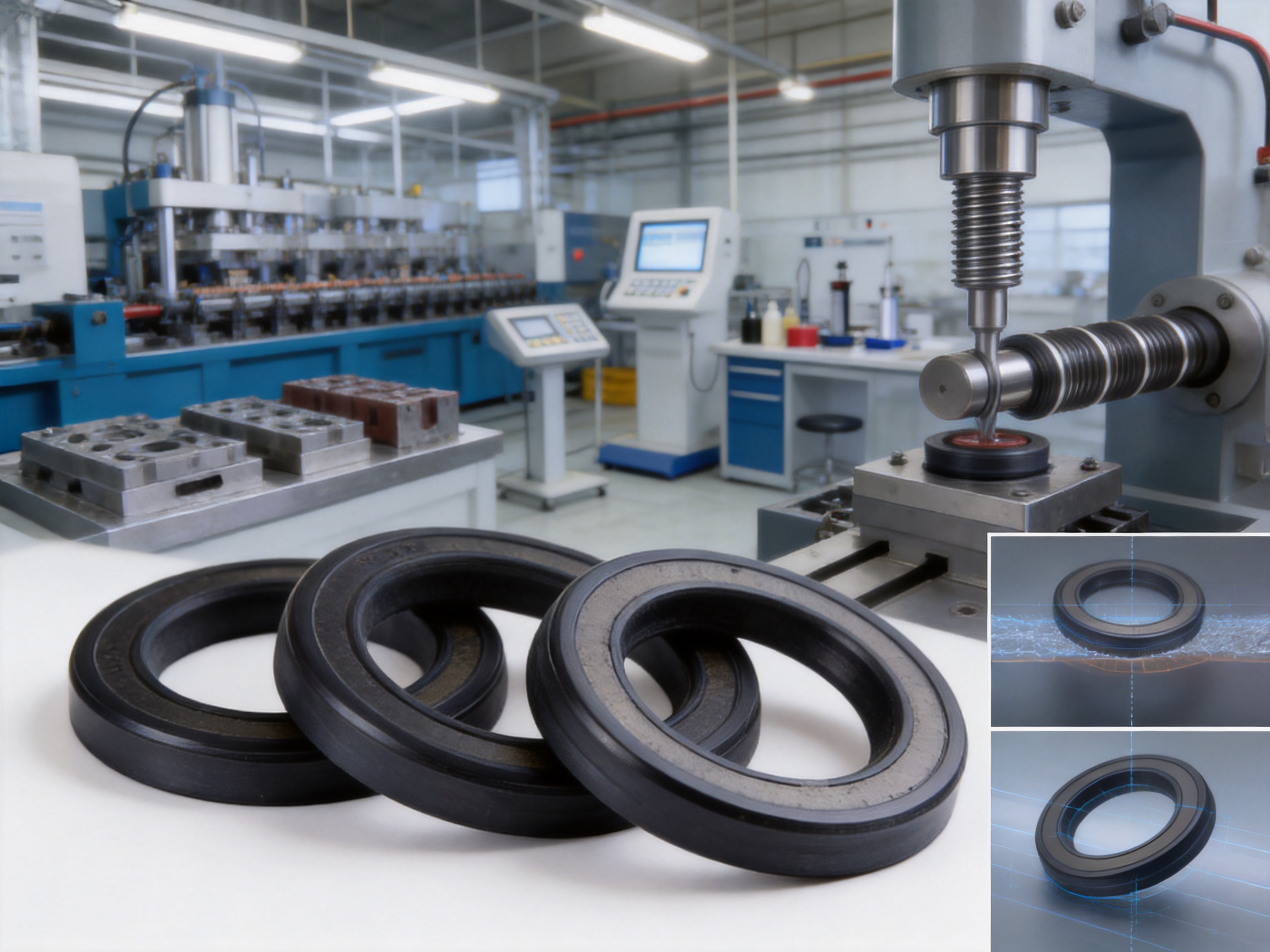
Advanced Manufacturing Capabilities
Ningguo Jnsseals Sealing Technology Co., Ltd. was founded in 2019 as a high-tech enterprise headquartered in Anhui, China. Its stated focus is the research, development, and application of sealing technology for gas springs and dampers, together with related O-ring products. This specialization is relevant to the A-1-032 because the product is not simply a generic rubber washer. It is designed for an application where dynamic movement, load, lubricant retention, and fatigue resistance must be considered together.
Advanced sealing manufacture begins with engineering. Product development may include interpreting customer drawings, defining installation dimensions, selecting a suitable compound, analyzing the profile, designing the mold, and evaluating likely failure modes. For a Y-type seal, engineers must consider lip geometry, wall thickness, material flow, demolding behavior, compression, contact pressure, and the relationship between the seal and its adapter.
Mold design is particularly important for a 26 mm component. The mold must reproduce the profile accurately and consistently. The cavity should support uniform material filling and controlled vulcanization. Parting lines and flash locations should be managed so they do not interfere with the functional sealing lips. A stable mold also helps maintain repeatability across production batches.
Rubber mixing and compounding require controlled procedures. The raw materials must be weighed accurately, mixed uniformly, and processed at appropriate temperatures and times. Inconsistent mixing can create hard spots, soft spots, or variations in elasticity. A professional production system uses defined recipes and process parameters so that the compound remains consistent from one batch to another.
Vulcanization converts the compounded rubber into an elastic finished material. Time, temperature, pressure, and mold conditions must be controlled. Under-curing may leave the material weak or overly soft, while over-curing can reduce flexibility or increase brittleness. Proper curing helps the seal achieve the intended balance of hardness, resilience, compression resistance, and dimensional stability.
After molding, post-processing may include trimming flash, removing unwanted edges, cleaning the component, and checking the sealing lips. Automated or semi-automated equipment can improve consistency, but skilled personnel remain important for identifying unusual defects. A seal intended for dynamic service must be inspected not only for general appearance but also for the integrity of the areas that contact the rod and housing.
Inspection can include dimensional measurement, visual examination, hardness testing, tensile and elongation evaluation, compression-set assessment, and other tests selected for the application. For a product such as A-1-032, outside diameter, inside diameter, height, profile shape, and adapter compatibility are important control points. Testing should be organized according to product specifications, customer requirements, and applicable quality procedures.
The company describes strong research and development capabilities, advanced production equipment, and a professional technical service team. Together, these strengths can support the transition from a standard catalog product to a customized sealing solution. Customers may require a modified dimension, a different material, a special hardness, a revised profile, or a particular packaging and inspection plan. Technical consultation helps determine whether the existing A-1-032 is suitable or whether a tailored version is more appropriate.
Advantages Compared with Basic Competitive Seals
Several characteristics distinguish the A-1-032 from a basic, low-cost seal that is selected only by approximate size. The first is application orientation. The product is presented as a Y-type oil seal ring for gas spring and damper-related systems, with a stated focus on fatigue strength. A generic ring may fit physically but lack the profile stability and dynamic performance needed for long-term reciprocating service.
The second advantage is the combination of defined dimensions and related assembly information. The product specification identifies the 26 mm outside diameter, 7.2 mm inside diameter, 4 mm height, 25*2.4 O-ring adapter, and 25*8 pipe-and-rod configuration. This information helps engineers evaluate the seal as part of an assembly rather than as an isolated rubber part.
The third advantage is the stated million-cycle design objective under loads reaching 2000 N. While actual service life depends on operating conditions, the focus on high-cycle performance provides a useful point of comparison against seals designed for intermittent or low-duty use. Customers looking to reduce replacement frequency may benefit from choosing a component developed with fatigue behavior in mind.
The fourth advantage is the use of NBR for compatible oil-based applications. NBR is not necessarily the most expensive elastomer, but it is often a technically efficient choice. It offers a practical blend of oil resistance, flexibility, wear resistance, and affordability. A well-formulated NBR seal can outperform a poorly selected premium material if it is better matched to the lubricant, temperature, pressure, and motion of the application.
The fifth advantage is manufacturing support. A supplier that understands gas springs, dampers, and related O-ring products can offer more useful technical feedback than a distributor with no production or development capability. The ability to discuss dimensions, material alternatives, testing, and application conditions can reduce trial-and-error during product development.
The sixth advantage is customization potential. Sealing requirements vary between automotive components, furniture gas springs, home appliances, medical equipment, and construction products. A manufacturer with research, testing, and production capabilities can adapt its solution to different requirements. This can be more valuable than choosing a nominally similar seal that cannot be modified or technically supported.
Competitive advantage should always be evaluated through verification. Purchasers should compare material data, dimensional tolerances, fatigue results, compression set, friction, leakage, temperature behavior, and batch consistency. The A-1-032 provides a strong set of stated design features, while application testing confirms whether those features satisfy the specific customer requirement.
Installation and Assembly Guidance
Before installation, inspect the seal, rod, housing, adapter, and associated components. The seal should be free from cuts, cracks, foreign particles, and excessive flash. The rod should be straight and free from burrs. The housing should have the correct diameter and depth, and any entry chamfer should be sufficient to guide the seal without cutting the lip.
Cleanliness is essential. Dust, metal chips, machining debris, and dried lubricant can damage the seal during the first few cycles. Components should be cleaned with a method that does not attack NBR or leave harmful residue. The assembly area should also be controlled to prevent contamination immediately before installation.
Lubrication should be compatible with NBR. The lubricant should support sliding movement without causing swelling, softening, or loss of elasticity. Excess lubricant may not improve performance and can complicate assembly or contaminate other components. The correct amount and type should be established through the equipment manufacturer’s specification or application testing.
Use suitable installation tools. A blunt, smooth mandrel or guide sleeve can protect the inner sealing surface while the ring is positioned. Sharp screwdrivers, unprotected metal hooks, and improvised tools can create small cuts that may not be visible during assembly but later develop into leaks. The seal should be installed evenly and should not be twisted, folded, or forced beyond its elastic capability.
Orientation must follow the system design. Y-type profiles are not always symmetrical in function. One side may be intended to face the pressure or lubricant side, depending on the specific assembly. The installation drawing should be followed, and the seal should not be reversed merely because it appears to fit in either direction.
After installation, confirm that the rod moves smoothly and that the seal remains properly seated. If the assembly requires a pressure or leakage test, conduct it before final shipment. Early testing can identify incorrect orientation, damaged lips, dimensional mismatch, or adapter interference before the component enters service.
Application Areas
The A-1-032 is suited to equipment that uses compact dynamic sealing around a piston rod or similar moving element. Gas springs are a principal application category. In a gas spring, the seal helps retain the internal medium and lubricant while allowing the rod to move through the end assembly. Reliable sealing contributes to controlled force, smooth movement, and longer operating life.
Dampers are another relevant application. Dampers convert mechanical movement into controlled resistance, and their internal sealing components must tolerate repeated rod motion. A durable Y-type seal can help maintain the separation between the working medium and the external environment, provided the material and geometry match the damper design.
Automotive applications may include seat mechanisms, hatch supports, adjustment systems, vibration-control components, and other devices that use gas springs or compact hydraulic mechanisms. Automotive environments can involve temperature variation, vibration, contamination, and frequent cycling. Product validation should be performed against the actual vehicle duty cycle and fluid compatibility requirements.
Furniture applications often include lift supports, recliner systems, office chair mechanisms, cabinet supports, and adjustable beds. These products may require quiet operation, smooth movement, compact dimensions, and long service life. A seal that supports simple fitting and repeated cycling can help manufacturers improve assembly efficiency and reduce warranty concerns.
Home appliances and medical equipment can also use compact dampers or gas spring assemblies. In these applications, cleanliness, consistent operation, low noise, and controlled materials may be especially important. The seal should be evaluated not only for its mechanical performance but also for the relevant product safety, material, and regulatory requirements.
Construction equipment and industrial mechanisms may impose greater loads, contamination, or cycle demands. The listed 50-2000 N design range provides a starting point for evaluation, but the complete system must be checked for pressure, stroke, speed, temperature, and environmental exposure. Where the application is severe, customers should consult the manufacturer for testing and possible material or profile changes.
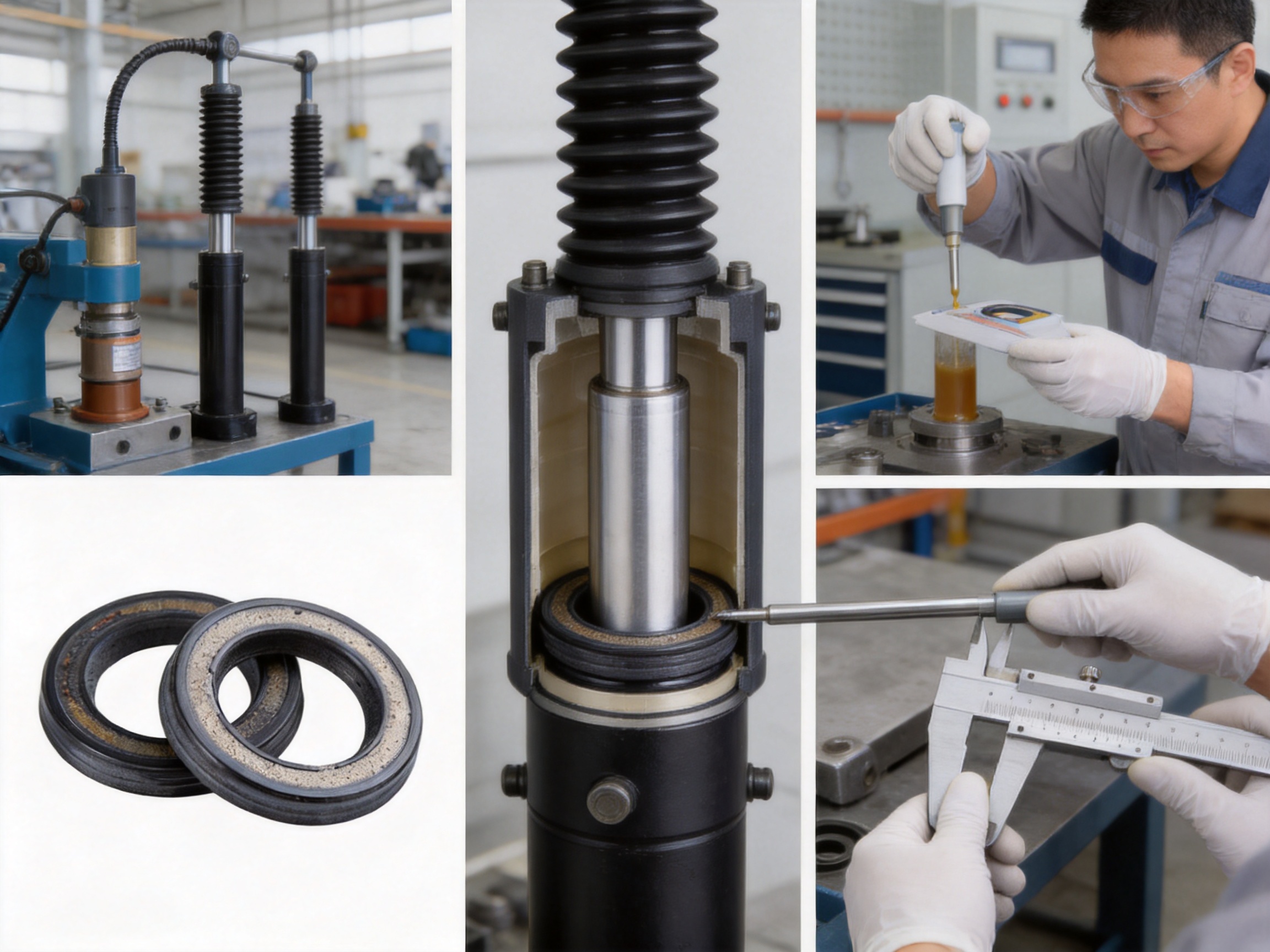
Quality Control and Technical Service
Quality control for a small elastomeric seal should cover the entire manufacturing chain. Incoming raw materials must be identified and checked. Mixing records should be maintained. Molding parameters should be controlled. Finished seals should be inspected for dimensions, appearance, profile integrity, and material properties. Packaging should protect the components from contamination, excessive heat, direct sunlight, ozone, and deformation during storage.
Traceability is useful when a customer operates a high-volume production line. Product code A-1-032 provides a clear reference for communication, purchasing, inspection, and replacement. Batch identification can further support investigation if a customer observes unusual leakage, friction, or service-life behavior. A traceable process enables the manufacturer and customer to compare production records with field results.
Technical service is another important strength. Seal selection often requires communication between the seal manufacturer and the equipment designer. Relevant information may include the rod diameter, housing dimensions, operating medium, temperature range, motion type, stroke, speed, cycle count, expected load, surface finish, and installation method. With this information, the supplier can evaluate whether the standard product is suitable.
Ningguo Jnsseals Sealing Technology Co., Ltd. states that it provides customized sealing solutions, including product design, testing, and technical consultation. This integrated capability can shorten development time. Instead of treating each issue as a simple purchasing problem, the customer can work with the manufacturer to identify the cause of leakage or wear and choose a practical corrective action.
Testing may be performed on samples or complete assemblies. A useful test plan can include static leakage, dynamic leakage, friction, endurance cycling, temperature exposure, lubricant compatibility, and post-test inspection. For the A-1-032, endurance testing is especially relevant because fatigue strength and million-cycle performance are central product features.
Inspection criteria should be agreed before mass production. Some customers may require tighter dimensional tolerances, special visual standards, controlled hardness, or specific packaging. Clear documentation reduces disputes and ensures that the production team understands the expected result. A professional technical service team can help convert the customer’s performance needs into measurable product requirements.
Purchasing Considerations for OEM and Industrial Buyers
When evaluating the 26mm Durable Industrial Seal, buyers should first confirm the complete dimensional arrangement. The 26 mm outside diameter, 7.2 mm inside diameter, and 4 mm height must correspond to the available installation space. The listed 25*2.4 O-ring adapter and 25*8 pipe-and-rod information should also be compared with the assembly drawing.
Second, confirm the operating medium. NBR is commonly appropriate for mineral oil and compatible lubricants, but the exact fluid composition matters. Additives, cleaning agents, fuels, and hydraulic fluids can affect elastomer life. If the application uses a special medium, provide the fluid information to the manufacturer and request compatibility guidance.
Third, review the operating temperature and motion. Temperature affects elasticity, aging, and compression set. Reciprocating speed and stroke affect heat generation and wear. High-frequency operation may require more detailed endurance testing than occasional movement. If the assembly operates outdoors, ozone, ultraviolet exposure, moisture, dust, and temperature cycling should also be considered.
Fourth, establish acceptance criteria. These may include allowable leakage, insertion force, running friction, cycle life, appearance, dimensional tolerances, and packaging requirements. A clear specification makes it easier to compare the A-1-032 with competing products on performance rather than price alone.
Fifth, evaluate supply capability. An industrial seal supplier should be able to provide stable production, repeatable quality, responsive communication, and support for forecast changes. The company’s product development and technical service capabilities can be particularly valuable when the customer requires a modified design or a new material grade.
Finally, conduct a production trial. Even a correctly specified seal should be tested in the actual assembly because housing tolerances, rod finish, lubricant quantity, and installation equipment can change the result. A controlled trial provides practical evidence before the product is adopted at full scale.
Maintenance and Storage Recommendations
Seals should be stored in a cool, dry, and clean environment. Direct sunlight, ozone-producing electrical equipment, excessive heat, and contact with oils or chemicals should be avoided unless the product is packaged for that condition. NBR components should not be compressed, stretched, or suspended in a way that permanently distorts their shape during storage.
Use older stock first when storage duration is significant, while maintaining proper identification and inspection. Before installation, check for hardening, cracking, surface tackiness, deformation, or other signs of aging. A seal that appears damaged should not be installed, even if its dimensions are correct.
In service, maintenance personnel should monitor leakage, unusual friction, rod movement, noise, and changes in equipment force. Leakage may result from seal wear, but it can also be caused by a damaged rod, incorrect assembly, excessive pressure, contamination, or an incompatible fluid. Replacing the seal without correcting the underlying cause may result in repeated failure.
When replacing a seal, inspect the mating surfaces and supporting components. Remove burrs and contamination, verify the adapter, confirm the seal orientation, and use compatible lubricant. A replacement interval based on operating cycles may be more reliable than a calendar-based interval for heavily used equipment.
Frequently Asked Questions
What is the A-1-032 product?
The A-1-032 is a 26 mm Y-type oil seal ring designed for compact industrial sealing systems, particularly gas springs, dampers, piston assemblies, and related applications. Its listed dimensions are 26 mm outside diameter, 7.2 mm inside diameter, and 4 mm height.
What material is used for this seal?
The product is made from NBR, or nitrile butadiene rubber. NBR is widely used for oil-resistant seals because it provides a practical combination of elasticity, abrasion resistance, mechanical strength, and compatibility with many mineral-oil-based lubricants.
What does the Y-type profile do?
The Y-type profile creates a sealing interface around a moving or reciprocating rod. Its geometry is intended to balance contact pressure, flexibility, lubricant retention, and resistance to wear during repeated movement.
What does the 26 mm specification mean?
The 26 mm specification refers to the listed outside diameter. The complete product specification is 26*7.2*4, so the outside diameter should be considered together with the 7.2 mm inside diameter and 4 mm height.
What is the listed O-ring adapter size?
The listed O-ring adapter specification is 25*2.4. The adapter must be evaluated together with the seal, housing, rod, and assembly design to ensure correct positioning and sealing performance.
Can the seal be used for any 8 mm piston rod?
Not automatically. The product information lists a piston rod diameter of 8 mm in an associated 25*8 pipe-and-rod configuration, but final suitability depends on rod tolerance, surface finish, seal compression, groove dimensions, lubricant, speed, temperature, and pressure or load.
What is the stated design load range?
The product information lists a design applicable range of 50-2000 N. This value should be interpreted within the intended gas spring, damper, or piston assembly and should not be treated as a universal pressure rating for every installation.
Is the product suitable for high-cycle equipment?
The product description emphasizes fatigue strength and a million-cycle life objective under loads up to 2000 N. Actual service life depends on the complete operating environment, so endurance testing in the customer’s assembly is recommended for critical applications.
How does the seal compare with a basic generic ring?
The A-1-032 is developed as a Y-type dynamic seal with defined dimensions, a specified adapter relationship, NBR material, and a stated focus on fatigue resistance. A generic ring may not provide the same profile, installation fit, material consistency, or technical support.
Can the material be changed if NBR is not suitable?
Potentially. The manufacturer identifies broader experience with NBR, HNBR, and FPM O-ring products. If the application involves high temperature, aggressive chemicals, ozone, or unusual fluids, the customer should provide the operating conditions and request a material evaluation.
What should be checked before installation?
Check the seal for cuts, cracks, deformation, and contamination. Verify the rod and housing dimensions, remove burrs, confirm the orientation, use a compatible lubricant, and select an installation tool that will not damage the sealing lips.
Can the company provide customized seals?
The company states that it provides customized sealing solutions, including product design, testing, and technical consultation. Customization may involve dimensions, profile, material, hardness, testing, packaging, or other requirements depending on the application.
Which industries may use this type of product?
Potential industries include automotive, furniture, home appliances, medical equipment, construction, and general industrial machinery. Suitability should be confirmed according to the specific mechanical, fluid, thermal, and environmental conditions.
Conclusion
The 26mm Durable Industrial Seal is a compact but technically important component for dynamic oil-sealing applications. Its Y-type profile, NBR material, 26*7.2*4 dimensions, 25*2.4 O-ring adapter specification, and associated 25*8 pipe-and-rod configuration provide a defined starting point for gas spring, damper, and piston-system design.
Its principal performance advantages are the focus on fatigue strength, strong shape memory, practical oil resistance, and simple fitting. The stated million-cycle design objective under loads up to 2000 N makes it relevant to equipment that must operate repeatedly and reliably. As with all elastomeric seals, actual service life depends on correct installation, compatible fluids, controlled temperature, suitable surface finish, and validation in the completed assembly.
The product is supported by Ningguo Jnsseals Sealing Technology Co., Ltd., a high-tech sealing enterprise founded in 2019 in Anhui, China. The company’s capabilities in research and development, material selection, mold design, production, inspection, testing, and technical consultation strengthen the product’s value for OEM and industrial customers. Its broader experience with NBR, HNBR, FPM, O-rings, gas springs, and dampers also creates a foundation for customized solutions.
For buyers comparing competing products, the most meaningful evaluation should include dimensional accuracy, material compatibility, cycle life, leakage performance, friction, compression behavior, production consistency, and technical support. When these factors are considered together, the A-1-032 offers a practical and durable sealing option for compact industrial systems that require dependable performance over repeated operation.
References
1. Product specification for A-1-032, 26mm Durable Industrial Seal, including dimensions, material, adapter, and application information.
2. Ningguo Jnsseals Sealing Technology Co., Ltd. company information and technical service description.
3. General principles of elastomeric seal design, including dynamic sealing, compression, contact pressure, and material recovery.
4. General engineering guidance for nitrile butadiene rubber selection in oil-sealing applications.
5. General industrial practices for rubber compound mixing, mold design, vulcanization, trimming, inspection, and endurance testing.
6. General maintenance recommendations for gas spring, damper, piston, and reciprocating-rod sealing assemblies.
Product: 26mm Durable Industrial Seal



Want to know more
about us?
about us?

Precision sealing for gas springs and dampers. Durable, wear-resistant, and built for long-life performance in demanding applications.
Product Categories
Quick Links
Contact Us
-
Email: jns@jnsseals.cn

-
Manager Gong: +86-18563770820

-
Manager Wang: +8615357558902
-
No. 5, Meilin Avenue, Meilin Industrial Development Zone, Ningguo City, Anhui Province, China

