

 English
 русский
 Deutsch
 Türk
Türk 中文简体
中文简体
13 mm Standard General-Purpose NBR O-Ring for Industrial Maintenance
13 mm Standard General-Purpose NBR O-Ring for Industrial Maintenance
13 mm Standard General-Purpose NBR O-Ring for Industrial Maintenance
13 mm Standard General-Purpose NBR O-Ring for Industrial Maintenance
13 mm Standard General-Purpose NBR O-Ring for Industrial Maintenance
13 mm Standard General-Purpose NBR O-Ring for Industrial Maintenance
13 mm Standard General-Purpose NBR O-Ring for Industrial Maintenance
13 mm Standard General-Purpose NBR O-Ring for Industrial Maintenance
13 mm Standard General-Purpose NBR O-Ring for Industrial Maintenance
13 mm Standard General-Purpose NBR O-Ring for Industrial Maintenance
13 mm Standard General-Purpose NBR O-Ring for Industrial Maintenance
13 mm Standard General-Purpose NBR O-Ring for Industrial Maintenance
13 mm Standard General-Purpose NBR O-Ring for Industrial Maintenance
13 mm Standard General-Purpose NBR O-Ring for Industrial Maintenance
13 mm Standard General-Purpose NBR O-Ring for Industrial Maintenance
13 mm Standard General-Purpose NBR O-Ring for Industrial Maintenance

Deng Yixuan — Domestic Sales Supervisor
Home / Author / Deng Yixuan — Domestic Sales Supervisor / 13 mm Standard General-Purpose NBR O-Ring for Industrial Maintenance
NEW Category
Contact us
13 mm Standard General-Purpose NBR O-Ring for Industrial Maintenance
Content
- 1 Product Overview and Intended Function
- 2 Understanding the Dimensions
- 3 NBR Material Advantages
- 4 Advantages Compared with Generic Low-Cost Seals
- 5 Applications in Industrial Maintenance
- 6 Manufacturing Process and Production Strengths
- 7 Engineering and Technical Service Capabilities
- 8 Customization Options
- 9 Application Limits and Material Selection
- 10 Purchasing and Inventory Benefits
- 11 Recommended Inspection Procedure
- 12 Why This Product Is a Practical Maintenance Choice
- 13 Company Manufacturing Strengths
- 14 Frequently Asked Questions
- 14.1 What type of seal is the 13 mm Standard General-Purpose Seal?
- 14.2 What are the listed dimensions?
- 14.3 What material is used?
- 14.4 Can the seal be used in every oil application?
- 14.5 Is the product suitable for compressed air?
- 14.6 Can the seal be used for dynamic movement?
- 14.7 What are the main advantages over an anonymous generic ring?
- 14.8 How should the ring be installed?
- 14.9 Can the manufacturer provide customized seals?
- 14.10 When should another material be considered?
- 14.11 How should spare rings be stored?
- 14.12 What information should be included in a purchase inquiry?
- 15 Conclusion
- 16 References
- 17 Product: 13mm Standard General-Purpose Seal
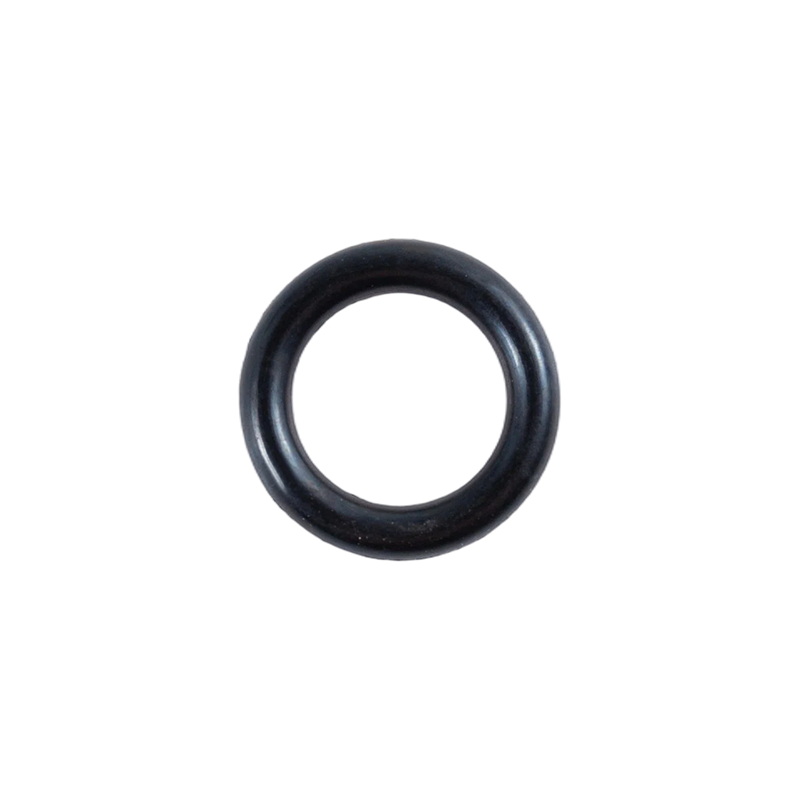
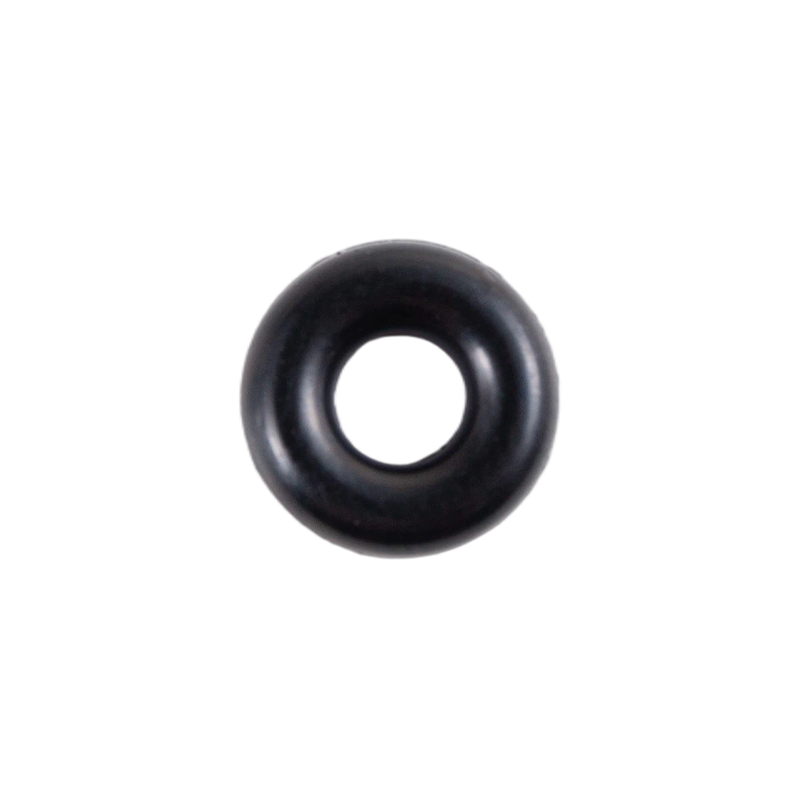
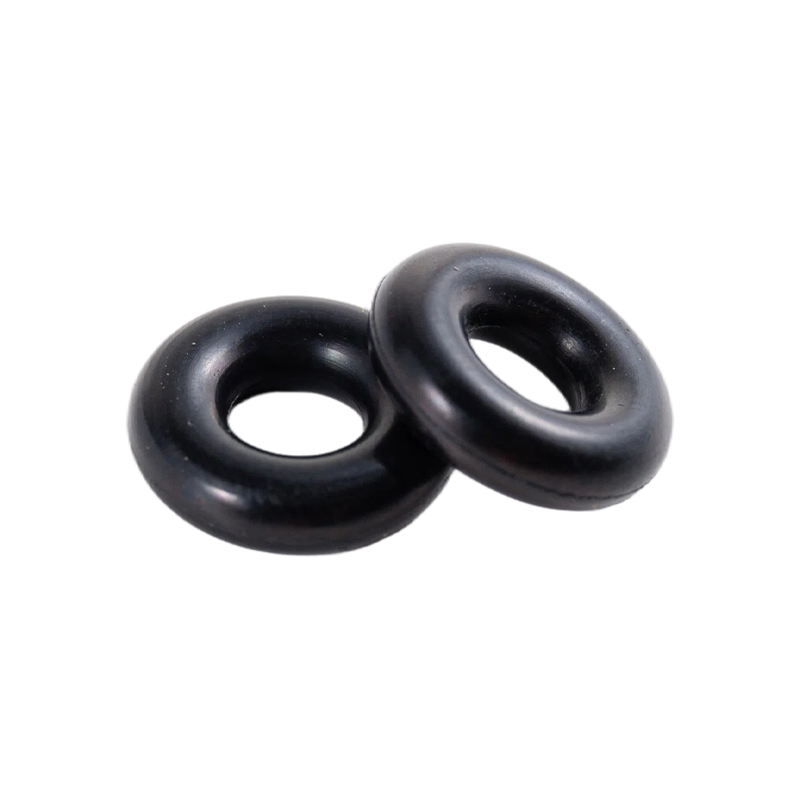
Reliable sealing is essential wherever fluids, air, gas, or lubricants must be contained within a mechanical assembly. A small sealing ring may appear simple, but its dimensional accuracy, material quality, elasticity, surface finish, and compatibility with the working environment can directly affect equipment performance. The 13 mm Standard General-Purpose Seal is designed as a practical O-shaped oil seal ring for routine maintenance, valve servicing, air fittings, and other industrial applications that require a compact and dependable sealing component.
Manufactured from nitrile rubber, commonly identified as NBR, this seal combines useful resistance to mineral oils, lubricants, and many common industrial fluids with the flexibility needed for static and low-to-moderate dynamic sealing. Its standard configuration makes it suitable for maintenance departments, equipment manufacturers, distributors, repair workshops, and engineering teams that need a cost-effective replacement part without waiting for a fully customized production cycle.
The product is identified by product code A-4-009. The supplied product information lists an internal diameter of 13 mm and a working cross-sectional dimension of 1.5 mm. The specification is also presented as 13.5 × 1.5, while the product description refers to a common 13 × 15 configuration. Because dimensional conventions can vary between catalogs and technical drawings, buyers should confirm the intended groove and mating-part dimensions before ordering large quantities. This article explains the product’s design, material, manufacturing advantages, applications, selection considerations, quality expectations, and suitability for industrial maintenance.
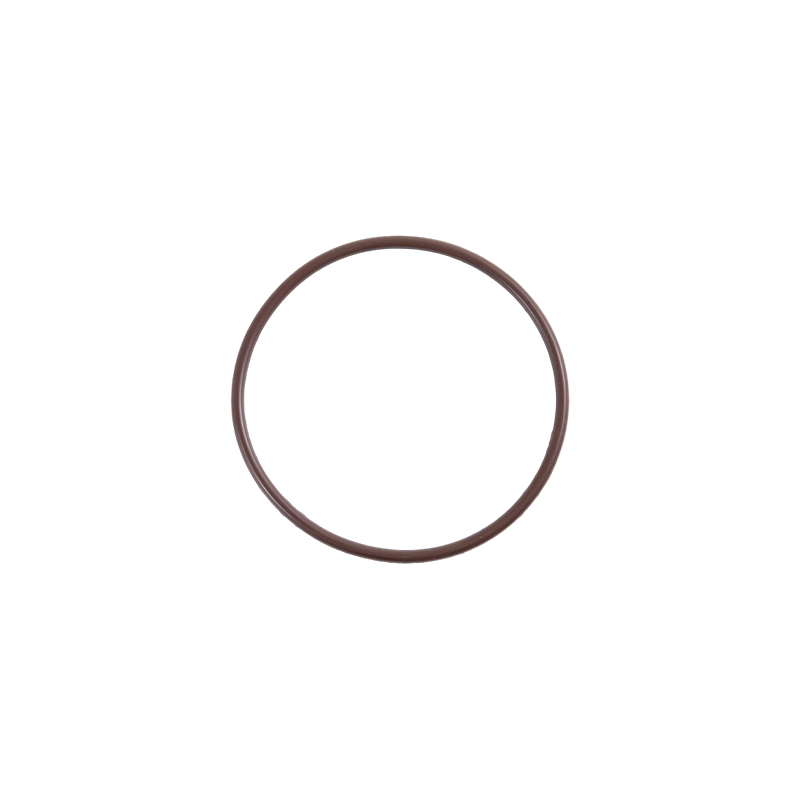
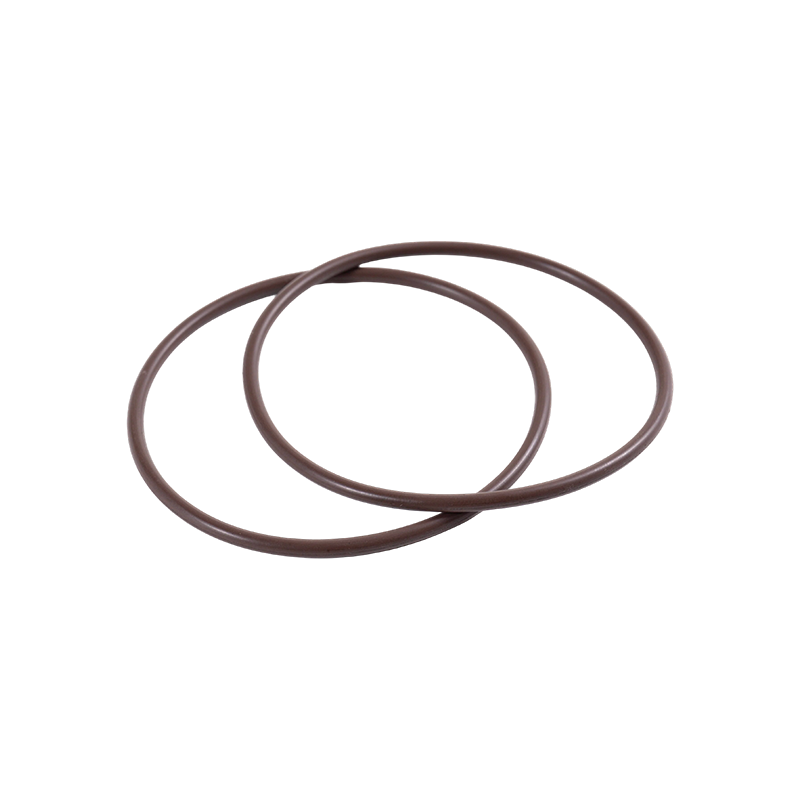
13mm Standard General-Purpose Seal
Product Overview and Intended Function
The 13 mm Standard General-Purpose Seal is an O-shaped sealing ring made from NBR. Its principal function is to create a controlled barrier between two mating surfaces. When installed in a properly designed groove, the ring is compressed between the stationary or moving components. This deformation produces contact pressure around the sealing line and helps prevent the escape of oil, air, or other compatible media.
O-rings are popular because they offer a compact design, simple installation, and broad availability in many sizes and compounds. Unlike more complex mechanical seals, an O-ring normally requires only a correctly dimensioned groove, suitable compression, and adequate surface quality on the mating parts. This makes the product especially useful for maintenance work, where service technicians frequently need a replacement seal that can be installed quickly without changing the entire assembly.
The product is positioned as a standard, general-purpose spare. It is not limited to one machine type or one industrial sector. Its typical uses include manual valves, air fittings, small hydraulic or pneumatic connections, maintenance assemblies, and equipment that uses oil-compatible elastomeric seals. Its relatively small size makes it suitable for compact components where installation space is limited and where a large molded seal would be unnecessary.
| Product Attribute | Specification |
| Product Name | 13 mm Standard General-Purpose Seal |
| Seal Type | O-shaped oil seal ring |
| Product Code | A-4-009 |
| Nominal Internal Diameter | 13 mm |
| Working Dimension | 1.5 mm |
| Listed Product Specification | 13.5 × 1.5 |
| Material | NBR, nitrile rubber |
| Primary Positioning | Standard general-purpose maintenance spare |
| Typical Applications | Manual valves, air fittings, industrial maintenance, compatible oil and fluid systems |
The combination of a standard form and common NBR material gives this seal a practical balance between price and performance. In many maintenance situations, the objective is not to specify the most advanced polymer available, but to select a dependable seal that matches the operating conditions and can be supplied consistently. A standard NBR O-ring often fulfills that role effectively.
Understanding the Dimensions
Correct dimensional interpretation is one of the most important factors in O-ring performance. A ring that is too small may fail to generate adequate contact pressure. A ring that is too large may be difficult to install, become excessively compressed, or experience premature wear. The groove width, groove depth, shaft or bore dimension, and expected movement must all be considered together.
The product data identifies the internal diameter as 13 mm and the working dimension as 1.5 mm. In standard O-ring terminology, the working dimension generally corresponds to the cross-sectional diameter, although buyers should verify this interpretation with the technical drawing or supplier before final production approval. The product specification is also shown as 13.5 × 1.5. Since different manufacturers and catalogs may use different naming conventions, purchasing teams should compare the product dimensions with the original part, groove drawing, or equipment manual.
For replacement work, technicians should not rely solely on visual similarity. The old seal may have expanded because of fluid exposure, shrunk because of aging, or permanently deformed because of compression. Measuring the removed ring without accounting for these changes can lead to an incorrect replacement. Whenever possible, the groove and mating component should be measured directly using suitable precision instruments.
Dimensional control is particularly important for compact seals because a difference of a fraction of a millimeter can represent a meaningful percentage of the cross-sectional size. A properly selected seal should provide the intended interference and compression without overstretching during assembly. Excessive stretch can reduce the radial cross-section and weaken the sealing line, while excessive compression can increase friction and accelerate wear.
Installation Considerations for the 13 mm Seal
Before installation, the groove should be free from metal chips, dirt, old lubricant, and fragments of the previous seal. Sharp edges should be removed or protected. The mating surface should not have deep scratches, burrs, corrosion pits, or other defects that could form a leakage path.
The seal should be lightly lubricated with a lubricant compatible with NBR and the service medium. Lubrication reduces installation friction and helps prevent twisting, cutting, or abrasion. The ring should be installed without sharp tools whenever possible. If a tool is necessary, it should have a smooth, rounded surface and should not puncture or stretch the elastomer.
After installation, the ring should be checked for twisting, pinching, or uneven seating. A twisted O-ring may appear properly installed but can leak as soon as pressure is applied. In moving applications, the assembly should be inspected for excessive friction and should be tested at the intended operating pressure and temperature.
NBR Material Advantages
NBR is one of the most widely used elastomers for general-purpose sealing. It is produced from a copolymer of acrylonitrile and butadiene. The balance of these components can be adjusted to influence oil resistance, flexibility, low-temperature performance, and hardness. This versatility allows NBR compounds to serve a broad range of industrial applications.
For the 13 mm Standard General-Purpose Seal, NBR provides several practical benefits. First, it offers useful resistance to mineral-based oils, greases, and many petroleum-related fluids. This makes it a logical choice for valve components, lubricated fittings, and maintenance assemblies that are exposed to common industrial oils.
Second, NBR generally provides good mechanical strength and abrasion resistance. A seal may encounter friction during installation, movement, pressure cycling, or maintenance operations. A properly formulated NBR compound can withstand this type of handling better than many softer or less mechanically robust materials.
Third, NBR is widely available and familiar to maintenance personnel. This simplifies purchasing, replacement planning, inventory management, and technical communication. When a maintenance team identifies an application as requiring a standard NBR O-ring, it can usually obtain a compatible replacement more easily than a specialized high-performance compound.
Fourth, NBR is cost-effective. The material offers an attractive performance-to-cost ratio for routine applications. In equipment with many small seals, the cost of each individual component can significantly influence total maintenance expenditure. A reliable standard NBR ring can reduce replacement costs while maintaining the required sealing function.
| NBR Performance Area | Practical Benefit |
| Oil and grease compatibility | Suitable for many common mineral-oil-based service conditions |
| Mechanical strength | Helps resist handling damage, abrasion, and moderate operating stress |
| Elastic recovery | Supports contact pressure after assembly and during normal pressure cycling |
| Material availability | Facilitates replacement sourcing and inventory planning |
| Cost efficiency | Provides an economical solution for standard maintenance applications |
| Processing flexibility | Can be molded into consistent small sealing rings using controlled production methods |
NBR is not universally suitable for every chemical or temperature condition. Strong ozone exposure, concentrated acids, certain solvents, aggressive fuels, and very high-temperature service may require another elastomer such as HNBR, FPM, EPDM, or a specialized compound. Material selection should therefore be based on the actual medium, temperature, pressure, speed, and environmental exposure.
Advantages Compared with Generic Low-Cost Seals
Many low-cost O-rings appear identical when viewed from a distance, but differences in compound formulation, dimensional accuracy, curing, surface quality, and quality control can affect service life. The value of a seal is determined not only by its purchase price but also by its ability to maintain a leak-free connection over the required service interval.
The 13 mm Standard General-Purpose Seal is advantageous over anonymous or poorly controlled alternatives because it is associated with a defined product code, stated material, and declared dimensional information. These details support traceable purchasing and make it easier for a maintenance team to reorder the same component. A product code such as A-4-009 can also reduce confusion when multiple seals have similar sizes.
A controlled manufacturing process can produce more consistent cross-sectional dimensions than informal or unverified production. Consistency is important because a batch containing variable dimensions may produce unpredictable compression, installation difficulty, or leakage. For equipment manufacturers and distributors, dimensional consistency also reduces customer complaints and simplifies assembly procedures.
Material identification is another important advantage. A seal sold simply as “rubber” may not provide enough information for engineering approval. NBR gives the buyer a clear starting point for checking compatibility with the intended oil, grease, or air system. Although the exact compound specification should still be confirmed where required, the named material is more useful than an undefined elastomer description.
Surface finish and molding quality also influence performance. Flash, parting-line irregularities, voids, cracks, and embedded particles can compromise the contact line. A professionally controlled production process should include visual inspection and dimensional checks to prevent defective rings from entering the supply chain.
For maintenance departments, another advantage is versatility. The ring is described as a universal, cost-effective spare for common industrial equipment. This means it can support standardized maintenance kits and reduce the number of specialized parts that must be stocked. When the same size and material can serve several compatible assemblies, inventory becomes easier to organize.
Advantages Compared with Overspecified Materials
Choosing the most chemically resistant or high-temperature elastomer is not always the best decision. Advanced materials may offer outstanding performance, but they often cost more and may provide no practical benefit in a moderate oil, air, or valve application. An NBR seal can be a more rational choice when the service environment falls within its capability range.
The 13 mm seal therefore offers an advantage through appropriate specification rather than maximum specification. It is designed for common maintenance conditions where dependable oil resistance, elasticity, mechanical strength, and affordability are more important than extreme-temperature or severe-chemical performance.
This approach can improve total operating economics. A properly selected NBR ring may reduce component cost, simplify procurement, and shorten maintenance time. At the same time, the buyer avoids paying for material features that the equipment does not require.
Applications in Industrial Maintenance
The product description identifies manual valves and air fittings as representative applications. These assemblies often require small seals that can be replaced during scheduled maintenance or repair. A standard O-ring can seal a valve stem, plug, connector, fitting, or internal passage when the groove is designed for the corresponding dimensions.
In manual valves, the ring may help prevent fluid leakage around a stem, cap, adjustment mechanism, or threaded connection. The exact placement depends on the valve structure. NBR is often appropriate where the valve handles compatible oils, lubricants, or general industrial fluids. The pressure rating and temperature must be confirmed for the particular valve design.
In air fittings, the O-ring may seal a tube connection, threaded adapter, quick connector, or internal piston component. Compressed-air systems can be sensitive to small leakage paths, especially when operating continuously. A properly installed seal can help maintain pressure and reduce unnecessary compressor cycling.
The ring may also be useful in furniture mechanisms, appliances, small mechanical assemblies, and equipment connected with the broader applications served by sealing technology. However, the suitability of NBR depends on the medium and environment. For outdoor applications with prolonged ozone or ultraviolet exposure, a more weather-resistant compound may be preferable.
Industrial maintenance teams can use standard rings in several ways:
1. As direct replacement parts for worn or damaged seals.
2. As spare components included in preventive-maintenance kits.
3. As service parts for valve and fitting inventories.
4. As prototypes during equipment repair or redesign.
5. As standardized components in low-volume equipment production.
6. As economical sealing elements in test fixtures and workshop tooling.
The compact size is particularly useful in assemblies where space is limited. Small seals can be installed in compact grooves without adding significant weight or changing the external dimensions of the component.
Manufacturing Process and Production Strengths
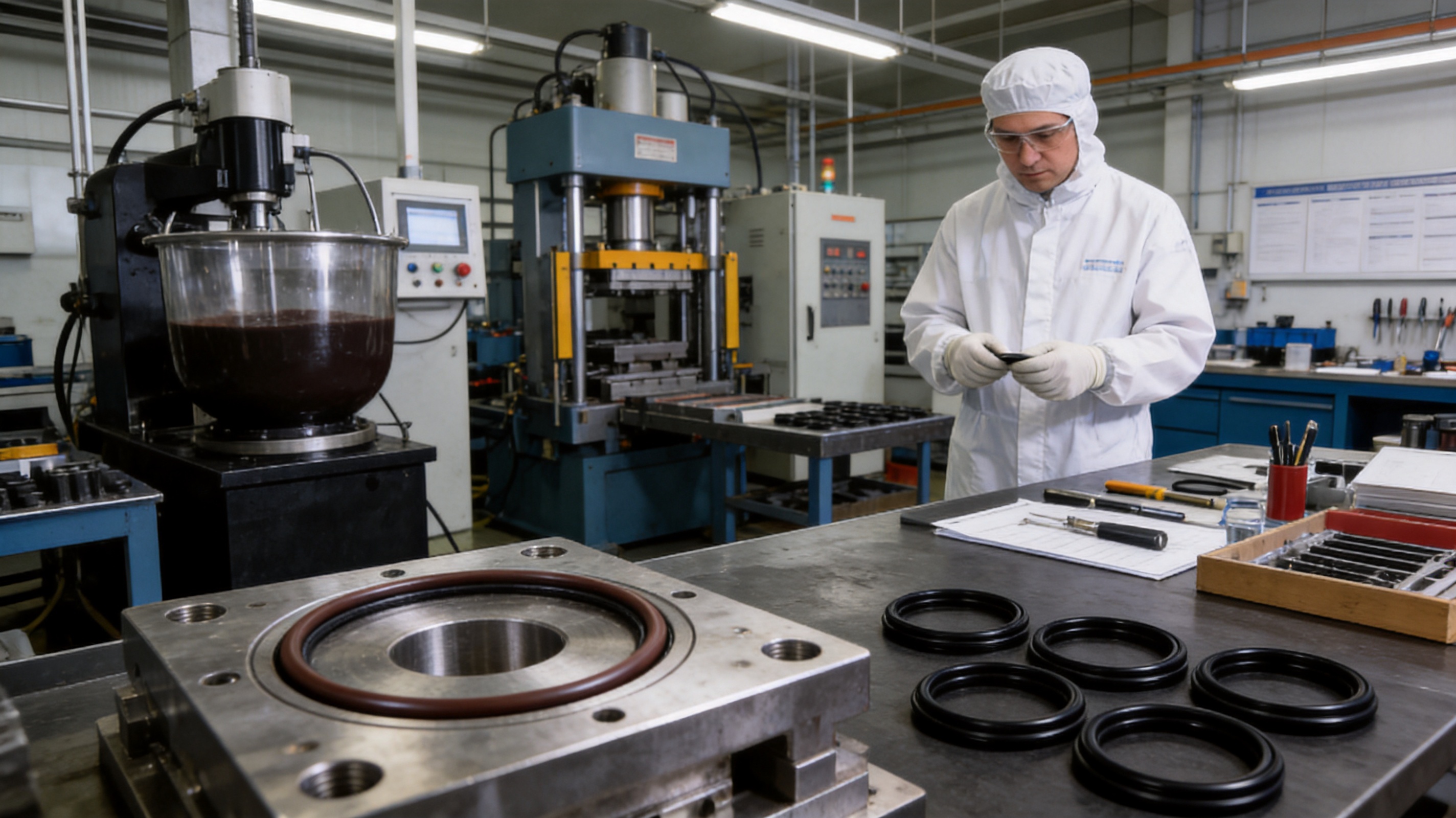
The performance of a molded O-ring depends heavily on the manufacturing process. A typical production sequence includes material preparation, compound mixing, molding, vulcanization, trimming, inspection, packaging, and storage. Each stage can affect the final product.
Material Preparation and Compound Mixing
Production begins with the selection and preparation of NBR compound ingredients. The formulation may include the base polymer, curing agents, reinforcing fillers, plasticizers, antioxidants, processing aids, and other additives. The compound must be mixed thoroughly so that its properties remain consistent throughout the batch.
Uniform mixing is essential for small seals. If the compound is not distributed evenly, different portions of the same batch may show variations in hardness, elasticity, shrinkage, or chemical resistance. Controlled mixing equipment and defined processing parameters help improve repeatability.
Material preparation should also address contamination control. Foreign particles, moisture, and incompatible materials can create defects or reduce sealing performance. A professional production environment should maintain clear material identification and organized handling procedures.
Precision Molding
O-rings are commonly formed in dedicated molds that define the internal diameter and cross-sectional profile. The mold must be manufactured and maintained with sufficient accuracy to support consistent dimensions. For a 13 mm ring, even small variations can affect the relationship between the ring and the groove.
During molding, the NBR compound is placed into the cavity and subjected to heat and pressure. The material flows into the circular cavity and fills the intended profile. Proper control of temperature, pressure, time, and material quantity helps reduce underfilling, air entrapment, excessive flash, and dimensional instability.
Advanced production equipment supports repeatable molding conditions. Automated or semi-automated systems can improve consistency between production cycles, while experienced technicians monitor tooling condition and process behavior. The combination of modern equipment and technical expertise is especially valuable for high-volume standard parts.
Vulcanization and Curing
Vulcanization transforms the uncured rubber compound into an elastic, usable seal. During curing, chemical cross-links form within the polymer structure. The curing cycle influences hardness, tensile strength, compression set, elasticity, and long-term stability.
Under-curing may leave the material too soft or mechanically weak. Over-curing may reduce flexibility or alter the balance of physical properties. A controlled curing process helps the ring achieve the intended performance without unnecessary variation between batches.
For a general-purpose NBR seal, curing quality is directly related to sealing reliability. The ring must be able to deform under assembly compression and recover sufficiently to maintain contact pressure. Good elasticity also helps the seal respond to moderate pressure changes and normal dimensional movement.
Trimming and Surface Finishing
After molding, excess rubber may remain along the parting line. Trimming or deflashing removes unwanted material and improves the surface condition. This step must be performed carefully because aggressive trimming can damage the sealing surface, while insufficient trimming can leave raised edges that interfere with installation.
A clean, smooth surface helps reduce the risk of leakage and simplifies assembly. It also improves visual inspection. Professional finishing standards are particularly important for small rings because a defect that is difficult to see can still be significant relative to the seal’s total cross-sectional size.
Inspection and Quality Control
Quality control may include visual inspection, dimensional measurement, hardness testing, tensile testing, elongation testing, compression-set evaluation, and other checks appropriate to the product and application. The exact inspection plan may vary depending on customer requirements and production volume.
Visual inspection can identify cracks, bubbles, foreign particles, excessive flash, cuts, and surface imperfections. Dimensional inspection verifies that the ring meets the declared size. Material and physical-property checks help confirm that the compound has been processed correctly.
Quality control is not limited to the final inspection. Effective manufacturing systems also monitor incoming materials, mixing parameters, mold condition, curing cycles, and packaging. Process control reduces the likelihood that defects will be created in the first place.
| Manufacturing Stage | Quality Objective |
| Material preparation | Confirm correct NBR compound and prevent contamination |
| Mixing | Distribute polymer, fillers, curing agents, and additives uniformly |
| Mold preparation | Maintain accurate cavity dimensions and clean tooling surfaces |
| Molding | Fill the cavity consistently and minimize voids or incomplete formation |
| Vulcanization | Achieve stable elasticity, strength, hardness, and compression behavior |
| Deflashing | Remove excess rubber without damaging the sealing surface |
| Inspection | Verify appearance, dimensions, material performance, and order conformity |
| Packaging | Protect the rings from contamination, deformation, and environmental damage |
Engineering and Technical Service Capabilities
The manufacturer is described as a high-tech enterprise focused on sealing technology for gas springs, dampers, and related O-ring products. This specialization is relevant because sealing components for gas springs and dampers often require careful control of elasticity, friction, compression, and long-term stability. Experience in these fields can support the development of practical solutions for other industrial sealing applications.
Technical capability is especially valuable when a standard part does not provide a perfect replacement. Customers may need help confirming dimensions, selecting a compound, interpreting a drawing, or adapting an existing groove. A supplier with research and development resources can contribute more than a basic catalog transaction.
The company’s stated services include product design, testing, and technical consultation. These capabilities can support customers at several stages:
1. Reviewing the operating medium and temperature.
2. Confirming the correct seal geometry.
3. Selecting NBR, HNBR, FPM, or another suitable material.
4. Evaluating groove and mating-surface conditions.
5. Developing samples for testing.
6. Adjusting product dimensions for a custom application.
7. Supporting production transition and quality verification.
This type of technical support helps reduce the risk of selecting a seal solely by nominal diameter. O-ring performance depends on the complete system, not just the ring itself. A knowledgeable supplier can help identify whether leakage is caused by the seal material, the groove, assembly technique, surface finish, pressure, temperature, or an incompatible service medium.
Customization Options
Although the A-4-009 ring is positioned as a standard general-purpose product, sealing manufacturers may also provide customized solutions. Customization can involve dimensions, cross-sectional profiles, material compounds, hardness, color, surface treatment, packaging, or inspection requirements.
Custom sizes may be required when an existing machine uses a nonstandard groove or when a new product has limited installation space. A customized cross-section can sometimes improve compression behavior or reduce friction. Material customization may be necessary for higher temperatures, aggressive chemicals, fuel exposure, outdoor weathering, or specialized medical and food-related environments.
HNBR may be considered where improved heat, aging, or chemical resistance is needed compared with standard NBR. FPM may be considered for certain high-temperature or fuel-related applications. EPDM may be more appropriate for hot water, steam, or weathering conditions, although it is generally unsuitable for many petroleum oils. The correct choice depends on the full application requirements.
Customization should begin with an application review rather than an immediate request for a new shape. Important information includes the internal and external dimensions, groove design, pressure, temperature, movement, medium, assembly method, expected service life, and applicable industry requirements. Supplying this information allows the engineering team to recommend a practical solution.
Application Limits and Material Selection
NBR is a versatile material, but it has boundaries. Buyers should evaluate the service environment before selecting the product. The ring is most appropriate for compatible oils, greases, air systems, and general industrial applications within the compound’s allowable temperature and pressure range.
Long-term exposure to ozone, sunlight, and severe weather may cause cracking in some NBR compounds. If the seal is installed outdoors or near equipment that generates ozone, the application should be reviewed carefully. Likewise, strong acids, strong oxidizing agents, and certain solvents may attack NBR.
Temperature is another major factor. At excessively high temperatures, rubber can harden, soften, lose elasticity, or experience accelerated aging. At low temperatures, it may become less flexible and fail to maintain adequate contact pressure. The precise temperature limits depend on the compound formulation, hardness, pressure, and exposure time.
Pressure and movement must also be considered. Static sealing is generally less demanding than dynamic sealing. A ring used around a stationary valve cover may experience different stresses from a ring used on a reciprocating shaft or rotating component. Dynamic applications require attention to lubrication, surface finish, speed, extrusion clearance, and friction.
When pressure is high or the extrusion gap is large, a backup ring or a different seal design may be necessary. The standard product should not be used outside its design conditions without testing and engineering approval.
Purchasing and Inventory Benefits
A standard product can simplify procurement. Maintenance departments often manage hundreds or thousands of small replacement parts, and unclear identification can cause delays. A named product, product code, material designation, and dimensional description provide a useful basis for purchasing records.
The A-4-009 code can be used in internal inventories, maintenance software, purchase orders, and spare-part labels. Buyers should include the product code together with the confirmed dimensions and material to avoid confusion. If the part is used in a safety-critical assembly, the purchase documentation should also state the required inspection or certification conditions.
Standardization can reduce inventory duplication. If several machines use compatible 13 mm NBR rings, the maintenance team may be able to consolidate stock. This can lower carrying costs and make it easier to locate a replacement during urgent repairs. However, parts should not be substituted solely because the diameter appears similar. Cross-sectional size, material, hardness, and application conditions must match.
Proper storage also protects the investment. O-rings should be stored in a clean, dry, temperature-controlled environment away from direct sunlight, ozone-producing equipment, oils that are not part of the intended application, and sharp objects. They should not be compressed under heavy loads for long periods. Original packaging should remain intact until the seals are needed.
Recommended Inspection Procedure
Before placing the ring into service, the user should perform a basic inspection. The ring should have a uniform circular profile and should not show cracks, cuts, flat spots, blisters, embedded particles, or severe parting-line defects. The surface should be clean and free from visible contamination.
Dimensional checks should be carried out with suitable instruments and methods. The internal diameter and cross-sectional dimension should be compared with the approved drawing or replacement specification. If the ring has been stored for an extended period, the user should also check for signs of hardening, tackiness, discoloration, or loss of elasticity.
The groove should be inspected at the same time. A new ring cannot compensate for a damaged groove, rough surface, misalignment, excessive clearance, or incorrect compression. Installation problems are often incorrectly attributed to the seal when the real cause is a mechanical defect in the assembly.
After installation, the equipment should be tested under controlled conditions. Start-up testing should confirm that the seal remains seated and that no leakage occurs. For pneumatic or hydraulic equipment, pressure should be increased gradually when practical. Any unusual friction, extrusion, noise, or visible deformation should be investigated before normal operation continues.
Why This Product Is a Practical Maintenance Choice
The strongest benefit of the 13 mm Standard General-Purpose Seal is its balance. It combines a familiar O-ring configuration, an oil-compatible NBR material, compact dimensions, and a cost-conscious positioning. This balance makes it useful for routine repairs where the equipment requires a dependable seal but does not justify a specialized high-cost compound.
Its standard nature also supports quick decision-making. Maintenance teams can identify the product by its dimensions and product code, review the application, and order a replacement without initiating a full redesign. For distributors, the product can serve as a practical stock item for customers who maintain valves, air fittings, dampers, and other compact equipment.
Compared with unverified generic products, the seal benefits from defined product information and the support of a manufacturer focused on sealing technology. Compared with overspecified materials, it can reduce cost and simplify supply when NBR is technically suitable. Compared with custom products, its standard configuration can shorten purchasing and production lead times.
These advantages do not eliminate the need for correct engineering selection. The product should always be matched to the actual dimensions, medium, temperature, pressure, motion, and installation conditions. When those conditions are compatible, the 13 mm ring provides an efficient and dependable sealing solution.
Company Manufacturing Strengths
Ningguo Jnsseals Sealing Technology Co., Ltd. was founded in 2019 and is headquartered in Anhui, China. According to the supplied company information, it focuses on research, development, and application of sealing technology for gas springs, dampers, and related O-ring products.
The company’s stated strengths include research and development capability, advanced production equipment, and a professional technical service team. These strengths are relevant to the production of small precision seals because reliable output requires the coordinated control of materials, tooling, molding, curing, inspection, and customer communication.
Its product applications extend across automotive, furniture, home appliances, medical equipment, construction, and other industries. Serving several sectors can provide broad experience with different sealing requirements, including compact dimensions, repeated movement, pressure retention, fluid compatibility, and customized product development.
The company also states that it provides customized sealing solutions covering product design, testing, and technical consultation. This integrated approach can benefit customers that require more than a standard replacement. It allows the supplier to participate in the complete development process, from initial requirement analysis through sample evaluation and production support.
A professional technical service team can also help customers avoid common selection errors. These include confusing internal diameter with outside diameter, selecting a material without checking chemical compatibility, overlooking dynamic movement, and installing a seal in a damaged groove. Technical guidance is particularly valuable when the final product will be used in demanding or safety-sensitive equipment.
Frequently Asked Questions
What type of seal is the 13 mm Standard General-Purpose Seal?
It is an O-shaped oil seal ring, commonly referred to as an O-ring. The product is made from NBR and is intended for general-purpose industrial maintenance applications such as manual valves, air fittings, and compatible oil-related assemblies.
What are the listed dimensions?
The supplied information lists an internal diameter of 13 mm and a working dimension of 1.5 mm. It also gives a product specification of 13.5 × 1.5 and refers to a common 13 × 15 configuration. Because these descriptions use different dimensional conventions, buyers should confirm the final drawing or specification before installation.
What material is used?
The stated material is NBR, or nitrile rubber. NBR is widely used for general-purpose seals because it offers useful resistance to many mineral oils and greases, along with good mechanical strength and cost efficiency.
Can the seal be used in every oil application?
No. Oil compatibility depends on the exact oil formulation, temperature, pressure, exposure time, and NBR compound. Mineral oils are often suitable, but aggressive additives, specialized fluids, high temperatures, or unusual service conditions may require testing or another elastomer.
Is the product suitable for compressed air?
It can be suitable for compatible compressed-air fittings and assemblies when the dimensions, pressure, temperature, lubrication, and groove design are appropriate. The seal should be installed cleanly and checked for twisting or damage.
Can the seal be used for dynamic movement?
Potentially, but dynamic applications require additional evaluation. Movement speed, lubrication, surface finish, pressure, clearance, and temperature all affect service life. A standard O-ring is often easiest to use in static or low-to-moderate movement applications unless the assembly has been specifically designed for dynamic sealing.
What are the main advantages over an anonymous generic ring?
The product has a defined product code, identified NBR material, stated dimensions, and support from a sealing-focused manufacturer. These factors improve purchasing clarity, repeat ordering, application review, and quality-control communication.
How should the ring be installed?
Clean the groove and mating surfaces, remove burrs, apply a compatible lubricant, avoid sharp installation tools, and ensure that the ring is not twisted or pinched. After installation, test the assembly gradually under the intended operating conditions.
Can the manufacturer provide customized seals?
The supplied company information states that customized sealing solutions are available, including product design, testing, and technical consultation. Customers should provide drawings, dimensions, operating conditions, media information, and performance requirements for evaluation.
When should another material be considered?
Another elastomer may be required for severe ozone exposure, outdoor weathering, high temperatures, aggressive chemicals, hot water, steam, specialized fuels, or other conditions outside the practical capability of NBR. HNBR, FPM, EPDM, or other materials may be considered depending on the application.
How should spare rings be stored?
Store them in a clean, dry, cool environment away from direct sunlight, ozone sources, excessive heat, and contamination. Avoid sharp objects, heavy compression, and unnecessary handling. Keep the original packaging intact until use whenever possible.
What information should be included in a purchase inquiry?
A purchase inquiry should include product code A-4-009, confirmed internal diameter and cross-sectional dimension, NBR material, required quantity, intended application, operating medium, temperature, pressure, movement, packaging requirements, and any inspection or documentation requirements.
Conclusion
The 13 mm Standard General-Purpose Seal is a compact NBR O-ring designed to provide a practical solution for common industrial maintenance requirements. Its principal advantages include a familiar circular sealing profile, oil-compatible nitrile rubber, economical positioning, broad usability, and straightforward replacement potential.
The product is particularly well suited to manual valves, air fittings, and other compatible assemblies that require a small, dependable sealing element. Its defined product code and stated material support repeat purchasing and inventory control, while the manufacturer’s focus on sealing technology, research and development, advanced production equipment, testing, and technical consultation provides added value beyond the physical ring itself.
Successful performance depends on more than nominal size. Buyers should verify the dimensions, groove design, service medium, temperature, pressure, movement, and installation method. When the operating conditions are compatible with NBR and the product is installed correctly, this standard seal can help reduce leakage, simplify maintenance, control spare-part costs, and support reliable operation across a range of industrial equipment.
References
1. Product specification information for the 13 mm Standard General-Purpose Seal, product code A-4-009.
2. Nitrile rubber material descriptions and general elastomer selection principles for industrial sealing applications.
3. General engineering practices for O-ring groove design, compression, installation, and inspection.
4. Industrial maintenance guidelines for valve, pneumatic fitting, and small mechanical assembly seals.
5. Manufacturer-provided company information concerning sealing technology research, product development, testing, manufacturing, and technical consultation.
Product: 13mm Standard General-Purpose Seal
PREV:25.9 mm Precision-Gap Y-Type Oil Seal Ring for Gas Springs and Dampers
NEXT:Quick-Opening Valve High-Resilience Seal: Performance, Design, and Manufacturing Advantages
NEXT:Quick-Opening Valve High-Resilience Seal: Performance, Design, and Manufacturing Advantages


Want to know more
about us?
about us?

Precision sealing for gas springs and dampers. Durable, wear-resistant, and built for long-life performance in demanding applications.
Product Categories
Quick Links
Contact Us
-
Email: jns@jnsseals.cn

-
Manager Gong: +86-18563770820

-
Manager Wang: +8615357558902
-
No. 5, Meilin Avenue, Meilin Industrial Development Zone, Ningguo City, Anhui Province, China

