

 English
 русский
 Deutsch
 Türk
Türk 中文简体
中文简体
Quick-Opening Valve High-Resilience Seal: Performance, Design, and Manufacturing Advantages
Quick-Opening Valve High-Resilience Seal: Performance, Design, and Manufacturing Advantages
Quick-Opening Valve High-Resilience Seal: Performance, Design, and Manufacturing Advantages
Quick-Opening Valve High-Resilience Seal: Performance, Design, and Manufacturing Advantages
Quick-Opening Valve High-Resilience Seal: Performance, Design, and Manufacturing Advantages
Quick-Opening Valve High-Resilience Seal: Performance, Design, and Manufacturing Advantages
Quick-Opening Valve High-Resilience Seal: Performance, Design, and Manufacturing Advantages
Quick-Opening Valve High-Resilience Seal: Performance, Design, and Manufacturing Advantages
Quick-Opening Valve High-Resilience Seal: Performance, Design, and Manufacturing Advantages
Quick-Opening Valve High-Resilience Seal: Performance, Design, and Manufacturing Advantages
Quick-Opening Valve High-Resilience Seal: Performance, Design, and Manufacturing Advantages
Quick-Opening Valve High-Resilience Seal: Performance, Design, and Manufacturing Advantages
Quick-Opening Valve High-Resilience Seal: Performance, Design, and Manufacturing Advantages
Quick-Opening Valve High-Resilience Seal: Performance, Design, and Manufacturing Advantages
Quick-Opening Valve High-Resilience Seal: Performance, Design, and Manufacturing Advantages
Quick-Opening Valve High-Resilience Seal: Performance, Design, and Manufacturing Advantages

Deng Yixuan — Domestic Sales Supervisor
Home / Author / Deng Yixuan — Domestic Sales Supervisor / Quick-Opening Valve High-Resilience Seal: Performance, Design, and Manufacturing Advantages
NEW Category
Contact us
Quick-Opening Valve High-Resilience Seal: Performance, Design, and Manufacturing Advantages
Content
- 1 Product Overview
- 2 Why Quick-Opening Valves Need Specialized Seals
- 3 Design Features of the A-5-002
- 4 NBR Material Characteristics
- 5 Advantages Compared with General-Purpose Competitor Seals
- 6 Advanced Manufacturing Approach
- 7 Company Strengths and Technical Capabilities
- 8 Installation and Assembly Considerations
- 9 Application Evaluation
- 10 Performance Benefits in Valve Systems
- 11 Customization and Development Support
- 12 Purchasing and Supplier Evaluation
- 13 Maintenance and Service-Life Management
- 14 Recommended Validation Plan
- 15 Frequently Asked Questions
- 15.1 What is the A-5-002 seal designed for?
- 15.2 What are the dimensions of the product?
- 15.3 What material is used?
- 15.4 Why is rapid recovery important in a quick-opening valve?
- 15.5 Does the product reduce valve operating force?
- 15.6 Can the seal be used in every pressure application?
- 15.7 Can the product be customized?
- 15.8 Is NBR compatible with all fluids and gases?
- 15.9 What should be checked before installation?
- 15.10 How can the product be compared with a competitor’s seal?
- 15.11 What information should be provided for technical evaluation?
- 16 Conclusion
- 17 References
- 18 Product: Quick-Opening Valve High-Resilience Seal
Quick-opening and closing valves place unusually demanding requirements on sealing components. Unlike slowly actuated valves, these systems may expose a seal to repeated acceleration, sudden pressure changes, rapid contact movement, and frequent mechanical impacts. A sealing element that performs acceptably in a low-cycle application may lose its shape, develop leakage paths, or increase operating friction when used in a high-frequency control mechanism. For this reason, the selection of the seal geometry, material, surface finish, and manufacturing process is essential to the reliability of the complete valve assembly.
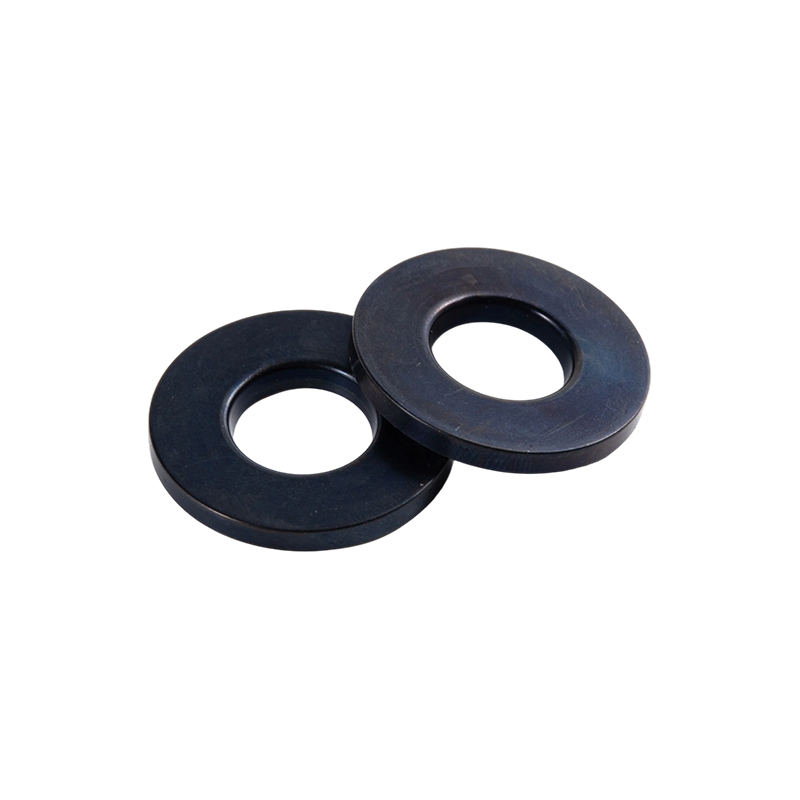
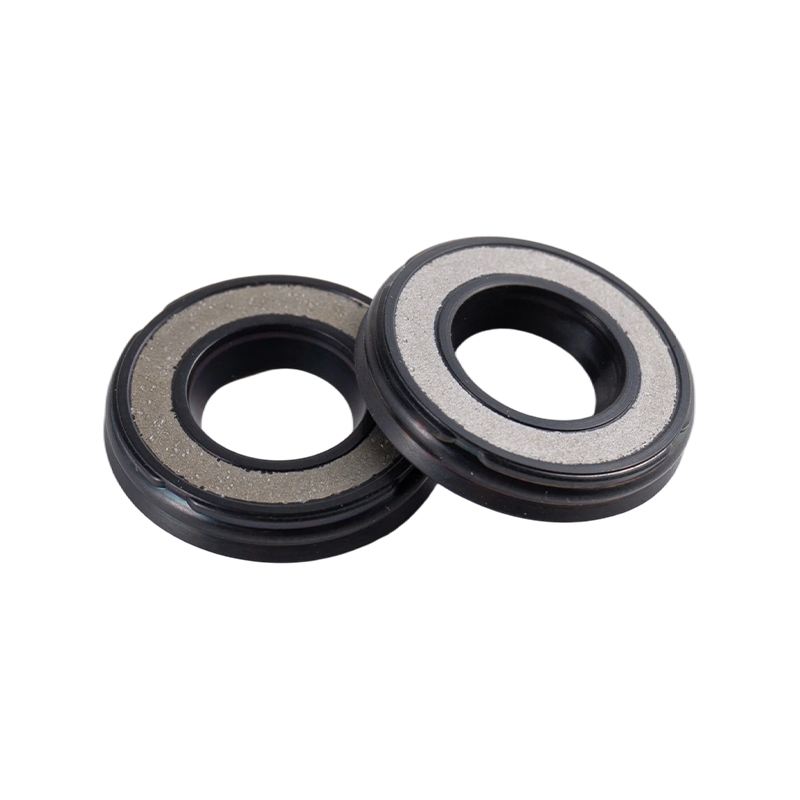
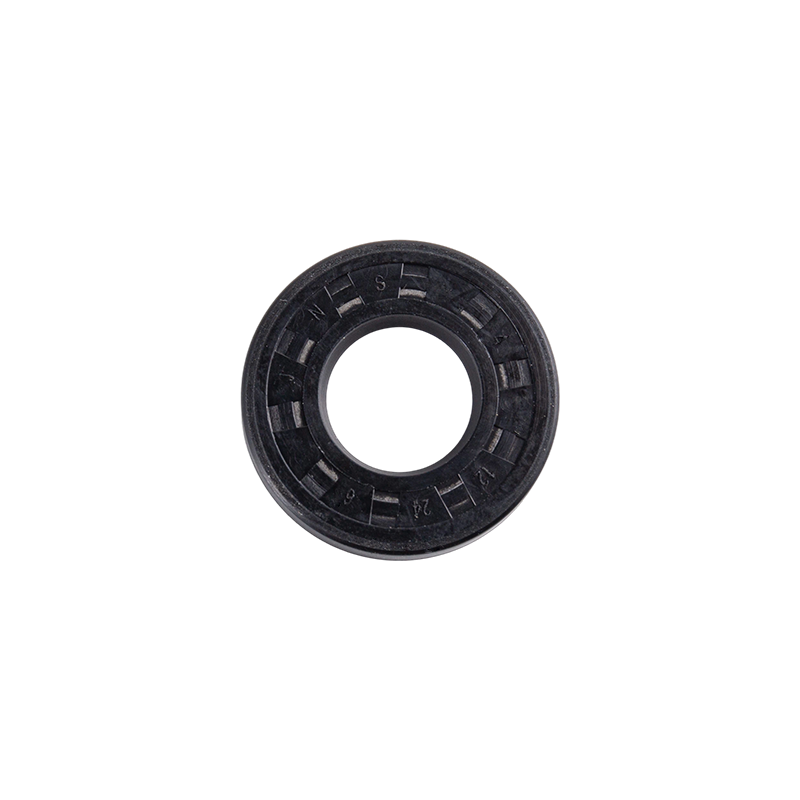
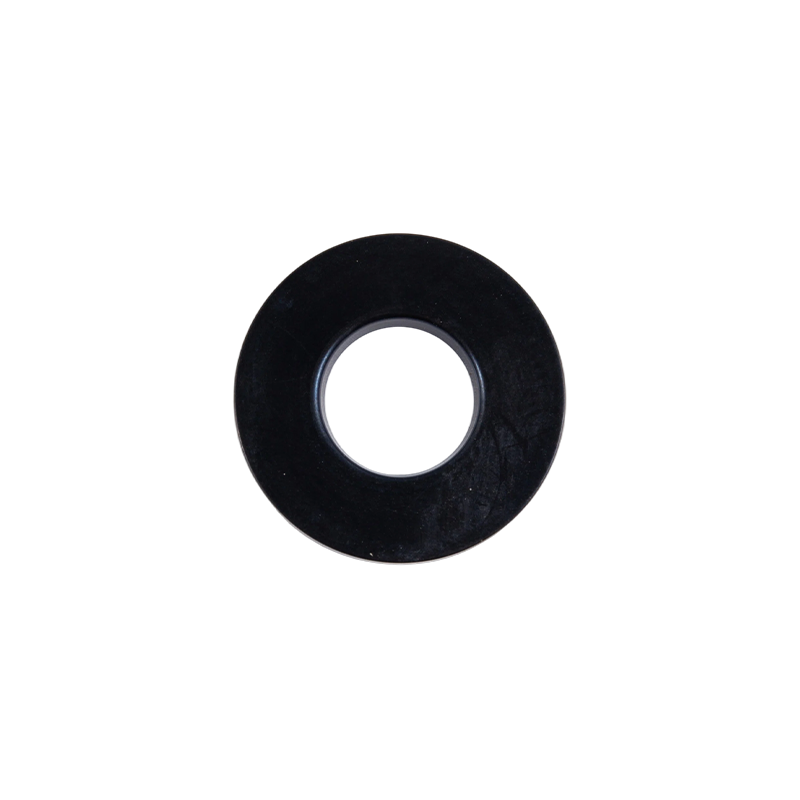
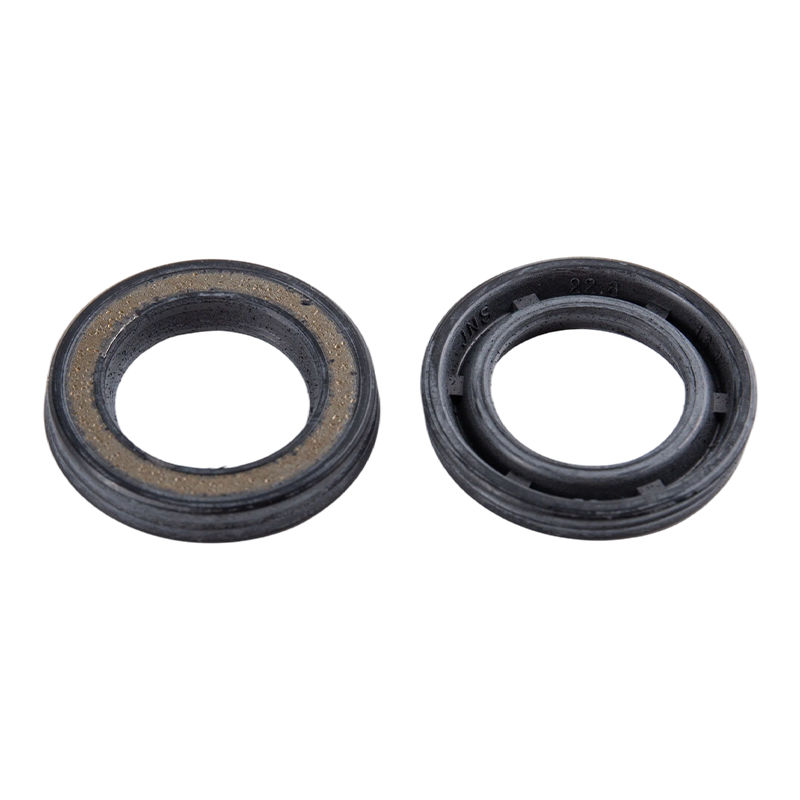
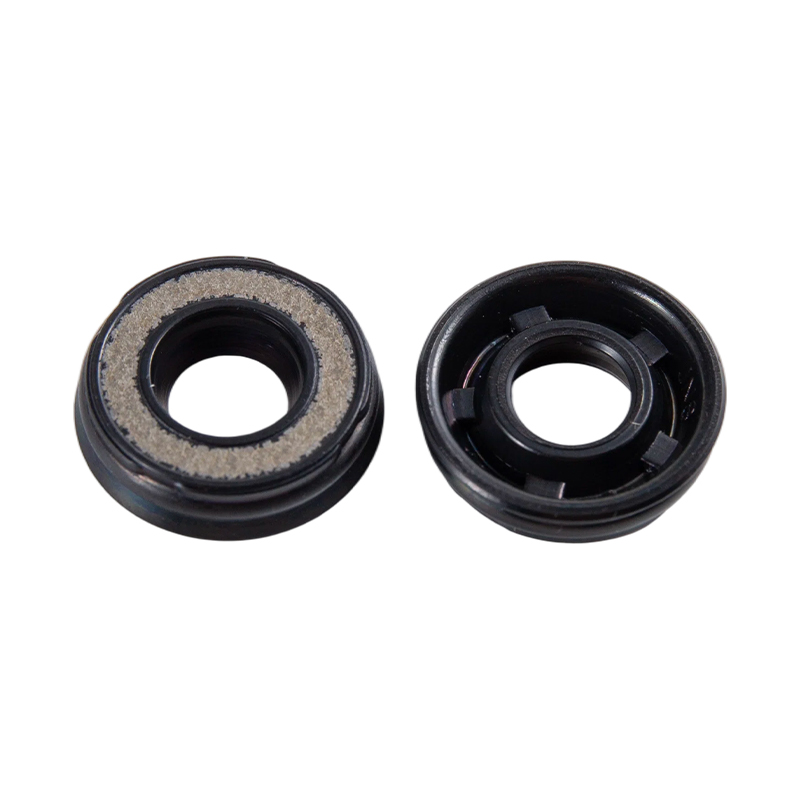
The A-5-002 Quick-Opening Valve High-Resilience Seal is developed for this type of operating environment. It has an outside diameter of 11.5 mm, an inside diameter of 4.6 mm, and a section height of 2.4 mm. The product is manufactured from NBR and is designed to provide rapid elastic recovery, reliable edge contact, and reduced actuation friction. Its thickened section supports dimensional stability when the valve is cycled repeatedly, while its sealing edges are processed to help maintain a leak-resistant interface.
This article examines the product’s construction, operating advantages, material characteristics, manufacturing considerations, quality-control requirements, installation principles, and potential application areas. It also explains why a specialized sealing manufacturer with research and development capability, modern production equipment, and technical support can offer greater value than a supplier that only provides standard catalog rings.
Product Overview
The A-5-002 is a compact sealing ring intended for quick-opening valve mechanisms and other applications where high-frequency movement places stress on the sealing element. Its principal dimensions are 11.5 × 4.6 × 2.4 mm, commonly expressed as outside diameter × inside diameter × height. The 11.5 mm outside diameter defines the approximate external envelope, the 4.6 mm inside diameter accommodates the mating rod or internal sealing feature, and the 2.4 mm section height provides the working thickness of the seal.
| Specification | Product Data |
|---|---|
| Product name | Quick-Opening Valve High-Resilience Seal |
| Product code | A-5-002 |
| Product category | Other Miscellaneous Items |
| Product specifications | 11.5 × 4.6 × 2.4 mm |
| Outside diameter | 11.5 mm |
| Inside diameter | 4.6 mm |
| Section height | 2.4 mm |
| Material | NBR |
| Primary design purpose | Quick-opening and closing control valves |
| Key performance objectives | Rapid recovery, leak resistance, and reduced actuation friction |
The product description emphasizes instantaneous recovery and resistance to deformation under frequent cycling. These characteristics are particularly important where the seal must repeatedly move between compressed and relaxed conditions. A seal that recovers slowly can remain partially flattened after a stroke, reducing contact pressure during the next cycle. By contrast, a resilient seal can return more rapidly toward its designed profile, helping maintain contact with the mating surface.
The product also includes leak-proof edge processing. The quality of the sealing edge is critical because small burrs, surface irregularities, or localized defects can create a leakage channel. Edge treatment helps create a more consistent contact line and reduces the possibility that a rough or damaged edge will interfere with the sealing function.
Reduced actuation friction is another important design objective. Excessive friction increases the force required to operate the valve, accelerates wear on the mating components, and may reduce the responsiveness of the control system. The A-5-002 is therefore designed to balance sufficient sealing contact with smooth movement. This balance is central to the performance of compact dynamic seals.
Why Quick-Opening Valves Need Specialized Seals
A seal used in a static joint primarily needs to resist compression, pressure, temperature, and chemical exposure. A seal in a quick-opening valve must address those factors while also responding to motion. The sealing element may experience repeated sliding, rolling, compression, decompression, and sudden changes in load. Every cycle can slightly alter the shape of the seal and the way it contacts the surrounding surfaces.
Frequent cycling can create several failure mechanisms. Compression set may prevent the seal from returning to its original shape. Abrasion may remove material from the contact surface. Frictional heat may increase the local temperature of the sealing interface. Edge damage may produce a small path for gas or fluid leakage. If the seal is not dimensionally stable, it may also twist, extrude, or move from its intended groove.
Quick actuation magnifies these problems because the seal has less time to adapt to changing conditions. The pressure distribution may change before the elastomer has fully recovered. At the same time, acceleration can create a momentary impact between the sealing element and the groove or mating component. A design optimized for rapid recovery can help the seal maintain its working profile during these transient events.
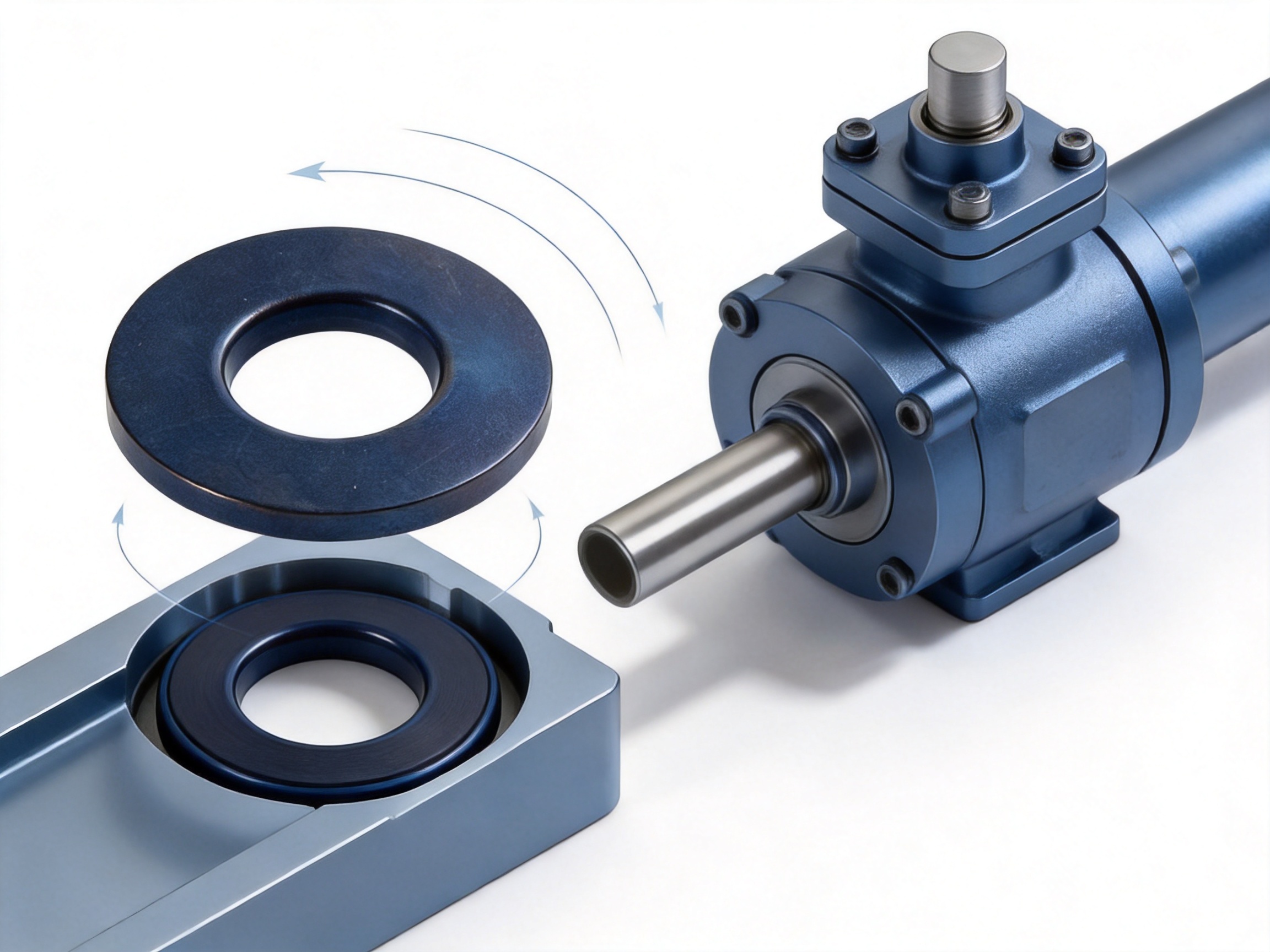
The A-5-002 addresses this operating challenge through a combination of geometry and material selection. Its 2.4 mm section is described as thickened for the intended application. A more substantial section can provide improved resistance to local collapse and physical impact, provided that the housing dimensions and compression ratio are correctly designed. The NBR material contributes elastic flexibility, while the finished edge supports a more stable sealing line.
Specialized valve seals also need to be produced consistently. A small dimensional variation may have a significant effect in a compact assembly. If the inside diameter is too small, friction may rise. If it is too large, contact pressure may be inadequate. If the outside diameter or section height is outside the design tolerance, the seal may be under-compressed, over-compressed, or difficult to install. Manufacturing control is therefore as important as the nominal product design.
Quick-Opening Valve High-Resilience Seal
Design Features of the A-5-002
Rapid Elastic Recovery
Rapid elastic recovery is the ability of an elastomer to return toward its designed shape after being compressed or displaced. In a quick-opening valve, this property supports continued sealing performance after repeated movement. When a valve cycles rapidly, the seal must repeatedly respond to mechanical changes without remaining permanently flattened or displaced.
The A-5-002 is developed with recovery performance as a central objective. Its design is intended to help the sealing ring restore contact quickly after a movement or impact. This does not mean that the seal is immune to all permanent deformation; operating temperature, pressure, compression level, chemical environment, and cycle count remain important. However, a material and profile selected for resilience can offer a meaningful advantage over a general-purpose seal that is optimized only for static compression.
Thickened 2.4 mm Section
The 2.4 mm section height gives the product a robust cross-section relative to its compact diameter. A thicker section can improve resistance to localized deformation and provide more material to maintain contact as the valve moves. It may also help the seal tolerate small mechanical impacts more effectively than a thinner profile, assuming the surrounding groove has been designed for the correct amount of compression and clearance.
Section thickness must always be considered together with housing geometry. Excessive compression can increase friction and accelerate wear, while insufficient compression can cause leakage. The stated size of the A-5-002 provides a clear starting point for engineering evaluation, but the final installation should be checked against the actual groove, rod, bore, pressure, temperature, and movement conditions.
Leak-Resistant Edge Processing
The edge of a dynamic seal is a functional surface rather than a purely cosmetic feature. A clean, uniform edge supports consistent contact with the mating component. Irregular edges can produce concentrated stress, scrape material during movement, or leave small channels through which gas or fluid may pass.
The A-5-002 includes leak-proof edge processing as one of its stated features. This processing is intended to reduce edge-related leakage risks and improve the consistency of the contact line. It also supports the general objective of producing a seal that performs reliably under frequent actuation rather than only during a single pressure test.
Reduced Actuation Friction
Friction is a critical design consideration in control valves. If the seal creates excessive resistance, the actuator may require greater force, the valve may respond more slowly, and the moving parts may experience increased wear. High friction can also generate heat, which may affect the elastomer and alter the long-term performance of the assembly.
The A-5-002 is designed to reduce actuation friction while retaining sufficient sealing contact. This balance is achieved through the relationship among material elasticity, seal dimensions, edge condition, surface compatibility, and installation compression. A lower-friction sealing interface can contribute to smoother operation, improved energy efficiency, and more predictable valve response.
NBR Material Characteristics
NBR, or nitrile butadiene rubber, is widely used in sealing applications because it offers a practical combination of elasticity, mechanical strength, abrasion resistance, and compatibility with many mineral oil-based fluids. It is a familiar material for industrial sealing components and can be compounded to meet different requirements for hardness, resilience, compression resistance, and temperature performance.
For the A-5-002, NBR provides a suitable foundation for a compact dynamic seal intended for repeated movement. Its mechanical properties can support a stable contact interface while allowing the ring to flex during installation and operation. NBR is also widely available and familiar to maintenance and engineering teams, which can simplify material qualification and replacement planning.
Material selection must nevertheless be based on the actual operating environment. NBR is not universally suitable for every chemical, temperature, or pressure condition. Compatibility should be evaluated for the specific gas, oil, lubricant, cleaning agent, and environmental exposure. If the valve operates outside the normal range for NBR, an alternative compound such as HNBR or FPM may be considered through a customized product-development process.
The supplied product information identifies NBR as the material but does not specify hardness, temperature range, tensile strength, elongation, compression set, or fluid-compatibility ratings. These values should be confirmed during technical selection. A professional manufacturer can support the customer by reviewing the operating conditions and identifying whether the standard NBR formulation is suitable or whether a modified compound is needed.
Material consistency is also important. Two elastomers may both be labeled NBR while differing significantly in polymer content, filler system, plasticizer selection, curing characteristics, hardness, and dynamic behavior. A controlled compound formulation and documented batch management help reduce performance variation between production lots.
Advantages Compared with General-Purpose Competitor Seals
The A-5-002 should be compared with competing products according to application performance rather than price alone. A low-cost standard ring may appear interchangeable when viewed only by nominal dimensions, but its recovery rate, edge quality, compound consistency, and resistance to repeated cycling may not be equivalent.
Application-Specific Optimization
One of the main advantages of the A-5-002 is its stated development purpose. It is designed specifically for quick-opening and closing control valves. This application focus differentiates it from a general-purpose seal intended for static flanges, slowly moving pistons, or occasional service.
Application-specific development allows the designer to consider the actual movement pattern, contact pressure, impact behavior, and friction requirements. A general-purpose competitor may meet the same nominal dimensional specification but lack the recovery characteristics or edge treatment needed for high-frequency operation. In a demanding valve, the more relevant comparison is the number of reliable cycles, leakage stability, operating force, and maintenance interval.
Improved Recovery after Repeated Cycling
Repeated cycling is a primary source of seal degradation. The A-5-002 is intended to recover quickly after compression and physical impact. This can help preserve the sealing profile over a larger number of cycles and reduce the risk of early leakage caused by residual deformation.
Competitor products made from a less resilient compound or manufactured with inconsistent curing may recover more slowly. They may also show greater variation from one batch to another. A product designed around resilience can therefore provide more predictable operation when the valve is opened and closed frequently.
Balanced Friction and Sealing Contact
Some seals achieve a strong initial seal by applying excessive interference against the mating surface. Although this may reduce leakage at the beginning of service, it can increase actuation force, heat generation, and wear. The A-5-002 is designed to balance leak resistance with reduced actuation friction.
This balance is particularly valuable in automated or precision control systems. Lower friction can help the actuator respond more consistently and may reduce the energy required for each cycle. It can also minimize stress on rods, bores, guides, and other moving elements. The result is not simply a better seal but a more efficient valve assembly.
Controlled Sealing Edges
Edge condition is an area where low-cost products can vary considerably. Poor trimming, flash, parting-line defects, or surface damage may not be obvious during a quick visual inspection, yet these defects can influence leakage and wear. The A-5-002’s leak-resistant edge processing is intended to deliver a cleaner and more dependable sealing line.
A controlled edge is especially important in small-diameter products, where a defect can represent a relatively large proportion of the total contact area. Consistent finishing also improves installation reliability because the seal is less likely to catch on a sharp groove edge or become damaged during assembly.
Support from a Specialized Manufacturer
Another advantage over anonymous or purely trading-based suppliers is access to technical support. The manufacturer behind the product focuses on sealing technology for gas springs, dampers, and related O-ring products. This industry focus can provide useful knowledge of dynamic sealing, compact assemblies, material selection, and application-specific design.
Technical support is particularly valuable when the available information does not include all installation parameters. The A-5-002 specification lists the main dimensions and material, while fields such as the applicable pressure range and steel pipe inner diameter multiplied by piston rod diameter are not populated in the supplied table. These details should be determined from the actual valve design rather than assumed from the product code.
Advanced Manufacturing Approach
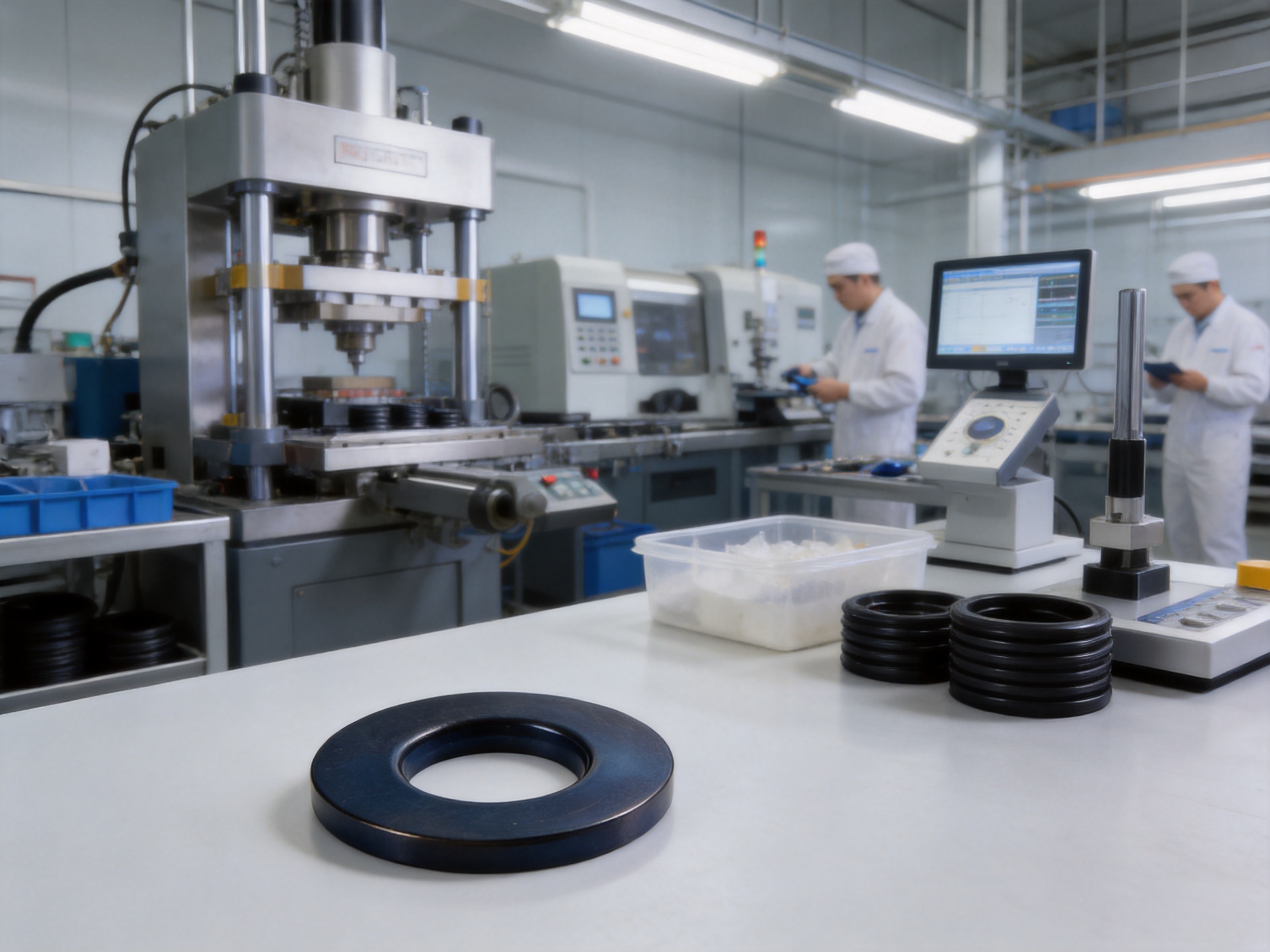
Reliable sealing performance depends on a controlled manufacturing chain. The manufacturer is a high-tech enterprise established in 2019 and focuses on the research, development, and application of sealing technology for gas springs, dampers, and related O-ring products. Its stated strengths include research and development capability, advanced production equipment, and a professional technical service team.
For a product such as the A-5-002, advanced manufacturing begins before molding. Engineers must translate the operating requirements into a suitable profile, material formulation, mold design, and dimensional tolerance. The intended use in rapid-cycle valves means that recovery, friction, edge integrity, and resistance to physical impact should be considered together rather than independently.
Design and Engineering Review
The design process should begin with a review of the application conditions. Important inputs include the valve bore and rod dimensions, groove geometry, compression ratio, pressure direction, stroke, cycling frequency, speed, temperature, lubricant, and surrounding materials. These details allow the manufacturer to determine whether the standard A-5-002 configuration is appropriate or whether a customized version is required.
Computer-assisted design and technical drawing control help maintain dimensional consistency. A controlled drawing defines the outside diameter, inside diameter, section height, permissible tolerances, parting-line location, edge requirements, and inspection points. The design should also identify critical dimensions that directly affect leakage and friction.
When customers require a nonstandard size or material, the manufacturer’s ability to support product design, testing, and technical consultation becomes an important competitive advantage. Customization is more effective when the supplier understands the complete assembly rather than simply copying a sample ring.
Compound Preparation
NBR performance depends greatly on the compound formulation and mixing process. The elastomer must be blended with the appropriate curing agents, reinforcing materials, processing aids, stabilizers, and other ingredients. A controlled mixing process helps distribute these components evenly throughout the rubber compound.
Uniform dispersion contributes to consistent hardness, elasticity, tensile performance, and recovery. Poorly mixed material may contain localized variations that create weak points or inconsistent friction. Batch identification and process records are useful for tracing the material from incoming raw components through molding and final inspection.
The compound should also be evaluated for the intended application. For a quick-opening valve seal, resilience and compression recovery may be more important than simply achieving a target hardness. The formulation must provide sufficient flexibility for installation while resisting permanent deformation during repeated operation.
Mold Design and Forming
Precision molding is central to the production of small sealing rings. The mold cavity must reproduce the specified profile while controlling flash, parting lines, and dimensional variation. The filling behavior of the rubber compound, mold temperature, pressure, curing time, and venting all influence the finished part.
A well-controlled mold design helps maintain the 11.5 mm outside diameter, 4.6 mm inside diameter, and 2.4 mm section height. It also supports a more consistent edge profile. If the cavity is poorly vented or the process is unstable, trapped air, incomplete filling, surface marks, or dimensional defects may appear.
Advanced production equipment is valuable because it can improve control over molding pressure, temperature, timing, and repeatability. Equipment alone does not guarantee quality, but it provides the foundation for a stable process when combined with trained operators, documented procedures, and regular maintenance.
Trimming and Edge Finishing
After molding, elastomer rings may require removal of flash and careful finishing around the parting line. This stage is particularly important for the A-5-002 because the product description identifies leak-proof edge processing as a performance feature.
Finishing must remove unwanted material without cutting or weakening the sealing edge. Excessive trimming can change the profile, while insufficient trimming can leave flash that interferes with movement. A controlled finishing method, supported by visual inspection and dimensional checks, helps preserve the intended balance between sealing contact and low friction.
Curing and Process Stability
Curing determines the final cross-linked structure of the NBR compound. Under-curing may leave the material too soft or insufficiently stable, while over-curing can reduce elasticity and increase brittleness. Stable curing conditions are therefore essential for repeated-cycle performance.
Production controls should monitor the key parameters associated with the curing process. Periodic testing of hardness, tensile strength, elongation, compression set, and recovery behavior can help verify that each material batch meets the required specification. Dynamic seals may also benefit from application-oriented testing that simulates repeated movement rather than relying only on static material data.
Inspection and Quality Assurance
Quality assurance for a compact dynamic seal should include dimensional inspection, visual inspection, material verification, and functional evaluation where appropriate. Critical dimensions can be checked using calibrated gauges or optical measuring equipment. Visual inspection can identify flash, cuts, cracks, contamination, surface irregularities, and molding defects.
Material verification helps ensure that the correct NBR compound has been used. Depending on the customer’s requirements, this may include hardness testing, density checks, physical-property testing, or batch documentation. Functional testing may evaluate leakage, friction, recovery, compression behavior, or cycle durability in a representative fixture.
A professional technical service team can help define the appropriate inspection plan. Not every application requires the same level of testing, but high-frequency valve service generally deserves more than a basic dimensional check. The inspection criteria should reflect the consequences of leakage, increased actuation force, or premature replacement.
Company Strengths and Technical Capabilities
The manufacturer’s specialization in sealing technology is a significant strength for customers seeking more than a standard commodity component. The company focuses on sealing solutions for gas springs, dampers, and related O-ring products, all of which require close attention to elastomer behavior, movement, pressure, and long-term reliability.
Its research and development capability supports the improvement of product profiles, material options, manufacturing methods, and application performance. This is particularly relevant when a valve manufacturer needs a seal that fits a restricted space, responds to a specialized motion pattern, or operates under conditions not covered by a standard catalog specification.
Advanced production equipment supports repeatability and process control. For small seals, repeatability is essential because a minor dimensional difference can alter installation force or leakage performance. Stable equipment, controlled molds, and disciplined process management help reduce variation between parts and production batches.
The company also provides customized sealing solutions, including product design, testing, and technical consultation. This service model can shorten the gap between the customer’s problem and the final sealing product. Instead of selecting a ring only by nominal diameter, the customer can discuss the complete operating environment and receive guidance on material and design suitability.
The technical service team is another practical advantage. Seal selection frequently involves questions that cannot be answered by a product title alone. Customers may need help determining groove compression, rod compatibility, installation direction, lubrication, pressure limits, or material resistance. A responsive engineering contact can prevent incorrect substitution and reduce trial-and-error during assembly development.
The manufacturer serves industries including automotive, furniture, home appliances, medical equipment, construction, and other sectors. This broad application experience may contribute to a wider understanding of sealing challenges, production volumes, quality expectations, and customization requirements. At the same time, each new application should still be evaluated individually because the operating conditions within one industry can vary substantially.
Installation and Assembly Considerations
Even a well-designed seal can fail if it is installed incorrectly. Before assembly, the groove, rod, bore, and surrounding components should be cleaned and inspected. Sharp edges, burrs, machining marks, chips, and contamination can cut the NBR ring or create a leakage path.
The 4.6 mm inside diameter should be evaluated against the actual mating diameter. If the seal is stretched excessively during installation, its section may become thinner and its sealing behavior may change. If it is forced over a sharp shoulder, the edge may be nicked. Appropriate installation tools, guides, or protective sleeves can reduce this risk.
The housing should be checked to ensure that the 11.5 mm outside diameter and 2.4 mm section height are compatible with the available space. The groove must provide enough room for the seal to deform under operating pressure without excessive extrusion. It must also maintain the intended compression after assembly.
Lubrication should be compatible with NBR and with the valve’s operating medium. A suitable assembly lubricant can reduce installation damage and initial friction, but an incompatible lubricant may cause swelling, shrinkage, softening, or hardening. The lubricant should also be applied in a controlled amount because excess material can contaminate the valve or affect pressure response.
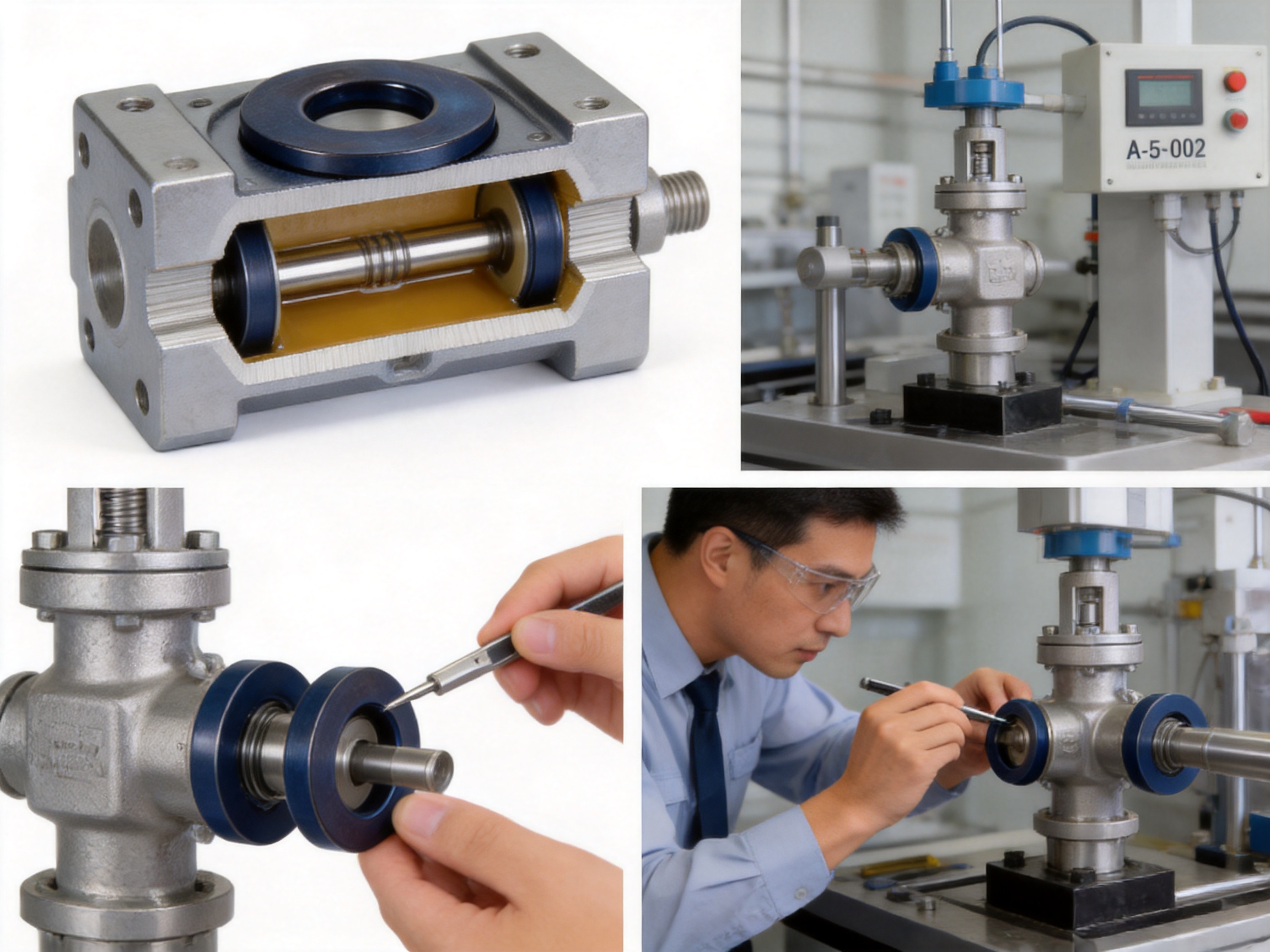
The valve should be tested after assembly. Initial testing may include low-pressure leakage inspection, actuation-force measurement, stroke verification, and observation for sticking or irregular movement. If the valve is intended for high-frequency service, a cycle test should be considered. Testing should use conditions that represent the actual application as closely as possible.
Application Evaluation
Before selecting the A-5-002, engineers should document the operating conditions. The following factors are especially important:
Pressure: The actual operating and peak pressure should be identified, along with the direction of pressure acting on the seal. The supplied product table does not state a design pressure range, so this value should be confirmed through application review.
Temperature: The minimum, normal, and maximum temperatures should be considered. Temperature affects NBR elasticity, hardness, compression recovery, and chemical compatibility.
Movement: Stroke length, speed, acceleration, frequency, and duty cycle influence friction, heat generation, and wear. A valve that cycles occasionally may place very different demands on the seal than one that operates continuously.
Counterface condition: Surface roughness, hardness, coating, alignment, and cleanliness affect the sealing interface. A seal cannot compensate indefinitely for a damaged or poorly aligned mating surface.
Fluid or gas compatibility: The medium, additives, cleaning fluids, and lubricants should all be evaluated. Chemical exposure may occur during operation, storage, maintenance, or transportation.
Installation geometry: Groove dimensions, clearances, compression, squeeze, lead-in chamfers, and part tolerances should be checked. The product dimensions provide the ring size, but not the complete installation design.
Service life: Expected cycle count, maintenance interval, replacement policy, and consequences of leakage should be established. These factors determine the level of validation and inspection required.
Performance Benefits in Valve Systems
When correctly matched to the application, the A-5-002 can provide several system-level benefits. Rapid recovery may help maintain sealing contact during repeated actuation. Stable edge geometry may reduce leakage caused by local defects. Reduced friction may improve valve responsiveness and lower the operating force required from the actuator.
These benefits can support more consistent control performance. In a valve that regulates gas or fluid flow, inconsistent seal friction may create hysteresis or make small adjustments difficult. A seal with a stable friction profile can help the actuator achieve more predictable movement.
Reduced deformation can also support longer maintenance intervals. Premature seal deformation often leads to leakage, increased friction, or visible damage during inspection. If the seal retains its profile for a greater portion of its service life, the complete valve may remain functional for longer before replacement is required.
The compact dimensions of the A-5-002 may make it suitable for space-constrained assemblies. Its specific 11.5 × 4.6 × 2.4 mm size provides a defined option for engineers who need a small ring with a relatively robust section. However, compatibility must be confirmed by measurement rather than inferred from nominal size alone.
Customization and Development Support
Standardized products are efficient when the application fits the published dimensions and material. However, many valve assemblies have unusual groove sizes, special pressure requirements, difficult temperatures, or strict friction limits. In these situations, customization can be more economical than repeatedly modifying the valve around an unsuitable seal.
The manufacturer’s stated ability to provide product design, testing, and technical consultation supports this development process. A custom project may involve changing the inside diameter, outside diameter, section height, edge shape, material hardness, compound formulation, or surface treatment. Any change should be evaluated because altering one dimension can affect installation, pressure resistance, and friction.
Material customization may include NBR alternatives or other elastomer families. NBR is a practical choice for many applications, but HNBR may be considered when greater heat or mechanical resistance is required, while FPM may be considered for certain high-temperature or chemical environments. The correct option depends on the specific medium and operating conditions, not simply on a general material ranking.
Testing during development should represent the customer’s actual valve. A laboratory test that uses a different rod surface, pressure, lubricant, temperature, or cycle speed may not accurately predict field performance. Application-based testing helps identify whether the design maintains recovery, leakage control, and acceptable actuation force over the required service period.
Technical consultation can also assist with root-cause analysis. If a current seal is leaking, engineers should determine whether the cause is compression set, extrusion, abrasion, chemical attack, misalignment, installation damage, excessive friction, or incorrect groove design. Replacing the material alone may not solve a problem caused by poor assembly geometry.
Purchasing and Supplier Evaluation
Purchasers should evaluate more than unit price when sourcing quick-opening valve seals. The relevant total cost includes assembly efficiency, leakage risk, actuator loading, maintenance frequency, replacement labor, and the potential consequences of valve failure.
A capable supplier should be able to confirm the product code, dimensions, material, available tolerances, production capability, packaging method, and quality documentation. For the A-5-002, the product code is A-5-002 and the listed material is NBR. Additional requirements such as pressure testing, hardness range, inspection reports, or batch traceability should be discussed before order placement.
Sample approval is recommended for new applications. The sample should be installed in the actual or representative valve housing and evaluated for installation force, leakage, actuation friction, and cycle behavior. If the seal replaces a competitor’s product, the comparison should use identical assembly and test conditions.
Packaging and storage should also be considered. Elastomer seals should be protected from excessive heat, direct sunlight, ozone sources, contamination, and deformation during storage. Correct packaging helps ensure that the product reaches the assembly line in the same condition in which it passed final inspection.
Communication quality is another supplier differentiator. A manufacturer that can respond clearly to technical questions, provide drawings, review test results, and support corrective actions can reduce development time. This is particularly important for international customers who need reliable coordination across engineering, purchasing, production, and quality departments.
Maintenance and Service-Life Management
Even a high-resilience seal requires appropriate maintenance. Inspection intervals should be based on cycle frequency, operating conditions, and the importance of the valve. Signs of degradation may include increased actuation force, delayed response, visible leakage, surface cracking, flattening, swelling, abrasion, or changes in the valve’s pressure-holding behavior.
During replacement, the old seal should be removed without scratching the groove or mating surface. The housing should be cleaned and inspected before the new A-5-002 is installed. Reusing a seal that has already experienced compression or chemical exposure is generally not recommended for critical service because its recovery characteristics may have changed.
Maintenance records can help identify trends. Recording the installation date, cycle count where available, operating conditions, leakage observations, and replacement reason allows engineers to determine whether the seal is meeting the expected service life. These records also provide useful information for future material or design optimization.
If a seal fails earlier than expected, the failed part should be preserved and examined. A worn edge may suggest abrasion or excessive friction. A flattened section may indicate compression set or overheating. A swollen ring may indicate chemical incompatibility. Cuts or nicks may point to installation damage. This evidence allows the manufacturer and customer to address the actual cause rather than making an unsupported substitution.
Recommended Validation Plan
A structured validation plan can reduce the risk of introducing a new seal into production. The first stage is dimensional confirmation. Measure the product and verify that it matches the required 11.5 mm outside diameter, 4.6 mm inside diameter, and 2.4 mm section height within the agreed tolerance.
The second stage is material confirmation. Verify that the ring is made from the specified NBR compound and confirm hardness and other relevant physical properties. If the valve uses a specialized medium, conduct compatibility testing using the actual fluid, lubricant, and temperature conditions.
The third stage is assembly evaluation. Install the seal in production-intent hardware and measure the insertion force, actuation force, leakage, and smoothness of movement. Check for twisting, extrusion, pinching, or damage during assembly.
The fourth stage is cycle testing. Operate the valve at its intended speed and frequency, including representative pressure and temperature. Monitor leakage and actuation force throughout the test rather than only at the beginning and end. A seal designed for frequent cycling should be assessed under repeated movement.
The final stage is field or pilot production validation. A limited quantity can be placed into controlled service to verify performance under real operating conditions. Feedback from production and maintenance teams should be reviewed with the manufacturer to determine whether the standard A-5-002 is suitable or whether a customized version would provide additional benefits.
Frequently Asked Questions
What is the A-5-002 seal designed for?
The A-5-002 is developed for quick-opening and closing control valves. It is intended for applications where repeated cycling, rapid recovery, leak resistance, and controlled actuation friction are important.
What are the dimensions of the product?
The listed dimensions are 11.5 × 4.6 × 2.4 mm. The outside diameter is 11.5 mm, the inside diameter is 4.6 mm, and the section height is 2.4 mm.
What material is used?
The product information identifies NBR, or nitrile butadiene rubber, as the material. The exact compound properties, including hardness and temperature capability, should be confirmed for the intended application.
Why is rapid recovery important in a quick-opening valve?
Rapid recovery helps the seal return toward its intended shape after compression, displacement, or impact. This can support continued sealing contact during frequent cycling and reduce the risk of leakage caused by residual deformation.
Does the product reduce valve operating force?
The design objective includes reduced actuation friction. Actual operating force depends on the seal, groove compression, surface finish, lubricant, pressure, temperature, alignment, and other valve components. Testing in the actual assembly is recommended.
Can the seal be used in every pressure application?
No. The supplied information does not specify a universal pressure range. Pressure suitability must be determined from the actual groove design, clearance, pressure direction, temperature, medium, and cycle conditions.
Can the product be customized?
The manufacturer provides customized sealing solutions, including product design, testing, and technical consultation. Customers can discuss alternative dimensions, materials, or performance requirements with the technical team.
Is NBR compatible with all fluids and gases?
No. NBR is compatible with many oils and industrial media, but compatibility varies according to the specific chemical, temperature, concentration, and exposure time. The operating medium and lubricant should be reviewed before approval.
What should be checked before installation?
Inspect the groove, bore, rod, chamfers, surface finish, cleanliness, and dimensions. Remove burrs and sharp edges, use a compatible assembly lubricant when appropriate, and avoid twisting or cutting the ring during installation.
How can the product be compared with a competitor’s seal?
Compare more than nominal dimensions. Evaluate material properties, edge quality, recovery, leakage, friction, cycle durability, batch consistency, documentation, technical support, and total service cost under identical test conditions.
What information should be provided for technical evaluation?
Useful information includes the mating diameters, groove dimensions, pressure, temperature, medium, lubricant, stroke, speed, cycle frequency, surface finish, expected service life, and any current failure symptoms. Complete information allows a more accurate recommendation.
Conclusion
The A-5-002 Quick-Opening Valve High-Resilience Seal is designed to address the demanding requirements of rapidly cycled control valves. Its 11.5 mm outside diameter, 4.6 mm inside diameter, and 2.4 mm section height provide a compact but substantial configuration. The NBR material offers a practical balance of elasticity and mechanical performance, while the product’s rapid-recovery design, leak-resistant edge processing, and reduced-friction objective support dependable dynamic operation.
Its principal advantage over a generic competitor seal is application focus. The product is developed around the challenges of frequent actuation rather than treated as an interchangeable static ring. Recovery after repeated compression, edge consistency, dimensional control, and friction management all contribute to the performance of the complete valve.
Manufacturing capability is equally important. Research and development resources, advanced production equipment, controlled material preparation, precision molding, careful edge finishing, inspection, testing, and technical service create a stronger foundation for consistent quality. The manufacturer’s ability to provide customized design and application consultation further supports customers whose requirements extend beyond standard catalog dimensions.
For the best result, the seal should be selected through a complete engineering review. Confirm the groove and mating dimensions, pressure, temperature, medium, lubricant, motion profile, and expected cycle life. When properly matched and installed, the A-5-002 can help control leakage, reduce actuation resistance, improve operating consistency, and support longer service intervals in quick-opening valve systems.
References
1. Product specification sheet for A-5-002 Quick-Opening Valve High-Resilience Seal, including dimensions, material, product code, and stated performance features.
2. Elastomer Engineering Principles for Sealing Applications, technical reference covering compression, recovery, friction, wear, and material selection.
3. Rubber Materials and Their Applications in Dynamic Seals, reference material concerning NBR behavior, compound formulation, and fluid compatibility.
4. Industrial Valve Design and Maintenance Practices, reference covering valve actuation, leakage control, groove design, installation, and service evaluation.
5. Quality Control Methods for Molded Rubber Components, technical reference addressing molding, curing, trimming, dimensional inspection, and batch traceability.
Product: Quick-Opening Valve High-Resilience Seal
PREV:13 mm Standard General-Purpose NBR O-Ring for Industrial Maintenance
NEXT:10.6 Series Standard Piston Seal for Compact Pneumatic and Damping Applications
NEXT:10.6 Series Standard Piston Seal for Compact Pneumatic and Damping Applications


Want to know more
about us?
about us?

Precision sealing for gas springs and dampers. Durable, wear-resistant, and built for long-life performance in demanding applications.
Product Categories
Quick Links
Contact Us
-
Email: jns@jnsseals.cn

-
Manager Gong: +86-18563770820

-
Manager Wang: +8615357558902
-
No. 5, Meilin Avenue, Meilin Industrial Development Zone, Ningguo City, Anhui Province, China

