

 English
 русский
 Deutsch
 Türk
Türk 中文简体
中文简体
14.8 mm Robust Piston Seal for High-Vibration Applications
14.8 mm Robust Piston Seal for High-Vibration Applications
14.8 mm Robust Piston Seal for High-Vibration Applications
14.8 mm Robust Piston Seal for High-Vibration Applications
14.8 mm Robust Piston Seal for High-Vibration Applications
14.8 mm Robust Piston Seal for High-Vibration Applications
14.8 mm Robust Piston Seal for High-Vibration Applications
14.8 mm Robust Piston Seal for High-Vibration Applications
14.8 mm Robust Piston Seal for High-Vibration Applications
14.8 mm Robust Piston Seal for High-Vibration Applications
14.8 mm Robust Piston Seal for High-Vibration Applications
14.8 mm Robust Piston Seal for High-Vibration Applications
14.8 mm Robust Piston Seal for High-Vibration Applications
14.8 mm Robust Piston Seal for High-Vibration Applications
14.8 mm Robust Piston Seal for High-Vibration Applications
14.8 mm Robust Piston Seal for High-Vibration Applications

Deng Yixuan — Domestic Sales Supervisor
Home / Author / Deng Yixuan — Domestic Sales Supervisor / 14.8 mm Robust Piston Seal for High-Vibration Applications
NEW Category
Contact us
14.8 mm Robust Piston Seal for High-Vibration Applications
Content
- 1 Product Overview
- 2 Why a Y-Type Profile Matters
- 3 Material Advantages of NBR
- 4 Performance in High-Vibration Zones
- 5 Advantages Compared with Generic Competitor Seals
- 6 Manufacturing Process and Quality Strengths
- 7 Applications and Industry Relevance
- 8 Installation and Design Considerations
- 9 Service Life and Maintenance Factors
- 10 Testing and Validation Recommendations
- 11 Customization and Technical Cooperation
- 12 Procurement and Quality Documentation
- 13 Why Manufacturer Experience Matters
- 14 Frequently Asked Questions
- 14.1 What is the 14.8 mm Robust Piston Seal used for?
- 14.2 What are the product dimensions?
- 14.3 What material is used?
- 14.4 What does the 10–500 N range mean?
- 14.5 Can the seal be used with any hydraulic oil?
- 14.6 Is self-lubrication available?
- 14.7 What steel pipe and piston rod dimensions are associated with this product?
- 14.8 How does this product compare with a standard O-ring?
- 14.9 Can the product be customized?
- 14.10 How should the seal be installed?
- 14.11 What can cause premature failure?
- 14.12 What industries may use this product?
- 14.13 How can customers begin a technical evaluation?
- 15 Conclusion
- 16 References
- 17 Product: 14.8mm Robust Piston Seal
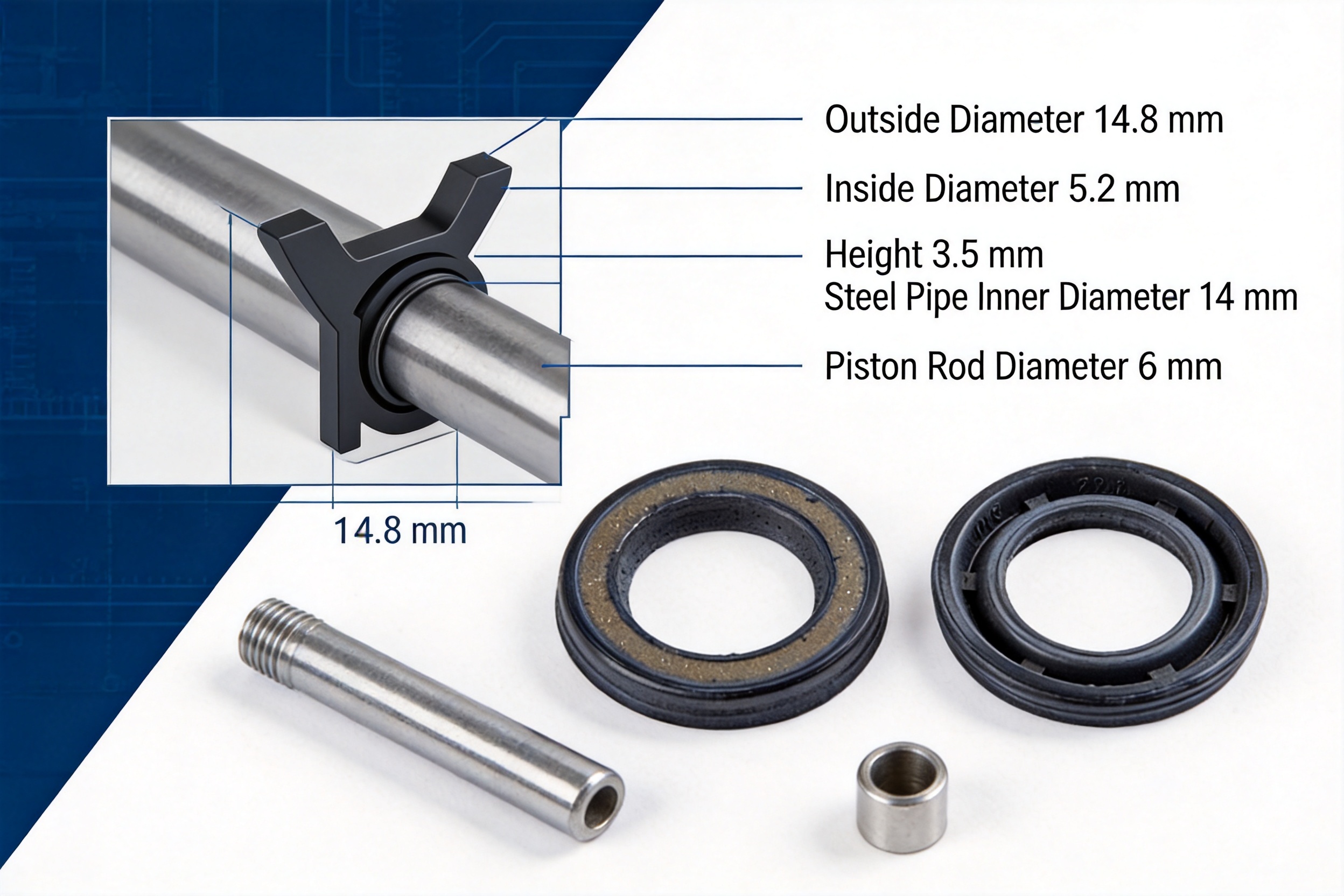
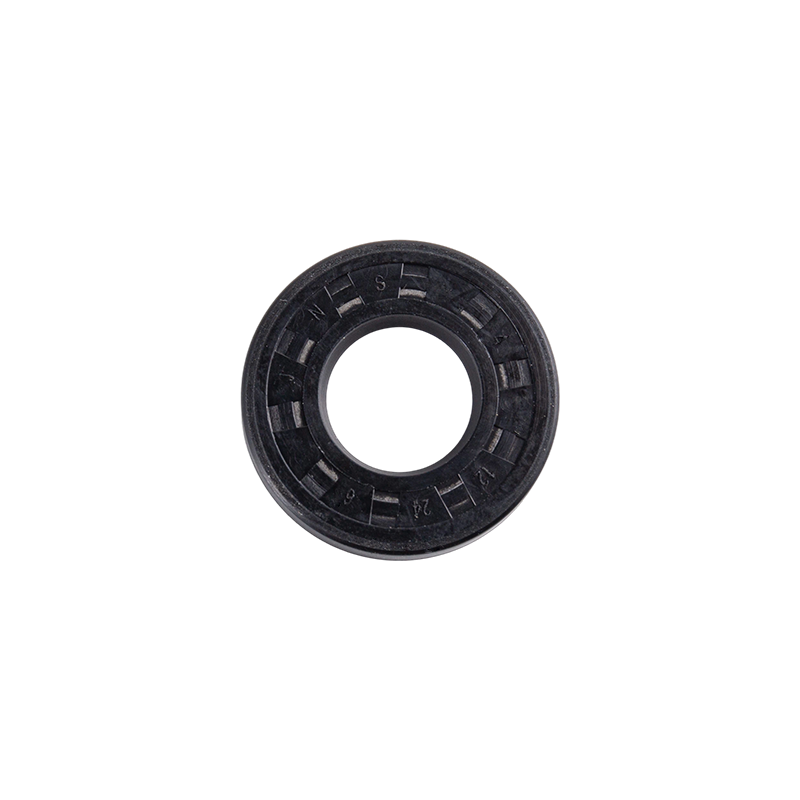
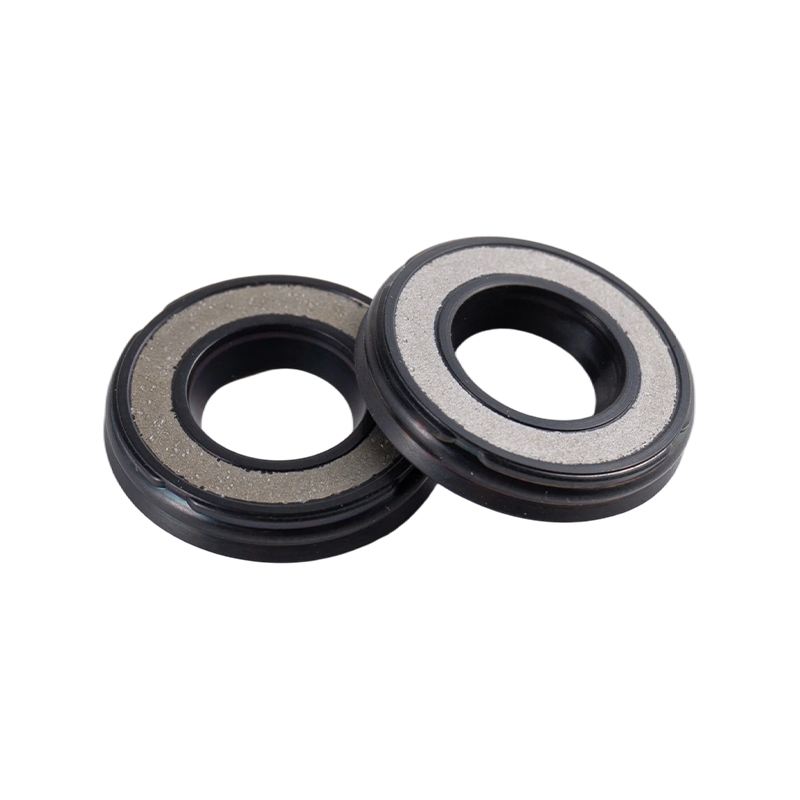
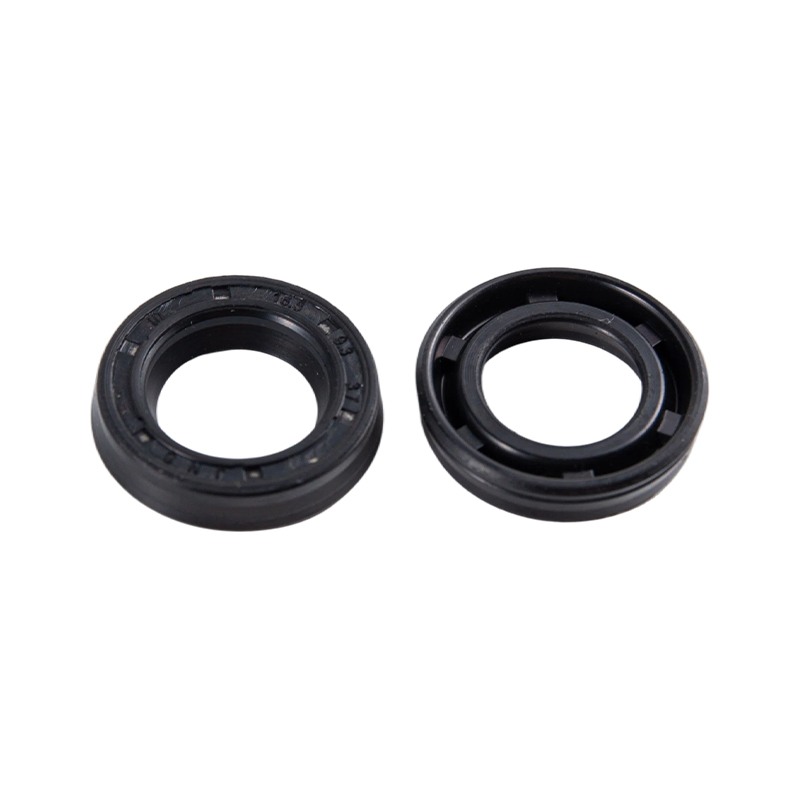
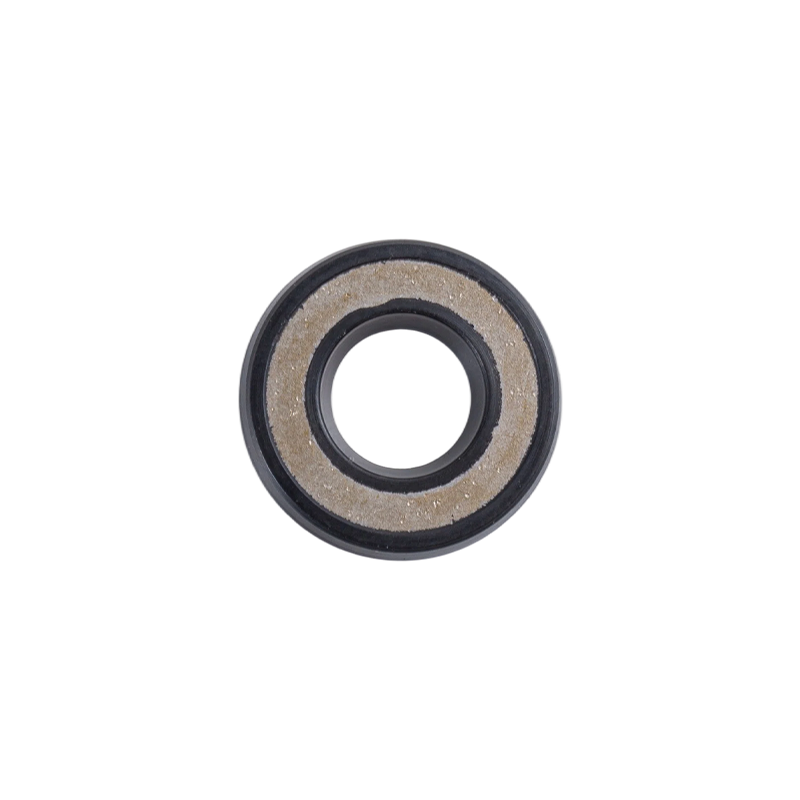
The 14.8 mm Robust Piston Seal is a compact Y-type oil seal ring designed for piston assemblies operating in demanding, high-vibration environments. With an outside diameter of 14.8 mm, an inside diameter of 5.2 mm, and a height of 3.5 mm, it provides a balanced sealing profile for compact hydraulic, pneumatic, gas spring, and damper systems. Its product code is A-1-011, and its listed material is nitrile rubber, commonly identified as NBR.
Small sealing components can have a major influence on the safety, efficiency, service life, and consistency of an entire mechanical assembly. A seal that is too loose may allow leakage, while a seal that is too tight can increase friction, wear the piston rod, and reduce operating efficiency. The 14.8 mm Robust Piston Seal has been developed to support a secure bore fit and stable piston movement in applications where vibration, repeated cycling, and dimensional accuracy are important.
The product is intended for design conditions listed in the 10–500 N range and is associated with a steel pipe inner diameter of 14 mm and a piston rod diameter of 6 mm. These dimensions make it suitable for selected compact gas spring and damper constructions, although final selection should always be confirmed against the complete operating pressure, temperature, speed, lubrication, media, and installation requirements of the application.
Its main value is not simply its small size. The seal combines a defined Y-type sealing geometry, resilient NBR material, a compact 14.8 mm outside diameter, and a structure intended to withstand vibration and repeated mechanical movement. It is therefore suitable for manufacturers and engineering teams seeking a practical sealing component for compact piston assemblies rather than a general-purpose flat gasket or an oversized industrial seal.
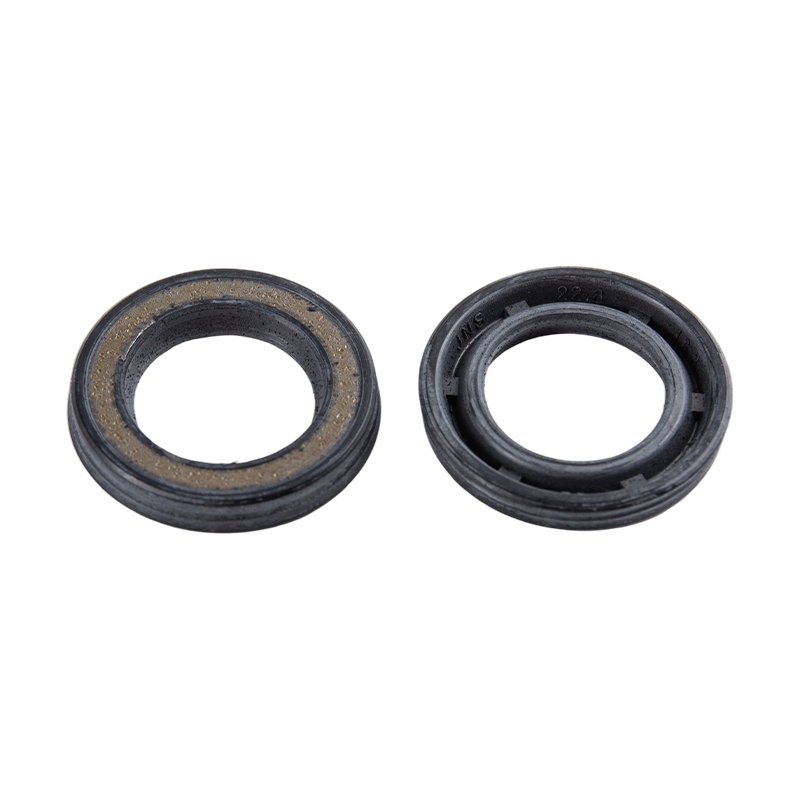
14.8mm Robust Piston Seal
Product Overview
The 14.8 mm Robust Piston Seal is a molded sealing component used around a moving piston or piston rod. The Y-type profile is designed to create sealing lips that can respond to pressure and maintain contact with the mating surface. In a properly designed assembly, the sealing lips help control the movement of oil, gas, or other working media while limiting the entry of external contaminants.
The product specification is 14.8 × 5.2 × 3.5 mm. In this specification, the first value represents the outside diameter, the second represents the inside diameter, and the third represents the seal height. The outside diameter is 14.8 mm, the inside diameter is 5.2 mm, and the axial height is 3.5 mm. These dimensions should be compared with the actual groove, bore, rod, and retaining geometry before production approval.
The listed steel pipe inner diameter is 14 mm, paired with a piston rod diameter of 6 mm. The difference between the nominal component dimensions and the associated housing and rod dimensions reflects the importance of controlled interference, groove design, and elastic deformation. A seal should not be selected solely by comparing its nominal inside or outside diameter. Correct performance depends on the relationship between the seal, groove, bore, rod, clearance, surface finish, and working conditions.
| Item | Specification |
|---|---|
| Product name | 14.8 mm Robust Piston Seal |
| Product code | A-1-011 |
| Seal category | Y-Type Oil Seal Ring |
| Product dimensions | 14.8 × 5.2 × 3.5 mm |
| Outside diameter | 14.8 mm |
| Inside diameter | 5.2 mm |
| Height | 3.5 mm |
| Listed material | NBR |
| Design applicable range | 10–500 N |
| Associated steel pipe inner diameter | 14 mm |
| Associated piston rod diameter | 6 mm |
| O-ring adapter | Not specified |
The design is especially relevant to compact equipment in which available installation space is limited. A smaller seal can help engineers keep the overall piston assembly compact, provided the operating conditions and required sealing force are compatible with the product. Its dimensions may be useful in gas springs, dampers, furniture support mechanisms, vehicle components, home appliances, and other assemblies that require controlled linear movement.
Why a Y-Type Profile Matters
A Y-type oil seal ring is characterized by a sealing cross-section that generally includes two lips separated by a central body. Depending on the installation arrangement, one lip may face the working pressure while the other supports external sealing or stabilizes the component in the groove. The exact behavior depends on the profile design, material properties, housing geometry, and operating conditions.
Compared with a simple round sealing ring, a Y-type profile can provide more deliberate control of the contact areas. The lips are able to conform to the mating surfaces and can maintain a sealing line during piston movement. This is particularly useful in applications where the piston rod or piston moves repeatedly rather than remaining stationary.
The profile can also support a practical balance between sealing effectiveness and friction. Excessive contact pressure may increase resistance and accelerate wear, while insufficient contact can permit leakage. A properly manufactured Y-type seal aims to maintain sufficient contact without creating unnecessary drag. In high-vibration systems, profile stability is also important because repeated movement can expose weaknesses in poorly controlled geometries.
The 14.8 mm Robust Piston Seal is developed for applications described as high-vibration zones. This does not mean that the seal is suitable for every vibration profile or every pressure condition. Instead, it indicates that shock resistance and structural resilience are central considerations in the product concept. Engineers should still validate the seal under the actual vibration frequency, amplitude, temperature, stroke, speed, and medium used in the final assembly.
Material Advantages of NBR
The specified material for the product is NBR, or nitrile butadiene rubber. NBR is widely used in oil seals, O-rings, piston seals, and other elastomeric components because it offers a useful combination of oil resistance, mechanical strength, elasticity, and cost efficiency. These characteristics make it a common choice for sealing systems exposed to mineral-oil-based lubricants and hydraulic fluids.
NBR can provide good resistance to abrasion and repeated deformation. This is valuable in piston applications because the sealing lips may experience continuous sliding contact. The material must flex enough to maintain contact but also resist tearing, compression damage, and permanent deformation. NBR is often selected when the application requires a reliable general-purpose elastomer with a broad industrial supply base.
Another benefit is material availability. Compared with certain specialty elastomers, NBR is widely manufactured and available in many hardness grades and compound formulations. This can support stable sourcing and cost control for original equipment manufacturers and replacement-part distributors. It also gives product developers a familiar material platform for design verification and quality testing.
However, material selection must always be related to the actual application. NBR is not automatically the best choice for extremely high temperatures, aggressive chemicals, ozone-rich environments, or fluids that are incompatible with nitrile compounds. When an application requires broader chemical resistance or higher temperature capability, alternative materials such as HNBR or FPM may be considered. The product information identifies NBR as the standard material for A-1-011, while custom material discussions may be appropriate for special conditions.
Material hardness, compound formulation, temperature range, fluid compatibility, and compression behavior should be confirmed before mass production. The sealing manufacturer’s technical team can assist with material evaluation, but the equipment designer remains responsible for confirming that the selected compound is suitable for the complete operating environment.
Performance in High-Vibration Zones
Vibration places a seal under repeated mechanical disturbance. Instead of remaining in a stable position, the seal may experience rapid changes in contact force, housing movement, rod displacement, and local deformation. If the sealing component is not designed or installed correctly, vibration can contribute to lip wear, extrusion, leakage, noise, and premature failure.
The 14.8 mm Robust Piston Seal is intended to address these challenges through its resilient elastomer construction and compact Y-type geometry. The product description emphasizes excellent shock resistance and long service life. These characteristics are important in applications where the piston assembly is exposed to frequent movement or intermittent impact.
Shock resistance is influenced by more than the rubber material alone. It also depends on the profile shape, lip thickness, support from the groove, dimensional consistency, mating-surface condition, and clearance control. A well-designed seal must tolerate short-duration disturbances without losing its seating position or suffering permanent deformation.
In practical terms, a seal used in a vibrating damper or gas spring must remain stable during extension, compression, transportation, and repeated loading. It should not rotate unintentionally in the groove, fold during installation, or lose contact with the rod after repeated cycles. These requirements make manufacturing precision and assembly control just as important as the nominal material specification.
Customers comparing this product with generic low-cost sealing rings should evaluate more than purchase price. A ring that has inconsistent dimensions or an uncontrolled lip profile may create higher assembly losses, greater leakage risk, and more frequent replacement. A product with stable molding, controlled inspection, and documented batch management can provide better total cost performance, even if the initial unit price is not the lowest available.
Advantages Compared with Generic Competitor Seals
The first competitive advantage of this product is its clearly defined compact specification. The 14.8 mm outside diameter, 5.2 mm inside diameter, and 3.5 mm height provide an identifiable starting point for engineering design. Generic descriptions such as “small piston seal” do not provide enough information for accurate selection. A defined product code and dimensional format make communication between designers, purchasers, mold engineers, and assembly teams more efficient.
The second advantage is its focus on high-vibration use. Some general-purpose seals are designed primarily for static sealing or moderate movement. The A-1-011 product is positioned for applications requiring shock resistance and repeated movement. This application orientation can help customers narrow their selection more effectively than choosing a seal based only on diameter.
The third advantage is the use of NBR for oil-sealing applications. NBR is a proven elastomer for many oil and lubricant environments, and its mechanical properties are appropriate for a wide range of compact piston systems. Customers can benefit from a familiar, widely supported material rather than relying on an obscure compound with limited supply or uncertain replacement availability.
The fourth advantage is the possibility of self-lubrication support. The product description identifies optional self-lubrication. This feature should be confirmed for the specific order because the supplied information does not define the exact formulation, additive system, or lubrication method. When available and suitable, self-lubricating behavior may help reduce initial friction, support smoother movement, and lower the risk of dry-start damage.
The fifth advantage is the manufacturer’s ability to provide technical support and customized sealing solutions. The company information states that its services include product design, testing, and technical consultation. This is valuable for customers whose required dimensions, material, pressure conditions, or assembly details differ from the standard product configuration.
The sixth advantage is the relationship between product development and manufacturing capability. A seal is not merely a rubber shape. It is the result of compound preparation, mold design, vulcanization, trimming, dimensional control, visual inspection, packaging, and technical evaluation. A supplier with experience in gas spring and damper sealing can bring application-specific knowledge to the product selection process.
| Comparison factor | 14.8 mm Robust Piston Seal | Typical undifferentiated generic ring |
|---|---|---|
| Product identification | Defined code A-1-011 and stated dimensions | May be identified only by a general description |
| Profile | Y-type piston sealing profile | Profile and application may vary |
| Material information | NBR is specified | Material may be unclear or inconsistent |
| Application emphasis | High-vibration and shock-related applications | Often marketed for broad, unspecified use |
| Customization support | Design, testing, and technical consultation available | May be limited to standard catalog supply |
| Lubrication option | Optional self-lubrication is indicated | Not necessarily offered or documented |
| Engineering value | Can be evaluated against a stated rod and bore arrangement | May require additional identification work |
These comparisons do not mean that every competing product is inferior. Many seal manufacturers offer excellent alternatives, including NBR, HNBR, FPM, polyurethane, and other engineered compounds. The important distinction is that customers should compare documented geometry, material, quality control, application experience, and technical support rather than judging products only by appearance or price.
Manufacturing Process and Quality Strengths
Advanced sealing performance begins with controlled raw-material preparation. NBR compounds are normally formulated with carefully selected polymers, fillers, plasticizers, curing agents, stabilizers, and other additives. The compound must achieve the required balance of elasticity, tensile strength, tear resistance, compression behavior, and fluid resistance. Consistent mixing is essential because uneven dispersion can create weak areas or variations in hardness.
A professional manufacturing process begins with incoming-material verification. Rubber polymers and additives should be checked against purchasing and formulation requirements. Batch identification helps maintain traceability from raw material through finished goods. When a customer requires special documentation, the supplier may also provide material records, inspection reports, or sample retention arrangements according to the agreed quality system.
Mold engineering is another important factor. A Y-type seal depends on accurate control of lip geometry, body thickness, transition areas, and molding surfaces. Small variations in these features can affect contact pressure, friction, leakage, and assembly behavior. Proper mold design helps reduce flash, improve repeatability, and maintain a consistent sealing profile across production batches.
During vulcanization, the rubber compound is exposed to controlled temperature, pressure, and time. The curing process converts the compound into an elastic finished material with defined mechanical properties. Under-curing may result in poor strength or excessive deformation, while over-curing may reduce flexibility and increase brittleness. Stable process control is therefore essential for producing reliable piston seals.
After molding, trimming and finishing remove excess flash and ensure that the sealing lips remain clean and functional. Excess flash can interfere with groove installation, increase friction, or create a leakage path. In a compact component measuring only a few millimeters in height, finishing accuracy is particularly important because even a small defect can represent a significant proportion of the sealing geometry.
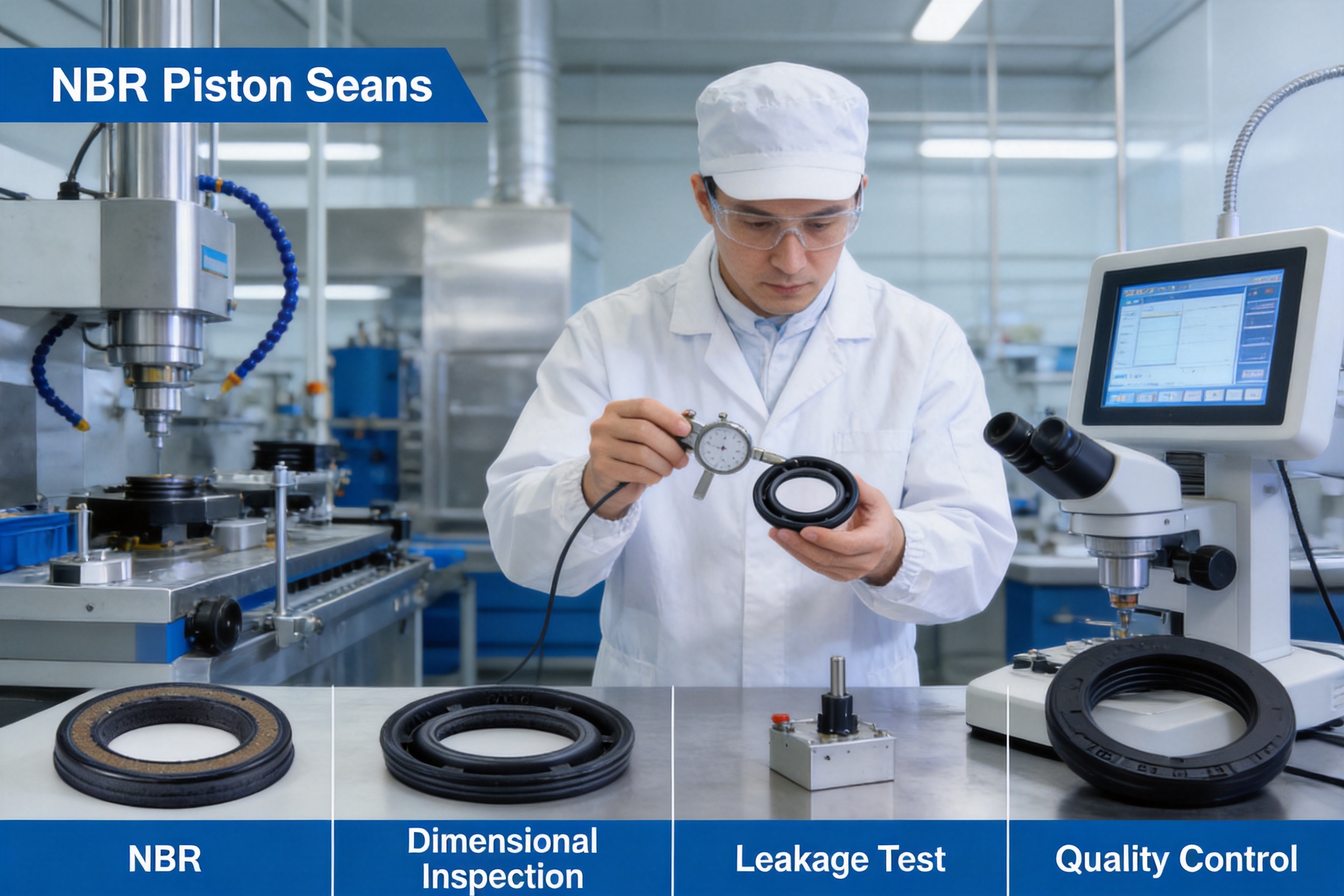
Dimensional inspection should include the outside diameter, inside diameter, height, lip condition, and overall appearance. Depending on the customer’s requirements, inspection may be performed using calibrated gauges, optical measurement systems, profile projectors, or other suitable equipment. Sampling frequency and acceptance limits should be established according to the product drawing, quality agreement, and application risk.
Material testing may include hardness, tensile strength, elongation, compression set, density, and fluid-resistance evaluation. Not every test is required for every order, but a professional development program should use appropriate tests to confirm that the compound and manufacturing process satisfy the intended design targets.
The company profile describes the manufacturer as a high-tech enterprise founded in 2019, with a focus on sealing technology for gas springs, dampers, and related O-ring products. It also identifies research and development capabilities, advanced production equipment, and a professional technical service team. These strengths are relevant to customers because sealing performance depends on the integration of material science, product geometry, tooling, processing, and application engineering.
A supplier with dedicated application knowledge can do more than reproduce a drawing. It can help identify whether a leakage problem is caused by the seal material, groove design, surface roughness, rod alignment, assembly damage, pressure spikes, or lubrication conditions. This broader engineering perspective can reduce trial-and-error during product development.
Manufacturing strength also includes production flexibility. Customers may need standard seals for regular orders, customized profiles for a new gas spring model, or alternative materials for special environments. A manufacturer capable of combining mold development, compound selection, testing, and technical consultation can support both small engineering projects and larger repeat-production programs.
Applications and Industry Relevance
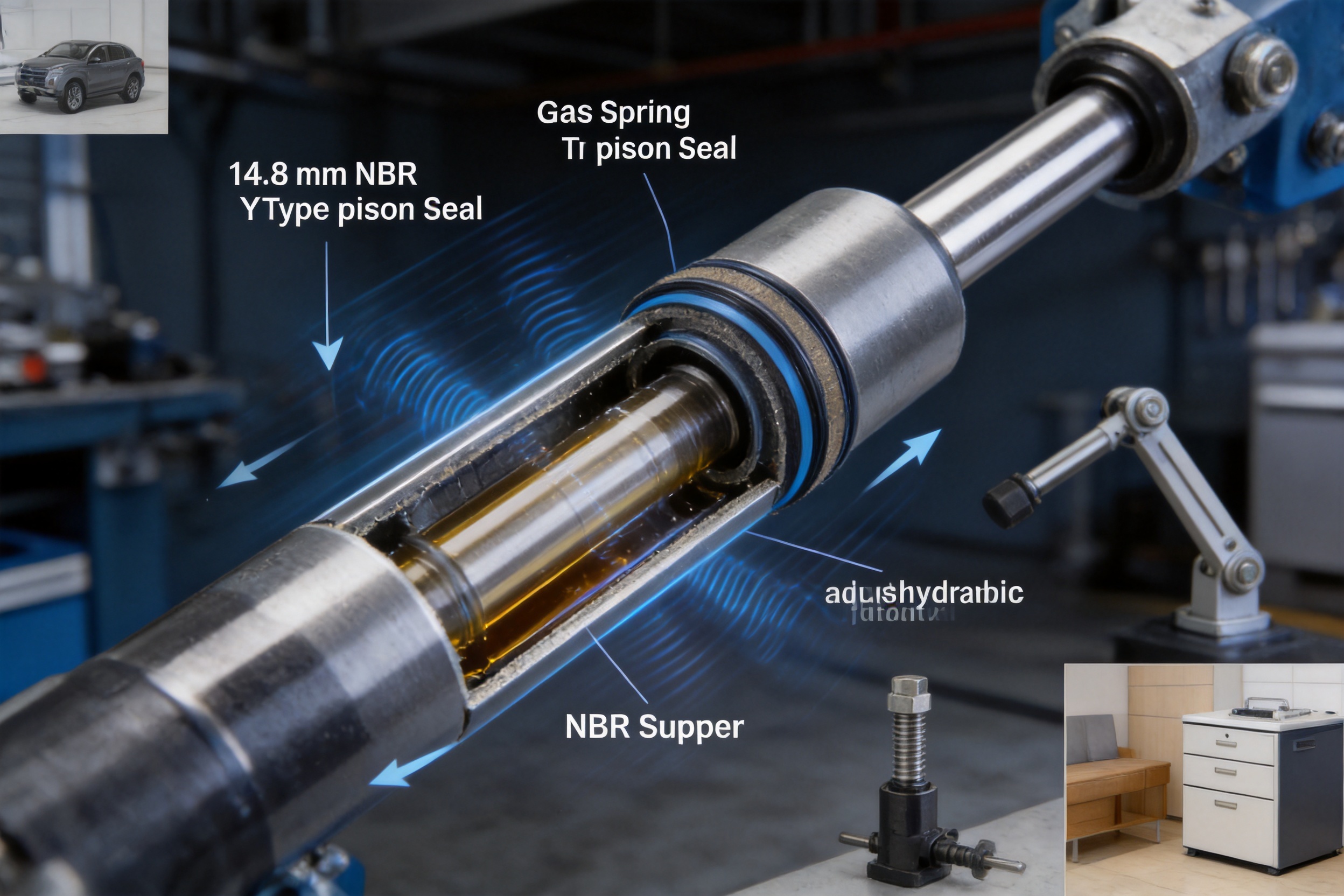
The compact dimensions and piston-sealing profile make this product relevant to gas springs and dampers. In a gas spring, the seal helps retain the internal working medium and lubricating fluid while allowing controlled movement of the piston rod. In a damper, the seal supports separation between internal fluid and the outside environment during repeated compression and extension.
Automotive applications may include selected seating systems, tailgate supports, vibration-control assemblies, adjustable mechanisms, and other compact components. The actual suitability depends on the vehicle design, fluid type, temperature range, dynamic speed, pressure, and durability target. Automotive customers generally require extensive validation because seals may be exposed to temperature changes, vibration, road contaminants, and long service intervals.
Furniture applications can include adjustable chairs, lifting mechanisms, cabinet supports, bed systems, and other gas-spring-assisted products. In these applications, smooth motion, low noise, compact size, and reliable service life are often important. A small piston seal can contribute to consistent operation and help protect the internal mechanism from leakage.
Home appliances may use compact dampers or gas-supported mechanisms in doors, lids, drawers, and moving panels. The sealing component must often operate quietly and consistently in a confined space. The product’s compact 14.8 mm outside diameter may help designers preserve space for surrounding structural elements.
Medical equipment and construction-related mechanisms may also use sealed linear components. These industries can impose additional requirements related to cleanliness, documentation, safety, chemical compatibility, and validation. The standard NBR product should be assessed carefully before use in any regulated or sensitive application. Where necessary, customers should request material declarations, inspection documentation, and application-specific testing.
Installation and Design Considerations
Correct installation is essential to achieving the expected performance of any piston seal. The groove should be manufactured according to the approved product drawing, with appropriate width, depth, corner radii, and retention features. Sharp edges can cut the sealing lips during installation or operation. Burrs and machining debris should be removed before assembly.
The piston rod or mating surface should be clean and free from scratches, dents, rust, and excessive roughness. A damaged rod can act like an abrasive surface and rapidly wear the sealing lips. Misalignment can create uneven contact, causing one side of the seal to carry excessive load while the opposite side loses contact.
Installation tools should be selected to prevent stretching, twisting, or cutting the elastomer. If the seal must pass over a threaded section, keyway, groove, or sharp shoulder, a suitable protective sleeve or guide may be required. The seal should be installed in the correct orientation according to the product drawing and pressure direction.
Lubrication should be compatible with NBR and with the working medium. An inappropriate grease or oil can cause swelling, softening, cracking, or loss of elasticity. If the optional self-lubricating version is selected, the customer should still follow the manufacturer’s installation instructions and confirm whether additional assembly lubricant is recommended.
Clearance is another important factor. Excessive clearance may allow the seal lip to deform or extrude under load, especially when pressure rises or the assembly experiences shock. Insufficient clearance may increase friction and heat generation. The correct value depends on pressure, temperature, speed, material hardness, and the geometry of the entire sealing system.
Before mass production, customers should conduct a representative assembly trial. The trial should confirm insertion force, seal orientation, rod movement, leakage behavior, friction, and visual condition after assembly. A seal that appears correct in a loose inspection may still be damaged by an unsuitable assembly process.
Service Life and Maintenance Factors
The product description emphasizes long service life, but actual service life depends on the system in which the seal is installed. Important factors include operating temperature, pressure, piston speed, stroke length, vibration, fluid compatibility, rod surface quality, alignment, and contamination control.
Temperature affects both the rubber compound and the working fluid. Excessive heat can accelerate aging, reduce elasticity, and increase compression set. Low temperatures can make the elastomer less flexible and may increase starting friction. NBR is often suitable for many ordinary industrial environments, but the customer should establish the actual temperature limits for the selected compound.
Contaminants such as dust, metal particles, moisture, and chemical residues can damage the sealing lips. External contamination may score the piston rod or become trapped at the contact line. Protective wipers, clean assembly procedures, and suitable housing design can help reduce these risks.
Maintenance teams should monitor signs of seal deterioration. These may include visible oil leakage, unusual movement resistance, squeaking, inconsistent damping force, rod contamination, or changes in the operating position of the mechanism. Early detection can prevent secondary damage to cylinders, pistons, rods, and surrounding components.
For high-volume applications, customers may establish preventive replacement intervals based on cycle testing and field data. The appropriate interval should be determined by actual application evidence rather than by a general assumption. A seal that operates in a clean, moderate-temperature environment may last significantly longer than one exposed to high vibration, abrasive contaminants, and frequent shock loading.
Testing and Validation Recommendations
Before approving the 14.8 mm Robust Piston Seal for production, engineers should define a validation plan that reflects the intended equipment. Dimensional verification should confirm the outside diameter, inside diameter, height, and critical lip features. The sample should be inspected both before and after installation.
Static leakage testing can help determine whether the seal remains effective when the piston is stationary. Dynamic testing is needed to evaluate performance during movement. A suitable test should reproduce the intended stroke, speed, pressure, temperature, lubrication, and number of cycles.
Because the product is intended for high-vibration zones, vibration and shock testing should be considered. The test should reflect the actual mechanical environment rather than relying only on a generic vibration profile. After testing, inspectors should examine the seal for wear, tearing, deformation, hardening, swelling, and loss of lip definition.
Material compatibility testing is particularly important when the seal will contact specialized hydraulic fluids, lubricants, cleaning agents, or gases. Small-scale immersion testing can provide an initial indication of volume change, hardness change, tensile-property variation, and surface damage. Full application testing remains advisable because laboratory immersion does not reproduce dynamic contact and pressure conditions.
Endurance testing should include sufficient cycles to reveal gradual wear and compression set. If the product is used in a safety-related mechanism, the validation program may need to include abnormal conditions, transportation vibration, storage aging, low-temperature operation, and repeated overload or shock events.
The manufacturer’s technical team can support test planning, product evaluation, and customized development. Customers should provide complete application information, including the working medium, temperature, pressure, stroke, speed, cycle count, rod material, surface finish, groove dimensions, and expected service life. Better input enables more accurate technical recommendations.
Customization and Technical Cooperation
Although A-1-011 is supplied with a defined standard specification, many sealing applications require customization. The required changes may involve inside diameter, outside diameter, height, lip angle, groove fit, material hardness, compound formulation, or special lubrication characteristics.
Customization should begin with a complete application review. Increasing the sealing force may reduce leakage but also increase friction. Changing the material may improve temperature or chemical resistance but alter wear behavior. Modifying the lip geometry may improve pressure response while creating more demanding mold or assembly requirements.
Technical cooperation is most effective when the customer supplies drawings, operating conditions, samples of failed seals, leakage data, and assembly information. A failed seal can reveal valuable information. For example, a torn lip may indicate installation damage, while uniform hardening may suggest thermal aging. Swelling may point to fluid incompatibility, and one-sided wear may indicate misalignment.
The company’s stated capabilities include product design, testing, and technical consultation. These services can support customers from initial concept through prototype, verification, and volume production. A coordinated development process can reduce the risk of selecting a seal that meets nominal dimensions but fails under real operating conditions.
Procurement and Quality Documentation
When purchasing the product, customers should specify the product code A-1-011, the required quantity, packaging method, material requirement, inspection standard, and any special documentation. If self-lubrication is required, it should be written clearly into the purchase specification rather than treated as an assumed feature.
Customers may also request confirmation of dimensional tolerances, material hardness, batch identification, appearance criteria, and sampling procedures. For regulated or safety-sensitive equipment, additional documents may be needed, such as material declarations, test reports, change-control procedures, and certificates of conformity.
Packaging should protect the seals from deformation, contamination, excessive heat, ozone, and direct sunlight during storage and transportation. Elastomeric seals should generally be stored in a clean, cool, dry environment away from electrical equipment that may generate ozone. They should not be compressed or stretched unnecessarily while in storage.
Inventory management is also relevant to service life. Older rubber products may gradually change during extended storage, even when they are not installed. Customers should use a first-in, first-out approach and follow the storage recommendations supplied by the manufacturer.
Stable batch consistency is a major advantage for original equipment manufacturers. If dimensions, hardness, or lip geometry vary substantially between batches, the assembly process may require repeated adjustment. Consistent production reduces equipment calibration problems and helps maintain predictable performance across different production lots.
Why Manufacturer Experience Matters
Sealing products are often small, but their development requires specialized knowledge. The manufacturer must understand elastomer behavior, mold filling, curing, dimensional shrinkage, lip design, friction, leakage mechanisms, and application conditions. Experience in gas spring and damper systems provides a practical foundation for developing seals that work in moving assemblies.
The company profile describes a focus on sealing technology for gas springs and dampers, along with related O-ring products. It also identifies applications in automotive, furniture, home appliances, medical equipment, construction, and other industries. This cross-industry experience may help the manufacturer recognize common design challenges while adapting products to different customer requirements.
Research and development capability is important because sealing requirements continue to evolve. Customers may demand lower friction, longer cycle life, improved temperature resistance, tighter leakage limits, or more sustainable material solutions. A supplier with its own technical development resources can respond more effectively than a trading company that only resells standard products.
Advanced production equipment supports repeatability, but equipment alone does not guarantee quality. It must be combined with trained personnel, controlled processes, suitable inspection instruments, documented work instructions, and continuous improvement. The company’s stated emphasis on professional technical service and advanced production provides a basis for this integrated approach.
Frequently Asked Questions
What is the 14.8 mm Robust Piston Seal used for?
It is a Y-type oil seal ring intended for compact piston, gas spring, damper, and other moving linear assemblies. It is especially positioned for applications exposed to vibration and shock, subject to confirmation of the complete operating conditions.
What are the product dimensions?
The listed dimensions are 14.8 mm outside diameter, 5.2 mm inside diameter, and 3.5 mm height. The product code is A-1-011.
What material is used?
The standard material is NBR, or nitrile butadiene rubber. NBR is commonly used for oil seals because it provides a useful combination of elasticity, mechanical strength, abrasion resistance, and compatibility with many mineral-oil-based fluids.
What does the 10–500 N range mean?
The product information identifies 10–500 N as the design applicable range. Because this value is expressed in newtons rather than a conventional pressure unit, customers should confirm its exact meaning with the manufacturer and compare it with the actual load, pressure, and operating conditions of the equipment.
Can the seal be used with any hydraulic oil?
No. NBR is compatible with many oils and lubricants, but compatibility depends on the exact fluid formulation, temperature, exposure time, and operating conditions. A fluid-compatibility check or application test should be completed before approval.
Is self-lubrication available?
The product description indicates optional self-lubrication. Customers should confirm availability, formulation, friction characteristics, and installation recommendations for the specific order.
What steel pipe and piston rod dimensions are associated with this product?
The listed arrangement is a steel pipe inner diameter of 14 mm and a piston rod diameter of 6 mm. These values should be evaluated together with the groove and assembly design rather than used as a substitute for a complete engineering drawing.
How does this product compare with a standard O-ring?
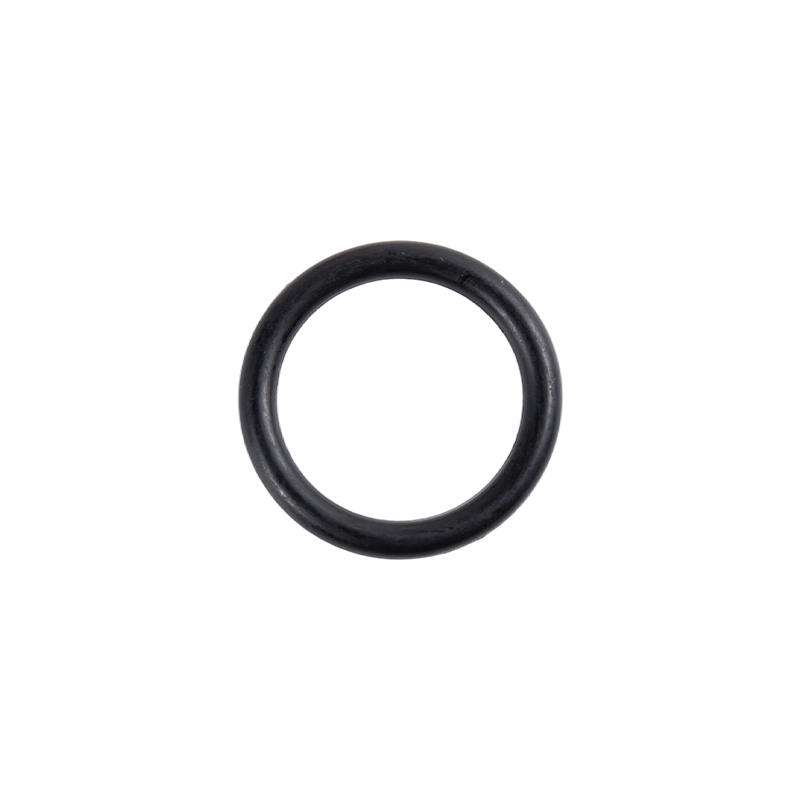
An O-ring has a circular cross-section and is often used for static or carefully designed dynamic sealing. The A-1-011 product has a Y-type piston-seal profile intended to provide a more application-specific lip arrangement for moving piston assemblies. The best choice depends on pressure, movement, friction, groove design, and service conditions.
Can the product be customized?
Customized sealing solutions are available as part of the manufacturer’s stated product design, testing, and technical consultation services. Customization may involve dimensions, profile, material, hardness, or lubrication characteristics.
How should the seal be installed?
The groove and mating surfaces should be clean, smooth, and free from burrs or sharp edges. The seal should be installed in the correct orientation using methods that prevent twisting, stretching, cutting, or lip damage. Compatible assembly lubrication may be used when recommended.
What can cause premature failure?
Common causes include incorrect dimensions, poor groove design, rod scratches, misalignment, excessive pressure, unsuitable fluids, extreme temperature, contamination, dry running, excessive clearance, and installation damage. Failure analysis should consider the complete system rather than the seal alone.
What industries may use this product?
Potential industries include automotive, furniture, home appliances, construction, medical equipment, gas spring manufacturing, damper manufacturing, and other fields that use compact moving piston mechanisms. Each application requires its own validation.
How can customers begin a technical evaluation?
Customers should provide the intended application, operating medium, pressure or load, temperature, stroke, speed, cycle count, rod and bore dimensions, groove drawing, lubrication method, and service-life target. This information allows the technical team to assess whether the standard product is appropriate or whether customization is recommended.
Conclusion
The 14.8 mm Robust Piston Seal is a compact NBR Y-type oil seal ring developed for piston and damper assemblies that require reliable sealing in a limited installation space. Its 14.8 mm outside diameter, 5.2 mm inside diameter, and 3.5 mm height provide a clear dimensional basis for engineering evaluation. The product is associated with a 14 mm steel pipe inner diameter and a 6 mm piston rod diameter, and its stated design range is 10–500 N.
Its principal advantages include a defined product profile, NBR material, compact geometry, emphasis on high-vibration service, shock-resistance characteristics, long-service-life design goals, and an optional self-lubrication feature. Compared with an unidentified generic sealing ring, it offers clearer product communication and a more application-oriented development concept.
The manufacturer strengthens the product offering through experience in gas spring and damper sealing, research and development resources, advanced production equipment, product testing, technical consultation, and customized sealing support. These capabilities are important because reliable sealing depends on the entire chain from rubber compound formulation and mold design to vulcanization, trimming, inspection, installation, and field validation.
For the best result, customers should treat the product as part of a complete sealing system. Confirm the groove, rod, bore, pressure, load, temperature, fluid, speed, vibration, lubrication, and assembly conditions before mass production. With appropriate engineering verification and controlled installation, the 14.8 mm Robust Piston Seal can serve as a practical solution for compact, repeatedly moving mechanisms in a wide range of industrial applications.
References
1. Product specification sheet for the 14.8 mm Robust Piston Seal, product code A-1-011.
2. Manufacturer-provided company profile and technical service information for sealing technology applications.
3. General engineering references on nitrile rubber compounds, elastomer selection, and oil-seal compatibility.
4. General design references on Y-type hydraulic and pneumatic seals, piston-rod sealing, and dynamic lip contact.
5. General quality-control references concerning rubber molding, vulcanization, dimensional inspection, and sealing-component validation.
6. General application references for gas springs, dampers, vibration-resistant sealing systems, and compact linear mechanisms.
Product: 14.8mm Robust Piston Seal

PREV:High-Pressure Reinforced L-Type Seal for Demanding Gas Spring and Damper Applications
NEXT:25.9 mm Precision-Gap Y-Type Oil Seal Ring for Gas Springs and Dampers
NEXT:25.9 mm Precision-Gap Y-Type Oil Seal Ring for Gas Springs and Dampers


Want to know more
about us?
about us?

Precision sealing for gas springs and dampers. Durable, wear-resistant, and built for long-life performance in demanding applications.
Product Categories
Quick Links
Contact Us
-
Email: jns@jnsseals.cn

-
Manager Gong: +86-18563770820

-
Manager Wang: +8615357558902
-
No. 5, Meilin Avenue, Meilin Industrial Development Zone, Ningguo City, Anhui Province, China

