

 English
 русский
 Deutsch
 Türk
Türk 中文简体
中文简体
High-Pressure Reinforced L-Type Seal for Demanding Gas Spring and Damper Applications
High-Pressure Reinforced L-Type Seal for Demanding Gas Spring and Damper Applications
High-Pressure Reinforced L-Type Seal for Demanding Gas Spring and Damper Applications
High-Pressure Reinforced L-Type Seal for Demanding Gas Spring and Damper Applications
High-Pressure Reinforced L-Type Seal for Demanding Gas Spring and Damper Applications
High-Pressure Reinforced L-Type Seal for Demanding Gas Spring and Damper Applications
High-Pressure Reinforced L-Type Seal for Demanding Gas Spring and Damper Applications
High-Pressure Reinforced L-Type Seal for Demanding Gas Spring and Damper Applications
High-Pressure Reinforced L-Type Seal for Demanding Gas Spring and Damper Applications
High-Pressure Reinforced L-Type Seal for Demanding Gas Spring and Damper Applications
High-Pressure Reinforced L-Type Seal for Demanding Gas Spring and Damper Applications
High-Pressure Reinforced L-Type Seal for Demanding Gas Spring and Damper Applications
High-Pressure Reinforced L-Type Seal for Demanding Gas Spring and Damper Applications
High-Pressure Reinforced L-Type Seal for Demanding Gas Spring and Damper Applications
High-Pressure Reinforced L-Type Seal for Demanding Gas Spring and Damper Applications
High-Pressure Reinforced L-Type Seal for Demanding Gas Spring and Damper Applications

Deng Yixuan — Domestic Sales Supervisor
Home / Author / Deng Yixuan — Domestic Sales Supervisor / High-Pressure Reinforced L-Type Seal for Demanding Gas Spring and Damper Applications
NEW Category
Contact us
High-Pressure Reinforced L-Type Seal for Demanding Gas Spring and Damper Applications
Content
- 1 Product Overview
- 2 Design Features of the A-2-004
- 3 Technical Specifications
- 4 Advantages Over Standard Low-Load Seals
- 5 Application Areas
- 6 Material Characteristics of NBR
- 7 Manufacturing and Quality Strengths
- 8 Installation Recommendations
- 9 Application Engineering Considerations
- 10 Customization and Technical Cooperation
- 11 Why Choose a Specialized Sealing Manufacturer?
- 12 Purchasing and Supplier Evaluation
- 13 Q&A
- 13.1 What type of seal is the A-2-004?
- 13.2 What is the maximum stated load capacity?
- 13.3 What material is used?
- 13.4 What are the main dimensions?
- 13.5 What makes this seal different from a standard L-shaped seal?
- 13.6 Can the seal be used in gas springs?
- 13.7 Can it be used in dampers and lifting equipment?
- 13.8 Is NBR suitable for every environment?
- 13.9 Does anti-extrusion design eliminate installation requirements?
- 13.10 Can the product be customized?
- 13.11 What information should be supplied when requesting a quotation?
- 13.12 How should the seal be stored before installation?
- 14 Conclusion
- 15 References
- 16 Product: High-Pressure Reinforced L-Type Seal
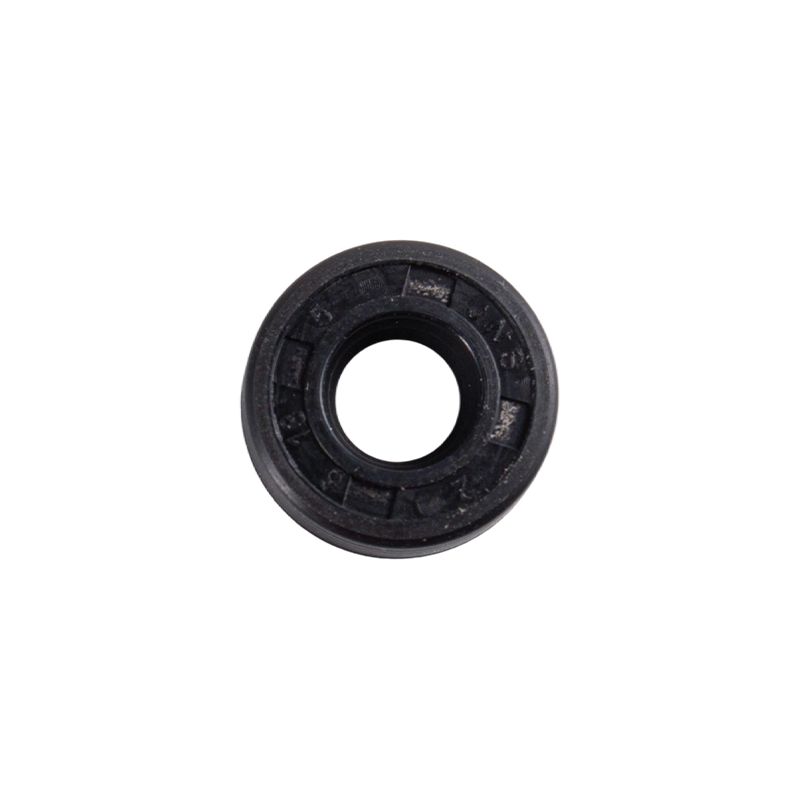
Reliable sealing is essential wherever gas springs, dampers, lifting systems, pressing equipment, and other compact hydraulic or pneumatic assemblies must operate safely under repeated loads. A seal may be small in size, but its performance directly affects pressure retention, friction, service life, contamination control, and the overall safety of the equipment. The High-Pressure Reinforced L-Type Seal, product code A-2-004, is designed for applications that require dependable sealing performance under heavy thrust and high-pressure shock conditions.
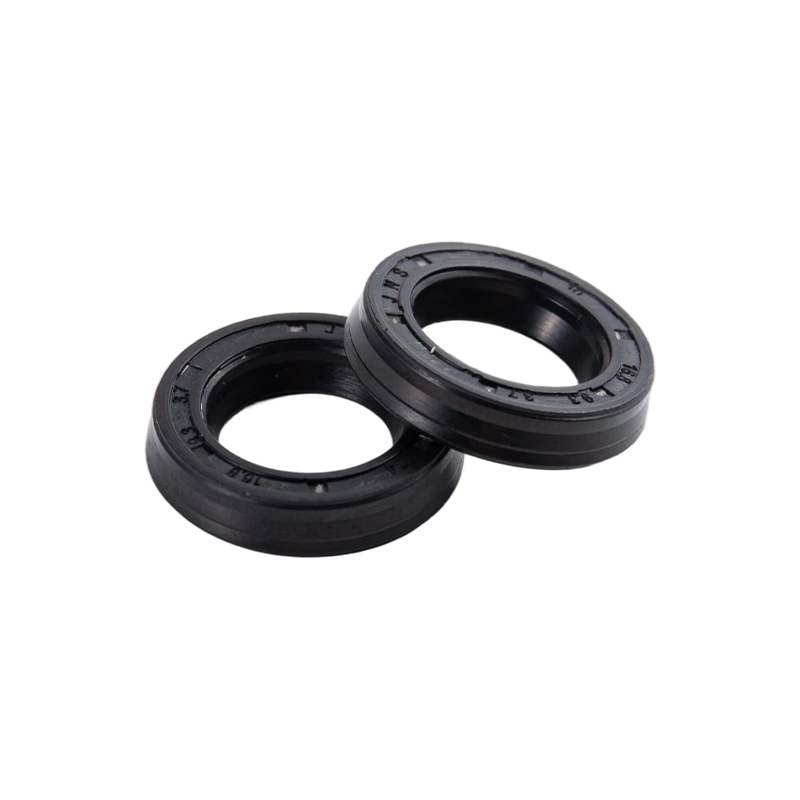
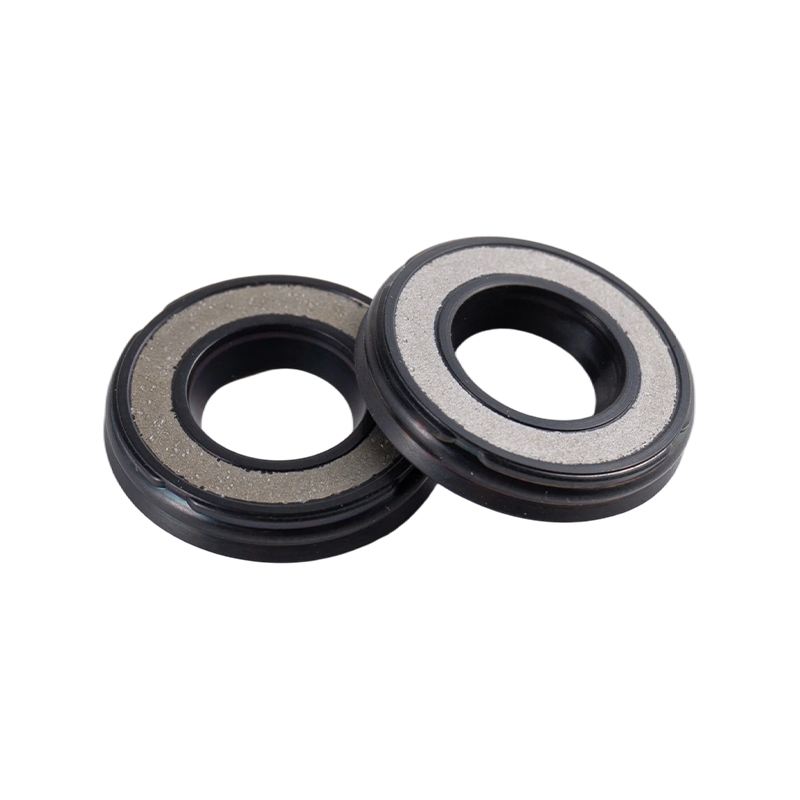
As a heavy-duty member of the L-shaped oil seal ring family, the A-2-004 combines a reinforced structural profile, thickened sealing lips, NBR material, and compatibility with 2410-type tubing arrangements. Its design applicable pressure range is 600–1800N, while the product is specified for a maximum load capacity of 1800N. With an outside diameter of 24.5 mm, an inside diameter of 9.2 mm, and a height of 6 mm, this compact seal is developed for installations where dimensional accuracy and resistance to extrusion are equally important.
The product is manufactured by Ningguo Jnsseals Sealing Technology Co., Ltd., a specialized sealing technology enterprise established in 2019 in Anhui, China. The company focuses on the research, development, and application of sealing solutions for gas springs, dampers, and related O-ring products. Through product design, testing, technical consultation, and customized sealing support, the company serves customers in automotive, furniture, home appliance, medical equipment, construction, and other industries.
This article examines the construction, operating advantages, specifications, material characteristics, manufacturing strengths, installation considerations, and application value of the A-2-004 High-Pressure Reinforced L-Type Seal. It also explains why a purpose-designed reinforced seal can provide greater reliability than a standard, lightly loaded sealing ring in demanding equipment.
Product Overview
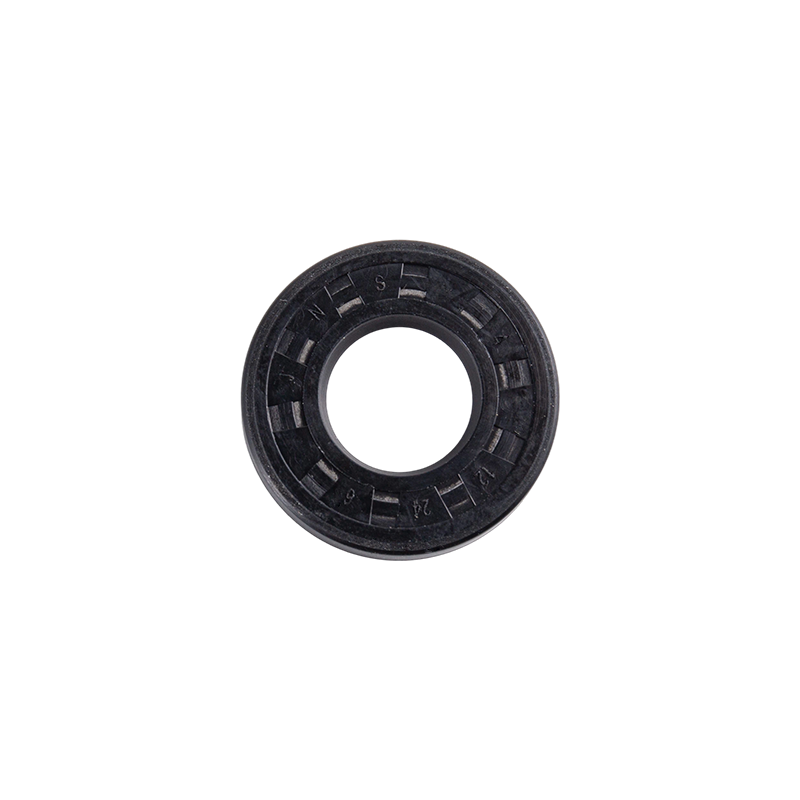
The A-2-004 is an L-shaped oil seal ring developed for heavy-duty gas spring and damper applications. Its L-profile provides a practical balance between sealing contact, support, and installation efficiency. The design is intended to maintain contact with the mating surface while resisting deformation when the assembly experiences high thrust or sudden pressure changes.
Unlike a basic sealing ring intended for moderate operating conditions, the A-2-004 is built around a reinforced concept. Its structure includes anti-extrusion features and thickened lips. These features are especially valuable when the seal is exposed to repeated compression, high contact force, movement of a piston rod, or sudden pressure shocks. In these conditions, a seal that is too soft, too thin, or poorly supported may roll, tear, extrude into a clearance gap, or lose its sealing edge.
The product specification is listed as 10*24*6, with the following dimensional data: an outside diameter of 24.5 mm, an inside diameter of 9.2 mm, and a height of 6 mm. The O-ring adapter dimension is 24*10, and the compatible steel pipe inner diameter and piston rod diameter are also identified as 24*10. These details make the product suitable for carefully matched assemblies in which the seal, tube, piston rod, and adapter must work together as one sealing system.
The A-2-004 is made from NBR, a material widely used for oil seals and O-rings because of its useful balance of elasticity, oil resistance, abrasion resistance, and cost efficiency. In gas spring and damper applications, material selection must account not only for pressure but also for recurring sliding motion, contact friction, lubricant compatibility, compression, and temperature conditions. NBR is a practical choice for many general industrial and automotive sealing applications when the service environment falls within its suitable operating range.
The product is identified by the code A-2-004. Using a clear product code supports ordering accuracy, production traceability, technical communication, and replacement management. Customers can reference the code when discussing samples, repeat orders, technical modifications, or customized sealing requirements.
High-Pressure Reinforced L-Type Seal
Design Features of the A-2-004
Reinforced L-Shaped Profile
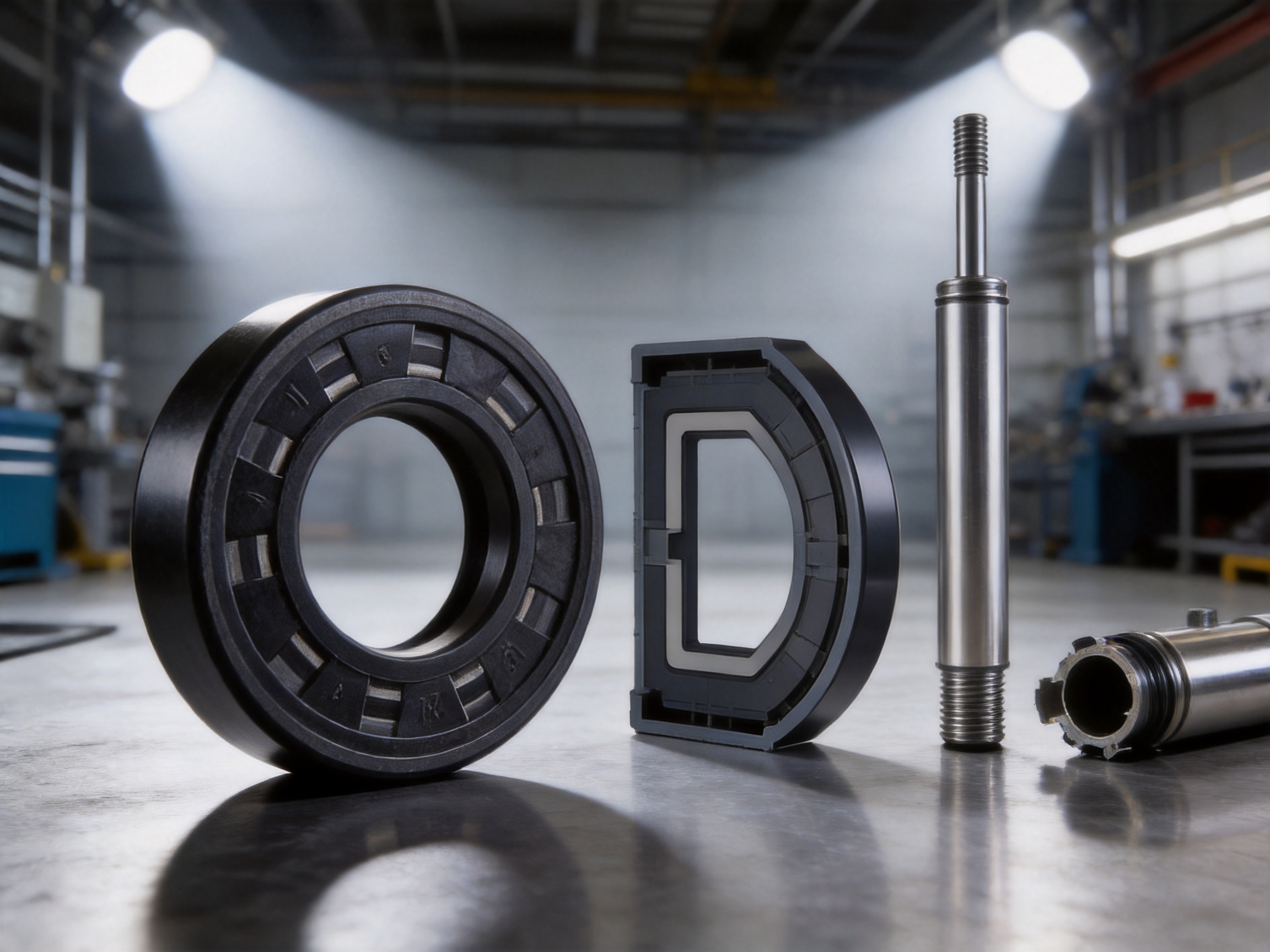
The L-shaped cross-section is a key feature of the product. It provides a stable sealing geometry while allowing the ring to fit within a compact installation space. The profile can help distribute pressure and support the sealing lips, reducing the chance that the material will move excessively during operation.
In high-load conditions, the geometry of a seal is just as important as the compound from which it is made. A material with good elasticity may still fail if its cross-section is not properly supported. The reinforced L-shaped construction gives the A-2-004 a more robust working profile than a simple, lightly supported sealing element.
The design is particularly useful in assemblies where the piston rod moves through the seal and the seal must maintain contact during extension, compression, and pressure changes. Stable geometry helps preserve the contact line and limits unwanted deformation over repeated cycles.
Anti-Extrusion Performance
Extrusion occurs when sealing material is forced into a small clearance between mating components. It is more likely to occur when pressure rises, when the clearance is excessive, when the material is too soft for the application, or when the seal experiences repeated shock loading. Once extrusion begins, the sealing edge may be damaged, resulting in leakage, accelerated wear, and eventual failure.
The A-2-004 incorporates an anti-extrusion design intended to reduce this risk. Its reinforced profile and thickened lips help the seal resist movement into clearance spaces. This makes the product suitable for high-thrust environments where pressure shocks can be more severe than those encountered by ordinary low-load seals.
Anti-extrusion performance also contributes to dimensional stability. When the sealing element remains in its intended position, the contact surface is less likely to become distorted. This supports more consistent friction and sealing behavior during the product’s operating life.
Thickened Sealing Lips
The thickened lips are designed for applications involving high thrust and repeated mechanical movement. A thin sealing edge can provide low friction, but it may be more vulnerable to tearing, folding, or rapid wear when exposed to shock loads. A reinforced lip provides additional material at a critical stress point.
Thicker lips can also improve resilience during installation, provided that the assembly is correctly prepared. They are less likely to be damaged by normal handling than an extremely fine sealing edge. Nevertheless, careful installation remains necessary because even a heavy-duty seal can be cut by a sharp groove, burr, contaminated surface, or improper tool.
High-Pressure Shock Resistance
The stated design applicable pressure range is 600–1800N, with a maximum load capacity of 1800N. These figures indicate that the product is intended for equipment in which the seal must withstand substantial axial or pressure-related forces. The term “pressure shock” is particularly important because many mechanical systems do not operate under perfectly steady conditions.
Gas springs, dampers, lifting mechanisms, and pressing equipment may experience rapid changes in load when a component starts moving, stops moving, changes direction, or encounters an external force. A seal designed only for static pressure may not perform reliably under these dynamic events. The A-2-004 is positioned as a heavy-duty option for such demanding conditions.
Actual performance depends on the complete assembly, including tube dimensions, piston rod quality, clearance, surface finish, lubricant, temperature, pressure profile, stroke speed, and installation quality. The stated load range should therefore be used as a product design reference rather than as a substitute for application-specific validation.
Technical Specifications
The following table summarizes the principal information provided for the High-Pressure Reinforced L-Type Seal.
| Specification | Value |
|---|---|
| Product name | High-Pressure Reinforced L-Type Seal |
| Product code | A-2-004 |
| Seal category | L-Shaped Oil Seal Ring |
| Product specification | 10*24*6 |
| Outside diameter | 24.5 mm |
| Inside diameter | 9.2 mm |
| Height | 6 mm |
| O-ring adapter | 24*10 |
| Steel pipe inner diameter and piston rod diameter | 24*10 |
| Design applicable pressure range | 600–1800N |
| Maximum stated load capacity | 1800N |
| Material | NBR |
| Application orientation | High-pressure gas spring, damper, lifting, and pressing equipment |
Dimensional compatibility should always be verified against the actual equipment drawing before ordering. Nominal dimensions alone do not describe every factor that affects sealing performance. Groove dimensions, rod tolerances, surface roughness, clearance, concentricity, temperature, and working medium should all be reviewed during product selection.
Advantages Over Standard Low-Load Seals
Product selection should be based on operating conditions rather than appearance alone. A standard seal may be appropriate for a low-pressure, low-speed, and stable environment, but it may not provide sufficient safety margin when the equipment experiences high thrust or sudden load changes. The A-2-004 is differentiated by its heavy-duty design intent.
Greater Resistance to Deformation
A reinforced cross-section is less likely to deform excessively when subjected to high compressive or pressure-related forces. This can help the seal maintain its designed contact profile and reduce the possibility of rolling, twisting, or displacement within the assembly.
For equipment that operates through many repeated cycles, resistance to deformation is an important advantage. A seal that gradually changes shape may produce increasing friction, inconsistent movement, leakage, or greater wear on the piston rod. The A-2-004 is designed to provide a more stable sealing interface under demanding loads.
Improved Protection Against Extrusion
Many general-purpose seals are not optimized for high-pressure shock. When pressure rises rapidly, their edges may be pushed into the clearance between the rod and housing. The anti-extrusion design of the A-2-004 addresses this specific failure mechanism.
Reducing extrusion risk can extend service life and protect the equipment from premature leakage. It may also reduce unplanned maintenance, particularly in applications where seal replacement requires disassembly of a lifting or damping mechanism.
Better Suitability for Heavy Thrust
The thickened lips provide additional support in high-thrust environments. This makes the product more appropriate for heavy lifting systems, pressing equipment, and gas spring assemblies that generate significant force during operation.
A seal that is too lightly constructed may work well in a small cabinet hinge or low-load actuator but fail when transferred to a heavy-duty mechanism. Choosing a seal designed for the actual load range helps avoid the false economy of selecting a cheaper component that requires frequent replacement.
Compact Dimensions with Heavy-Duty Intent
The A-2-004 offers a compact 6 mm height while maintaining a reinforced profile. This is useful where the equipment designer has limited axial installation space. A compact seal can help preserve the size and weight targets of the complete assembly without sacrificing the need for a stronger sealing element.
Compactness must not be confused with universal compatibility. The correct installation dimensions remain essential. However, the product’s 24.5 mm outside diameter and 24*10 adapter and tube arrangement provide a defined basis for integration into compatible equipment.
Practical NBR Material Selection
NBR is a widely recognized material for oil seals and O-rings. It provides a useful combination of resilience, wear resistance, and resistance to many petroleum-based lubricants. Its broad industrial use also supports supply stability and practical cost management.
Compared with a material selected only for low friction or extreme temperature performance, NBR may provide a more balanced solution for ordinary gas spring and damper environments. If an application involves unusually high temperature, aggressive chemicals, specialized gases, or unusual lubricants, the compound should be reviewed with the manufacturer before production use.
Application Areas
Gas Springs
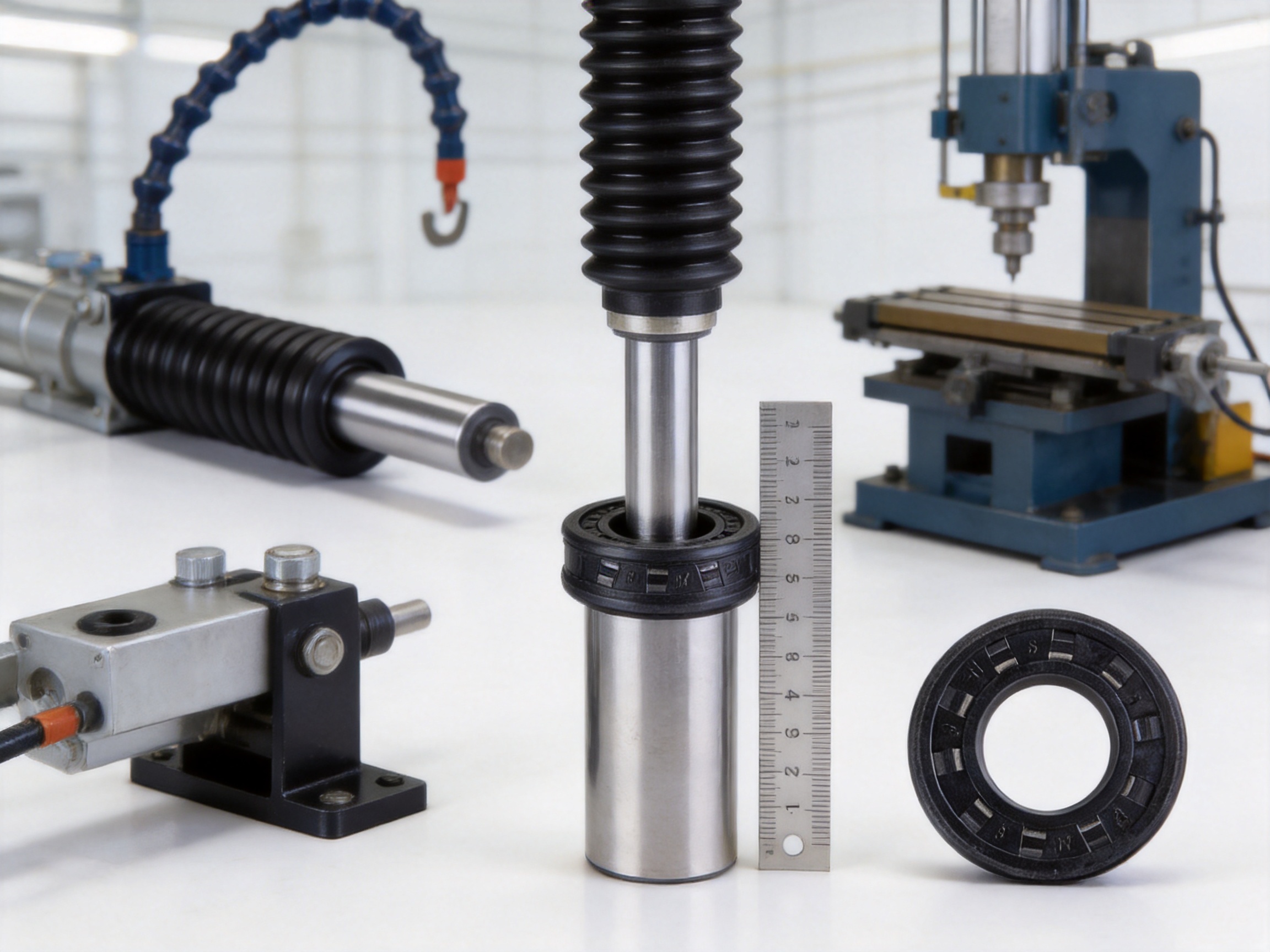
Gas springs use pressurized gas to support, lift, control, or counterbalance moving components. They are used in vehicle doors, seats, furniture, medical equipment, machine covers, and industrial mechanisms. The seal must retain pressure while allowing the piston rod to move repeatedly through the assembly.
The A-2-004 is designed for gas spring applications that require increased resistance to pressure shock and mechanical thrust. Its compatibility with a 2410-type tube and piston rod arrangement makes it relevant to specific gas spring designs using a 24 mm tube inner diameter and a 10 mm piston rod diameter, subject to final dimensional verification.
Dampers
Dampers control movement by resisting motion. They may be used in furniture, automotive systems, equipment covers, construction mechanisms, and other products where smooth movement and controlled deceleration are required. The sealing element must support consistent performance during repeated strokes.
A reinforced L-shaped seal can help preserve the damper’s internal pressure and reduce leakage when the equipment undergoes frequent cycles. The thickened lips are especially relevant when the damper is subject to high thrust or sudden loading.
Heavy Lifting Equipment
Lifting mechanisms often operate under substantial loads. A sealing failure in such equipment can affect not only performance but also operational safety. The A-2-004’s stated maximum load capacity of 1800N makes it a candidate for compatible lifting applications requiring a stronger sealing solution.
Before use, engineers should assess the full force curve, stroke length, velocity, duty cycle, environmental conditions, and safety requirements. A seal should be selected as part of a complete pressure-retaining system rather than as an isolated component.
Pressing Equipment
Pressing systems can generate high thrust and sudden load changes. During operation, the sealing ring may experience compression, vibration, heat from friction, and changing pressure. A seal with anti-extrusion characteristics and reinforced lips is better aligned with these conditions than a low-load ring intended for gentle service.
Furniture and Home Appliances
Furniture dampers, adjustable mechanisms, recliner systems, lifting beds, cabinet supports, and home appliances may use gas springs or dampers to control opening and closing. Although these products are often smaller than industrial machines, they may still require long service life and consistent force over many cycles.
The A-2-004 can be considered for compatible furniture and appliance mechanisms where the dimensions and force requirements match. The product’s compact form may help designers integrate a reinforced seal without a major change to the assembly envelope.
Material Characteristics of NBR
NBR, or nitrile butadiene rubber, is commonly used in sealing products because it combines flexibility with practical resistance to oils and wear. The exact performance of an NBR seal depends on the formulation, hardness, curing process, reinforcement, and final geometry. For this reason, the material designation should be considered together with the product design and operating conditions.
Oil and Lubricant Compatibility
NBR is frequently selected for applications involving mineral oils, lubricating oils, and many petroleum-based fluids. This makes it suitable for a wide range of gas spring, damper, and mechanical sealing environments. However, compatibility should be confirmed whenever the equipment uses a special lubricant, fire-resistant fluid, synthetic chemical, or unusual additive package.
Wear Resistance
Sliding seals are exposed to repeated friction. The piston rod surface, lubricant condition, contact pressure, and operating speed all influence wear. NBR can provide useful abrasion resistance in many ordinary service conditions, helping the sealing lip maintain its shape during repeated movement.
Elastic Recovery
Elastic recovery allows the sealing lip to remain in contact with the mating surface after deformation. This property supports pressure retention and helps compensate for small changes that occur during operation. The reinforced geometry of the A-2-004 is intended to work with the resilient nature of NBR to maintain a stable sealing interface.
Temperature Considerations
NBR is suitable for many general-purpose temperature conditions, but it is not the ideal compound for every extreme environment. High temperatures, very low temperatures, ozone exposure, aggressive chemicals, and unusual gases may require alternative elastomers such as HNBR or FPM. Ningguo Jnsseals Sealing Technology Co., Ltd. identifies NBR, HNBR, and FPM among its O-ring product capabilities, allowing customers to discuss material alternatives when the standard NBR version is not suitable.
Temperature should be evaluated together with pressure and motion. A lubricant or gas that is acceptable at room temperature may behave differently at elevated temperature. Engineers should verify the actual operating range, peak temperature, exposure duration, and thermal cycling before finalizing the compound.
Manufacturing and Quality Strengths
The performance of a high-pressure seal depends on more than the finished shape. Compound preparation, mold precision, forming, vulcanization, trimming, inspection, storage, and technical communication all affect the final result. Ningguo Jnsseals Sealing Technology Co., Ltd. is organized as a sealing technology enterprise with a focus on research, development, and application rather than only simple product distribution.
Research and Development Focus
The company focuses on sealing solutions for gas springs, dampers, and related O-ring products. This specialization provides an application-oriented foundation for developing products such as the A-2-004. Instead of treating each seal as an interchangeable rubber part, an application-focused manufacturer considers the interaction among the tube, piston rod, pressure, load, movement, and sealing profile.
Research and development support is also valuable when a customer requires a modified dimension, alternative material, changed hardness, revised lip geometry, or a new sealing solution for a specific mechanism. The company provides customized sealing solutions that can include product design, testing, and technical consultation.
Advanced Production Equipment
The company reports the use of advanced production equipment supported by a professional technical service team. In elastomer manufacturing, suitable equipment helps control forming pressure, temperature, curing time, mold filling, and dimensional consistency. Stable processing conditions are important because small variations in a sealing lip or adapter area can influence installation force and sealing performance.
Production equipment alone does not guarantee quality. It must be combined with controlled procedures, trained personnel, suitable tooling, process monitoring, and inspection. The company’s emphasis on production capability and technical service reflects the importance of managing the complete manufacturing process.
Process Control for Precision Seals
A typical precision sealing process may include incoming material control, compound preparation, molding, vulcanization, deflashing, visual inspection, dimensional inspection, sampling tests, packaging, and shipment management. Each stage contributes to the consistency of the final product.
For the A-2-004, process control is particularly important around the sealing lips, outside diameter, inside diameter, height, and adapter-related dimensions. Excess flash can interfere with installation. Dimensional variation can produce insufficient compression or excessive friction. Inconsistent curing can affect elasticity, hardness, and long-term durability.
Although detailed internal process parameters are not provided, a professional sealing manufacturer must control these variables to produce reliable components. Customers requiring formal inspection plans or application validation can discuss the appropriate testing and documentation with the technical team.
Testing and Technical Consultation
The company provides testing and technical consultation as part of its customized sealing support. Testing may be arranged according to the customer’s equipment, material, and operating conditions. Possible evaluation areas include dimensional conformity, installation behavior, pressure retention, leakage, friction, cycling durability, material compatibility, and temperature exposure.
Testing is most valuable when it represents the real application. A seal that performs well in a simple bench test may respond differently when exposed to actual rod surface conditions, repeated load cycles, lubricant contamination, or temperature changes. Application-specific testing allows the product and the equipment design to be evaluated together.
Professional Technical Service
Technical service helps customers select the correct seal, identify installation risks, and determine whether a standard product or customized design is more appropriate. This is especially important for high-pressure sealing because the correct solution depends on the complete dimensional and operating environment.
Technical communication also improves repeat-order consistency. Product code A-2-004, specification details, material information, and application requirements can be recorded and reviewed for future purchasing. This reduces the risk of substituting a visually similar but technically unsuitable seal.
Industry Experience and Market Coverage
Founded in 2019, Ningguo Jnsseals Sealing Technology Co., Ltd. serves a range of industries, including automotive, furniture, home appliances, medical equipment, construction, and other industrial fields. These sectors require different combinations of compact design, pressure retention, durability, cleanliness, appearance, and customization.
Experience across multiple industries can strengthen a manufacturer’s ability to understand different sealing challenges. Automotive and construction applications may emphasize durability and load performance, while furniture and home appliance applications may emphasize smooth motion, appearance, compactness, and consistent cycle behavior. Medical equipment may require more specific material and cleanliness discussions.
Installation Recommendations
Correct installation is essential for realizing the advantages of the A-2-004. Even a well-designed seal can fail early if it is installed against a damaged rod, forced over a sharp edge, twisted in the groove, or exposed to contamination.
Inspect the Mating Components
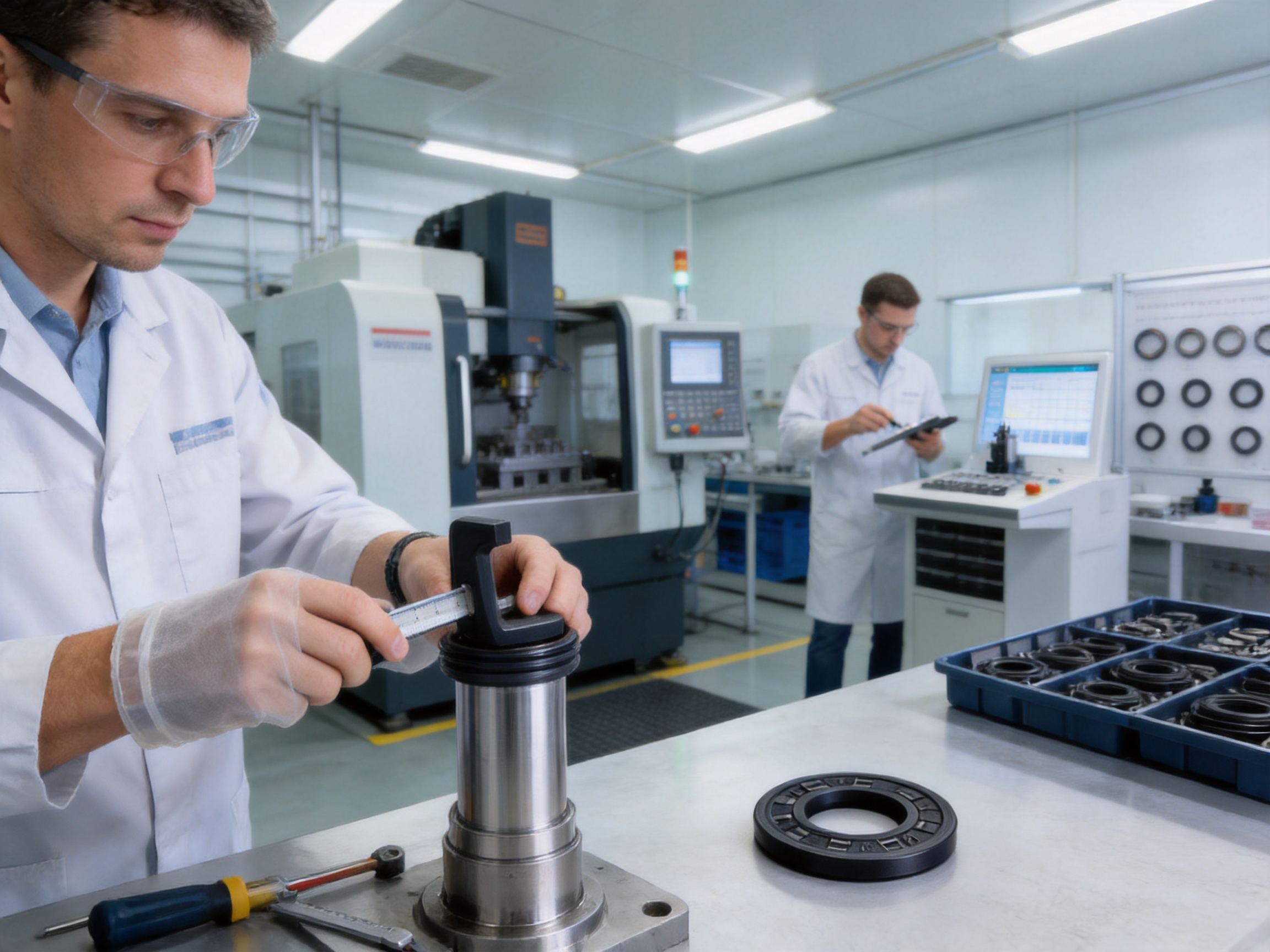
Before installation, inspect the tube, piston rod, groove, adapter, and surrounding components. The piston rod should be free from deep scratches, dents, corrosion, burrs, and sharp edges. The tube and groove should be clean and dimensionally suitable for the specified seal.
Surface damage can act as a cutting edge against the sealing lip. It can also create a leakage path that no elastomer can reliably compensate for over a long service life. If the mating surface is worn or damaged, repair or replacement should be considered before installing a new seal.
Confirm Dimensions
Verify the stated dimensions against the equipment drawing and actual components. The A-2-004 has an outside diameter of 24.5 mm, an inside diameter of 9.2 mm, and a height of 6 mm. Its listed adapter and compatible tube and rod arrangement is 24*10.
Measurement should account for manufacturing tolerances and the actual assembly design. If the product is being used as a replacement, the original seal should not be copied blindly if the equipment has been modified or if the original component failed because of incorrect sizing.
Keep the Seal Clean
Dirt, metal particles, dust, and fibers can damage the lip or create leakage channels. Store and handle the seal in a clean environment. Avoid placing it directly on rough work surfaces or exposing it to cutting debris.
Clean compatible lubricant may be applied if recommended for the assembly. The lubricant should be compatible with NBR and with the gas spring or damper medium. Excessive or unsuitable lubricant can cause swelling, softening, friction changes, or contamination of the internal system.
Prevent Lip Damage
Use an appropriate installation method and avoid sharp tools that can cut the elastomer. If the seal must pass over a threaded section, keyway, retaining groove, or sharp edge, use a protective sleeve or another approved method. Do not hammer directly on the sealing lip.
Ensure that the seal is not twisted. A twisted L-shaped ring may appear properly installed while creating uneven contact and accelerated wear. After installation, inspect the ring’s position and confirm that it is evenly seated around the entire circumference.
Validate the Assembly
After installation, conduct a suitable inspection or functional test. Check for leakage, abnormal friction, rod movement, noise, and pressure retention. For high-load equipment, validation should be performed under controlled conditions before the equipment is released for full operation.
Application Engineering Considerations
Pressure and Load Profile
The design applicable pressure range of 600–1800N should be considered alongside the actual pressure and force profile. A system that briefly reaches a high load may behave differently from one that remains at high load continuously. Repeated pressure spikes can also be more demanding than a stable load.
Engineers should record static load, dynamic load, peak load, cycle frequency, stroke speed, and stopping conditions. This information helps determine whether the A-2-004 is suitable as supplied or whether a customized design should be evaluated.
Rod Surface and Motion
The piston rod is the primary moving surface in many gas spring and damper applications. Its diameter, roundness, surface finish, hardness, coating, and cleanliness directly affect seal life. A rough or poorly finished rod can wear the lip quickly, while an excessively smooth or incompatible surface may not retain lubricant effectively.
Alignment is also important. If the rod enters the seal at an angle, the lip may experience uneven pressure around the circumference. Misalignment can lead to localized wear and leakage even when the seal dimensions are correct.
Clearance and Extrusion Gap
Clearance between the rod and housing influences extrusion risk. A large clearance gives the elastomer more room to move under pressure. A small clearance may reduce extrusion but can increase friction or create interference if tolerances are not controlled.
The anti-extrusion design of the A-2-004 provides an advantage in demanding conditions, but it does not eliminate the need for correct engineering clearances. The seal should be installed in a properly designed groove or adapter that supports the intended profile.
Temperature and Environment
Environmental conditions include ambient temperature, internal temperature, sunlight, ozone, humidity, dust, water, chemicals, and cleaning agents. NBR is suitable for many general industrial conditions, but each application should be reviewed for exposure risks.
Outdoor equipment may require attention to ozone and weathering. Equipment near motors, engines, heaters, or high-friction mechanisms may experience elevated temperatures. Medical, food-related, or chemically sensitive applications may require additional material, cleanliness, or compliance documentation.
Maintenance and Replacement
Seal replacement intervals depend on the duty cycle and the condition of the complete assembly. Signs of possible seal deterioration include oil or gas leakage, reduced force, inconsistent damping, increased friction, visible lip wear, rod contamination, and abnormal operating noise.
When replacing a seal, investigate the original failure. If the cause was rod damage, excessive clearance, overheating, contamination, overloading, or incorrect installation, simply installing another seal may not solve the problem. The reinforced A-2-004 can improve resistance to high-load conditions, but the surrounding equipment must also be corrected.
Customization and Technical Cooperation
Different equipment manufacturers may require different dimensions, materials, hardness levels, lip forms, adapter arrangements, or performance targets. A standard product is often the fastest solution when its specifications match the application. When they do not, customization may provide better long-term value than forcing an unsuitable standard part into the assembly.
Ningguo Jnsseals Sealing Technology Co., Ltd. provides customized sealing solutions, including product design, testing, and technical consultation. Customers can submit drawings, samples, dimensional requirements, operating conditions, expected service life, and failure information for technical evaluation.
Useful information for a customization review may include tube inner diameter, piston rod diameter, groove dimensions, seal height, pressure or force range, stroke, speed, temperature, lubricant, gas or fluid medium, environmental exposure, and estimated cycles. The more complete the application data, the more effectively the sealing profile and material can be assessed.
Material options may also be discussed. While the A-2-004 is made from NBR, certain applications may benefit from HNBR or FPM. HNBR may be considered where greater resistance to heat, aging, or selected chemical environments is required. FPM may be considered for certain high-temperature or chemical-resistance needs. The correct choice depends on the actual operating conditions and should be validated technically.
Customization should include sample evaluation before mass production. Prototype samples can be tested in the actual or simulated assembly to confirm installation, friction, pressure retention, and durability. This process helps prevent expensive tooling changes or production interruptions after volume manufacturing begins.
Why Choose a Specialized Sealing Manufacturer?
Seals influence the performance of the entire gas spring or damper. A supplier that understands only rubber molding may not fully understand the mechanical behavior of piston rod systems, pressure retention, or dynamic lip contact. A specialized sealing technology manufacturer can connect material selection, profile design, tooling, production, and application testing.
Ningguo Jnsseals Sealing Technology Co., Ltd. positions its business around sealing research, development, application, and technical service. Its product range includes Y-type oil seal rings, L-shaped oil seal rings, damping oil seals, O-shaped oil seal rings, and other related items. This broader product knowledge supports the evaluation of different sealing structures for different mechanical requirements.
The company’s focus on gas springs, dampers, and O-ring products allows it to serve both standard and customized requirements. Its stated capabilities include advanced production equipment, strong R&D support, professional technical service, product testing, and technical consultation. These strengths are valuable for customers that require more than a catalog part.
The company also serves international customers and supports industries with different product requirements. Its location in Ningguo City, Anhui Province, China, provides a manufacturing base for sealing products and technical cooperation. Customers can communicate with the company regarding product codes, drawings, material needs, samples, and application conditions.
Purchasing and Supplier Evaluation
When purchasing the A-2-004, customers should provide the product code and confirm the specification. The code A-2-004 identifies the High-Pressure Reinforced L-Type Seal, while the material is listed as NBR. Buyers should also confirm quantity, packaging, inspection requirements, delivery schedule, and whether the product is intended for a new design or replacement program.
Supplier evaluation should include more than unit price. Important factors include dimensional consistency, material stability, production capacity, response speed, technical support, sample availability, customization capability, and the supplier’s ability to maintain repeat-order quality.
For original equipment manufacturers, repeatability is particularly important. A seal may be installed in hundreds or thousands of units, so small differences in friction or dimensions can influence assembly efficiency and product performance. A reliable supplier should be able to discuss production control and respond to technical questions throughout the product life cycle.
Customers should also clarify whether they require inspection reports, material information, sample approval, or testing records. These requirements can be agreed upon before production to reduce misunderstandings and improve quality control.
Q&A
What type of seal is the A-2-004?
The A-2-004 is a High-Pressure Reinforced L-Type Seal and belongs to the L-Shaped Oil Seal Ring category. It is designed for high-thrust gas spring, damper, lifting, and pressing equipment applications.
What is the maximum stated load capacity?
The product description states a maximum load capacity of 1800N. Its design applicable pressure range is listed as 600–1800N. Actual suitability should be confirmed using the complete operating conditions of the equipment.
What material is used?
The A-2-004 is made from NBR, or nitrile butadiene rubber. NBR is commonly used for oil seals because of its elasticity, wear resistance, and compatibility with many petroleum-based lubricants.
What are the main dimensions?
The listed dimensions are an outside diameter of 24.5 mm, an inside diameter of 9.2 mm, and a height of 6 mm. The product specification is identified as 10*24*6. The O-ring adapter and compatible steel pipe inner diameter and piston rod diameter are listed as 24*10.
What makes this seal different from a standard L-shaped seal?
The A-2-004 is presented as a heavy-duty reinforced model. It features an anti-extrusion design and thickened lips intended to withstand high-pressure shocks and high-thrust environments. These features make it more appropriate for demanding applications than a lightly constructed seal designed for moderate loads.
Can the seal be used in gas springs?
Yes. The product is designed for compatibility with gas spring and damper assemblies, including applications associated with 2410 tube compatibility. The exact tube, rod, groove, pressure, and load dimensions should be checked before use.
Can it be used in dampers and lifting equipment?
It can be considered for compatible dampers, lifting mechanisms, and pressing equipment that fall within the product’s dimensional and load requirements. Application validation is recommended when the equipment has high cycle rates, severe pressure shocks, unusual temperatures, or safety-critical operation.
Is NBR suitable for every environment?
No. NBR is suitable for many general oil-sealing applications, but extreme temperatures, aggressive chemicals, specialized fluids, ozone, or unusual gases may require another compound. HNBR or FPM options can be discussed with the manufacturer when the operating environment exceeds the normal suitability of NBR.
Does anti-extrusion design eliminate installation requirements?
No. Anti-extrusion features reduce the risk of material being forced into a clearance gap, but correct groove dimensions, rod condition, clearance, alignment, lubrication, and installation remain necessary for reliable performance.
Can the product be customized?
The manufacturer provides customized sealing solutions, including product design, testing, and technical consultation. Customers can provide drawings, samples, dimensions, operating conditions, material requirements, or failure information for evaluation.
What information should be supplied when requesting a quotation?
Useful information includes product code A-2-004, required quantity, dimensions, material, application, tube and piston rod sizes, pressure or load range, stroke, speed, temperature, lubricant, expected service life, packaging requirements, and delivery location. Drawings or samples are helpful for confirming compatibility.
How should the seal be stored before installation?
The seal should be stored in a clean, dry environment away from direct sunlight, ozone-generating equipment, excessive heat, sharp objects, and chemicals that may affect NBR. It should remain protected from deformation and contamination until installation.
Conclusion
The A-2-004 High-Pressure Reinforced L-Type Seal is designed for sealing tasks that demand more than ordinary low-load performance. Its reinforced L-shaped structure, anti-extrusion design, thickened lips, NBR material, and stated 600–1800N applicable pressure range make it a practical option for compatible gas springs, dampers, lifting systems, and pressing equipment.
Its principal advantage over a standard lightly constructed seal is its focus on resistance to high-pressure shocks, heavy thrust, deformation, and extrusion. The compact 24.5 mm outside diameter and 6 mm height support integration into applications with limited installation space, while the specified 24*10 tube and piston rod arrangement provides a clear starting point for dimensional evaluation.
Product performance ultimately depends on the complete assembly. Correct dimensions, rod surface condition, clearance, alignment, temperature, lubricant, pressure profile, and installation technique must all be considered. For demanding or customized applications, testing and technical consultation are strongly recommended.
Ningguo Jnsseals Sealing Technology Co., Ltd. supports this type of application through sealing research and development, advanced production equipment, product testing, technical consultation, and customized sealing solutions. Its experience with gas springs, dampers, O-rings, and related oil seal products enables customers to evaluate not only a single component but also the broader sealing requirements of their equipment.
For customers seeking a reinforced L-shaped oil seal ring for high-thrust service, the A-2-004 provides a defined product specification, a heavy-duty design concept, and the support of a manufacturer focused on sealing technology.
References
1. Product specification sheet for High-Pressure Reinforced L-Type Seal, product code A-2-004.
2. Manufacturer-provided information concerning NBR, HNBR, and FPM sealing products and customized sealing solutions.
3. Manufacturer-provided company profile describing research and development, production equipment, testing, technical consultation, and industry applications.
4. General engineering principles for elastomeric oil seals, O-rings, gas spring seals, and dynamic sealing assemblies.
5. General technical guidance on elastomer selection, extrusion resistance, installation practice, surface finish, clearance, and seal maintenance.
Product: High-Pressure Reinforced L-Type Seal

PREV:26mm Durable Industrial Y-Type Oil Seal Ring for High-Cycle Applications
NEXT:14.8 mm Robust Piston Seal for High-Vibration Applications
NEXT:14.8 mm Robust Piston Seal for High-Vibration Applications


Want to know more
about us?
about us?

Precision sealing for gas springs and dampers. Durable, wear-resistant, and built for long-life performance in demanding applications.
Product Categories
Quick Links
Contact Us
-
Email: jns@jnsseals.cn

-
Manager Gong: +86-18563770820

-
Manager Wang: +8615357558902
-
No. 5, Meilin Avenue, Meilin Industrial Development Zone, Ningguo City, Anhui Province, China

