

 English
 русский
 Deutsch
 Türk
Türk 中文简体
中文简体
26mm Durable Industrial Y-Type Oil Seal Ring for High-Cycle Applications
26mm Durable Industrial Y-Type Oil Seal Ring for High-Cycle Applications
26mm Durable Industrial Y-Type Oil Seal Ring for High-Cycle Applications
26mm Durable Industrial Y-Type Oil Seal Ring for High-Cycle Applications
26mm Durable Industrial Y-Type Oil Seal Ring for High-Cycle Applications
26mm Durable Industrial Y-Type Oil Seal Ring for High-Cycle Applications
26mm Durable Industrial Y-Type Oil Seal Ring for High-Cycle Applications
26mm Durable Industrial Y-Type Oil Seal Ring for High-Cycle Applications
26mm Durable Industrial Y-Type Oil Seal Ring for High-Cycle Applications
26mm Durable Industrial Y-Type Oil Seal Ring for High-Cycle Applications
26mm Durable Industrial Y-Type Oil Seal Ring for High-Cycle Applications
26mm Durable Industrial Y-Type Oil Seal Ring for High-Cycle Applications
26mm Durable Industrial Y-Type Oil Seal Ring for High-Cycle Applications
26mm Durable Industrial Y-Type Oil Seal Ring for High-Cycle Applications
26mm Durable Industrial Y-Type Oil Seal Ring for High-Cycle Applications
26mm Durable Industrial Y-Type Oil Seal Ring for High-Cycle Applications

Deng Yixuan — Domestic Sales Supervisor
Home / Author / Deng Yixuan — Domestic Sales Supervisor / 26mm Durable Industrial Y-Type Oil Seal Ring for High-Cycle Applications
NEW Category
Contact us
26mm Durable Industrial Y-Type Oil Seal Ring for High-Cycle Applications
Content
- 1 Product Overview and Application Purpose
- 2 Key Specifications of the A-1-032 Seal
- 3 Advantages of a Fatigue-Oriented Design
- 4 Why NBR Is Used for This Product
- 5 Performance Compared with Generic Sealing Products
- 6 Manufacturing and Engineering Strengths
- 7 Installation Guidance for Reliable Sealing
- 8 Quality Considerations for High-Cycle Equipment
- 9 Industry Applications
- 10 How to Select the Product for a Project
- 11 Purchasing and Technical Communication
- 12 Frequently Asked Questions
- 12.1 What type of product is the A-1-032?
- 12.2 What are the main dimensions?
- 12.3 What material is used?
- 12.4 What load range is specified?
- 12.5 How many cycles can the seal support?
- 12.6 What are the matching housing and rod dimensions?
- 12.7 Is an O-ring adapter included?
- 12.8 What makes this seal different from a generic oil seal?
- 12.9 Can the product be customized?
- 12.10 Which industries can use this product?
- 12.11 What should be checked before installation?
- 12.12 Can NBR be used in every environment?
- 13 Conclusion
- 14 References
- 15 Product: 26mm Durable Industrial Seal
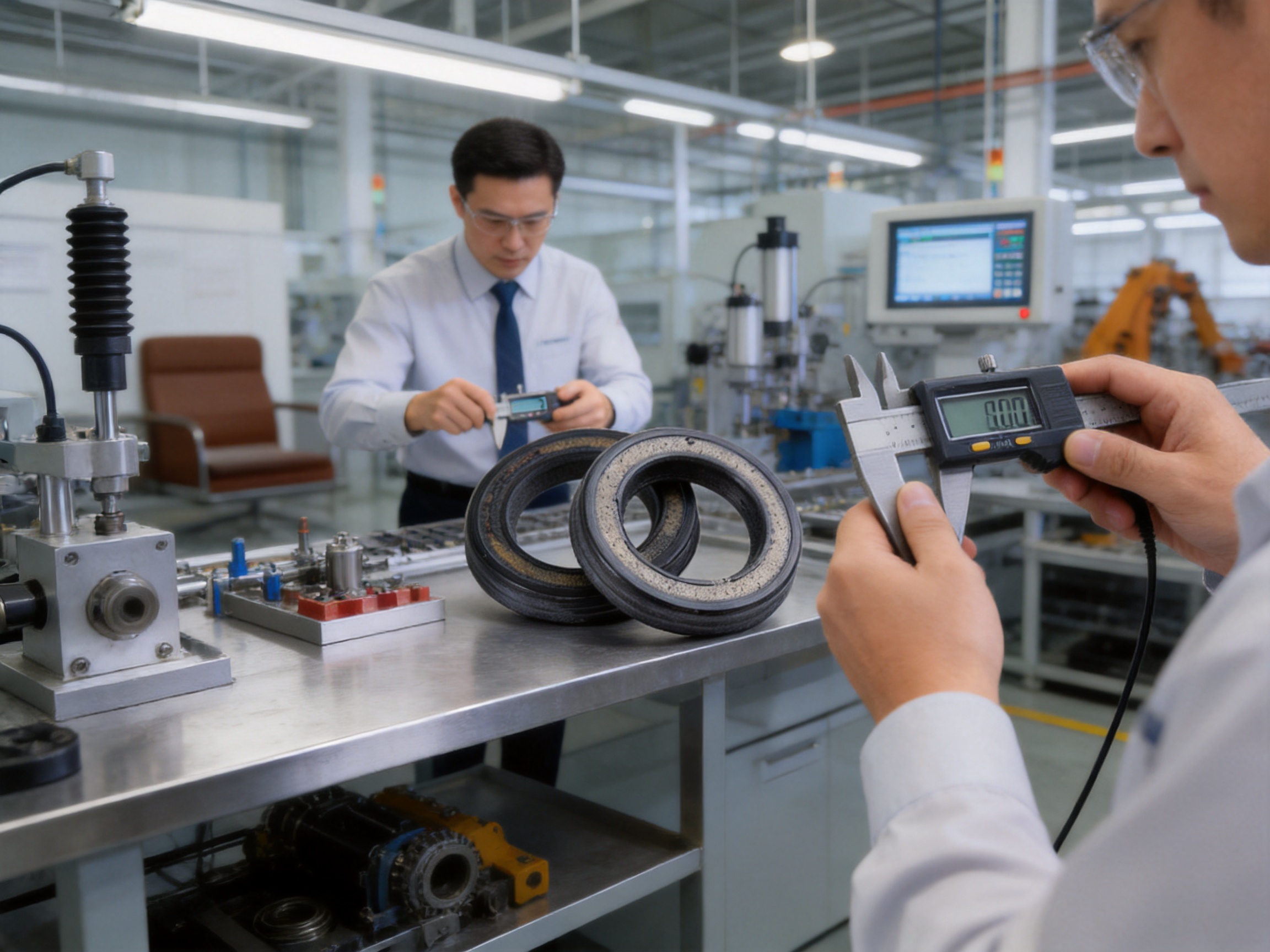
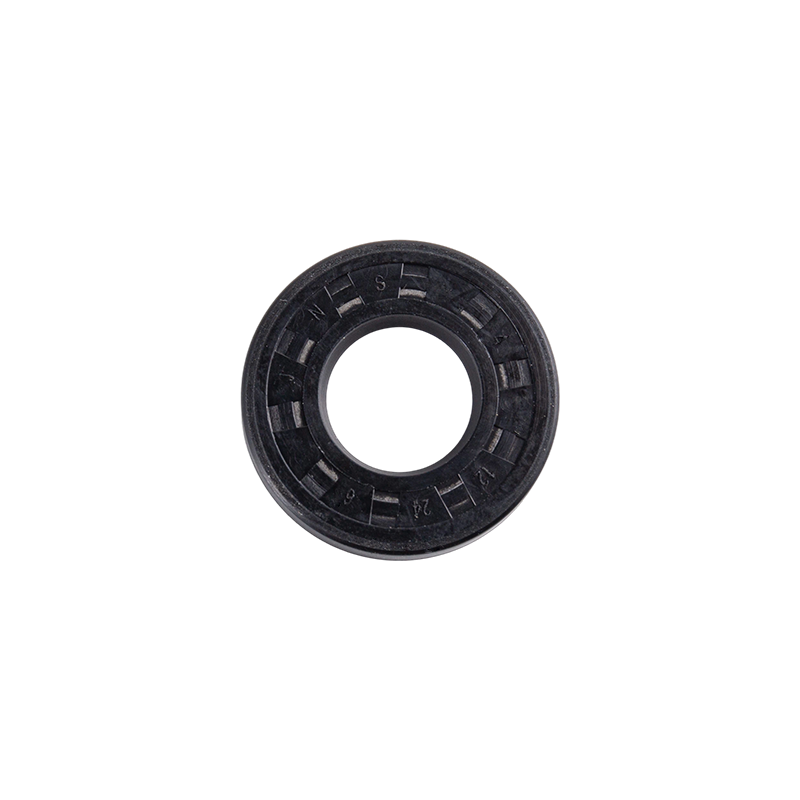
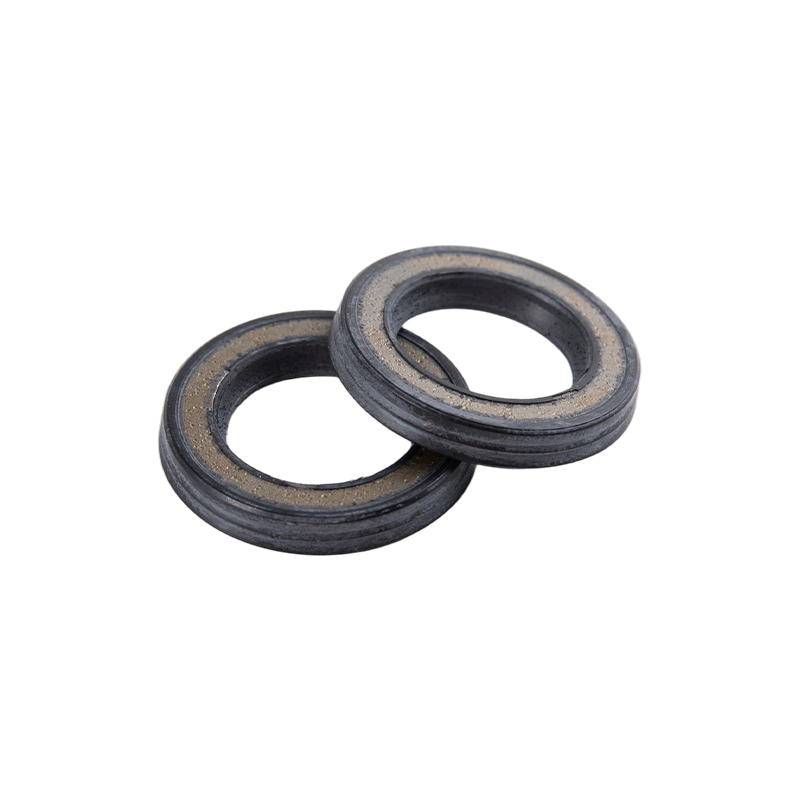
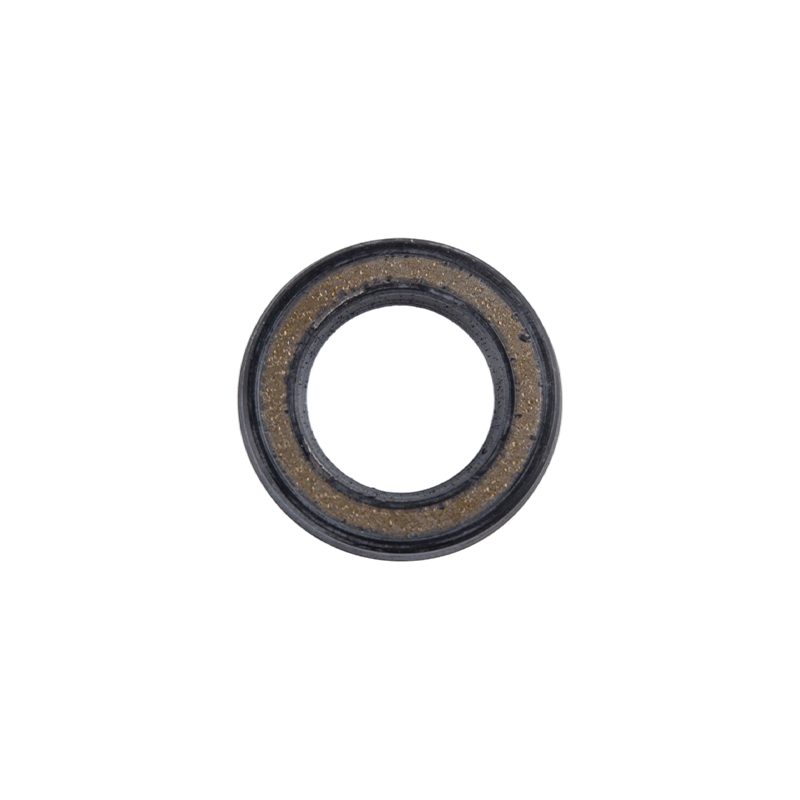
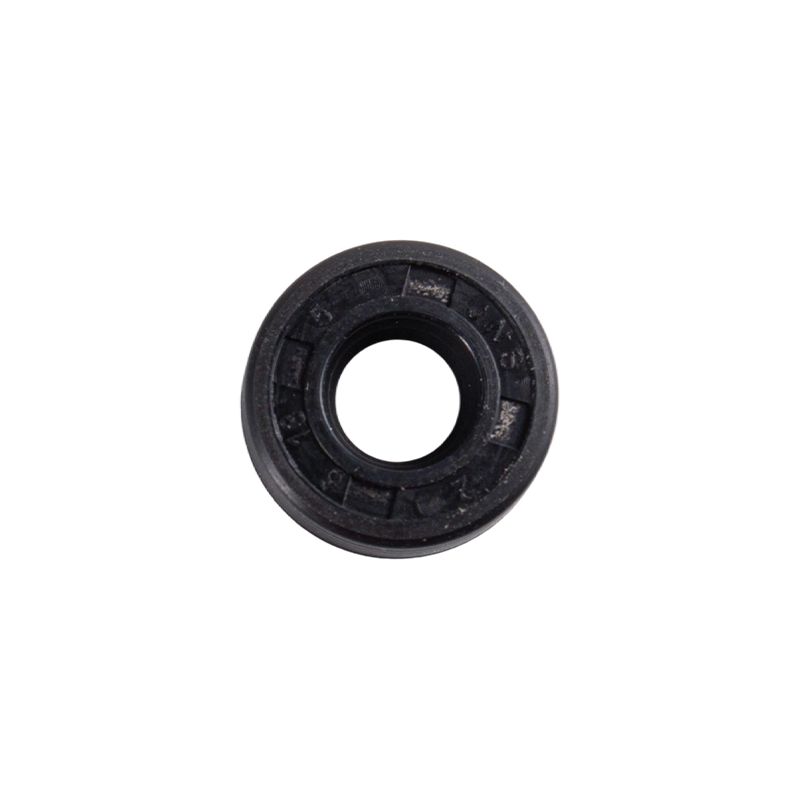
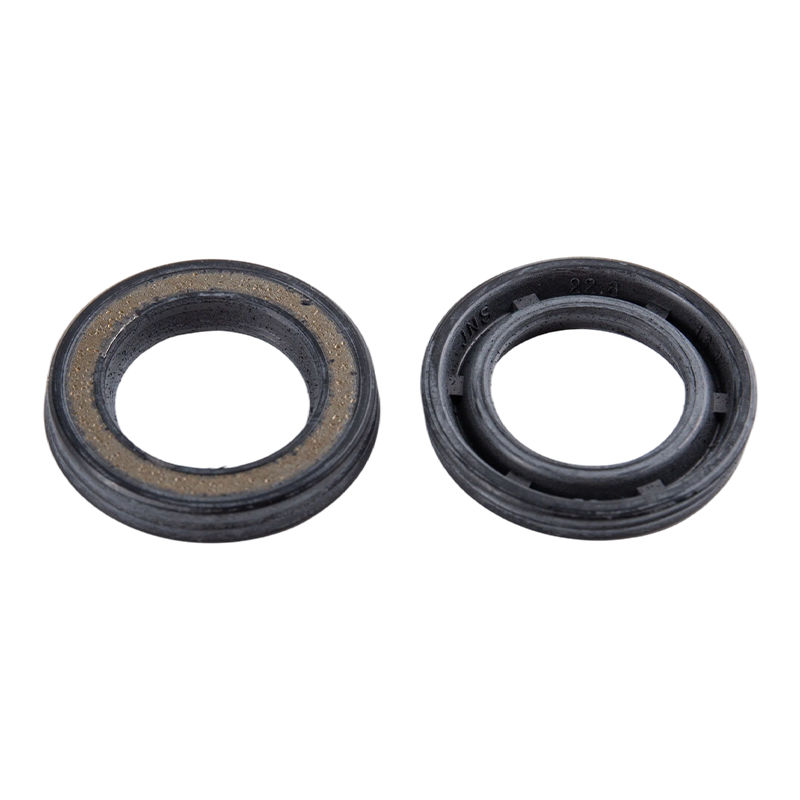
Reliable sealing is essential wherever a piston rod, gas spring, damper, or mechanical actuator must move repeatedly while maintaining stable force, protecting internal components, and preventing lubricant leakage. The 26mm Durable Industrial Seal, identified by product code A-1-032, is a compact Y-type oil seal ring developed for demanding industrial sealing applications. Its design focuses on fatigue strength, shape memory, installation simplicity, and dependable performance under repeated loads.
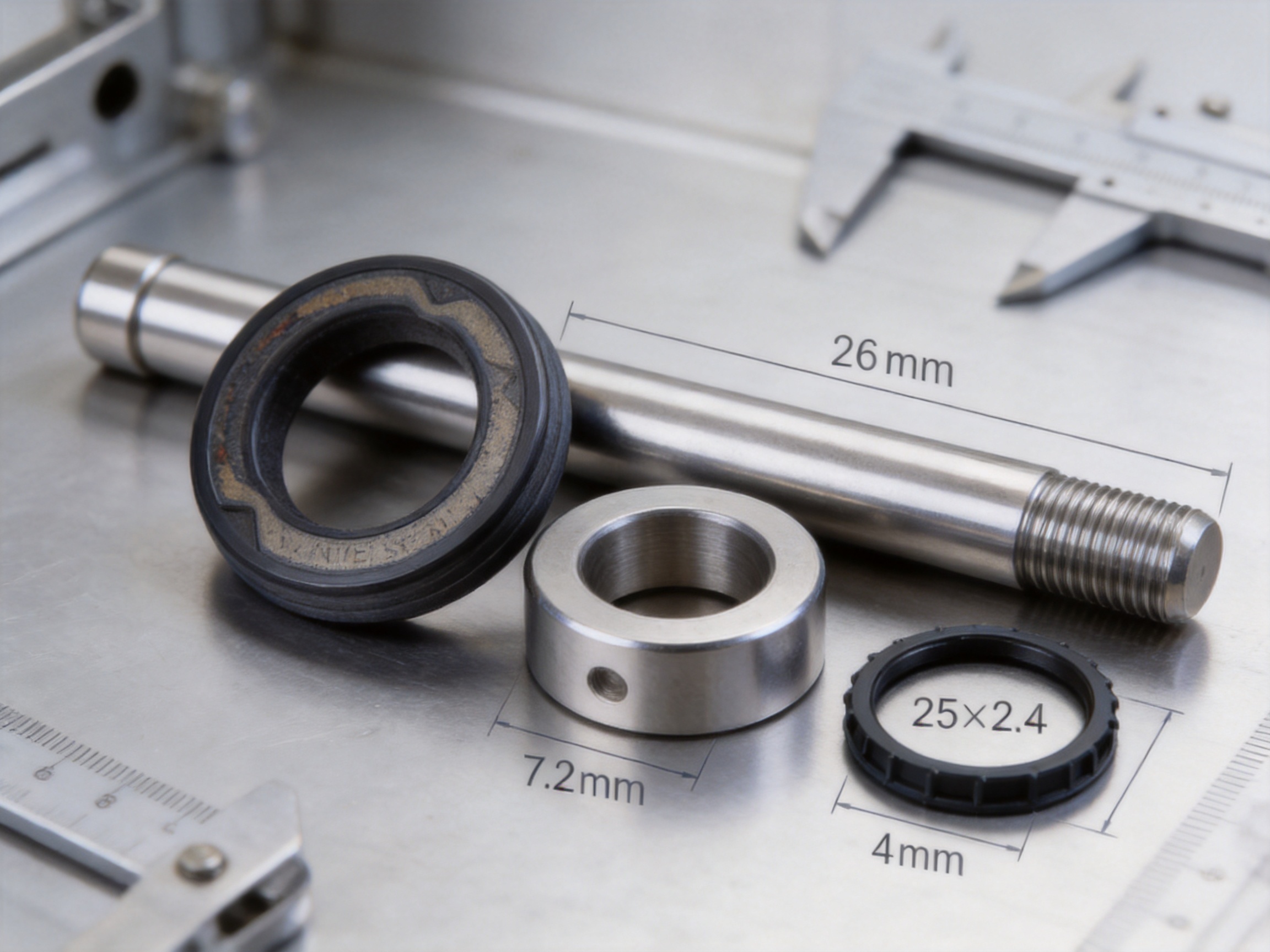
With an outside diameter of 26 mm, an inside diameter of 7.2 mm, and a height of 4 mm, this seal is designed for compact assemblies in which dimensional accuracy and consistent sealing contact are important. The product is manufactured from NBR and is associated with an O-ring adapter measuring 25 × 2.4 mm. Its stated design applicable pressure range is 50–2000 N, while the recommended steel pipe inner diameter and piston rod diameter are 25 mm and 8 mm respectively.
The product is especially suitable for applications that require repeated operating cycles. Its fatigue-oriented design is intended to support a million-cycle service life under loads up to 2000 N. In addition to long-cycle capability, the seal offers strong shape memory, which helps it recover its sealing form after repeated deformation. These characteristics make it a practical option for gas springs, dampers, furniture mechanisms, automotive components, home appliances, medical equipment, construction equipment, and related industrial products.
Product Overview and Application Purpose
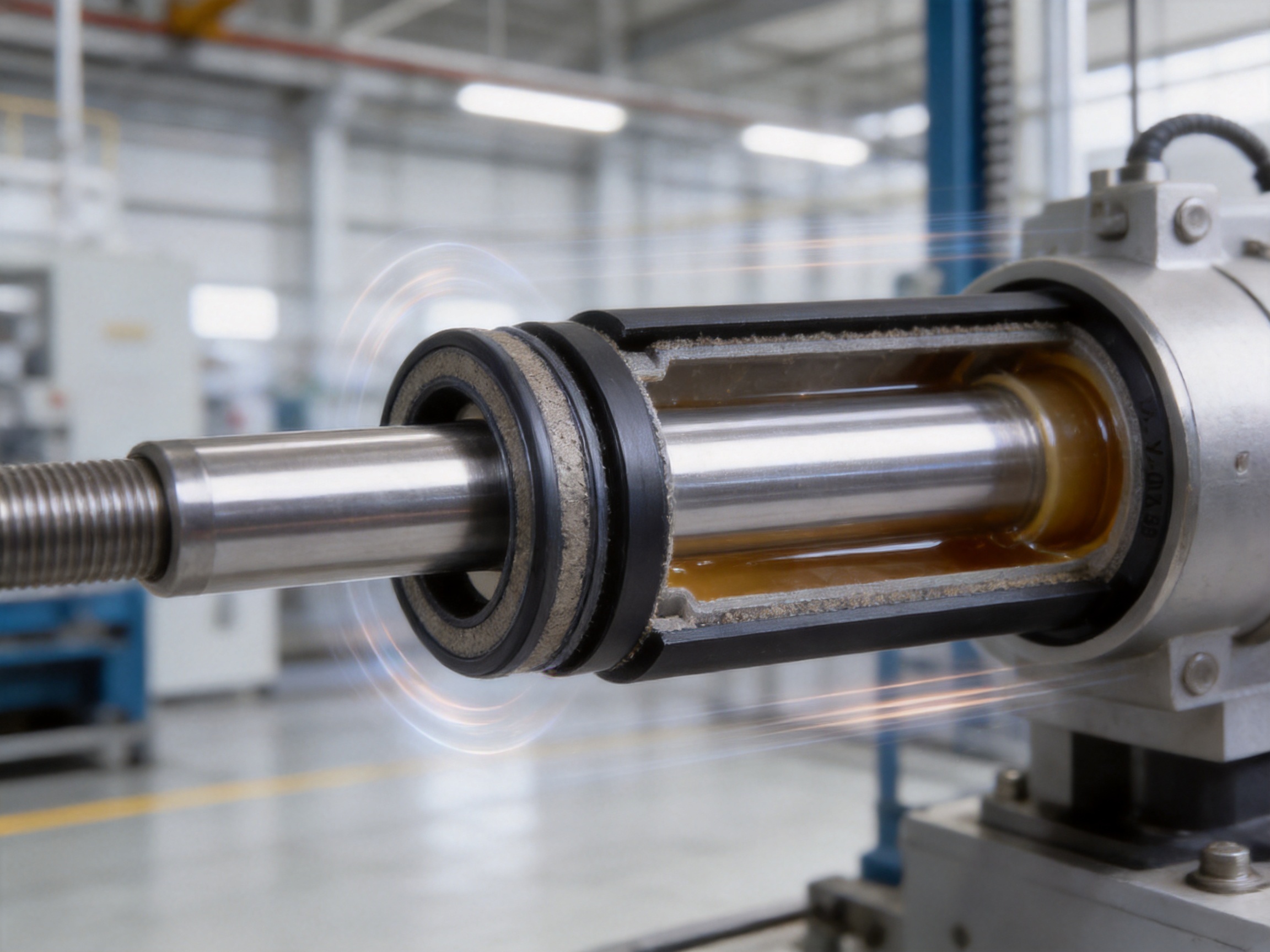
The A-1-032 is a Y-type oil seal ring designed to create a sealing interface around a moving piston rod or similar cylindrical component. The Y-shaped sealing profile uses its geometry to support contact between the seal and the surrounding assembly. When installed correctly, the sealing lips can maintain contact during movement while also helping retain lubricant and limit the entry of dust, moisture, and other contaminants.
Unlike a simple flat gasket, a dynamic oil seal must continue working while components move against one another. It must tolerate repeated compression, friction, and changes in operating conditions without permanently losing its sealing function. The A-1-032 addresses these requirements through a profile centered on fatigue resistance and shape recovery.
The seal is intended for compact mechanical systems. Its 26 mm outside diameter allows it to fit into assemblies where installation space is limited, while its 7.2 mm inside diameter supports use with an appropriately sized piston rod or shaft arrangement. The 4 mm height provides a low-profile sealing solution for products that require controlled axial space.
Its specified matching arrangement includes a 25 mm steel pipe inner diameter and an 8 mm piston rod diameter. These dimensions should be treated as important installation references rather than general recommendations for every design. Actual performance depends on the housing geometry, rod surface, clearance, lubrication, temperature, load, assembly quality, and operating environment.
The product description identifies fatigue strength as a central performance objective. This is significant for gas springs, dampers, and mechanisms that open, close, extend, retract, or absorb motion many times during their service life. In these applications, a seal may experience thousands or millions of movement cycles. A material or profile that performs adequately during initial assembly may still fail prematurely if it cannot resist fatigue, wear, compression set, or permanent deformation.
The A-1-032 is therefore positioned as more than a basic replacement ring. It is a purpose-oriented sealing component for manufacturers and maintenance teams that need predictable dimensions, repeatable installation, and stable sealing behavior over extended cycling.
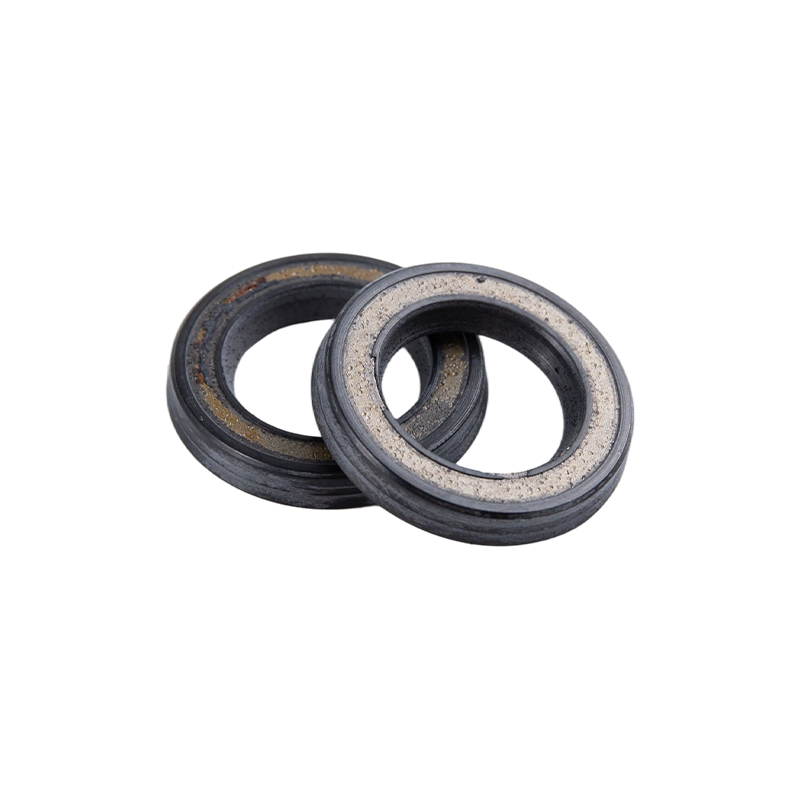
26mm Durable Industrial Seal
Key Specifications of the A-1-032 Seal
Clear specifications are essential when selecting an oil seal ring. A seal can only perform correctly when its dimensions and material are compatible with the housing, rod, load, and operating conditions. The following table summarizes the principal information supplied for the 26mm Durable Industrial Seal.
| Specification | Value | Selection Significance |
|---|---|---|
| Product title | 26mm Durable Industrial Seal | Identifies the compact industrial sealing product |
| Product code | A-1-032 | Supports ordering, identification, and technical communication |
| Seal category | Y-Type Oil Seal Ring | Indicates the primary sealing profile and application group |
| Product specifications | 26 × 7.2 × 4 mm | Summarizes outside diameter, inside diameter, and height |
| Outside diameter | 26 mm | Reference dimension for the housing or installation area |
| Inside diameter | 7.2 mm | Reference dimension for the sealing interface |
| Height | 4 mm | Indicates the axial profile height |
| O-ring adapter | 25 × 2.4 mm | Provides an associated adapter reference for compatible assemblies |
| Applicable pressure range | 50–2000 N | Defines the stated design load range |
| Steel pipe inner diameter | 25 mm | Reference housing dimension |
| Piston rod diameter | 8 mm | Reference moving component dimension |
| Material | NBR | Provides the base elastomer for the seal |
| Stated cycle capability | Up to one million cycles under 2000 N loads | Highlights fatigue-oriented design performance |
The dimensions should be checked against production drawings before ordering. In particular, the stated product specification of 26 × 7.2 × 4 mm should be interpreted together with the separate housing and rod references. Even a small mismatch in groove diameter, shaft diameter, chamfer, or installation depth can affect sealing force and service life.
Advantages of a Fatigue-Oriented Design
Fatigue resistance is one of the main advantages of the A-1-032. Dynamic seals are continuously exposed to mechanical movement. Each operating cycle can cause the sealing lips to flex, compress, slide, and recover. Over time, repeated stress may cause a seal to lose elasticity, develop cracks, take a permanent set, or reduce its contact pressure against the moving surface.
The A-1-032 is described as having million-cycle life under loads up to 2000 N. This stated capability makes it relevant to applications where a seal must operate for an extended period without frequent replacement. A million-cycle target is particularly valuable in equipment that is difficult to access after assembly, including furniture gas springs, vehicle dampers, industrial actuators, and integrated mechanical modules.
A fatigue-oriented seal can offer an advantage over generic low-cycle sealing products because the design priority is not limited to initial leak prevention. Long-term performance is also considered. For an equipment manufacturer, this can help reduce maintenance events, warranty exposure, assembly interruptions, and customer complaints associated with premature seal deterioration.
Fatigue performance should not be confused with unlimited operating life. The actual service life of a seal depends on multiple conditions, including the applied load, movement speed, stroke length, temperature, lubrication, shaft finish, contamination, and assembly accuracy. Nevertheless, the stated million-cycle capability provides a useful product-selection reference for designs that require high repetition.
Strong Shape Memory
Shape memory is another key characteristic of the product. In sealing applications, the material must deform sufficiently to create contact, yet recover its intended form when mechanical pressure changes. Strong shape memory helps the seal maintain a more stable profile during repeated loading and unloading.
When an elastomer loses its ability to recover, the sealing lip may remain flattened or displaced. This can reduce contact pressure and create a path for lubricant leakage or contamination entry. A seal with good recovery behavior can better follow the moving component and retain its intended sealing geometry throughout repeated operation.
The shape-memory benefit is especially relevant to gas springs and dampers. These components may remain compressed for a period of time and then extend or retract repeatedly. The seal must respond to changing forces without becoming permanently distorted. The A-1-032 is designed with this type of repeated deformation in mind.
Simple Installation
The product description also emphasizes simple fitting. Installation efficiency matters in both original equipment manufacturing and replacement maintenance. A seal that is easy to position correctly can reduce assembly time and lower the risk of installation-related damage.
Simple fitting may also contribute to greater production consistency. If operators can identify the orientation, place the seal in the correct groove, and install the associated components without unnecessary complexity, the manufacturing line may achieve more repeatable results. Clear dimensional references and product coding further support this process.
However, easy installation does not eliminate the need for proper preparation. The housing and rod should be clean, free of sharp edges, and correctly aligned. Tools should not cut or overstretch the sealing lips. If lubrication is required by the assembly design, it should be compatible with NBR and with the intended operating environment.
Why NBR Is Used for This Product
NBR, or nitrile butadiene rubber, is widely used in oil seals and O-ring products because it offers a practical balance of elasticity, sealing ability, mechanical strength, and resistance to many petroleum-based lubricants. For applications involving oil, grease, gas springs, and dampers, NBR is often selected as a dependable general-purpose elastomer.
For the A-1-032, NBR provides the flexible sealing body required to maintain contact with the mating components. Its elasticity supports the Y-type profile, while its mechanical properties support repeated compression and movement. The material is therefore aligned with the product’s focus on durability and fatigue resistance.
Material selection should always be matched to the operating environment. NBR may not be the ideal choice for every combination of temperature, chemical exposure, fuel, fluid, or environmental condition. If an application requires a different resistance profile, the customer should discuss the required material with the manufacturer. The company’s product range and technical focus include NBR, HNBR, and FPM O-ring products, enabling application-specific discussions where a standard NBR grade may not be sufficient.
The supplied product data identifies the A-1-032 material as NBR. Buyers should not assume that all NBR compounds are identical. Formulation, hardness, reinforcement, processing conditions, and quality control can affect performance. For this reason, the material designation should be considered an essential starting point for technical evaluation, followed by confirmation of the compound and operating limits required for the application.
Performance Compared with Generic Sealing Products
Many sealing products may appear similar when viewed only by outside diameter and inside diameter. However, the differences between a generic ring and a purpose-designed dynamic oil seal can become apparent during extended operation. Profile geometry, material formulation, dimensional stability, recovery behavior, and production consistency all influence the final result.
The A-1-032 has several practical advantages compared with a basic, low-cost generic seal. First, it is specifically presented as a Y-type oil seal ring rather than an unspecified rubber washer. Its profile is intended for dynamic sealing and repeated movement. Second, the product description directly emphasizes fatigue strength and million-cycle operation under stated load conditions. Third, it includes defined dimensional references for the housing, piston rod, and O-ring adapter. These details support more controlled product selection.
A generic alternative may have a lower initial purchase price, but the total cost can be higher if it requires more frequent replacement or causes leakage-related failures. In equipment assembled in large quantities, a small difference in seal reliability can affect production yield, field service costs, and customer satisfaction. A fatigue-oriented seal can provide value by supporting more stable long-term operation.
The A-1-032 may also offer an advantage where installation time is important. Its compact design and clearly stated dimensions can simplify purchasing and assembly planning. When a replacement seal is identified by product code A-1-032, communication between engineering, purchasing, production, and maintenance teams becomes more direct.
Another advantage is the possibility of technical customization. The manufacturer focuses on sealing technology for gas springs, dampers, and related O-ring products. Its stated services include product design, testing, and technical consultation. This gives customers an opportunity to evaluate a sealing solution according to the actual assembly rather than selecting only from an anonymous catalog dimension.
These advantages should be assessed against application requirements. No seal is automatically superior in every environment. A proper comparison should consider cycle count, load, speed, temperature, fluid, contamination, surface finish, assembly method, and required service life. Under high-cycle applications compatible with its stated NBR design and dimensions, the A-1-032 offers a strong basis for comparison with ordinary sealing rings.
Manufacturing and Engineering Strengths
The manufacturer, Ningguo Jnsseals Sealing Technology Co., Ltd., is a high-tech enterprise founded in 2019 and headquartered in Anhui, China. Its business focus is sealing technology for gas springs and dampers, together with related O-ring products. This specialization is important because the A-1-032 is not an isolated commodity item; it belongs to a broader technical field involving dynamic sealing, elastomer performance, precision dimensions, and repeated mechanical movement.
The company reports strong research and development capabilities, advanced production equipment, and a professional technical service team. These resources support the development and manufacture of sealing products for multiple industries. A manufacturer with dedicated sealing expertise can better understand the interaction between seal geometry, elastomer behavior, mating surfaces, and mechanical loads.
Advanced production equipment is valuable for maintaining repeatability. Seal performance depends on more than the basic material name. Mold accuracy, forming consistency, curing control, trimming quality, dimensional inspection, and handling practices can all affect the final product. Consistent production helps ensure that parts supplied under the same product code remain compatible with the specified assembly.
Research and development capability supports product improvement and application adaptation. Customers may require changes in dimensions, profile geometry, material selection, or performance targets. The company’s stated ability to provide product design and technical consultation allows these requirements to be evaluated through an engineering process rather than handled only as a standard purchasing transaction.
Testing is another important manufacturing strength. The company states that it provides testing as part of its customized sealing solutions. For dynamic seals, testing may involve repeated movement, load exposure, dimensional checks, leakage evaluation, material assessment, or application simulation. The exact test method must be agreed with the customer, but the presence of a testing capability is valuable when a seal will be used in safety-relevant or high-cycle equipment.
A professional technical service team can also help customers avoid common selection errors. For example, a customer may initially specify only the outside diameter and inside diameter, while the actual application also depends on groove depth, rod diameter, pressure, speed, temperature, lubricant, and cycle requirements. Technical consultation can bring these factors into the selection process before mass production begins.
Application-Centered Product Development
The company’s stated product focus includes gas springs and dampers, which are applications where sealing reliability is closely tied to product performance. In a gas spring, the seal helps retain internal pressure and lubricant while allowing piston movement. In a damper, the seal contributes to fluid retention and contamination control during repeated movement.
Experience with these applications can inform the development of profiles such as the A-1-032. The product’s fatigue emphasis and shape-memory characteristics are consistent with mechanisms that operate repeatedly. Such application-centered development can provide an advantage over products designed only around static sealing dimensions.
The company also serves automotive, furniture, home appliance, medical equipment, construction, and other industries. These fields have different space limitations, operating cycles, cleanliness expectations, and reliability targets. Exposure to varied applications can strengthen the manufacturer’s ability to address customized sealing requirements while maintaining a focused technical foundation.
Support for Custom Sealing Solutions
Not every customer can use an off-the-shelf seal without modification. A new product may require a special profile, a nonstandard dimension, a different material, or a specific testing plan. The company states that it can provide customized solutions covering product design, testing, and technical consultation.
Customization can begin with an application review. Customers should provide drawings, mating dimensions, operating loads, movement details, expected cycle life, temperature range, fluid information, and installation limitations. This information gives the engineering team a basis for evaluating whether the A-1-032 is suitable as supplied or whether a related design would be more appropriate.
For larger production programs, customization may also support process integration. The seal can be considered alongside the housing, rod, adapter, lubricant, and assembly equipment. This approach can reduce the risk that a seal is selected independently of the rest of the system.
Installation Guidance for Reliable Sealing
Correct installation is essential to achieving the expected performance of any oil seal ring. Even a high-quality seal can be damaged or misaligned during assembly. Before installation, confirm that the product code, dimensions, material, and orientation match the approved specification.
The housing should be cleaned carefully. Dirt, metal chips, machining residue, and other particles can create leakage paths or damage the sealing lip. The piston rod or shaft should also be clean and free from burrs, sharp edges, deep scratches, or corrosion that could cut or abrade the seal.
Chamfers and lead-in features should be checked before the seal is pushed over the rod. If the rod edge is sharp, the sealing lip may be stretched beyond its elastic limit or cut during assembly. A suitable installation sleeve or guide can protect the seal when the assembly design allows one.
The seal should be installed in the correct orientation. A Y-type profile is not necessarily symmetrical in its sealing function. The lip arrangement should correspond to the direction of pressure, lubricant retention, and movement specified in the product design. If orientation is unclear, customers should request a drawing or installation recommendation from the manufacturer.
Lubrication may be used when appropriate, but the lubricant must be compatible with NBR and the overall system. Excessive lubricant, incompatible grease, or contaminated assembly fluid can negatively affect performance. The correct quantity and method should be defined by the equipment design.
Tools that contact the seal should have smooth, rounded surfaces. Screwdrivers, unprotected metal hooks, and improvised tools can nick the elastomer. The seal should not be twisted, rolled, or forced into a groove with uneven pressure. After installation, the component should be inspected for uniform seating and any visible deformation.
When the A-1-032 is combined with the stated 25 × 2.4 mm O-ring adapter, the full assembly should be reviewed as a system. The adapter, housing, and seal must fit together without excessive compression or insufficient contact. Dimensional tolerances should be confirmed through the customer’s engineering drawings.
Quality Considerations for High-Cycle Equipment
High-cycle equipment requires a more detailed quality approach than static sealing applications. The seal should be evaluated not only for immediate leakage prevention but also for its behavior after repeated operation. A product that maintains its dimensions, elastic recovery, and sealing contact over many cycles is more suitable for long-term equipment reliability.
The A-1-032’s stated million-cycle performance under 2000 N loads provides a useful benchmark. Customers should clarify the test conditions behind any cycle-life requirement, including load application, stroke, speed, temperature, lubrication, and acceptance criteria. Testing that reflects the real application will provide more meaningful information than a general cycle count without operating context.
Incoming inspection can include product identification, visual condition, dimensional verification, and material documentation where required. The product code A-1-032 should be checked against purchase orders and engineering records. If the seal is used in a controlled production process, lot traceability and storage records may also be useful.
Storage conditions can influence elastomer performance. Seals should be protected from direct sunlight, excessive heat, ozone-generating equipment, contamination, and unnecessary mechanical stress. They should remain in suitable packaging until needed. Bending, hanging, or compressing seals for long periods may affect their shape before installation.
Production personnel should receive clear assembly instructions. A standard work procedure can specify cleaning, orientation, lubrication, tooling, inspection, and post-installation checks. These steps are particularly important when the product is installed in large quantities.
Industry Applications
Gas Springs
Gas springs depend on controlled internal pressure and smooth piston movement. A dynamic seal helps retain gas and lubricant while limiting contamination entry. The compact dimensions and fatigue-oriented design of the A-1-032 make it relevant to gas spring assemblies used in furniture, vehicles, equipment covers, access panels, and adjustable mechanisms.
Because gas springs may be cycled frequently during normal use, seal fatigue can affect the overall service life of the product. A seal with strong shape memory can help maintain contact as the piston extends and retracts. The exact suitability depends on gas pressure, temperature, rod finish, speed, and the detailed design of the gas spring.
Dampers
Dampers control motion by resisting movement through fluid or gas. Their seals must support repeated piston travel while retaining the working medium. The A-1-032 can be evaluated for damper designs that match its dimensions, NBR material, and stated load range.
In a damper, leakage can change the damping force and reduce the consistency of motion control. A durable seal can therefore contribute to stable product behavior. Customers should evaluate the seal with the specific damper fluid and operating temperature before approving it for production.
Automotive Components
Automotive equipment often includes compact actuators, dampers, seating mechanisms, lifting systems, and other moving assemblies. These products may be exposed to vibration, repeated cycling, temperature variation, and contamination. A small, fatigue-resistant oil seal can support the reliability of these systems when its material and dimensions are suitable.
Furniture and Home Appliances
Furniture gas springs and adjustable mechanisms often require compact seals that can tolerate repeated daily operation. The 26 mm outside diameter and 4 mm height of the A-1-032 may be useful where installation space is limited. Home appliances may also use dampers or compact motion-control devices that require reliable dynamic sealing.
Medical and Construction Equipment
Medical equipment and construction products have different operating environments, but both may contain moving mechanisms that require sealing. Medical equipment can place emphasis on cleanliness, controlled assembly, and consistent performance. Construction equipment may emphasize durability, load handling, and contamination resistance. The application must determine whether NBR is suitable and what additional validation is required.
How to Select the Product for a Project
The first step is to compare the required assembly dimensions with the A-1-032 specifications. Confirm the 26 mm outside diameter, 7.2 mm inside diameter, and 4 mm height. Check the 25 mm steel pipe inner diameter and 8 mm piston rod reference. If an O-ring adapter is used, verify the 25 × 2.4 mm dimension as well.
The second step is to evaluate the operating load. The product information identifies a design applicable pressure range of 50–2000 N. The actual design load should remain within the verified application range. Loads caused by pressure, friction, spring force, side loading, or assembly interference should all be considered.
The third step is to calculate the expected cycle requirement. If the equipment is expected to operate hundreds of thousands or millions of times, the seal should be assessed under representative conditions. The stated million-cycle capability under 2000 N loads is a useful reference, but application validation remains important.
The fourth step is to confirm material compatibility. NBR may be appropriate for many oil and grease applications, but the exact working fluid, temperature, chemical exposure, and environmental conditions must be reviewed. Where necessary, customers can discuss HNBR, FPM, or another material option with the manufacturer.
The fifth step is to review production and service requirements. Consider whether the seal will be installed manually or automatically, whether replacement access is limited, whether the equipment operates continuously, and whether the customer needs inspection documents or customized testing. These details can influence the final product decision.
Purchasing and Technical Communication
When requesting a quotation or technical review, customers should identify the product by its full name and product code: 26mm Durable Industrial Seal, A-1-032. The request should include quantity, required delivery schedule, application, drawings, material expectations, and any special inspection requirements.
It is useful to provide information about the moving rod, housing, lubricant, cycle frequency, stroke, speed, temperature, load, and expected service life. These details allow the technical team to determine whether the standard product is suitable or whether an alternative design should be considered.
Ningguo Jnsseals Sealing Technology Co., Ltd. can be contacted through jns@jnsseals.cn. The supplied contact information lists Manager Gong at +86-18563770820 and Manager Wang at +8615357558902. The company address is No. 5, Meilin Avenue, Meilin Industrial Development Zone, Ningguo City, Anhui Province, China.
Clear communication is especially important when replacing an existing seal. The old product’s dimensions alone may not identify the correct replacement. Customers should also report the reason for replacement, such as leakage, wear, deformation, extrusion, cracking, or installation difficulty. Failure analysis can help determine whether the issue involved material selection, profile design, assembly, or operating conditions.
Frequently Asked Questions
What type of product is the A-1-032?
The A-1-032 is a Y-type oil seal ring known as the 26mm Durable Industrial Seal. It is designed for dynamic sealing applications involving moving piston rods or similar components.
What are the main dimensions?
The product specifications are 26 × 7.2 × 4 mm. The outside diameter is 26 mm, the inside diameter is 7.2 mm, and the height is 4 mm.
What material is used?
The supplied product information identifies NBR as the material. NBR is commonly used for oil seals because it provides useful elasticity and resistance to many petroleum-based fluids. Compatibility with the actual application should still be confirmed.
What load range is specified?
The stated design applicable pressure range is 50–2000 N. The actual application should be reviewed to ensure that the complete assembly remains within its validated operating conditions.
How many cycles can the seal support?
The product description states a million-cycle life under 2000 N loads. The actual result may depend on movement speed, stroke, temperature, lubrication, rod surface, contamination, and installation quality.
What are the matching housing and rod dimensions?
The supplied information references a steel pipe inner diameter of 25 mm and a piston rod diameter of 8 mm. These dimensions should be confirmed against the customer’s engineering drawing.
Is an O-ring adapter included?
The product information lists an O-ring adapter size of 25 × 2.4 mm. Customers should confirm the required configuration, quantity, and assembly arrangement when placing an order.
What makes this seal different from a generic oil seal?
The A-1-032 is presented as a fatigue-oriented Y-type seal with strong shape memory, simple fitting, defined dimensional references, and a stated million-cycle performance target. These features may provide advantages over generic products in compatible high-cycle applications.
Can the product be customized?
The manufacturer states that it provides customized sealing solutions, including product design, testing, and technical consultation. Customers should provide drawings and operating information so that the appropriate solution can be evaluated.
Which industries can use this product?
Potential industries include automotive, furniture, home appliances, medical equipment, construction, gas spring manufacturing, damper manufacturing, and other fields requiring compact dynamic seals.
What should be checked before installation?
Confirm the product code, dimensions, material, orientation, housing, rod diameter, surface condition, lubricant compatibility, and installation tooling. Clean surfaces and protect the seal from sharp edges or excessive stretching.
Can NBR be used in every environment?
No. NBR is a versatile elastomer, but every application must be checked for temperature, fluid, chemical exposure, pressure, speed, and environmental conditions. Alternative materials may be considered when NBR is not suitable.
Conclusion
The 26mm Durable Industrial Seal, product code A-1-032, is a compact NBR Y-type oil seal ring designed for repeated dynamic sealing. Its principal strengths are a fatigue-oriented profile, stated million-cycle life under 2000 N loads, strong shape memory, simple fitting, and clearly defined dimensions. These attributes make it a practical candidate for gas springs, dampers, and other high-cycle mechanisms.
Compared with an unspecified generic sealing ring, the A-1-032 offers a more application-focused basis for selection. Its product category, dimensional references, material information, load range, and cycle-life description support more informed engineering decisions. When correctly matched to the housing, rod, lubricant, load, and operating environment, it can help improve sealing reliability and reduce maintenance demands.
The manufacturer strengthens this product offering through specialized sealing expertise, research and development capability, advanced production equipment, testing resources, and technical service. Its ability to provide design support and customized solutions is valuable for customers developing new equipment or solving recurring sealing problems.
For the best result, customers should treat the A-1-032 as part of a complete sealing system. Proper dimension checks, material compatibility review, representative testing, careful installation, and controlled storage all contribute to service life. With these factors addressed, the product can serve as a dependable solution for compact, high-cycle industrial sealing applications.
References
1. Product specification sheet for the 26mm Durable Industrial Seal, product code A-1-032.
2. Manufacturer-provided information on NBR, HNBR, and FPM O-ring products.
3. Manufacturer-provided company profile and technical service information.
4. General engineering principles for elastomeric oil seals, dynamic sealing, and O-ring installation.
5. General design considerations for gas spring and damper sealing systems.
Product: 26mm Durable Industrial Seal

PREV:3000N Peak-Load Sealing for Heavy-Duty Cylinders
NEXT:High-Pressure Reinforced L-Type Seal for Demanding Gas Spring and Damper Applications
NEXT:High-Pressure Reinforced L-Type Seal for Demanding Gas Spring and Damper Applications


Want to know more
about us?
about us?

Precision sealing for gas springs and dampers. Durable, wear-resistant, and built for long-life performance in demanding applications.
Product Categories
Quick Links
Contact Us
-
Email: jns@jnsseals.cn

-
Manager Gong: +86-18563770820

-
Manager Wang: +8615357558902
-
No. 5, Meilin Avenue, Meilin Industrial Development Zone, Ningguo City, Anhui Province, China

