

 English
 русский
 Deutsch
 Türk
 中文简体
20mm Medium-Duty Hydraulic O-Ring: Reliable NBR Sealing for Hydraulic Actuators
20mm Medium-Duty Hydraulic O-Ring: Reliable NBR Sealing for Hydraulic Actuators
20mm Medium-Duty Hydraulic O-Ring: Reliable NBR Sealing for Hydraulic Actuators
20mm Medium-Duty Hydraulic O-Ring: Reliable NBR Sealing for Hydraulic Actuators
20mm Medium-Duty Hydraulic O-Ring: Reliable NBR Sealing for Hydraulic Actuators
20mm Medium-Duty Hydraulic O-Ring: Reliable NBR Sealing for Hydraulic Actuators
20mm Medium-Duty Hydraulic O-Ring: Reliable NBR Sealing for Hydraulic Actuators
20mm Medium-Duty Hydraulic O-Ring: Reliable NBR Sealing for Hydraulic Actuators
20mm Medium-Duty Hydraulic O-Ring: Reliable NBR Sealing for Hydraulic Actuators
20mm Medium-Duty Hydraulic O-Ring: Reliable NBR Sealing for Hydraulic Actuators
20mm Medium-Duty Hydraulic O-Ring: Reliable NBR Sealing for Hydraulic Actuators
20mm Medium-Duty Hydraulic O-Ring: Reliable NBR Sealing for Hydraulic Actuators
20mm Medium-Duty Hydraulic O-Ring: Reliable NBR Sealing for Hydraulic Actuators
20mm Medium-Duty Hydraulic O-Ring: Reliable NBR Sealing for Hydraulic Actuators
20mm Medium-Duty Hydraulic O-Ring: Reliable NBR Sealing for Hydraulic Actuators
20mm Medium-Duty Hydraulic O-Ring: Reliable NBR Sealing for Hydraulic Actuators

Deng Yixuan — Domestic Sales Supervisor
Home / Author / Deng Yixuan — Domestic Sales Supervisor / 20mm Medium-Duty Hydraulic O-Ring: Reliable NBR Sealing for Hydraulic Actuators
NEW Category
Contact us
20mm Medium-Duty Hydraulic O-Ring: Reliable NBR Sealing for Hydraulic Actuators
Content
- 1 Product Overview and Core Specifications
- 2 Why the 20mm Size Matters in Hydraulic Equipment
- 3 NBR Material for Mineral Oil Applications
- 4 How an O-Ring Supports Hydraulic Actuator Performance
- 5 Advantages Compared with Generic or Poorly Matched Alternatives
- 6 Manufacturing and Technical Strengths
- 7 Production Control Considerations for O-Ring Reliability
- 8 Installation Guidance for the 20 × 2.4 mm O-Ring
- 9 Application Areas
- 10 Custom Sealing Solutions and Engineering Support
- 11 Purchasing and Quality Checklist
- 12 Common Causes of O-Ring Failure
- 13 Why Technical Partnership Matters
- 14 Environmental and Operational Considerations
- 15 Frequently Asked Questions
- 15.1 What is the exact size of the product?
- 15.2 What material is used for the O-ring?
- 15.3 What is the product code?
- 15.4 What equipment is the O-ring intended for?
- 15.5 Can the O-ring be used with every hydraulic fluid?
- 15.6 Is this product suitable for dynamic applications?
- 15.7 How does this product compare with an unidentified generic O-ring?
- 15.8 Can customized sealing solutions be developed?
- 15.9 What information should be supplied for technical evaluation?
- 15.10 How should the product be installed?
- 15.11 What industries can use products from the manufacturer?
- 15.12 Where is the manufacturer located?
- 16 Conclusion
- 17 References
- 18 Product: 20mm Medium-Duty Hydraulic O-Ring
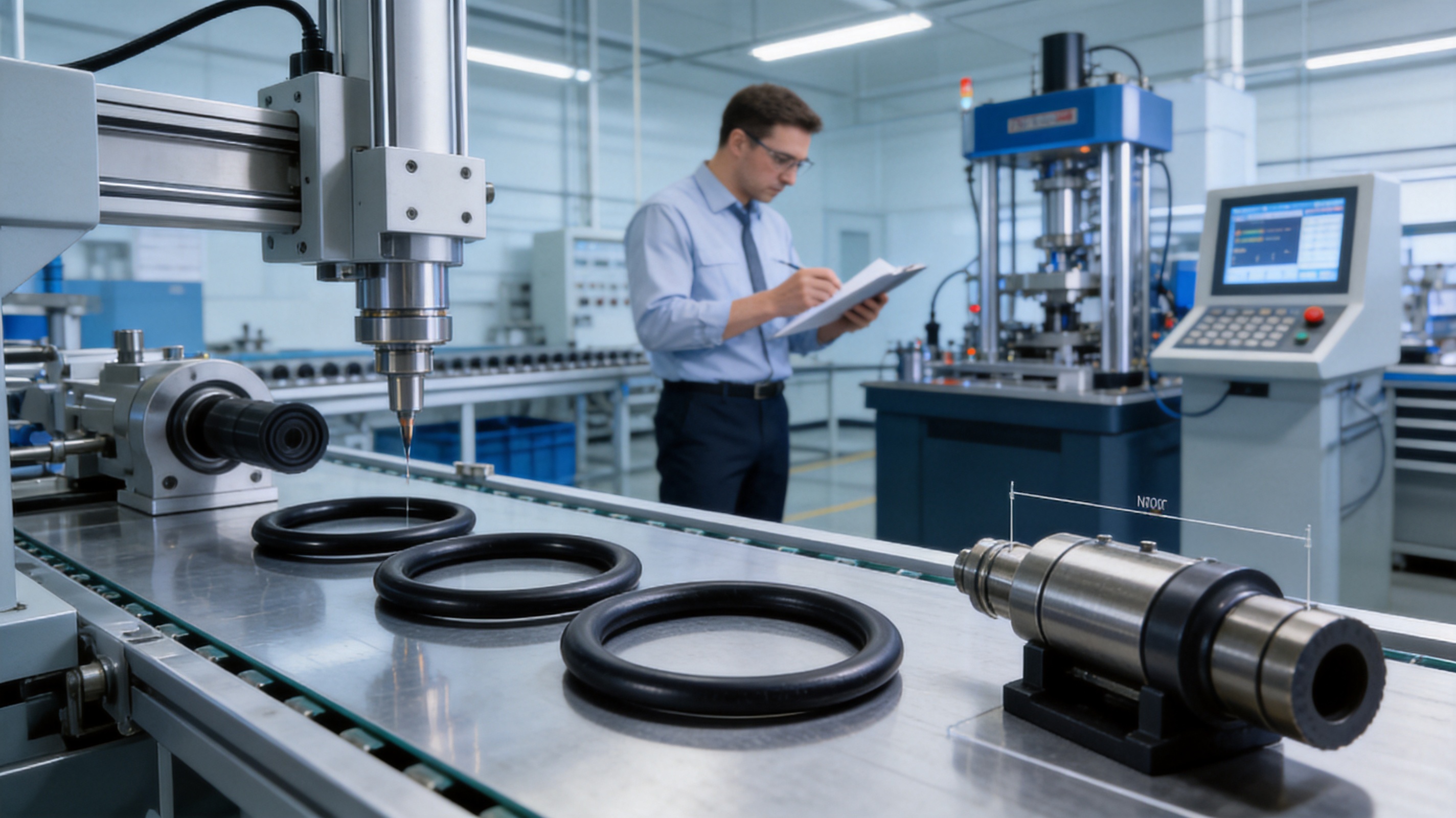
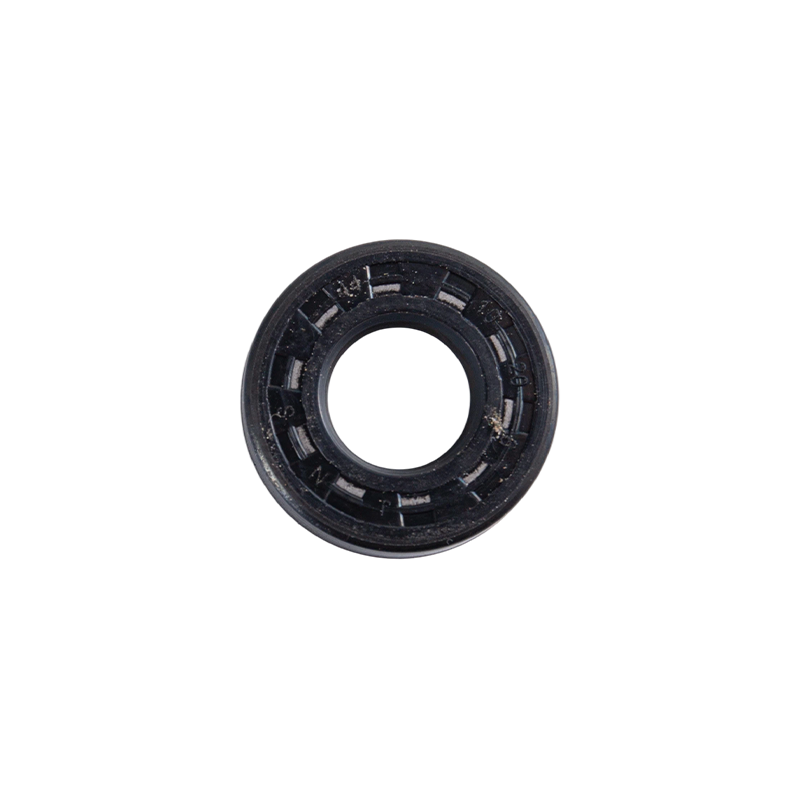
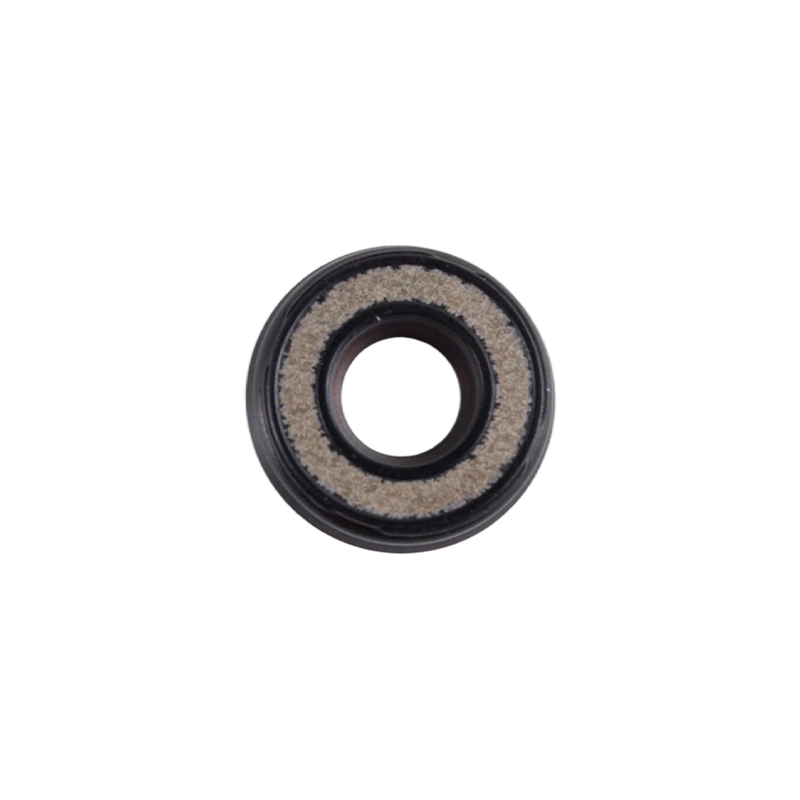
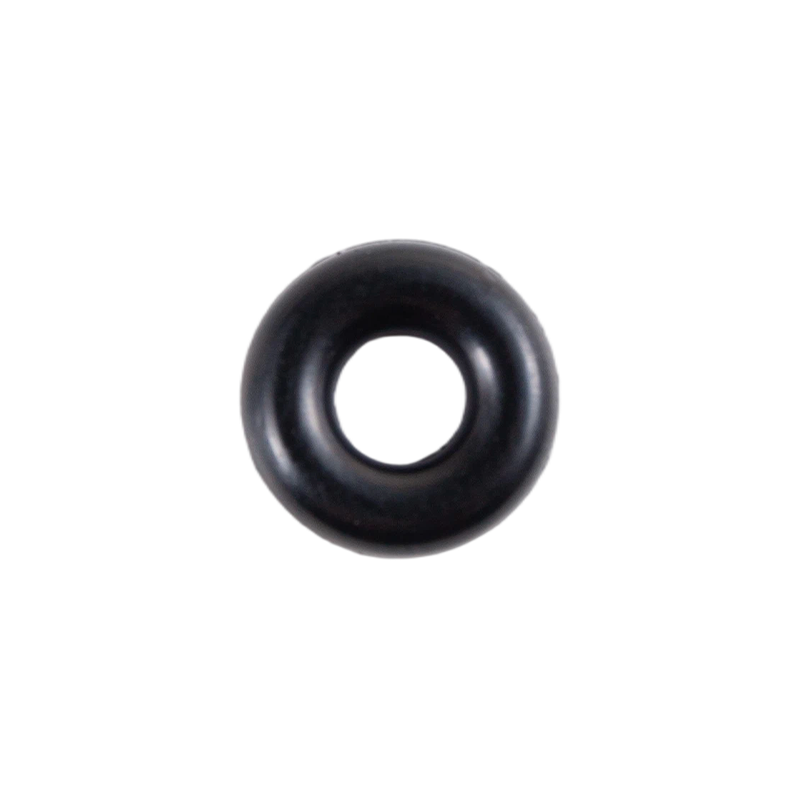
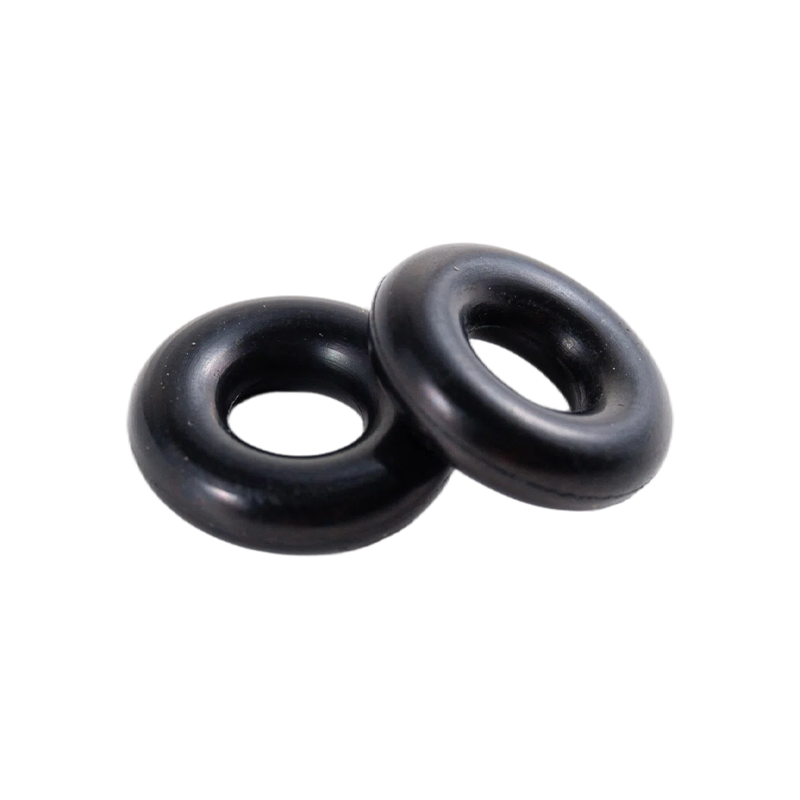
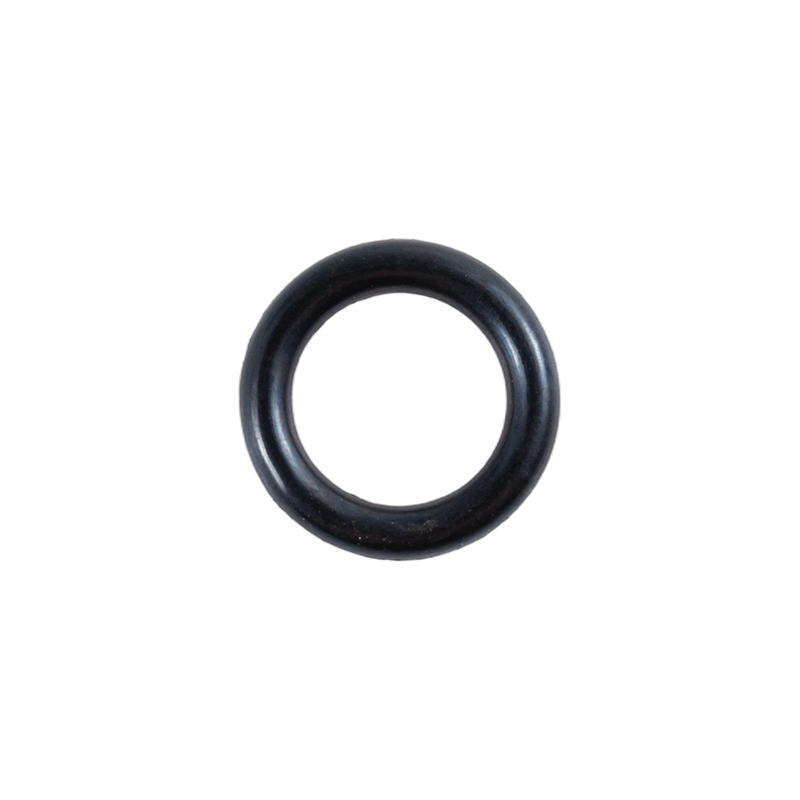
The 20mm Medium-Duty Hydraulic O-Ring is a compact sealing component developed for hydraulic actuators with a 20 mm inside diameter. Identified by product code A-4-012, this O-ring uses an NBR compound selected for applications involving mineral oil media. Its 20 × 2.4 mm dimensional specification provides a practical balance between sealing contact, installation efficiency, material economy, and service reliability in medium-duty hydraulic equipment.
Although an O-ring is a relatively small part, its influence on equipment performance is substantial. A correctly selected seal helps prevent hydraulic fluid leakage, protects internal components from contamination, maintains pressure, supports smooth actuator movement, and reduces the need for unplanned maintenance. Conversely, an incorrectly sized or poorly matched seal can lead to leakage, pressure loss, premature wear, environmental contamination, and downtime.
This product is designed to address the requirements of hydraulic actuator applications where a dependable NBR sealing material and a controlled 20 mm internal diameter are needed. It is part of a broader range of O-shaped oil seal rings and sealing products supplied by Ningguo Jnsseals Sealing Technology Co., Ltd., a China-based sealing technology manufacturer specializing in O-rings, gas spring seals, damper seals, and related customized sealing solutions.
The product combines a standardized cross-section with a material formulation suited to mineral oil service. This makes it appropriate for equipment designers, hydraulic component manufacturers, maintenance teams, distributors, and purchasing departments that need a clearly specified replacement or production seal.
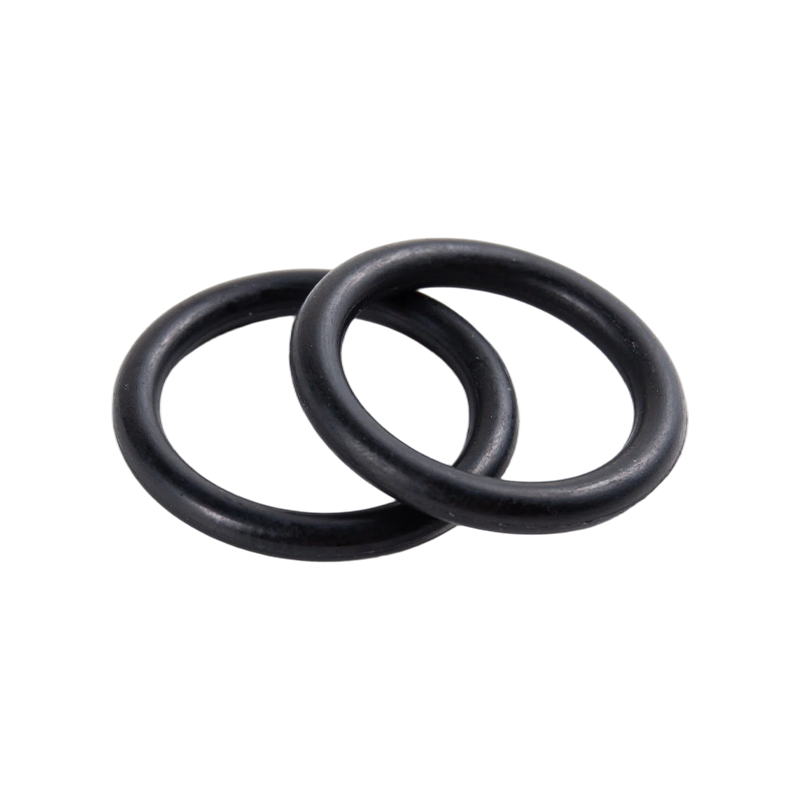
20mm Medium-Duty Hydraulic O-Ring
Product Overview and Core Specifications
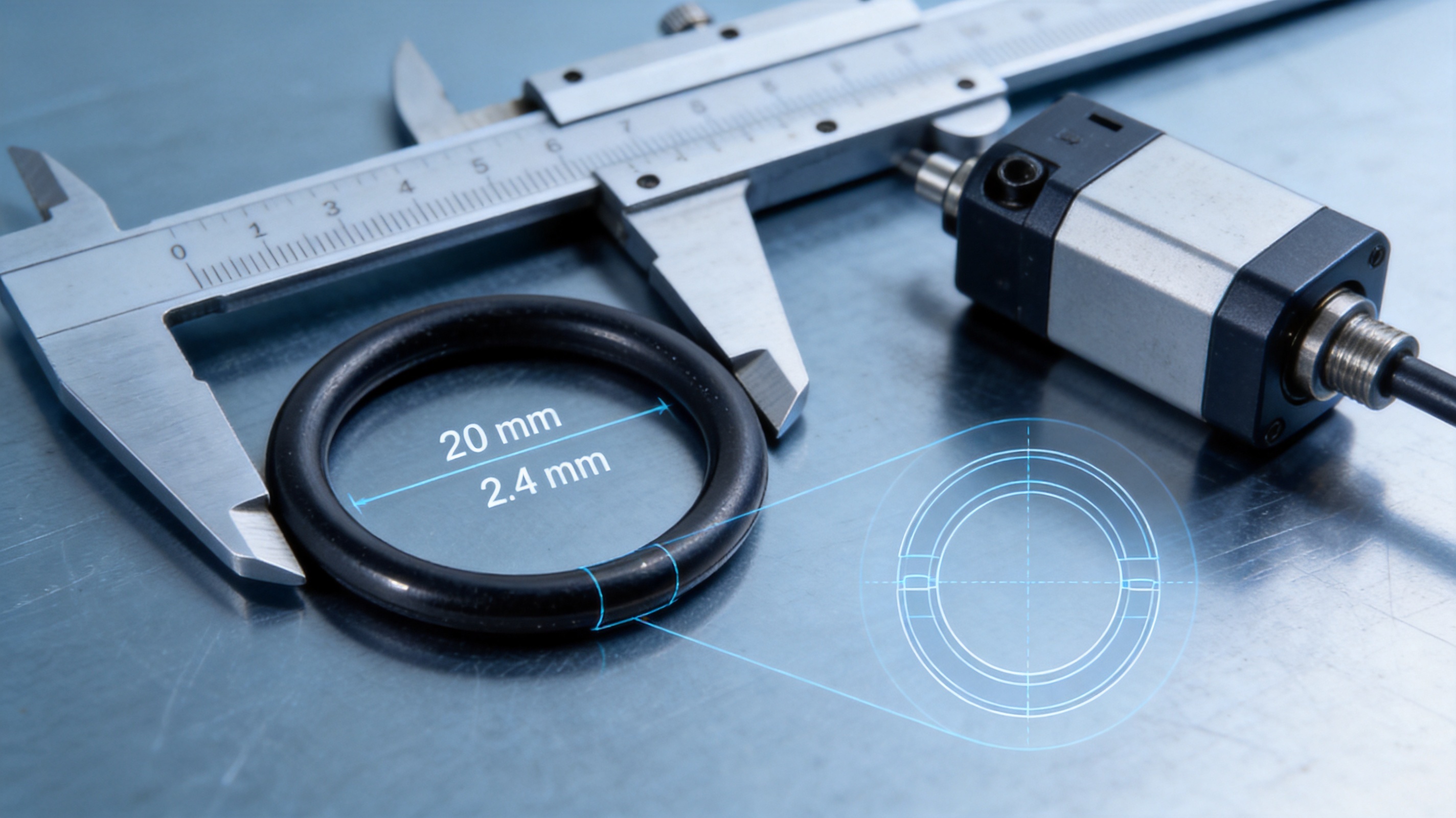
The 20mm Medium-Duty Hydraulic O-Ring is defined by a simple and useful specification: 20 mm inside diameter and 2.4 mm cross-sectional diameter. In the product information, the specification is written as 20*2.4, with an ID of 20 mm and a WD of 2.4 mm. The material is NBR, and the product code is A-4-012.
| Product Attribute | Specification |
| Product Name | 20mm Medium-Duty Hydraulic O-Ring |
| Product Category | O-Shaped Oil Seal Ring |
| Product Code | A-4-012 |
| Dimensional Specification | 20 × 2.4 mm |
| Inside Diameter | 20 mm |
| Cross-Sectional Diameter | 2.4 mm |
| Material | NBR |
| Primary Application | 20 mm ID hydraulic actuators |
| Media Focus | Mineral oil media |
The 20 mm inside diameter provides the principal dimensional reference for installation. The 2.4 mm cross-section determines the radial or axial sealing profile available in the corresponding groove. When the groove, mating surfaces, squeeze, stretch, and clearance are correctly designed, the O-ring can form a continuous sealing line between stationary or moving components.
Because sealing performance depends on the complete installation system, the dimensional specification should be considered together with groove geometry, operating pressure, temperature, motion type, surface finish, clearance, lubrication, and fluid compatibility. The product provides a defined starting point for engineering and replacement decisions, but the final application assessment should always reflect the actual equipment conditions.
Why the 20mm Size Matters in Hydraulic Equipment
Hydraulic actuators convert fluid pressure into controlled mechanical movement. Within an actuator, seals must help retain fluid while allowing the intended movement of pistons, rods, sleeves, or other components. A seal with an internal diameter that does not correspond to the mating component may be stretched excessively, installed loosely, or subjected to uneven contact. Any of these conditions can reduce reliability.
A 20 mm O-ring is suitable for hydraulic actuator designs built around a 20 mm sealing diameter. The defined 2.4 mm cross-section gives the designer a recognizable sealing profile that can be matched with an appropriate groove. For replacement work, the known dimensions help maintenance personnel identify the correct component more efficiently than relying only on visual comparison.
Dimensional consistency is also important in series production. When an actuator manufacturer uses a stable seal specification, assembly procedures can be standardized, inventory can be simplified, and quality checks can be performed against a clear product code. The A-4-012 designation provides an additional identification reference beyond the physical dimensions.
The size is particularly relevant for compact and medium-duty hydraulic mechanisms where available installation space is limited. A properly selected O-ring can deliver sealing function without requiring a more complicated multi-piece seal arrangement. Its compact geometry may support streamlined component design and simplified replacement procedures.
NBR Material for Mineral Oil Applications
NBR, or nitrile butadiene rubber, is widely used in sealing applications where resistance to petroleum-based oils and lubricants is important. The material is a practical choice for many hydraulic systems using mineral oil media. In this product, the NBR compound is specifically described as optimized for mineral oil service, aligning the material selection with the intended application.
The value of an oil-compatible elastomer is not limited to preventing immediate leakage. Material compatibility influences dimensional stability, elasticity, compression behavior, and resistance to deterioration over time. If a seal is exposed to an unsuitable medium, it may swell, soften, harden, crack, or lose its ability to maintain contact. Selecting an NBR seal for a compatible mineral oil application helps reduce this type of risk.
NBR is also a familiar material for many hydraulic equipment designers and maintenance departments. This familiarity can simplify procurement, installation planning, and replacement selection. Teams that already use NBR seals in compatible oil-based systems may find it easier to integrate the A-4-012 product into existing maintenance procedures.
Material selection must still be based on actual service conditions. Mineral oil formulations can differ, and hydraulic systems may also contain additives, cleaning agents, water contamination, or other substances. Temperature, pressure, dynamic motion, and exposure duration affect the final result. For applications outside the described mineral oil focus, the material should be reviewed with the supplier before adoption.
Benefits of the NBR Compound in the Intended Application
For a suitable mineral oil hydraulic environment, the NBR material offers several practical benefits. It supports a dependable sealing interface, provides a familiar solution for hydraulic equipment, and can be used in applications where a balance of performance and cost is required. These benefits make it a sensible option for medium-duty actuator designs that do not require a specialized elastomer for extreme chemical or temperature conditions.
NBR also supports broad industrial use. The company’s product range is associated with automotive, furniture, home appliance, medical equipment, construction, and other industries. While every industry requires application-specific verification, this variety demonstrates the relevance of elastomer sealing technology across different equipment categories.
How an O-Ring Supports Hydraulic Actuator Performance
An O-ring functions by creating contact between its outer surface and the surrounding groove or mating surface. When installed correctly, the elastomer is compressed sufficiently to close the leakage path. System pressure can further energize the seal by pressing the O-ring against the lower-pressure side of the sealing gap.
In a hydraulic actuator, the seal may be used in a static connection or in an arrangement involving movement. The installation design determines how the ring responds to pressure and motion. A static application generally places different demands on the seal than a reciprocating application. For this reason, the product should be matched to the actuator’s actual sealing location rather than selected solely by inside diameter.
The 20 × 2.4 mm profile is useful because it communicates both the diameter and the cross-sectional size needed for engineering review. These dimensions help determine whether the ring can occupy the intended groove and achieve an appropriate level of squeeze. They also support the preparation of assembly drawings, bills of materials, maintenance instructions, and inspection plans.
A correctly installed O-ring can help maintain fluid pressure and reduce the risk of external leakage. Stable pressure contributes to consistent actuator movement and helps the hydraulic system perform according to its intended design. In industrial equipment, this can influence productivity, positioning accuracy, operating cleanliness, and maintenance intervals.
Advantages Compared with Generic or Poorly Matched Alternatives
The main advantage of the A-4-012 product over a generic, unidentified O-ring is specification clarity. The product has a defined 20 mm inside diameter, 2.4 mm cross-section, NBR material, mineral oil application focus, and product code. A generic ring may appear similar while differing in size tolerance, material, hardness, or intended service conditions.
Specification clarity reduces uncertainty during purchasing and maintenance. It helps buyers communicate requirements to suppliers and allows technicians to compare the replacement part with the original design. It also reduces the likelihood of selecting a seal based only on approximate appearance or a loosely stated nominal diameter.
A second advantage is the relationship between the material and the stated application. The product is not presented as a universal seal for every fluid and operating condition. Instead, it is specifically described for hydraulic actuators and mineral oil media. This application-oriented positioning supports more responsible component selection than broad claims of suitability without a stated medium.
A third advantage is the combination of product supply and technical support. The manufacturer provides customized sealing solutions that may include product design, testing, and technical consultation. This is valuable when the standard 20 × 2.4 mm ring is close to the required design but the equipment has unusual pressure, temperature, motion, or installation conditions.
A fourth advantage is the manufacturer’s focus on sealing technology rather than treating O-rings as unrelated commodity items. The company’s stated work includes gas spring and damper seals, O-ring products, research and development, and technical service. This broader specialization can help customers address sealing problems as engineering issues rather than simple purchasing transactions.
These advantages do not mean that one O-ring is automatically suitable for every hydraulic system. The strongest result comes when the defined product information is combined with proper groove design, application review, quality inspection, and correct installation.
Consistency in Replacement Work
Maintenance operations often lose time when replacement parts are difficult to identify. A ring with a clear product code and dimensional description can make replenishment more organized. The A-4-012 code can be used in internal purchasing systems, maintenance records, inventory labels, and equipment documentation.
Consistent identification is especially useful for organizations managing multiple actuator models or facilities. Instead of relying on informal descriptions such as “the small black hydraulic seal,” personnel can refer to the product code and dimensions. This improves communication between engineering, procurement, warehouse, and maintenance teams.
Balance Between Performance and Practicality
For compatible mineral oil service, NBR offers a practical balance between sealing function and material accessibility. A high-performance specialty elastomer may be required in some severe environments, but it may also increase cost or complicate supply. For a medium-duty hydraulic actuator with suitable conditions, an NBR O-ring can provide a straightforward and economical sealing approach.
The product’s compact form also supports practical assembly. O-rings are generally easier to store, transport, and install than more complex sealing assemblies. Their standardized geometry can help reduce the number of unique components required in a product family, provided the application conditions and groove designs are compatible.
Manufacturing and Technical Strengths
Ningguo Jnsseals Sealing Technology Co., Ltd. is described as a high-tech enterprise founded in 2019 and headquartered in Anhui, China. Its focus is the research, development, and application of sealing technology for gas springs, dampers, and related O-ring products. This focus provides a relevant foundation for the production of hydraulic and industrial sealing components.
The company identifies strong research and development capabilities, advanced production equipment, and a professional technical service team as important parts of its operation. These strengths are directly relevant to O-ring supply because reliable sealing products require more than raw elastomer. They depend on product design, material selection, dimensional control, production management, inspection, and application support.
Advanced production equipment can support repeatable manufacturing and help maintain product consistency across production batches. In an O-ring application, consistent dimensions and a stable material compound are important because variation can affect installation, compression, and sealing performance. The manufacturer’s stated investment in production capability supports the requirements of customers who need repeatable parts for ongoing production.
Research and development capability is valuable when a customer’s application does not fit a standard product exactly. Sealing requirements may change according to groove size, pressure, temperature, motion, fluid, or available installation space. A manufacturer with R&D resources can evaluate these variables and help develop or adjust a sealing solution rather than offering only a fixed catalog item.
Technical service is another important manufacturing strength. Customers may need assistance selecting an elastomer, checking dimensional suitability, evaluating a failure, or preparing a customized design. The company states that it provides product design, testing, and technical consultation, giving customers access to support beyond the initial purchase.
Product Design and Development
Product design begins with understanding the intended equipment and sealing location. For the A-4-012 O-ring, the key design references are the 20 mm inside diameter, 2.4 mm cross-section, NBR material, hydraulic actuator use, and mineral oil media. These details form the basis for evaluating whether the product matches the customer’s application.
For customized projects, additional information may include groove dimensions, mating component materials, operating pressure, temperature range, movement speed, stroke length, lubricant, installation method, and expected service life. A technical manufacturer can use this information to assess the design and identify potential risks before large-scale production.
Design support can be particularly valuable when a customer is developing a new actuator, gas spring, damper, furniture mechanism, appliance, or other equipment. Early sealing review can prevent costly redesigns caused by insufficient squeeze, excessive clearance, incompatible materials, or difficult assembly.
Testing and Quality Evaluation
Testing supports confidence that a sealing product is appropriate for its intended use. The company states that its customized service includes testing. Depending on the application, testing may involve dimensional inspection, material assessment, compatibility review, pressure evaluation, leakage observation, or simulated operating conditions.
The exact test program should be established according to the customer’s equipment and performance requirements. A basic dimensional inspection is important for a 20 × 2.4 mm product, while a demanding hydraulic application may require additional evaluation under representative pressure, temperature, fluid, and motion conditions.
Testing is most useful when it reflects real installation conditions. A seal can perform well in an isolated material test but behave differently if the groove, clearance, surface finish, or assembly method changes. A technical service team can help connect product testing with the customer’s actual system design.
Production Control Considerations for O-Ring Reliability
O-ring reliability begins with control of the incoming materials. The selected NBR compound must be appropriate for the intended mineral oil application, and the compound identity should remain consistent with the approved product specification. Material control helps reduce the risk of unintended changes in swelling behavior, hardness, elasticity, or long-term stability.
Dimensional control is equally important. The inside diameter and cross-section must correspond to the stated 20 × 2.4 mm specification. Excessive variation may affect stretch, squeeze, installation, or contact pressure. For customers using the part in series production, repeatable dimensions also help maintain consistent assembly procedures.
Surface condition and visible quality are important during inspection. Cuts, cracks, flash, voids, abrasions, and other defects can create leakage paths or weaken the sealing line. Appropriate inspection procedures help identify defective parts before they reach the assembly stage.
Production equipment and process management support these quality objectives. While the precise manufacturing process may vary according to the compound and product design, a professional sealing manufacturer must coordinate forming, curing, finishing, inspection, packaging, and traceability. The company’s stated use of advanced production equipment and professional technical resources indicates an operation structured around these requirements.
Packaging, Storage, and Handling
Even a correctly manufactured O-ring can be damaged by unsuitable storage or handling. Seals should be protected from sharp edges, excessive compression, contamination, direct sunlight, and unnecessary exposure to heat or ozone-producing equipment. They should remain in suitable packaging until required for assembly.
Personnel should avoid stretching an O-ring over sharp tools or rough component edges. Installation tools that can cut or scratch the elastomer should be avoided. If lubrication is required, the lubricant should be compatible with both the NBR material and the hydraulic fluid used in the system.
Inventory control should also prevent confusion between similar products. The A-4-012 product code, 20 × 2.4 mm dimensions, and NBR material should be recorded clearly. Separate storage of similar rings with different materials or sizes reduces the risk of accidental substitution.
Installation Guidance for the 20 × 2.4 mm O-Ring
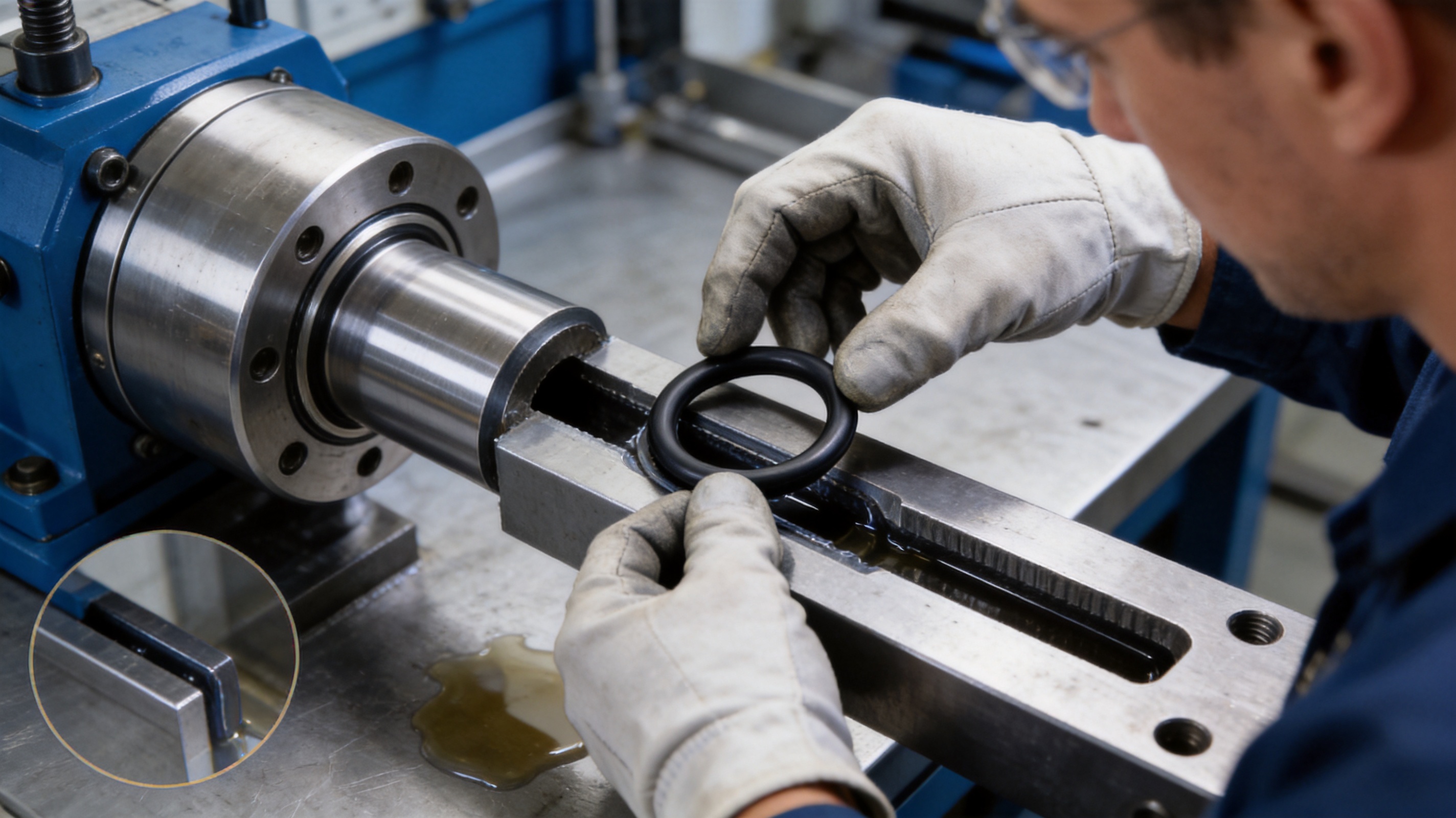
Before installation, inspect the groove and mating components. Remove dirt, metal particles, old seal fragments, and other contamination. Check for burrs, scratches, sharp edges, corrosion, or deformation. Any defect that contacts the O-ring may damage the sealing surface during assembly or operation.
Confirm the dimensions before fitting the seal. The ring should correspond to the intended 20 mm sealing diameter and 2.4 mm cross-section. Do not force a ring into a groove that is too small, and do not use a ring that is visibly loose or excessively stretched in the installation position.
Where appropriate, apply a thin, compatible film of hydraulic fluid or approved assembly lubricant. The purpose is to reduce friction during installation and help prevent twisting or abrasion. Excessive lubricant should be avoided because it may attract contamination or interfere with assembly.
Install the ring without twisting. A twisted O-ring may create uneven compression and a localized leakage path. In dynamic applications, twisting can also accelerate wear. After installation, inspect the ring around its entire circumference and confirm that it is seated evenly in the groove.
When the assembly includes a piston, rod, sleeve, or other moving element, guide the component carefully over the seal. Do not push the elastomer across sharp threads, ports, keyways, or edges without suitable protection. If the design includes an installation sleeve or lead-in chamfer, use it as intended.
After assembly, conduct the appropriate leak and function checks. Observe the actuator during initial operation and verify that movement is smooth, pressure is maintained, and no visible leakage is present. If a problem occurs, stop the equipment and investigate the root cause rather than simply replacing the ring repeatedly.
Application Areas
The product is specifically developed for 20 mm ID hydraulic actuators. These actuators may appear in machinery that requires controlled linear movement, force transmission, positioning, lifting, clamping, damping, or adjustment. The exact application should be evaluated according to the actuator design and service conditions.
Hydraulic equipment manufacturers can use the product in new actuator assemblies when the dimensions and NBR material match the design requirements. Maintenance organizations can also use it as a replacement component when the original seal has the same specification and the hydraulic medium is compatible.
The broader sealing capabilities of the manufacturer are relevant to several industries. The company identifies automotive, furniture, home appliances, medical equipment, construction, and other sectors among the fields served by its products. This range reflects the versatility of sealing technology and the need for dependable elastomer components in both industrial and consumer equipment.
In furniture and gas spring applications, sealing technology can influence smooth movement and retention of internal pressure. In automotive and construction equipment, seals may support demanding operating cycles and exposure conditions. In appliances and medical equipment, clean assembly, consistent dimensions, and suitable material selection are especially important. Each application still requires its own technical review.
Custom Sealing Solutions and Engineering Support
Standard products are valuable because they can shorten selection time and support efficient purchasing. However, not every application can be solved with a catalog specification. Equipment designers may require a different diameter, cross-section, compound, hardness, or geometry. They may also need a sealing component that fits a limited installation space or operates under unusual conditions.
The manufacturer states that it provides customized sealing solutions, including product design, testing, and technical consultation. This service can support customers from early concept development through production implementation. A customized project may begin with drawings, samples, technical requirements, or a description of the sealing problem.
For a customized evaluation, customers should provide as much application information as possible. Useful information includes fluid type, pressure, temperature, speed, stroke, frequency, static or dynamic operation, groove dimensions, surface finish, mating materials, installation limitations, and observed failure symptoms.
Technical consultation can also help determine whether NBR is appropriate or whether another elastomer should be considered. The A-4-012 product is intended for NBR-compatible mineral oil service. If the system uses a different fluid or experiences unusually high temperature, a material review is necessary before selection.
Testing and design consultation can reduce the risk of transferring a seal from one application to another without adequate verification. A ring that performs well in a stationary hydraulic connection may not deliver the same service in a high-speed reciprocating location. Professional evaluation helps identify these differences.
Purchasing and Quality Checklist
When ordering the 20mm Medium-Duty Hydraulic O-Ring, buyers should confirm the product code A-4-012, the 20 × 2.4 mm size, the NBR material, and the intended mineral oil hydraulic application. These details should appear consistently in purchase orders, technical drawings, inspection documents, and inventory records.
| Verification Item | Recommended Check |
| Product Identity | Confirm product code A-4-012 |
| Size | Confirm 20 mm ID and 2.4 mm cross-section |
| Material | Confirm NBR compound suitability |
| Fluid | Verify compatibility with the mineral oil medium |
| Installation | Check groove, squeeze, clearance, and surface condition |
| Application | Confirm use in the intended hydraulic actuator |
| Inspection | Review dimensions and visible surface quality |
| Storage | Protect from damage, contamination, heat, and sunlight |
| Technical Support | Request consultation for nonstandard conditions |
Buyers should also distinguish between nominal size and actual installation requirements. The listed 20 mm ID is an important product reference, but the mating component, groove dimensions, and required squeeze determine whether the seal is appropriate. If the application is uncertain, technical consultation is preferable to relying on visual similarity.
Common Causes of O-Ring Failure
Leakage does not always indicate a material defect. Incorrect dimensions, insufficient squeeze, excessive clearance, damaged grooves, improper installation, twisting, contamination, and unsuitable lubrication can all contribute to failure. A systematic investigation is therefore more effective than replacing the seal without examining the surrounding components.
Material incompatibility can cause swelling, softening, hardening, or loss of elasticity. Since the A-4-012 product is intended for mineral oil media, its suitability should be reconsidered if the equipment uses water-based fluids, aggressive chemicals, specialized additives, or cleaning agents that may affect NBR.
Excessive pressure combined with insufficient support can cause extrusion. Excessive temperature can accelerate aging or change the material’s mechanical behavior. Dynamic motion can produce abrasion, spiral twisting, or wear if the surface finish, lubrication, alignment, or clearance is unsuitable.
Assembly damage is another frequent cause of early leakage. A small cut introduced during installation may not be immediately visible but can become a clear leakage path under pressure. Proper chamfers, clean components, compatible lubrication, and careful handling are essential for preventing such problems.
When a failure occurs, record the operating conditions and examine the removed seal. The appearance may provide clues: flattening can suggest compression or aging, cuts may indicate installation damage, swelling may indicate fluid incompatibility, and abrasion may point to movement or surface problems. A supplier’s technical team can assist with further analysis.
Why Technical Partnership Matters
Sealing products are often small in size but important in system performance. A supplier that provides only a part number may meet a basic purchasing need, while a supplier with R&D, testing, design, and technical consultation can support broader engineering objectives.
Ningguo Jnsseals Sealing Technology Co., Ltd. presents itself as a sealing technology partner with capabilities covering product development, production, testing, technical service, and customized solutions. Its stated philosophy emphasizes people-oriented development, innovation, excellence, and reliable sealing technology. For customers with repeated or complex sealing requirements, this approach can be more valuable than one-time component supply.
A technical partnership may help standardize sealing products across several equipment models. It can also support design improvements, replacement planning, quality troubleshooting, and new product development. Customers can use the manufacturer’s experience in gas springs, dampers, and O-ring products to explore solutions suited to their own equipment.
For international customers, clear communication is especially important. Technical drawings, dimensional tables, material descriptions, product codes, samples, and test requirements help reduce misunderstanding. The manufacturer’s listed contact channels provide a direct route for product inquiries, technical consultation, and customized project discussions.
Environmental and Operational Considerations
Preventing hydraulic leakage is both an equipment and an environmental objective. A reliable seal helps retain fluid within the actuator and reduces the risk of contamination around machinery. Cleaner equipment can also improve workplace conditions and simplify maintenance.
Longer service life can reduce the frequency of replacement activities, discarded components, and production interruptions. However, service life depends on the complete application. The right material, correct installation, suitable fluid, proper pressure, controlled temperature, and adequate maintenance all contribute to the result.
When replacement becomes necessary, used seals should be handled according to local requirements for oil-contaminated materials. The O-ring itself is only one part of the environmental picture; responsible fluid management, leak inspection, maintenance planning, and proper disposal should be considered together.
Frequently Asked Questions
What is the exact size of the product?
The product specification is 20 × 2.4 mm. Its inside diameter is 20 mm, and its cross-sectional diameter is 2.4 mm.
What material is used for the O-ring?
The product is made from NBR, or nitrile butadiene rubber. The compound is described as optimized for mineral oil media.
What is the product code?
The product code is A-4-012. Buyers and maintenance teams can use this code together with the 20 × 2.4 mm dimensions to identify the component.
What equipment is the O-ring intended for?
It is specifically developed for hydraulic actuators with a 20 mm inside diameter. The final suitability depends on the actuator’s groove design, pressure, temperature, movement, fluid, and installation conditions.
Can the O-ring be used with every hydraulic fluid?
No. The product is described for mineral oil media. Other hydraulic fluids, additives, cleaning agents, and operating conditions should be reviewed for NBR compatibility before use.
Is this product suitable for dynamic applications?
Suitability depends on the sealing location and operating conditions. A dynamic hydraulic application requires review of speed, stroke, pressure, lubrication, surface finish, clearance, alignment, and groove design.
How does this product compare with an unidentified generic O-ring?
The A-4-012 product offers clear dimensional, material, application, and identification information. This can reduce uncertainty compared with an unidentified ring that has no confirmed material or size documentation.
Can customized sealing solutions be developed?
The manufacturer states that it provides customized sealing solutions, including product design, testing, and technical consultation. Customers with nonstandard requirements should provide application details for evaluation.
What information should be supplied for technical evaluation?
Useful information includes drawings, groove dimensions, fluid type, pressure, temperature, motion, speed, stroke, mating materials, surface condition, installation method, and any existing leakage or wear symptoms.
How should the product be installed?
Clean the groove and mating surfaces, remove burrs, use compatible lubrication when appropriate, avoid stretching or twisting, protect the O-ring from sharp edges, and confirm even seating before operating the equipment.
What industries can use products from the manufacturer?
The company identifies automotive, furniture, home appliances, medical equipment, construction, and other industries among the fields served by its sealing products. Each application requires individual material and design verification.
Where is the manufacturer located?
Ningguo Jnsseals Sealing Technology Co., Ltd. is headquartered at No. 5, Meilin Avenue, Meilin Industrial Development Zone, Ningguo City, Anhui Province, China.
Conclusion
The 20mm Medium-Duty Hydraulic O-Ring is a clearly specified sealing component for compatible hydraulic actuator applications. Its 20 mm inside diameter, 2.4 mm cross-section, NBR material, and mineral oil focus provide a practical basis for product selection and engineering review. The A-4-012 product code further supports organized purchasing, inventory control, replacement identification, and technical communication.
Compared with an unidentified or poorly matched alternative, the product offers greater specification clarity and a more direct connection between material selection and intended hydraulic service. Its value is increased when it is installed in a correctly designed groove, used with a compatible fluid, and evaluated under actual pressure, temperature, and motion conditions.
The manufacturer strengthens the product offering through its stated R&D capabilities, advanced production equipment, professional technical service team, testing support, product design resources, and customized sealing solutions. These capabilities allow customers to seek more than a standard part: they can obtain assistance with application evaluation, product development, troubleshooting, and long-term sealing strategy.
For manufacturers and maintenance teams seeking a 20 mm hydraulic actuator O-ring for mineral oil service, the A-4-012 specification provides a concise and practical starting point. Proper technical verification and installation remain essential, but the combination of defined dimensions, NBR material, application focus, and manufacturer support makes this product a suitable candidate for many medium-duty hydraulic sealing requirements.
References
1. Product specification sheet for the 20mm Medium-Duty Hydraulic O-Ring, product code A-4-012.
2. Manufacturer-provided company information for Ningguo Jnsseals Sealing Technology Co., Ltd.
3. Manufacturer-provided information regarding NBR, HNBR, and FPM O-ring products and customized sealing solutions.
4. General engineering principles for elastomer O-ring selection, groove design, installation, storage, and maintenance.
5. General hydraulic actuator sealing practices for mineral oil applications.
Product: 20mm Medium-Duty Hydraulic O-Ring

PREV:7×1.9 mm Standard Kinetic NBR O-Ring for Low-Friction Reciprocating Sealing
NEXT:High-Pressure Reinforced L-Type Seal for Demanding Gas Spring and Damper Applications
NEXT:High-Pressure Reinforced L-Type Seal for Demanding Gas Spring and Damper Applications


Want to know more
about us?
about us?

Precision sealing for gas springs and dampers. Durable, wear-resistant, and built for long-life performance in demanding applications.
Product Categories
Quick Links
Contact Us
-
Email: jns@jnsseals.cn

-
Email: LouZhuoyu@outlook.com
-
Manager Gong: +86-18563770820

-
Manager Wang: +8615357558902
-
No. 5, Meilin Avenue, Meilin Industrial Development Zone, Ningguo City, Anhui Province, China

