

 English
 русский
 Deutsch
 Türk
 中文简体
7×1.9 mm Standard Kinetic NBR O-Ring for Low-Friction Reciprocating Sealing
7×1.9 mm Standard Kinetic NBR O-Ring for Low-Friction Reciprocating Sealing
7×1.9 mm Standard Kinetic NBR O-Ring for Low-Friction Reciprocating Sealing
7×1.9 mm Standard Kinetic NBR O-Ring for Low-Friction Reciprocating Sealing
7×1.9 mm Standard Kinetic NBR O-Ring for Low-Friction Reciprocating Sealing
7×1.9 mm Standard Kinetic NBR O-Ring for Low-Friction Reciprocating Sealing
7×1.9 mm Standard Kinetic NBR O-Ring for Low-Friction Reciprocating Sealing
7×1.9 mm Standard Kinetic NBR O-Ring for Low-Friction Reciprocating Sealing
7×1.9 mm Standard Kinetic NBR O-Ring for Low-Friction Reciprocating Sealing
7×1.9 mm Standard Kinetic NBR O-Ring for Low-Friction Reciprocating Sealing
7×1.9 mm Standard Kinetic NBR O-Ring for Low-Friction Reciprocating Sealing
7×1.9 mm Standard Kinetic NBR O-Ring for Low-Friction Reciprocating Sealing
7×1.9 mm Standard Kinetic NBR O-Ring for Low-Friction Reciprocating Sealing
7×1.9 mm Standard Kinetic NBR O-Ring for Low-Friction Reciprocating Sealing
7×1.9 mm Standard Kinetic NBR O-Ring for Low-Friction Reciprocating Sealing
7×1.9 mm Standard Kinetic NBR O-Ring for Low-Friction Reciprocating Sealing

Deng Yixuan — Domestic Sales Supervisor
Home / Author / Deng Yixuan — Domestic Sales Supervisor / 7×1.9 mm Standard Kinetic NBR O-Ring for Low-Friction Reciprocating Sealing
NEW Category
Contact us
7×1.9 mm Standard Kinetic NBR O-Ring for Low-Friction Reciprocating Sealing
Content
- 1 Product Overview and Core Specification
- 2 Why the 7×1.9 mm Geometry Is Suitable for Kinetic Sealing
- 3 NBR Material Advantages
- 4 Dynamic Performance and Low-Friction Operation
- 5 Advantages Compared with Generic Competitor O-Rings
- 6 Manufacturing Process and Production Control
- 7 Research and Development Strength
- 8 Customization and Technical Collaboration
- 9 Recommended Application Areas
- 10 Installation and Design Considerations
- 11 Service Life and Maintenance
- 12 Quality, Reliability, and Supply Advantages
- 13 Purchasing and Project Evaluation Guide
- 14 Frequently Asked Questions
- 14.1 What is the size of this O-ring?
- 14.2 What material is used?
- 14.3 Is this O-ring intended for dynamic applications?
- 14.4 Why is the 1.9 mm cross-section useful?
- 14.5 Can it be used in gas springs and dampers?
- 14.6 Is NBR suitable for every fluid?
- 14.7 Can the product be customized?
- 14.8 What should be checked before installation?
- 14.9 How can friction be reduced?
- 14.10 What information should be included in a technical inquiry?
- 14.11 How should unused rings be stored?
- 14.12 What is the product code?
- 15 Conclusion
- 16 References
- 17 Product: 7x1.9 Standard Kinetic O-Ring
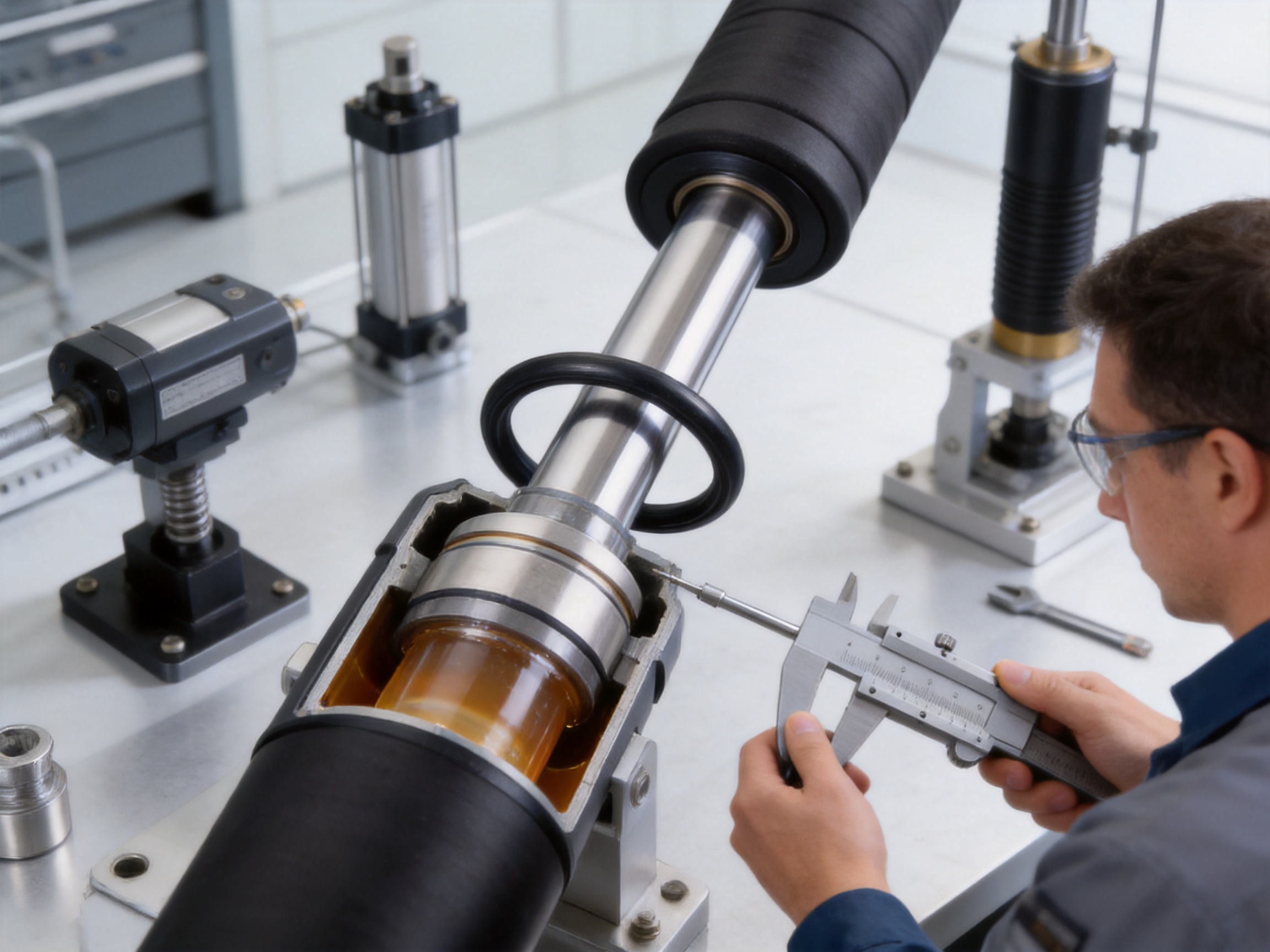
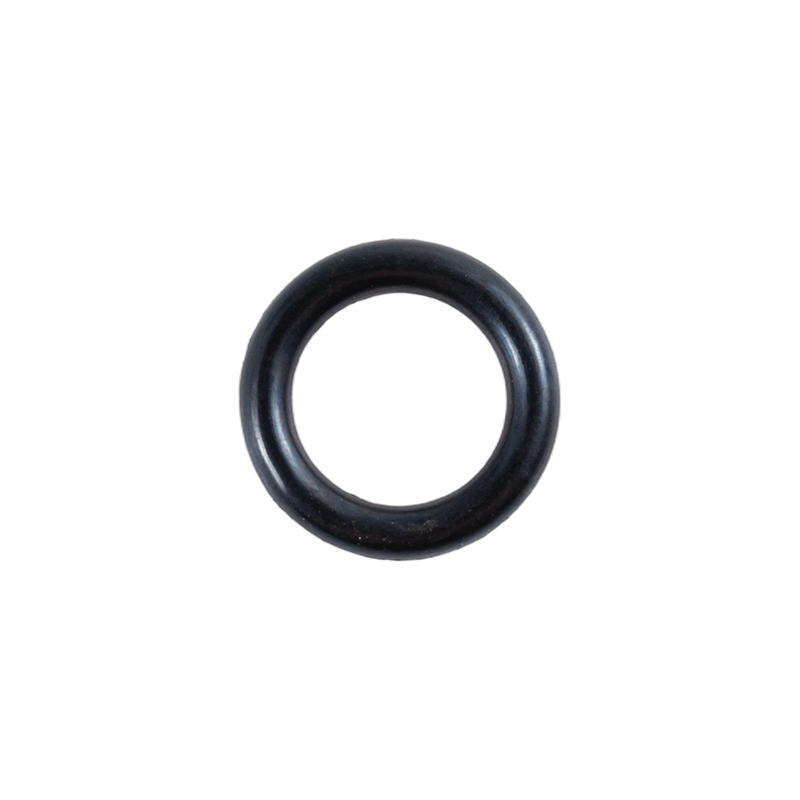
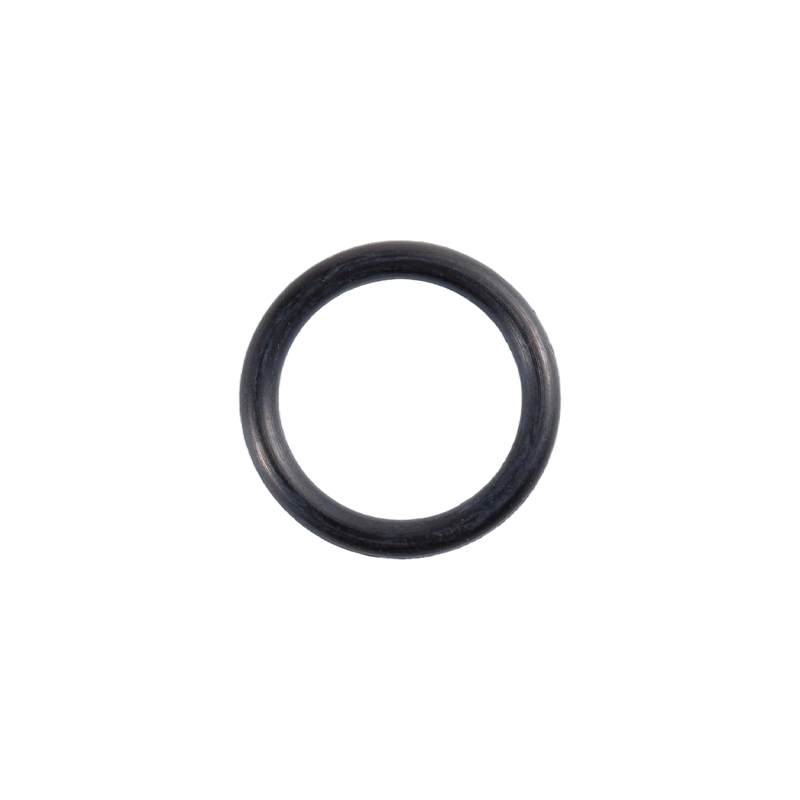
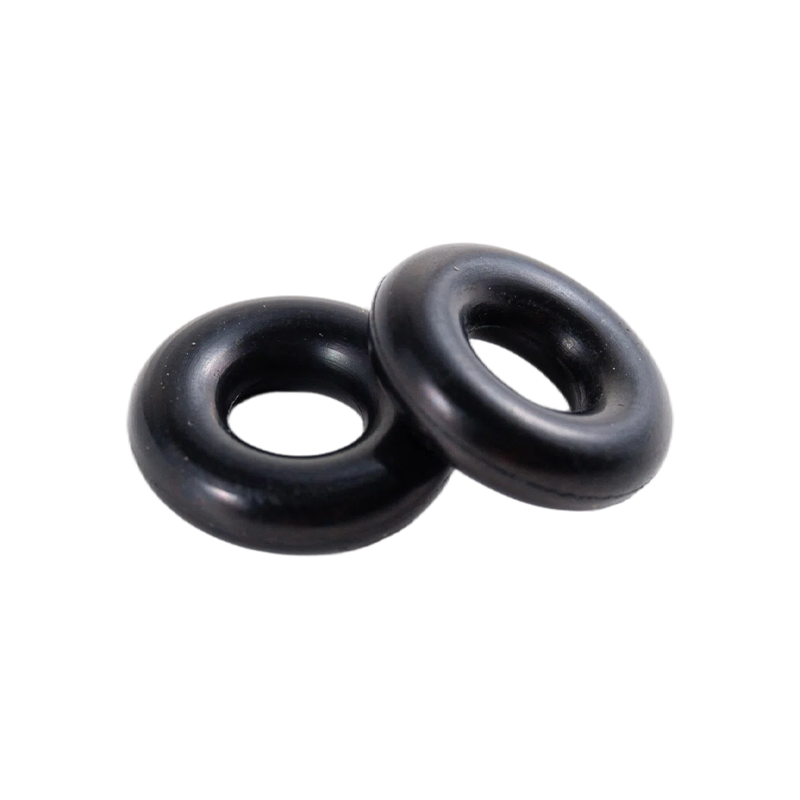
The 7×1.9 mm Standard Kinetic O-Ring is a compact sealing component developed for applications that require reliable dynamic sealing, low movement resistance, and consistent performance during repeated reciprocating motion. With an inside diameter of 7 mm and a cross-sectional width, or wire diameter, of 1.9 mm, this O-ring offers a balanced geometry for small sealing grooves, gas springs, dampers, compact actuators, and other mechanisms in which space, friction, and durability must be carefully controlled.
Manufactured from NBR, also known as nitrile rubber, the ring combines practical oil resistance, elastic recovery, dimensional flexibility, and cost efficiency. Its slim 1.9 mm cross-section is particularly suitable for high-frequency kinetic applications because it reduces the amount of rubber that must deform during movement. In a properly designed gland, this geometry can help lower friction, reduce breakaway resistance, and support smooth reciprocating operation.
The product is identified by product code A-4-003 and is categorized as an O-shaped oil seal ring. It is designed for customers seeking a dependable standard-size sealing element rather than a large, complex sealing assembly. Its straightforward configuration simplifies sourcing, installation, inspection, and replacement while allowing it to be incorporated into many compact sealing systems.
For equipment manufacturers, maintenance departments, and sealing distributors, the value of this O-ring lies not only in its nominal dimensions. Product performance also depends on material selection, compound consistency, molding precision, surface quality, quality control, technical support, and the supplier’s ability to provide customized sealing solutions. These factors make the manufacturing process and engineering capability behind the product just as important as the ring itself.
Product Overview and Core Specification
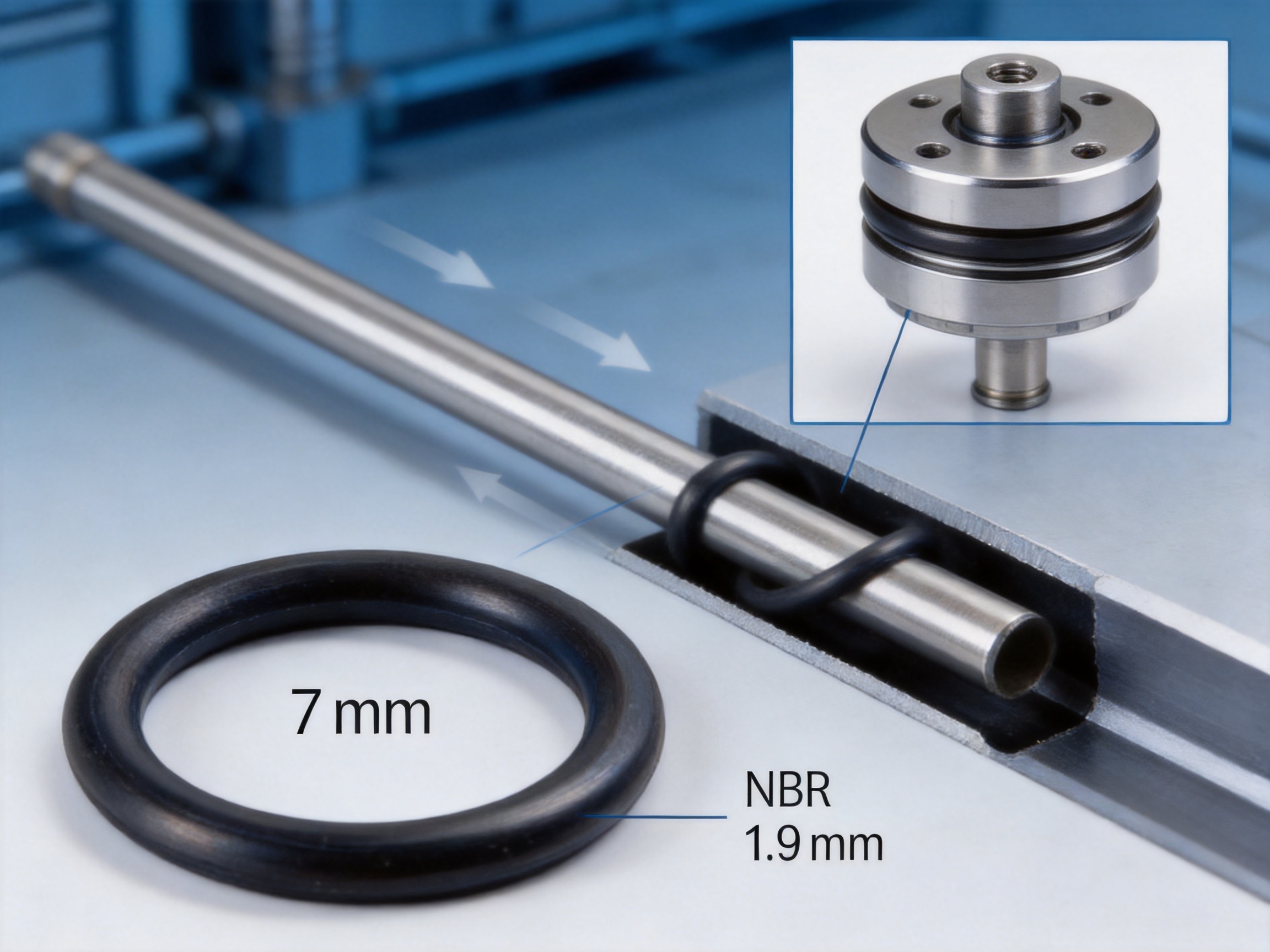
The 7×1.9 mm Standard Kinetic O-Ring uses a circular elastomer profile. The first dimension indicates the nominal inside diameter, while the second identifies the cross-sectional diameter. This compact size is intended for sealing interfaces where the available groove and installation space are limited but repeated motion is expected.
| Specification | Product Detail |
|---|---|
| Product name | 7×1.9 mm Standard Kinetic O-Ring |
| Product category | O-Shaped Oil Seal Ring |
| Nominal inside diameter | 7 mm |
| Nominal cross-sectional diameter | 1.9 mm |
| Material | NBR, nitrile rubber |
| Application orientation | Dynamic and reciprocating sealing |
| Product code | A-4-003 |
| Reference description | 7×1.9 standard kinetic O-ring |
The ring’s 7 mm inside diameter allows it to fit around a relatively small shaft, piston, rod, or cylindrical sealing surface. The 1.9 mm cross-section provides sufficient material for elastic contact while avoiding the bulk associated with larger O-rings. The result is a compact sealing profile that can be considered when a designer must balance sealing force against frictional resistance.
As with every elastomeric seal, the nominal size is only one part of successful application design. Groove width, groove depth, squeeze, stretch, clearance, surface roughness, lubrication, pressure, temperature, speed, and media compatibility must all be evaluated. The 7×1.9 mm ring should therefore be selected together with a correctly engineered gland rather than treated as an interchangeable component for every small dynamic seal.
Why the 7×1.9 mm Geometry Is Suitable for Kinetic Sealing
Static O-rings normally remain stationary after installation, while kinetic O-rings operate against a moving surface. In a reciprocating application, the rod or piston moves back and forth through the seal. Every cycle causes the elastomer to deform, recover, and interact with the mating surface. This repeated movement makes friction, lubrication, extrusion resistance, and material fatigue important design considerations.
The relatively slim 1.9 mm cross-section can support low-friction performance by reducing the total volume of rubber compressed against the moving surface. A smaller cross-section may also reduce the amount of elastomer that must flex as the rod changes direction. In high-frequency applications, these characteristics can help limit energy loss and contribute to smoother motion.
The 7×1.9 mm format is also useful in compact assemblies where a larger ring would occupy excessive space. Small gas springs, furniture dampers, miniature actuators, appliance mechanisms, and compact hydraulic or pneumatic components may require sealing elements that fit into narrow housings. A standard small-size ring can help simplify the surrounding component design and reduce the need for custom hardware.
However, low friction must be achieved without sacrificing sealing contact. If the ring is undersqueezed, it may leak, twist, or lose contact during pressure changes. If it is oversqueezed, friction and heat may increase. The value of this product is therefore based on balanced design: a compact profile, an elastic NBR material, and an application approach that manages squeeze and lubrication correctly.
NBR Material Advantages
NBR is one of the most widely used elastomer materials for oil-resistant sealing products. Its principal advantages include good resistance to many petroleum-based oils and greases, useful mechanical strength, reliable elasticity, and favorable cost-performance characteristics. These properties make it a practical option for general industrial sealing and many automotive, furniture, appliance, and machinery applications.
For the 7×1.9 mm kinetic ring, NBR provides the elastic recovery needed to maintain contact with the sealing surface. When compressed inside a gland, the material attempts to return toward its original circular form. This recovery creates sealing pressure around the rod or piston and helps close small surface irregularities.
NBR is also commonly selected when a customer needs a dependable general-purpose compound rather than a specialized high-temperature or chemically resistant material. In suitable environments, it can deliver stable operation while keeping overall component cost under control. This is particularly important for high-volume products, replacement parts, and equipment manufacturers that need repeatable standard components.
Material selection must still be matched to the operating environment. NBR is not automatically suitable for every fluid, temperature, or exposure condition. Strong oxidizing chemicals, certain solvents, aggressive fuels, high-temperature environments, and specialized gases may require HNBR, FPM, or another engineered elastomer. JNS provides NBR, HNBR, and FPM O-ring products, allowing customers to discuss alternative material solutions when the application demands a broader performance range.
The material compound should be controlled for hardness, tensile strength, elongation, compression set, fluid resistance, and processing stability. Consistency in these properties is essential because two rings with the same nominal dimensions can behave differently if their compounds have significantly different hardness or compression characteristics.
Dynamic Performance and Low-Friction Operation
Dynamic sealing is more demanding than static sealing because the contact surfaces move relative to each other. Friction occurs when the O-ring is compressed against the moving surface, while lubrication and surface finish influence how easily the surfaces slide. At the same time, the seal must prevent fluid or gas from bypassing the contact area.
The 7×1.9 mm ring is designed with kinetic use in mind. Its slim profile can help reduce movement resistance, especially in compact reciprocating systems that operate at high cycle rates. Lower movement resistance may improve actuator responsiveness, reduce drive energy, and limit unnecessary heat generation at the sealing interface.
In a gas spring or damper, the seal may experience repeated rod movement over a long service period. Excessive friction can affect force consistency and may create a less comfortable or less predictable motion profile. A suitably selected kinetic O-ring can help support smooth extension and compression, provided the gland geometry, lubricant, rod finish, and pressure conditions are appropriate.
The ring can also be considered for applications where breakaway friction is a concern. Breakaway friction is the force required to start movement after the seal has remained stationary. A well-designed slim-section seal may help reduce this initial resistance compared with a larger or excessively compressed profile. This can be beneficial in precision mechanisms and equipment that must begin moving smoothly after periods of inactivity.
Performance should be evaluated under actual working conditions. Reciprocating speed, stroke length, cycle frequency, pressure, temperature, lubrication, rod material, surface hardness, and clearance all affect seal life. Laboratory or prototype testing is recommended when the product is used in a critical or unusually demanding application.
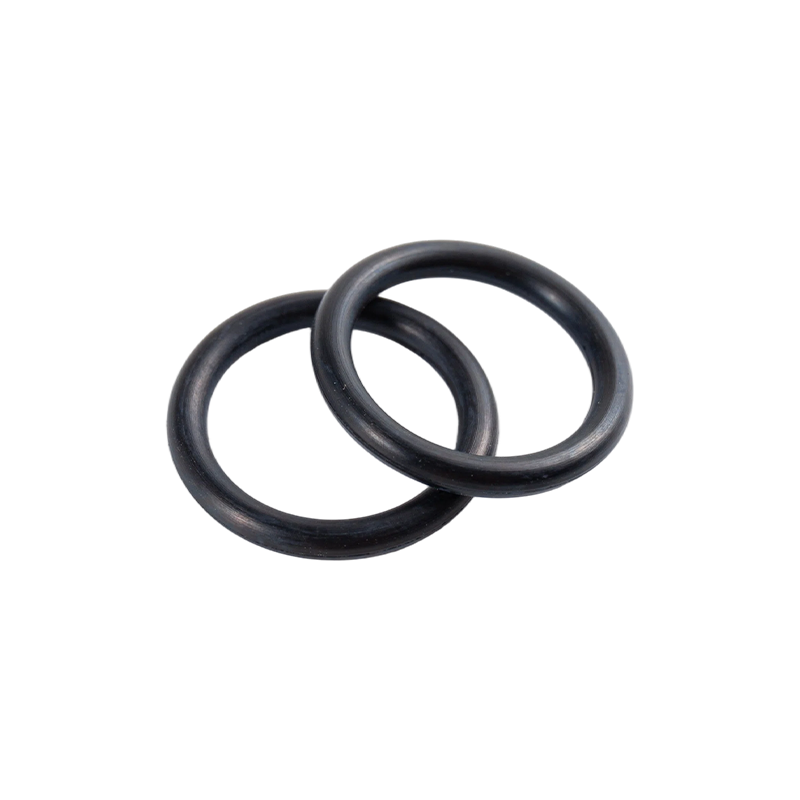
7x1.9 Standard Kinetic O-Ring
Advantages Compared with Generic Competitor O-Rings
Many standard O-rings appear similar when viewed only by nominal dimensions. However, important differences can exist in rubber formulation, molding precision, surface finish, flash control, dimensional stability, packaging, and technical documentation. The 7×1.9 mm Standard Kinetic O-Ring is positioned as a purpose-oriented product for low-friction reciprocating service rather than merely a generic circular gasket.
One advantage is the deliberate focus on kinetic performance. Generic O-rings are often selected primarily for static sealing, even when they are later installed in moving applications. A product developed with reciprocating use in mind encourages closer attention to friction, movement resistance, elastic recovery, and gland compatibility.
A second advantage is its compact cross-section. A 1.9 mm wire diameter can be easier to integrate into small mechanisms than a larger profile. It may reduce housing size, conserve material, and support a more compact assembly. In equipment where every millimeter affects the final design, this can provide a meaningful engineering benefit.
A third advantage is the practicality of NBR. Compared with more specialized elastomers, NBR often offers a cost-effective balance of oil resistance and mechanical performance. For suitable operating environments, customers may obtain dependable sealing without paying for material characteristics that their application does not require.
A fourth advantage is production support. The supplier is a high-tech sealing enterprise with research and development capabilities, advanced production equipment, and a professional technical service team. This means customers can receive more than a catalog dimension. They can discuss material selection, product design, testing, and application requirements as part of a broader sealing solution.
A fifth advantage is product and process flexibility. Standard rings are useful for immediate sourcing, while customized sealing solutions are important when a customer has unusual groove dimensions, special material requirements, different hardness, or demanding test conditions. The ability to support both standard and customized projects can shorten development time and reduce the need to coordinate with multiple suppliers.
| Comparison factor | 7×1.9 mm Standard Kinetic O-Ring | Unspecified generic O-ring |
|---|---|---|
| Primary orientation | Designed with low-friction reciprocating use in mind | May be intended mainly for general or static sealing |
| Profile | Compact 1.9 mm cross-section | Profile may not suit a narrow dynamic gland |
| Material approach | NBR selected for practical oil-resistant sealing | Material quality and compatibility may vary |
| Application support | Technical consultation, testing, and customization available | May be limited to dimensional supply |
| Manufacturing focus | Supported by sealing R&D and production capabilities | Process control may differ between suppliers |
| Typical value | Balanced friction, sealing, and cost for suitable conditions | Performance may be unpredictable without application validation |
This comparison does not mean that every competing O-ring is unsuitable. A competing product may be the right choice for a different environment, material, or design. The main advantage of the A-4-003 ring is that its dimensions, material, and intended function are aligned with compact kinetic sealing requirements and supported by an organization capable of discussing engineering details.
Manufacturing Process and Production Control
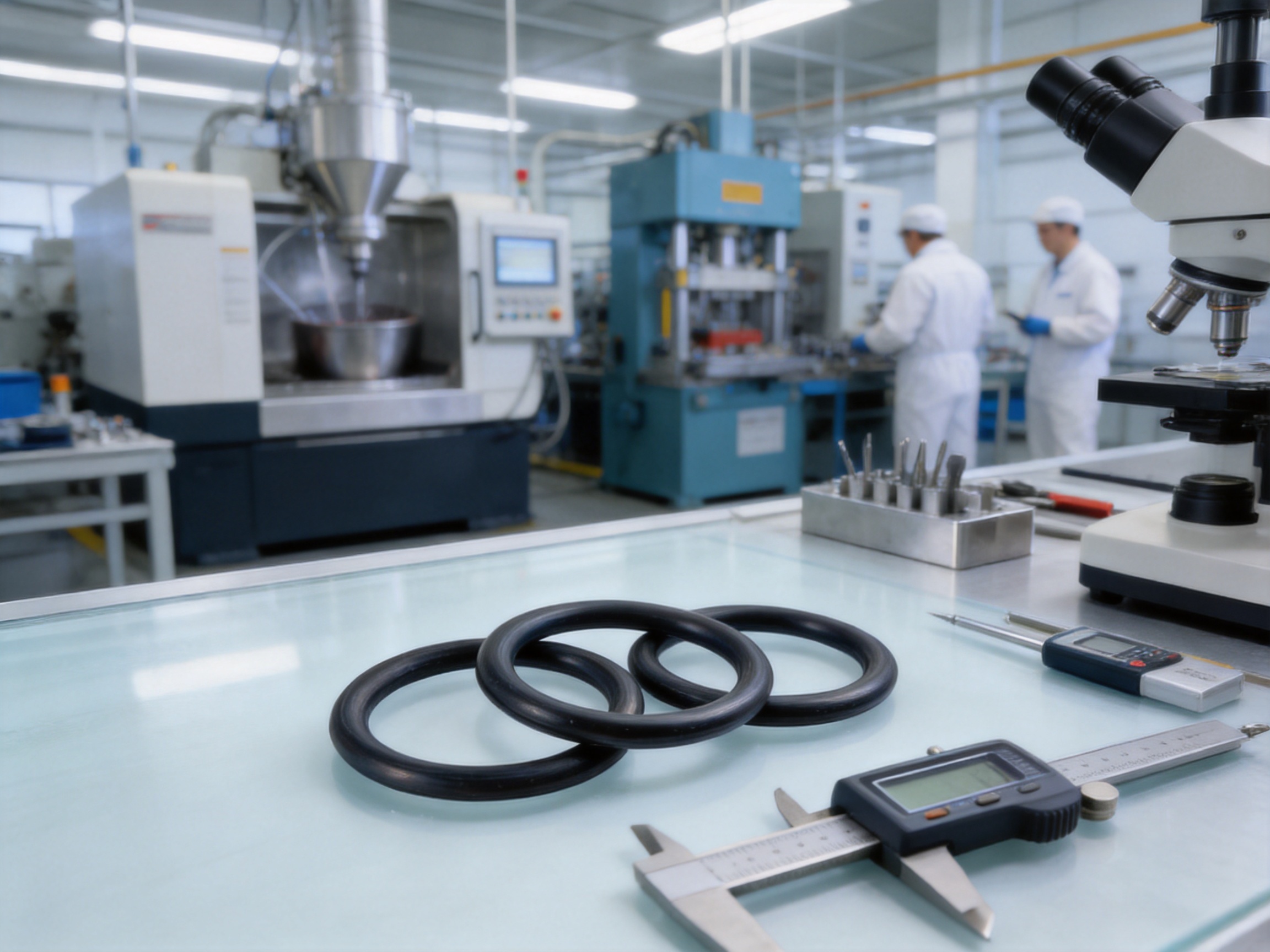
The quality of a small O-ring begins long before molding. A controlled manufacturing process normally includes rubber compound preparation, material inspection, mixing, preforming or preparation, mold design, vulcanization, trimming, visual inspection, dimensional inspection, performance verification, packaging, and traceability. Every stage influences the final sealing result.
Compound Preparation
NBR compound preparation requires accurate control of the base polymer, fillers, plasticizers, curing agents, antioxidants, and other additives. The formulation must be selected according to the expected balance of elasticity, hardness, oil resistance, compression set, tensile strength, and processing behavior.
Uniform mixing is essential. If additives are unevenly dispersed, some areas of the finished ring may have different hardness or elasticity from others. Such inconsistency can affect sealing force, friction, aging, and dimensional recovery. A disciplined mixing process helps ensure that each production batch behaves in a predictable way.
Incoming raw materials should be checked against internal specifications. Batch identification and traceability allow the manufacturer to connect finished products with the relevant compound, mixing record, molding run, and inspection results. This is especially valuable for industrial customers that require repeatability across multiple deliveries.
Mold Design and Precision Molding
O-ring molding requires accurate control of cavity dimensions, parting lines, mold condition, temperature, pressure, and curing time. For a small 1.9 mm cross-section, minor molding variations can influence the final geometry and surface quality. A precise mold helps maintain the circular profile required for uniform compression around the sealing surface.
The mold must also be maintained to limit wear, contamination, and damage. A worn cavity or damaged parting surface may produce excessive flash, irregular dimensions, or visible defects. Regular process inspection and mold maintenance contribute to stable production performance.
Vulcanization converts the prepared rubber compound into an elastic product with defined mechanical properties. Under controlled heat and pressure, the compound develops its cross-linked structure. Insufficient curing may cause poor strength or excessive permanent deformation, while over-curing may reduce elasticity and create an unsuitable balance of properties.
Deflashing and Surface Finishing
After molding, unwanted flash may remain around the parting line. Controlled deflashing is important for dynamic seals because loose or excessive flash can interfere with installation, increase friction, or create a leakage path. The finishing process should remove excess material without damaging the functional sealing surface.
Surface quality is particularly relevant when the ring operates against a moving rod or piston. Cuts, cracks, dents, blisters, contamination, or irregular flash can accelerate wear and compromise sealing. Visual inspection under appropriate lighting can identify many defects before shipment, while dimensional and functional checks provide additional assurance.
Inspection and Quality Assurance
Inspection may include inside diameter measurement, cross-sectional diameter measurement, visual examination, hardness testing, tensile testing, elongation testing, compression set evaluation, and fluid compatibility assessment. The precise inspection plan depends on the customer’s requirements and the intended operating conditions.
For the 7×1.9 mm product, dimensional consistency is important because a small ring must fit its groove without excessive stretch or looseness. Consistent cross-section supports predictable squeeze, while a stable inside diameter helps control installation and dynamic movement.
Quality assurance should not be viewed as a final sorting activity only. It should be integrated throughout the production process. Process parameters, material batches, mold conditions, operator procedures, inspection data, and packaging controls all contribute to the final result.
Research and Development Strength
Sealing products often appear simple, but their performance depends on the interaction of material science, mechanical design, manufacturing technology, and application engineering. A supplier with dedicated research and development capability can investigate these interactions more effectively than a supplier focused only on trading standard parts.
JNS focuses on sealing technology for gas springs, dampers, and related O-ring products. This application focus is relevant to the 7×1.9 mm kinetic ring because gas springs and dampers place repeated demands on dynamic sealing. The company’s experience in these fields supports a practical understanding of motion resistance, rod sealing, pressure retention, durability, and compact component design.
Research and development may involve compound adjustment, mold refinement, geometry optimization, friction evaluation, durability testing, and adaptation to customer-specific conditions. For example, a customer may need a different hardness, a modified material formulation, a special tolerance, or a seal that performs under a particular lubricant. These requirements can be addressed more efficiently when technical personnel understand both the material and the application.
The company also provides product design, testing, and technical consultation. This is valuable when customers are developing a new component and do not yet have a finalized seal specification. Instead of selecting an O-ring solely from a dimensional chart, the customer can discuss pressure, speed, temperature, media, installation method, and service life goals.
Customization and Technical Collaboration
Standard products are efficient for common applications, but engineering projects frequently involve conditions that cannot be met by a single catalog item. Customization may involve material, hardness, color, cross-section, inside diameter, tolerances, surface treatment, packaging, or inspection requirements.
For customers using the 7×1.9 mm ring as a starting point, technical collaboration can help determine whether the standard NBR material is appropriate. If the working environment includes elevated temperatures, demanding mechanical loads, or more aggressive chemicals, HNBR or FPM may be considered. The correct decision should be based on actual media and operating data rather than material preference alone.
Customized development may also be useful when a customer has an existing gland that cannot be changed. In that case, compound hardness and compression characteristics may be adjusted to improve sealing and movement behavior within the available design. Conversely, if the gland can be modified, engineers may optimize the groove for the 7×1.9 mm profile.
Testing is a central part of responsible customization. Prototype rings may be evaluated for leakage, friction, wear, compression set, temperature resistance, and cycle durability. Results can guide changes to material, geometry, lubricant, surface finish, or assembly method before full-scale production begins.
A professional technical service team can also assist with failure analysis. If a seal leaks, swells, cracks, twists, wears unevenly, or becomes difficult to move, the cause may be related to installation, extrusion, chemical attack, poor lubrication, excessive squeeze, inadequate surface finish, or incorrect material. A systematic investigation is more effective than replacing the seal without understanding the failure mechanism.
Recommended Application Areas
The 7×1.9 mm Standard Kinetic O-Ring can be considered for a variety of compact reciprocating mechanisms. Its most relevant applications are systems in which a small rod, piston, or shaft moves repeatedly through the sealing interface.
Gas Springs and Dampers
Gas springs and dampers are natural application areas for a compact kinetic O-ring. These products often require low movement resistance, reliable pressure retention, and consistent performance over many cycles. The slim 1.9 mm profile can be suitable for compact internal sealing arrangements when the groove is designed accordingly.
Automotive Components
Automotive mechanisms frequently include small actuators, dampers, adjustment systems, and fluid or gas control components. NBR can be appropriate for selected oil-containing environments, although the exact fluid, temperature, and exposure conditions must be verified for each vehicle system.
Furniture Mechanisms
Adjustable furniture, lift systems, reclining mechanisms, and controlled-motion components may use gas springs or dampers that depend on smooth rod movement. A low-friction seal can support comfortable operation and help maintain predictable force behavior.
Home Appliances
Appliances may contain compact moving assemblies, dampers, valves, or actuators. The standard size of the ring can simplify replacement and reduce the space required for a sealing arrangement. NBR’s practical cost profile can also benefit products manufactured in high volume.
Medical and Industrial Equipment
Selected medical devices, laboratory equipment, construction mechanisms, and industrial machines may require small dynamic seals. In these applications, material compatibility, cleanliness, regulatory requirements, and validation procedures must be reviewed in detail before approval.
| Application | Potential benefit | Important design checks |
|---|---|---|
| Gas springs | Compact dynamic sealing and controlled rod movement | Gas compatibility, pressure, lubrication, cycle life |
| Dampers | Low movement resistance and repeated reciprocation | Speed, temperature, fluid, wear, compression set |
| Furniture mechanisms | Smooth operation in space-limited assemblies | Load, stroke, environment, installation method |
| Automotive components | Oil-resistant sealing for suitable systems | Fluid type, temperature, vibration, service life |
| Home appliances | Standardized replacement and cost efficiency | Media compatibility, noise, cycle frequency |
| Industrial equipment | Compact sealing for actuators and moving parts | Pressure, clearance, surface finish, maintenance plan |
Installation and Design Considerations
Correct installation is essential for achieving the intended performance of any O-ring. Before assembly, the ring should be checked for cuts, cracks, contamination, deformation, or excessive flash. The groove and mating surface should be clean and free from sharp edges, burrs, metal particles, and other contaminants.
The sealing groove should have suitable dimensions for the ring’s 1.9 mm cross-section. Excessive squeeze can increase friction and heat, while insufficient squeeze can cause leakage or unstable contact. The designer should also consider the amount of stretch applied to the ring during installation. Excessive stretch can reduce the effective cross-section and influence sealing force.
Sharp edges at ports, threads, or shoulders may cut the ring during installation. Chamfers, lead-in features, assembly sleeves, and suitable installation tools can help protect the elastomer. The ring should not be dragged over rough surfaces or forced over sharp components without protection.
Lubrication can reduce installation damage and support smooth movement. The lubricant must be compatible with NBR and with the working fluid. An incompatible lubricant may cause swelling, softening, hardening, or loss of mechanical strength. Excessive lubricant can also affect cleanliness or contaminate adjacent components.
The mating rod or piston should have a suitable surface finish, hardness, roundness, and straightness. A rough surface may abrade the ring, while an excessively smooth surface may not retain enough lubricant. Misalignment can create uneven wear and localized leakage. These factors are especially important in reciprocating applications.
Clearance must also be controlled. Under pressure, elastomers can be forced into gaps between mating components, a process known as extrusion. If pressure, temperature, or clearance exceeds the ring’s capability, a backup ring or different sealing design may be necessary.
Service Life and Maintenance
O-ring service life depends on the combined effect of material, environment, design, and operation. A correctly selected NBR ring may provide long service in a suitable application, but no elastomer should be expected to perform indefinitely under uncontrolled conditions.
Common causes of premature failure include incompatible fluids, excessive temperature, high friction, dry running, poor surface finish, over-compression, under-compression, extrusion, twisting, installation damage, and contamination. A preventive maintenance program can identify these problems before they cause equipment downtime.
Inspection intervals should reflect the cycle frequency and importance of the equipment. During maintenance, technicians can check for flattening, cuts, wear tracks, swelling, hardening, surface cracks, and permanent deformation. Any abnormal appearance should be evaluated together with operating conditions and leakage history.
Replacement rings should be stored in a cool, dry, and clean environment away from direct sunlight, ozone sources, heat, and chemicals. They should remain in suitable packaging until use. Excessive compression or bending during storage can create permanent deformation before the seal is installed.
Good inventory control is also important. Product code A-4-003, material identification, size, batch information, and storage date should be recorded to reduce the possibility of mixing different compounds or dimensions. Clear identification supports consistent maintenance and simplifies communication between purchasing, production, and engineering teams.
Quality, Reliability, and Supply Advantages
A sealing supplier’s reliability includes more than the ability to manufacture one acceptable batch. Customers need stable quality over repeated orders, clear product identification, responsive communication, dependable delivery coordination, and technical assistance when application questions arise.
JNS was founded in 2019 and operates as a high-tech enterprise focused on sealing technology. Its business includes the research, development, and application of sealing solutions for gas springs, dampers, and O-ring products. This specialization gives the company a focused position in a field where application knowledge is closely connected to product quality.
The company’s advanced production equipment supports repeatable manufacturing, while its R&D capability supports continuous product improvement. A professional technical service team can help customers translate operating requirements into practical sealing specifications. These strengths are particularly relevant for international customers that need more than a basic dimensional quotation.
The company serves industries including automotive, furniture, home appliances, medical equipment, construction, and other industrial fields. This broad application experience can help inform product selection and customization. At the same time, every project should still be evaluated according to its specific operating conditions rather than relying only on industry category.
JNS also offers customized sealing solutions that can include product design, testing, and technical consultation. This integrated approach can reduce communication gaps between design, manufacturing, and testing. It may also help customers move from an initial concept to a validated component more efficiently.
Purchasing and Project Evaluation Guide
Before ordering the 7×1.9 mm ring, customers should prepare basic application information. Useful details include the media being sealed, operating temperature, pressure, reciprocating speed, stroke length, cycle frequency, rod or piston diameter, groove dimensions, lubrication method, expected service life, and installation process.
If the product will replace an existing seal, customers should provide the original dimensions, material, failure history, and any known operating problems. Photographs of the installation area and failed seal can also support technical analysis, provided that sensitive information is removed where necessary.
For new designs, the engineering team should define the gland and mating surface before approving the final seal. A 7×1.9 mm ring may be a strong candidate for a compact dynamic application, but its success depends on the surrounding design. Technical review at the development stage is generally more efficient than correcting leaks after mass production begins.
Customers should also confirm packaging, quantity, batch identification, inspection documentation, and sample approval procedures. High-volume projects may benefit from an agreed quality specification that defines acceptable dimensional ranges, surface defects, material hardness, testing methods, and traceability requirements.
When the standard NBR ring is not suitable, the customer can discuss alternatives such as HNBR or FPM. The purpose of a material change should be clearly defined, whether it is improved temperature resistance, enhanced chemical compatibility, better aging performance, or increased mechanical durability.
Frequently Asked Questions
What is the size of this O-ring?
The nominal size is 7×1.9 mm. The first value represents the inside diameter, and the second value represents the cross-sectional diameter, also called the wire diameter or section size.
What material is used?
The standard product is made from NBR, or nitrile rubber. NBR is widely used for oil-resistant sealing and offers a practical balance of elasticity, mechanical strength, and cost for suitable operating environments.
Is this O-ring intended for dynamic applications?
Yes. The product is described as a kinetic O-ring and is intended for low-friction reciprocating sealing. It may be used on moving rods, pistons, or similar components when the groove and operating conditions are correctly designed.
Why is the 1.9 mm cross-section useful?
The slim cross-section can reduce the amount of rubber that must deform during movement. This may help lower friction and movement resistance in compact, high-frequency reciprocating mechanisms. Actual performance depends on squeeze, lubrication, surface finish, pressure, and speed.
Can it be used in gas springs and dampers?
It can be considered for suitable gas spring and damper designs. These applications should be reviewed for gas compatibility, pressure, temperature, rod finish, lubrication, cycle frequency, and expected service life before final approval.
Is NBR suitable for every fluid?
No. NBR is suitable for many oils and greases, but compatibility depends on the exact fluid, additives, temperature, and exposure time. Applications involving aggressive chemicals, elevated temperatures, or specialized media may require HNBR, FPM, or another material.
Can the product be customized?
Customized sealing solutions are available through technical discussion. Possible areas may include material, hardness, dimensions, tolerances, testing, and packaging. Customers should provide operating data so that the proposed design can be evaluated properly.
What should be checked before installation?
Inspect the ring for cuts, cracks, contamination, deformation, and excessive flash. Confirm the groove dimensions, remove burrs and sharp edges, use a compatible lubricant when appropriate, and ensure that the mating rod or piston has a suitable surface finish and alignment.
How can friction be reduced?
Friction can be influenced by correct squeeze, suitable lubrication, compatible materials, appropriate surface finish, correct alignment, controlled clearance, and a suitable seal profile. The slim 1.9 mm profile is intended to support low-friction kinetic performance, but it cannot compensate for an unsuitable gland or damaged mating surface.
What information should be included in a technical inquiry?
Include the application, medium, pressure, temperature, speed, stroke, cycle frequency, groove dimensions, mating surface material, lubricant, service-life target, and any existing failure information. Complete data helps the technical team recommend the most appropriate material and design.
How should unused rings be stored?
Store unused rings in clean, sealed packaging in a cool and dry location away from sunlight, ozone, heat, chemicals, and mechanical deformation. Maintain clear identification of the size, material, product code, and batch whenever possible.
What is the product code?
The product code is A-4-003. This code identifies the 7×1.9 mm Standard Kinetic O-Ring described in this article.
Conclusion
The 7×1.9 mm Standard Kinetic O-Ring is a compact NBR sealing component developed for low-friction reciprocating applications. Its 7 mm inside diameter and 1.9 mm cross-section make it suitable for small dynamic sealing arrangements where space, movement resistance, and repeatability are important.
Compared with an unspecified generic O-ring, the product offers a clearer application focus. Its slim geometry supports kinetic use, while NBR provides a practical balance of oil resistance, elasticity, mechanical performance, and cost. These benefits become more meaningful when combined with accurate molding, controlled compound preparation, careful deflashing, dimensional inspection, and application-oriented technical support.
JNS strengthens the product offering through sealing technology expertise, R&D capabilities, advanced production equipment, technical consultation, testing, and customized development. Its experience with gas springs, dampers, and related O-ring products is relevant to customers seeking dependable performance in repeated-motion systems.
The best results will be achieved when the ring is selected as part of a complete sealing design. Proper groove dimensions, controlled squeeze, suitable lubrication, compatible media, appropriate surface finish, correct alignment, and realistic service-life testing are all essential. With these factors addressed, the A-4-003 O-ring can provide an efficient and reliable solution for many compact reciprocating sealing requirements.
References
1. Parker Hannifin, O-Ring Handbook, general principles of O-ring design, installation, and material selection.
2. ISO 3601, Fluid Power Systems — O-Rings, dimensions, tolerances, and designation principles.
3. ASTM D2000, Standard Classification System for Rubber Products in Automotive Applications.
4. ASTM D395, Standard Test Methods for Rubber Property — Compression Set.
5. ASTM D412, Standard Test Methods for Vulcanized Rubber and Thermoplastic Elastomers — Tension.
6. ASTM D471, Standard Test Method for Rubber Property — Effect of Liquids.
7. General engineering guidance for dynamic elastomeric seals, reciprocating motion, lubrication, gland design, and surface finishing.
8. Product specification supplied for the 7×1.9 mm Standard Kinetic O-Ring, product code A-4-003.
Product: 7x1.9 Standard Kinetic O-Ring

PREV:25mm Series Flexible Seal: Precision Sealing for Gas Springs and Dampers
NEXT:20mm Medium-Duty Hydraulic O-Ring: Reliable NBR Sealing for Hydraulic Actuators
NEXT:20mm Medium-Duty Hydraulic O-Ring: Reliable NBR Sealing for Hydraulic Actuators


Want to know more
about us?
about us?

Precision sealing for gas springs and dampers. Durable, wear-resistant, and built for long-life performance in demanding applications.
Product Categories
Quick Links
Contact Us
-
Email: jns@jnsseals.cn

-
Email: LouZhuoyu@outlook.com
-
Manager Gong: +86-18563770820

-
Manager Wang: +8615357558902
-
No. 5, Meilin Avenue, Meilin Industrial Development Zone, Ningguo City, Anhui Province, China

