

 English
 русский
 Deutsch
 Türk
Türk 中文简体
中文简体
High-Performance HNBR Dual-Function Seal for Damping and Inflation Applications
High-Performance HNBR Dual-Function Seal for Damping and Inflation Applications
High-Performance HNBR Dual-Function Seal for Damping and Inflation Applications
High-Performance HNBR Dual-Function Seal for Damping and Inflation Applications
High-Performance HNBR Dual-Function Seal for Damping and Inflation Applications
High-Performance HNBR Dual-Function Seal for Damping and Inflation Applications
High-Performance HNBR Dual-Function Seal for Damping and Inflation Applications
High-Performance HNBR Dual-Function Seal for Damping and Inflation Applications
High-Performance HNBR Dual-Function Seal for Damping and Inflation Applications
High-Performance HNBR Dual-Function Seal for Damping and Inflation Applications
High-Performance HNBR Dual-Function Seal for Damping and Inflation Applications
High-Performance HNBR Dual-Function Seal for Damping and Inflation Applications
High-Performance HNBR Dual-Function Seal for Damping and Inflation Applications
High-Performance HNBR Dual-Function Seal for Damping and Inflation Applications
High-Performance HNBR Dual-Function Seal for Damping and Inflation Applications
High-Performance HNBR Dual-Function Seal for Damping and Inflation Applications

Deng Yixuan — Domestic Sales Supervisor
Home / Author / Deng Yixuan — Domestic Sales Supervisor / High-Performance HNBR Dual-Function Seal for Damping and Inflation Applications
NEW Category
Contact us
High-Performance HNBR Dual-Function Seal for Damping and Inflation Applications
Content
- 1 Product Overview and Intended Function
- 2 Why HNBR Is an Appropriate Material
- 3 Double-Inner-Lip Design and Functional Advantages
- 4 Comparison with Conventional and Generic Alternatives
- 5 Dimensional Specifications and Installation Considerations
- 6 Advanced Manufacturing Process
- 7 Process Control and Quality Assurance
- 8 Manufacturing Strengths of a Specialized Supplier
- 9 Applications Across Multiple Industries
- 10 How the Seal Supports Product Designers
- 11 Purchasing and Supplier Evaluation
- 12 Recommended Qualification Process
- 13 Maintenance, Storage, and Service Life
- 14 Environmental and Operational Value
- 15 Technical Limitations and Responsible Selection
- 16 Frequently Asked Questions
- 16.1 What is the material of the dual-function seal?
- 16.2 What are the main dimensions?
- 16.3 What does the double-inner-lip design do?
- 16.4 Can the seal be used for both damping and inflation?
- 16.5 What O-ring adapter sizes are listed?
- 16.6 What is the applicable pressure specification?
- 16.7 How does HNBR compare with standard NBR?
- 16.8 Can the product be customized?
- 16.9 What should be checked before installation?
- 16.10 How should unused seals be stored?
- 16.11 What industries can use this product?
- 16.12 Why work with a specialized sealing manufacturer?
- 17 Conclusion
- 18 References
- 19 Product: High-Performance HNBR Dual-Function Seal
Modern gas springs, dampers, and pressure-assisted mechanical systems require sealing components that can perform reliably under changing loads, repeated movement, chemical exposure, and long service periods. A seal is not merely a flexible ring installed between two components. It is a carefully engineered interface that controls pressure, prevents leakage, protects internal media, and supports the stable operation of the complete assembly. When the seal must serve both damping and inflation functions, material selection, lip geometry, dimensional control, and manufacturing consistency become especially important.
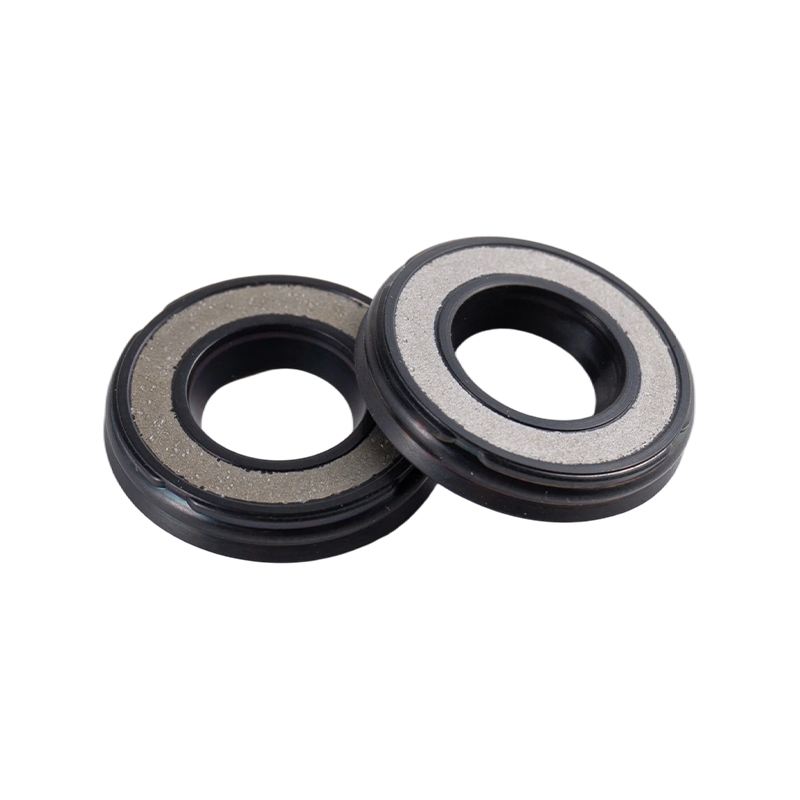
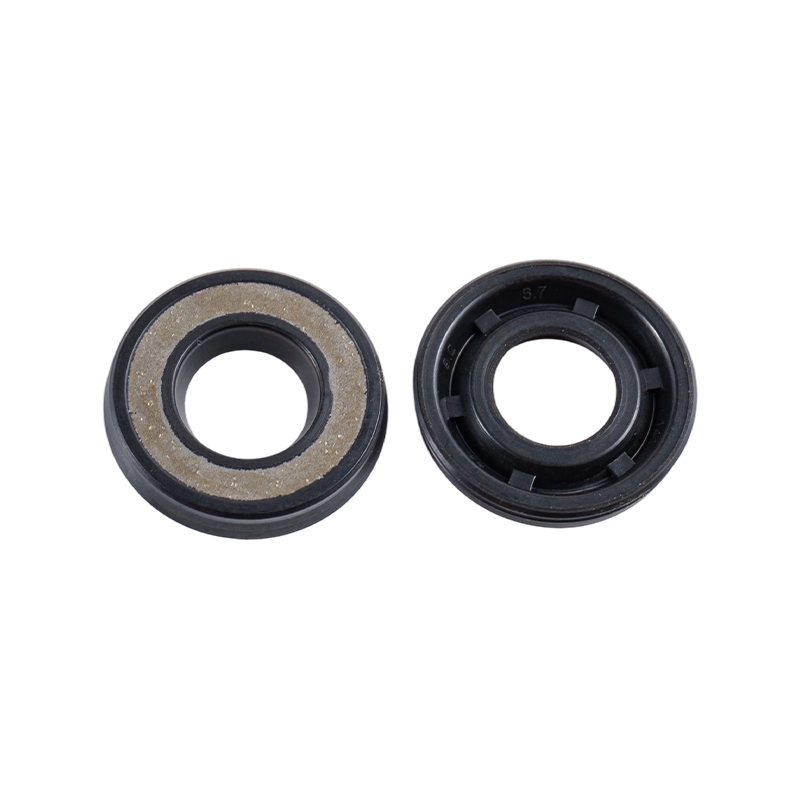
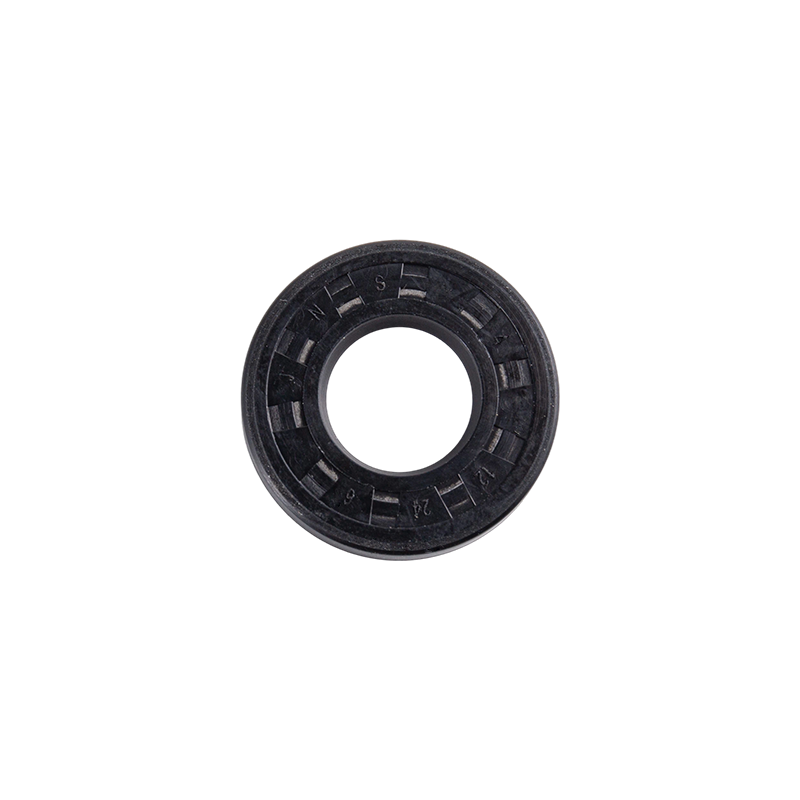
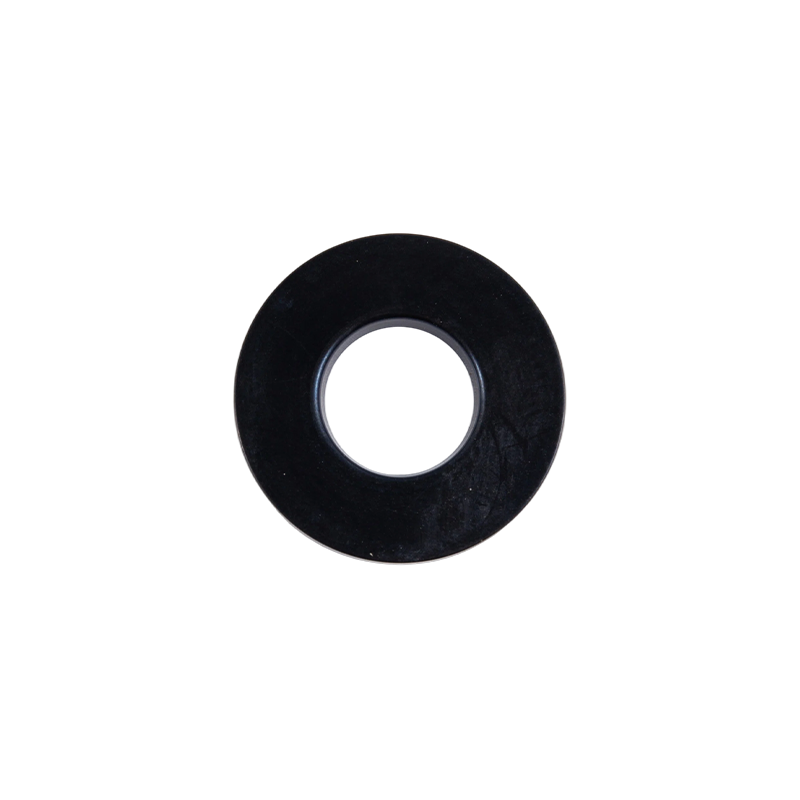
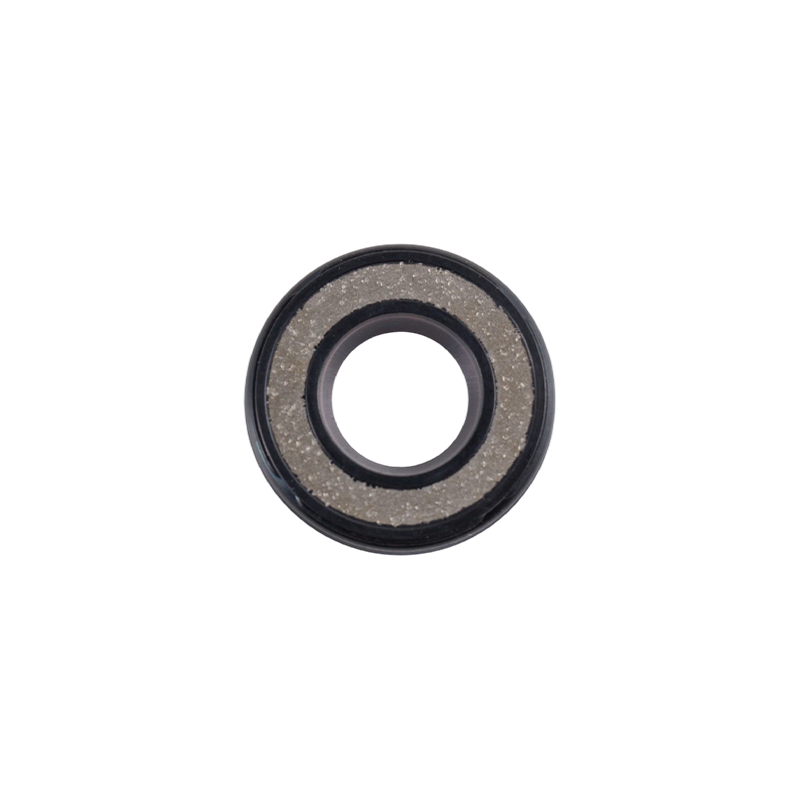
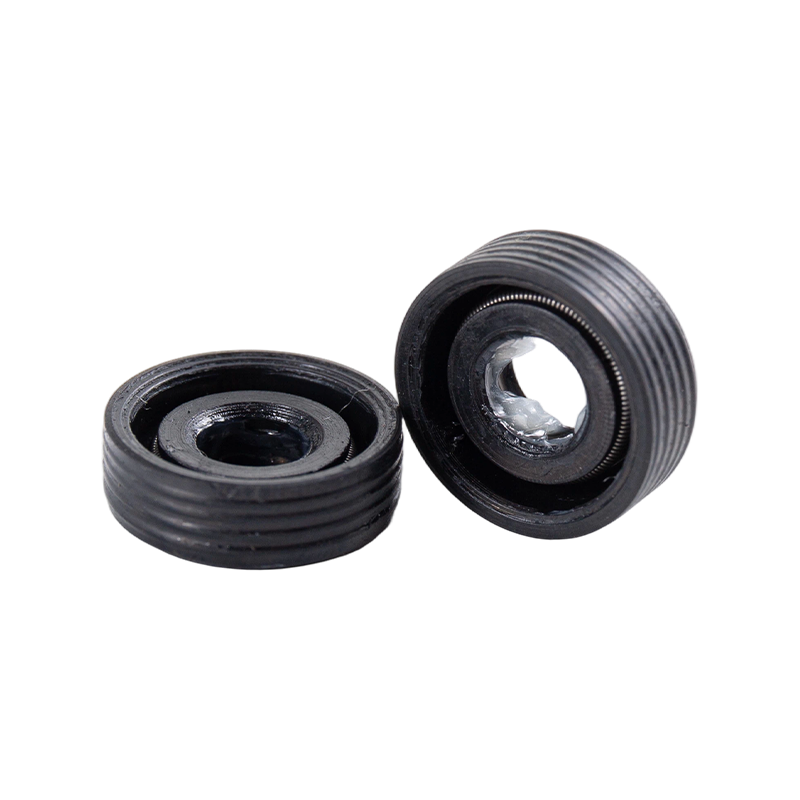
The High-Performance HNBR Dual-Function Seal is designed for applications requiring a compact, chemically stable, and structurally dependable sealing element. Identified by product codes A-1-008/A-1-009, this seal has an outer diameter of 13.9 mm, an inner diameter of 5.4 mm, and a height of 3.5 mm. Its double-inner-lip design provides a practical solution for equipment in which sealing performance must be maintained around a piston rod or comparable moving shaft.
Manufactured from hydrogenated nitrile butadiene rubber, commonly known as HNBR, the product combines the useful elasticity of nitrile rubber with improved resistance to heat, aging, oxidation, and demanding media. Its design is suitable for both damping and inflation, allowing manufacturers and maintenance teams to use one specialized sealing concept across more than one operating function.
This article examines the product’s construction, material characteristics, dimensional advantages, application value, quality considerations, and the manufacturing capabilities supporting its performance. It also explains how a specialized sealing manufacturer can provide advantages over generic alternatives through engineering support, process control, testing, customization, and technical service.
High-Performance HNBR Dual-Function Seal
Product Overview and Intended Function
The A-1-008/A-1-009 seal is a compact HNBR sealing component developed for gas spring and damper-related applications. Its listed specification is 13.9 × 5.4 × 3.5 mm, representing the outside diameter, inside diameter, and height. Although the part is small, each dimension influences installation, contact pressure, friction, pressure retention, and compatibility with the surrounding housing and piston rod.
The product uses a double-inner-lip structure. This design creates two sealing contact areas along the inner side of the component. In a moving-rod application, the lips can help maintain contact around the piston rod while supporting pressure separation between internal and external zones. The dual-lip arrangement may also provide a secondary sealing barrier, depending on the equipment structure and installation method.
The seal is specified for a steel pipe inner diameter and piston rod diameter of 13 × 6 mm. It is also compatible with O-ring adapters sized 13 × 1.9 mm or 13 × 1.5 mm. These dimensional relationships are important because a seal should not be evaluated in isolation. Its performance depends on the complete sealing system, including the housing bore, rod surface, groove dimensions, compression, lubrication, pressure, temperature, and movement speed.
The stated design applicable pressure range is 10–500 N. This specification should be interpreted together with the equipment design and operating conditions rather than treated as a universal pressure rating for every installation. Proper application engineering is required to confirm that the seal, housing, piston rod, and surrounding components are suitable for the intended duty cycle.
The product’s stated remark is “Suitable for both damping and inflation.” This dual-function capability makes the design useful for equipment manufacturers seeking a compact sealing solution that can support both pressure charging and controlled movement. It can also simplify product development by reducing the number of different seal designs required across related product families.
Why HNBR Is an Appropriate Material
HNBR is produced by hydrogenating nitrile butadiene rubber. The hydrogenation process reduces the level of unsaturation in the polymer backbone, improving resistance to heat, oxygen, ozone, and long-term aging compared with conventional NBR in many demanding environments. At the same time, HNBR retains important rubber characteristics, including flexibility, resilience, and useful resistance to oils and selected industrial fluids.
For gas spring and damper applications, the material must remain elastic enough to maintain sealing contact while resisting deterioration caused by repeated movement and environmental exposure. A material that becomes hard, brittle, swollen, or permanently deformed may lose its ability to control pressure. HNBR helps address these concerns by offering a strong balance between flexibility and durability.
HNBR is particularly valuable where a seal may encounter elevated temperatures, lubricating oils, hydraulic fluids, ozone, or extended storage periods. It is also often selected for systems where conventional elastomers may age too quickly. The precise performance of any HNBR compound depends on its formulation, hardness, filler system, curing method, and operating environment. Therefore, the compound should be selected and validated according to the real application rather than by polymer name alone.
The material’s aging resistance is important for products that remain installed for long periods. Gas springs may be used in furniture, automotive components, medical devices, machinery covers, and adjustable structures. In many of these applications, replacement is inconvenient or costly. A seal with a longer aging cycle can help support product reliability and reduce maintenance frequency when the complete system is properly designed.
HNBR also provides a useful platform for customized compound development. Depending on customer requirements, a manufacturer may adjust hardness, reinforcement, compression-set behavior, low-temperature flexibility, or resistance to specific media. Such adjustments must be made through controlled formulation and validation because improving one property can affect another. For example, increasing hardness may improve extrusion resistance but also influence friction and low-temperature flexibility.
Resistance to Heat and Aging
Temperature changes affect elastomer behavior. Heat can accelerate chemical aging, reduce strength, and increase compression set. Repeated heating and cooling can also create dimensional changes that influence sealing contact. HNBR is valued because its hydrogenated structure generally gives it better resistance to thermal and oxidative aging than standard nitrile rubber.
In a damper or gas spring, the seal may be exposed to heat generated by friction, ambient temperature changes, nearby equipment, or compressed gas. A heat-resistant material helps retain the designed lip profile over time. This is especially important for compact seals because a small change in lip shape can have a measurable effect on leakage and friction.
Resistance to Oils and Special Media
Many damping and pressure systems contain oil, grease, or other functional media. The seal must resist excessive swelling, softening, hardening, or extraction when exposed to those substances. HNBR is commonly considered for applications requiring resistance to petroleum-based fluids and selected special media, subject to the actual compound and fluid chemistry.
The phrase “special media” should always be evaluated through application testing. Chemical compatibility can vary according to temperature, exposure time, concentration, pressure, and the presence of additives. A responsible supplier should be able to discuss the intended medium and recommend testing or a suitable compound when the application involves unusual chemicals.
Elasticity and Recovery
A sealing lip must recover after passing over surface irregularities and after experiencing repeated cycles. HNBR provides elastic recovery suitable for many dynamic sealing applications. Good recovery allows the lip to maintain contact with the piston rod even when there are small variations caused by movement, pressure changes, or thermal expansion.
Elastic recovery must be balanced with friction. Excessive contact force may increase operating resistance and wear, while insufficient contact force may cause leakage. The double-inner-lip geometry is therefore important because it can help distribute the sealing function across two contact regions rather than relying on one broad, heavily loaded edge.
Double-Inner-Lip Design and Functional Advantages
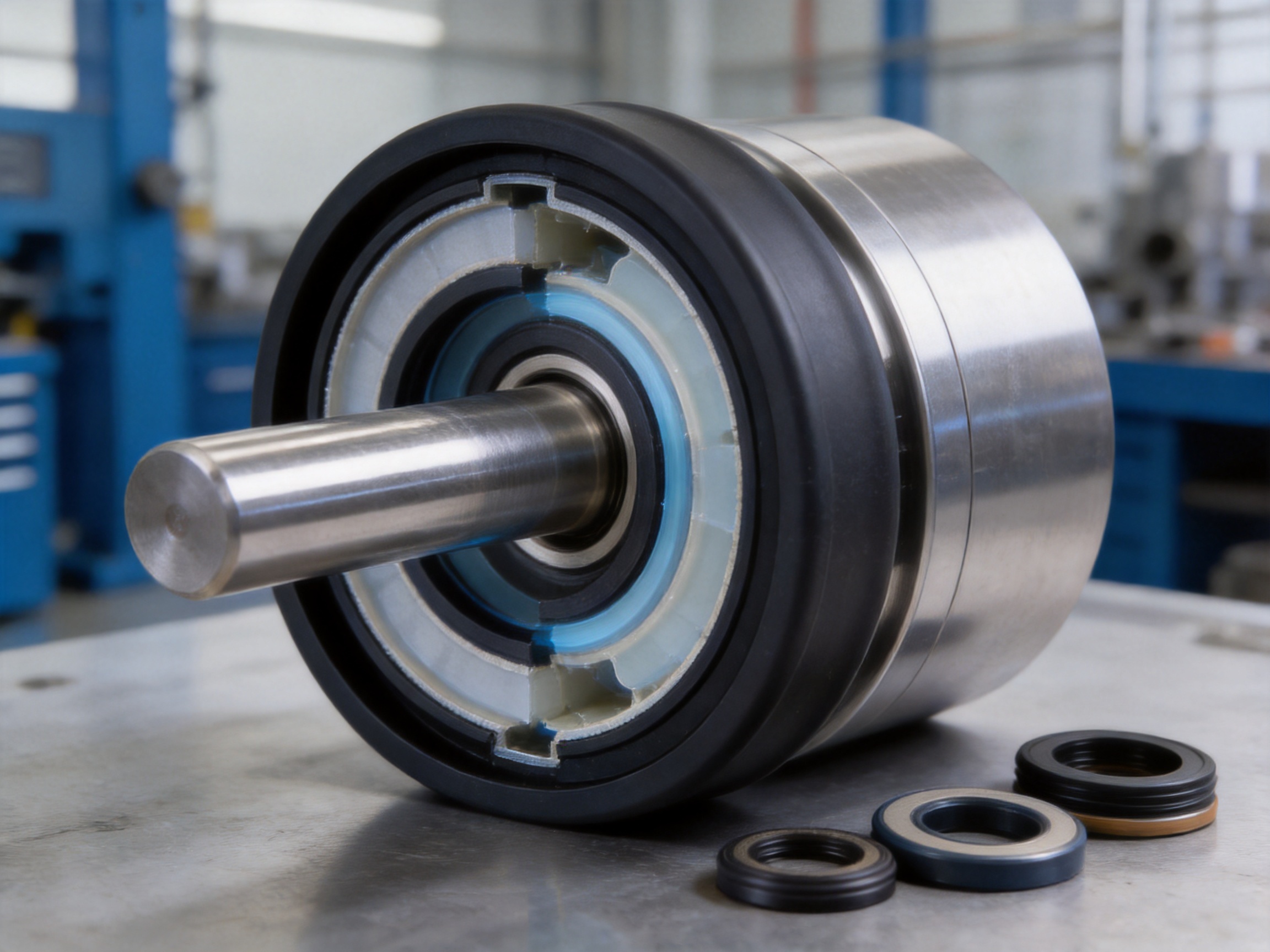
The double-inner-lip configuration is one of the product’s central design features. In a moving piston rod application, the inner lips are formed to contact the rod surface. Each lip contributes to pressure retention and contamination control, while the space between the lips can provide a functional separation zone.
A dual-lip design may offer several advantages over a simple single-lip seal. First, it can provide an additional sealing barrier. If the first lip experiences temporary disturbance from movement or surface irregularity, the second lip may continue to support sealing performance. Second, the design can help divide the sealing task, allowing one region to focus on internal pressure retention while the other assists with external protection, depending on the installation orientation.
The actual function of each lip depends on the equipment layout. Seal orientation, groove geometry, pressure direction, lubrication, and rod finish all affect performance. For this reason, the double-lip structure should be viewed as part of an integrated sealing system rather than an isolated guarantee against leakage.
The compact profile is also valuable. With an outside diameter of 13.9 mm and a height of 3.5 mm, the seal can be considered for assemblies where installation space is limited. Compact equipment designers often need to reduce housing size without sacrificing pressure retention. A well-designed small seal can help achieve a more efficient overall assembly.
The 5.4 mm inside diameter provides the nominal inner sealing dimension, while the listed compatibility with a 6 mm piston rod and a 13 mm steel tube inner diameter indicates the intended system relationship. The difference between seal geometry and installed hardware dimensions creates the contact needed for sealing. However, exact installation compression and interference should always be confirmed using engineering drawings and controlled assembly trials.
Comparison with Conventional and Generic Alternatives
Generic seals may appear similar in shape, but visual similarity does not ensure equivalent performance. Two components with the same nominal dimensions can differ in material formulation, hardness, lip profile, curing quality, surface finish, compression behavior, and dimensional tolerance. These differences can affect leakage, friction, service life, and installation reliability.
Compared with a conventional NBR seal, an HNBR seal may provide better resistance to heat, oxidation, ozone, and long-term aging. This can be valuable when equipment operates in demanding environments or must remain reliable for an extended service period. The suitability of NBR should not be dismissed; it remains useful for many applications. However, HNBR can provide a higher-performance option when the application conditions justify the additional material capability.
Compared with a basic single-lip design, the double-inner-lip structure offers a more specialized approach to sealing a moving rod. It can provide an additional contact barrier and may help maintain pressure separation under changing operating conditions. The advantage becomes more meaningful when the component is correctly matched with the tube, piston rod, pressure range, and lubrication system.
Compared with oversized or multi-component sealing arrangements, a compact integrated seal can simplify assembly. Fewer parts may reduce the possibility of incorrect installation, lower inventory requirements, and improve production efficiency. The O-ring adapter compatibility further supports flexible system design where an adapter or associated ring is needed.
Another advantage is application specialization. A seal designed for both damping and inflation can support equipment manufacturers that produce related product families. Rather than purchasing separate generic components for each function, a customer may evaluate one purpose-designed seal across both operating roles. This can simplify qualification, purchasing, and quality management.
Cost should be evaluated through total operating value rather than purchase price alone. A lower-priced seal that causes leakage, frequent replacement, assembly rework, or customer complaints may be more expensive over the life of the equipment. A higher-performance HNBR component can provide better value when its material stability, design features, and manufacturing consistency reduce these risks.
Key Performance Differences
| Evaluation factor | High-performance HNBR dual-function seal | Generic or basic alternative |
| Base material | Hydrogenated nitrile butadiene rubber selected for demanding sealing conditions | May use standard NBR or an unspecified elastomer |
| Inner structure | Double-inner-lip design for a moving piston rod | May use a single lip or less specialized geometry |
| Application scope | Designed for both damping and inflation functions | May be limited to one general sealing purpose |
| Nominal dimensions | 13.9 mm OD, 5.4 mm ID, 3.5 mm height | May have similar nominal dimensions but different tolerances |
| System compatibility | Suitable for a 13 mm steel pipe inner diameter and 6 mm piston rod arrangement | Compatibility may require additional adaptation |
| O-ring adapter options | 13 × 1.9 mm or 13 × 1.5 mm | Adapter compatibility may not be clearly defined |
| Material stability | Improved resistance to aging and demanding environments associated with HNBR | Performance varies widely by compound and supplier |
| Engineering support | Can be supported by product design, testing, and technical consultation | May be supplied without application-specific guidance |
The comparison demonstrates why a sealing component should be assessed by more than size and price. Material, structure, application range, and production control all contribute to the final result. A product with clear specifications and application guidance gives the buyer a stronger foundation for qualification.
Dimensional Specifications and Installation Considerations
The principal product dimensions are 13.9 mm outside diameter, 5.4 mm inside diameter, and 3.5 mm height. These measurements define the basic envelope of the seal and help determine whether it can fit within the intended housing. The listed steel pipe inner diameter is 13 mm, and the piston rod diameter is 6 mm.
Nominal dimensions should not be used as a substitute for an application drawing. Elastomer seals require controlled compression and contact. If the groove is too deep, the seal may not contact the mating surface with enough force. If the groove is too shallow, excessive compression may cause high friction, accelerated wear, or installation damage.
The piston rod surface is another critical factor. A smooth, properly finished rod can reduce lip wear and support stable sealing. Surface roughness that is too high may abrade the lips, while a surface that is too smooth may not retain sufficient lubricant. Scratches, burrs, corrosion, or sharp edges can damage the seal during assembly or operation.
Assembly cleanliness is equally important. Dirt, metal particles, and machining debris may create leakage paths or cut the sealing lips. The housing and rod should be cleaned before installation. If the equipment design requires lubrication, the lubricant should be compatible with HNBR and the operating medium.
Installation tools should avoid sharp contact with the sealing edges. A guide sleeve, chamfer, or suitable assembly fixture can help protect the lips as the seal passes over the rod. Excessive twisting or stretching should be avoided because it may permanently deform the component before the equipment begins operating.
The O-ring adapter options of 13 × 1.9 mm and 13 × 1.5 mm provide additional system flexibility. The correct option depends on the housing design, groove dimensions, compression requirements, and the role assigned to the adapter. Engineers should confirm whether the adapter is used for positioning, supplementary sealing, or another mechanical function.
Pressure and Movement
The listed design applicable pressure range is 10–500 N. Because the specification is expressed in newtons, it may relate to an application design load or force condition rather than a direct pressure value in pascals or megapascals. Customers should confirm the intended interpretation with the supplier and evaluate the complete operating system.
Pressure is only one part of dynamic seal performance. Movement speed, stroke length, frequency, temperature, lubrication, rod alignment, and surface finish can all change the stress placed on the sealing lips. A seal that performs well in a low-cycle damper may require further validation in a high-frequency mechanism.
Misalignment can cause uneven lip loading. One side of the seal may experience excessive wear while the opposite side loses contact. Proper guide design and rod support can help reduce this risk. The seal should therefore be selected as part of a mechanically stable assembly.
Advanced Manufacturing Process
The performance of an elastomer seal depends not only on its design and material but also on how consistently it is manufactured. A specialized sealing manufacturer must control the complete production chain, from material preparation through molding, trimming, inspection, testing, packaging, and technical feedback.
A typical controlled process begins with raw material verification. HNBR polymers, reinforcing agents, curing ingredients, processing aids, and other compound components must be received according to defined specifications. Batch identification allows the manufacturer to trace the material used in each production order.
Compounding is a critical step. The ingredients must be mixed uniformly so that every portion of the compound has consistent chemical and physical characteristics. Mixing time, temperature, sequence, and equipment loading can influence dispersion. Inadequate dispersion may create weak points, surface defects, or inconsistent hardness.
After mixing, the compound may undergo maturation or conditioning before molding. This stage helps stabilize processing behavior and allows quality personnel to verify key properties. Depending on the company’s production system, samples may be tested for hardness, tensile strength, elongation, density, rheological behavior, or compression-related performance.
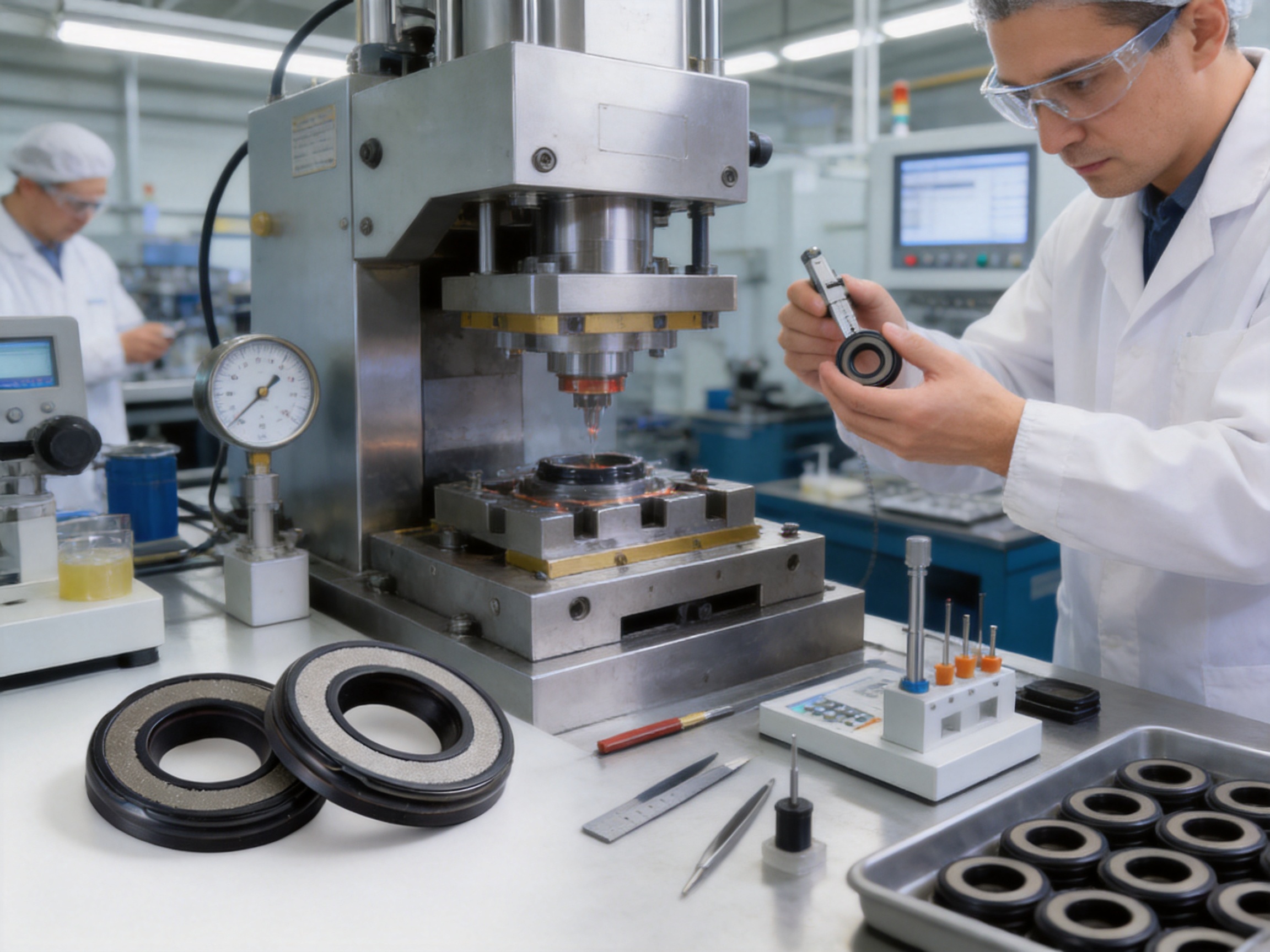
Mold design directly affects the final seal. The mold must reproduce the 13.9 mm outer diameter, 5.4 mm inner diameter, 3.5 mm height, and double-inner-lip profile accurately. Small errors in the lip region can change contact pressure and friction. Mold surfaces must also be maintained to prevent marks, flash, or dimensional drift.
During molding and vulcanization, temperature, pressure, time, and material flow must be controlled. Insufficient curing may reduce strength and resilience, while excessive curing can affect flexibility and aging behavior. Stable process parameters help ensure that each batch has consistent physical performance.
After molding, flash and excess material are removed. Trimming is especially important for a double-lip seal because residual flash near the sealing edges may interfere with installation or create a leakage path. Automated trimming, precision tooling, or controlled manual finishing may be used depending on the part design and production volume.
Dimensional inspection follows. Measuring equipment should be suitable for small elastomer components and should account for the fact that rubber can deform under excessive measurement force. Inspection may include outside diameter, inside diameter, height, lip profile, surface condition, and visible defects.
Final inspection can include visual examination under controlled lighting, dimensional sampling, material verification, and functional testing. When required, manufacturers may perform leakage tests, pressure holding tests, compression-set tests, aging tests, or dynamic cycling tests. The exact test program should reflect the customer’s equipment and risk level.
Process Control and Quality Assurance
Quality assurance is most effective when it is built into every stage of production instead of being limited to final inspection. A reliable sealing supplier uses documented procedures, trained operators, calibrated instruments, controlled molds, and traceable production records.
Incoming material control helps prevent unsuitable compounds from entering production. Each HNBR batch should be identified and associated with relevant supplier documentation or internal test records. If a performance issue appears later, traceability allows the manufacturer to investigate the material, machine, mold, and production conditions involved.
In-process control reduces variation during molding. Operators and technicians monitor parameters such as mold temperature, cure time, injection or compression conditions, and equipment status. When process values move outside defined limits, corrective action can be taken before a large quantity of nonconforming parts is produced.
Tooling management is another important strength. Sealing molds must remain clean, dimensionally stable, and properly maintained. Wear in the mold cavity can gradually change lip geometry or part dimensions. A planned maintenance program helps keep the product consistent across production cycles.
Inspection standards should define acceptable limits for flash, flow marks, cracks, voids, contamination, short shots, deformation, and surface damage. Because sealing lips perform a critical function, visual inspection should pay particular attention to the inner edges and transition areas.
Measurement systems must also be controlled. Calipers, optical instruments, gauges, hardness testers, scales, and other devices should be calibrated or verified at defined intervals. Measurement results are only useful when the equipment and method are reliable.
Batch records provide an important connection between manufacturing and customer service. They can include material batch, mold identification, production date, operator or machine information, inspection results, and packaging details. Such records support responsible complaint handling and continuous improvement.
Testing Relevant to Product Reliability
Material testing may include hardness, tensile strength, elongation at break, tear resistance, density, compression set, and heat aging. These tests do not replace application testing, but they help verify that the compound remains within its approved material range.
Compression-set testing evaluates the ability of the elastomer to recover after being compressed for a defined period under specified conditions. Low compression set is generally desirable for static sealing, while dynamic applications require a broader evaluation involving friction, wear, and recovery.
Heat-aging tests expose samples to elevated temperature for a controlled period and then measure changes in physical properties. These tests can help estimate how the compound responds to thermal stress. For applications involving special media, immersion testing may be used to observe volume change, hardness change, tensile retention, and surface condition.
Leakage testing can be performed on representative assemblies rather than only on loose seals. An assembly-based test is often more meaningful because it includes the housing, rod, lubricant, pressure, and installation conditions. Dynamic cycling can further show how the product behaves after repeated movement.
Where customers require specific validation, the manufacturer can work with them to establish test conditions, sampling plans, acceptance criteria, and reporting formats. This collaborative approach is more effective than relying solely on general catalog data.
Manufacturing Strengths of a Specialized Supplier
A specialized sealing company can offer advantages that are difficult to obtain from a general rubber-products supplier. The first is application knowledge. Experience with gas springs, dampers, piston rods, and O-ring systems enables engineers to understand how a small change in lip geometry or material hardness may affect the complete product.
The second is product development capability. A supplier with research and development resources can assist with compound selection, profile optimization, mold design, prototype production, and performance validation. This is particularly valuable when a standard seal does not fully meet the customer’s dimensional or operating requirements.
The third is production equipment. Advanced molding and inspection equipment supports repeatable output and efficient processing. Stable production is important for customers who require large quantities with consistent dimensions and performance.
The fourth is technical service. Customers may need help interpreting drawings, selecting adapter dimensions, evaluating media compatibility, or identifying the cause of leakage. A technical service team can shorten the development cycle and reduce trial-and-error during assembly qualification.
Ningguo Jnsseals Sealing Technology Co., Ltd. was founded in 2019 and is headquartered in Anhui, China. The company focuses on sealing technology for gas springs and dampers, together with related O-ring products. Its stated capabilities include research and development, advanced production equipment, professional technical service, customized product design, testing, and technical consultation.
The company serves industries including automotive, furniture, home appliances, medical equipment, construction, and other mechanical applications. These industries often require different combinations of pressure retention, movement durability, compact dimensions, chemical compatibility, and appearance quality. Experience across multiple sectors can help a supplier understand varied application requirements.
A customer-oriented manufacturer should also be able to support product customization. Customization may involve dimensions, lip configuration, material hardness, compound selection, color identification, packaging, or testing requirements. Each change should be documented and validated so that customization does not reduce production consistency.
Research and Development
Research and development in sealing technology involves more than creating a new shape. Engineers must understand material behavior, contact mechanics, pressure distribution, friction, wear, thermal effects, chemical compatibility, and production feasibility. A profile that performs well in a computer model must still be molded consistently and installed safely.
Development work may begin with a customer drawing or a description of the application. Engineers review the available space, rod diameter, housing dimensions, pressure, movement, temperature, medium, expected life, and assembly method. Based on this information, they can recommend a standard product or propose a modified design.
Prototypes allow the customer to check fit and function before mass production. Prototype evaluation may reveal issues such as excessive insertion force, lip damage, leakage during initial cycling, or friction above the equipment target. Corrective design changes can then be made before the production mold is finalized.
For the A-1-008/A-1-009 seal, the double-inner-lip design and HNBR material are central development choices. Their combination addresses the need for a compact component capable of supporting both damping and inflation duties. Further validation should be tailored to the customer’s gas spring or damper structure.
Applications Across Multiple Industries
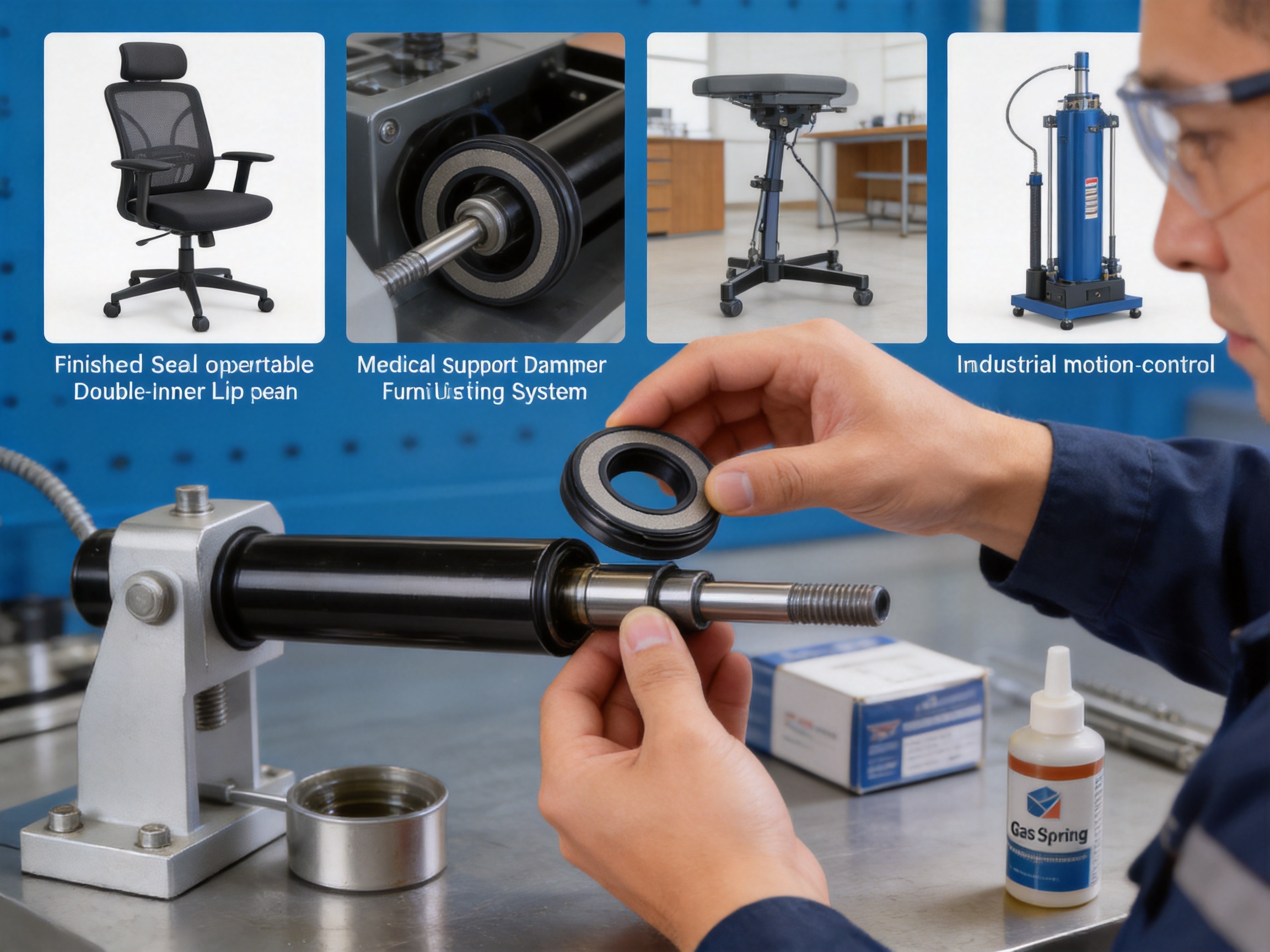
Gas springs used in furniture often require compact seals that support smooth movement and reliable pressure retention. Examples may include adjustable chairs, cabinets, beds, tables, storage systems, and reclining mechanisms. The seal must operate through repeated opening and closing cycles while remaining protected within a compact cylinder.
Automotive applications may involve demanding temperature changes, vibration, contamination, and high cycle counts. Seals used in vehicle-related mechanisms must be carefully matched with the internal medium and operating environment. HNBR can be considered when improved aging and fluid resistance are needed.
Medical equipment may require controlled movement, clean assembly, stable operation, and reliable service performance. Depending on the equipment design, the seal may be used in an adjustment mechanism, support system, or compact gas spring. Material and processing requirements should be reviewed according to the applicable equipment standards and customer specifications.
Home appliances and construction equipment can also contain gas-assisted or damping mechanisms. In these environments, seals may face dust, variable temperatures, vibration, or frequent operation. A compact double-lip design can support equipment designers seeking a robust sealing interface without significantly increasing assembly size.
Industrial machinery often uses dampers or pneumatic components where leakage control and service life are important. The seal’s compatibility with a 13 mm tube inner diameter and a 6 mm piston rod provides a defined starting point for equipment designers working with similar dimensions.
How the Seal Supports Product Designers
Product designers benefit from clear dimensions and defined application information. The listed specifications provide a foundation for preliminary layout work, while the product code supports communication between engineering, purchasing, production, and quality teams.
A defined seal design can also shorten the development process. Instead of designing a sealing profile from the beginning, engineers can evaluate an existing double-lip HNBR solution and focus their testing on the complete assembly. This may reduce tooling risk and accelerate product qualification.
The dual-function characteristic offers additional design flexibility. If a manufacturer produces both damping and inflation-related mechanisms, using a related seal design can simplify inventory and supplier management. It may also help standardize assembly methods and inspection procedures across product lines.
Technical consultation is especially useful when the customer’s dimensions differ slightly from the listed specification. A specialized supplier can assess whether the existing design can be adapted or whether a new profile is more appropriate. Important questions include the actual pressure, piston rod finish, stroke speed, temperature, media, and expected service life.
Designers should also consider the seal’s installation environment. The housing should provide adequate support against extrusion or deformation. The rod should be centered and guided. The assembly should avoid sharp transitions, excessive eccentricity, and contamination. These mechanical factors can be as important as the elastomer selection itself.
Purchasing and Supplier Evaluation
When purchasing a seal, buyers should evaluate more than unit cost. A complete review should include material certification, dimensional capability, quality records, production capacity, lead time, packaging, technical support, and responsiveness to nonconformance issues.
Material identification is important because similar-looking black elastomer products may use different polymers. Buyers should confirm that the product is manufactured from the specified HNBR compound and that the material is consistent from batch to batch.
Dimensional capability should be reviewed for critical features, especially the inner lips. The supplier should be able to explain how dimensions are measured and how production variation is controlled. If the customer has a specific tolerance requirement, it should be included in the product drawing or purchase specification.
Production capacity matters when the seal is used in high-volume equipment. A supplier with organized processes and suitable equipment can support stable deliveries while maintaining quality. Capacity should include not only molding capability but also trimming, inspection, packaging, and documentation.
Packaging should protect the lips from deformation, contamination, sunlight, excessive heat, and unsuitable storage conditions. Elastomer seals should generally be stored in a clean, dry environment away from ozone-generating equipment and direct sunlight. The customer should follow the supplier’s storage recommendations.
Technical response is another important purchasing criterion. If leakage or installation problems occur, a supplier that can analyze drawings, samples, operating data, and assembly conditions is more valuable than a supplier that only provides replacement parts.
Recommended Qualification Process
A structured qualification process helps confirm that the seal is suitable for the customer’s equipment. The first step is application information collection. The customer should provide the housing dimensions, piston rod diameter, pressure or force conditions, movement pattern, temperature range, lubricant, internal medium, and expected operating life.
The second step is dimensional review. Engineers compare the 13.9 mm outside diameter, 5.4 mm inside diameter, and 3.5 mm height with the available housing and groove. The 13 mm tube inner diameter and 6 mm rod diameter should also be checked against the actual assembly design.
The third step is material compatibility review. The HNBR compound should be considered in relation to oil, gas, grease, cleaning fluids, environmental exposure, and storage conditions. If the medium is unusual, immersion testing or a representative component test may be appropriate.
The fourth step is prototype assembly. Samples should be installed using the intended production method. Engineers should record insertion force, visible deformation, lip orientation, and any damage after installation.
The fifth step is functional testing. The assembly should be tested under representative pressure, movement, temperature, lubrication, and cycle conditions. Leakage, friction, rod movement, and component appearance should be monitored.
The sixth step is production validation. Once the design is approved, the supplier and customer should agree on inspection standards, sampling levels, packaging, labeling, batch traceability, and change-control procedures.
This process helps distinguish a genuinely suitable product from a seal that only fits dimensionally. It also creates a technical record that can support future improvements and troubleshooting.
Maintenance, Storage, and Service Life
Seal service life depends on the interaction of material, design, equipment, and environment. Even a high-performance HNBR seal can fail prematurely if the rod is damaged, the groove is incorrect, the medium is incompatible, or the component is installed improperly.
During maintenance, technicians should inspect the piston rod for scratches, corrosion, deposits, and bending. The housing should be checked for burrs, deformation, and contamination. If a replacement seal shows unusual wear on only one side, misalignment or uneven loading should be investigated.
Leakage may result from many causes. Possible causes include incorrect seal orientation, insufficient compression, excessive compression, damaged lips, rod surface defects, excessive pressure, unsuitable temperature, chemical attack, or contamination. Replacing the seal without correcting the root cause may lead to repeated failure.
Storage conditions also influence performance. Seals should be kept away from direct sunlight, ozone sources, excessive heat, moisture, and harmful chemicals. They should not be compressed, stretched, folded, or stored under heavy loads for long periods. Original packaging should remain closed until the parts are needed.
Inventory rotation is recommended. Older stock should generally be used before newer stock, provided that the material remains within the supplier’s recommended storage period and has been stored correctly. Before installation, seals should be inspected for cracking, hardening, deformation, or contamination.
Cleaning should be performed with a compatible method. Aggressive solvents can extract additives or damage the elastomer. When lubrication is required, the lubricant should be confirmed as compatible with HNBR and with the equipment’s internal medium.
Environmental and Operational Value
A reliable seal can contribute to environmental performance by reducing leakage and extending component service intervals. In a damper or gas spring, leakage may reduce functionality and create the need for early replacement. Improved sealing can help preserve the internal medium and reduce material consumption over the equipment life cycle.
Longer service life may also reduce downtime. For furniture, automotive, medical, and industrial products, a failed gas spring or damper can affect user experience and production schedules. A durable seal supports more consistent movement and may reduce the number of service interventions.
Efficient manufacturing also contributes to product value. Controlled molding, reduced scrap, stable tooling, and accurate inspection help limit waste. A supplier that monitors production quality can improve material utilization while maintaining the performance required by the customer.
Environmental performance should be considered alongside safety and compatibility. Customers should identify the applicable regulations and application requirements for their industry. The supplier can then help determine whether the selected HNBR formulation and manufacturing process meet the relevant expectations.
Technical Limitations and Responsible Selection
No elastomer is suitable for every environment. HNBR provides strong performance in many demanding applications, but customers should still verify compatibility with concentrated acids, strong oxidizing agents, aggressive solvents, extreme temperatures, and unusual gases or fluids.
The product information identifies the seal as suitable for damping and inflation, but actual suitability depends on the equipment design. The listed pressure-related range should be discussed with the supplier, especially when the application involves high pressure, rapid cycling, significant eccentricity, or unusual temperature conditions.
Customers should avoid selecting the seal solely because the nominal dimensions appear to match. A complete evaluation should include installation compression, surface finish, pressure direction, movement speed, lubrication, and expected life. A technical consultation before mass ordering can prevent costly incompatibility.
When the operating conditions are not fully known, representative testing is recommended. A short test under realistic conditions can reveal friction, wear, swelling, leakage, or assembly issues that are not visible from a dimensional comparison.
Frequently Asked Questions
What is the material of the dual-function seal?
The seal is made from HNBR, or hydrogenated nitrile butadiene rubber. HNBR is selected for its balance of elasticity, oil resistance, heat resistance, aging resistance, and durability in demanding sealing environments. The exact compound should be confirmed according to the customer’s application requirements.
What are the main dimensions?
The listed dimensions are 13.9 mm outside diameter, 5.4 mm inside diameter, and 3.5 mm height. The intended system includes a 13 mm steel pipe inner diameter and a 6 mm piston rod diameter.
What does the double-inner-lip design do?
The double-inner-lip structure creates two sealing contact regions around the moving rod. It can provide an additional sealing barrier and help support pressure retention and contamination control. Final performance depends on correct orientation, groove design, rod finish, lubrication, and operating conditions.
Can the seal be used for both damping and inflation?
Yes. The product is specified as suitable for both damping and inflation applications. Customers should still confirm the complete assembly design, pressure or force conditions, movement pattern, temperature, and media before approving the seal for production.
What O-ring adapter sizes are listed?
The listed O-ring adapter options are 13 × 1.9 mm and 13 × 1.5 mm. The correct option depends on the housing design and the function of the adapter in the complete sealing system.
What is the applicable pressure specification?
The listed design applicable pressure range is 10–500 N. Because this specification is expressed as force, customers should clarify how it applies to their specific equipment and should not convert or reinterpret it without engineering confirmation.
How does HNBR compare with standard NBR?
HNBR generally provides improved resistance to heat, oxidation, ozone, and long-term aging compared with standard NBR. NBR may remain suitable for less demanding applications, while HNBR is often preferred when extended durability and improved environmental resistance are important.
Can the product be customized?
Customized sealing solutions may be available through product design, testing, and technical consultation. Possible areas of customization include dimensions, profile, material formulation, hardness, packaging, and application-specific validation. Customization should be confirmed with the manufacturer before ordering.
What should be checked before installation?
The housing, groove, piston rod, surface finish, chamfers, cleanliness, lubricant, and seal orientation should be checked. Sharp edges, burrs, dirt, and damaged rod surfaces can cause premature leakage or lip damage.
How should unused seals be stored?
Unused seals should be stored in a cool, dry, clean location away from direct sunlight, ozone-generating equipment, excessive heat, and chemicals. They should remain protected from deformation and should be inspected before installation.
What industries can use this product?
Potential industries include automotive, furniture, home appliances, medical equipment, construction, and industrial machinery. The product is particularly relevant to gas springs, dampers, and compact pressure or motion-control assemblies.
Why work with a specialized sealing manufacturer?
A specialized manufacturer can provide material knowledge, profile development, production control, testing, application analysis, customized solutions, and technical service. These capabilities help customers evaluate the seal as part of a complete system rather than as an isolated replacement component.
Conclusion
The High-Performance HNBR Dual-Function Seal is a compact sealing solution designed for applications that demand reliable performance in both damping and inflation functions. Its HNBR material provides a useful combination of elasticity, chemical stability, heat resistance, and long-term aging resistance. Its double-inner-lip structure supports sealing around a moving piston rod, while the defined 13.9 mm outside diameter, 5.4 mm inside diameter, and 3.5 mm height provide a clear basis for system evaluation.
The compatibility information for a 13 mm steel pipe inner diameter, 6 mm piston rod, and 13 × 1.9 mm or 13 × 1.5 mm O-ring adapters further supports practical design integration. The product can offer advantages over generic alternatives through its specialized material, dual-lip geometry, dual-function application, and defined engineering information.
Product performance ultimately depends on correct system design and controlled manufacturing. Advanced compounding, precision mold management, stable vulcanization, accurate trimming, dimensional inspection, and application-based testing are essential to producing consistent seals. A supplier with research and development capabilities, technical consultation, customized design, and professional service can provide added value throughout product development and mass production.
Ningguo Jnsseals Sealing Technology Co., Ltd. brings a focused approach to sealing technology for gas springs, dampers, and related O-ring products. Its emphasis on research, production equipment, technical support, testing, and customized sealing solutions provides a foundation for customers seeking dependable components for automotive, furniture, home appliance, medical, construction, and industrial applications.
For the best result, customers should provide complete operating information, verify dimensions, confirm material compatibility, conduct representative testing, and establish clear quality requirements before mass production. When these steps are followed, the HNBR dual-function seal can help equipment manufacturers improve leakage control, service reliability, assembly consistency, and long-term product value.
References
1. ISO 3601, Fluid Power Systems—O-Rings and Related Requirements.
2. ISO 815, Rubber, Vulcanized or Thermoplastic—Determination of Compression Set.
3. ISO 188, Rubber, Vulcanized or Thermoplastic—Accelerated Ageing and Heat Resistance Tests.
4. ISO 37, Rubber, Vulcanized or Thermoplastic—Determination of Tensile Stress-Strain Properties.
5. Engineering principles for elastomeric seal design, including compression, extrusion resistance, friction, wear, and material compatibility.
6. Product specification data for A-1-008/A-1-009 HNBR dual-function seal.
7. Manufacturer information regarding sealing technology research, development, testing, customized solutions, and technical consultation.
Product: High-Performance HNBR Dual-Function Seal
PREV:10.6 Series Standard Piston Seal for Compact Pneumatic and Damping Applications
NEXT:26mm Durable Industrial Seal: Fatigue-Resistant NBR Sealing for Gas Springs and Dampers
NEXT:26mm Durable Industrial Seal: Fatigue-Resistant NBR Sealing for Gas Springs and Dampers


Want to know more
about us?
about us?

Precision sealing for gas springs and dampers. Durable, wear-resistant, and built for long-life performance in demanding applications.
Product Categories
Quick Links
Contact Us
-
Email: jns@jnsseals.cn

-
Manager Gong: +86-18563770820

-
Manager Wang: +8615357558902
-
No. 5, Meilin Avenue, Meilin Industrial Development Zone, Ningguo City, Anhui Province, China

