

 English
 русский
 Deutsch
 Türk
Türk 中文简体
中文简体
High-Temperature FPM Rotary Sealing Ring for Demanding Industrial Applications
High-Temperature FPM Rotary Sealing Ring for Demanding Industrial Applications
High-Temperature FPM Rotary Sealing Ring for Demanding Industrial Applications
High-Temperature FPM Rotary Sealing Ring for Demanding Industrial Applications
High-Temperature FPM Rotary Sealing Ring for Demanding Industrial Applications
High-Temperature FPM Rotary Sealing Ring for Demanding Industrial Applications
High-Temperature FPM Rotary Sealing Ring for Demanding Industrial Applications
High-Temperature FPM Rotary Sealing Ring for Demanding Industrial Applications
High-Temperature FPM Rotary Sealing Ring for Demanding Industrial Applications
High-Temperature FPM Rotary Sealing Ring for Demanding Industrial Applications
High-Temperature FPM Rotary Sealing Ring for Demanding Industrial Applications
High-Temperature FPM Rotary Sealing Ring for Demanding Industrial Applications
High-Temperature FPM Rotary Sealing Ring for Demanding Industrial Applications
High-Temperature FPM Rotary Sealing Ring for Demanding Industrial Applications
High-Temperature FPM Rotary Sealing Ring for Demanding Industrial Applications
High-Temperature FPM Rotary Sealing Ring for Demanding Industrial Applications

Deng Yixuan — Domestic Sales Supervisor
Home / Author / Deng Yixuan — Domestic Sales Supervisor / High-Temperature FPM Rotary Sealing Ring for Demanding Industrial Applications
NEW Category
Contact us
High-Temperature FPM Rotary Sealing Ring for Demanding Industrial Applications
Content
- 1 1. Product Overview
- 2 2. Why FPM Is Suitable for High-Temperature Rotary Sealing
- 3 3. Core Advantages of the A-5-003 Design
- 4 4. Comparison with General-Purpose Sealing Materials
- 5 5. Recommended Application Areas
- 6 6. Engineering Factors for Correct Selection
- 7 7. Manufacturing Strengths and Process Capabilities
- 8 8. Quality and Reliability Considerations
- 9 9. Installation Guidance
- 10 10. Maintenance and Service-Life Practices
- 11 11. Custom Sealing Solutions from a Specialized Manufacturer
- 12 12. The Role of Research and Development
- 13 13. Advantages for International Buyers
- 14 14. Practical Selection Checklist
- 15 15. Frequently Asked Questions
- 15.1 Q1: What is the A-5-003 High-Temp FPM Rotary Sealing Ring?
- 15.2 Q2: What material is used in the product?
- 15.3 Q3: What are the listed dimensions?
- 15.4 Q4: Is the product suitable for static sealing?
- 15.5 Q5: Can it be used with every chemical solvent?
- 15.6 Q6: Is FPM better than NBR in every application?
- 15.7 Q7: Can the product be used on a high-speed shaft?
- 15.8 Q8: Does the supplied information include a pressure rating?
- 15.9 Q9: Can the manufacturer provide customized sealing rings?
- 15.10 Q10: What industries can use this type of product?
- 15.11 Q11: How should the ring be stored?
- 15.12 Q12: What should be checked before installation?
- 15.13 Q13: What makes the product different from a generic rubber ring?
- 15.14 Q14: Can the product reduce maintenance requirements?
- 15.15 Q15: What information should be sent when requesting a quotation?
- 16 16. Conclusion
- 17 References
- 18 Product: High-Temp FPM Rotary Sealing Ring
Reliable sealing is essential wherever rotating shafts, chemical media, elevated temperatures, and continuous mechanical movement occur together. A sealing ring must do more than close a gap. It must maintain controlled contact, resist wear, tolerate thermal cycling, prevent leakage, and remain dimensionally stable throughout its service life. In applications such as chemical equipment, high-speed rotary assemblies, industrial machinery, and specialized sealing systems, selecting the correct elastomer and profile is therefore a critical engineering decision.
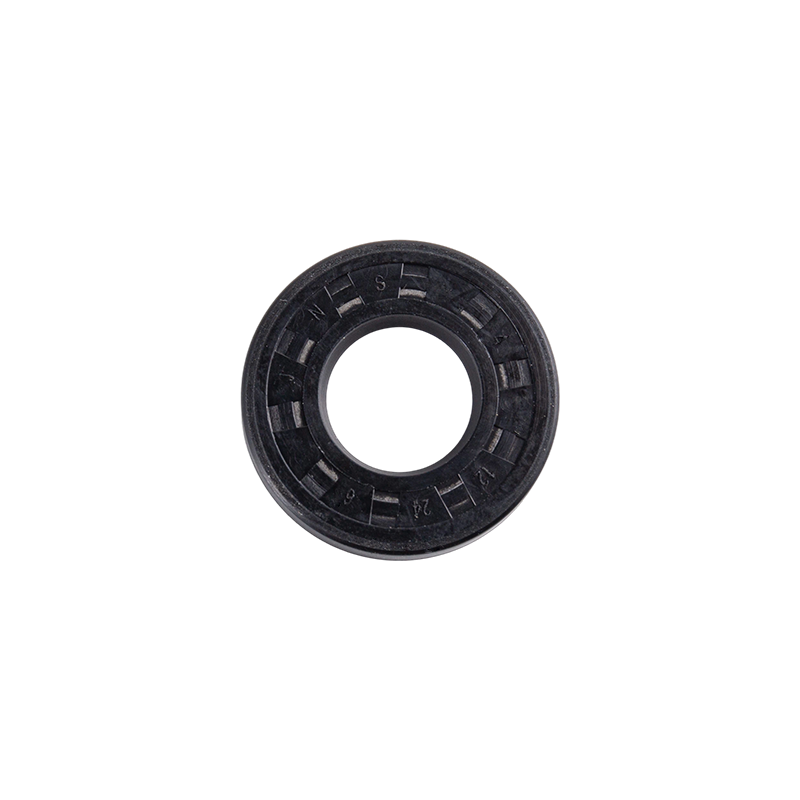
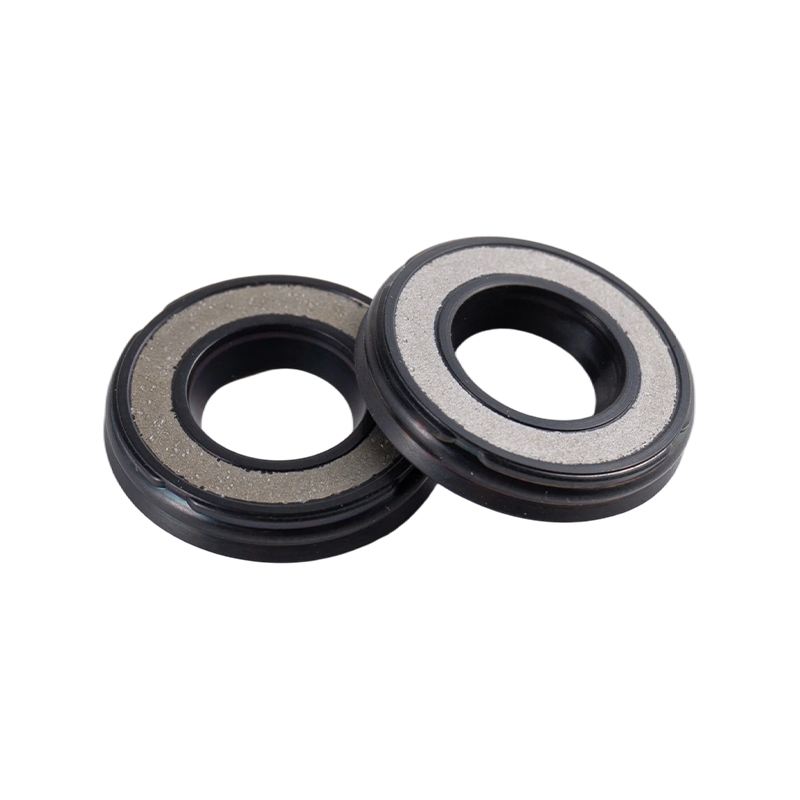
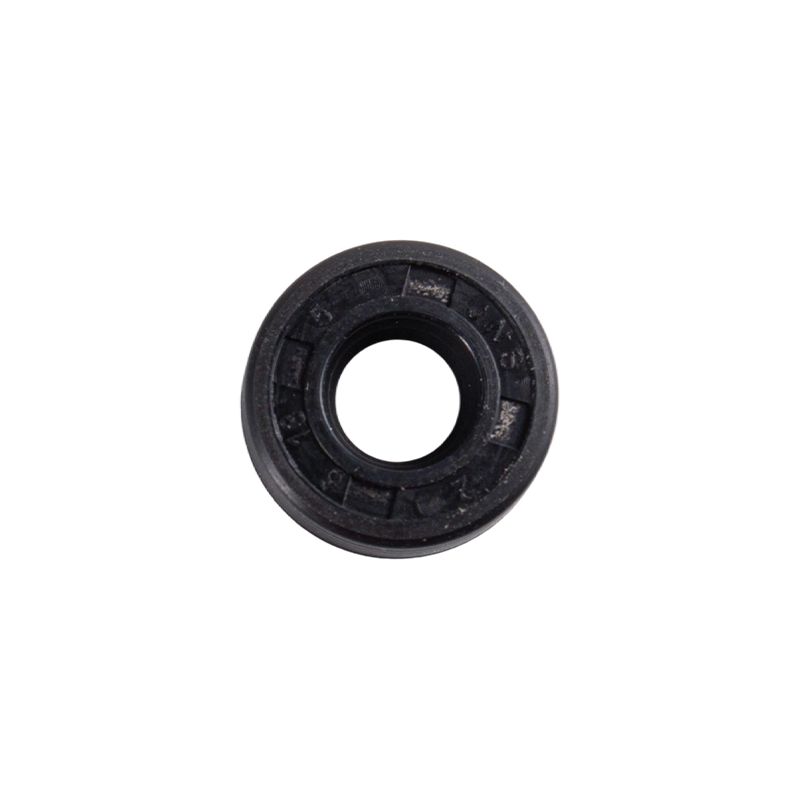
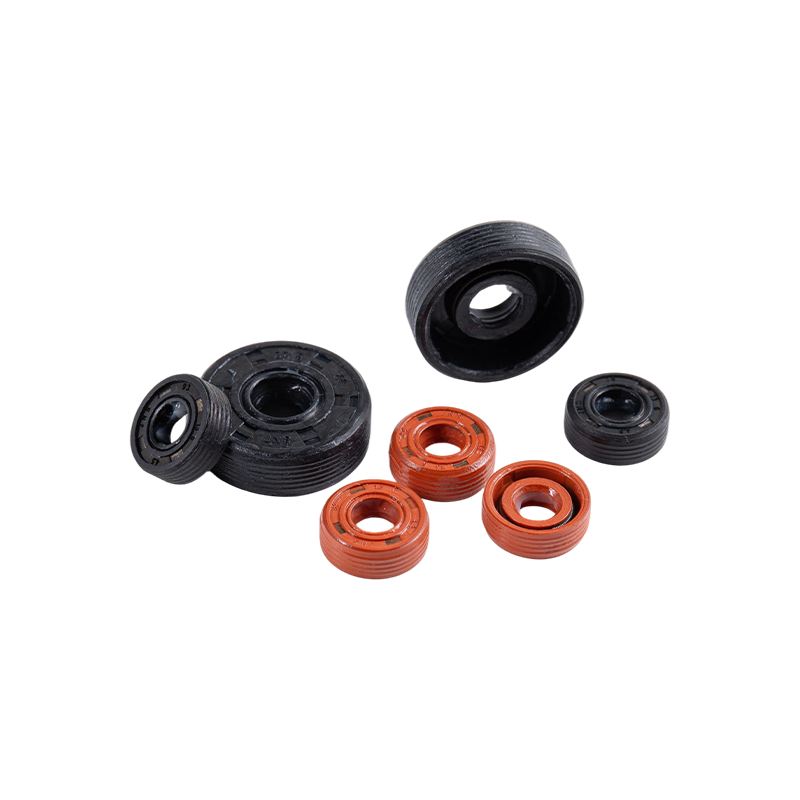
The A-5-003 High-Temp FPM Rotary Sealing Ring is designed for rotary motion and manufactured from FPM, also known as fluoroelastomer. Its material selection gives the sealing ring a strong foundation for applications involving heat, oils, fuels, solvents, and corrosive industrial fluids. With an outer diameter of 21 mm, an inner diameter listed as 14.5 mm, and a height of 3.6 mm, the product is a compact sealing component intended for carefully matched rotary shaft assemblies.
Unlike a general-purpose rubber seal selected only for basic fluid separation, an FPM rotary sealing ring is developed for environments where material resistance and dimensional reliability are important. The A-5-003 is particularly suitable for designers seeking a compact solution with strong thermal stability, resistance to aggressive chemicals, and improved durability under rotational movement.
This article examines the product’s construction, material benefits, dimensional information, application advantages, manufacturing considerations, quality requirements, installation practices, and customization support. It also explains how the product development capabilities of Ningguo Jnsseals Sealing Technology Co., Ltd. support the production of specialized sealing solutions for customers in different industries.
1. Product Overview
The A-5-003 is a High-Temp FPM Rotary Sealing Ring intended for rotary sealing applications. Its primary role is to limit the passage of fluids, gases, lubricants, or contaminants between a rotating shaft and a stationary housing or related sealing structure. The ring is reinforced for rotational wear and uses FPM material to address demanding temperature and chemical conditions.
Product information identifies the component under the category of Other Miscellaneous Items. This category reflects the product’s specialized rotary design rather than a standard Y-type, L-shaped, damping, or O-shaped seal configuration. Its application-specific geometry allows engineers to consider it for assemblies where a conventional O-ring or general-purpose oil seal may not provide the desired balance of friction, chemical resistance, and thermal performance.
The listed product code is A-5-003. The product specification is recorded as 15*21*3.6, while the individual dimensional information lists an outer diameter of 21 mm, an inner diameter of 14.5 mm, and a height of 3.6 mm. The specification format should be confirmed against the approved technical drawing before production or installation, especially where the first value may represent a nominal shaft, housing, or design dimension.
| Item | Specification |
| Product name | High-Temp FPM Rotary Sealing Ring |
| Product code | A-5-003 |
| Primary material | FPM fluoroelastomer |
| Product category | Other Miscellaneous Items |
| Outer diameter | 21 mm |
| Inner diameter | 14.5 mm as listed |
| Height | 3.6 mm |
| Motion type | Rotary motion |
| Typical design emphasis | Thermal resistance, chemical resistance, and rotational wear resistance |
Because rotary seals operate through controlled contact and relative movement, dimensions must be evaluated together with shaft speed, shaft surface finish, housing geometry, pressure, temperature, lubrication, and media compatibility. The A-5-003 should therefore be selected as part of a complete sealing system rather than treated as an isolated replacement component.
2. Why FPM Is Suitable for High-Temperature Rotary Sealing
FPM is a fluoroelastomer recognized for its resistance to heat, oils, fuels, many hydrocarbons, and numerous industrial chemicals. Fluorine-containing polymer structures provide a high level of chemical stability compared with many general-purpose elastomers. This makes FPM an important material for sealing systems that must operate near heat sources or in contact with aggressive fluids.
In a rotary sealing application, the elastomer must maintain contact while being exposed to friction and repeated deformation. Excessive heat can cause softening, hardening, compression set, or accelerated aging. FPM helps reduce these risks when the operating conditions fall within the appropriate material and design range. Its thermal stability can support more consistent sealing performance during temperature changes and sustained operation.
FPM is also valued for its resistance to many petroleum-based fluids and chemical media. In chemical equipment, a seal may encounter solvents, process liquids, cleaning agents, lubricants, or vapors. A material that swells excessively can lose dimensional accuracy and create friction or leakage. A material that becomes brittle can crack or lose contact. FPM is often selected because it offers a more balanced response in these challenging environments than many lower-cost elastomers.
Material selection must still be based on the actual medium. FPM is not universally resistant to every chemical, and compatibility depends on compound formulation, concentration, temperature, exposure duration, and pressure. Strong alkalis, certain amines, some low-molecular-weight chemicals, and other specialized media may require a different elastomer or a specific FPM compound. Technical validation is therefore recommended before use in unfamiliar chemical environments.
For the A-5-003, the use of FPM supports the product’s central advantages: high-temperature capability, resistance to corrosive solvents, and suitability for rotary equipment. These characteristics make the ring a practical choice for engineers who need more than basic sealing performance from a small component.
3. Core Advantages of the A-5-003 Design
3.1 High thermal stability
The primary benefit of the A-5-003 is its use of FPM for applications exposed to elevated temperatures. Heat can accelerate elastomer aging and change the physical properties of a seal. By using a heat-resistant material, the product is designed to maintain its functional characteristics more effectively during thermal exposure than many ordinary rubber sealing materials.
High thermal stability is especially important in equipment where heat is generated by friction, process fluids, motors, bearings, or nearby machinery. A rotary seal may experience both ambient heat and localized heat at the contact interface. The material must remain sufficiently elastic to maintain sealing contact without degrading rapidly. FPM provides a strong material option for this type of operating environment.
Thermal performance should be considered together with speed and lubrication. A seal that performs well at moderate speed may experience a higher contact temperature at elevated rotational speed. Correct shaft finish, sufficient lubrication, accurate installation, and appropriate interference are essential for converting the material’s heat resistance into reliable service performance.
3.2 Resistance to chemical attack
The product description highlights resistance to corrosive solvents. This is valuable in chemical equipment, fluid-handling machinery, laboratory systems, and industrial assemblies exposed to oils or aggressive process fluids. Chemical resistance helps protect the sealing ring from swelling, softening, cracking, or loss of elasticity.
Compared with a general-purpose elastomer chosen mainly for low cost, FPM can provide a broader and more dependable operating window in many oil and solvent applications. This can reduce the likelihood of early replacement caused by media incompatibility. It may also help simplify material selection when a single sealing compound must tolerate both heat and chemical exposure.
However, a responsible engineering process requires a compatibility review. The exact FPM formulation, chemical concentration, temperature, pressure, and exposure cycle should be assessed. Where uncertainty exists, immersion testing, dimensional measurement, hardness testing, and functional testing can help confirm suitability.
3.3 Reinforcement for rotational wear
Rotary sealing requires more than static compression. The sealing lip or contact area must move relative to the shaft while preserving an effective barrier. Repeated movement can produce wear, heat, friction, and material transfer. The A-5-003 is described as reinforced for rotational wear, indicating that the design is intended to address the mechanical demands associated with rotary operation.
A rotary-oriented sealing ring can offer advantages over a simple static gasket because its geometry is considered in relation to movement. It must balance sealing force and friction. Excessive contact pressure can increase heat generation, while insufficient contact can lead to leakage. A suitable design provides controlled contact that supports sealing without imposing unnecessary drag on the rotating shaft.
Wear resistance is influenced by more than the elastomer. Shaft hardness, surface roughness, concentricity, runout, lubrication, assembly alignment, contamination, speed, and pressure all affect service life. The product’s reinforced design is therefore most effective when installed in a correctly engineered assembly.
3.4 Compact dimensional format
With a listed outer diameter of 21 mm and a height of 3.6 mm, the A-5-003 is suitable for compact equipment where installation space is limited. Small sealing components are often needed in precision actuators, rotary mechanisms, chemical instruments, valves, pumps, and specialized industrial equipment.
A compact ring can help designers reduce the size of a sealing cavity or maintain a small overall assembly envelope. It may also assist in the development of lightweight equipment or dense mechanical modules. Nevertheless, compact dimensions require careful control of tolerances. Small deviations in a narrow sealing arrangement can have a significant effect on contact pressure and leakage performance.
3.5 Potential for specialized application matching
The A-5-003 is not presented as a universal replacement for every oil seal. Its value lies in its focused design: FPM material, rotary movement, compact dimensions, and resistance to heat and chemical exposure. This combination makes it more appropriate for demanding applications than an interchangeable component selected without regard to operating conditions.
For customers with unusual dimensions or specific performance requirements, specialized sealing manufacturers can evaluate material, profile, size, hardness, and testing needs. This application-driven approach is particularly valuable when the standard product must be adapted to a new housing, shaft, pressure range, or chemical environment.
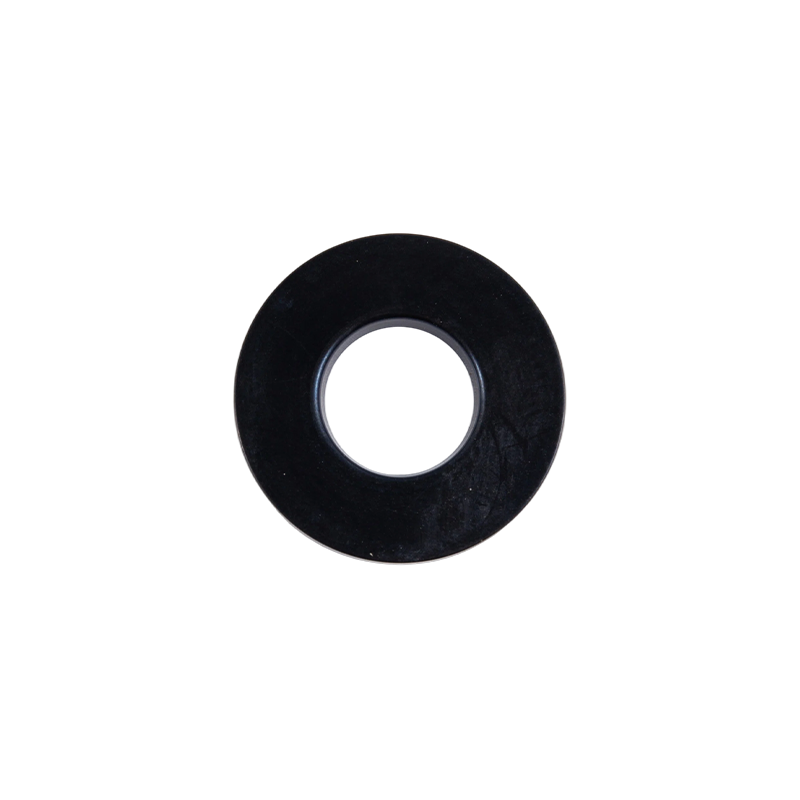
High-Temp FPM Rotary Sealing Ring
4. Comparison with General-Purpose Sealing Materials
When choosing a rotary seal, engineers commonly compare FPM with nitrile rubber, hydrogenated nitrile rubber, silicone rubber, ethylene propylene rubber, polyurethane, and other elastomers. Each material has advantages, and the correct choice depends on the application. The A-5-003’s competitive strength is its combined emphasis on thermal and chemical resistance rather than relying on a basic material suitable only for moderate conditions.
| Material type | Typical strengths | Potential considerations |
| FPM | High-temperature capability, strong resistance to many oils and chemicals, good aging performance | Compatibility must be checked for specific chemicals; compound selection is important |
| NBR | Good general oil resistance, cost efficiency, broad industrial use | Usually less suitable for severe heat and some aggressive chemical environments |
| HNBR | Improved heat, ozone, and mechanical performance compared with standard NBR | May not provide the same chemical resistance range as an appropriate FPM compound |
| EPDM | Good resistance to hot water, steam, weathering, and some polar chemicals | Generally unsuitable for many petroleum oils and fuels |
| Silicone | Wide temperature flexibility and good performance in selected static applications | May have lower abrasion and tear resistance in demanding rotary service |
| Polyurethane | Strong abrasion resistance and high mechanical strength | Temperature and chemical compatibility vary by formulation |
NBR is often selected for standard oil seals because it provides a useful balance of cost and performance. However, when temperature or chemical exposure increases, an FPM product may provide a more suitable operating margin. The A-5-003 is therefore positioned for applications where the additional material capability can justify the selection of a specialized seal.
HNBR can be a strong alternative where improved mechanical and thermal performance is needed. In some applications, however, the fluid environment may favor FPM. The decision should be based on actual compatibility data rather than general material rankings.
EPDM is useful for hot water, steam, weathering, and selected chemical conditions, but it is commonly not recommended for petroleum-based oils and fuels. This distinction illustrates why the sealing medium must be identified before selecting a product.
Silicone offers excellent flexibility over a broad temperature range, but rotary wear, tear strength, and friction behavior may make it less suitable for certain shaft applications. Polyurethane can provide outstanding abrasion resistance, yet its thermal and chemical performance depends heavily on the formulation.
The A-5-003’s advantage over a lower-specification competitor is therefore not simply that it uses a different rubber. Its advantage is the deliberate combination of FPM material with a rotary sealing design and a reinforced wear-oriented structure. The product is intended to support performance where heat, chemicals, and movement are present simultaneously.
5. Recommended Application Areas
5.1 Chemical equipment
Chemical machinery frequently exposes seals to solvents, process fluids, cleaning chemicals, and elevated temperatures. A small leak can create product contamination, environmental concerns, maintenance interruptions, or safety risks. The A-5-003 may be considered for compact rotary points in chemical equipment when FPM compatibility with the specific medium has been verified.
Potential uses include rotating shafts in mixers, compact pumps, laboratory devices, metering mechanisms, valves, and chemical processing modules. The final application must account for fluid composition, pressure, temperature, speed, and cleaning procedures.
5.2 High-speed rotary shafts
High-speed shafts create heat through friction and can intensify wear at the sealing interface. A rotary seal must maintain a stable contact pattern while controlling friction. The A-5-003 is designed specifically for rotary motion and can be evaluated for high-speed shaft sealing where its dimensions and material properties are appropriate.
High-speed applications require special attention to shaft runout, dynamic eccentricity, surface finish, lubrication, and balance. Even a high-quality seal may fail prematurely if the shaft vibrates, the housing is misaligned, or the contact surface is damaged.
5.3 Industrial machinery
Industrial machinery often operates continuously and may be exposed to oil mist, heat, dust, vibration, and cleaning fluids. A sealing ring made from FPM can provide a useful performance option when ordinary elastomers are approaching their temperature or chemical limits.
Possible equipment categories include compact gear assemblies, actuators, rotary couplings, pumps, automation modules, and specialized production machinery. Product selection should include an evaluation of operating cycles, maintenance intervals, and expected service life.
Automotive systems use sealing components in engines, transmissions, fuel systems, hydraulic systems, dampers, and rotating mechanisms. FPM is widely considered for applications involving heat and petroleum-based fluids. The A-5-003 may be relevant to selected compact assemblies if its dimensions, compound, pressure capability, and validation results meet the application requirements.
Automotive environments can include vibration, rapid temperature changes, fuel vapor, oil additives, and long service intervals. These conditions make careful material and process control especially important.
5.5 Precision and compact equipment
The small dimensions of the A-5-003 can be advantageous in equipment where space is restricted. Medical equipment, laboratory instruments, compact fluid-control systems, and specialized devices may require a seal that occupies little space while resisting heat or chemical exposure.
Such applications typically require tight dimensional control, clean manufacturing, traceability, and documented inspection. A manufacturer with product development and technical consultation capabilities can help determine whether the standard product is suitable or whether a modified version is required.
6. Engineering Factors for Correct Selection
Material and dimensions are only two parts of rotary seal selection. Engineers should also review the complete operating environment before approving the A-5-003 for production use.
6.1 Temperature
Record the minimum, normal, and maximum operating temperatures. Include start-up, shutdown, cleaning, thermal spikes, and heat transferred from nearby components. Continuous temperature and peak temperature can affect the seal differently. The selected FPM compound must be appropriate for the full thermal cycle.
6.2 Chemical medium
Identify every fluid that may contact the ring, including lubricants, fuels, solvents, cleaning agents, coolants, and process chemicals. Concentration and temperature should be included in the compatibility review. If the medium changes during operation, each stage should be assessed.
6.3 Shaft speed
Rotational speed influences frictional heat and wear. The maximum speed should be documented, along with acceleration, deceleration, reversing motion, and intermittent operation. A seal designed for continuous rotation may require different consideration when the shaft frequently starts and stops.
6.4 Pressure
The supplied information does not specify a design pressure range for the A-5-003. Pressure should therefore be confirmed with the manufacturer or engineering team before use in pressurized equipment. Pressure can alter the contact pattern, increase extrusion risk, and change friction behavior.
6.5 Shaft and housing geometry
Confirm the shaft diameter, housing bore, groove dimensions, corner radii, concentricity, and available installation space. The listed 21 mm outer diameter, 14.5 mm inner diameter, and 3.6 mm height should be compared with the approved drawing and actual component measurements.
6.6 Surface condition
The shaft surface should be free from scratches, burrs, corrosion, sharp edges, and machining marks that could damage the sealing contact. Surface finish must be suitable for the selected seal design. Excessively rough surfaces may accelerate wear, while an unsuitable surface pattern may transport fluid across the sealing interface.
6.7 Lubrication
Correct lubrication reduces friction and heat during installation and operation. The lubricant must be chemically compatible with FPM and the process medium. Inadequate lubrication can damage the sealing edge during assembly, while excessive or incompatible lubricant can affect performance.
7. Manufacturing Strengths and Process Capabilities
Ningguo Jnsseals Sealing Technology Co., Ltd. was founded in 2019 and is headquartered in Anhui, China. The company focuses on sealing technology for gas springs and dampers, as well as related O-ring and sealing products. This specialization provides a technical foundation for understanding elastomer behavior, sealing geometry, compression, friction, and long-term reliability.
The company describes itself as a high-tech enterprise with research and development capabilities, advanced production equipment, and a professional technical service team. These strengths are important for products such as the A-5-003 because rotary sealing performance depends on much more than the selection of a raw material.
7.1 Material preparation and compound control
A dependable sealing product begins with controlled raw materials. FPM compounds must be selected and prepared according to the intended temperature, chemical, mechanical, and dynamic requirements. Key considerations may include polymer grade, filler system, curing package, hardness, compression behavior, and resistance to the target medium.
Compound consistency is important because changes in hardness, elasticity, or curing behavior can affect sealing force and friction. A professional manufacturing process should control material identification, batch handling, mixing, storage, and production records. These practices support repeatability between production lots.
7.2 Mold and tooling development
Rotary sealing rings require accurate tooling because the profile directly influences contact pressure, deformation, and wear. Tooling design must account for shrinkage, parting lines, flash control, dimensional tolerances, and release from the mold.
For specialized products, tooling development may involve design review, prototype production, sample inspection, and adjustment. A manufacturer with product design and testing capabilities can refine the sealing geometry based on customer requirements and application feedback.
7.3 Controlled forming and vulcanization
Elastomer products are commonly formed and cured under controlled temperature, pressure, and time conditions. The curing process determines the final crosslink structure and strongly affects elasticity, hardness, compression set, tensile properties, and heat aging behavior.
For an FPM rotary sealing ring, stable vulcanization is especially important. Under-cured material may have insufficient strength or chemical resistance, while over-curing can affect flexibility and sealing contact. Process control helps produce rings with consistent physical properties and reliable dimensions.
7.4 Deflashing and finishing
After molding, sealing components may require trimming, deflashing, cleaning, and visual inspection. Flash or sharp remnants near the sealing contact can interfere with installation and create leakage paths. Controlled finishing ensures that the product maintains a clean and functional profile.
Small parts such as the A-5-003 require careful handling during finishing because aggressive processing can damage edges or alter dimensions. Appropriate inspection methods help identify surface defects, incomplete molding, contamination, deformation, and dimensional irregularities.
7.5 Dimensional inspection
Dimensional inspection verifies key measurements such as inner diameter, outer diameter, height, profile geometry, and critical sealing features. Measuring equipment must be suitable for the size and flexibility of the elastomer. Inspection conditions should be controlled because temperature and deformation can influence readings.
For customer-specific orders, inspection can be performed against approved drawings or technical specifications. Where the product specification includes multiple dimensions, clarification should be completed before mass production to ensure that the manufacturing and inspection references are aligned.
7.6 Performance testing
Depending on the application, testing may include hardness, tensile strength, elongation, compression set, heat aging, fluid immersion, volume change, leakage, friction, wear, and dynamic cycling. Not every test is required for every order, but test selection should reflect the actual service environment.
For rotary sealing applications, dynamic testing can be especially informative. A test assembly can evaluate leakage, temperature rise, wear behavior, and stability under representative shaft speed and lubrication conditions. Chemical immersion testing can help confirm the suitability of the selected FPM compound.
7.7 Technical consultation and customization
The company provides customized sealing solutions that may include product design, testing, and technical consultation. This support can help customers move from a general requirement to a validated sealing solution. Important inputs may include drawings, working media, operating temperature, pressure, shaft speed, installation method, expected life, and regulatory requirements.
Customization may involve changes to dimensions, profile geometry, hardness, material compound, color, packaging, inspection criteria, or testing documentation. A structured development process can reduce the risk of selecting a seal based only on nominal size.
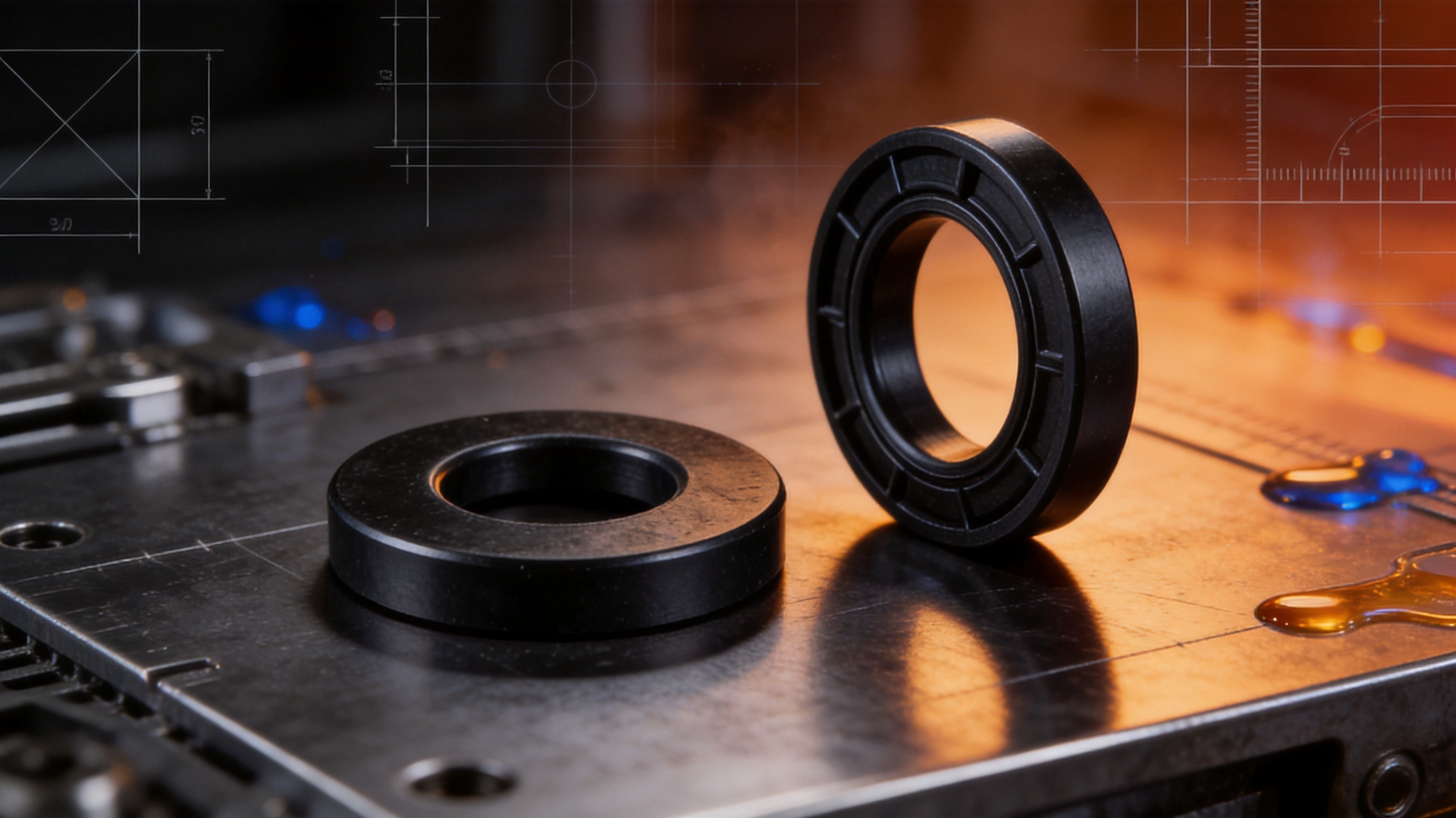
8. Quality and Reliability Considerations
Quality in sealing products is closely connected to consistency. A seal that meets the nominal dimensions but varies significantly in hardness, profile, or surface condition may not perform consistently in production equipment. Reliable manufacturing therefore requires coordination between material control, tooling, molding, finishing, inspection, packaging, and technical support.
For the A-5-003, quality evaluation should consider the following characteristics:
First, the FPM material should be identified and controlled according to the required compound. Different FPM formulations can have different low-temperature flexibility, chemical resistance, compression set, and dynamic wear behavior.
Second, the ring should be free from visible defects that could affect sealing. These may include cracks, cuts, pits, voids, excessive flash, surface contamination, and deformation.
Third, dimensions should be evaluated against the approved product drawing. The listed product information should be reconciled with the customer’s installation requirements before acceptance.
Fourth, packaging should protect the rings from dust, ozone, sunlight, excessive heat, and deformation during transport and storage. Elastomer products should not be stored under conditions that accelerate aging or cause permanent distortion.
Fifth, traceability should be maintained where the application requires it. Batch identification can help connect finished products with compound records, production conditions, inspection results, and customer orders.
These practices distinguish an engineered sealing supplier from a source that merely sells generic rubber components. The product’s competitive value includes not only its FPM material, but also the manufacturing discipline used to make each ring consistent and usable.
9. Installation Guidance
Correct installation is essential for achieving the intended performance of any rotary sealing ring. Before installation, inspect the ring, shaft, housing, groove, and surrounding parts. Confirm that the product code and dimensions match the assembly documentation.
Clean the sealing cavity and shaft. Remove metal particles, old seal fragments, dust, machining residue, and other contaminants. Do not use sharp tools that could cut the elastomer. If a tool is required, it should have smooth, rounded contact surfaces.
Inspect the shaft for scratches, burrs, corrosion, or sharp edges. Chamfer or protect edges where necessary so that the sealing ring is not cut during installation. Confirm that the shaft is correctly aligned and that the housing is not distorted.
Apply a compatible lubricant when required by the design. The lubricant should be suitable for FPM and the operating medium. Avoid assuming that every petroleum-based lubricant is automatically compatible with every FPM compound.
Install the ring evenly and avoid twisting, rolling, or overstretching it. Uneven insertion can create local distortion and an irregular contact pattern. If the ring is installed over a shaft or shoulder, use an appropriate sleeve or guide to protect the sealing surface.
After installation, rotate the shaft by hand when possible to confirm smooth movement. Check for unusual resistance, pinching, or displacement. During commissioning, observe leakage, temperature, noise, vibration, and friction behavior. Early inspection can identify installation problems before they cause major damage.
10. Maintenance and Service-Life Practices
Even a high-performance FPM rotary sealing ring requires a suitable operating environment. Maintenance personnel should monitor leakage, friction, temperature, vibration, and changes in shaft behavior. A gradual increase in leakage or operating temperature may indicate wear, contamination, misalignment, or fluid incompatibility.
Keep the surrounding equipment clean. Abrasive particles can damage the sealing contact and the shaft surface. In chemical equipment, confirm that cleaning procedures do not expose the ring to a fluid outside its compatibility range.
During scheduled maintenance, inspect the shaft and housing as well as the seal itself. Replacing the ring without correcting shaft scoring, excessive runout, poor lubrication, or misalignment may result in repeated failure.
Store replacement rings in a cool, dry, and clean environment. Protect them from direct sunlight, ozone-producing electrical equipment, excessive heat, oils, solvents, and mechanical compression. Keep products in their original packaging until they are needed for installation.
Service life cannot be predicted from material alone. It depends on temperature, speed, pressure, medium, surface condition, load, installation quality, and operating cycles. The A-5-003 is designed to provide a strong solution for demanding conditions, but application validation remains the best way to establish a realistic replacement interval.
11. Custom Sealing Solutions from a Specialized Manufacturer
Many sealing challenges cannot be solved by selecting a catalog item based only on diameter. A shaft may have a nonstandard size, a housing may provide limited installation space, or the chemical medium may require a particular compound. In such cases, engineering collaboration can be more effective than adapting an unsuitable standard part.
Ningguo Jnsseals Sealing Technology Co., Ltd. supports customized sealing solutions, including product design, testing, and technical consultation. This model allows customers to communicate the complete application rather than only requesting a material or nominal size.
A typical technical discussion may include the following information:
Application equipment and function: identify whether the ring is used in a pump, actuator, damper, chemical instrument, rotary coupling, or another assembly.
Movement: specify continuous rotation, intermittent rotation, oscillation, reciprocation, or a combination of movements.
Speed: provide normal and maximum rotational speed, including acceleration and start-stop cycles.
Media: list oils, fuels, solvents, process chemicals, water, steam, cleaning agents, and any mixtures.
Temperature: provide minimum, normal, maximum, and transient temperatures.
Pressure: identify operating pressure, pressure peaks, differential pressure, and vacuum conditions if applicable.
Dimensions: provide shaft diameter, housing bore, groove geometry, installation clearance, and drawing tolerances.
Performance requirements: define leakage limits, target service life, friction requirements, inspection standards, and packaging needs.
This information allows the manufacturer to evaluate whether the A-5-003 is suitable as supplied or whether a modified solution is more appropriate. It also supports more meaningful testing and reduces the risk of unplanned field performance.
12. The Role of Research and Development
Sealing technology is an applied engineering discipline. Material science, mechanical design, processing technology, tribology, fluid compatibility, and quality control all influence product performance. A company focused on research and development can combine these areas to address complex customer requirements.
For gas springs, dampers, and related sealing systems, the manufacturer must understand how pressure, movement, temperature, friction, and long-term compression affect elastomers. This experience can be transferred to specialized rotary rings such as the A-5-003.
Research and development also supports improvements in mold design, material formulation, dimensional accuracy, and testing methods. As customers request higher speeds, longer service intervals, lower friction, or greater chemical resistance, product development becomes an important competitive factor.
The company’s stated commitment to innovation and technical service reflects the need for continuous improvement in the sealing industry. A supplier that can provide consultation and testing is better positioned to support the complete product life cycle, from initial design to production and field maintenance.
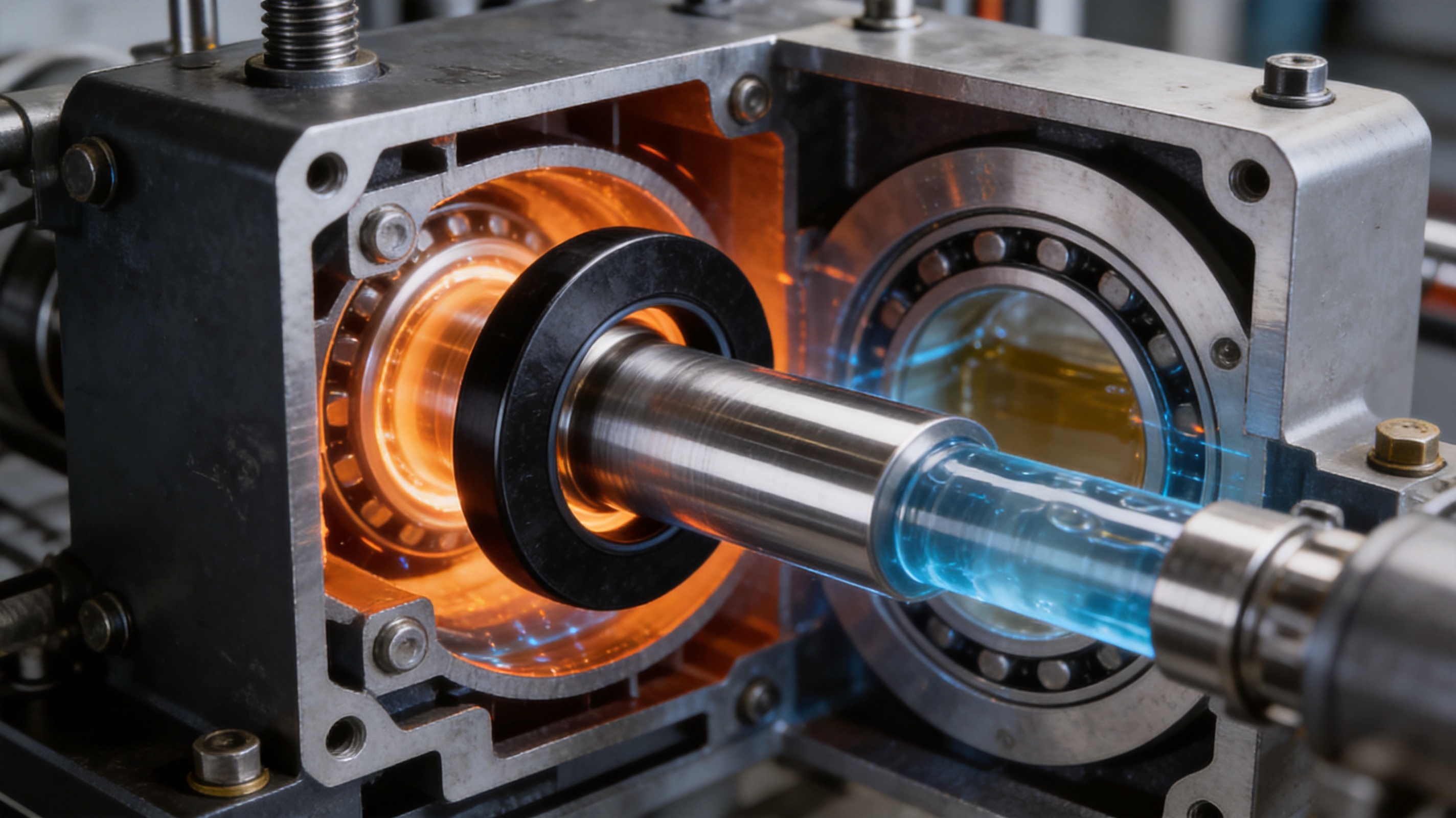
13. Advantages for International Buyers
International buyers often need more than a component shipment. They require clear product identification, reliable communication, consistent dimensions, technical documentation, responsive customization, and dependable delivery coordination. A specialized sealing manufacturer can provide value by integrating these requirements into a structured supply process.
The A-5-003 has a defined product code, listed dimensions, identified FPM material, and a clear rotary application focus. These details help purchasing and engineering teams distinguish the product from visually similar but technically different components.
For repeat orders, dimensional consistency and batch traceability can simplify inventory control. For new projects, technical consultation can help identify the appropriate material and profile before tooling or production decisions are finalized.
The company’s location in Ningguo City, Anhui Province, China, provides a manufacturing base for supplying sealing products to customers in automotive, furniture, home appliance, medical equipment, construction, and other sectors. Its stated product development and technical service capabilities are relevant to buyers seeking both standard and customized sealing solutions.
14. Practical Selection Checklist
Before ordering the A-5-003, confirm the following points with the application engineer or supplier:
Confirm that the product is intended for rotary movement rather than static sealing or reciprocating movement.
Confirm the actual shaft and housing dimensions against the listed 21 mm outer diameter, 14.5 mm inner diameter, and 3.6 mm height.
Clarify the meaning of the 15*21*3.6 product specification if the first dimension is critical to installation.
Verify that the selected FPM compound is compatible with the operating fluid and cleaning chemicals.
Provide minimum, normal, and maximum temperature information.
Provide shaft speed, pressure, lubrication, surface finish, and expected operating cycle.
Confirm whether the application requires additional testing, inspection reports, batch identification, or special packaging.
Review the installation method and identify any sharp edges, splines, keyways, or shoulders that could damage the ring.
Evaluate whether a standard A-5-003 is appropriate or whether a customized design is required.
This checklist helps prevent common sealing failures caused by incomplete application information. It also enables the manufacturer to recommend a product based on engineering conditions rather than nominal dimensions alone.
15. Frequently Asked Questions
Q1: What is the A-5-003 High-Temp FPM Rotary Sealing Ring?
The A-5-003 is a compact rotary sealing ring made from FPM fluoroelastomer. It is designed for rotary motion and emphasizes resistance to elevated temperatures, corrosive solvents, and rotational wear.
Q2: What material is used in the product?
The listed material is FPM. FPM is a fluoroelastomer commonly selected for high-temperature service and resistance to many oils, fuels, hydrocarbons, and chemical fluids.
Q3: What are the listed dimensions?
The listed outer diameter is 21 mm, the inner diameter is 14.5 mm, and the height is 3.6 mm. The product specification is also shown as 15*21*3.6. Because the first value may require interpretation, customers should confirm the approved drawing and installation dimensions before ordering.
Q4: Is the product suitable for static sealing?
The product is specifically engineered for rotary motion. It may not be the best choice for a purely static application unless the design has been reviewed and approved for that use. A static gasket or O-ring may be more appropriate in some assemblies.
Q5: Can it be used with every chemical solvent?
No elastomer is compatible with every chemical. FPM provides strong resistance to many solvents and industrial fluids, but compatibility depends on the chemical type, concentration, temperature, pressure, and exposure duration. Testing or technical confirmation is recommended for unfamiliar media.
Q6: Is FPM better than NBR in every application?
No. NBR can be an economical and effective material for many general oil-sealing applications. FPM is generally considered when higher temperature capability or broader chemical resistance is required. The best material depends on the actual operating conditions.
Q7: Can the product be used on a high-speed shaft?
The product is designed for rotary sealing and described as reinforced for rotational wear, so it can be evaluated for high-speed shaft applications. The actual allowable speed depends on shaft diameter, lubrication, pressure, temperature, surface finish, runout, and product design. Application validation is recommended.
Q8: Does the supplied information include a pressure rating?
No design pressure range is provided in the available product information. Pressure capability should be confirmed with the manufacturer based on the complete sealing arrangement and operating conditions.
Q9: Can the manufacturer provide customized sealing rings?
The company provides customized sealing solutions, including product design, testing, and technical consultation. Customers should provide drawings and operating data so the material, profile, and dimensions can be evaluated for the intended application.
Q10: What industries can use this type of product?
Potential industries include chemical equipment, automotive systems, industrial machinery, fluid-handling equipment, compact rotary devices, medical equipment, construction equipment, home appliances, and specialized mechanical assemblies. Suitability must be confirmed for each application.
Q11: How should the ring be stored?
Store it in a cool, dry, clean location away from direct sunlight, ozone sources, excessive heat, oils, solvents, and mechanical deformation. Keep it in its original packaging until installation.
Q12: What should be checked before installation?
Inspect the ring for cuts, cracks, deformation, contamination, and excess flash. Check the shaft, housing, groove, surface finish, alignment, and installation edges. Use a compatible lubricant where required and avoid twisting or overstretching the ring.
Q13: What makes the product different from a generic rubber ring?
The A-5-003 combines FPM material with a rotary-oriented sealing design and reinforcement intended to address rotational wear. Its value is based on the combination of material resistance, geometry, and application focus rather than on material alone.
Q14: Can the product reduce maintenance requirements?
A properly selected and installed FPM rotary sealing ring may help reduce premature replacement caused by heat, chemical attack, or wear. Maintenance frequency still depends on the equipment, operating conditions, contamination, installation quality, and service requirements.
Q15: What information should be sent when requesting a quotation?
Provide the product code, required quantity, dimensions, application description, shaft speed, pressure, temperature, chemical medium, lubrication, drawing, testing requirements, packaging requirements, and delivery expectations. Complete information improves technical evaluation and quotation accuracy.
16. Conclusion
The A-5-003 High-Temp FPM Rotary Sealing Ring is designed for applications where ordinary sealing materials may not provide a sufficient combination of thermal stability, chemical resistance, and rotational wear performance. Its FPM construction makes it a strong candidate for chemical equipment, high-speed rotary shafts, industrial machinery, and compact assemblies exposed to demanding operating conditions.
The product’s listed 21 mm outer diameter, 14.5 mm inner diameter, and 3.6 mm height provide a defined starting point for selection, while the specification should be confirmed against the approved technical drawing. Because rotary sealing performance depends on speed, pressure, temperature, lubrication, surface finish, and alignment, engineering evaluation should accompany dimensional selection.
Ningguo Jnsseals Sealing Technology Co., Ltd. adds value through its focus on sealing technology, research and development capabilities, advanced production equipment, testing support, and professional technical service. Its experience with gas springs, dampers, O-rings, and related sealing products supports a practical understanding of elastomeric sealing challenges.
For buyers seeking a compact FPM rotary sealing solution, the A-5-003 offers a focused alternative to general-purpose sealing components. Its strongest competitive advantages are the combination of high-temperature material performance, resistance to many corrosive solvents, reinforcement for rotational wear, and access to customized technical support when a standard component does not fully meet the application.
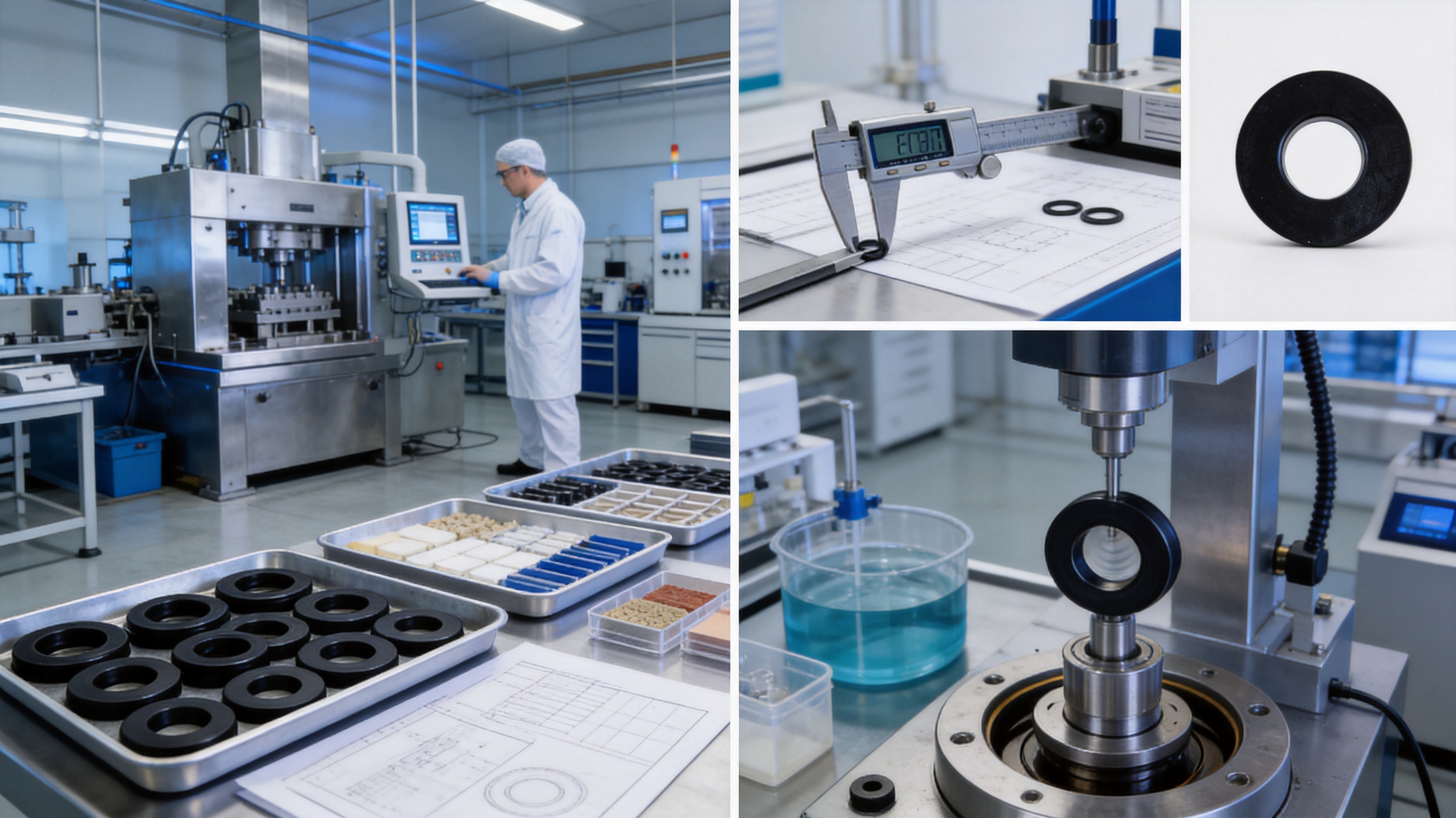
References
1. Product specification information for A-5-003 High-Temp FPM Rotary Sealing Ring, including dimensions, material, and product code.
2. Ningguo Jnsseals Sealing Technology Co., Ltd. company information regarding sealing technology, research and development, manufacturing equipment, testing, and technical consultation.
3. ISO 3601, Fluid Power Systems—O-Rings, for general principles relating to elastomeric sealing components and dimensional control.
4. ISO 6194, Rotary Shaft Lip-Type Sealing Rings Incorporating Elastomeric Sealing Elements, for general considerations related to rotary shaft sealing components.
5. ASTM D1418, Standard Practice for Rubber and Rubber Latices—Nomenclature, for polymer designation terminology including fluoroelastomer classifications.
6. ASTM D471, Standard Test Method for Rubber Property—Effect of Liquids, for evaluating elastomer behavior after exposure to service fluids.
7. General engineering principles of elastomer compatibility, dynamic sealing, shaft surface preparation, lubrication, and installation control.
Product: High-Temp FPM Rotary Sealing Ring




Want to know more
about us?
about us?

Precision sealing for gas springs and dampers. Durable, wear-resistant, and built for long-life performance in demanding applications.
Product Categories
Quick Links
Contact Us
-
Email: jns@jnsseals.cn

-
Manager Gong: +86-18563770820

-
Manager Wang: +8615357558902
-
No. 5, Meilin Avenue, Meilin Industrial Development Zone, Ningguo City, Anhui Province, China

