

 English
 русский
 Deutsch
 Türk
Türk 中文简体
中文简体
14.8 mm Robust Piston Seal: A High-Performance NBR Solution for Gas Springs and Dampers
14.8 mm Robust Piston Seal: A High-Performance NBR Solution for Gas Springs and Dampers
14.8 mm Robust Piston Seal: A High-Performance NBR Solution for Gas Springs and Dampers
14.8 mm Robust Piston Seal: A High-Performance NBR Solution for Gas Springs and Dampers
14.8 mm Robust Piston Seal: A High-Performance NBR Solution for Gas Springs and Dampers
14.8 mm Robust Piston Seal: A High-Performance NBR Solution for Gas Springs and Dampers
14.8 mm Robust Piston Seal: A High-Performance NBR Solution for Gas Springs and Dampers
14.8 mm Robust Piston Seal: A High-Performance NBR Solution for Gas Springs and Dampers
14.8 mm Robust Piston Seal: A High-Performance NBR Solution for Gas Springs and Dampers
14.8 mm Robust Piston Seal: A High-Performance NBR Solution for Gas Springs and Dampers
14.8 mm Robust Piston Seal: A High-Performance NBR Solution for Gas Springs and Dampers
14.8 mm Robust Piston Seal: A High-Performance NBR Solution for Gas Springs and Dampers
14.8 mm Robust Piston Seal: A High-Performance NBR Solution for Gas Springs and Dampers
14.8 mm Robust Piston Seal: A High-Performance NBR Solution for Gas Springs and Dampers
14.8 mm Robust Piston Seal: A High-Performance NBR Solution for Gas Springs and Dampers
14.8 mm Robust Piston Seal: A High-Performance NBR Solution for Gas Springs and Dampers

Fang Zhiqing — International Product Sales Manager
Home / Author / Fang Zhiqing — International Product Sales Manager / 14.8 mm Robust Piston Seal: A High-Performance NBR Solution for Gas Springs and Dampers
NEW Category
Contact us
14.8 mm Robust Piston Seal: A High-Performance NBR Solution for Gas Springs and Dampers
Content
- 1 Introduction
- 2 Product Overview and Key Specifications
- 3 Y-Type Geometry and Sealing Function
- 4 Material Advantages of NBR
- 5 Performance in High-Vibration Applications
- 6 Advantages Compared with General-Purpose Alternatives
- 7 Manufacturing and Engineering Strengths
- 8 Production Process for a Precision Elastomer Seal
- 9 Application Areas
- 10 Installation and Design Considerations
- 11 Quality, Reliability, and Lifecycle Value
- 12 Customization and Technical Cooperation
- 13 Why Choose a Specialized Sealing Manufacturer?
- 14 Purchasing and Qualification Recommendations
- 15 Frequently Asked Questions
- 15.1 What type of seal is the A-1-011?
- 15.2 What are the main dimensions?
- 15.3 What material is used?
- 15.4 What pressure or force range is specified?
- 15.5 Can the seal be used in high-vibration equipment?
- 15.6 Is self-lubrication available?
- 15.7 Can the product be customized?
- 15.8 Is NBR suitable for every fluid?
- 15.9 How should the seal be installed?
- 15.10 Why is application testing important?
- 16 Conclusion
- 17 References
- 18 Product: 14.8mm Robust Piston Seal
Introduction
Reliable sealing is essential in gas springs, dampers, actuators, and other compact mechanical systems where pressure, vibration, movement, and limited installation space occur at the same time. A seal must maintain contact with its mating surfaces, resist wear, control leakage, and continue functioning after repeated compression and reciprocating motion. Even a small sealing component can determine whether an assembly operates smoothly, safely, and consistently.
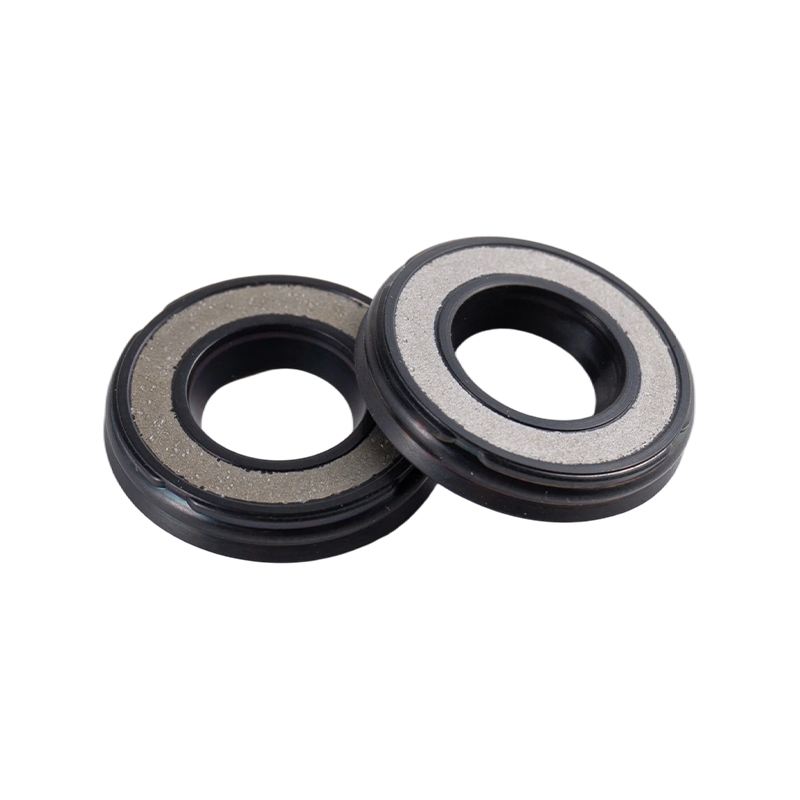
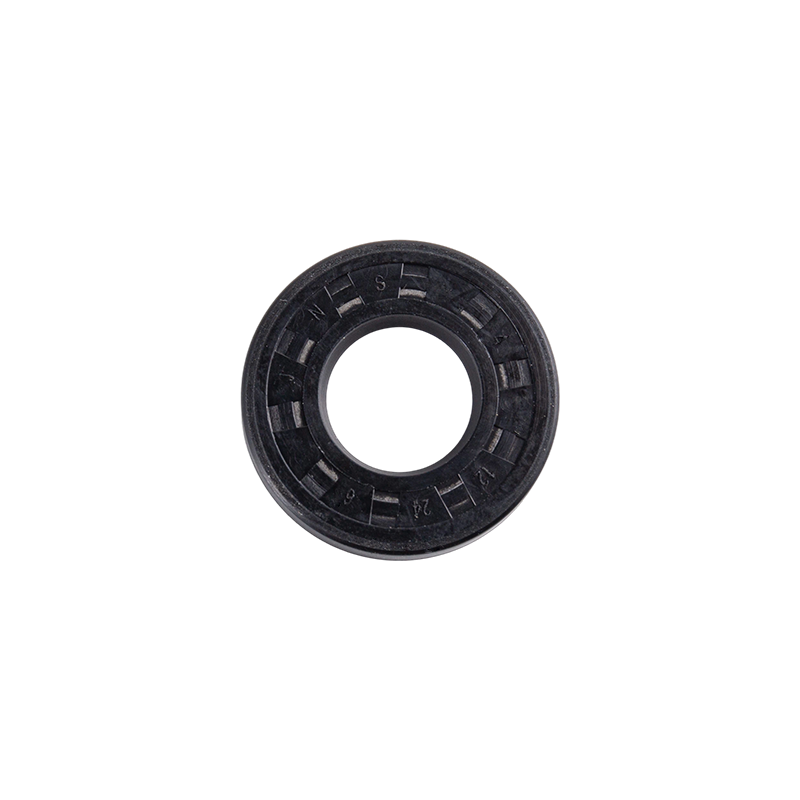
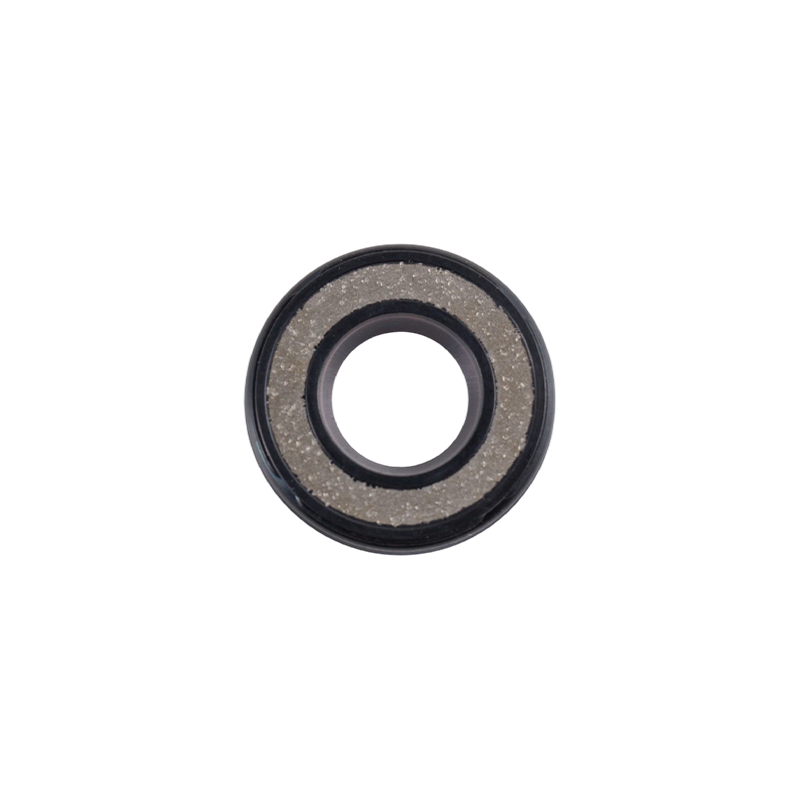
The 14.8 mm Robust Piston Seal, identified by product code A-1-011, is a Y-type oil seal ring developed for demanding piston and rod applications. It has an outside diameter of 14.8 mm, an inside diameter of 5.2 mm, and a height of 3.5 mm. Manufactured from NBR, the seal is designed for a stated applicable pressure range of 10-500 N and is intended for high-vibration zones. Its design emphasizes tight bore engagement, shock resistance, long service life, and the possibility of optional self-lubrication.
This product is part of a sealing technology portfolio developed for gas springs, dampers, and related applications. Its compact dimensions make it suitable for assemblies where installation space is restricted and dimensional accuracy is important. At the same time, its Y-type profile supports stable sealing contact during piston movement and helps the component adapt to changing operating conditions.
This article examines the construction, performance characteristics, material selection, manufacturing strengths, application value, and customization potential of the 14.8 mm Robust Piston Seal. It also explains how the product compares with more general-purpose sealing alternatives and what buyers should consider before specifying it for a new or replacement application.
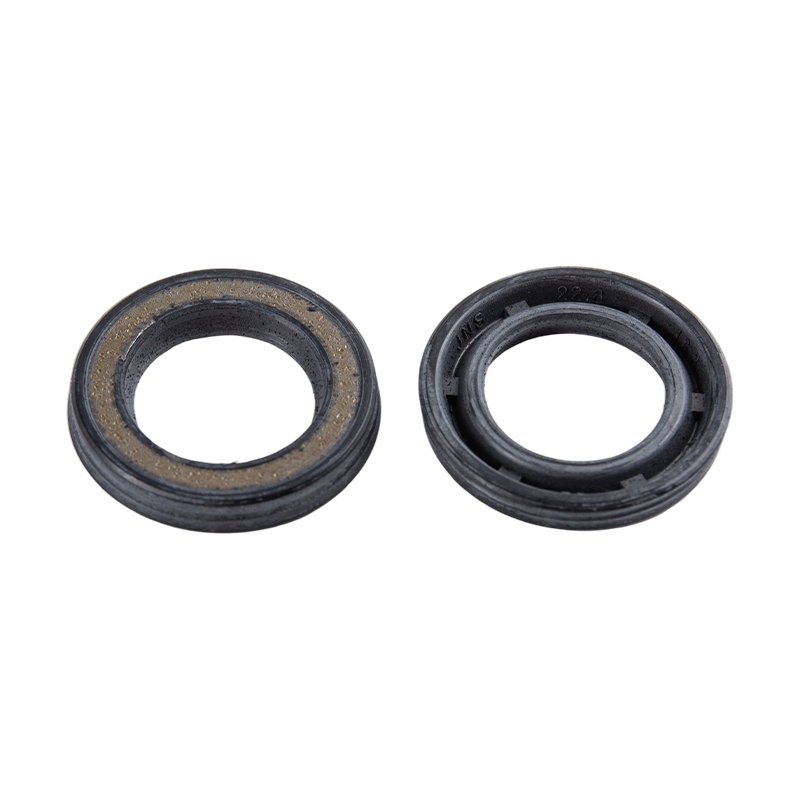
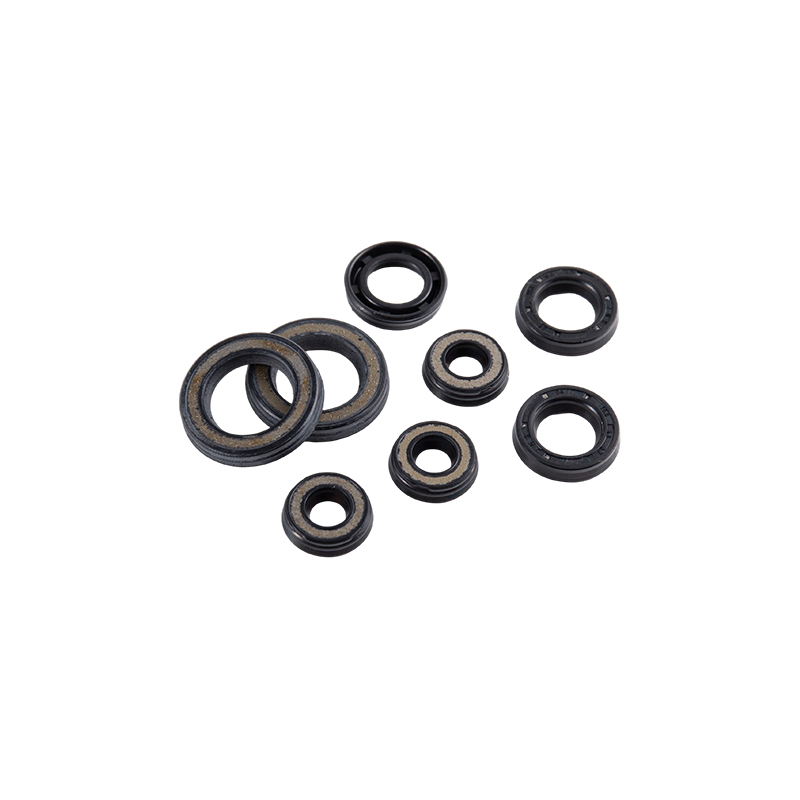
14.8mm Robust Piston Seal
Product Overview and Key Specifications
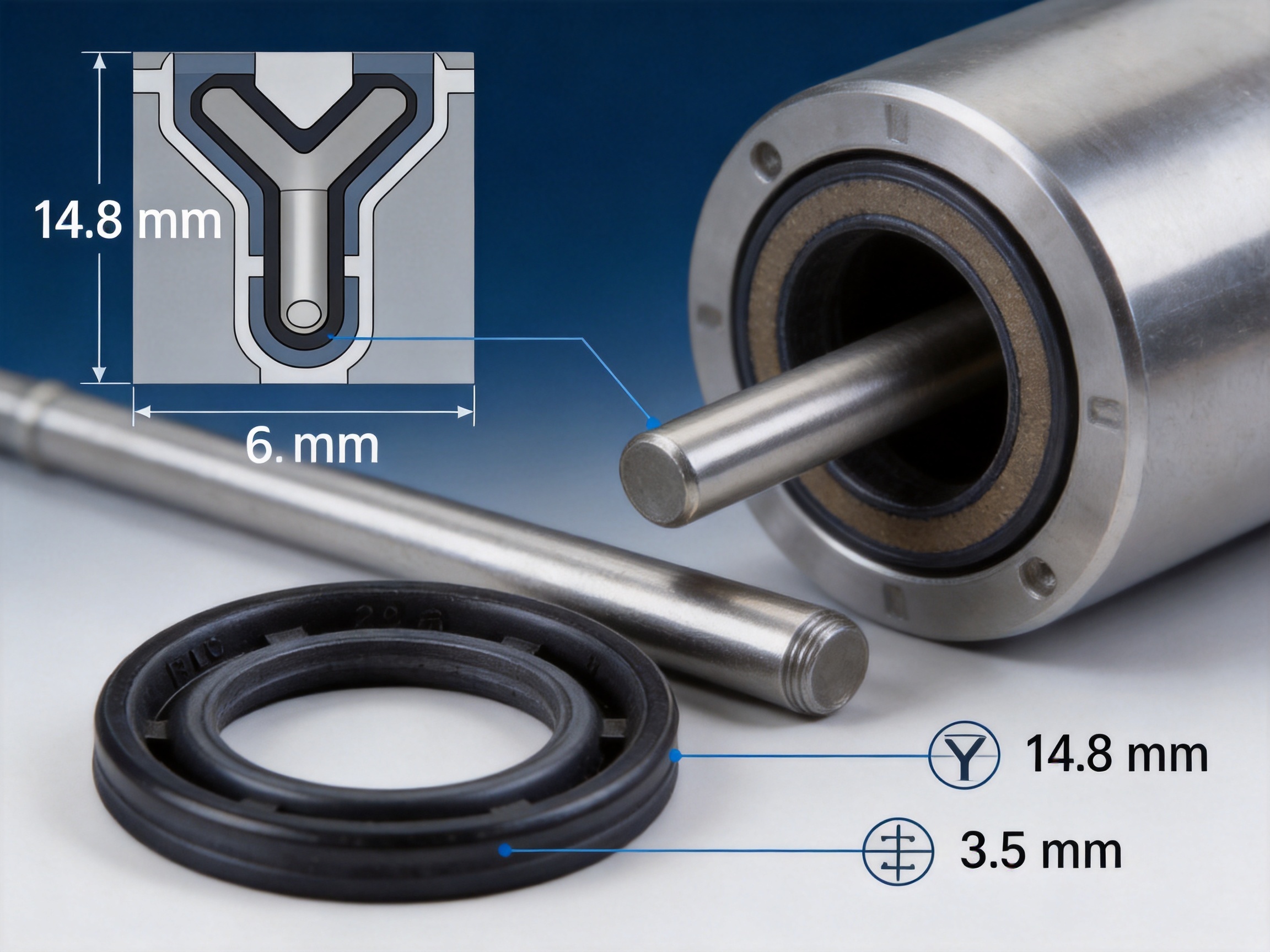
The A-1-011 is a compact Y-type oil seal ring for piston and rod assemblies. Its basic dimensions are important because the seal must correspond accurately with the housing, piston rod, groove, and surrounding components. The listed product specification is 14.8 × 5.2 × 3.5 mm, representing the outside diameter, inside diameter, and height respectively.
| Item | Specification |
| Product name | 14.8 mm Robust Piston Seal |
| Product code | A-1-011 |
| Seal type | Y-type oil seal ring |
| Outside diameter | 14.8 mm |
| Inside diameter | 5.2 mm |
| Height | 3.5 mm |
| Material | NBR |
| Design applicable pressure range | 10-500 N |
| Listed steel pipe inner diameter and piston rod diameter | 14 mm × 6 mm |
| Lubrication option | Optional self-lubrication, subject to application confirmation |
| Primary application focus | Gas springs, dampers, piston and rod sealing assemblies |
These specifications should be reviewed together rather than individually. A seal’s performance does not depend only on its nominal diameter. Groove geometry, rod surface finish, housing tolerances, stroke length, temperature, fluid type, assembly method, and pressure behavior all influence the final result. The listed dimensions provide the starting point for selection, while application validation confirms whether the design is suitable for a particular assembly.
The product description identifies the seal as suitable for high-vibration zones and a 10-500 N operating design range. This makes it relevant to mechanisms exposed to repeated movement, impact, or fluctuating load. The term “robust” reflects the product’s intended resistance to shock and demanding service conditions, but buyers should still confirm the exact force, speed, temperature, and media conditions of the application before production release.
Y-Type Geometry and Sealing Function
A Y-type seal ring generally uses a profile with sealing lips or branches that form contact points against the mating surfaces. This geometry can provide a controlled sealing interface while maintaining a compact cross-section. In piston and rod applications, the profile is expected to maintain contact during movement without creating unnecessary friction or excessive deformation.
The inner sealing area interacts with the piston rod, while the outer portion engages with the housing or bore. When installed correctly, the profile can help limit the passage of oil, grease, gas, or other working media. The actual sealing behavior depends on the selected material, interference, pressure direction, surface condition, and installation design.
Compared with a simple flat gasket, a Y-type piston seal is designed specifically for dynamic or semi-dynamic sealing. A flat gasket may perform effectively between stationary flanges, but it is not always optimized for a moving rod. The Y-type profile is more suitable where the rod travels through the seal or where pressure changes repeatedly act on the sealing edges.
The compact 3.5 mm height is also valuable in small assemblies. Designers of gas springs and dampers often have limited space inside the tube or end fitting. A low-profile seal can help preserve room for other components while still providing a dedicated sealing interface. This compactness can support lighter and more economical assemblies when combined with an appropriately designed groove.
Correct orientation is critical. Depending on the pressure direction and housing design, a Y-type seal may need to face a particular way. Incorrect orientation can reduce sealing contact, increase leakage risk, or cause premature wear. Assembly drawings should therefore specify the seal direction, insertion method, lubrication condition, and inspection requirements.
Material Advantages of NBR
The A-1-011 is made from NBR, or nitrile butadiene rubber. NBR is widely used for oil seals, O-rings, piston seals, and other elastomeric components because it offers a practical balance of oil resistance, elasticity, mechanical strength, and cost effectiveness.
For gas spring and damper applications, NBR can be a suitable material where the sealing medium is compatible with nitrile rubber and the working temperature remains within the selected compound’s range. Its resistance to many petroleum-based oils makes it useful for systems that depend on lubricating oil or hydraulic-type fluids. It also provides the flexibility needed to maintain contact during repeated mechanical movement.
NBR is often preferred for general industrial sealing because it is available in a wide range of hardness grades and formulations. A manufacturer can adjust the compound to support different requirements, such as improved wear resistance, stronger compression resistance, lower friction, or better low-temperature performance. The exact compound should be confirmed for each project because “NBR” describes a material family rather than one single universal formulation.
One advantage of using NBR in this product is the balance between performance and procurement efficiency. Compared with specialized elastomers that may be required for extreme chemical or temperature environments, NBR can provide an economical solution for standard oil-based applications. This can help reduce total component cost without sacrificing the basic sealing functions required by many gas springs and dampers.
However, NBR is not automatically suitable for every medium or environment. Strong acids, certain solvents, aggressive fuels, ozone-rich environments, and extended exposure to very high temperatures may require HNBR, FPM, or another elastomer. Application engineers should assess compatibility rather than selecting material based only on price or nominal seal size.
Performance in High-Vibration Applications
Vibration can create a difficult environment for small sealing components. Repeated movement may cause the seal to shift, deform, rub against the rod, or lose stable contact with the housing. Shock loads can further increase the risk of lip damage, extrusion, or accelerated wear.
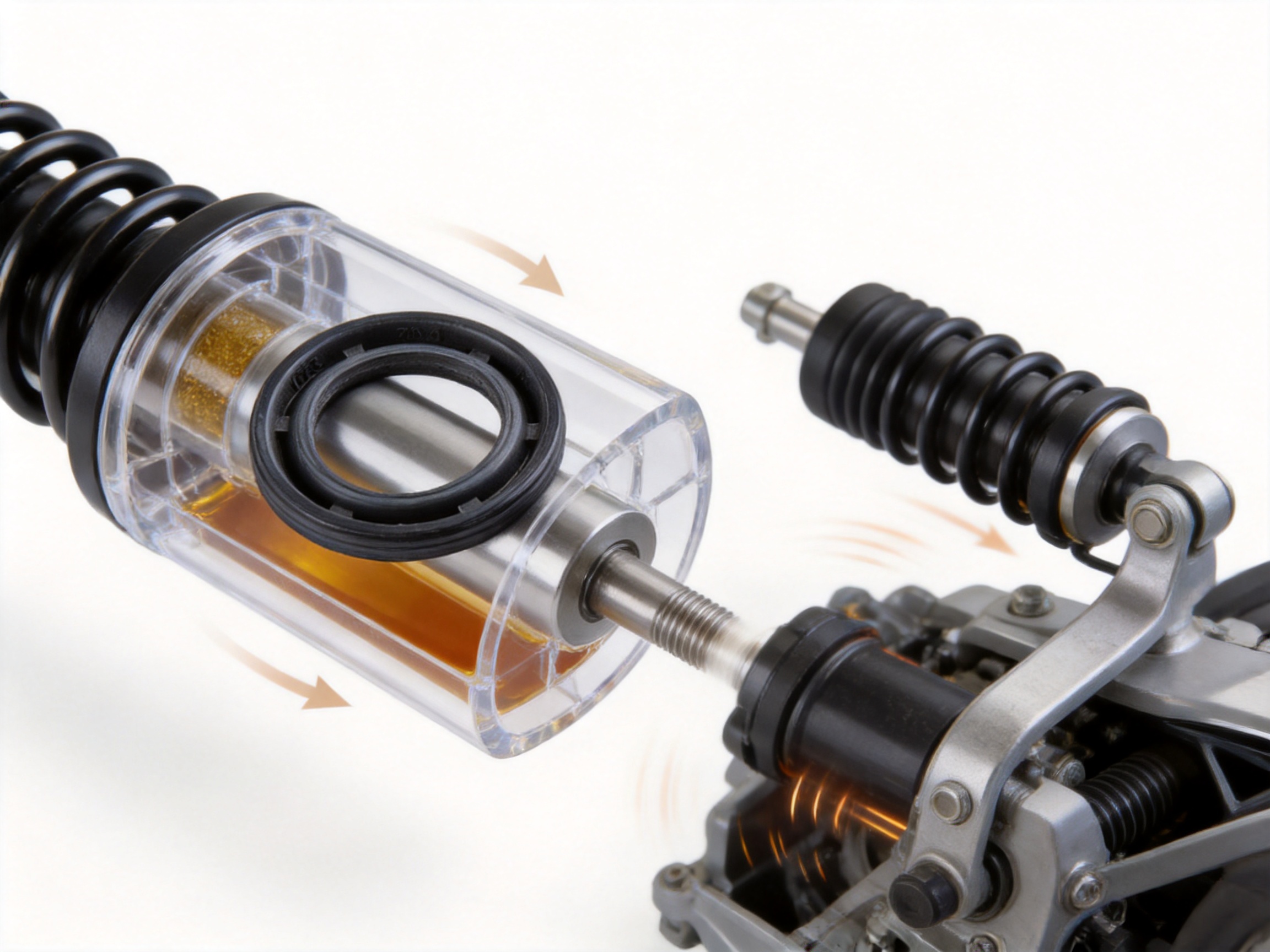
The A-1-011 is described as being developed for high-vibration zones and as having excellent shock resistance. Its Y-type geometry, compact profile, and NBR construction are intended to support stable operation under repeated movement. A properly installed seal can help reduce leakage while accommodating the mechanical motion of the piston rod.
Shock resistance is particularly important in furniture gas springs, automotive support systems, dampers, and equipment where the mechanism may experience sudden loading. In these applications, the seal must not only resist gradual wear but also tolerate short-duration force changes. The product’s stated 10-500 N design range makes it relevant to systems with relatively low to moderate operating forces, subject to detailed engineering confirmation.
Vibration performance is influenced by the complete assembly. A seal cannot compensate for a badly finished rod, a damaged bore, excessive radial runout, or an incorrectly sized groove. The piston rod should be smooth, clean, and free of burrs. The housing should maintain adequate support around the seal. Alignment should be controlled so that the rod does not impose uneven loading on one side of the sealing profile.
For production applications, endurance testing is recommended. Testing may include repeated strokes, vibration exposure, pressure cycling, temperature cycling, leakage inspection, and post-test dimensional evaluation. Such validation can identify whether the A-1-011 remains stable throughout the expected service life.
Advantages Compared with General-Purpose Alternatives
The 14.8 mm Robust Piston Seal offers several practical advantages compared with generic sealing components that are not specifically selected for piston and damper applications.
Application-Oriented Profile
The Y-type configuration is intended for sealing around moving components rather than simply closing a static joint. This application orientation can provide more appropriate contact behavior for piston rods and dynamic assemblies than a basic flat gasket or an incorrectly selected O-ring.
Compact Dimensional Design
With a 14.8 mm outside diameter and 3.5 mm height, the product is suitable for compact mechanisms. A smaller seal can help designers manage limited internal space, reduce the size of adjacent components, and simplify integration into narrow tubes or end fittings.
Balance of Strength and Flexibility
NBR provides flexibility for sealing contact while retaining useful mechanical strength. This balance is important in moving applications because a seal that is too soft may deform or wear quickly, while a seal that is too rigid may generate excessive friction or fail to conform to small surface irregularities.
Suitability for Vibration and Shock
The product is specifically described for high-vibration zones and shock resistance. This positioning differentiates it from low-cost general-purpose rings that may be intended only for relatively stable, low-motion conditions. The A-1-011 is therefore a more focused choice for gas springs, dampers, and similar mechanisms that experience repeated dynamic loading.
Potential for Self-Lubrication
The product description identifies optional self-lubrication. This feature may help reduce friction and support smoother motion when the application requires it. The final lubrication approach should be confirmed with the manufacturer because lubricant selection must be compatible with the NBR compound, working medium, temperature, rod material, and service conditions.
Product Identification and Repeatability
The product code A-1-011 and defined dimensional specification support easier purchasing, production control, and replacement management. Clear identification is especially useful for manufacturers that operate multiple seal sizes and need to prevent mixing between similar-looking components.
These advantages do not mean that one seal is universally superior to every alternative. The most suitable seal depends on the application. An FPM seal may be preferable at high temperature, an HNBR seal may be selected for demanding mechanical or chemical conditions, and a specialized dynamic seal may be required for high-speed hydraulic equipment. The A-1-011 is strongest when its NBR material, dimensions, pressure range, and Y-type design match the actual operating environment.
Manufacturing and Engineering Strengths
The product is supplied by Ningguo Jnsseals Sealing Technology Co., Ltd., a high-tech enterprise founded in 2019 and headquartered in Anhui, China. The company focuses on sealing technology for gas springs, dampers, and related O-ring products. Its stated capabilities include research and development, advanced production equipment, product testing, technical consultation, and customized sealing solutions.
For a precision elastomer component, manufacturing quality depends on more than the material recipe. It also depends on mold design, compound preparation, molding control, trimming, inspection, storage, and shipment management. A manufacturer with dedicated sealing expertise can coordinate these stages more effectively than a general rubber processor that lacks experience with dynamic sealing applications.
Research and Development Capability
The company’s focus on gas springs and dampers gives its engineering work a clear application direction. Seals for these products must account for compact dimensions, reciprocating movement, pressure behavior, vibration, and long-term reliability. Product development can therefore be guided by actual equipment requirements rather than by size catalogues alone.
Research and development may include profile optimization, material selection, dimensional adjustment, friction evaluation, and application testing. When a customer has a special piston rod, tube, pressure range, or assembly method, an engineering-led approach can help identify the required changes before mass production.
Advanced Production Equipment
The company states that it operates advanced production equipment. For sealing products, modern equipment can support more consistent molding pressure, temperature control, cycle repeatability, and dimensional stability. Consistent processing is important because small variations in lip geometry or seal height can influence assembly force and leakage behavior.
Equipment capability should be supported by process control. Production personnel need to monitor compound batches, mold condition, curing parameters, trimming quality, and inspection results. A stable process helps ensure that products from different production lots maintain comparable dimensions and performance.
Testing and Technical Validation
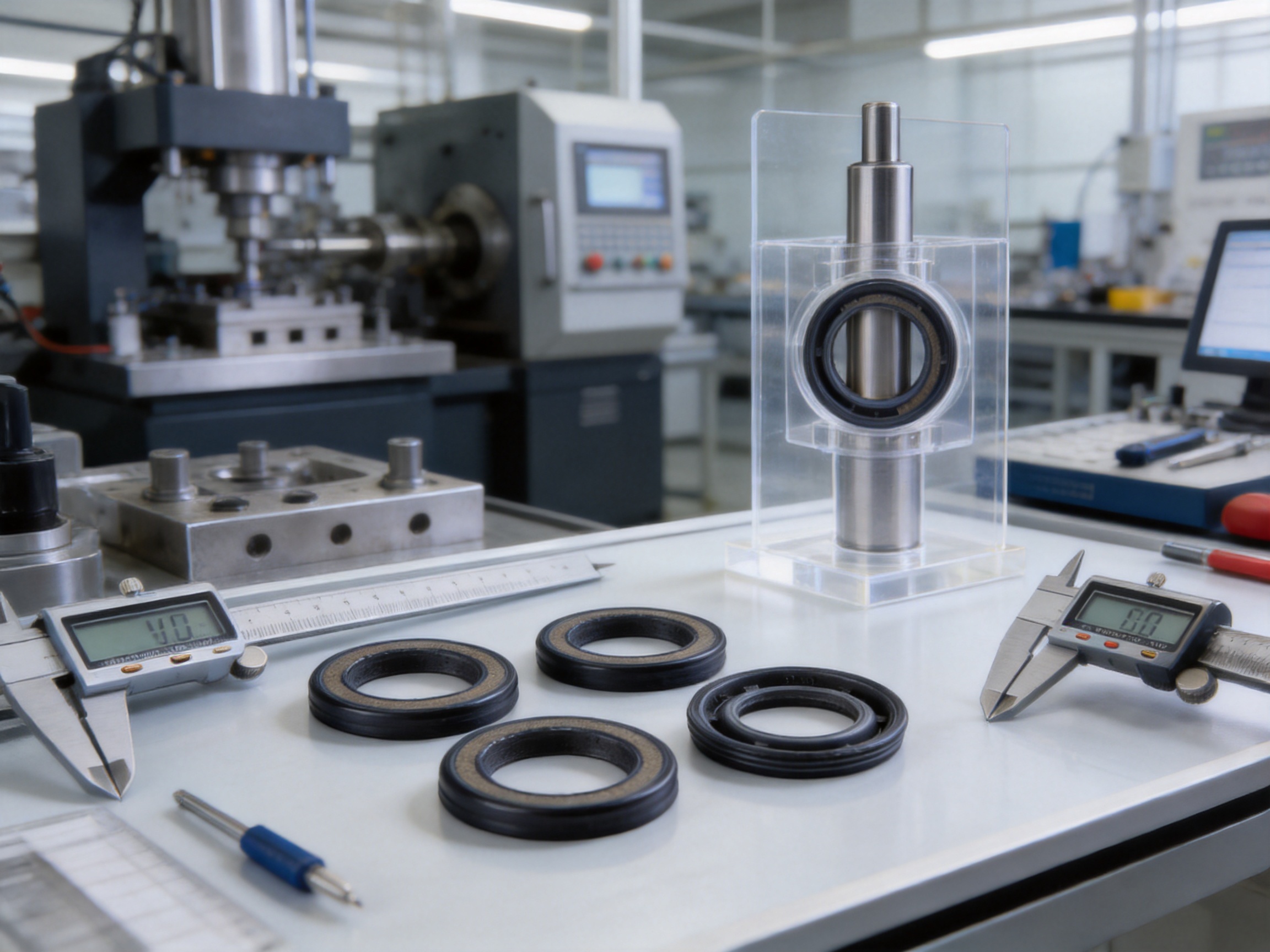
Testing is an essential part of sealing development. The company describes its business as including product testing and technical consultation. Testing can be used to assess material behavior, compression, leakage, friction, aging, and resistance to repeated movement.
For the A-1-011, relevant evaluation may include dimensional inspection, visual inspection, rod-sealing tests, pressure cycling, vibration testing, and endurance trials. The precise test plan should be adapted to the customer’s equipment. A gas spring used in furniture may require a different validation cycle from a damper used in an automotive or industrial mechanism.
Customized Sealing Solutions
Customization is a significant strength when a standard seal does not fully match an application. The company provides product design, testing, and technical consultation. This can support changes to outside diameter, inside diameter, height, sealing lip geometry, material formulation, hardness, color, or lubrication characteristics, subject to feasibility and order requirements.
Customized development is most effective when the customer supplies complete technical information. Useful data includes the housing dimensions, rod diameter, pressure or force range, working medium, temperature, stroke, speed, vibration profile, expected service life, and assembly process. With this information, the manufacturer can evaluate whether the standard A-1-011 is suitable or whether a modified design is more appropriate.
Production Process for a Precision Elastomer Seal
Although exact internal process parameters are determined by the manufacturer and material formulation, the production of a product such as the A-1-011 generally involves several controlled stages.
1. Design and Drawing Review
The process begins with review of the seal profile, dimensions, tolerances, pressure direction, and installation conditions. For a Y-type seal, the shape of the sealing branches must be evaluated carefully because small profile changes can affect contact pressure, friction, and resistance to deformation.
At this stage, the manufacturer may review the listed 14.8 mm outside diameter, 5.2 mm inside diameter, and 3.5 mm height against the customer’s bore and piston rod. The supplied application information identifies a 14 mm steel pipe inner diameter and a 6 mm piston rod diameter. Because these values may be reference dimensions for a particular assembly, the final installation drawing should be checked before production.
2. Material and Compound Preparation
NBR raw material is combined with selected additives to obtain the required processing and performance characteristics. These may include curing agents, reinforcing materials, stabilizers, plasticizers, and other formulation components. The compound must be mixed uniformly to reduce variation between parts.
Material preparation influences elasticity, hardness, tensile strength, compression behavior, wear resistance, and compatibility with the working medium. For an application requiring optional self-lubrication, the formulation or post-processing method must be designed so that reduced friction does not compromise sealing contact or material integrity.
3. Mold Design and Molding
The mold must reproduce the Y-type profile accurately. It should provide consistent cavity dimensions, suitable venting, and controlled material flow. During molding, pressure and temperature must be managed to ensure that the compound fills the cavity and cures evenly.
Inconsistent molding can lead to flash, incomplete filling, dimensional variation, or uneven sealing lips. These issues can affect installation and service life. Proper mold maintenance is therefore an important part of production quality, especially for compact seals with fine profile details.
4. Curing and Post-Curing Control
Curing transforms the rubber compound into an elastic product with stable mechanical properties. The curing cycle must be suitable for the selected NBR formulation and seal geometry. Under-curing may reduce strength and dimensional stability, while over-curing may increase hardness or reduce elasticity.
Where post-curing or conditioning is required, the process should be controlled to reduce residual variation. Finished seals may need to rest before final inspection and packaging so that their dimensions stabilize.
5. Trimming and Surface Finishing
After molding, excess flash may be removed from the seal. Trimming must be performed carefully because the sealing lips are functional surfaces. Excessive trimming can damage the profile, while insufficient trimming may interfere with installation or create leakage paths.
Surface condition is also important. The seal should be free from cuts, cracks, embedded particles, molding defects, and visible contamination. Small defects can become more serious during repeated movement or pressure cycling.
6. Dimensional and Appearance Inspection
Inspection should confirm the outside diameter, inside diameter, height, profile condition, and overall appearance. Measuring equipment and inspection methods must be appropriate for the small dimensions of the product. Sampling plans may be used for routine production, while first-article or special inspection can be applied to new molds and customized designs.
7. Functional Testing and Batch Traceability
Where required, functional testing can confirm sealing performance under representative conditions. Batch records help trace material, molding, inspection, and shipment information. Traceability supports corrective action and helps customers manage repeat orders.
This combination of engineering review, controlled material processing, precision molding, finishing, inspection, and testing is what transforms an elastomer compound into a dependable sealing component. Advanced equipment is valuable, but its benefit is maximized when supported by disciplined procedures and technical personnel.
Application Areas
Gas Springs
Gas springs rely on sealed internal pressure and controlled rod movement. A piston seal must help retain the working medium and support smooth extension and compression. The compact A-1-011 can be considered for gas spring assemblies where its dimensions, NBR material, and pressure requirements are compatible with the design.
Furniture gas springs, cabinet supports, adjustable seating, and access panels may experience repeated cycles and vibration. In these products, seal consistency affects user experience because leakage or increased friction can change the force behavior of the gas spring.
Dampers
Dampers convert movement into controlled resistance. Their seals must tolerate repeated piston or rod motion and help retain the internal fluid. The A-1-011’s stated shock resistance and high-vibration positioning make it relevant for selected damper assemblies.
Before use in a damper, the manufacturer or system designer should confirm fluid compatibility. NBR may perform well with many oil-based media, but the precise fluid formulation, additives, temperature, and service duration should be reviewed.
Automotive and Mobility Components
Automotive support mechanisms, seat systems, hatch supports, vibration-control devices, and other compact assemblies may require small dynamic seals. The product’s controlled dimensions and focus on vibration can be useful in these applications. Automotive use normally requires additional validation for temperature cycling, contamination, endurance, and quality consistency.
Home Appliances and Equipment
Many home appliances use small dampers, actuators, and moving mechanisms. A compact NBR seal can help maintain smooth operation and reduce the risk of fluid leakage in suitable designs. Product selection should account for operating temperature, detergent or chemical exposure, and expected cycle count.
Medical and Construction Equipment
The company identifies medical equipment and construction-related applications among the industries served by its sealing solutions. The exact requirements in these fields can vary substantially. Medical equipment may require special cleanliness, material documentation, and regulatory review, while construction equipment may require greater resistance to dust, vibration, and mechanical shock.
The A-1-011 should be treated as an engineering component rather than an automatic fit for every industry. Application-specific qualification remains necessary, particularly when safety, hygiene, high temperature, or aggressive media are involved.
Installation and Design Considerations
Correct installation is essential to obtaining the expected benefit from a piston seal. Before assembly, the housing, rod, groove, and seal should be checked for burrs, sharp edges, contamination, and dimensional irregularities. Any sharp edge that contacts the sealing lip can cut or deform the NBR material.
The rod surface should have an appropriate finish and should be free from corrosion, scratches, dents, and foreign particles. A rough or damaged rod may wear the seal rapidly. Excessive roughness can also create a leakage path, while a surface that is too smooth may not retain enough lubricant in some applications.
The groove should provide sufficient support without crushing the seal. Excessive compression can increase friction and heat, while insufficient compression may allow leakage or seal movement. Groove dimensions must be designed around the actual seal profile, material hardness, pressure direction, and expected thermal expansion.
Lubrication during assembly can help prevent dry installation damage. If a self-lubricating option is selected, the customer should still confirm whether additional assembly lubricant is permitted. Lubricants must be compatible with NBR and with the working medium. Incompatible products may cause swelling, hardening, softening, or loss of elasticity.
Installation tools should guide the seal into position without twisting or stretching it beyond its elastic capability. After installation, the rod should be moved slowly if possible to confirm that the seal is seated correctly. Early leakage or abnormal friction should be investigated before the assembly enters full production.
Because the provided specification includes both a 14.8 mm seal outside diameter and a listed 14 mm steel pipe inner diameter, the complete assembly drawing should be reviewed carefully. The numbers may represent different reference conditions, such as seal geometry and housing specification, but the intended fit should be verified with the supplier before tooling or mass production.
Quality, Reliability, and Lifecycle Value
The value of a piston seal is measured not only by its purchase price but also by its effect on the complete product lifecycle. A seal that maintains reliable operation can reduce warranty claims, field replacements, downtime, and assembly interruptions.
Dimensional consistency supports automated or repeatable assembly. Stable material properties help maintain similar friction and sealing behavior from one batch to another. A well-controlled profile can reduce the risk of early leakage and premature wear. These factors contribute to total cost reduction even when a higher-quality seal has a slightly greater unit price than an unverified generic alternative.
The A-1-011’s product code and defined specification can simplify inventory control. Customers can order replacements using a clear reference rather than relying only on photographs or informal descriptions. For manufacturers with several similar seal sizes, this reduces the risk of selecting the wrong component.
Reliability also depends on correct storage. NBR seals should generally be protected from direct sunlight, ozone-generating equipment, excessive heat, moisture, dust, and chemical contamination. They should not be stored under heavy compression or sharp bending. First-in, first-out inventory practices can help maintain material condition over time.
For high-volume customers, quality agreements may define inspection procedures, packaging, labeling, sampling, documentation, and change-control requirements. These arrangements can improve consistency and make it easier to manage long-term supply.
Customization and Technical Cooperation
Standard dimensions are efficient when they match an existing design, but many sealing applications require modifications. A custom solution may involve a different lip angle, altered height, special hardness, modified material formulation, enhanced wear resistance, or a different lubrication treatment.
Technical cooperation should begin with a clear application review. The customer can provide drawings, samples, operating data, and failure information. The manufacturer can then assess whether the A-1-011 should be used as supplied or adapted for the specific system.
| Information required for technical evaluation | Why it matters |
| Housing or tube dimensions | Determines outer fit, groove support, and installation clearance |
| Piston rod diameter and surface condition | Controls inner contact, friction, and wear behavior |
| Pressure or force profile | Helps evaluate deformation, extrusion, and sealing stability |
| Working medium | Confirms chemical compatibility with NBR |
| Temperature range | Influences elasticity, aging, and material selection |
| Stroke, speed, and cycle count | Defines dynamic wear and endurance requirements |
| Vibration and shock conditions | Supports profile and material evaluation |
| Assembly method | Determines installation risk and lubrication needs |
| Expected service life | Establishes the required validation duration |
Once the technical requirements are defined, development may proceed through sample production, dimensional approval, functional testing, and pilot production. This staged approach reduces risk and allows the customer to confirm fit before committing to large volumes.
Why Choose a Specialized Sealing Manufacturer?
A specialized sealing manufacturer can offer advantages beyond the production of a single rubber ring. Experience across gas springs, dampers, O-rings, and related components creates a broader understanding of how seals interact with tubes, rods, pistons, pressure systems, and lubricants.
Specialization can also shorten communication cycles. When a customer reports leakage, excessive friction, or premature wear, an experienced sealing team can investigate the complete interface rather than focusing only on the rubber material. It may identify an issue involving groove design, rod finish, pressure direction, assembly, or lubrication.
Ningguo Jnsseals Sealing Technology Co., Ltd. states that it combines research and development, advanced equipment, testing capability, and professional technical service. Its company information also emphasizes customized sealing solutions and technical consultation. These strengths are valuable for customers that need more than a catalogue item and require support during product development.
The company serves customers in automotive, furniture, home appliance, medical equipment, construction, and other industries. Exposure to different sectors can help build experience with different combinations of movement, pressure, vibration, temperature, and material requirements. Each project still requires individual evaluation, but a broad application background can support more informed engineering decisions.
Purchasing and Qualification Recommendations
Before purchasing the A-1-011 for production, buyers should compare the product dimensions with the actual assembly drawing. The outside diameter, inside diameter, and height should be checked against the groove and mating components. The specified pressure or force range should be compared with the real operating profile rather than only the nominal product rating.
Material compatibility should be confirmed using the actual working medium. If the assembly uses a specialized oil, additive package, cleaning agent, or preservative, a compatibility test is advisable. Temperature extremes and storage conditions should also be included in the evaluation.
Sample testing is recommended for new applications. The test should reproduce the most demanding expected conditions, including pressure, stroke, vibration, temperature, lubrication, and cycle count. Leakage, friction, appearance, dimensional change, and material condition can be measured before and after testing.
Customers should also clarify packaging, minimum order quantity, lead time, inspection documentation, labeling, and change notification procedures. These commercial details influence supply continuity and production planning.
Where the product is used in a safety-critical or regulated assembly, qualification should follow the relevant industry standards and internal approval procedures. The A-1-011 provides a technical starting point, but final acceptance belongs to the system designer and end-product manufacturer.
Frequently Asked Questions
What type of seal is the A-1-011?
The A-1-011 is a Y-type oil seal ring, also described as a 14.8 mm Robust Piston Seal. It is intended for piston and rod sealing applications, particularly in gas springs, dampers, and compact dynamic assemblies.
What are the main dimensions?
The listed product dimensions are 14.8 mm outside diameter, 5.2 mm inside diameter, and 3.5 mm height. These dimensions should be checked against the actual groove and housing design before use.
What material is used?
The product is made from NBR, or nitrile butadiene rubber. NBR is commonly selected for oil-resistant sealing applications, but the exact compound should be confirmed for the working medium and temperature range.
What pressure or force range is specified?
The listed design applicable pressure range is 10-500 N. Because the unit is expressed as force in the product information, customers should confirm how this range relates to the pressure, piston area, and mechanical load in the final assembly.
Can the seal be used in high-vibration equipment?
The product is described as being developed for high-vibration zones and as offering shock resistance. It may therefore be suitable for selected vibrating or repeatedly loaded mechanisms, provided that the complete application is validated.
Is self-lubrication available?
The product description identifies optional self-lubrication. The availability, method, and compatibility of this option should be confirmed with the manufacturer for the specific order and working environment.
Can the product be customized?
The manufacturer provides customized sealing solutions, including product design, testing, and technical consultation. Customization may be possible for dimensions, profile, material, hardness, or lubrication characteristics, subject to technical review and production feasibility.
Is NBR suitable for every fluid?
No. NBR is suitable for many oil-based applications, but chemical compatibility depends on the specific medium, additives, temperature, and exposure duration. Aggressive fluids or high-temperature conditions may require HNBR, FPM, or another material.
How should the seal be installed?
The seal should be installed in a clean, correctly dimensioned groove with the proper orientation. Burrs and sharp edges must be removed, and compatible lubrication should be used where appropriate. The rod and housing should be inspected before assembly.
Why is application testing important?
Seal performance depends on the complete system, including rod finish, groove design, pressure, temperature, movement, vibration, fluid, and assembly. Testing under representative conditions helps confirm service life and leakage performance before mass production.
Conclusion
The 14.8 mm Robust Piston Seal is a compact Y-type NBR sealing component designed for gas springs, dampers, and other piston or rod applications. Its 14.8 mm outside diameter, 5.2 mm inside diameter, and 3.5 mm height make it suitable for space-limited assemblies, while its stated 10-500 N design range and high-vibration positioning support applications involving repeated movement and shock.
Its main advantages include an application-oriented Y-type profile, compact geometry, NBR oil resistance, potential self-lubrication, and suitability for dynamic sealing. Compared with generic static gaskets or unverified alternatives, it offers a more focused solution for moving piston and rod systems. Its performance still depends on correct installation, compatible operating conditions, and suitable system design.
The manufacturer strengthens the product offering through sealing-focused research and development, advanced production equipment, product testing, technical consultation, and customized design capability. These resources can help customers move from a standard product selection to a validated sealing solution tailored to their equipment.
For buyers, the best approach is to treat the A-1-011 as both a defined standard product and a starting point for technical cooperation. Confirm the dimensions, pressure or force conditions, material compatibility, temperature, movement, vibration, and assembly requirements. With appropriate testing and engineering review, the seal can provide a practical and reliable option for compact gas spring, damper, and piston sealing systems.
References
1. Product specification for the 14.8 mm Robust Piston Seal, product code A-1-011.
2. Manufacturer-provided company information concerning sealing technology, research and development, production equipment, testing, and customized solutions.
3. General engineering principles for elastomeric seals, dynamic piston seals, and oil-resistant NBR compounds.
4. General design and installation considerations for gas springs, dampers, piston rods, and compact sealing assemblies.
5. General material selection guidance for NBR, HNBR, FPM, and other industrial sealing elastomers.
Product: 14.8mm Robust Piston Seal

PREV:No previous article
NEXT:26 mm Large-Aperture Adapter Seal: Design, Performance, Manufacturing Quality, and Industrial Applications
NEXT:26 mm Large-Aperture Adapter Seal: Design, Performance, Manufacturing Quality, and Industrial Applications


Want to know more
about us?
about us?

Precision sealing for gas springs and dampers. Durable, wear-resistant, and built for long-life performance in demanding applications.
Product Categories
Quick Links
Contact Us
-
Email: jns@jnsseals.cn

-
Manager Gong: +86-18563770820

-
Manager Wang: +8615357558902
-
No. 5, Meilin Avenue, Meilin Industrial Development Zone, Ningguo City, Anhui Province, China

