

 English
 русский
 Deutsch
 Türk
Türk 中文简体
中文简体
26 mm Large-Aperture Adapter Seal: Design, Performance, Manufacturing Quality, and Industrial Applications
26 mm Large-Aperture Adapter Seal: Design, Performance, Manufacturing Quality, and Industrial Applications
26 mm Large-Aperture Adapter Seal: Design, Performance, Manufacturing Quality, and Industrial Applications
26 mm Large-Aperture Adapter Seal: Design, Performance, Manufacturing Quality, and Industrial Applications
26 mm Large-Aperture Adapter Seal: Design, Performance, Manufacturing Quality, and Industrial Applications
26 mm Large-Aperture Adapter Seal: Design, Performance, Manufacturing Quality, and Industrial Applications
26 mm Large-Aperture Adapter Seal: Design, Performance, Manufacturing Quality, and Industrial Applications
26 mm Large-Aperture Adapter Seal: Design, Performance, Manufacturing Quality, and Industrial Applications
26 mm Large-Aperture Adapter Seal: Design, Performance, Manufacturing Quality, and Industrial Applications
26 mm Large-Aperture Adapter Seal: Design, Performance, Manufacturing Quality, and Industrial Applications
26 mm Large-Aperture Adapter Seal: Design, Performance, Manufacturing Quality, and Industrial Applications
26 mm Large-Aperture Adapter Seal: Design, Performance, Manufacturing Quality, and Industrial Applications
26 mm Large-Aperture Adapter Seal: Design, Performance, Manufacturing Quality, and Industrial Applications
26 mm Large-Aperture Adapter Seal: Design, Performance, Manufacturing Quality, and Industrial Applications
26 mm Large-Aperture Adapter Seal: Design, Performance, Manufacturing Quality, and Industrial Applications
26 mm Large-Aperture Adapter Seal: Design, Performance, Manufacturing Quality, and Industrial Applications

Fang Zhiqing — International Product Sales Manager
Home / Author / Fang Zhiqing — International Product Sales Manager / 26 mm Large-Aperture Adapter Seal: Design, Performance, Manufacturing Quality, and Industrial Applications
NEW Category
Contact us
26 mm Large-Aperture Adapter Seal: Design, Performance, Manufacturing Quality, and Industrial Applications
Content
- 1 Product Overview
- 2 Why Large-Aperture Applications Require Specialized Sealing
- 3 Construction and Sealing Principle
- 4 Material Selection: NBR for Practical Industrial Sealing
- 5 Performance Advantages
- 6 Advantages Compared with Generic or Poorly Matched Seals
- 7 Manufacturing Process and Quality Strengths
- 8 Applications
- 9 Installation Recommendations
- 10 Selection and Compatibility Checklist
- 11 Maintenance and Failure Prevention
- 12 Purchasing and Supply Considerations
- 13 Company Manufacturing Strengths
- 14 Frequently Asked Questions
- 14.1 What is the main application of the 26 mm Large-Aperture Adapter Seal?
- 14.2 What are the product dimensions?
- 14.3 What material is used?
- 14.4 Can this seal be used with any 16 mm piston rod?
- 14.5 Why is the O-ring adapter important?
- 14.6 Does the product reduce operating friction?
- 14.7 Is NBR suitable for high-temperature applications?
- 14.8 What does the 50–2000 N range mean?
- 14.9 Can the manufacturer provide customized seals?
- 14.10 What should be checked before installation?
- 14.11 How can premature failure be prevented?
- 14.12 Who should be contacted for technical information?
- 15 Conclusion
- 16 References
- 17 Product: 26mm Large-Aperture Adapter Seal
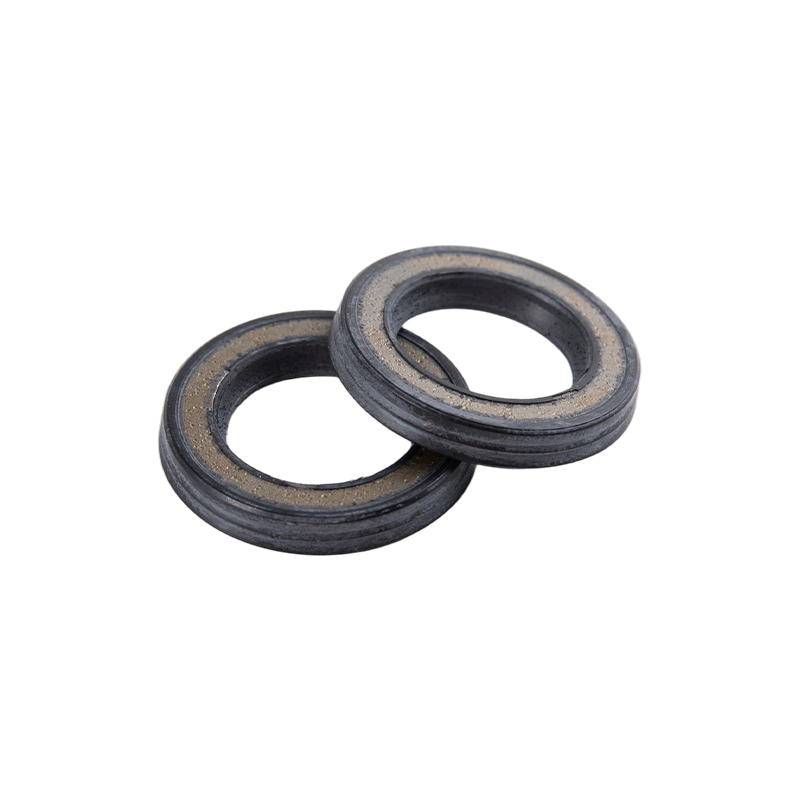
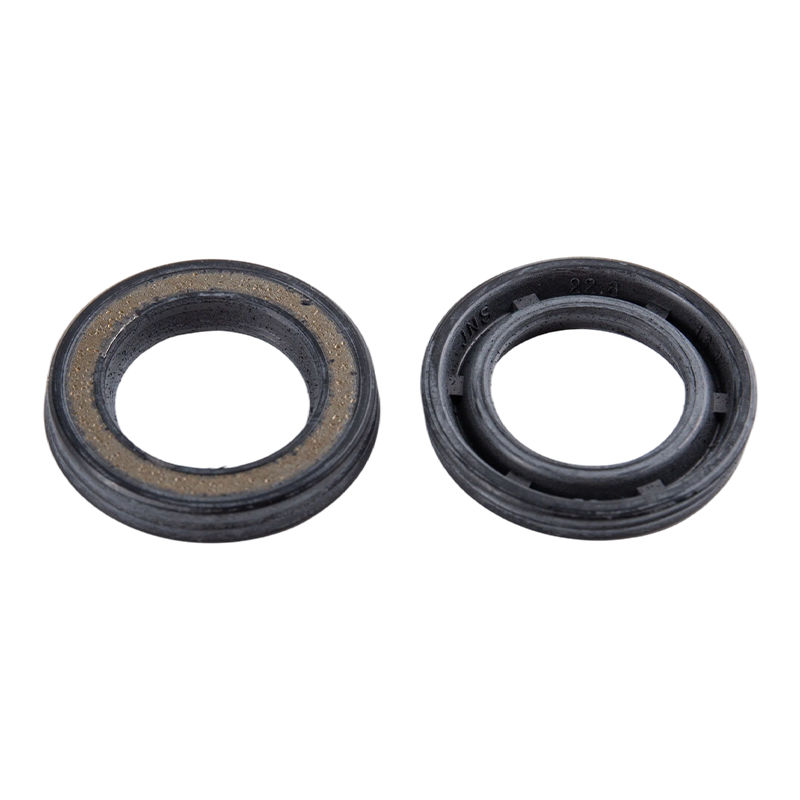
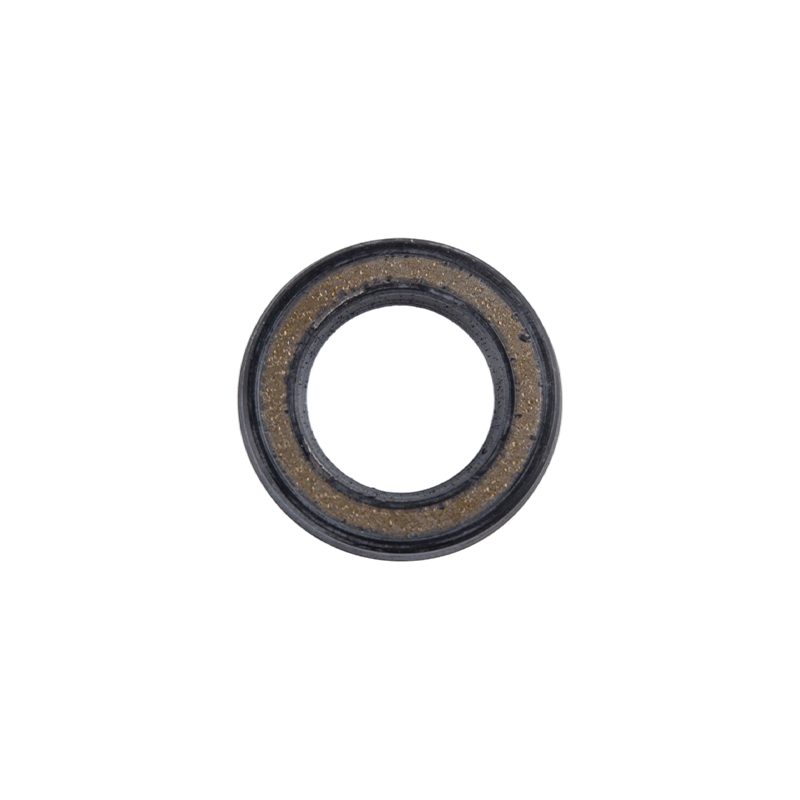
The 26 mm Large-Aperture Adapter Seal is a purpose-developed sealing component for gas springs, dampers, and other moving-cylinder assemblies that use a 25 mm internal steel tube and a 16 mm piston rod. Designed under product code A-1-031, this NBR seal combines a 26 mm outside diameter, a 15.3 mm inside diameter, and a 4 mm cross-sectional height with a dedicated 25 × 2.4 mm O-ring adapter. Its geometry is intended to support large shaft movement, reduce unnecessary inner friction, dissipate heat, and maintain dependable sealing performance across a design applicable pressure range of 50–2000 N.
Although compact in size, an adapter seal performs a critical function. It must retain lubricant, prevent gas or fluid leakage, tolerate repeated rod movement, accommodate dimensional relationships between the steel tube and piston rod, and remain stable during temperature changes. A small deviation in profile, material quality, or installation fit can produce drag, leakage, wear, noise, or premature failure. For this reason, the design of a large-aperture seal must be considered as a complete system rather than as a simple rubber ring.
This article examines the product’s dimensional design, sealing mechanism, material selection, operating advantages, manufacturing considerations, application suitability, installation requirements, and quality-control priorities. It also explains how Ningguo Jnsseals Sealing Technology Co., Ltd. supports the product through sealing-technology research, product development, advanced production equipment, testing capabilities, and technical service. The goal is to provide engineers, purchasing teams, equipment manufacturers, and maintenance personnel with a practical understanding of when and why this adapter seal may be selected.
Product Overview
The 26 mm Large-Aperture Adapter Seal belongs to the Y-Type Oil Seal Ring category. The “Y-Type” designation refers to a sealing profile with a functional sealing lip or lips that are energized by the pressure of the sealed medium and by the elastic recovery of the rubber material. The product is not merely a conventional O-ring. Instead, it combines a shaped sealing body with an O-ring adapter arrangement to achieve the required relationship between the housing, steel tube, and piston rod.
| Item | Specification |
| Product name | 26 mm Large-Aperture Adapter Seal |
| Product code | A-1-031 |
| Product category | Y-Type Oil Seal Ring |
| Primary material | NBR |
| Product dimensions | 26 × 15.3 × 4 mm |
| Outside diameter | 26 mm |
| Inside diameter | 15.3 mm |
| Height | 4 mm |
| O-ring adapter | 25 × 2.4 mm |
| Matching steel tube and piston rod | 25 mm internal diameter × 16 mm rod diameter |
| Design applicable pressure range | 50–2000 N |
| Recommended application focus | Large shaft movement, gas springs, dampers, and related cylinder assemblies |
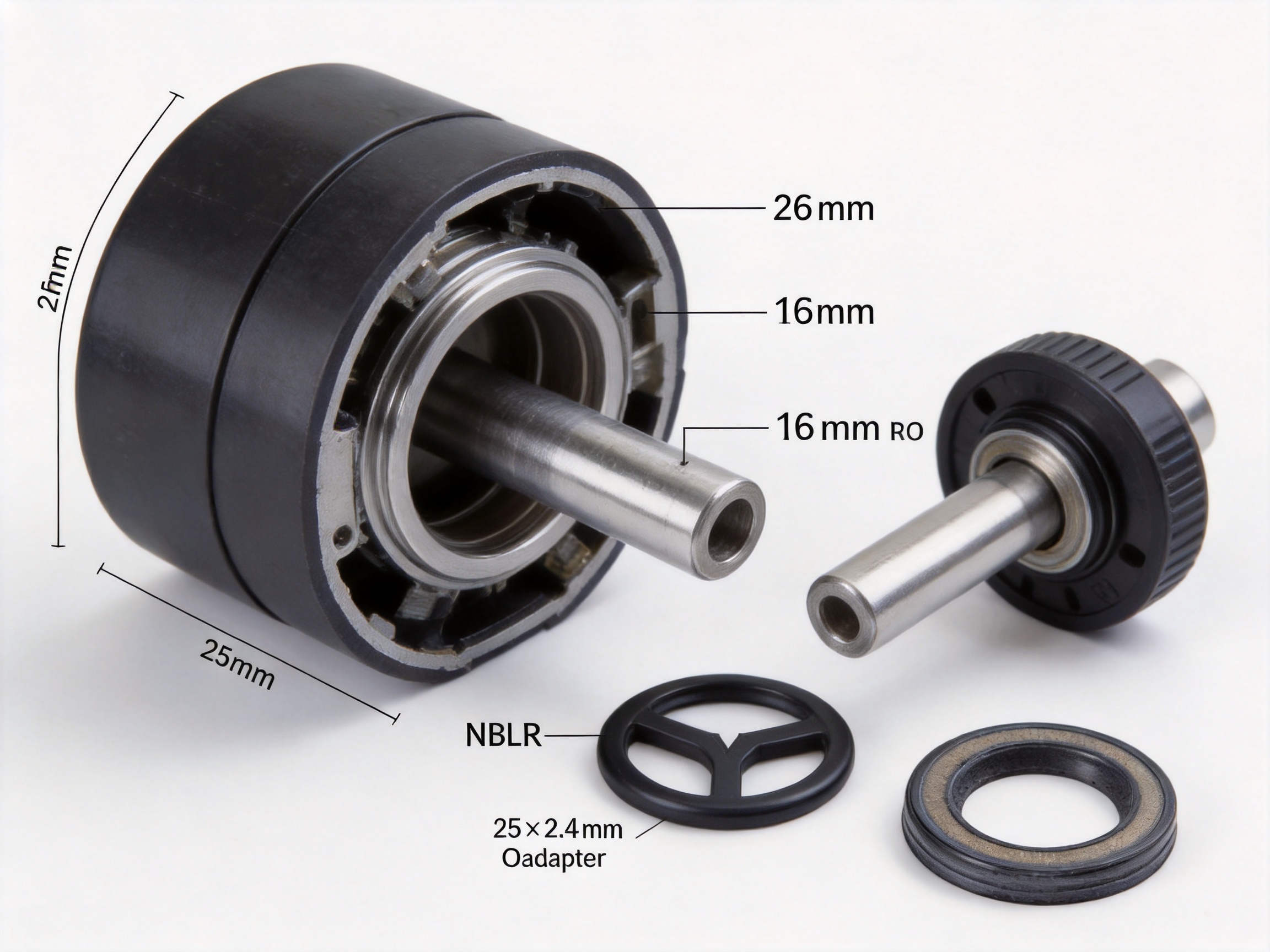
The dimensional relationship is especially important. The product has a 26 mm outside diameter while the corresponding steel pipe has a 25 mm internal diameter. This relationship allows the seal and its adapter arrangement to be positioned within the intended housing system. The 15.3 mm internal diameter is designed around a piston rod specified at 16 mm, creating the functional contact required for sealing while allowing the rubber profile to accommodate movement and pressure.
These dimensions should be interpreted as a coordinated set. Substituting an apparently similar seal with a different height, lip profile, inside diameter, or adapter size may change installation compression and operating friction. The correct product should therefore be selected using the complete application dimensions rather than outside diameter alone.
26mm Large-Aperture Adapter Seal
Why Large-Aperture Applications Require Specialized Sealing
Large-aperture gas springs and dampers place distinctive demands on sealing components. A larger shaft or piston rod changes the contact circumference, the moving surface area, and the amount of rubber that may be exposed to sliding friction. It can also increase the consequences of small geometric errors. A seal that performs acceptably on a smaller rod may generate excessive drag, experience uneven lip loading, or fail to accommodate the larger movement pattern of a 16 mm rod.
In a moving-cylinder application, the sealing lip must maintain contact without gripping the rod too aggressively. If contact pressure is too low, gas, oil, or lubricant may pass through the sealing interface. If contact pressure is too high, the system may suffer from high breakaway force, increased operating friction, heat generation, and accelerated lip wear. A large-aperture design therefore needs a carefully balanced profile.
The A-1-031 product is described as being developed for 25 × 16 large-rod assemblies. This indicates that its geometry is matched to a defined housing-and-rod combination rather than intended as a universal replacement for every 16 mm shaft seal. Its design objective is to provide dependable sealing around the larger rod while keeping inner friction optimized for the application.
Large shafts also amplify the importance of heat dissipation. During repeated movement, friction at the sealing lip converts mechanical energy into heat. If that heat remains concentrated at the sliding interface, the rubber may harden, soften, swell, or lose its elastic recovery depending on the exposure conditions. A profile that supports heat dissipation can help control the thermal load, especially in equipment subject to frequent cycling or high-speed movement.
Another concern is shaft movement. A rod may move axially through the seal, but it can also experience minor eccentricity, vibration, or alignment variation. A suitable seal must preserve contact around the circumference without creating excessive localized stress. The adapter arrangement contributes to the positioning and support of the sealing profile, helping it function as part of the complete cylinder assembly.
Construction and Sealing Principle
Y-Type Sealing Profile
The Y-type profile is commonly associated with a central body and sealing lips that form a pressure-responsive geometry. When pressure is applied to the sealed side, the lip can be pressed more firmly toward the mating surface. This self-energizing behavior is valuable because it allows the seal to respond to operating conditions rather than relying only on static interference.
For a rod-sealing application, the inner lip contacts the piston rod. The outer region supports location within the housing or adapter structure. The 4 mm height gives the seal a compact axial form suitable for the specified assembly. The profile must be manufactured consistently so that the lip contact, body thickness, and elastic response remain within the intended design range.
Y-type geometry can offer a useful balance between sealing effectiveness and dynamic performance. Compared with a basic circular ring used alone, a shaped lip can direct contact more deliberately and may provide better control of the sliding interface. Compared with an overly aggressive solid sealing profile, a properly designed Y-type ring can reduce unnecessary contact area and friction.
O-Ring Adapter Function
The specified 25 × 2.4 mm O-ring adapter forms an important part of the product system. It helps establish the relationship between the sealing element and the 25 mm steel tube. The adapter can support radial positioning, maintain assembly stability, and help compensate for the dimensional interface between the seal body and the housing.
An adapter arrangement is particularly useful when the seal must fit a specific cylinder structure. It allows the sealing profile to be designed for rod contact while a separate elastic element contributes to housing retention and sealing. This division of functions can improve design flexibility and simplify adaptation to a defined tube size.
When installing the product, the adapter should not be treated as an optional accessory unless the equipment designer has specifically approved an alternative arrangement. The seal and the 25 × 2.4 mm O-ring are specified as a coordinated solution. Incorrect adapter dimensions may cause insufficient retention, excessive compression, leakage at the housing interface, or distortion of the main sealing lip.
Dimensional Coordination
The 26 × 15.3 × 4 mm product specification describes the principal dimensions of the seal. The 26 mm outside diameter, 15.3 mm inside diameter, and 4 mm height together determine the installation envelope and the expected compression behavior. The listed 25 × 16 tube-and-rod dimensions provide the application reference needed to interpret these measurements.
In practice, manufacturers should verify the actual housing bore, rod diameter, groove geometry, surface finish, chamfer, and available installation space. Nominal component dimensions do not eliminate the need to inspect the mating parts. Production tolerances, coating thickness, machining variation, and thermal expansion may influence the final fit.
Material Selection: NBR for Practical Industrial Sealing
The A-1-031 seal is manufactured from NBR, or nitrile rubber. NBR is widely used for oil seals, hydraulic seals, pneumatic seals, O-rings, and gas-spring components because it offers a practical combination of oil resistance, abrasion resistance, elasticity, and cost efficiency.
In applications involving lubricating oils and common petroleum-based fluids, NBR can provide a reliable sealing interface when the compound is correctly formulated for the operating environment. Its resistance to wear is also valuable in reciprocating rod applications, where the lip repeatedly contacts a moving surface. The material’s elastic recovery helps the seal maintain contact after installation and during normal dimensional changes.
NBR is not suitable for every chemical or temperature condition. Application engineers should verify compatibility with the specific oil, gas, cleaning chemical, additive package, and temperature range used in the equipment. If the system exposes the seal to aggressive chemicals, elevated temperatures, ozone, or specialized fluids, an alternative elastomer such as HNBR or FPM may be considered where appropriate. The supplied product specification identifies NBR as the material for A-1-031, so any material change should be confirmed with the manufacturer before ordering.
The value of NBR in this product lies in its balanced performance. A material that is extremely soft may reduce initial friction but can be more vulnerable to extrusion, wear, or deformation. A material that is excessively hard may improve dimensional stability but create greater friction and reduce conformability. A suitable NBR compound allows the product to perform as a working seal rather than simply as a static barrier.
Material consistency is as important as the nominal material name. Two NBR compounds may have different hardness, compression set, tensile strength, elongation, wear behavior, and fluid resistance. Reliable production therefore requires control of formulation, mixing, curing conditions, and finished-part inspection. These manufacturing factors help ensure that batches behave consistently in the customer’s equipment.
Performance Advantages
Optimized Inner Friction
The product description emphasizes optimized inner friction. This is a central advantage for moving-cylinder applications. A seal must create enough contact to prevent leakage, but excessive friction can affect the force required to initiate movement and may reduce the smoothness of the equipment.
Lower unnecessary friction can provide several practical benefits. It may reduce energy loss during repeated movement, limit heat generation at the lip, improve response consistency, and reduce wear on both the seal and piston rod. In gas springs and dampers, friction also influences how the mechanism feels during extension and compression. A well-balanced sealing interface can support smoother operation without sacrificing the primary sealing function.
It is important to distinguish optimized friction from minimum friction. A seal with extremely low contact force may leak, especially under low pressure or during dimensional variation. The design objective is controlled friction: sufficient contact for sealing, but no unnecessary resistance beyond what the application requires.
Support for Large Shaft Movement
The A-1-031 seal is specifically associated with large shaft movement. The 16 mm piston rod and the 25 mm steel-tube application create a larger working interface than many smaller gas-spring designs. The profile must therefore remain stable as the rod travels through the seal.
A suitable dynamic seal accommodates repeated movement through its elastic deformation. The lip must follow the rod surface while returning to its intended shape after the rod passes. This ability is influenced by profile geometry, NBR formulation, surface finish, lubrication, temperature, and alignment. The product’s dedicated geometry helps address these factors within the stated application range.
For equipment manufacturers, the benefit is a component designed around the actual rod and tube dimensions rather than a general-purpose ring selected only by approximate size. This can simplify design matching and reduce the risks associated with adapting an unsuitable seal.
Heat Dissipation and High-Speed Performance
The product is described as having good heat dissipation and high-speed performance. These characteristics are valuable in applications that cycle frequently or move the rod at relatively high speed. Dynamic sealing generates heat through friction, and the seal profile must manage this heat while retaining its elastic properties.
A profile that avoids excessive contact concentration can distribute the frictional load more effectively. The surrounding assembly, lubricant, rod material, and housing also influence heat transfer. The seal cannot compensate for a damaged rod, inadequate lubrication, or severe misalignment, but a well-designed profile can reduce the sealing element’s contribution to thermal stress.
High-speed performance should always be evaluated together with stroke length, cycle frequency, pressure, temperature, lubrication, and rod surface condition. The product information identifies high-speed capability as a design objective, but the actual operating limit depends on the complete system. Customers should provide application data when requesting technical confirmation for demanding service.
Pressure-Responsive Sealing
The design applicable pressure range is listed as 50–2000 N. This value should be used as the stated design reference rather than interpreted as a universal pressure rating for every machine. Gas springs and dampers may express performance in force units, and the actual internal pressure can vary with piston area, temperature, extension position, and gas charge.
Within a correctly matched assembly, pressure can help energize the sealing lip and support sealing stability. The seal must still be properly installed, lubricated where required, and supported by the correct groove and adapter arrangement. Operating above the intended range may increase extrusion risk, lip deformation, friction, and wear.
The broad stated range allows the component to serve different force levels within the specified 25 × 16 assembly family. It may therefore be useful for manufacturers producing several gas-spring or damper models that share the same rod and tube dimensions but use different operating forces.
Advantages Compared with Generic or Poorly Matched Seals
The strongest advantage of the 26 mm Large-Aperture Adapter Seal is application matching. A generic seal may have a similar outside diameter while differing in inside diameter, height, lip angle, material compound, or installation compression. Those differences can produce inconsistent results, particularly in a reciprocating rod assembly.
First, the product is matched to the 25 mm tube and 16 mm piston rod configuration. This reduces the need for improvised dimensional adaptation. A seal selected from a broad catalog without considering the complete assembly may be too tight on the rod, too loose in the housing, or unable to accept the specified adapter.
Second, the product combines a Y-type seal profile with a 25 × 2.4 mm O-ring adapter. This coordinated construction is more application-specific than using an isolated O-ring or a general lip seal. It is intended to address both dynamic rod sealing and housing-side positioning.
Third, the design focuses on the balance between sealing and friction. Some low-cost alternatives may prioritize strong interference without adequately considering movement resistance. Excessive friction can create higher operating force, more heat, and faster wear. The stated emphasis on optimized inner friction reflects the requirements of moving gas-spring and damper assemblies.
Fourth, the NBR material offers a practical combination of oil resistance and wear performance for many industrial applications. Selecting a known material and a defined product code can also improve purchasing consistency and replacement control compared with buying visually similar, untraceable components.
Fifth, the product is supported by a manufacturer focused on sealing technology. Ningguo Jnsseals Sealing Technology Co., Ltd. was founded in 2019 as a high-tech enterprise specializing in sealing solutions for gas springs, dampers, and related O-ring products. Its product-development focus provides a stronger basis for application consultation than a supplier that treats seals only as generic rubber parts.
These advantages do not mean that one seal is suitable for every application. Correct performance depends on the mating parts, working medium, temperature, movement speed, alignment, and installation quality. The benefit is that the A-1-031 product gives engineers a clearly defined starting point with a documented geometry and application target.

Manufacturing Process and Quality Strengths
Application-Oriented Product Development
A reliable sealing product begins before the molding stage. It begins with understanding the equipment in which the seal will operate. The manufacturer’s focus on gas springs, dampers, and related sealing products supports an application-oriented approach. This means the product can be evaluated according to rod size, tube size, force, movement, friction, heat, and service conditions rather than by dimensions alone.
For the A-1-031 seal, the design reference of 25 × 16 indicates that the product was developed around a defined cylinder interface. Application-oriented development helps engineers establish the required profile, adapter dimensions, material behavior, and manufacturing tolerances. It also creates a basis for later customization if a customer needs a different rod size, force level, compound, or profile.
Precision Tooling and Molding
Elastomer seals require accurate molds because the sealing lip is a functional precision feature. Mold geometry controls the outside diameter, inside diameter, height, lip form, transition radii, and adapter-related surfaces. Even small variations can affect interference, friction, and leakage performance.
Advanced production equipment can support stable molding pressure, temperature, cycle time, and curing conditions. Consistent process control helps reduce flash, incomplete filling, distortion, uneven lip thickness, and dimensional drift. After molding, excess flash must be controlled because loose material at the sealing edge may interfere with installation or create an early leakage path.
For a compact 4 mm-high seal, dimensional discipline is particularly important. A small change in height or lip geometry can represent a significant percentage of the total cross-section. Tool maintenance, cavity inspection, and process records therefore contribute directly to product reliability.
Rubber Mixing and Compound Control
NBR performance depends on the compound used. The rubber base is combined with reinforcing agents, plasticizers, curing agents, stabilizers, and other ingredients to produce the desired balance of hardness, resilience, tensile strength, elongation, wear resistance, and fluid compatibility.
Controlled mixing is necessary to distribute ingredients evenly. Poor dispersion can create weak areas, inconsistent hardness, surface defects, or variable compression behavior. A professional manufacturing system should control batch identification, mixing sequence, temperature, and processing time. These controls help ensure that one production lot performs similarly to another.
Curing is equally important. Under-curing may leave the rubber too soft or prone to compression set, while over-curing may reduce elasticity and increase brittleness. The correct curing window gives the seal the elastic recovery required to maintain contact with the rod and housing throughout its service life.
Inspection and Testing
Quality assurance for the A-1-031 product should include dimensional inspection, visual inspection, material verification, and performance evaluation appropriate to the application. Important dimensions include the 26 mm outside diameter, 15.3 mm inside diameter, 4 mm height, and the matching 25 × 2.4 mm adapter size.
Visual inspection can identify flash, cracks, cuts, blisters, voids, contamination, incomplete molding, and surface irregularities. Because the sealing lip is the principal dynamic feature, inspectors should pay special attention to its continuity and uniformity.
Material-related checks may include hardness, tensile properties, elongation, compression set, density, and resistance to relevant fluids. Not every customer requires the same test package, but a manufacturer with strong research and development capabilities can establish suitable evaluation methods for different product families.
Functional testing may include reciprocating movement, leakage observation, friction measurement, pressure exposure, temperature cycling, or durability testing. These tests can help confirm whether the seal maintains its intended performance under representative conditions. Test results are most useful when the test setup reproduces the customer’s rod material, surface condition, lubrication, speed, stroke, and pressure.
Technical Service and Customization
Ningguo Jnsseals Sealing Technology Co., Ltd. provides customized sealing solutions that may include product design, testing, and technical consultation. This capability is important because seals are often integrated into equipment designs with unusual installation spaces or specific operating requirements.
Customization may involve changes to dimensions, profile geometry, rubber compound, hardness, adapter arrangement, or packaging. A responsible custom-development process should begin with application data, continue through design and sample evaluation, and conclude with validation before mass production.
The company’s professional technical service team can help customers evaluate product selection and identify potential causes of leakage or friction. This support is especially valuable when a customer is replacing an existing seal, developing a new gas spring, or investigating inconsistent performance across production batches.
Applications
Gas Springs
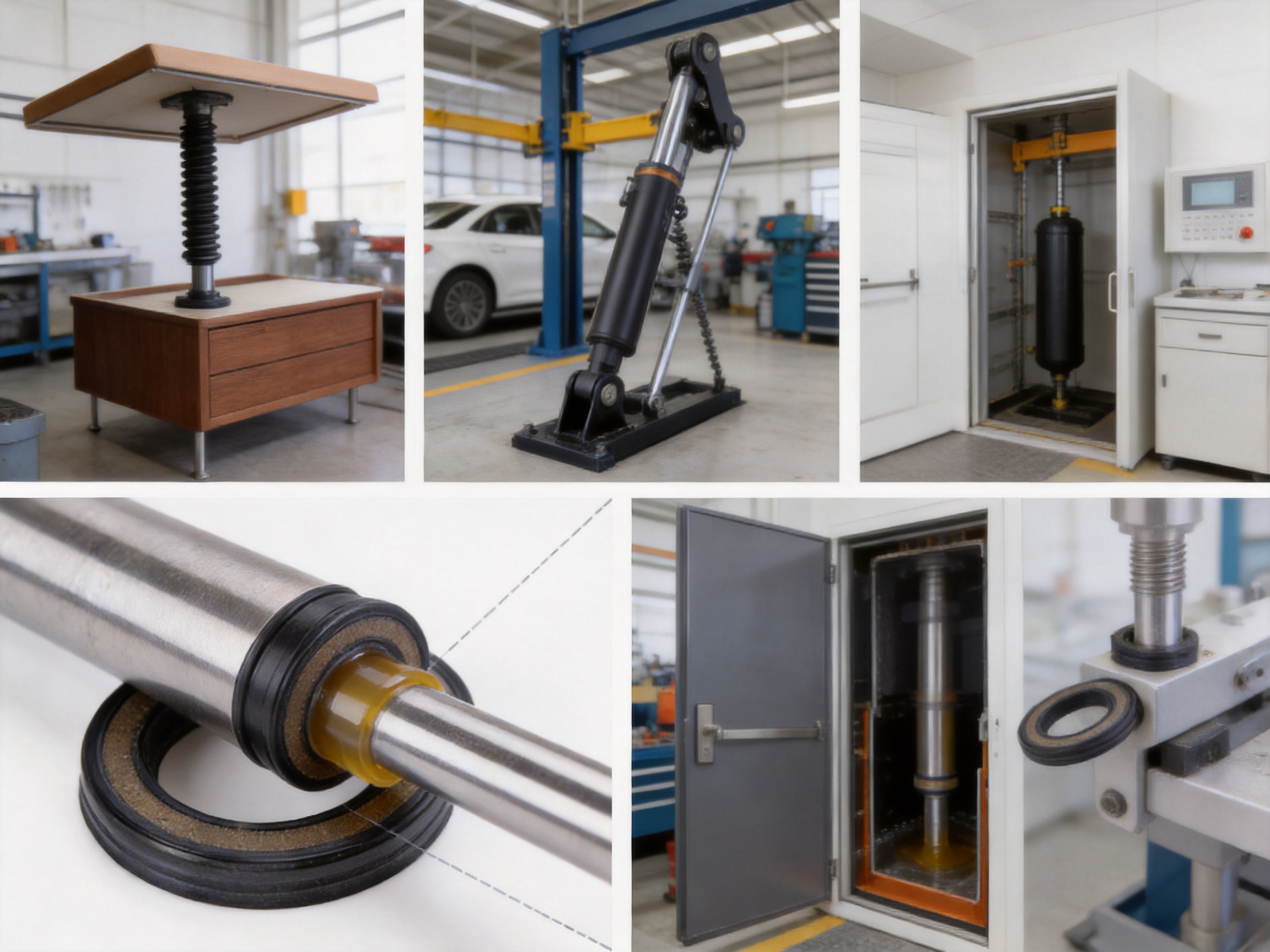
Gas springs depend on controlled gas pressure to generate extension or support force. The seal must retain the internal gas and lubricant while allowing the piston rod to move repeatedly. The A-1-031 product is suited to gas-spring assemblies that use the specified 25 mm tube and 16 mm rod relationship and operate within the stated design force range.
Potential gas-spring applications include furniture supports, vehicle components, access panels, adjustable mechanisms, industrial covers, and equipment lids. In each case, the correct seal can help preserve force stability and reduce leakage-related service problems.
Dampers
Dampers use controlled resistance to manage motion. Their seals may be exposed to oil, pressure variation, reciprocating movement, and heat generated by repeated cycling. A Y-type NBR seal with optimized inner friction can contribute to smooth rod movement while helping retain the working medium.
Damper performance depends on more than the seal. Valve design, oil viscosity, piston geometry, rod finish, and cylinder alignment also matter. Nevertheless, an appropriately selected rod seal is essential to maintaining the designed operating environment inside the damper.
Automotive and Furniture Equipment
The manufacturer identifies automotive and furniture industries among the sectors served by its sealing products. Both industries use gas springs and dampers in mechanisms that may be opened, closed, adjusted, or supported many times during the product life cycle.
Furniture mechanisms require quiet and smooth movement, compact installation, and consistent force. Automotive applications may impose greater variation in temperature, vibration, contamination, and cycling. The seal must be selected according to the specific environment, but the A-1-031 design can be considered where the dimensional and force requirements correspond.
Home Appliances and Medical Equipment
Home appliances may incorporate dampers or gas springs in doors, covers, lifting mechanisms, and adjustment systems. Medical equipment can use controlled-motion components in beds, examination tables, cabinets, and positioning structures. These applications often place a high value on smooth movement, reliability, and clean assembly practices.
Where the seal is used in medical equipment, the equipment manufacturer must independently evaluate material compatibility, cleanliness, regulatory requirements, and validation procedures. The product’s industrial sealing specification should not be interpreted as automatic approval for a regulated medical application.
Construction and General Industrial Equipment
Construction-related mechanisms and general industrial equipment may use gas springs or dampers in access covers, operator systems, protective enclosures, and controlled-motion assemblies. Such equipment can experience dust, vibration, temperature variation, and long periods of intermittent service.
In these environments, the seal’s performance depends on protection from external contamination, correct rod surface quality, and appropriate lubrication. The A-1-031 product can provide a compact solution when the assembly uses the specified dimensions and the NBR material is compatible with the working conditions.
Installation Recommendations
Correct installation is essential. Even a well-manufactured seal can fail quickly if it is cut, twisted, stretched excessively, installed backward, or forced over a sharp edge. Before installation, inspect the piston rod, tube, groove, adapter, and surrounding components for burrs, corrosion, dents, contamination, and sharp corners.
The piston rod should have a smooth, suitable surface without deep scratches or circumferential damage. A scratch that crosses the sealing direction can create a leakage path. The housing and adapter seat should also be clean and free from particles that could prevent proper seating.
Use an appropriate assembly lubricant compatible with NBR and the equipment’s working medium. Lubrication can reduce insertion damage and help the lip settle correctly during initial movement. Avoid using a chemical lubricant that may swell, harden, or otherwise attack the rubber.
Do not use sharp metal tools directly against the sealing lip. If an installation tool is required, it should have smooth edges and be designed to support the seal without cutting it. The O-ring adapter should be installed without twisting. A twisted O-ring may create uneven compression and localized leakage.
Confirm the orientation of the Y-type profile before assembly. The pressure side and dynamic lip direction should correspond to the equipment design. If the seal is installed in the wrong direction, pressure may not energize the intended lip and the system may leak or produce abnormal friction.
After assembly, move the rod slowly if possible. Check for abnormal resistance, jerking, noise, visible damage, or leakage. Initial movement should not be used to force a seal past a damaged surface. If unusual friction appears immediately, stop and inspect the assembly rather than assuming that the seal will automatically settle.
Selection and Compatibility Checklist
Before ordering the A-1-031 product, customers should verify the following points:
1. The steel pipe internal diameter is 25 mm or otherwise confirmed to match the intended adapter arrangement.
2. The piston rod diameter is 16 mm and the rod surface is suitable for dynamic sealing.
3. The required seal envelope corresponds to 26 × 15.3 × 4 mm.
4. The 25 × 2.4 mm O-ring adapter is included or available as required by the assembly design.
5. The expected force or pressure condition falls within the listed 50–2000 N design applicable range.
6. The working medium is compatible with NBR.
7. The operating temperature, speed, stroke, and cycle frequency are consistent with the intended application.
8. The groove, chamfer, installation direction, and available assembly space are appropriate.
9. The rod alignment and support system will not impose excessive eccentric loading.
10. The customer has identified any special requirements for cleanliness, packaging, testing, traceability, or customization.
Providing this information to the manufacturer allows the technical team to confirm suitability more effectively. It also reduces the risk of ordering a seal based only on a single nominal diameter.
Maintenance and Failure Prevention
Seal life is influenced by the entire operating system. Routine inspection should focus on visible oil or gas leakage, changes in operating force, increased friction, rod scoring, abnormal noise, and loss of damping or support performance. A change in equipment behavior may indicate seal wear, but it can also result from a damaged rod, depleted gas charge, contaminated lubricant, or misalignment.
Contamination control is especially important. Dust, metal particles, and hardened lubricant can abrade the sealing lip. External wipers or protective structures may help reduce the amount of contamination entering the dynamic interface. When equipment is serviced, surrounding surfaces should be cleaned before the seal area is opened.
Rod condition should be monitored because the rod is the seal’s sliding counter-surface. Corrosion, plating damage, roughness, dents, and bending can all shorten seal life. Replacing the seal without correcting a damaged rod may result in repeated failure.
Storage also affects NBR seals. Products should be kept in a cool, dry, clean location away from direct sunlight, ozone-generating equipment, excessive heat, and chemicals. Seals should not be compressed, stretched, or folded for long periods before use. Proper packaging and stock rotation help preserve elastic performance.
Purchasing and Supply Considerations
The product code A-1-031 provides a clear reference for purchasing and replacement. Buyers should specify the product code, product name, material, dimensions, adapter size, and required quantity. For repeat orders, maintaining the same specification helps reduce variation in equipment performance.
Customers with high-volume requirements may request production planning, inspection documentation, packaging specifications, or customized labeling. The manufacturer’s ability to provide design, testing, and technical consultation can be useful when the product is being integrated into a new assembly rather than used only as a replacement part.
For international customers, communication should include drawings or dimensional data whenever possible. Written descriptions such as “26 mm seal” may be incomplete because the product also depends on the 15.3 mm inside diameter, 4 mm height, and 25 × 2.4 mm adapter. A technical drawing or sample assembly can help confirm the intended fit.
Ningguo Jnsseals Sealing Technology Co., Ltd. is located in Ningguo City, Anhui Province, China. The company serves customers in industries including automotive, furniture, home appliances, medical equipment, construction, and other industrial sectors. Its stated research and development focus, production capability, and technical service structure support both standard product supply and customized sealing projects.
Company Manufacturing Strengths
The company was founded in 2019 as a high-tech enterprise focused on sealing technology. Its specialization in gas-spring and damper sealing provides relevant experience for products such as the A-1-031 adapter seal. Rather than treating every seal as an isolated commodity, the company’s stated business scope covers research, development, application, testing, and technical support.
Strong research and development capability can help address the difficult balance between sealing force and movement friction. It can also support the development of profiles for different rod sizes, pressures, temperatures, and installation structures. For customers, this means that a product inquiry can potentially develop into a complete sealing solution.
Advanced production equipment contributes to repeatability. In elastomer manufacturing, repeatability is important because small changes in curing, molding, or trimming can affect performance. Equipment capability must be supported by appropriate process management, inspection, and skilled personnel, but it provides the foundation for consistent production.
The company also emphasizes professional technical service. This is valuable in sealing applications because failures are often caused by interaction among several components. A technical team can help distinguish between an incorrect seal, poor groove design, damaged rod, incompatible fluid, excessive pressure, or installation error.
Its company philosophy, described as people-oriented, innovation-driven, and committed to excellence, reflects an intention to combine technical development with customer support. For industrial buyers, the practical value of such a philosophy is measured through communication quality, product consistency, response to technical questions, and willingness to validate solutions.
Frequently Asked Questions
What is the main application of the 26 mm Large-Aperture Adapter Seal?
The main application is sealing in gas springs, dampers, and related moving-cylinder assemblies designed around a 25 mm steel-tube internal diameter and a 16 mm piston rod. It is intended for large shaft movement and is listed with a 50–2000 N design applicable pressure range.
What are the product dimensions?
The principal product dimensions are 26 mm outside diameter, 15.3 mm inside diameter, and 4 mm height. The associated O-ring adapter is specified as 25 × 2.4 mm.
What material is used?
The product is made from NBR, or nitrile rubber. NBR is commonly selected for oil resistance, abrasion resistance, elasticity, and practical industrial performance. Fluid and temperature compatibility should be confirmed for each application.
Can this seal be used with any 16 mm piston rod?
Not automatically. The product is developed for a defined 25 × 16 assembly relationship. Rod surface finish, housing dimensions, groove geometry, temperature, fluid, speed, and alignment must also be checked before use.
Why is the O-ring adapter important?
The 25 × 2.4 mm O-ring adapter helps support the seal’s housing-side positioning and sealing relationship with the 25 mm steel tube. It should be installed correctly and should not be replaced with a different size without technical confirmation.
Does the product reduce operating friction?
The product description identifies optimized inner friction as a design feature. Its purpose is to provide sufficient rod contact for sealing while avoiding unnecessary resistance. Actual friction depends on lubrication, rod finish, pressure, speed, temperature, and alignment.
Is NBR suitable for high-temperature applications?
NBR is suitable for many ordinary oil-sealing applications, but the exact temperature capability depends on the compound and operating conditions. Customers working at elevated temperatures or with aggressive chemicals should request a material review before ordering.
What does the 50–2000 N range mean?
It is the listed design applicable pressure or force range for the product application. It should not be treated as an independent universal rating. The actual suitability depends on the complete gas spring or damper design, including piston area, temperature, movement, and housing support.
Can the manufacturer provide customized seals?
The company states that it provides customized sealing solutions, including product design, testing, and technical consultation. Customers should provide drawings, samples, working conditions, and performance requirements for evaluation.
What should be checked before installation?
Inspect the rod, housing, groove, adapter, and chamfers for burrs, scratches, corrosion, contamination, and sharp edges. Confirm the seal orientation, use a compatible lubricant where required, avoid sharp tools, and ensure that the O-ring adapter is not twisted.
How can premature failure be prevented?
Use the correct dimensions and material, maintain a suitable rod surface, control contamination, prevent misalignment, use compatible lubrication, avoid exceeding the intended operating conditions, and store replacement seals away from heat, sunlight, ozone, and chemicals.
Who should be contacted for technical information?
Technical and commercial inquiries may be directed to Ningguo Jnsseals Sealing Technology Co., Ltd. The supplied contact information includes jns@jnsseals.cn and the listed management telephone contacts: Manager Gong at +86-18563770820 and Manager Wang at +86-15357558902.
Conclusion
The 26 mm Large-Aperture Adapter Seal is a specialized NBR Y-type sealing component for 25 mm tube and 16 mm piston-rod assemblies. Its 26 × 15.3 × 4 mm geometry and 25 × 2.4 mm O-ring adapter are designed as a coordinated system for large shaft movement, controlled inner friction, heat dissipation, and high-speed operation.
Its principal advantage over a generic or poorly matched seal is the combination of application-specific dimensions and a dedicated adapter arrangement. The design addresses the practical requirements of gas springs and dampers, where sealing reliability must be balanced with smooth rod movement and reasonable friction. The listed 50–2000 N design applicable range provides a useful reference for equipment manufacturers, although final validation must consider the complete operating environment.
NBR offers a practical material platform for many oil-containing industrial applications, while the manufacturer’s focus on sealing technology, product development, production equipment, testing, and technical service provides additional support for customers seeking consistent supply or customized solutions.
For best results, the product should be selected by complete dimensional specification rather than by outside diameter alone. Proper installation, compatible lubrication, clean assembly, correct rod condition, and appropriate operating limits are equally important. When these factors are controlled, the A-1-031 adapter seal can serve as a dependable component in gas springs, dampers, automotive mechanisms, furniture hardware, appliances, medical equipment, construction systems, and other industrial motion-control assemblies.
References
1. Product specification information for 26 mm Large-Aperture Adapter Seal, Product Code A-1-031.
2. Manufacturer-provided material information for NBR sealing products and O-ring components.
3. General engineering principles for elastomeric seals used in reciprocating rod applications.
4. General design considerations for gas spring and damper sealing systems.
5. General industrial guidance concerning rubber seal storage, installation, lubrication, and inspection.
6. Manufacturer company information concerning sealing technology research, product development, testing, customization, and technical service.
Product: 26mm Large-Aperture Adapter Seal
PREV:14.8 mm Robust Piston Seal: A High-Performance NBR Solution for Gas Springs and Dampers
NEXT:25mm Standard Balanced Y-Seal: A Practical Guide to Reliable Gas Spring and Damper Sealing
NEXT:25mm Standard Balanced Y-Seal: A Practical Guide to Reliable Gas Spring and Damper Sealing



Want to know more
about us?
about us?

Precision sealing for gas springs and dampers. Durable, wear-resistant, and built for long-life performance in demanding applications.
Product Categories
Quick Links
Contact Us
-
Email: jns@jnsseals.cn

-
Manager Gong: +86-18563770820

-
Manager Wang: +8615357558902
-
No. 5, Meilin Avenue, Meilin Industrial Development Zone, Ningguo City, Anhui Province, China

