

 English
 русский
 Deutsch
 Türk
 中文简体
7×1.9 Standard Kinetic O-Ring for Low-Friction Reciprocating Sealing
7×1.9 Standard Kinetic O-Ring for Low-Friction Reciprocating Sealing
7×1.9 Standard Kinetic O-Ring for Low-Friction Reciprocating Sealing
7×1.9 Standard Kinetic O-Ring for Low-Friction Reciprocating Sealing
7×1.9 Standard Kinetic O-Ring for Low-Friction Reciprocating Sealing
7×1.9 Standard Kinetic O-Ring for Low-Friction Reciprocating Sealing
7×1.9 Standard Kinetic O-Ring for Low-Friction Reciprocating Sealing
7×1.9 Standard Kinetic O-Ring for Low-Friction Reciprocating Sealing
7×1.9 Standard Kinetic O-Ring for Low-Friction Reciprocating Sealing
7×1.9 Standard Kinetic O-Ring for Low-Friction Reciprocating Sealing
7×1.9 Standard Kinetic O-Ring for Low-Friction Reciprocating Sealing
7×1.9 Standard Kinetic O-Ring for Low-Friction Reciprocating Sealing
7×1.9 Standard Kinetic O-Ring for Low-Friction Reciprocating Sealing
7×1.9 Standard Kinetic O-Ring for Low-Friction Reciprocating Sealing
7×1.9 Standard Kinetic O-Ring for Low-Friction Reciprocating Sealing
7×1.9 Standard Kinetic O-Ring for Low-Friction Reciprocating Sealing

Fang Zhiqing — International Product Sales Manager
Home / Author / Fang Zhiqing — International Product Sales Manager / 7×1.9 Standard Kinetic O-Ring for Low-Friction Reciprocating Sealing
NEW Category
Contact us
7×1.9 Standard Kinetic O-Ring for Low-Friction Reciprocating Sealing
Content
- 1 Product Overview
- 2 Why Kinetic Sealing Requires a Specialized Approach
- 3 Material Characteristics of NBR
- 4 Advantages of the 7×1.9 Design
- 5 Comparison with Generic Competitor Alternatives
- 6 Manufacturing Process and Quality Focus
- 7 Company Manufacturing Strengths
- 8 Application Areas
- 9 Installation Recommendations
- 10 Selection Checklist
- 11 Maintenance and Storage
- 12 Customization and Technical Support
- 13 Quality, Reliability, and Total Value
- 14 Frequently Asked Questions
- 14.1 What is the 7×1.9 Standard Kinetic O-Ring?
- 14.2 What does the product code A-4-003 identify?
- 14.3 Why is the ring suitable for reciprocating movement?
- 14.4 What is NBR?
- 14.5 Can the product be used in gas springs and dampers?
- 14.6 Is this O-ring suitable for static sealing?
- 14.7 Can it be used with every oil or lubricant?
- 14.8 What are the main advantages over a generic O-ring?
- 14.9 What information should be provided for technical consultation?
- 14.10 Can the manufacturer provide customized sealing solutions?
- 14.11 How should the O-rings be stored?
- 14.12 What should be checked if leakage occurs after installation?
- 15 Conclusion
- 16 References
- 17 Product: 7x1.9 Standard Kinetic O-Ring
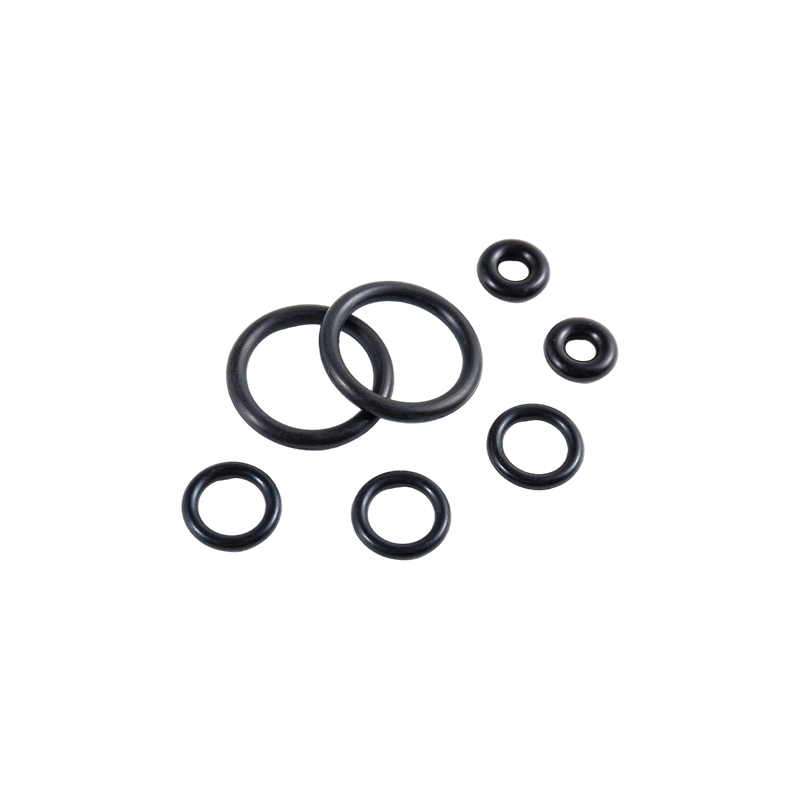
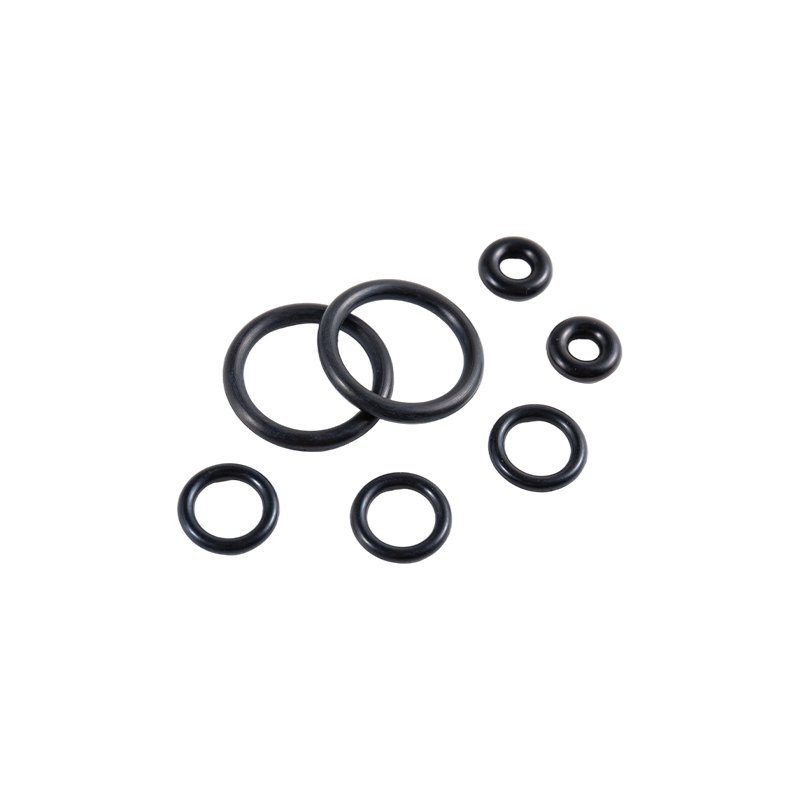
The 7×1.9 Standard Kinetic O-Ring is a compact sealing component designed for dynamic applications where controlled movement, low friction, and dependable fluid or gas retention are essential. With an inside diameter of 7 mm and a cross-sectional diameter, or wire diameter, of 1.9 mm, this O-ring provides a slim sealing profile for mechanisms that move repeatedly during operation.
Manufactured from NBR, the ring is intended for practical industrial sealing duties in systems such as gas springs, dampers, automotive assemblies, furniture hardware, home appliances, medical equipment, construction components, and other applications requiring a small dynamic seal. Its product code is A-4-003.
Unlike a static gasket that remains compressed between two stationary surfaces, a kinetic O-ring must seal while one component moves against or through another. This creates additional design challenges, including friction, abrasion, extrusion, compression-set resistance, lubrication compatibility, dimensional consistency, and installation reliability. The 7×1.9 profile addresses these challenges through a narrow cross-section that helps reduce movement resistance while maintaining a practical sealing interface.
The product is part of a broader sealing technology portfolio developed by Ningguo Jnsseals Sealing Technology Co., Ltd., a China-based manufacturer specializing in O-rings and sealing solutions for gas springs, dampers, and related mechanical systems. Through research and development, controlled production, testing, technical consultation, and customized design support, the company works to provide sealing components that match the operating requirements of different industries.
Product Overview
The 7×1.9 Standard Kinetic O-Ring is a conventional circular elastomeric ring optimized for low-friction dynamic sealing. The “7×1.9” designation identifies the main dimensional characteristics: approximately 7 mm inside diameter and 1.9 mm cross-sectional diameter. These dimensions make the product suitable for compact assemblies where available groove space is limited and where excessive seal bulk could increase resistance during motion.
| Product Attribute | Specification |
| Product Name | 7×1.9 Standard Kinetic O-Ring |
| Product Category | O-Shaped Oil Seal Ring |
| Product Code | A-4-003 |
| Inside Diameter | 7 mm |
| Cross-Sectional Diameter | 1.9 mm |
| Material | NBR |
| Primary Application | Low-friction reciprocating and kinetic sealing |
| Typical Design Objective | Reduced movement resistance with reliable sealing |
The ring is described as a standard kinetic O-ring because it is intended for repeated movement rather than solely for static compression. In a reciprocating assembly, the seal may move back and forth along a shaft, piston, rod, or bore. Every stroke creates contact and sliding interaction between the elastomer and the mating surface. A suitable seal must therefore provide enough contact pressure to block leakage without creating excessive drag.
The slim 1.9 mm cross-section supports this balance. A smaller cross-section can reduce the amount of elastomer in contact with moving surfaces, which may help lower friction and movement resistance. It can also support compact equipment layouts, reduce the space required for the gland, and allow designers to create smaller mechanical assemblies.
At the same time, a slim profile requires careful attention to groove dimensions, surface finish, material compatibility, stretch, squeeze, lubrication, and installation technique. The product should therefore be selected with reference to the application’s pressure, temperature, speed, stroke frequency, media, shaft condition, and expected service life.
Why Kinetic Sealing Requires a Specialized Approach
Sealing a stationary joint is comparatively straightforward because the seal can remain compressed in one position. A dynamic seal must maintain sealing contact while accommodating relative motion. This motion may be reciprocating, oscillating, or rotary. The 7×1.9 Standard Kinetic O-Ring is particularly suited to reciprocating and other low-friction kinetic applications.
During operation, the O-ring is compressed in a groove between two components. The elastomer attempts to return to its original shape and presses against the surrounding surfaces. This contact creates the barrier that prevents gas, oil, air, or other media from passing through the joint. When the mating component moves, the ring must remain seated and must not roll, twist, tear, or lose contact.
Several forces act on the seal simultaneously. Compression produces the initial sealing force. System pressure can energize the ring further by pushing it toward the lower-pressure side of the groove. Friction develops where the ring contacts the moving surface. Lubrication can reduce friction and wear, but an unsuitable lubricant may cause swelling, softening, shrinkage, or loss of mechanical strength.
Repeated movement can also expose an O-ring to abrasion. If the rod or bore has excessive roughness, sharp edges, contamination, or inadequate hardness, the seal may wear prematurely. If the groove is too shallow, the ring may experience excessive compression and high drag. If the groove is too deep, sealing force may be insufficient. Correct design and installation are therefore essential to achieving the intended performance of any dynamic O-ring.
The slim profile of the 7×1.9 ring is beneficial in applications where movement resistance is a major concern. It can support smoother actuation and reduce the energy required to move a piston or rod. This characteristic is especially valuable in gas springs, dampers, furniture mechanisms, and compact actuators where operating comfort and consistent movement are important.
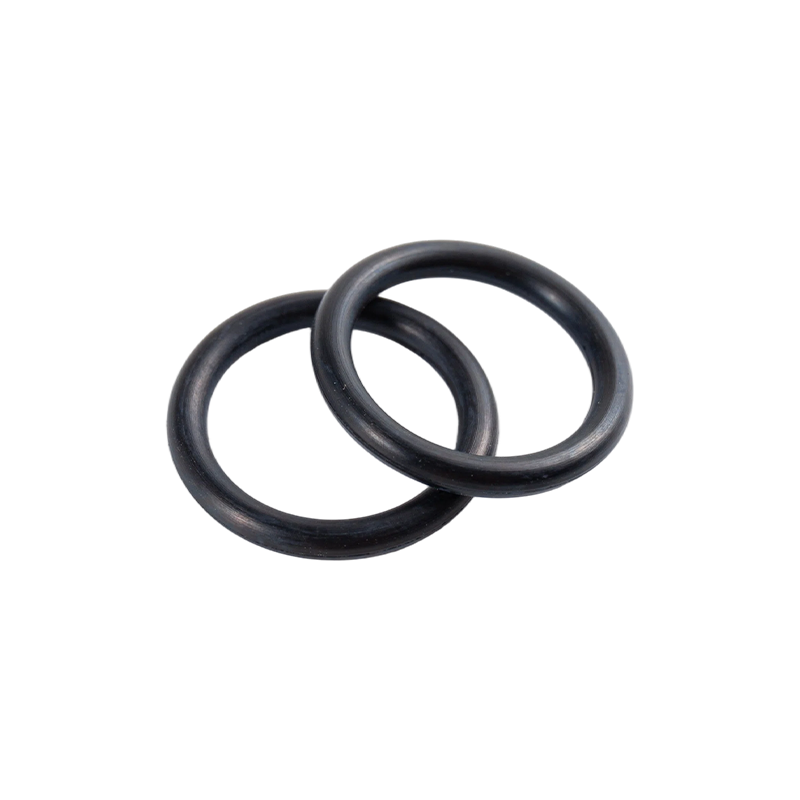
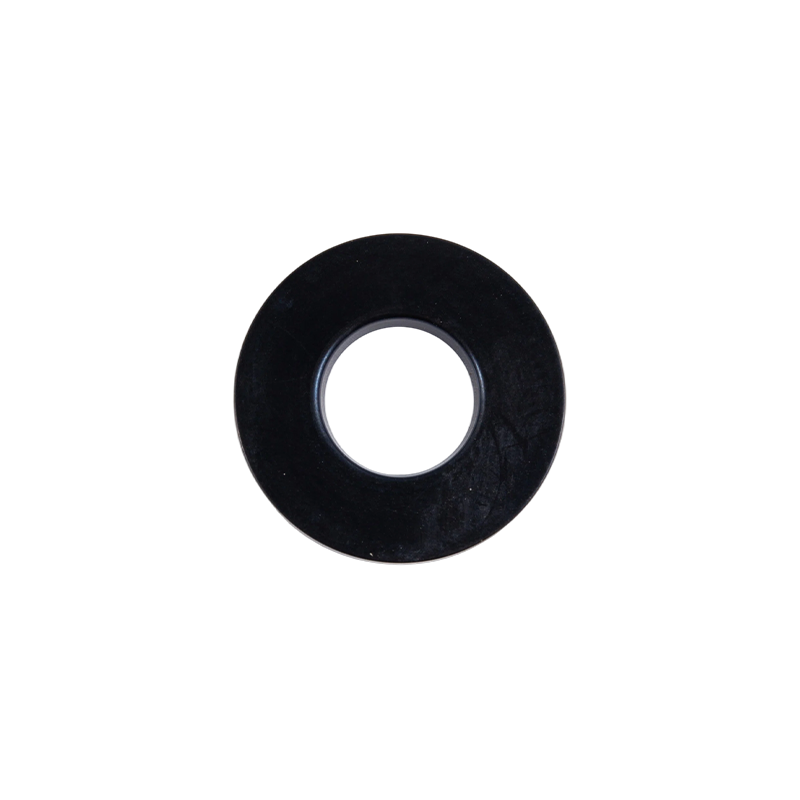
7x1.9 Standard Kinetic O-Ring
Material Characteristics of NBR
The product is made from NBR, commonly known as nitrile rubber or acrylonitrile-butadiene rubber. NBR is one of the most widely used elastomers for sealing applications because it offers a practical balance of oil resistance, mechanical strength, elasticity, abrasion resistance, and cost efficiency.
NBR is commonly selected for applications involving mineral oils, lubricating oils, greases, and many hydraulic fluids. Its resistance to petroleum-based media makes it suitable for a broad range of mechanical assemblies. The actual compatibility of the seal depends on the specific NBR formulation, acrylonitrile content, temperature, pressure, exposure time, and fluid composition. Application engineers should verify compatibility before final selection.
The mechanical performance of NBR is also important in reciprocating applications. A seal must resist tearing as it passes through a groove and must maintain adequate elasticity after repeated deformation. NBR can provide the resilience required for many general-purpose dynamic seals, particularly when operating conditions remain within the material’s recommended range.
Another advantage of NBR is its suitability for economical, high-volume production. Its established processing characteristics allow manufacturers to produce standardized O-rings with consistent geometry and repeatable material behavior. This supports predictable procurement and replacement planning for original equipment manufacturers and maintenance departments.
NBR is not suitable for every environment. Strong ozone exposure, direct sunlight, outdoor weathering, high-temperature service, and certain aggressive chemicals may require alternative materials such as HNBR, FKM, or other specialized elastomers. The product information identifies this particular item as NBR, so customers should communicate actual service conditions before ordering for demanding applications.
Material Selection for Dynamic Applications
Material selection should consider more than nominal chemical compatibility. In a moving seal, friction and wear behavior are equally important. An elastomer that performs adequately in a static gasket may not provide the same service life in a high-frequency reciprocating mechanism. The seal must retain its elasticity, resist surface damage, and maintain an effective contact line throughout repeated movement.
NBR is often advantageous when the application involves lubricated mechanical components and moderate operating conditions. Its combination of flexibility and strength supports the creation of a small ring that can be installed in a compact gland while still forming a resilient sealing barrier.
When evaluating a material, designers should also review temperature extremes, pressure fluctuations, stroke length, movement speed, duty cycle, lubricant type, and possible contamination. These factors interact. For example, higher speed may increase heat generation, while increased temperature may accelerate aging or reduce hardness. A technical evaluation helps determine whether the standard NBR grade is appropriate or whether a customized compound should be considered.
Advantages of the 7×1.9 Design
Low Movement Resistance
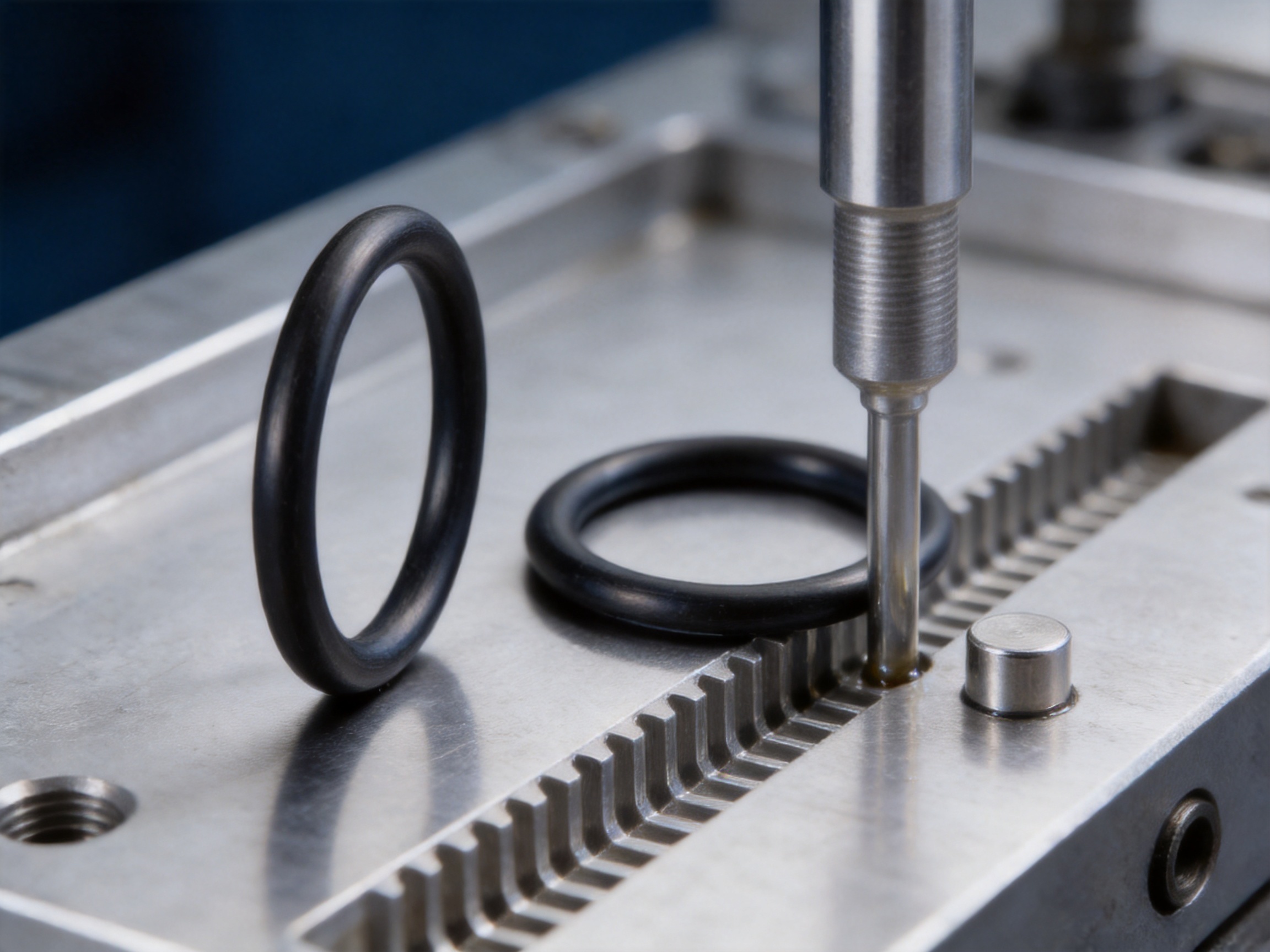
The central design advantage of this product is its focus on kinetic sealing with reduced movement resistance. The 1.9 mm cross-section is relatively slim, limiting the amount of elastomer that must deform and slide during a stroke. In suitable groove and surface conditions, this can contribute to smoother movement and lower operating force.
Reduced resistance can improve the performance of mechanisms that open, close, extend, retract, damp, or adjust repeatedly. It may also reduce energy consumption in automated equipment and improve the tactile quality of furniture or consumer products. In gas springs and dampers, smoother seal movement can support more predictable force characteristics.
Compact Installation Footprint
A 7 mm inside diameter and 1.9 mm cross-section allow the ring to fit compact assemblies. Designers can use the product where a larger O-ring would occupy excessive radial or axial space. Smaller sealing hardware can help reduce component size, simplify packaging, and support lightweight product designs.
The compact form is also useful when several sealing elements must be arranged in a confined mechanism. A slim ring can leave additional space for guide elements, backup components, lubrication channels, or pressure-balancing features. However, the groove must be designed specifically for the selected O-ring size rather than adapted without verification.
Broad General-Purpose Utility
NBR is a familiar material to maintenance teams, engineers, and distributors. Its broad use in industrial equipment makes replacement planning relatively simple. The A-4-003 product code provides a clear reference for purchasing, inventory management, and repeat orders.
The ring can be considered for applications in automotive components, gas spring assemblies, dampers, furniture fittings, home appliances, medical equipment, construction machinery, and general mechanical systems. The final application must be reviewed individually, but the combination of a standard O-ring geometry and NBR material offers flexibility for many common sealing requirements.
Support for High-Frequency Reciprocating Seals
The product description identifies the ring as suitable for high-frequency reciprocating sealing. This means it is intended for mechanisms where repeated movement is a regular part of operation. Its slim profile can help reduce the resistance associated with frequent strokes and support consistent operation over repeated cycles.
High-frequency service places demands on both the seal and the mating hardware. A suitable surface finish, appropriate lubrication, accurate groove dimensions, and clean assembly are necessary to realize the benefits of the design. The O-ring should not be viewed as an isolated component; its performance depends on the complete sealing system.
Practical Cost and Supply Benefits
Standard O-rings are often easier to source and replace than highly specialized seal geometries. The circular profile is familiar to manufacturers and maintenance organizations, and the defined 7×1.9 dimensions provide a straightforward basis for product identification.
Compared with custom-machined seals or complicated multi-element assemblies, a standard NBR O-ring may offer a lower component cost and simpler inventory management. This advantage is especially relevant for equipment manufacturers producing multiple units or for service organizations maintaining large numbers of similar mechanisms.
Comparison with Generic Competitor Alternatives
When compared with a generic O-ring that has not been selected for dynamic service, the 7×1.9 Standard Kinetic O-Ring offers a clearer application focus. Its product description specifically emphasizes low-friction kinetic use and high-frequency reciprocating movement. This helps engineers distinguish it from a general-purpose ring intended primarily for static joints.
A generic ring may have the same nominal dimensions but differ in material compound, hardness, surface quality, dimensional control, or manufacturing consistency. These differences can affect installation, leakage, friction, and life. Selecting a product through a defined code and application description can reduce uncertainty during procurement.
Compared with a larger cross-section O-ring, the 7×1.9 design may provide lower movement resistance and require less installation space. A larger ring can offer more material and potentially greater tolerance to certain design conditions, but it may also increase contact area, friction, and actuation force. The best choice depends on pressure, groove geometry, and application requirements.
Compared with a very small or undersized seal, the 7×1.9 ring provides a defined cross-section that can offer a more stable sealing interface when used in an appropriately designed groove. An undersized seal may not generate sufficient compression or may be more sensitive to manufacturing and assembly variation.
Compared with specialty materials such as FKM or HNBR, standard NBR can provide a cost-effective solution for many oil-lubricated applications. Specialty materials may be preferable at elevated temperatures, in severe weathering environments, or with aggressive chemicals. The advantage of NBR is its balanced performance for common mechanical service rather than universal chemical or temperature resistance.
Compared with highly customized sealing profiles, the circular O-ring design is easier to specify, replace, and integrate into standard engineering workflows. Custom profiles may be necessary for extreme pressure, unusual motion, very low friction, or demanding extrusion conditions, but they can involve more complex tooling, higher costs, and longer development cycles. A standard kinetic O-ring is often an efficient starting point for compact, moderate-duty mechanisms.
Manufacturing Process and Quality Focus
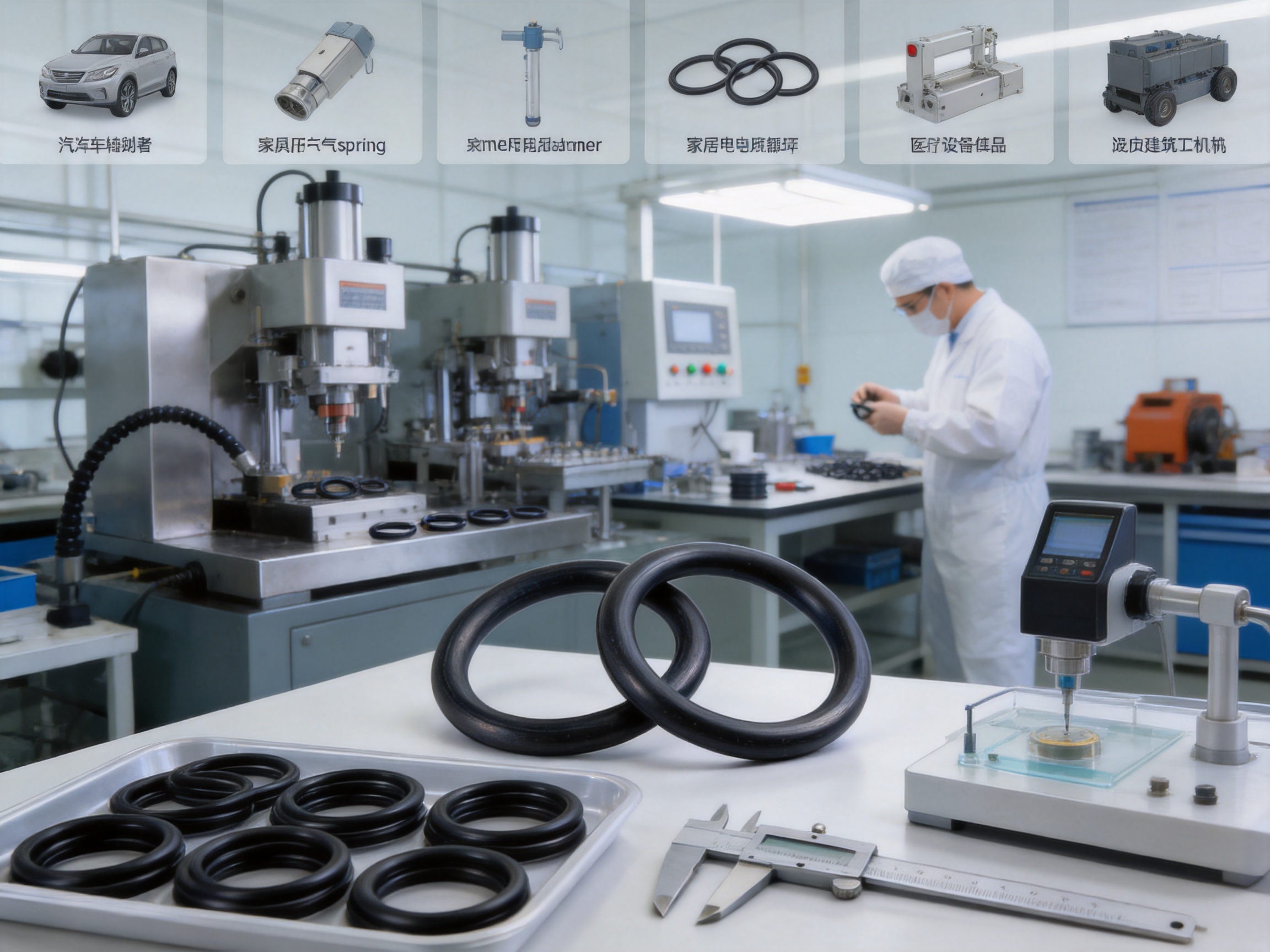
Reliable O-ring performance begins with controlled material preparation and continues through molding, finishing, inspection, testing, packaging, and technical support. Ningguo Jnsseals Sealing Technology Co., Ltd. identifies advanced production equipment, research and development capabilities, and professional technical service as important parts of its manufacturing strength.
Compound Preparation
The manufacturing process begins with the selection and preparation of the NBR compound. Rubber formulation influences hardness, elasticity, tensile strength, compression behavior, abrasion resistance, and compatibility with operating media. Additives may be used to support processing, aging resistance, color, or other required properties.
Consistent mixing is essential. The base polymer and additives must be distributed uniformly so that the finished O-ring performs consistently throughout its circumference and from batch to batch. Poor dispersion can create weak areas, surface defects, or variations in elasticity. Controlled compound preparation helps establish a stable foundation for later molding operations.
Precision Molding
O-rings are generally formed in a precision mold that defines the inside diameter and cross-sectional geometry. For a slim 1.9 mm cross-section, mold accuracy is particularly important because small dimensional variations can influence compression, friction, and sealing contact.
During molding, the compound is shaped under controlled heat and pressure. The curing process transforms the rubber into an elastic solid with the required mechanical characteristics. Parameters such as time, temperature, pressure, and material flow must be managed carefully to reduce defects and promote uniform vulcanization.
Advanced production equipment supports repeatability in this stage. Stable process control can help maintain product dimensions, reduce variation, and improve production efficiency. For customers using the ring in high-volume assemblies, repeatable molding is important because changes in cross-section or inside diameter can affect installation and performance.
Flash Removal and Finishing
After molding, excess material may remain at the mold parting line. This flash must be removed or controlled to ensure a clean sealing surface. Finishing operations should preserve the circular profile and avoid cuts, nicks, tearing, or excessive material removal.
For a dynamic seal, surface condition is especially important. A damaged edge can become a starting point for leakage or tearing. Careful finishing and visual inspection help ensure that the ring is suitable for installation into a moving assembly.
Dimensional Inspection
Inspection typically includes measurement of inside diameter, cross-sectional diameter, overall appearance, and surface condition. The product specification identifies the key dimensions as 7 mm ID and 1.9 mm WD. Maintaining these dimensions within the applicable tolerance is necessary for proper groove fit and sealing compression.
Inspection may be performed using calibrated gauges, optical equipment, measuring instruments, or other suitable methods. The exact inspection plan depends on production requirements and customer specifications. A professional sealing manufacturer can establish inspection procedures appropriate to the product’s application and expected volume.
Material and Performance Testing
Material testing may include checks related to hardness, tensile behavior, elongation, compression set, aging, and fluid compatibility. For kinetic applications, additional evaluation may consider friction, wear, leakage, and repeated cycling under representative conditions.
Testing should reflect actual service conditions whenever possible. A seal used in a gas spring may require a different evaluation from one installed in an oil-lubricated hydraulic component. Pressure, temperature, stroke speed, stroke length, lubrication, and cycle count all influence performance.
Ningguo Jnsseals Sealing Technology Co., Ltd. provides customized sealing solutions that can include product design, testing, and technical consultation. This capability is valuable when a standard product must be evaluated in a specific assembly or when a customer requires a modified material, dimension, hardness, or performance target.
Traceability and Packaging
Clear product identification supports quality control and repeat purchasing. The A-4-003 code connects the 7×1.9 product with its defined dimensions and NBR material. Appropriate packaging protects the rings from contamination, deformation, excessive heat, ozone, and direct sunlight during storage and transportation.
Packaging should also make it easy for customers to identify the part and maintain inventory discipline. O-rings should be stored in a clean, cool, dry environment and kept away from sources of ozone, ultraviolet radiation, solvents, and sharp objects. Correct storage helps preserve the material before installation.
Company Manufacturing Strengths
Ningguo Jnsseals Sealing Technology Co., Ltd. is a high-tech enterprise founded in 2019 and headquartered in Anhui, China. The company focuses on the research, development, and application of sealing technology for gas springs, dampers, and related O-ring products.
This specialization gives the company a practical understanding of applications in which sealing performance and controlled movement are closely connected. Gas springs and dampers depend on effective sealing to retain internal media, control force, prevent contamination, and support smooth movement. Experience in these fields can inform the development of O-rings for other reciprocating and kinetic mechanisms.
The company’s stated strengths include research and development, advanced production equipment, and a professional technical service team. These capabilities support more than the production of standard components. They also create a basis for analyzing customer requirements, recommending suitable materials, developing customized sealing solutions, and assisting with testing and technical consultation.
JNS products are used in automotive, furniture, home appliance, medical equipment, construction, and other industries. These sectors involve different operating conditions and design priorities. Automotive systems may require resistance to oils, vibration, and repeated movement. Furniture mechanisms may prioritize smooth operation and user comfort. Medical equipment may require careful material and cleanliness evaluation. Construction equipment may face contamination, pressure variation, and harsh service conditions.
The company’s ability to serve different industries reflects the importance of application-oriented sealing design. A successful seal is not defined only by its nominal size. It must also match the surrounding hardware, operating media, movement profile, temperature, pressure, and maintenance conditions.
The company’s stated philosophy, “People Oriented, Innovation Driven, Pursuit of Excellence,” emphasizes technical development and customer support. For buyers of the 7×1.9 Standard Kinetic O-Ring, this can mean access to a supplier capable of discussing both standard product selection and customized requirements.
Application Areas
Gas Springs
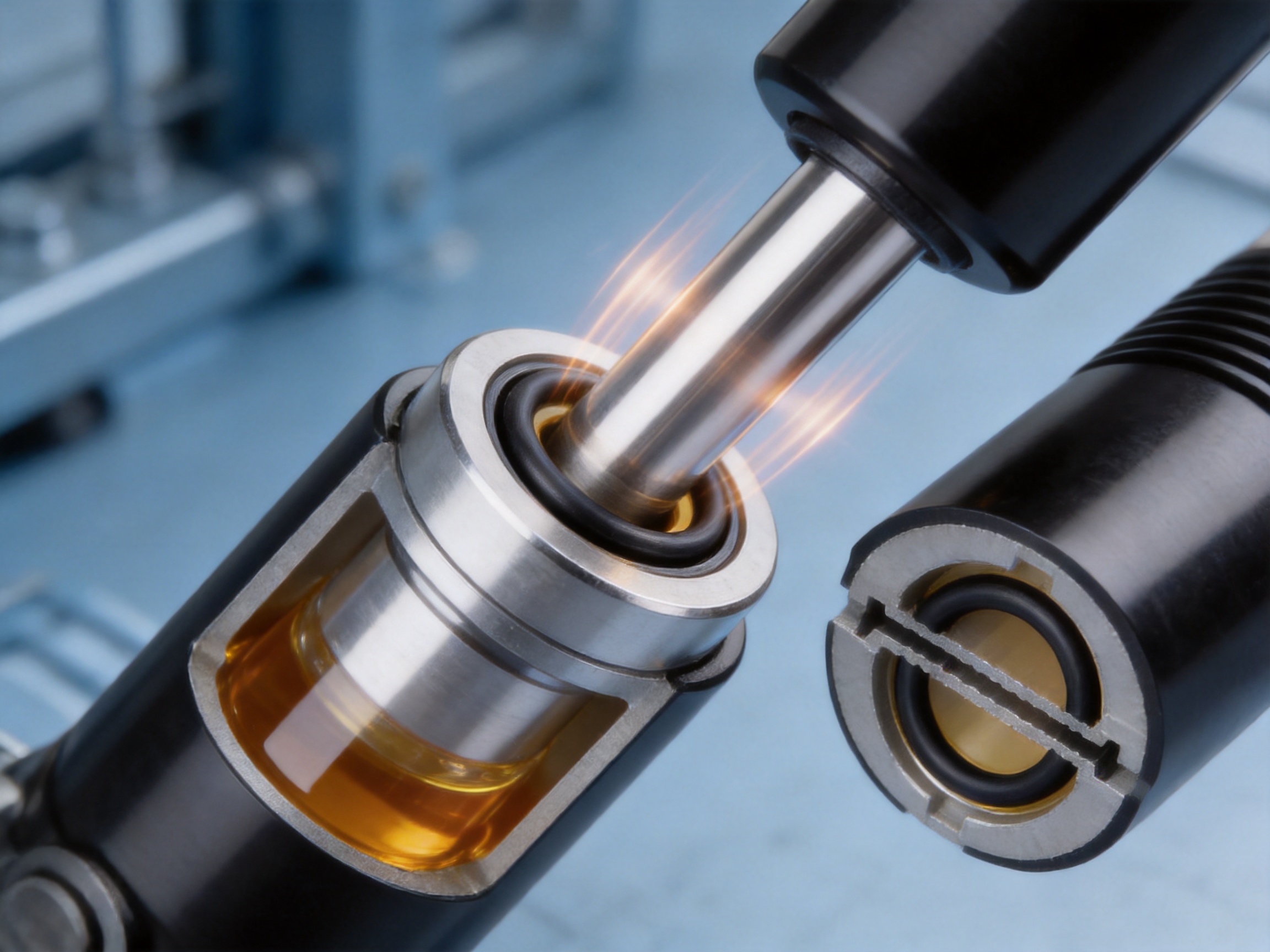
Gas springs use pressurized gas to generate controlled extension or support force. Seals inside the assembly must retain gas while allowing a rod or piston to move. A low-friction O-ring can help support smooth reciprocation and reduce resistance during operation.
The 7×1.9 ring may be considered for compact gas spring designs where a small sealing profile is required. Engineers should verify pressure, temperature, rod finish, lubrication, and cycle life before qualification.
Dampers
Dampers convert movement into controlled resistance and are used in furniture, automotive systems, appliances, and mechanical equipment. Their sealing elements must help retain oil or other working media while allowing the damping mechanism to move repeatedly.
The NBR material and slim kinetic profile may be appropriate for certain oil-lubricated damper applications. The final selection should be based on the actual damping fluid and operating temperature.
Automotive Components
Automotive systems contain numerous compact sealing points, including actuators, adjustment mechanisms, suspension-related components, fluid systems, and interior hardware. Repeated movement, vibration, temperature changes, and exposure to lubricants can make seal selection important.
The 7×1.9 size can be useful in compact assemblies, but automotive qualification generally requires specific testing for temperature, aging, fluid exposure, vibration, and cycle durability.
Furniture Hardware
Adjustable furniture, reclining mechanisms, lift systems, soft-closing devices, and gas-assisted supports often rely on smooth and quiet movement. A low-friction kinetic O-ring can contribute to comfortable operation and consistent actuation.
For furniture applications, the seal may be used in a gas spring or damper rather than as an exposed component. The slim profile can help equipment designers maintain compact hardware while supporting repeated daily use.
Home Appliances
Home appliances may contain small actuators, dampers, valves, and moving mechanisms that require sealing. Compact dimensions and standard availability can be valuable in high-volume appliance production.
Before use, engineers should consider exposure to cleaning agents, water, heat, detergents, and appliance-specific lubricants. If the environment exceeds the practical range of NBR, an alternative compound may be necessary.
Medical Equipment
Medical equipment can include precision mechanisms, fluid-handling assemblies, pumps, and adjustable components. In these applications, material selection, cleanliness, traceability, and regulatory requirements are particularly important.
The product may be considered where NBR compatibility and application requirements are confirmed. Customers should communicate any special requirements concerning biocompatibility, sterilization, extractables, cleanliness, or documentation before ordering.
Construction and Industrial Equipment
Construction and industrial equipment often require robust seals for actuators, dampers, control mechanisms, and auxiliary systems. The 7×1.9 ring may suit compact mechanisms that experience repeated movement and lubricated service.
Heavy-duty environments can involve dust, mud, vibration, shock, and large temperature variations. Proper gland design, contamination control, protective wipers, and suitable material selection are essential for reliable service.
Installation Recommendations
Correct installation is necessary to protect the ring and achieve its intended sealing performance. Before installation, inspect the groove and mating surface for burrs, sharp edges, chips, corrosion, contamination, or excessive roughness. Any defect that contacts the ring can cause cutting or premature wear.
Confirm that the groove dimensions are designed for a 7 mm inside diameter and 1.9 mm cross-section. The required squeeze and stretch depend on whether the ring is installed in a piston, rod, face-seal, or other configuration. Dynamic applications generally require careful control of compression to prevent excessive friction.
Use a compatible lubricant during assembly when permitted by the application. Lubrication can reduce installation damage and initial friction. The lubricant must be compatible with NBR and with the operating medium. Avoid sharp tools, twisting, rolling, or forced stretching during installation.
For reciprocating service, ensure that the moving surface is properly finished and aligned. Misalignment can create uneven loading and localized wear. Excessive side loading may cause abrasion or extrusion, even when the O-ring material and dimensions are otherwise suitable.
After installation, inspect the assembly for smooth movement and leakage. If the mechanism requires unusually high force, check groove compression, surface roughness, lubricant quantity, alignment, and possible contamination. Early inspection can prevent damage to both the seal and the equipment.
Selection Checklist
| Selection Factor | Questions to Confirm |
| Dimensions | Is a 7 mm ID and 1.9 mm cross-section suitable for the groove? |
| Motion | Is the application reciprocating, oscillating, rotary, or static? |
| Material | Is NBR compatible with the operating fluid and environment? |
| Temperature | Can the NBR compound withstand minimum and maximum temperatures? |
| Pressure | Are pressure level, direction, and fluctuations within the design range? |
| Speed | What are the movement speed, stroke length, and cycle frequency? |
| Surface | Are the shaft and bore properly finished and free from defects? |
| Lubrication | Is the lubricant compatible with NBR and available throughout service? |
| Storage | Will the product be protected from ozone, sunlight, heat, and contamination? |
| Validation | Has the complete seal assembly been tested under representative conditions? |
Maintenance and Storage
O-rings should be stored in their original packaging whenever possible. Keep them in a cool, dry, dark location away from direct sunlight, ultraviolet radiation, ozone-generating electrical equipment, and chemical vapors. Avoid hanging rings on nails or hooks because localized stretching can cause permanent deformation.
Do not place heavy objects on packages of O-rings. Compression during storage can distort the cross-section and affect installation. Maintain reasonable stock rotation so that older material is used before newer material, while respecting the supplier’s storage recommendations and shelf-life guidance.
During maintenance, replace rings that show cuts, cracks, flattening, swelling, hardening, surface abrasion, or loss of elasticity. Reusing a removed dynamic O-ring is generally discouraged because its original shape and sealing properties may have changed.
Clean the groove and mating components before installing a replacement. Foreign particles can create leakage paths or accelerate wear. If repeated seal failure occurs, investigate the root cause rather than simply replacing the ring. Possible causes include incorrect groove design, unsuitable lubricant, excessive pressure, misalignment, poor surface finish, temperature exposure, or incompatible media.
Customization and Technical Support
Although the 7×1.9 Standard Kinetic O-Ring is a defined product, some applications may require modifications. Customers may need a different hardness, compound, color, tolerance, packaging method, or dimensional specification. Others may require assistance with a new groove design or with testing under actual operating conditions.
Ningguo Jnsseals Sealing Technology Co., Ltd. provides customized sealing solutions that include product design, testing, and technical consultation. This allows the supplier to participate in the development process rather than simply deliver a catalog component.
For efficient technical evaluation, customers should provide as much information as possible. Useful details include the application drawing, groove dimensions, mating material, pressure, temperature, media, stroke, movement speed, cycle count, lubrication method, environmental exposure, leakage limits, and expected service life.
A structured evaluation can determine whether the standard NBR ring is appropriate or whether a modified solution would provide greater reliability. It can also identify opportunities to improve the complete sealing system through changes to surface finish, groove geometry, lubrication, guide support, or contamination protection.
Quality, Reliability, and Total Value
The value of a dynamic O-ring is not limited to its purchase price. A low-cost seal that causes leakage, high actuation force, downtime, or frequent replacement may create greater total cost than a slightly more carefully selected component. Dimensional consistency, material suitability, manufacturing control, and technical support all contribute to total value.
The 7×1.9 Standard Kinetic O-Ring offers a practical combination of standard geometry, NBR material, compact size, and low-friction application focus. Its advantages are particularly relevant where smooth repeated movement and limited installation space are important.
Supplier capability also affects value. A manufacturer with R&D resources, advanced production equipment, testing support, and application experience can help reduce selection risk. Ningguo Jnsseals Sealing Technology Co., Ltd. combines product manufacturing with technical consultation and customized development, providing a broader support structure for customers in different industries.
For original equipment manufacturers, repeatable production and clear product identification can simplify assembly and purchasing. For distributors and maintenance teams, the A-4-003 code and defined 7×1.9 dimensions support easier inventory management. For engineering teams, the product provides a practical starting point for compact kinetic sealing designs.
Frequently Asked Questions
What is the 7×1.9 Standard Kinetic O-Ring?
It is a slim circular O-ring with a 7 mm inside diameter and a 1.9 mm cross-sectional diameter. It is made from NBR and designed for low-friction kinetic applications, especially reciprocating sealing.
What does the product code A-4-003 identify?
A-4-003 is the product code assigned to the 7×1.9 Standard Kinetic O-Ring. It can be used for product identification, purchasing, repeat ordering, and inventory management.
Why is the ring suitable for reciprocating movement?
Its slim 1.9 mm cross-section is intended to reduce movement resistance in comparison with bulkier sealing profiles when used in an appropriately designed groove. The ring must still be installed with suitable compression, lubrication, surface finish, and alignment.
What is NBR?
NBR is nitrile rubber, an elastomer widely used for sealing because of its useful balance of oil resistance, mechanical strength, elasticity, and abrasion resistance. Compatibility must be confirmed for the specific fluid, temperature, and service environment.
Can the product be used in gas springs and dampers?
It may be considered for suitable gas spring and damper applications because these systems commonly require compact dynamic seals. The actual pressure, temperature, working medium, rod finish, stroke, and cycle requirements should be reviewed before qualification.
Is this O-ring suitable for static sealing?
The ring is primarily described for kinetic sealing, but O-rings can also be used in some static sealing arrangements when the dimensions, material, compression, and environment are appropriate. Application-specific validation is recommended.
Can it be used with every oil or lubricant?
No. NBR is compatible with many petroleum-based oils and greases, but compatibility depends on the exact formulation, temperature, exposure duration, and additives. The operating medium should be checked before use.
What are the main advantages over a generic O-ring?
The product has a defined 7×1.9 size, an identified NBR material, a specific product code, and an application focus on low-friction kinetic sealing. These characteristics can make selection and repeat procurement more predictable than using an unspecified generic ring.
What information should be provided for technical consultation?
Customers should provide groove dimensions, pressure, temperature, working medium, movement type, stroke, speed, cycle frequency, lubrication, surface finish, alignment, and expected service life. Drawings and test requirements are also useful.
Can the manufacturer provide customized sealing solutions?
Yes. Ningguo Jnsseals Sealing Technology Co., Ltd. provides customized sealing support that may include product design, testing, and technical consultation. Customers can discuss modified dimensions, materials, hardness, packaging, or application-specific requirements.
How should the O-rings be stored?
Store them in a cool, dry, dark location away from direct sunlight, ozone, heat, chemical vapors, sharp objects, and excessive compression. Keep the rings in suitable packaging and avoid stretching them during storage.
What should be checked if leakage occurs after installation?
Check the groove dimensions, seal size, compression, surface finish, alignment, lubricant compatibility, pressure, temperature, and presence of contamination. Inspect the ring for cuts, twisting, abrasion, swelling, or other damage.
Conclusion
The 7×1.9 Standard Kinetic O-Ring is a compact NBR sealing component developed for low-friction reciprocating and kinetic applications. Its 7 mm inside diameter and slim 1.9 mm cross-section make it suitable for mechanisms where limited installation space, smooth movement, and reduced resistance are important.
Its advantages include compact dimensions, practical NBR performance, standard product identification, broad industrial usefulness, and a design focus on high-frequency movement. Compared with an unspecified generic O-ring, the clearly defined size, material, product code, and kinetic application description provide a more structured basis for selection.
Reliable performance depends on the complete sealing system. Proper groove design, surface condition, lubrication, alignment, pressure control, temperature evaluation, and installation practice are essential. NBR should be confirmed as compatible with the working media and environment before production use.
Supported by research and development, advanced production equipment, testing capabilities, and technical service, Ningguo Jnsseals Sealing Technology Co., Ltd. offers both standard O-ring products and customized sealing solutions. Its experience in gas springs, dampers, and related sealing technology enables the company to support customers in automotive, furniture, home appliance, medical, construction, and other industrial fields.
For engineers and purchasing teams seeking a small, practical seal for repeated movement, the A-4-003 7×1.9 Standard Kinetic O-Ring provides a useful balance of compact design, low-friction potential, established NBR material performance, and application-oriented manufacturing support.
References
1. Ningguo Jnsseals Sealing Technology Co., Ltd., Product Specification: 7×1.9 Standard Kinetic O-Ring, Product Code A-4-003.
2. Ningguo Jnsseals Sealing Technology Co., Ltd., Company Information and Sealing Technology Overview.
3. ISO 3601, Fluid Systems—O-Rings.
4. ISO 23936, Petroleum, Petrochemical and Natural Gas Industries—Non-Metallic Materials in Contact with Media Related to Oil and Gas Production.
5. Parker Hannifin, O-Ring Handbook and Engineering Design Guidelines.
6. Rubber Manufacturers Association, Rubber Handbook and Elastomer Storage Recommendations.
7. ASTM D2000, Standard Classification System for Rubber Products in Automotive Applications.
Product: 7x1.9 Standard Kinetic O-Ring

PREV:13.3mm Precision-Fit NBR O-Ring for Reliable Non-Standard Sealing Applications
NEXT:14.8 mm Robust Piston Seal: A High-Performance NBR Solution for Gas Springs and Dampers
NEXT:14.8 mm Robust Piston Seal: A High-Performance NBR Solution for Gas Springs and Dampers


Want to know more
about us?
about us?

Precision sealing for gas springs and dampers. Durable, wear-resistant, and built for long-life performance in demanding applications.
Product Categories
Quick Links
Contact Us
-
Email: jns@jnsseals.cn

-
Email: LouZhuoyu@outlook.com
-
Manager Gong: +86-18563770820

-
Manager Wang: +8615357558902
-
No. 5, Meilin Avenue, Meilin Industrial Development Zone, Ningguo City, Anhui Province, China

