

 English
 русский
 Deutsch
 Türk
 中文简体
14.8 mm Robust Piston Seal for High-Vibration Applications
14.8 mm Robust Piston Seal for High-Vibration Applications
14.8 mm Robust Piston Seal for High-Vibration Applications
14.8 mm Robust Piston Seal for High-Vibration Applications
14.8 mm Robust Piston Seal for High-Vibration Applications
14.8 mm Robust Piston Seal for High-Vibration Applications
14.8 mm Robust Piston Seal for High-Vibration Applications
14.8 mm Robust Piston Seal for High-Vibration Applications
14.8 mm Robust Piston Seal for High-Vibration Applications
14.8 mm Robust Piston Seal for High-Vibration Applications
14.8 mm Robust Piston Seal for High-Vibration Applications
14.8 mm Robust Piston Seal for High-Vibration Applications
14.8 mm Robust Piston Seal for High-Vibration Applications
14.8 mm Robust Piston Seal for High-Vibration Applications
14.8 mm Robust Piston Seal for High-Vibration Applications
14.8 mm Robust Piston Seal for High-Vibration Applications

Lu Wanyin — Senior After-Sales Service Engineer
Home / Author / Lu Wanyin — Senior After-Sales Service Engineer / 14.8 mm Robust Piston Seal for High-Vibration Applications
NEW Category
Contact us
14.8 mm Robust Piston Seal for High-Vibration Applications
Content
- 1 Product Overview
- 2 Y-Type Geometry and Dynamic Sealing Performance
- 3 Material Advantages of NBR
- 4 Designed for High-Vibration Zones
- 5 Optional Self-Lubrication
- 6 Advantages Compared with Generic Competitor Seals
- 7 Advanced Manufacturing and Quality Approach
- 8 Company Capabilities and Industry Experience
- 9 Applications
- 10 Installation Recommendations
- 11 Design and Purchasing Checklist
- 12 Maintenance and Storage
- 13 Why Work with a Specialized Seal Manufacturer?
- 14 Frequently Asked Questions
- 14.1 What type of seal is the 14.8 mm Robust Piston Seal?
- 14.2 What are the product dimensions?
- 14.3 What material is used?
- 14.4 What installation arrangement is specified?
- 14.5 Is the seal suitable for vibration?
- 14.6 What does the 10–500N range mean?
- 14.7 Does the seal provide self-lubrication?
- 14.8 Can NBR be used with every fluid?
- 14.9 What industries can use this product?
- 14.10 Can the product be customized?
- 14.11 How can customers reduce installation damage?
- 14.12 How should the product be evaluated before mass production?
- 15 Conclusion
- 16 References
- 17 Product: 14.8mm Robust Piston Seal
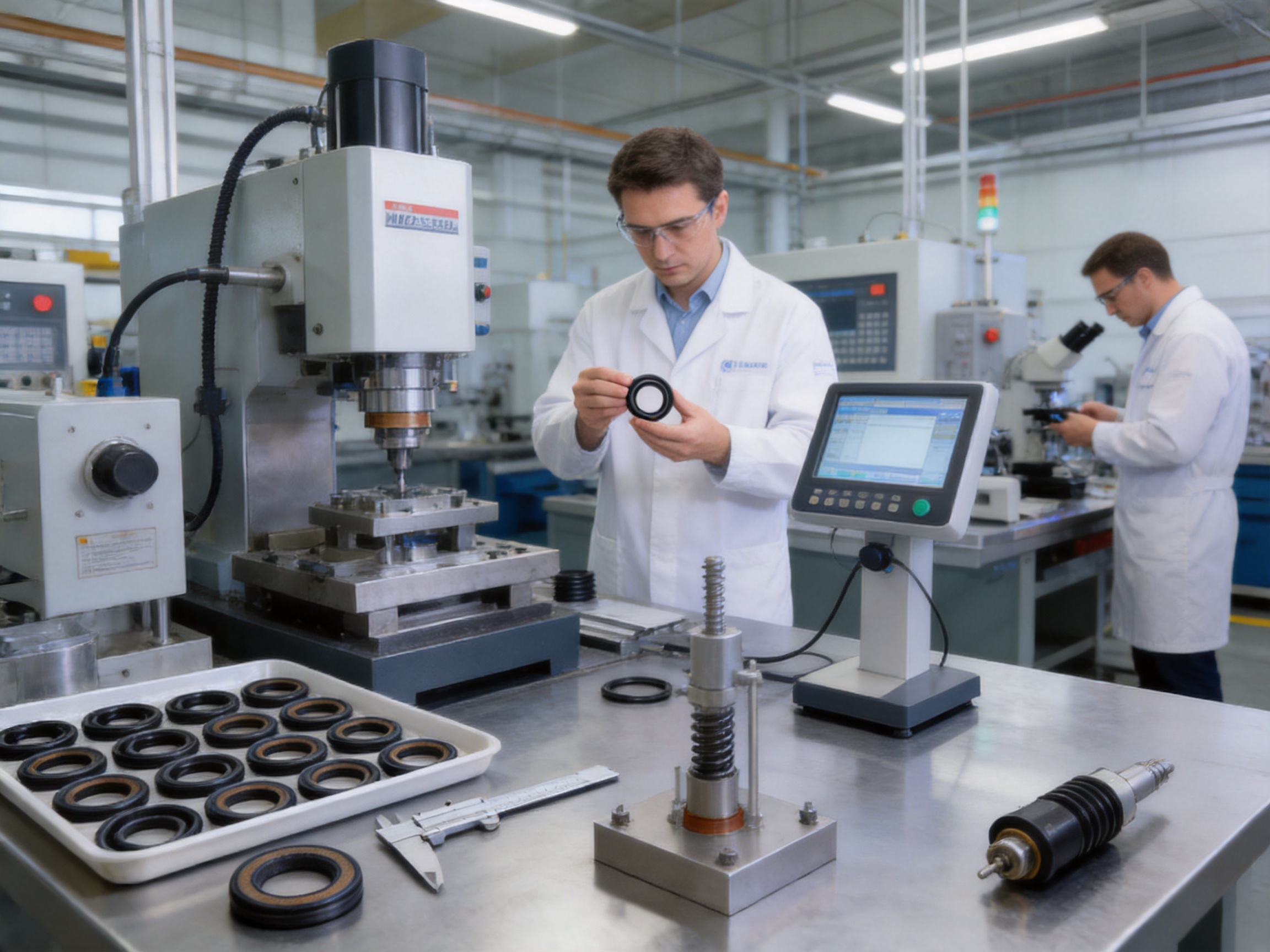
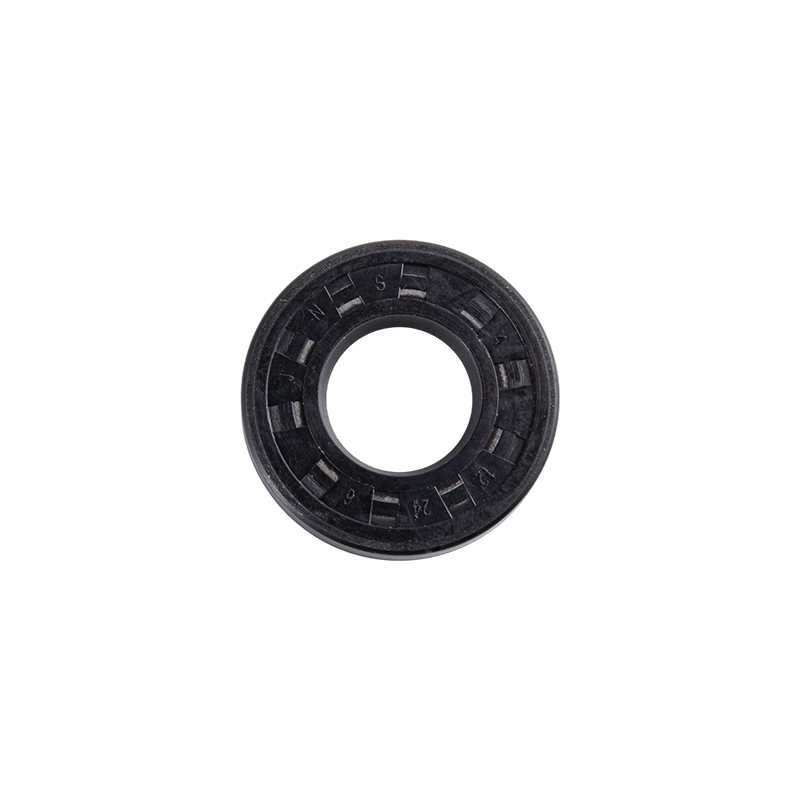
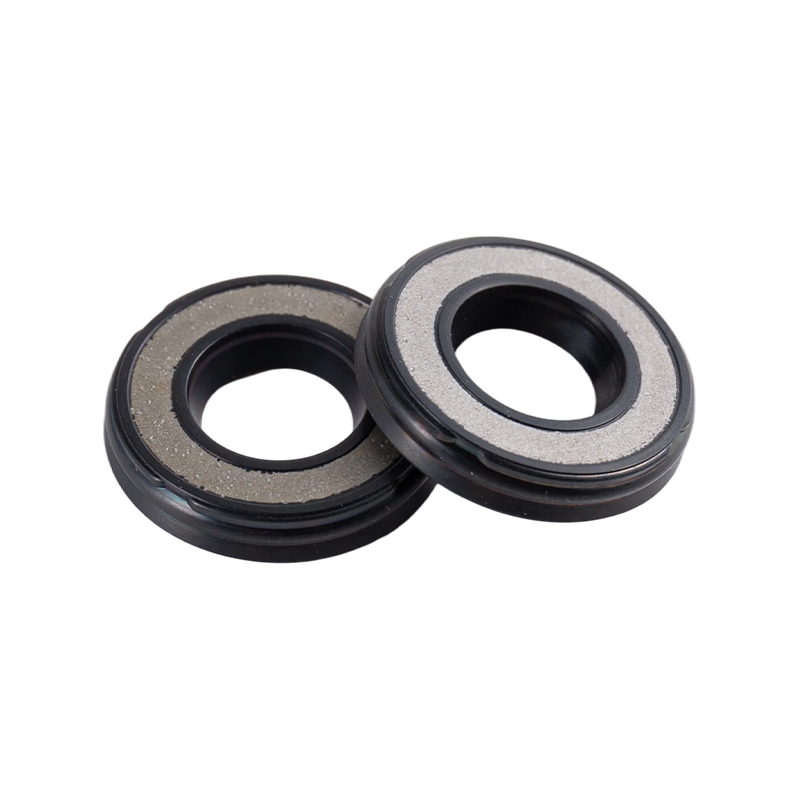
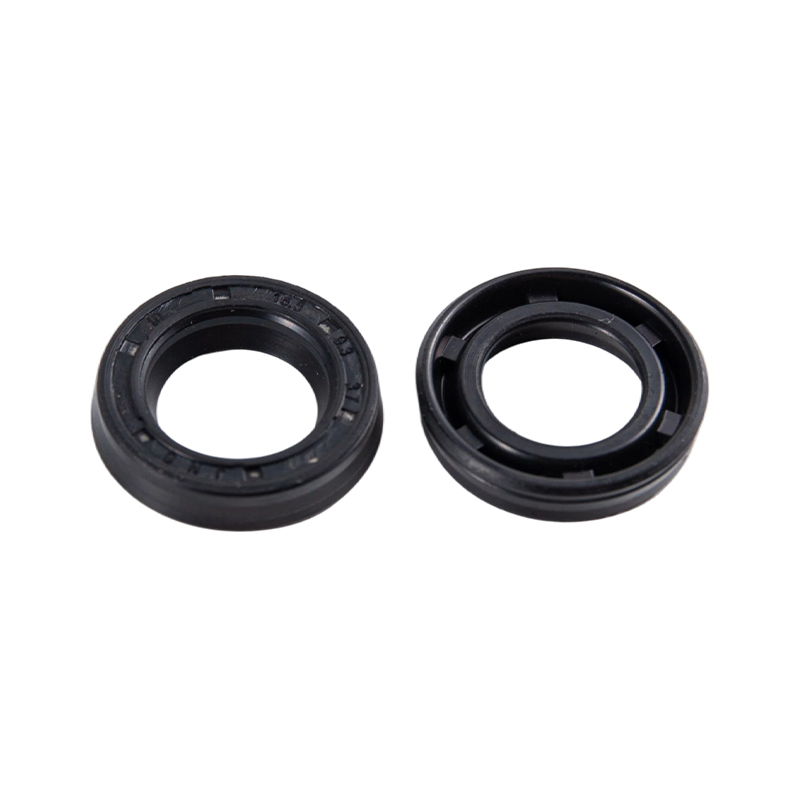
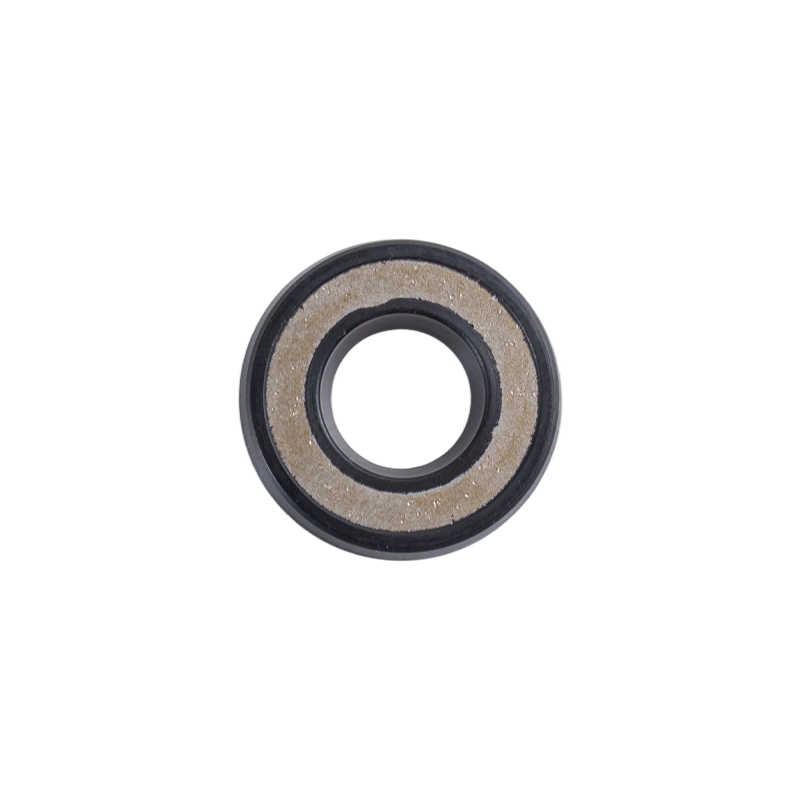
The 14.8 mm Robust Piston Seal is a compact Y-type oil seal ring developed for demanding gas spring, damper, and piston sealing applications. With an outside diameter of 14.8 mm, an inside diameter of 5.2 mm, and a height of 3.5 mm, this seal is designed to create a dependable sealing interface in compact mechanical assemblies. Its NBR construction provides a practical combination of elasticity, wear resistance, sealing recovery, and cost efficiency for a wide range of industrial products.
Identified by product code A-1-011, the seal is designed for a steel pipe inner diameter of 14 mm and a piston rod diameter of 6 mm. The specified design applicable range is 10–500N, making the product suitable for equipment exposed to changing mechanical loads and vibration. Its geometry is intended to maintain contact with the mating surfaces while allowing the piston or rod to move through the seal with controlled friction.
Unlike a basic flat gasket, a Y-type piston seal is shaped to support dynamic sealing. Its sealing lips can respond to movement, pressure changes, and surface variation more effectively than a simple static sealing element. This makes the product suitable for gas springs, dampers, furniture mechanisms, automotive components, home appliances, medical equipment, and other systems requiring reliable fluid or gas retention in a limited installation space.
The product is manufactured by Ningguo Jnsseals Sealing Technology Co., Ltd., a high-tech enterprise established in 2019 and focused on sealing technology for gas springs, dampers, and related O-ring products. The company combines sealing material knowledge, product development, production equipment, testing capability, and technical consultation to provide both standard and customized sealing solutions.
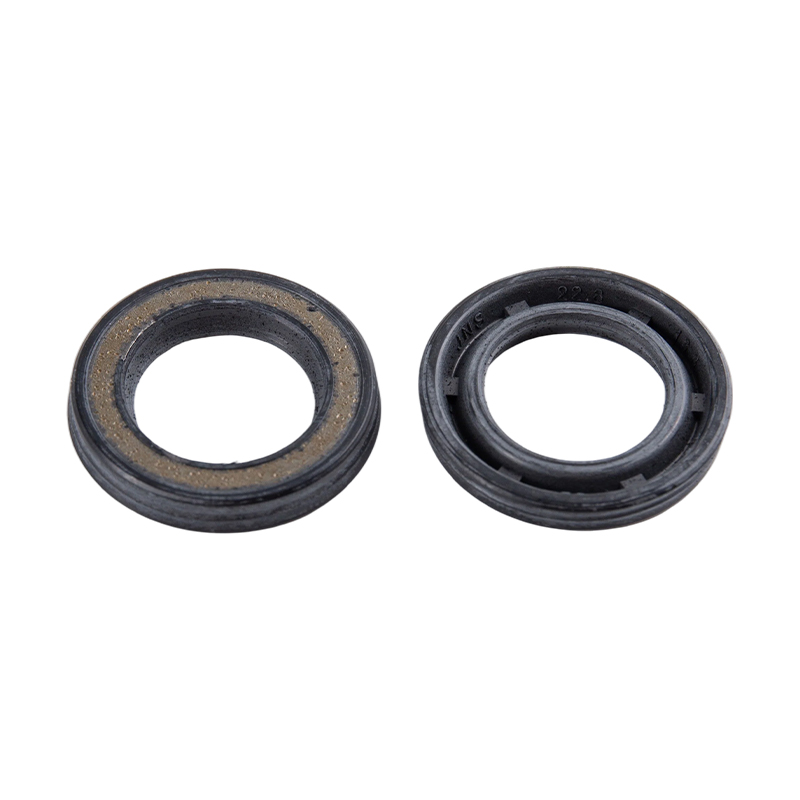
14.8mm Robust Piston Seal
Product Overview
The 14.8 mm Robust Piston Seal is engineered around a compact dimensional profile. Its primary specification is 14.8 × 5.2 × 3.5 mm, corresponding to the outside diameter, inside diameter, and height. These dimensions provide a practical balance between sealing coverage and installation efficiency. The 14.8 mm outside diameter is intended to fit tightly within the designated bore, while the 5.2 mm inside diameter accommodates the specified piston rod arrangement.
The related installation configuration is listed as a steel pipe inner diameter of 14 mm and a piston rod diameter of 6 mm. Before production or assembly, customers should verify actual bore size, rod size, groove dimensions, surface finish, clearance, movement speed, temperature, and working medium. Correct dimensional matching is essential because even a high-quality seal can perform poorly if the groove or mating components are outside the intended design range.
| Item | Specification |
|---|---|
| Product name | 14.8 mm Robust Piston Seal |
| Seal type | Y-type oil seal ring |
| Product code | A-1-011 |
| Product specification | 14.8 × 5.2 × 3.5 mm |
| Outside diameter | 14.8 mm |
| Inside diameter | 5.2 mm |
| Height | 3.5 mm |
| Recommended steel pipe inner diameter | 14 mm |
| Specified piston rod diameter | 6 mm |
| Product material | NBR |
| Design applicable range | 10–500N |
| O-ring adapter | Not specified |
The product description identifies the seal as suitable for high-vibration zones. This is important because vibration can create repeated changes in contact pressure, local movement, and alignment. A rigid or poorly designed sealing component may lose contact, wear quickly, or allow leakage under these conditions. The Y-type structure is intended to maintain a sealing edge while accommodating the movement characteristic of a piston assembly.
Y-Type Geometry and Dynamic Sealing Performance
A Y-type seal normally includes a central body and sealing lips that form a profile resembling the letter “Y.” The lips are responsible for creating contact with the bore, rod, or associated sealing surface. During installation, the profile is compressed within the housing. During operation, pressure and elastic recovery help the lips remain engaged with the mating surface.
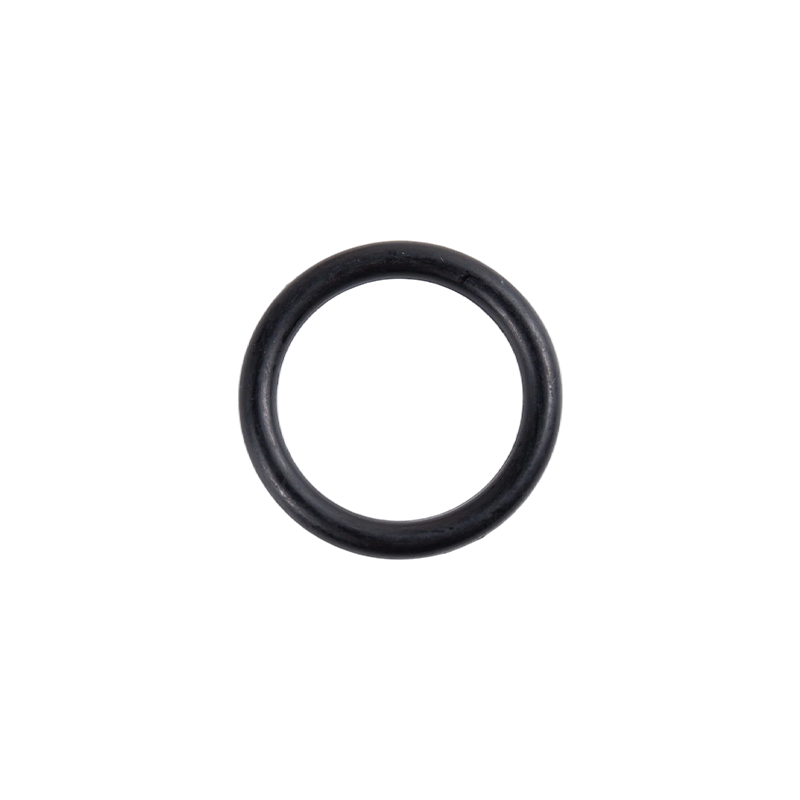
This design is different from an O-ring used alone in a conventional static groove. An O-ring depends primarily on radial or axial compression. A Y-type seal, by comparison, is shaped specifically to support movement and directional sealing. The profile can provide a controlled contact zone, helping reduce the risk of fluid or gas migration along the piston interface.
The compact 14.8 mm outside diameter is a significant feature for small assemblies. Designers of gas springs, compact dampers, furniture supports, and miniature actuators often have limited housing space. A seal with a large radial profile may require a larger cylinder or a more complicated groove. This product provides a small-footprint option for assemblies designed around a 14 mm steel pipe inner diameter.
The 3.5 mm height also supports applications where axial installation space is limited. However, the groove should be designed according to the actual seal profile and the intended compression. The seal should not be forced into an unsuitable cavity, excessively stretched over a sharp edge, or compressed beyond the level recommended by the technical drawing or application engineer.
The sealing interface must be protected from burrs, sharp edges, chips, and contamination. A smooth lead-in chamfer can reduce installation damage, while a clean piston rod helps prevent abrasive particles from being carried into the sealing lip. These installation factors are as important as the seal material and geometry when long service life is required.
Material Advantages of NBR
The 14.8 mm Robust Piston Seal uses NBR, or nitrile butadiene rubber. NBR is widely used in industrial sealing because it offers good resistance to mineral oils, lubricating oils, greases, and many common hydrocarbon-based fluids. It also provides useful mechanical strength, elastic recovery, and abrasion resistance for dynamic sealing applications.
For gas springs and dampers, the material must repeatedly deform and recover while maintaining contact with a moving rod or piston. NBR is well established for this type of service. Its balance of performance and price makes it an attractive choice for original equipment manufacturers, replacement-part distributors, and high-volume production programs.
Another benefit of NBR is its broad availability in different formulations and hardness grades. Depending on the application, a compound can be adjusted to support improved wear resistance, resilience, low-temperature behavior, or fluid compatibility. The exact compound and hardness should be confirmed with the manufacturer when the product will operate outside ordinary industrial conditions.
NBR is not universally suitable for every medium or temperature. Strongly aggressive chemicals, certain specialized fluids, ozone-rich environments, and high-temperature applications may require other elastomers such as HNBR, FPM, EPDM, silicone, or another engineered compound. Ningguo Jnsseals Sealing Technology Co., Ltd. provides NBR, HNBR, and FPM-related O-ring products and can assist customers in selecting a more appropriate material when the operating environment requires it.
Material selection should consider the complete service profile rather than one isolated factor. The fluid, pressure, temperature, motion, surface finish, installation stress, storage conditions, and expected service life all influence performance. A technically correct material paired with an unsuitable groove or contaminated assembly may still fail prematurely.
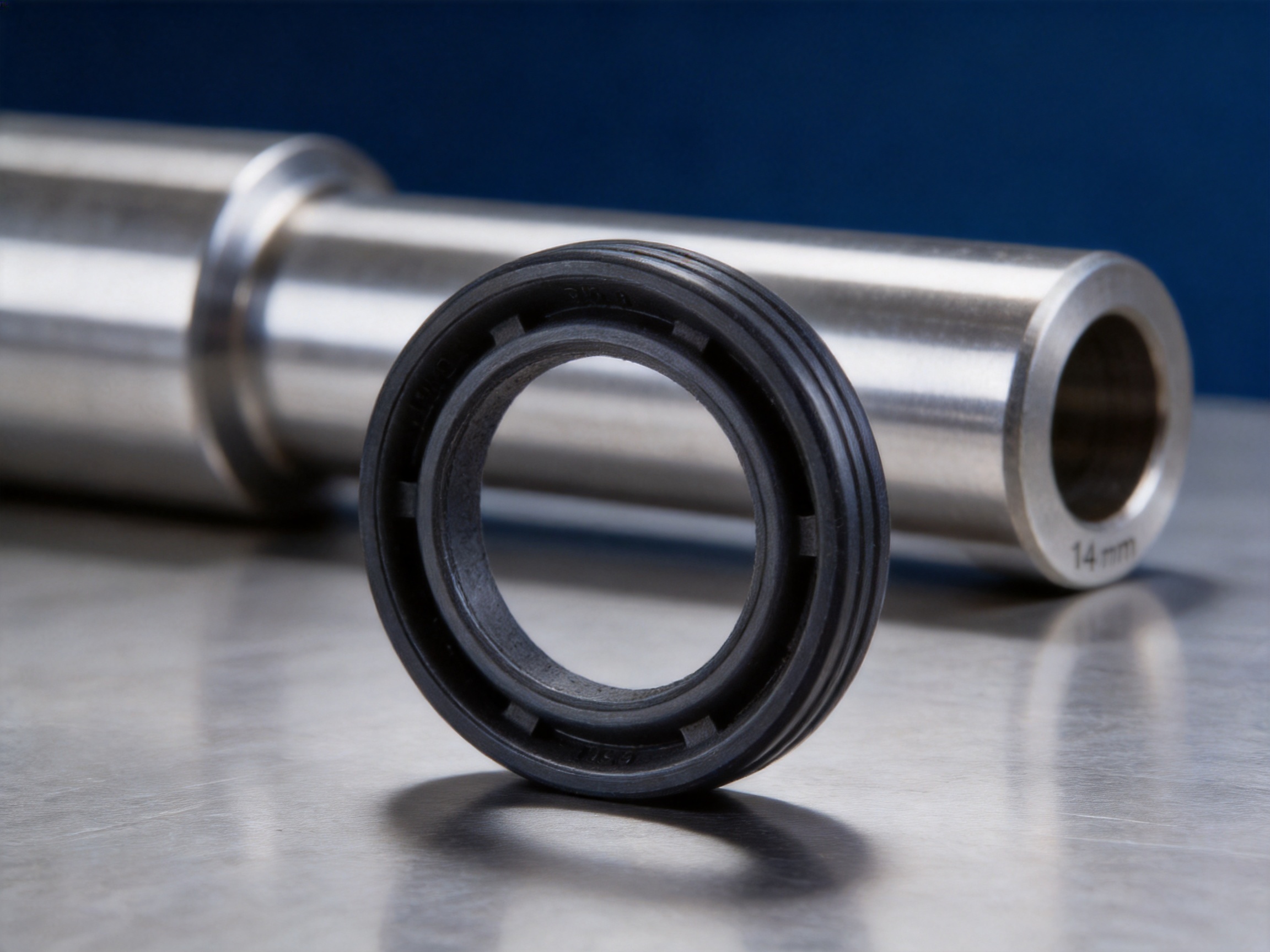
Designed for High-Vibration Zones
Vibration is one of the most challenging conditions for a compact seal. Repeated movement can cause microscopic sliding between the seal and its mating surface. It can also change the alignment of the piston rod, increase friction, and create short-term separation between the sealing lip and the bore. Over time, these effects may result in wear, leakage, noise, or loss of operating force.
The 14.8 mm Robust Piston Seal is described as being developed for high-vibration zones and a 10–500N design applicable range. Its compact Y-type structure and elastic NBR material are intended to support stable contact under changing mechanical conditions. The product is particularly relevant to gas springs, dampers, adjustable furniture mechanisms, and other products that experience repeated movement or impact.
Shock resistance is another stated advantage. Shock may occur when a piston reaches the end of its travel, when a furniture component is opened or closed quickly, or when a damper is exposed to an abrupt load. A seal with suitable elasticity can absorb part of the sudden deformation instead of cracking or permanently losing its shape.
Shock resistance does not mean that the seal can compensate for unlimited impact or poor system design. The complete assembly should include suitable travel limits, rod guidance, pressure control, and mechanical support. If the rod is bent, the bore is misaligned, or the seal is exposed to an excessive load, the seal may be overloaded regardless of its nominal specifications.
Optional Self-Lubrication
The product description identifies optional self-lubrication as one of its available features. Self-lubricating behavior can help reduce friction between the sealing lip and the moving rod. This may be valuable in compact mechanisms where access for relubrication is limited or where consistent low-friction movement is required throughout the product life.
Lower friction can provide several practical benefits. It may reduce operating force, minimize heat generation, decrease wear, and support smoother extension or compression of a gas spring or damper. It can also help reduce stick-slip behavior, which may otherwise create vibration, noise, or irregular movement.
Lubrication must be compatible with the NBR compound and the working medium. An unsuitable grease or oil may cause swelling, softening, shrinkage, hardening, or loss of mechanical strength. Customers should therefore specify the lubricant, fluid, and temperature range when requesting a self-lubricating version or customized formulation.
The term “self-lubrication” should be interpreted as a product feature requiring technical confirmation rather than as permission to operate the seal without considering the surrounding system. Depending on the application, the seal may still require an initial assembly lubricant or a compatible internal lubricant supplied within the cylinder or damper.
Advantages Compared with Generic Competitor Seals
Many general-purpose seals may appear similar in a catalog, but differences in profile accuracy, compound consistency, dimensional control, and application support can have a major effect on practical performance. The 14.8 mm Robust Piston Seal offers several advantages over an undifferentiated generic alternative when the application matches its design intent.
Application-Specific Dimensions
The product is defined by a complete dimensional specification of 14.8 × 5.2 × 3.5 mm, together with the related 14 mm steel pipe inner diameter and 6 mm piston rod arrangement. This makes it easier for engineers to evaluate the seal within a known assembly rather than selecting a loosely described component based only on nominal outside diameter.
Compact Installation Footprint
The 14.8 mm outside diameter supports compact cylinders and housings. In comparison with larger or less optimized seal profiles, it can help product designers preserve space for other components, reduce overall equipment size, and simplify integration into small gas springs or dampers.
Dynamic Sealing Profile
The Y-type configuration is intended for moving interfaces. A generic flat gasket may provide effective static sealing but may not be suitable for repeated piston movement. The dedicated profile is more appropriate for applications where the rod or piston travels through the sealing element.
Vibration and Shock Consideration
The product was developed for high-vibration zones and is described as having excellent shock resistance. These design priorities distinguish it from a basic seal intended only for stable, low-motion conditions. For equipment exposed to impact, repeated cycling, or mechanical disturbance, a purpose-oriented seal can provide a more suitable starting point.
NBR Performance and Cost Balance
NBR provides a combination of oil resistance, elasticity, abrasion resistance, and economical production. While specialized elastomers may be necessary for extreme environments, NBR is often the more commercially efficient choice for ordinary oil-based applications and high-volume products.
Customization Support
Ningguo Jnsseals Sealing Technology Co., Ltd. offers customized sealing solutions that may include product design, testing, and technical consultation. This is an important advantage over suppliers that only provide standard catalog dimensions. Custom support can help address unusual groove dimensions, material requirements, friction targets, operating temperatures, or assembly constraints.
Integrated Technical Service
A seal supplier with experience in gas springs, dampers, and O-ring products can contribute more than a component quotation. Technical cooperation may include reviewing the mating parts, identifying likely leakage paths, recommending materials, checking installation conditions, and supporting validation testing. This reduces the risk of treating a sealing problem as a simple size-matching exercise.
Competitor performance depends on the individual supplier and product, so any comparison should be confirmed through drawings, samples, test results, and application data. The 14.8 mm Robust Piston Seal should be selected when its dimensions, NBR material, load range, and environmental suitability match the intended equipment.
Advanced Manufacturing and Quality Approach
Reliable sealing performance begins with controlled manufacturing. A seal must maintain its designed profile, dimensional stability, surface quality, and material properties across production batches. Even small variations at the sealing lip can influence friction, leakage, and service life.
Ningguo Jnsseals Sealing Technology Co., Ltd. is described as a high-tech enterprise with strong research and development capabilities, advanced production equipment, and a professional technical service team. These strengths support the development and manufacture of seals for gas springs, dampers, and related industrial applications.
Product Development
Product development begins with understanding the application. Engineers may evaluate bore size, rod diameter, movement pattern, pressure or load, vibration, temperature, fluid compatibility, and expected cycle life. For the A-1-011 seal, the defined dimensional relationship between the 14.8 mm outside diameter, 5.2 mm inside diameter, and 3.5 mm height provides the foundation for tooling, assembly, and performance evaluation.
When a customer requires a variation, the development process may involve reviewing the existing profile, modifying dimensions, evaluating material options, and producing samples for testing. A design that appears only slightly different may need a new mold, revised compression conditions, or a different compound to maintain the intended sealing force.
Material and Compound Control
Elastomer quality is influenced by polymer selection, filler dispersion, plasticizer balance, curing system, hardness, and storage conditions. Consistent mixing and curing help ensure that the finished seal has stable mechanical properties. For NBR products, compound control is especially important because hardness and resilience affect both leakage prevention and running friction.
For applications involving higher temperature, fuel exposure, aggressive fluids, or ozone, the material may need to be changed to HNBR, FPM, or another suitable elastomer. A technically capable manufacturer can assess the operating environment and recommend whether the standard NBR version is sufficient or whether a specialized compound is more appropriate.
Molding and Profile Reproduction
Compression molding, transfer molding, or injection molding may be used depending on the product design, compound, volume, and production requirements. The selected process must reproduce the sealing lips accurately and minimize defects such as flash, voids, deformation, incomplete filling, or surface irregularity.
For a small Y-type seal, profile accuracy is particularly important. Excessive flash may interfere with installation or create an irregular sealing edge. Insufficient filling can weaken the lip or change its contact geometry. Controlled tooling, suitable molding parameters, and post-molding inspection help maintain consistency.
Trimming and Finishing
After molding, seals may require controlled trimming to remove flash and achieve a clean profile. Finishing operations must avoid cutting, tearing, or deforming the sealing lips. A carefully finished seal is easier to install and less likely to introduce a leakage path during operation.
Surface cleanliness is also important. Residual particles, release-agent contamination, or loose rubber fragments can affect the mating surface. Appropriate cleaning, handling, and packaging procedures help protect the product between manufacturing and final assembly.
Dimensional Inspection
Inspection may include checking outside diameter, inside diameter, height, lip geometry, flash, surface defects, and visual appearance. The nominal product dimensions of 14.8 × 5.2 × 3.5 mm provide a clear basis for dimensional verification. Depending on the customer's quality requirements, inspection frequency may include incoming material checks, first-piece approval, in-process inspection, and final sampling.
Performance Testing
Sealing products should be evaluated under conditions that represent actual use. Testing may include compression checks, leakage testing, friction measurement, reciprocating motion, aging, fluid compatibility, vibration, and temperature exposure. For a gas spring or damper seal, endurance testing over repeated cycles can reveal wear or changes in sealing force that are not visible during a simple dimensional inspection.
The exact tests should be agreed upon according to the customer's equipment and acceptance standards. A product designed for a 10–500N applicable range should be tested in a representative assembly rather than evaluated only as an isolated rubber ring. The housing, rod surface, lubricant, pressure, speed, and temperature all influence the result.
Technical Traceability
Product coding supports communication between the manufacturer, distributor, and customer. The A-1-011 code identifies this particular seal configuration. Clear product codes help prevent mixing different sizes or materials during purchasing, warehousing, assembly, and after-sales service.
For customized products, traceability can be expanded through drawings, revision numbers, material specifications, sample approvals, inspection reports, and batch records. These documents help manufacturers maintain consistency and allow customers to manage supplier qualification more effectively.
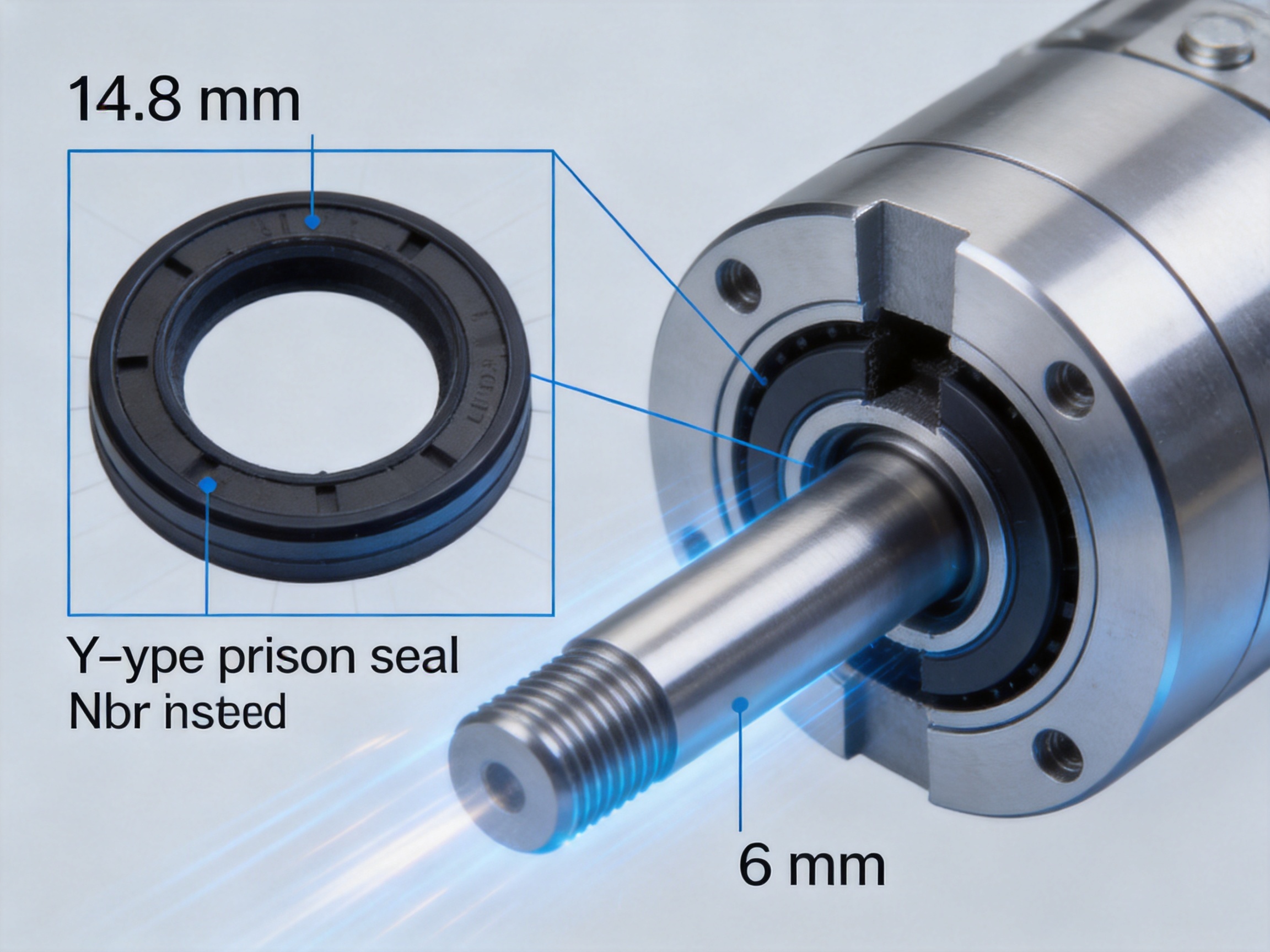
Company Capabilities and Industry Experience
Ningguo Jnsseals Sealing Technology Co., Ltd. was founded in 2019 and is headquartered in Anhui, China. The company focuses on the research, development, and application of sealing technology for gas springs, dampers, and related O-ring products. Its product applications extend across automotive, furniture, home appliances, medical equipment, construction, and other industries.
This industry range is relevant to the 14.8 mm Robust Piston Seal because many of these sectors use compact moving mechanisms. Furniture gas springs may require smooth adjustment and long cycle life. Automotive dampers may experience vibration, shock, temperature variation, and contamination. Medical equipment may require careful material selection and reliable operation. Home appliances and construction equipment may demand cost-effective sealing components in large quantities.
The company states that it provides customized sealing solutions, including product design, testing, and technical consultation. This integrated approach can shorten the communication distance between the seal requirement and the final product. Instead of selecting a seal solely by a nominal size, customers can discuss the complete application and receive assistance with design suitability.
Research and development capability is particularly valuable when a customer needs a nonstandard seal. The development process may involve analyzing failure modes, adjusting the lip profile, selecting a different compound, improving friction characteristics, or modifying the dimensions for a new housing. Cooperation during the design stage can help prevent costly redesigns after mass production begins.
The company's stated philosophy, “People Oriented, Innovation Driven, Pursuit of Excellence,” reflects a focus on technical improvement and customer service. For international buyers, a supplier's ability to communicate clearly, document requirements, manage samples, and support technical evaluation is often as important as the product itself.
Applications
Gas Springs
Gas springs use pressurized gas and a moving piston rod to provide controlled extension, support, or lifting assistance. The piston seal helps retain the internal medium and maintain the designed force characteristics. The compact dimensions of the A-1-011 seal make it relevant to small gas spring constructions using a 14 mm steel pipe inner diameter and a 6 mm piston rod.
Typical gas spring applications include office chairs, cabinets, vehicle hatches, adjustable furniture, beds, machinery covers, and access panels. In these products, the seal may experience repeated cycles, changing orientation, vibration, and occasional impact. NBR can be a practical material when the internal lubricant and operating temperature are compatible.
Dampers
Dampers control motion by resisting movement and dissipating energy. They are used in furniture, automotive systems, equipment covers, drawers, hinges, and mechanical supports. A dynamic seal helps keep the damping medium inside the cylinder while allowing the rod or piston to move.
Because damping systems may be exposed to repeated cycling, the seal must balance leakage prevention with manageable friction. Excessive friction can alter the intended damping force, while insufficient contact may cause leakage. The Y-type profile and optional self-lubricating feature can be evaluated when the application requires smooth, repeatable movement.
Automotive Components
Automotive systems contain many moving and vibration-sensitive assemblies. A compact seal may be used in selected gas spring, damper, actuator, or support mechanisms. The application must be reviewed carefully for temperature, fluid compatibility, contamination, and cycle requirements. If the environment exceeds the practical range of standard NBR, an HNBR or FPM formulation may be considered.
Furniture and Home Appliances
Furniture and home appliances often require small, quiet, and durable movement systems. A gas spring or damper that operates smoothly can improve user comfort and perceived product quality. The seal must also tolerate frequent use, varying loads, and occasional misuse such as sudden opening or closing.
Medical and Construction Equipment
Medical equipment may use compact actuators or adjustment mechanisms where controlled movement and clean assembly are important. Construction equipment may require greater resistance to vibration, impact, dust, and demanding mechanical loads. In both cases, the final seal selection should be validated against the equipment's specific environmental and regulatory requirements.
Installation Recommendations
Correct installation is essential for obtaining the expected service life from the 14.8 mm Robust Piston Seal. Before assembly, inspect the seal for cuts, tears, deformation, contamination, or surface defects. Confirm that the product code and dimensions match the intended application.
Inspect the bore and piston rod for burrs, sharp edges, corrosion, scratches, chips, and excessive roughness. A sharp edge can cut the sealing lip during insertion. A rough rod can abrade the seal during every operating cycle. A contaminated bore can prevent uniform seating and create a leakage path.
Use a suitable installation chamfer wherever possible. Protect the seal from keyways, threads, holes, and other discontinuities during assembly. If the seal must pass over a threaded section or groove, use a temporary protective sleeve or another method approved by the assembly engineer.
Apply a compatible lubricant if required. The lubricant should not attack NBR or interfere with the internal medium. Avoid excessive lubricant that could contaminate adjacent components or alter the intended damping characteristics.
Do not stretch the seal more than necessary. Excessive stretching can reduce the effective lip geometry and may lead to permanent deformation. Press the seal evenly into the groove or housing, ensuring that it is not twisted, folded, or locally compressed.
After installation, move the piston slowly through its initial travel if the equipment design permits. Check for abnormal friction, sticking, noise, or visible damage. Leakage testing should be conducted under controlled conditions before the assembly is released for production.
Design and Purchasing Checklist
| Evaluation area | Questions to confirm |
|---|---|
| Dimensions | Does the 14.8 × 5.2 × 3.5 mm specification match the housing and rod design? |
| Mating parts | Is the steel pipe inner diameter 14 mm and the piston rod diameter 6 mm? |
| Material | Is NBR compatible with the operating fluid, lubricant, and temperature? |
| Motion | What are the stroke, speed, cycle frequency, and movement direction? |
| Load or range | Does the 10–500N design applicable range correspond to the actual system condition? |
| Environment | Will the seal encounter vibration, shock, dust, water, chemicals, or ozone? |
| Lubrication | Is optional self-lubrication required, and is the lubricant compatible with NBR? |
| Installation | Are the groove, chamfers, surface finish, and assembly tools suitable? |
| Quality documents | Are drawings, samples, inspection criteria, and batch requirements defined? |
| Customization | Would a different compound, hardness, or geometry improve application performance? |
Purchasers should provide as much operating information as possible. Useful data includes the internal medium, pressure, temperature, rod speed, stroke length, cycle count, vibration level, expected service life, and failure history of the existing seal. This information enables the manufacturer to determine whether the standard A-1-011 configuration is suitable or whether customization is recommended.
Maintenance and Storage
Seals should be stored in a cool, dry, and clean environment away from direct sunlight, ozone-generating equipment, heat sources, and chemicals. Prolonged exposure to ultraviolet light, ozone, or excessive heat may accelerate elastomer aging before installation.
Keep seals in their original packaging when possible. Avoid hanging, stretching, folding, or placing heavy objects on them. Long-term deformation can affect the sealing profile. Stock should be rotated according to a documented inventory system, and older material should be inspected before use.
During maintenance, check for leakage, unusual friction, reduced damping force, rod contamination, cracking, hardening, swelling, or lip wear. A seal that shows visible deterioration should be replaced rather than reused. Reusing a removed seal may introduce damage that is difficult to detect and may compromise the new assembly.
Why Work with a Specialized Seal Manufacturer?
A specialized seal manufacturer understands that sealing performance depends on the interaction between material, profile, dimensions, and operating conditions. This knowledge is especially important for compact dynamic seals, where a small dimensional change can significantly affect contact pressure and friction.
Specialized manufacturers can also support development beyond the supply of finished parts. They may help interpret a leakage problem, compare NBR with HNBR or FPM, recommend an alternative profile, create prototypes, conduct testing, and improve the design for mass production. This can reduce development time and improve the reliability of the final equipment.
Ningguo Jnsseals Sealing Technology Co., Ltd. combines product development, manufacturing, testing, and technical consultation for sealing applications. Its focus on gas springs, dampers, and O-ring products aligns closely with the intended uses of the 14.8 mm Robust Piston Seal. Customers seeking a standard product or a customized sealing solution can provide their application data for technical evaluation.
Frequently Asked Questions
What type of seal is the 14.8 mm Robust Piston Seal?
It is a Y-type oil seal ring designed for dynamic piston and rod sealing applications. Its product code is A-1-011.
What are the product dimensions?
The listed specification is 14.8 × 5.2 × 3.5 mm. The outside diameter is 14.8 mm, the inside diameter is 5.2 mm, and the height is 3.5 mm.
What material is used?
The standard product material is NBR, or nitrile butadiene rubber. NBR is commonly used for oil-resistant sealing applications and offers a practical balance of elasticity, wear resistance, and cost.
What installation arrangement is specified?
The product information lists a steel pipe inner diameter of 14 mm and a piston rod diameter of 6 mm. The actual groove and assembly design should still be checked against the manufacturer's drawing and application requirements.
Is the seal suitable for vibration?
The product is described as being developed for high-vibration zones and as having excellent shock resistance. Final suitability depends on the actual vibration level, stroke, speed, temperature, load, alignment, and assembly quality.
What does the 10–500N range mean?
The product information identifies 10–500N as the design applicable range. Because N is a unit of force, customers should confirm how this range relates to the load or operating condition in their specific equipment.
Does the seal provide self-lubrication?
Optional self-lubrication is listed as an available feature. Customers should confirm the exact formulation, lubricant compatibility, and testing requirements before ordering a self-lubricating version.
Can NBR be used with every fluid?
No. NBR is suitable for many mineral oils, lubricating oils, greases, and common industrial fluids, but compatibility depends on the exact fluid, concentration, temperature, and exposure time. HNBR, FPM, or another material may be preferable for more severe conditions.
What industries can use this product?
Potential applications include gas springs, dampers, automotive components, furniture mechanisms, home appliances, medical equipment, construction equipment, and other compact moving systems. Each application should be validated individually.
Can the product be customized?
The manufacturer provides customized sealing solutions, including product design, testing, and technical consultation. Customization may involve dimensions, profile, compound, hardness, friction characteristics, or other application-specific requirements.
How can customers reduce installation damage?
Use clean mating parts, remove burrs, provide suitable chamfers, protect the seal from threads and grooves, apply compatible lubrication when required, and avoid twisting or overstretching the seal during assembly.
How should the product be evaluated before mass production?
Customers should conduct sample testing in the actual or representative assembly. Recommended evaluations may include leakage, friction, cycling, vibration, temperature, lubricant compatibility, and dimensional inspection according to the equipment's operating requirements.
Conclusion
The 14.8 mm Robust Piston Seal is a compact NBR Y-type oil seal ring designed for dynamic sealing in gas springs, dampers, and related mechanisms. Its 14.8 mm outside diameter, 5.2 mm inside diameter, and 3.5 mm height provide a defined configuration for compact assemblies based on a 14 mm steel pipe inner diameter and a 6 mm piston rod.
The product's key advantages include a dynamic Y-type profile, suitability for high-vibration zones, stated shock resistance, optional self-lubrication, and the balanced performance of NBR. Compared with a generic gasket or non-specialized seal, it offers a more application-oriented solution for moving piston systems.
Its performance is supported by the manufacturing and technical capabilities of Ningguo Jnsseals Sealing Technology Co., Ltd., including sealing research and development, production equipment, product testing, and customized technical service. The company serves industries such as automotive, furniture, home appliances, medical equipment, and construction.
For best results, customers should confirm the complete operating environment, including dimensions, load, movement, temperature, fluid, vibration, lubrication, surface finish, and expected service life. When the standard NBR configuration is not sufficient, the manufacturer's ability to evaluate HNBR, FPM, profile changes, or other customized solutions can help create a more reliable sealing system.
References
1. Product specification for A-1-011, 14.8 × 5.2 × 3.5 mm Y-type oil seal ring.
2. Manufacturer-provided product description for the 14.8 mm Robust Piston Seal.
3. Manufacturer-provided company information for Ningguo Jnsseals Sealing Technology Co., Ltd.
4. General engineering principles for elastomeric seals, dynamic piston sealing, and O-ring applications.
5. General material guidance for nitrile butadiene rubber, hydrogenated nitrile rubber, and fluoroelastomer sealing compounds.
6. General recommendations for seal installation, inspection, storage, lubrication, and application validation.
Product: 14.8mm Robust Piston Seal

PREV:Medium-Duty Balanced L-Type Oil Seal for Reliable Hydraulic and Gas Spring Applications
NEXT:13mm Slim-Section Oil-Resistant Ring for Compact Sealing Applications
NEXT:13mm Slim-Section Oil-Resistant Ring for Compact Sealing Applications


Want to know more
about us?
about us?

Precision sealing for gas springs and dampers. Durable, wear-resistant, and built for long-life performance in demanding applications.
Product Categories
Quick Links
Contact Us
-
Email: jns@jnsseals.cn

-
Email: LouZhuoyu@outlook.com
-
Manager Gong: +86-18563770820

-
Manager Wang: +8615357558902
-
No. 5, Meilin Avenue, Meilin Industrial Development Zone, Ningguo City, Anhui Province, China

