

 English
 русский
 Deutsch
 Türk
 中文简体
Medium-Duty Balanced L-Type Oil Seal for Reliable Hydraulic and Gas Spring Applications
Medium-Duty Balanced L-Type Oil Seal for Reliable Hydraulic and Gas Spring Applications
Medium-Duty Balanced L-Type Oil Seal for Reliable Hydraulic and Gas Spring Applications
Medium-Duty Balanced L-Type Oil Seal for Reliable Hydraulic and Gas Spring Applications
Medium-Duty Balanced L-Type Oil Seal for Reliable Hydraulic and Gas Spring Applications
Medium-Duty Balanced L-Type Oil Seal for Reliable Hydraulic and Gas Spring Applications
Medium-Duty Balanced L-Type Oil Seal for Reliable Hydraulic and Gas Spring Applications
Medium-Duty Balanced L-Type Oil Seal for Reliable Hydraulic and Gas Spring Applications
Medium-Duty Balanced L-Type Oil Seal for Reliable Hydraulic and Gas Spring Applications
Medium-Duty Balanced L-Type Oil Seal for Reliable Hydraulic and Gas Spring Applications
Medium-Duty Balanced L-Type Oil Seal for Reliable Hydraulic and Gas Spring Applications
Medium-Duty Balanced L-Type Oil Seal for Reliable Hydraulic and Gas Spring Applications
Medium-Duty Balanced L-Type Oil Seal for Reliable Hydraulic and Gas Spring Applications
Medium-Duty Balanced L-Type Oil Seal for Reliable Hydraulic and Gas Spring Applications
Medium-Duty Balanced L-Type Oil Seal for Reliable Hydraulic and Gas Spring Applications
Medium-Duty Balanced L-Type Oil Seal for Reliable Hydraulic and Gas Spring Applications

Lu Wanyin — Senior After-Sales Service Engineer
Home / Author / Lu Wanyin — Senior After-Sales Service Engineer / Medium-Duty Balanced L-Type Oil Seal for Reliable Hydraulic and Gas Spring Applications
NEW Category
Contact us
Medium-Duty Balanced L-Type Oil Seal for Reliable Hydraulic and Gas Spring Applications
Content
- 1 1. The Role of an L-Type Oil Seal in Moving Equipment
- 2 2. Product Overview and Key Specifications
- 3 3. Balanced Profile Design and Pressure Distribution
- 4 4. Enhanced Radial Pre-Load for Stable Sealing
- 5 5. NBR Material and Fluid Compatibility
- 6 6. Fit with 20 × 10 Groove and Rod Arrangement
- 7 7. Application in Hydraulic Cylinders and Dampers
- 8 8. Advantages Compared with General-Purpose Alternatives
- 9 9. Manufacturing and Engineering Strengths
- 10 10. Quality Considerations for Buyers
- 11 11. Installation Recommendations
- 12 12. Engineering Factors That Influence Service Life
- 13 13. Industries and Equipment That May Benefit from the Product
- 14 14. Why a Specialized Supplier Can Improve Project Results
- 15 15. Purchasing and Specification Checklist
- 16 16. Frequently Asked Questions
- 16.1 What is the A-2-003 Medium-Duty Balanced L-Type Oil Seal?
- 16.2 What does the balanced L-type design mean?
- 16.3 What is the purpose of enhanced radial pre-load?
- 16.4 Is NBR suitable for hydraulic oil?
- 16.5 What is the stated pressure range?
- 16.6 What groove arrangement is specified?
- 16.7 Can the product be used in gas springs and dampers?
- 16.8 How does the product compare with a basic rubber ring?
- 16.9 Can the manufacturer provide customized sealing solutions?
- 16.10 What should be checked before installation?
- 16.11 What industries can use this type of seal?
- 17 17. Conclusion
- 18 References
- 19 Product: Medium-Duty Balanced L-Type Oil Seal
Reliable sealing is essential wherever moving rods, pistons, cylinders, or pressure chambers must operate without fluid leakage or contamination. In hydraulic cylinders, dampers, gas springs, automotive components, furniture hardware, appliances, and industrial mechanisms, a seal must perform under repeated movement while maintaining contact with the mating surface. A poorly selected seal can lead to leakage, pressure loss, accelerated wear, contamination, unplanned maintenance, and reduced equipment life.
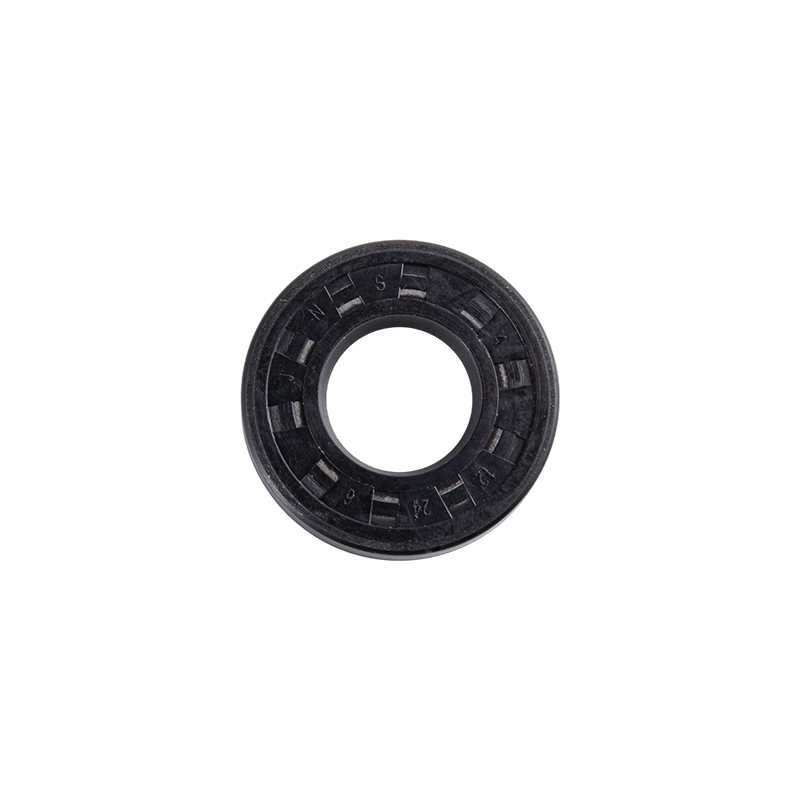
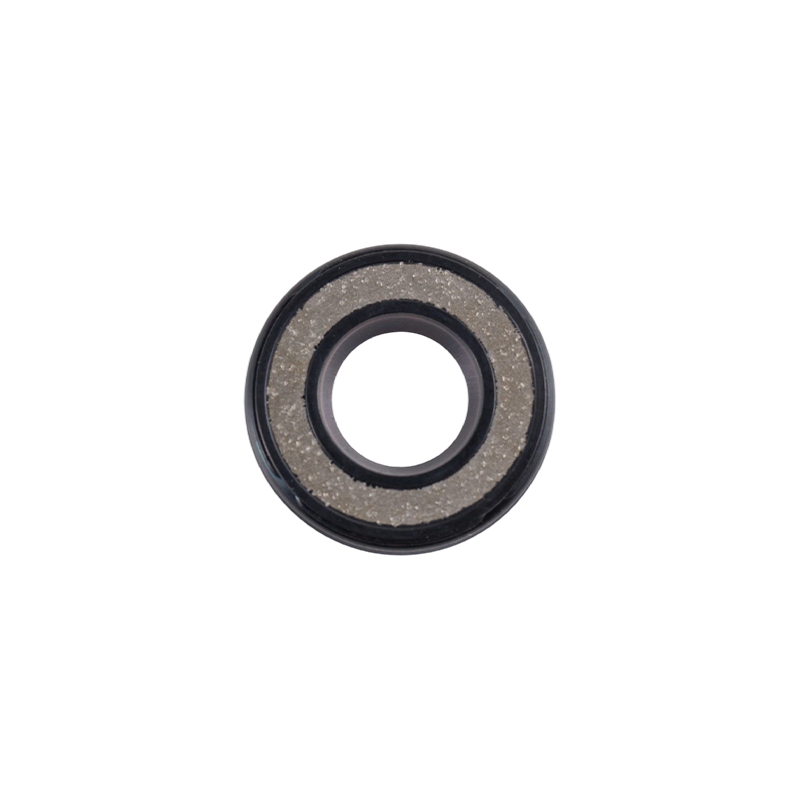
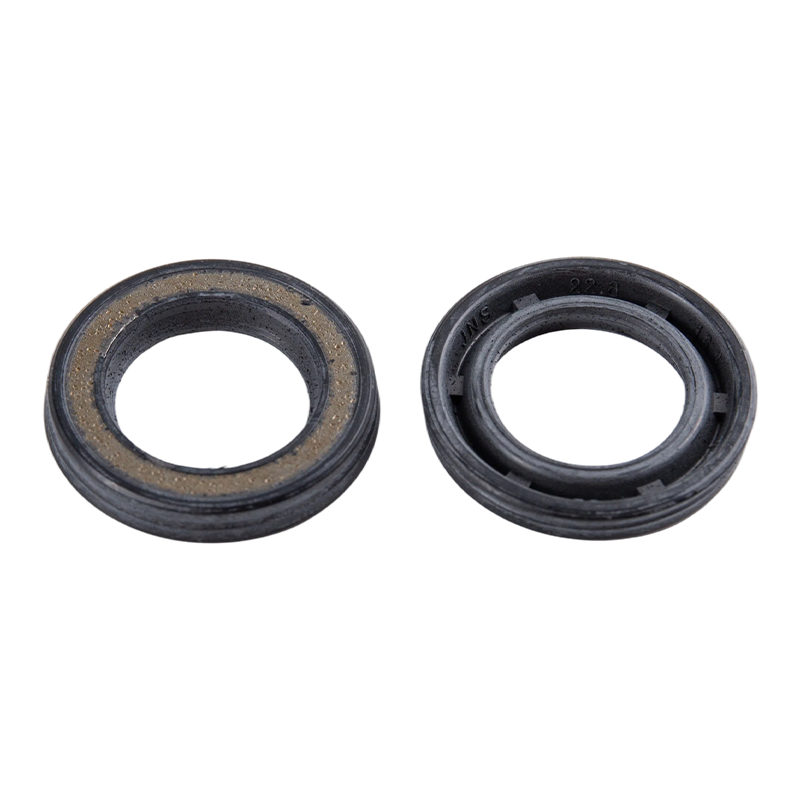
The A-2-003 Medium-Duty Balanced L-Type Oil Seal is designed for applications requiring stable sealing performance over a broad operating range. It combines a balanced L-shaped profile, enhanced radial pre-load, an NBR sealing material, and compatibility with a 20 × 10 groove arrangement. Its nominal product specification is 10 × 20 × 6, with a measured outside diameter of 20.45 mm, an inside diameter of 9.2 mm, and a height of 6 mm. The design is applicable to a stated range of 50–1300N, making it suitable for medium-duty mechanisms that experience frequent reciprocation and changing pressure conditions.
This article explains the product structure, dimensional characteristics, material properties, application benefits, manufacturing strengths, quality considerations, installation factors, and selection advantages of this L-shaped oil seal. It also examines how the product compares with less specialized sealing solutions and why cooperation with an experienced sealing manufacturer can help equipment builders achieve more consistent results.
1. The Role of an L-Type Oil Seal in Moving Equipment
An oil seal is a precision sealing component placed between relatively moving parts. Its primary function is to retain lubricant or hydraulic fluid while preventing dust, moisture, particles, and other contaminants from entering the mechanism. In a hydraulic cylinder or damper, the seal must maintain a controlled contact line against a piston rod or equivalent moving surface. This contact must be tight enough to prevent leakage but not so excessive that friction and heat become unacceptable.
The L-shaped oil seal uses a profile that supports the sealing lip and creates a stable relationship between the seal, the housing, the rod, and the O-ring adapter. Compared with a simple flat ring or an improvised elastomer washer, an engineered L-type profile can provide more predictable positioning and better control of radial contact. The design is especially useful in systems where the rod reverses direction frequently and where pressure varies during operation.
The A-2-003 is described as a wide-pressure versatile seal. Its stated design range of 50–1300N indicates that it is intended to accommodate a broad working range within its specified application conditions. The actual suitability of the seal depends on factors such as rod surface finish, operating temperature, fluid type, stroke speed, pressure behavior, groove accuracy, and installation quality. Nevertheless, the broad design range gives engineers more flexibility when selecting a sealing element for medium-duty equipment.
Unlike a seal designed only for one narrow operating condition, a versatile L-type seal can help simplify product development and inventory planning. A single established profile may be applied across several related cylinder or damper designs, provided that the dimensions and service conditions remain within the recommended limits. This can reduce unnecessary variation in components and support more efficient maintenance programs.
2. Product Overview and Key Specifications
The A-2-003 is categorized as an L-Shaped Oil Seal Ring. It is manufactured from NBR, a widely used elastomer for oil-resistant sealing applications. The product is identified by the product code A-2-003 and is intended for use with a 20 × 10 O-ring adapter or corresponding steel pipe inner diameter and piston rod diameter arrangement.
| Product Attribute | Specification |
| Product name | Medium-Duty Balanced L-Type Oil Seal |
| Product code | A-2-003 |
| Seal category | L-Shaped Oil Seal Ring |
| Nominal product specification | 10 × 20 × 6 |
| Outside diameter | 20.45 mm |
| Inside diameter | 9.2 mm |
| Height | 6 mm |
| O-ring adapter | 20 × 10 |
| Steel pipe inner diameter × piston rod diameter | 20 × 10 |
| Design applicable pressure range | 50–1300N |
| Material | NBR |
The dimensions should be interpreted together rather than as isolated values. The 20.45 mm outside diameter supports placement within the intended housing or sealing environment, while the 9.2 mm inside diameter establishes the nominal contact relationship with the moving rod. The 6 mm height contributes to axial positioning and profile stability. The 20 × 10 adapter arrangement provides an important reference for the associated O-ring, steel tube, and piston rod dimensions.
Because sealing performance depends strongly on tolerances, users should verify the actual housing, rod, and groove dimensions before mass production. A seal is not evaluated only by its nominal dimensions; the quality of the mating components and the assembly process also influence compression, friction, leakage resistance, and service life.
3. Balanced Profile Design and Pressure Distribution
The balanced design of the A-2-003 is one of its central performance characteristics. A sealing profile is considered balanced when its geometry helps distribute pressure and contact forces in a controlled manner rather than allowing pressure to concentrate excessively at one small point. This is particularly valuable in systems that experience frequent hydraulic cylinder reversals.
During a reciprocating stroke, the rod moves forward and backward through the seal. The sealing lip must maintain contact while adapting to changes in direction, surface speed, and fluid pressure. If the profile is too rigid, it may create excessive friction or wear. If it is too flexible or insufficiently pre-loaded, it may lose contact and permit leakage. A balanced L-type structure helps establish an intermediate condition between these extremes.
The product description emphasizes stable pressure distribution during frequent reversals. In practical terms, this can support more consistent sealing behavior throughout the stroke cycle. Reversal is often a demanding event because the direction of friction changes and the fluid film around the rod can be redistributed. A profile that remains stable during these transitions may reduce the likelihood of temporary leakage, lip flutter, or uneven wear.
Pressure distribution also affects the service life of the mating rod. Excessive localized contact can polish, score, or heat the rod surface. Uneven contact can result in a narrow wear track and premature loss of sealing force. A more controlled profile helps spread the sealing action across the intended contact region, supporting a more predictable relationship between sealing performance and friction.
Balanced does not mean that the seal is suitable for every pressure, speed, fluid, or temperature. It means that the geometry is engineered to manage the expected conditions more effectively than a basic, non-specialized ring. Correct application remains essential, especially when a system operates near the limits of its pressure, speed, or temperature range.
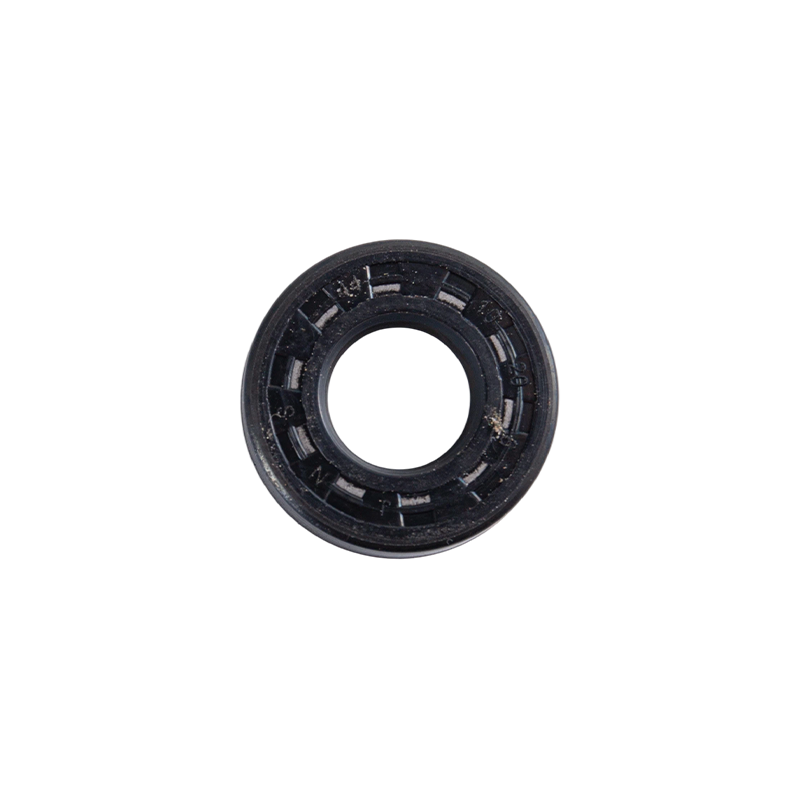
Medium-Duty Balanced L-Type Oil Seal
4. Enhanced Radial Pre-Load for Stable Sealing
The A-2-003 incorporates enhanced radial pre-load. Radial pre-load is the inward force that helps the seal maintain contact with the moving rod before and during operation. Without sufficient pre-load, small dimensional variation, vibration, pressure fluctuation, or elastic relaxation could cause the sealing edge to lose contact with the rod surface.
A controlled pre-load is especially important in compact cylinders and dampers. These products often have limited installation space, short strokes, and repeated cycles. Their sealing components must deliver dependable contact in a small package. The A-2-003 uses its profile and material elasticity to support this contact while remaining suitable for medium-duty applications.
Enhanced radial pre-load can provide several practical benefits:
First, it can improve initial sealing when the equipment is stationary. A seal that remains in close contact during rest is less likely to allow fluid migration or gradual leakage through the interface.
Second, it can help compensate for minor variations in surface geometry and assembly conditions. It cannot correct a badly manufactured groove or a damaged rod, but it may provide additional tolerance against normal variation within an acceptable design range.
Third, it can support sealing stability during pressure changes. Pressure may assist the sealing action in some conditions, but relying entirely on pressure activation can create inconsistent behavior at low pressure. Radial pre-load helps preserve a basic sealing force even when the system is starting, stopping, or operating at a lower pressure.
Fourth, it can improve resistance to vibration and reciprocating movement. In machinery exposed to repeated movement, the seal must resist displacement, twisting, and loss of position. A stable pre-load contributes to a more secure interface.
At the same time, pre-load must be controlled carefully. Excessive radial force increases friction, heat generation, and wear. The value of the A-2-003 design is therefore not simply that it has pre-load, but that the pre-load is integrated with the geometry, NBR compound, groove arrangement, and intended medium-duty operating range.
5. NBR Material and Fluid Compatibility
The A-2-003 is manufactured from NBR, or nitrile rubber. NBR is widely selected for oil seals because it provides a useful combination of oil resistance, elasticity, abrasion resistance, and cost efficiency. It is commonly used in hydraulic and pneumatic equipment, automotive components, machinery, appliances, and general industrial sealing systems.
For hydraulic oil applications, NBR can offer reliable resistance to many mineral-oil-based fluids. This makes it a practical material for the A-2-003, which is described as having high chemical compatibility with hydraulic oils. The material can maintain its sealing properties when correctly matched to the fluid, temperature, and operating conditions.
NBR also offers good resistance to wear caused by repeated movement. In an oil seal, the lip is continually exposed to sliding contact. The elastomer must tolerate this contact without rapidly cracking, tearing, or losing its elastic recovery. NBR’s combination of flexibility and mechanical strength makes it appropriate for many medium-duty sealing applications.
However, material compatibility should always be confirmed against the exact fluid formulation. Hydraulic fluids can vary, and additives may affect elastomer performance. Synthetic fluids, aggressive chemicals, high-temperature fluids, fuels, solvents, and specialized fire-resistant fluids may require a different material such as HNBR or FPM. The company’s broader product capabilities include NBR, HNBR, and FPM O-ring products, allowing customers to discuss alternative material solutions when NBR is not the best choice.
Users should also consider temperature exposure. NBR performs effectively within many standard oil-sealing applications, but the operating temperature range must be established for the specific compound and equipment. Short-term temperature spikes, continuous heat, cold starts, and heat generated by friction can all influence seal behavior.
Proper material selection is one of the areas where a specialized manufacturer can provide value. Rather than selecting an elastomer only by price or general availability, the manufacturer can review the fluid, pressure, motion, temperature, and service environment together. This approach helps reduce the risk of premature swelling, hardening, softening, compression set, or chemical degradation.
6. Fit with 20 × 10 Groove and Rod Arrangement
The A-2-003 is designed to fit 20 × 10 grooves and is described as ISO compliant in relation to this arrangement. The specified steel pipe inner diameter and piston rod diameter are both listed as 20 × 10, providing a clear reference for equipment designers and production engineers.
Correct groove design is essential because the groove controls the position and deformation of the seal. If the groove is too deep, the seal may not receive enough compression or radial support. If it is too shallow, the seal may experience excessive compression and friction. Incorrect width can allow movement, extrusion, twisting, or instability during reciprocation.
A suitable groove should have controlled dimensions, an appropriate surface finish, and clean edges. Sharp corners can damage the seal during installation or operation. Burrs, machining debris, and metal particles can cut the sealing lip or create leakage paths. The groove should therefore be inspected and cleaned before assembly.
The 20 × 10 arrangement can help simplify engineering communication. Designers can refer to a specific pipe and rod relationship while reviewing the seal’s outside diameter, inside diameter, and height. This is beneficial for gas spring and damper applications, where compact geometry and repeatable assembly are important.
Although the product is designed for a defined groove configuration, users should not assume that all grooves with similar nominal dimensions are interchangeable. Actual tolerances, corner radii, surface finish, rod hardness, coating, and concentricity can affect performance. A technical review is recommended when adapting the seal to a new housing or a modified rod design.
7. Application in Hydraulic Cylinders and Dampers
The A-2-003 is suitable for consideration in hydraulic cylinders, dampers, gas spring mechanisms, and other compact reciprocating assemblies. These systems require seals that can manage movement while retaining oil or controlling pressure.
In a hydraulic cylinder, the seal may be exposed to pressure changes as the piston rod extends and retracts. Frequent reversals create a demanding environment because the seal must recover quickly after each direction change. The balanced profile and enhanced radial pre-load are useful characteristics for this kind of duty.
In a damper, the seal contributes to fluid retention and controlled movement. Even a small amount of leakage can change damping behavior over time. Consistent contact with the rod helps preserve the designed fluid volume and supports more predictable operation.
In gas spring-related equipment, seals may operate in compact spaces and under repeated cycling. The sealing element must be dimensionally stable and capable of maintaining its position in a narrow assembly. The A-2-003’s 6 mm height and 20 × 10 design reference may be appropriate for certain compact configurations, subject to engineering confirmation.
Other potential application areas include adjustable furniture, automotive mechanisms, home appliances, medical equipment, and construction-related components. These industries often require compact seals with consistent dimensions and stable performance. The correct material and design must be selected according to each product’s pressure, temperature, motion, and regulatory requirements.
8. Advantages Compared with General-Purpose Alternatives
When comparing the A-2-003 with general-purpose rubber rings, flat washers, or non-specialized oil seals, several advantages become apparent. The first is application-specific geometry. The product is not simply a circular elastomer element; it is an engineered L-shaped profile intended to function within a defined groove and rod arrangement.
The second advantage is the combination of balanced pressure behavior and enhanced radial pre-load. A basic ring may depend primarily on compression from the housing and may not provide the same controlled contact during reciprocating motion. The A-2-003 is designed to address movement and pressure variation as part of its operating environment.
The third advantage is dimensional clarity. The product has a defined code, stated nominal dimensions, outside diameter, inside diameter, height, adapter arrangement, and material. This makes it easier for engineers and purchasing teams to identify, specify, reorder, and document the component.
The fourth advantage is material suitability for hydraulic oil applications. NBR is a proven oil-resistant elastomer for many standard hydraulic conditions. A general-purpose material may swell, harden, or lose elasticity when exposed to the wrong fluid, while a purpose-selected NBR compound offers a more appropriate starting point.
The fifth advantage is support from a manufacturer focused on sealing technology. Product selection is stronger when it is supported by technical consultation, design review, testing, and customization. This is particularly important when the seal will be installed in a new product, used under unusual conditions, or manufactured in large volume.
These advantages should not be understood as a guarantee that the A-2-003 will outperform every competitor in every application. Seal performance depends on the complete system. However, its defined profile, controlled pre-load, NBR material, dimensional specification, and intended use provide a more professional engineering basis than an unverified substitute.
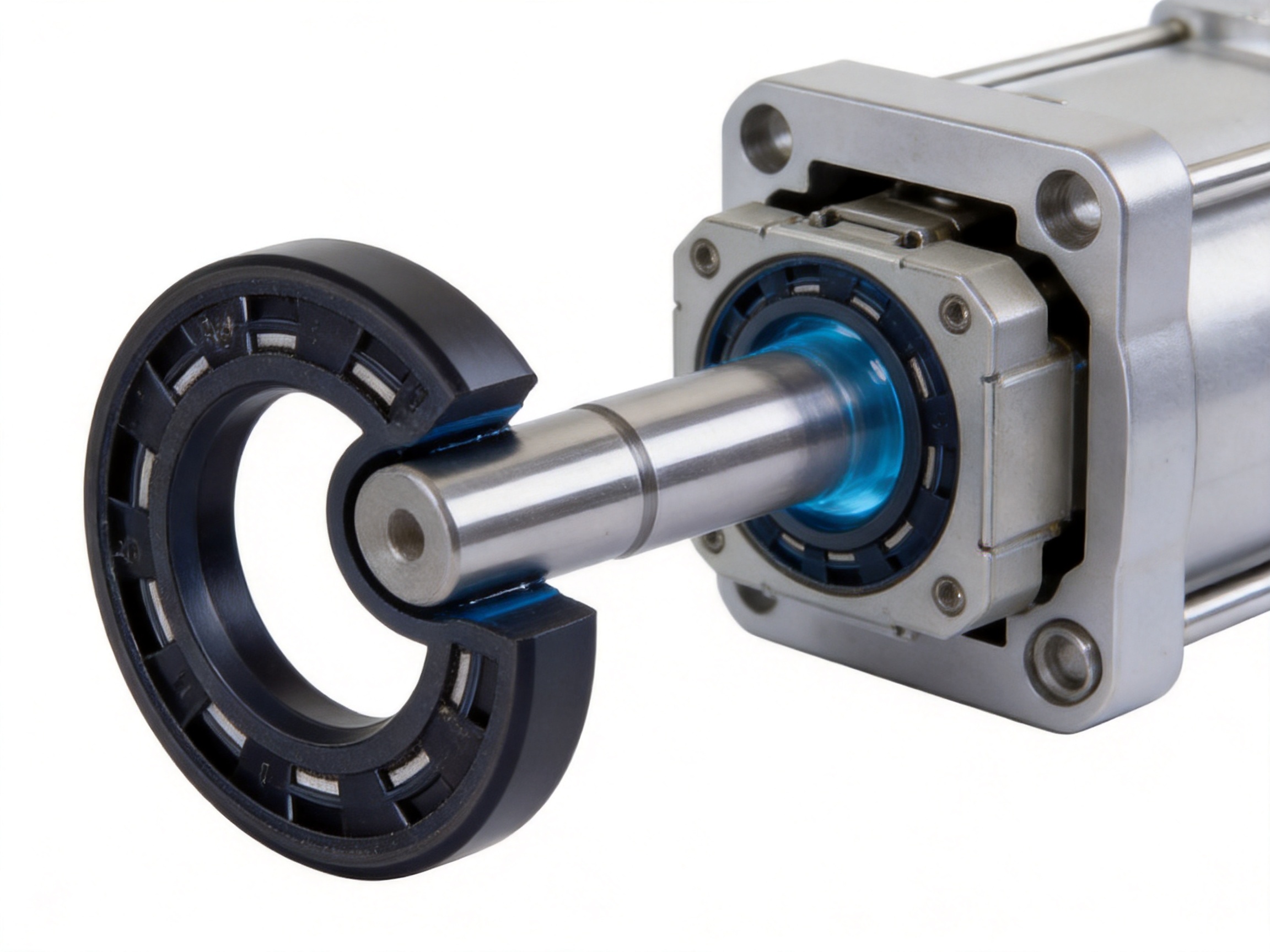
9. Manufacturing and Engineering Strengths
Ningguo Jnsseals Sealing Technology Co., Ltd. is a high-tech enterprise founded in 2019 and headquartered in Anhui, China. The company focuses on the research, development, and application of sealing technology for gas springs, dampers, and related O-ring products. This specialization is directly relevant to the development of compact, moving seals such as the A-2-003.
The company’s manufacturing strength is supported by research and development capabilities, advanced production equipment, and a professional technical service team. These elements are important because sealing products require more than a basic molding process. Consistent performance depends on compound preparation, mold precision, curing control, dimensional stability, inspection, packaging, and application guidance.
A modern seal manufacturing process normally begins with material selection and compound formulation. NBR is selected according to the intended fluid, temperature, mechanical load, and movement. The compound must be mixed uniformly so that the finished seal has consistent hardness, elasticity, strength, and resistance. Uneven dispersion or inadequate mixing can create weak areas and unpredictable performance.
After compound preparation, the material is shaped using precision tooling. The mold must reproduce the L-type geometry, sealing edge, adapter relationship, and dimensional features accurately. Small deviations in a sealing lip can influence contact pressure and friction. Advanced production equipment helps improve repeatability across batches and supports more stable product dimensions.
Curing or vulcanization is another critical stage. The elastomer must receive appropriate heat and time so that the polymer structure develops the required physical properties. Under-curing may reduce strength and resilience, while over-curing may produce excessive hardness or reduced elasticity. Controlled processing is therefore essential to the performance of a radial seal.
After molding, seals typically require visual and dimensional inspection. The A-2-003’s outside diameter, inside diameter, height, profile condition, and sealing edge should be evaluated against the applicable specifications. Surface defects, flash, cuts, voids, deformation, and contamination can affect sealing performance and should be controlled before shipment.
Manufacturing strength also includes traceability and process discipline. A product code such as A-2-003 gives the customer a clear identification reference. Consistent product coding supports production records, purchasing management, quality documentation, and replacement planning. For industrial customers, this can be as valuable as the physical performance of the seal itself.
9.1 Research and Development Capability
The company’s focus on sealing technology supports continuous product development. Seals are frequently required to fit new rod diameters, different grooves, alternative fluids, and specialized equipment. A manufacturer with an active R&D capability can evaluate these requirements and develop a more suitable solution than a supplier that only distributes standard catalog parts.
Product development may include profile optimization, material adjustment, dimensional modification, compound selection, and performance testing. For the A-2-003, the balanced L-shaped geometry and enhanced radial pre-load reflect the type of application-oriented design work needed for frequent reciprocation and pressure variation.
R&D support is also useful when customers face a recurring failure. Leakage, high friction, swelling, extrusion, and rapid wear may have several possible causes. The correct solution could involve the seal profile, material, groove, rod surface, installation method, or operating parameters. A technical team can help identify the most likely cause instead of treating every issue as a simple replacement problem.
9.2 Advanced Production Equipment
Advanced production equipment contributes to repeatability, efficiency, and process control. Precision molding equipment can help maintain profile consistency. Controlled mixing equipment can improve compound uniformity. Inspection equipment can support dimensional checks and defect detection. Together, these capabilities help reduce variation between production batches.
Repeatability is particularly important for medium-duty seals used in high-volume products. A seal that performs well in a prototype may not provide the same result if production variation is uncontrolled. Stable equipment and defined manufacturing procedures help bridge the gap between sample approval and long-term mass production.
Efficient equipment can also support customized orders. Customers may require alternative dimensions, materials, colors, packaging methods, or production quantities. A capable manufacturer can often balance standard product efficiency with customization flexibility, helping customers avoid unnecessary compromises between cost and performance.
9.3 Technical Service and Customization
The company provides customized sealing solutions, including product design, testing, and technical consultation. This service is important when the A-2-003 is being considered for a new application rather than used as a direct replacement.
During a technical review, the customer can provide details such as rod diameter, housing diameter, groove dimensions, fluid type, pressure, speed, temperature, stroke length, expected cycle count, and environmental exposure. The manufacturer can then determine whether the standard A-2-003 is appropriate or whether a modified design should be considered.
Testing may include dimensional verification, material evaluation, leakage observation, friction assessment, cycling, and compatibility review. The exact test method should be selected according to the application. For example, a damper manufacturer may focus on repeated cycling and fluid retention, while a hydraulic equipment maker may emphasize pressure behavior and rod wear.
10. Quality Considerations for Buyers
Buyers evaluating the A-2-003 should consider both product quality and supplier reliability. A seal’s performance is influenced by material consistency, profile accuracy, surface quality, packaging, storage, and technical support.
Material consistency is important because variations in hardness or elasticity can change the contact force. A seal that is too hard may generate excessive friction or fail to conform to minor surface irregularities. A seal that is too soft may deform excessively or lose stability under pressure.
Profile accuracy is equally important. The L-shaped design must maintain its intended geometry so that the sealing lip and supporting sections interact correctly with the groove and rod. Flash, deformation, or an uneven lip can create a leakage path or increase wear.
Storage conditions should also be controlled. Elastomer seals should generally be protected from direct sunlight, ozone sources, excessive heat, moisture, and contamination. They should not be sharply folded, compressed for long periods, or stored in a way that permanently distorts the sealing edge.
Packaging should prevent dust and mechanical damage. Individual or batch packaging can help maintain cleanliness and simplify inventory identification. Product code labeling is useful for preventing the accidental substitution of a similar-looking but dimensionally different seal.
Buyers should request technical documentation appropriate to their project. This may include product specifications, material information, inspection requirements, sample approval records, and packaging details. For regulated applications, additional documentation may be needed depending on the industry and destination market.
11. Installation Recommendations
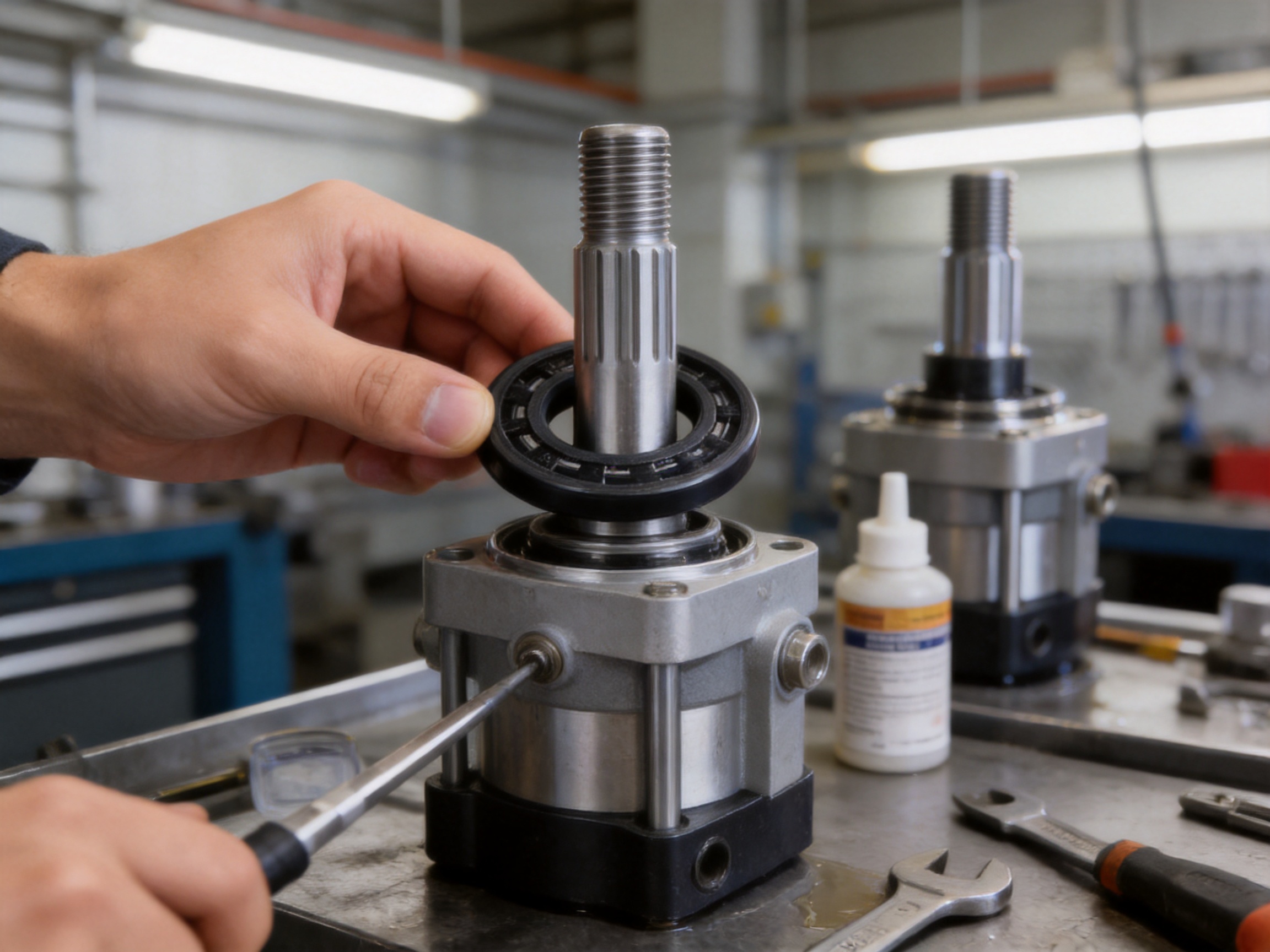
Correct installation is essential to achieving the designed performance of the A-2-003. Before assembly, inspect the seal, groove, rod, and housing. The seal should be free from cuts, tears, foreign particles, and visible deformation. The rod should not have sharp edges, deep scratches, corrosion, or burrs in the sealing area.
Cleanliness is especially important in hydraulic and damper systems. Small particles can damage the sealing edge or become embedded between the seal and rod. The groove should be cleaned carefully, and assembly tools should not introduce metal fragments or other contamination.
Use appropriate lubrication during installation when permitted by the application. A compatible hydraulic oil or approved assembly lubricant can reduce initial friction and lower the risk of lip damage. The lubricant must be compatible with NBR and with the operating fluid.
Do not force the seal over sharp threads, keyways, holes, or edges without suitable protection. If the installation path includes an interruption, use an appropriate sleeve or assembly aid. Excessive stretching, twisting, or rolling can permanently distort the L-shaped profile.
Ensure that the seal is seated evenly in the groove. A partially displaced seal may appear acceptable during assembly but can leak or wear quickly during operation. The rod should enter in a controlled, aligned manner so that the lip is not folded or cut.
After assembly, operate the mechanism gradually if possible. Initial movement can distribute lubricant and confirm that the seal remains correctly positioned. Unusual resistance, noise, leakage, or rod damage should be investigated before full operation.
12. Engineering Factors That Influence Service Life
The service life of the A-2-003 depends on more than the seal itself. Rod surface finish is a major factor. A surface that is too rough can abrade the lip, while a surface that is too smooth may fail to retain an appropriate fluid film. The rod should also have sufficient hardness and corrosion resistance for the intended application.
Concentricity and alignment influence the distribution of contact pressure. If the rod, housing, and seal are misaligned, one side of the seal may experience excessive loading while the opposite side loses contact. This can produce uneven wear and leakage.
Pressure spikes can also affect performance. The stated 50–1300N design applicable pressure range should be reviewed in relation to the actual system conditions, including transient loads. Short-duration pressure peaks may be more damaging than steady pressure at the same nominal level.
Speed and stroke frequency influence heat generation and wear. A seal used in a high-cycle application may require more careful review than the same seal used occasionally. The combination of speed, pressure, lubrication, and temperature is often more important than any single parameter.
Fluid cleanliness is another essential factor. Abrasive particles can score the rod and cut the seal. Contaminated hydraulic oil can reduce the life of the entire system. Filtration, contamination control, and regular maintenance therefore contribute directly to seal performance.
Environmental exposure should also be considered. Ozone, ultraviolet radiation, dust, water, chemicals, and extreme temperatures may affect NBR. If the seal is exposed to unusual external conditions, the material and protective arrangement should be reviewed with the manufacturer.
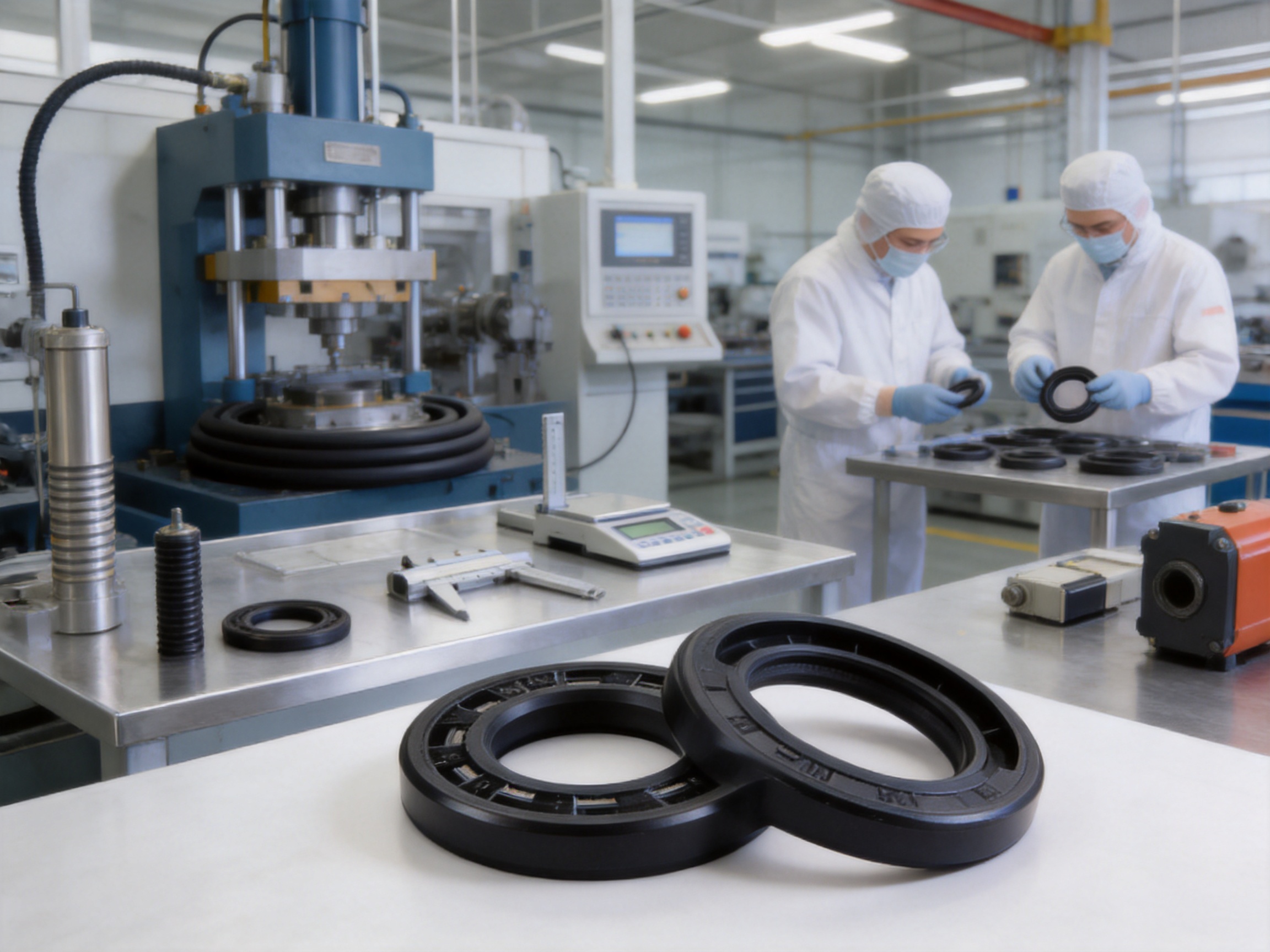
13. Industries and Equipment That May Benefit from the Product
The A-2-003 can be considered for a variety of applications requiring compact, oil-resistant, reciprocating sealing.
13.1 Automotive Components
Automotive mechanisms frequently use dampers, actuators, and compact hydraulic or gas spring systems. These components may cycle repeatedly and must fit within restricted spaces. A defined L-type seal can support reliable fluid retention when the dimensions and material are appropriate.
13.2 Furniture and Gas Spring Systems
Furniture gas springs and adjustable mechanisms require smooth movement and stable performance. The seal helps retain the internal medium and protect the mechanism from contamination. The company’s focus on gas spring sealing technology is relevant to customers seeking application-specific support in this field.
13.3 Home Appliances
Appliances may include damped hinges, lifting mechanisms, compact actuators, and other moving assemblies. These products often require quiet, repeatable operation and long service intervals. A medium-duty oil seal can help maintain consistent movement when matched to the specific design.
13.4 Medical Equipment
Medical equipment can contain compact actuators and controlled-motion devices. In such applications, cleanliness, traceability, material suitability, and consistent production are important. The sealing solution must be evaluated according to the equipment’s fluid, regulatory, and sterilization requirements.
13.5 Construction and Industrial Equipment
Construction and industrial equipment may expose seals to vibration, dust, repeated movement, and changing loads. The A-2-003 may be suitable for selected medium-duty subassemblies, particularly where NBR compatibility and the defined dimensional arrangement match the equipment requirements.
14. Why a Specialized Supplier Can Improve Project Results
Working with a specialized sealing supplier can reduce the risks associated with selecting components solely by appearance or nominal size. A specialist understands that two seals with similar dimensions may differ significantly in profile, compound, hardness, compression behavior, and manufacturing quality.
Ningguo Jnsseals Sealing Technology Co., Ltd. supports customers through product design, testing, and technical consultation. This combination can be valuable during the transition from concept to mass production. Engineers can discuss the expected operating conditions, purchasing teams can establish consistent product codes, and quality personnel can define inspection requirements.
The company serves customers in automotive, furniture, home appliance, medical equipment, construction, and other industries. This cross-industry experience can help the technical team understand different priorities, including low friction, long cycle life, compact installation, oil resistance, customization, and production efficiency.
The company’s stated philosophy of being people-oriented, innovation-driven, and focused on excellence supports a customer service model based on long-term cooperation. For customers purchasing seals repeatedly, stable communication and technical continuity can be important advantages over anonymous commodity sourcing.
Supplier strength should also be evaluated through responsiveness, product consistency, documentation, sample support, production capability, and willingness to investigate field problems. These factors can have a direct effect on total cost, even when the unit price of the seal is only one part of the purchasing decision.
15. Purchasing and Specification Checklist
Before ordering the A-2-003, customers should confirm the product code, material, dimensions, groove arrangement, fluid, pressure, temperature, motion, and quantity.
| Evaluation Item | Recommended Confirmation |
| Product identification | Confirm product code A-2-003 and L-shaped oil seal category. |
| Material | Confirm NBR suitability for the operating fluid and temperature. |
| Nominal size | Confirm 10 × 20 × 6 specification. |
| Outside diameter | Confirm 20.45 mm against the housing or assembly design. |
| Inside diameter | Confirm 9.2 mm against the piston rod and sealing requirement. |
| Height | Confirm 6 mm for axial installation space. |
| Adapter arrangement | Confirm 20 × 10 O-ring, pipe, and rod relationship. |
| Operating range | Review the 50–1300N design applicable pressure range and actual transient loads. |
| Movement | Confirm reciprocating speed, stroke, frequency, and cycle life. |
| Installation | Review groove condition, rod finish, alignment, lubrication, and assembly tools. |
| Quality documents | Request material, inspection, packaging, and sample approval information as needed. |
Customers developing a new product should provide drawings or measured dimensions whenever possible. This allows the manufacturer to assess whether the standard seal can be used directly or whether a customized profile would provide a better result.
16. Frequently Asked Questions
What is the A-2-003 Medium-Duty Balanced L-Type Oil Seal?
The A-2-003 is an L-shaped oil seal ring made from NBR. It is designed for medium-duty reciprocating applications such as hydraulic cylinders, dampers, gas spring systems, and related mechanisms. Its nominal specification is 10 × 20 × 6, with a 20.45 mm outside diameter, 9.2 mm inside diameter, and 6 mm height.
What does the balanced L-type design mean?
The balanced L-type design refers to a geometry intended to distribute contact and pressure in a controlled manner. It helps the seal remain stable during reciprocating movement and frequent hydraulic cylinder reversals. The design aims to balance sealing effectiveness with friction and wear management.
What is the purpose of enhanced radial pre-load?
Enhanced radial pre-load helps maintain contact between the sealing lip and the moving rod. This supports sealing stability during pressure changes, vibration, starting, stopping, and repeated rod movement. The pre-load must work together with the groove, rod, material, and operating conditions.
Is NBR suitable for hydraulic oil?
NBR is widely used with many mineral-oil-based hydraulic fluids and is often selected for its oil resistance, elasticity, and abrasion resistance. Compatibility should still be confirmed for the exact hydraulic oil, additives, temperature, and operating environment.
What is the stated pressure range?
The product information states a design applicable pressure range of 50–1300N. Customers should review this range together with actual system pressure, transient loads, speed, temperature, fluid, and groove design. Technical confirmation is recommended for applications near the upper or lower limits.
What groove arrangement is specified?
The A-2-003 is specified for a 20 × 10 groove arrangement and a 20 × 10 O-ring adapter. The listed steel pipe inner diameter and piston rod diameter are also 20 × 10. Actual tolerances, surface finish, and groove geometry should be verified before production.
Can the product be used in gas springs and dampers?
It can be considered for selected gas spring and damper applications when the dimensions, material, pressure, temperature, and movement requirements are compatible. The manufacturer’s experience in gas spring and damper sealing technology can support application review.
How does the product compare with a basic rubber ring?
The A-2-003 has an engineered L-shaped profile, defined dimensions, enhanced radial pre-load, and an application-oriented design for reciprocating movement. A basic rubber ring may not provide the same positioning, pressure distribution, or controlled sealing behavior.
Can the manufacturer provide customized sealing solutions?
Yes. The company provides customized solutions that may include product design, testing, material selection, dimensional adjustment, and technical consultation. Customers should provide application details so the technical team can assess the most suitable design.
What should be checked before installation?
Inspect the seal, groove, rod, and housing for damage, burrs, sharp edges, contamination, and incorrect dimensions. Confirm that the lubricant is compatible with NBR, avoid twisting or cutting the seal, and ensure that it is seated evenly before operating the equipment.
What industries can use this type of seal?
Potential industries include automotive, furniture, home appliances, medical equipment, construction, industrial machinery, hydraulic equipment, dampers, and gas spring systems. Suitability must be confirmed for each specific application.
17. Conclusion
The A-2-003 Medium-Duty Balanced L-Type Oil Seal is designed to provide stable sealing in compact, reciprocating equipment. Its key features include a balanced L-shaped profile, enhanced radial pre-load, NBR material, a 20 × 10 groove arrangement, a 20.45 mm outside diameter, a 9.2 mm inside diameter, and a 6 mm height. The stated 50–1300N design applicable pressure range gives it versatility for a variety of medium-duty applications.
Compared with basic or non-specialized sealing alternatives, the product offers clearer engineering definition, more controlled contact behavior, and better alignment with hydraulic oil, damper, and gas spring applications. Its performance is further supported by the manufacturing and technical capabilities of Ningguo Jnsseals Sealing Technology Co., Ltd., including R&D, advanced production equipment, product testing, customized design, and professional technical consultation.
The best results come from treating the seal as part of a complete system. Correct rod dimensions, groove design, surface finish, fluid compatibility, pressure control, installation, cleanliness, and maintenance all influence service life. When these factors are reviewed carefully, the A-2-003 can serve as a reliable and practical sealing solution for equipment manufacturers seeking consistent performance and efficient product development.
References
1. Ningguo Jnsseals Sealing Technology Co., Ltd. Product Specification: A-2-003 Medium-Duty Balanced L-Type Oil Seal.
2. Ningguo Jnsseals Sealing Technology Co., Ltd. Company Information and Sealing Technology Overview.
3. General engineering principles for elastomeric oil seals, reciprocating sealing, and hydraulic cylinder design.
4. General technical guidance for NBR material selection, hydraulic oil compatibility, and elastomer sealing applications.
5. General industrial practices for seal installation, groove inspection, rod surface preparation, and contamination control.
Product: Medium-Duty Balanced L-Type Oil Seal

PREV:16 mm Thickened Anti-Vibration O-Ring Seal for Demanding Mechanical Applications
NEXT:14.8 mm Robust Piston Seal for High-Vibration Applications
NEXT:14.8 mm Robust Piston Seal for High-Vibration Applications


Want to know more
about us?
about us?

Precision sealing for gas springs and dampers. Durable, wear-resistant, and built for long-life performance in demanding applications.
Product Categories
Quick Links
Contact Us
-
Email: jns@jnsseals.cn

-
Email: LouZhuoyu@outlook.com
-
Manager Gong: +86-18563770820

-
Manager Wang: +8615357558902
-
No. 5, Meilin Avenue, Meilin Industrial Development Zone, Ningguo City, Anhui Province, China

