

 English
 русский
 Deutsch
 Türk
Türk 中文简体
中文简体
26mm Durable Industrial Seal for High-Load Gas Springs and Dampers
26mm Durable Industrial Seal for High-Load Gas Springs and Dampers
26mm Durable Industrial Seal for High-Load Gas Springs and Dampers
26mm Durable Industrial Seal for High-Load Gas Springs and Dampers
26mm Durable Industrial Seal for High-Load Gas Springs and Dampers
26mm Durable Industrial Seal for High-Load Gas Springs and Dampers
26mm Durable Industrial Seal for High-Load Gas Springs and Dampers
26mm Durable Industrial Seal for High-Load Gas Springs and Dampers
26mm Durable Industrial Seal for High-Load Gas Springs and Dampers
26mm Durable Industrial Seal for High-Load Gas Springs and Dampers
26mm Durable Industrial Seal for High-Load Gas Springs and Dampers
26mm Durable Industrial Seal for High-Load Gas Springs and Dampers
26mm Durable Industrial Seal for High-Load Gas Springs and Dampers
26mm Durable Industrial Seal for High-Load Gas Springs and Dampers
26mm Durable Industrial Seal for High-Load Gas Springs and Dampers
26mm Durable Industrial Seal for High-Load Gas Springs and Dampers

Lu Wanyin — Senior After-Sales Service Engineer
Home / Author / Lu Wanyin — Senior After-Sales Service Engineer / 26mm Durable Industrial Seal for High-Load Gas Springs and Dampers
NEW Category
Contact us
26mm Durable Industrial Seal for High-Load Gas Springs and Dampers
Content
- 1 Product Overview and Application Purpose
- 2 Key Technical Specifications
- 3 NBR Material and Its Role in Seal Performance
- 4 Fatigue Resistance and Million-Cycle Performance
- 5 Pressure Range and Load Capability
- 6 Dimensional Compatibility and Assembly Design
- 7 Advantages Over General-Purpose Sealing Alternatives
- 8 Advanced Manufacturing Processes
- 9 Quality Assurance and Production Reliability
- 10 Applications Across Multiple Industries
- 11 Installation Recommendations
- 12 Maintenance and Service Considerations
- 13 Customization and Engineering Support
- 14 Why Choose a Specialized Sealing Manufacturer?
- 15 Purchasing and Supplier Evaluation Checklist
- 16 Q&A
- 16.1 What type of seal is the 26mm Durable Industrial Seal?
- 16.2 What are the main dimensions?
- 16.3 What material is used?
- 16.4 What load range is specified?
- 16.5 How many cycles is the product designed to withstand?
- 16.6 What does strong shape memory mean for this seal?
- 16.7 Is the seal suitable for every 26 mm application?
- 16.8 Can the product be used in gas springs and dampers?
- 16.9 Is installation difficult?
- 16.10 Can the manufacturer develop customized seals?
- 16.11 What industries can use this type of seal?
- 16.12 What should be checked before ordering?
- 16.13 How can customers request technical assistance?
- 17 Conclusion
- 18 References
- 19 Product: 26mm Durable Industrial Seal
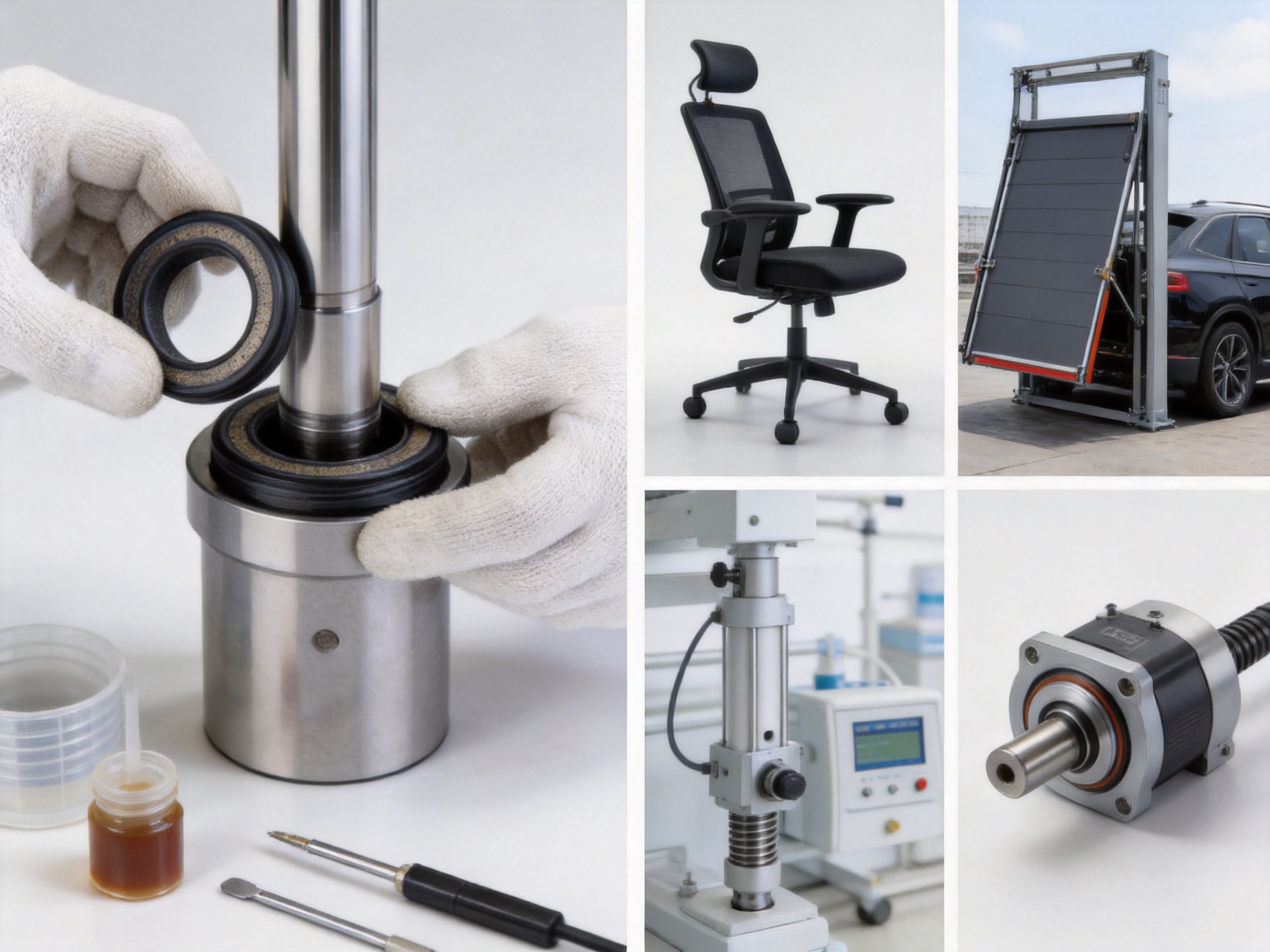
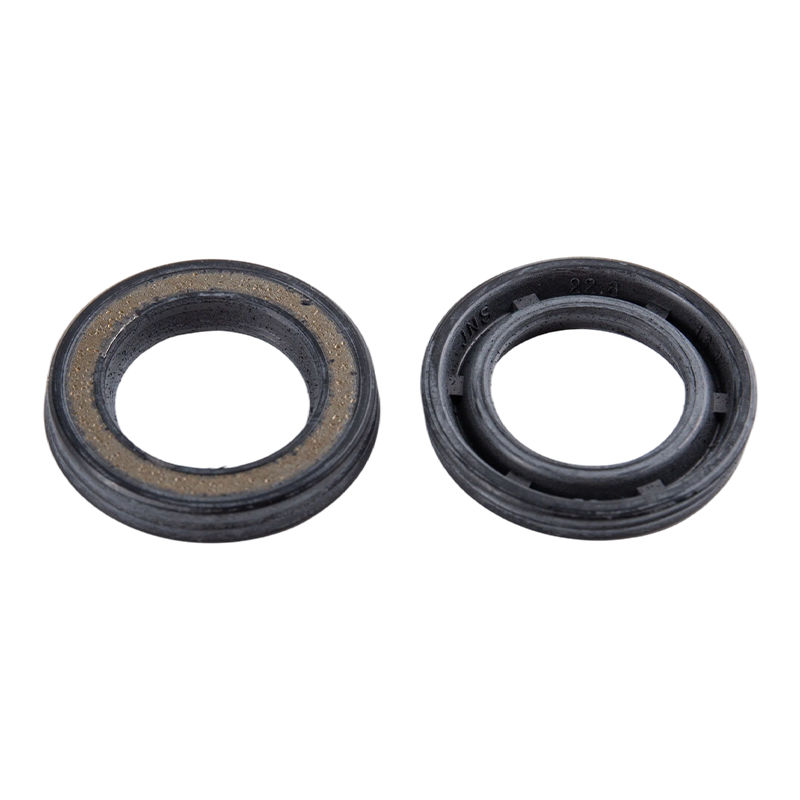
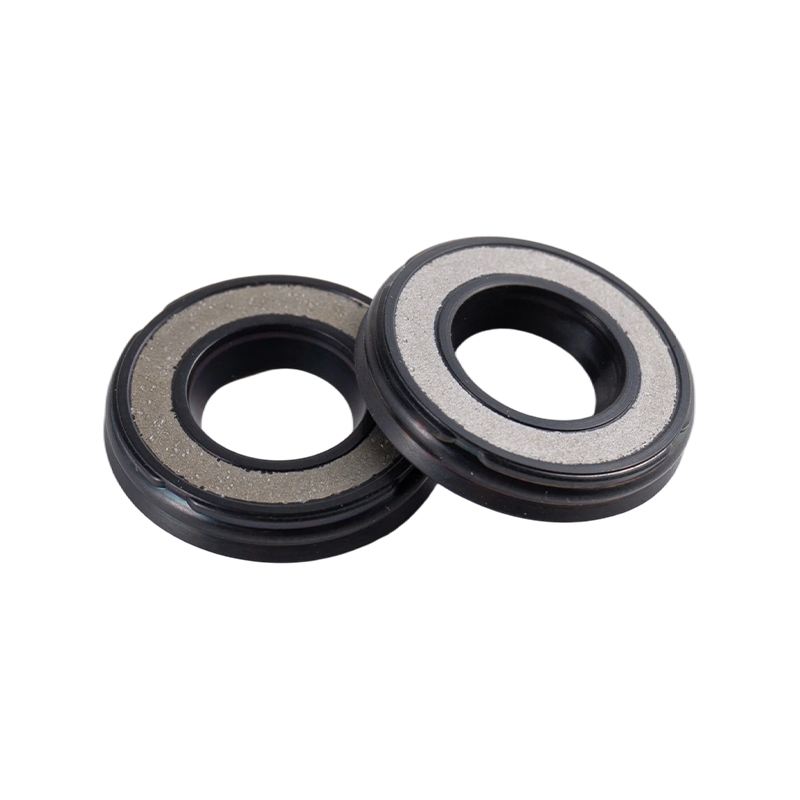
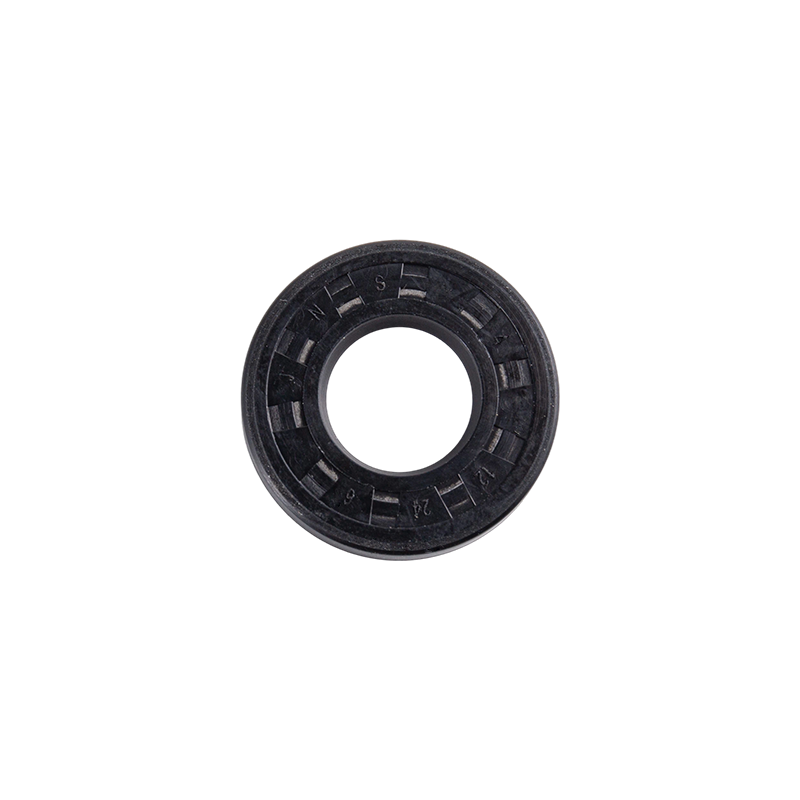
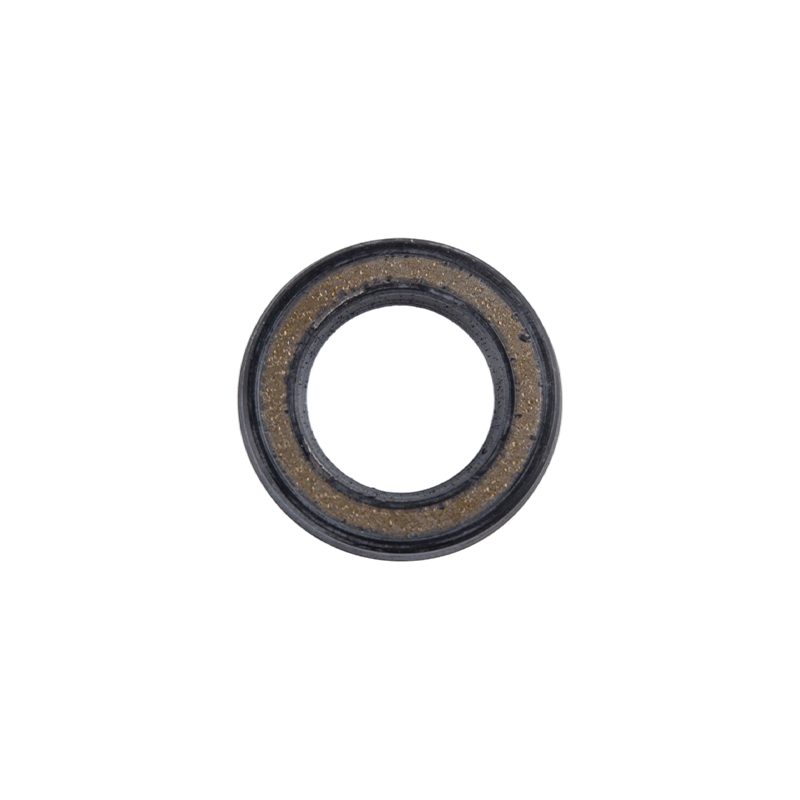
Reliable sealing is essential wherever a gas spring, damper, piston assembly, or compact pressure mechanism must operate smoothly over an extended service life. A seal is a relatively small component, but its performance influences pressure retention, friction, contamination control, operating consistency, maintenance frequency, and the overall safety of the finished product. The 26mm Durable Industrial Seal is a Y-type oil seal ring designed for demanding applications that require fatigue resistance, shape stability, and straightforward installation.
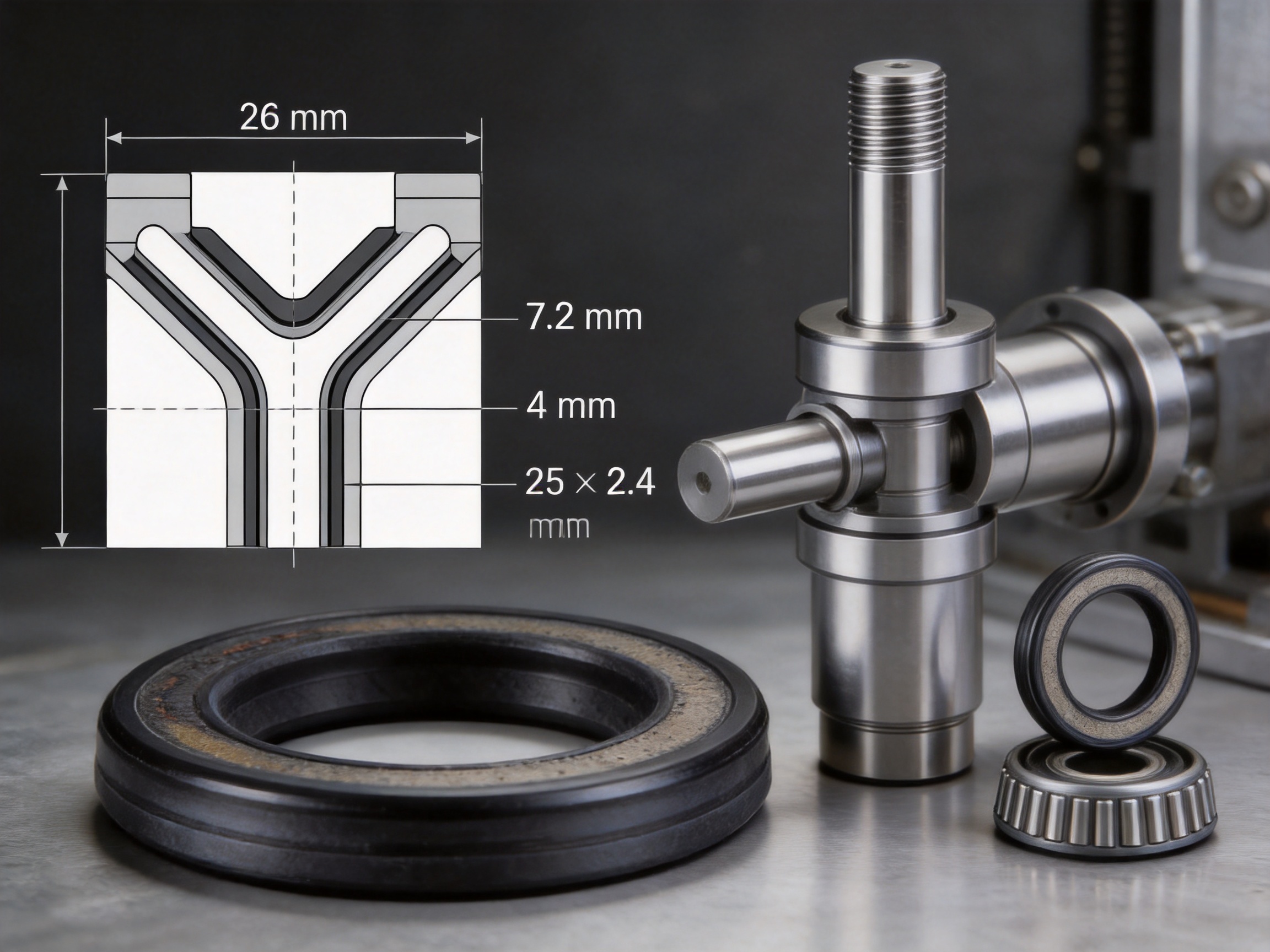
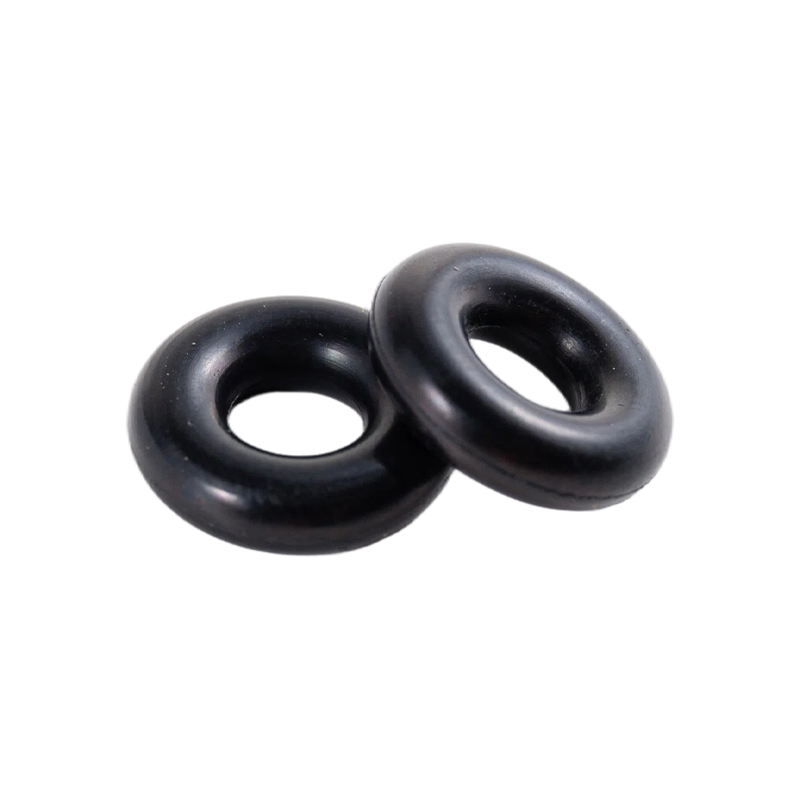
Identified by product code A-1-032, this seal has a 26 mm outside diameter, a 7.2 mm inside diameter, and a height of 4 mm. It is manufactured from NBR and is designed for an applicable pressure range of 50 to 2000 N. The specification also includes a 25 × 2.4 mm O-ring adapter and a compatible steel pipe inner diameter and piston rod diameter of 25 × 8 mm. These dimensions make the product suitable for carefully matched gas spring and damper assemblies where controlled sealing pressure and long-term mechanical stability are important.
The product is developed around a practical performance objective: maintaining sealing effectiveness during repeated compression, movement, and load cycling. Its stated design emphasis is fatigue strength, with a million-cycle service target under loads reaching 2000 N. In addition to resistance to fatigue, the seal is intended to provide strong shape memory and simple fitting. These characteristics help reduce installation difficulty and support dependable operation in production environments.
Product Overview and Application Purpose
The 26mm Durable Industrial Seal belongs to the Y-Type Oil Seal Ring category. Y-type seals are commonly used in reciprocating systems because their profile can generate an effective sealing contact against a moving rod or piston while accommodating repeated motion. The geometry is intended to support a balance between sealing force, friction, and durability. When correctly installed in a compatible housing, the seal can help retain internal lubricant or gas-assisted fluid while limiting the entry of dust, moisture, and other contaminants.
This product is particularly relevant to gas springs and dampers. These mechanisms are used in applications such as adjustable furniture, automotive components, equipment covers, medical devices, industrial mechanisms, and other products requiring controlled movement or load assistance. A seal in such an assembly must tolerate repeated movement without losing its shape or becoming excessively worn. It must also maintain a sufficiently stable contact condition so that the system continues to deliver predictable performance.
The A-1-032 design uses a 26 mm outside diameter and a 7.2 mm inside diameter. The 4 mm height provides a compact axial profile for assemblies where available installation space is limited. Dimensional compatibility is critical. The seal should be matched with the specified housing, piston rod, steel pipe, and adapter arrangement so that the sealing lips are supported correctly and the component is not exposed to unintended deformation.
Although the seal is compact, its design must account for several interacting forces. The sealing edge must maintain contact during movement. The body must resist distortion under load. The material must recover its original shape after compression. The surface must be capable of operating with the lubricant and environmental conditions selected for the finished assembly. A product that satisfies only one of these requirements may not deliver reliable service. The value of this seal lies in the combination of dimensional design, material selection, profile behavior, and manufacturing control.
Key Technical Specifications
| Specification | Product Information |
|---|---|
| Product name | 26mm Durable Industrial Seal |
| Seal category | Y-Type Oil Seal Ring |
| Product code | A-1-032 |
| Outside diameter | 26 mm |
| Inside diameter | 7.2 mm |
| Height | 4 mm |
| O-ring adapter | 25 × 2.4 mm |
| Design applicable pressure range | 50–2000 N |
| Compatible steel pipe inner diameter and piston rod diameter | 25 × 8 mm |
| Product material | NBR |
| Fatigue performance objective | Million-cycle life under loads up to 2000 N |
| Installation characteristic | Designed for simple fitting |
These specifications should be considered together rather than separately. For example, the outside diameter establishes the relationship between the seal and its housing, while the inside diameter determines the relationship with the piston rod or mating component. The height affects axial positioning and available space. The adapter dimension contributes to the intended assembly arrangement. A correct match across all dimensions is necessary to obtain the expected performance.
NBR Material and Its Role in Seal Performance
The A-1-032 seal is manufactured from NBR, or nitrile butadiene rubber. NBR is widely used for oil seals and industrial sealing components because it offers a practical combination of elasticity, resistance to petroleum-based lubricants, mechanical strength, and cost efficiency. These characteristics make it a common choice for gas spring and damper sealing systems when the working environment is compatible with the compound.
Material selection affects nearly every aspect of a seal’s performance. A sealing ring must deform enough to establish contact with the mating surfaces, but it must also resist permanent deformation. It must remain flexible during repeated movement while retaining sufficient strength at the sealing lip and body. NBR is capable of providing this balance when the compound formulation and vulcanization process are appropriately controlled.
The material’s shape recovery is especially relevant to a Y-type profile. During installation, the seal may experience controlled deformation as it is placed into the housing or over the mating component. Once positioned, the material must recover and maintain its designed contact geometry. Strong shape memory helps the sealing edges remain engaged and reduces the risk of a loose fit caused by temporary installation deformation.
NBR is not a universal solution for every chemical or temperature environment. The final application should be evaluated for exposure to fluids, temperature extremes, ozone, ultraviolet radiation, and other conditions. Where a different resistance profile is needed, sealing manufacturers may offer alternative elastomers such as HNBR or FPM. However, for the intended oil-sealing applications described for this product, NBR provides a well-established and economical material platform.
Compound consistency is also important. Two NBR materials may have different hardness, tensile strength, compression-set resistance, and chemical compatibility. A professional sealing manufacturer therefore needs to manage raw material selection, mixing, storage, molding, and curing in a controlled manner. Consistent material behavior helps ensure that seals produced in different batches perform in a similar way when used in the same design.
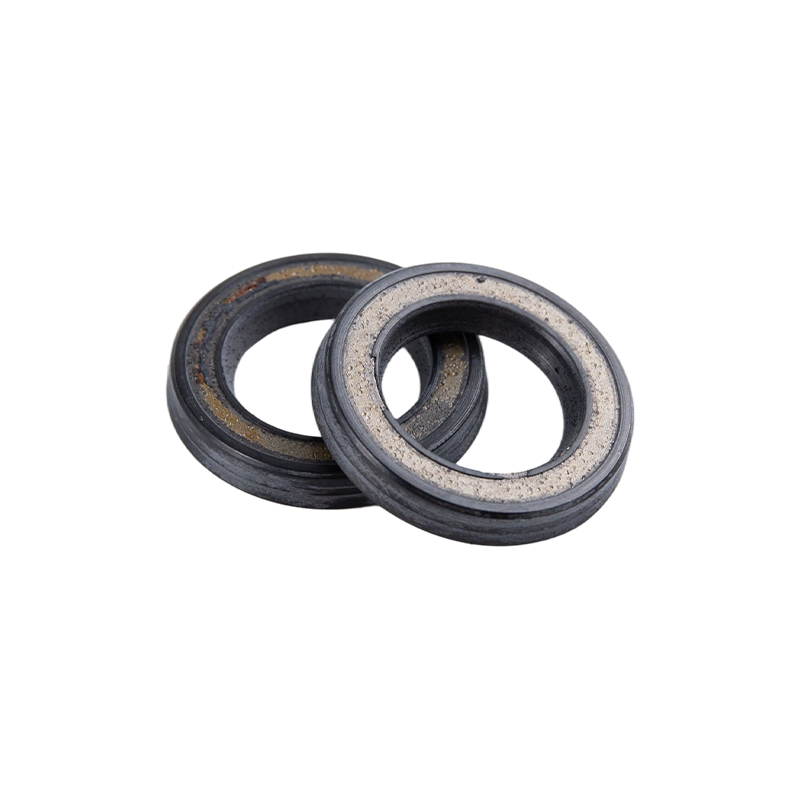
26mm Durable Industrial Seal
Fatigue Resistance and Million-Cycle Performance
Repeated cycling is one of the most demanding conditions for a seal. Each operating cycle can create compression, sliding contact, flexing, and changes in local stress. Over time, these repeated actions may cause wear, cracking, edge rounding, permanent deformation, or loss of sealing force. The 26mm Durable Industrial Seal is designed with fatigue strength as a central performance priority.
The stated performance objective is a million-cycle life under loads up to 2000 N. This target is significant because it addresses service endurance rather than only initial sealing performance. A seal that works well during the first few movements may still be unsuitable if its profile changes rapidly during repeated operation. A fatigue-oriented design considers how the material and geometry behave over the complete expected operating cycle.
Several design factors contribute to fatigue resistance. The first is the profile itself. A Y-type cross-section can be shaped to distribute compression more effectively and avoid unnecessary concentration of stress. The second is the elastomer’s resilience. A material that recovers its shape efficiently can accommodate repeated movement without remaining permanently collapsed. The third is dimensional accuracy. If one part of the seal is excessively compressed while another part is loose, localized stress may accelerate wear.
The mating components also influence fatigue life. A piston rod with an unsuitable surface finish, excessive roughness, sharp edges, or contamination can damage the sealing lip. Misalignment can create uneven loading. Excessive side force can cause the seal to flex in a direction that was not intended by the original design. For this reason, the million-cycle objective should be understood as a design and application performance target that depends on the complete assembly, not only the rubber ring in isolation.
For manufacturers of gas springs and dampers, long fatigue life can bring several advantages. It can reduce warranty claims, limit replacement frequency, improve product consistency, and support a stronger reputation for reliability. For users, long-cycle sealing performance helps preserve smooth operation and reduces the likelihood of pressure loss or oil leakage during the service life of the equipment.
Pressure Range and Load Capability
The design applicable pressure range is listed as 50 to 2000 N. This range provides a reference for selecting the seal for assemblies with different load requirements. The lower end represents applications requiring controlled sealing under relatively light operating forces, while the upper end addresses more demanding systems with higher load cycles.
It is important to distinguish between load and fluid pressure when evaluating a sealing application. The listed range is expressed in newtons and therefore describes a design load condition rather than a conventional pressure value such as pascals or bar. In a gas spring or damper, load may be transmitted through the piston and rod, while the seal experiences contact forces, internal pressure effects, and frictional forces. Application engineers should evaluate the complete force and pressure relationship before approving a design.
The seal’s ability to operate across a broad load range is related to its profile, material resilience, and support conditions. At lower loads, the seal must still maintain enough contact to prevent leakage and contamination ingress. At higher loads, it must resist excessive deformation and avoid generating damaging friction. A well-designed seal seeks an effective operating balance rather than simply maximizing contact pressure.
Load conditions can change during use. A gas spring may experience different forces depending on its position, temperature, speed, and the mass being supported. A damper may be exposed to varying compression and extension rates. The sealing component must therefore be selected based on the most demanding realistic conditions, not just the nominal load stated for the finished product.
Correct installation is especially important at the upper end of the stated range. The housing should support the seal uniformly, the rod should be properly aligned, and the seal should not be twisted or cut during assembly. Adequate lubrication and clean surfaces help prevent early damage. These installation controls allow the seal’s fatigue-resistant design to contribute effectively to the life of the full mechanism.
Dimensional Compatibility and Assembly Design
The dimensions of the A-1-032 seal are designed for a specified assembly relationship. The 26 mm outside diameter corresponds to the intended housing or retaining feature. The 7.2 mm inside diameter establishes the nominal internal opening. The 4 mm height determines the axial space occupied by the sealing ring. The specified 25 × 2.4 mm O-ring adapter and 25 × 8 mm steel pipe inner diameter and piston rod diameter provide additional guidance for system integration.
These dimensions should not be treated as interchangeable with every 26 mm sealing application. The housing groove, lead-in chamfer, rod diameter, surface finish, and compression ratio all affect the final result. Even a small dimensional mismatch can cause excessive friction, insufficient sealing force, extrusion, or difficulty during assembly. Engineering drawings and actual component measurements should be reviewed before production approval.
A seal designed for simple fitting can improve manufacturing efficiency. When a component can be installed without excessive force or complicated tooling, assembly time may be reduced and the risk of installation-related damage can be lowered. Simple fitting is also valuable for maintenance teams that need to replace seals in the field or during scheduled equipment service.
However, simple fitting does not mean that assembly controls can be ignored. The seal should be protected from sharp edges, burrs, and contaminated tools. If the seal must pass over a threaded section, keyway, or irregular surface, a suitable protective sleeve or installation guide may be needed. Lubrication should be compatible with NBR and with the other materials in the system. A twisted or pinched seal may appear acceptable during assembly but fail quickly after operation begins.
For high-volume production, the seal’s dimensions and installation behavior can support automation or semi-automated assembly. Consistent molding quality makes it easier to define insertion force limits and visual inspection standards. A repeatable component is more suitable for process control than one that varies significantly from batch to batch.
Advantages Over General-Purpose Sealing Alternatives
One of the primary advantages of the 26mm Durable Industrial Seal is its focus on repeated-load fatigue rather than only short-term sealing. Some general-purpose rings may provide adequate initial contact but may not be optimized for the combined effects of reciprocating movement, repeated compression, and high mechanical load. The A-1-032 design is positioned for applications where cycle life is a central purchasing and engineering consideration.
Its Y-type profile is another advantage for reciprocating mechanisms. A simple circular ring can be effective in many static or lightly moving applications, but a purpose-designed profile can provide more controlled contact behavior in a moving assembly. The Y-shaped geometry can support a defined sealing edge and improve the relationship between flexibility, contact force, and installation stability.
The use of NBR provides a practical balance between performance and cost. Compared with specialized high-temperature or chemically resistant compounds, NBR can be more economical for compatible oil and industrial environments. This can help manufacturers control component costs without abandoning the durability and mechanical properties needed for gas spring and damper applications.
The compact 4 mm height is also useful when design space is limited. A low-profile seal can allow more flexibility in housing design and may support smaller or lighter mechanisms. Compact dimensions can be particularly valuable in furniture hardware, vehicle components, medical equipment, and consumer products where installation volume is restricted.
The product’s documented dimensional information supports more efficient engineering communication. Buyers and design teams can review the outside diameter, inside diameter, height, adapter size, material, load range, and compatibility information before requesting samples or approving production. Clear specifications help reduce misunderstandings between the seal supplier and the equipment manufacturer.
Finally, the product is supported by a manufacturer with a stated focus on sealing technology for gas springs, dampers, and related O-ring products. A supplier that concentrates on these applications can contribute more than a standard catalog item. It can assist with product selection, design review, testing, customization, and technical consultation, helping customers address the complete sealing challenge.
Advanced Manufacturing Processes
The performance of a molded elastomer seal depends heavily on manufacturing discipline. A strong design can fail to deliver its intended advantages if the compound is inconsistent, the mold is inaccurate, curing is unstable, or inspection is incomplete. The manufacturer’s stated capabilities include research and development, advanced production equipment, and a professional technical service team. These capabilities support a production approach based on controlled formulation, precision molding, curing management, dimensional inspection, and application evaluation.
Material Preparation and Compound Control
The manufacturing process begins with the preparation of the NBR compound. Raw materials must be identified, stored, weighed, and mixed according to controlled procedures. The objective is to create a uniform compound with stable elasticity, strength, hardness, and processing behavior. Inconsistent mixing can produce local variations that affect sealing force and fatigue life.
Compound control may include monitoring batch identification, mixing time, temperature, material sequence, and storage conditions. The compound should be protected from contamination and excessive aging before molding. Consistent preparation is especially important for small seals because a small variation in material properties can produce a noticeable change in installation force or sealing behavior.
Precision Mold Design
The mold defines the seal’s basic geometry. For a Y-type ring, mold accuracy influences the sealing edges, body thickness, adapter relationship, and overall dimensional stability. Proper mold design also helps reduce flash, uneven parting lines, and defects that could interfere with installation or damage the mating surface.
Advanced production equipment can support more consistent temperature control, pressure management, and cycle repeatability during molding. These controls help ensure that the 26 mm outside diameter, 7.2 mm inside diameter, and 4 mm height remain within the required production tolerances. A stable molding process also improves the consistency of the sealing lip and the surface condition of the finished component.
Vulcanization and Curing Management
Vulcanization converts the prepared rubber compound into an elastic finished material. The curing cycle must be controlled carefully. Under-curing may result in inadequate strength or poor shape recovery, while over-curing may make the material excessively hard or brittle. Both conditions can reduce service performance.
For a fatigue-oriented seal, curing consistency is crucial. The material must withstand repeated deformation without developing early cracks or permanent set. Stable curing supports the shape memory emphasized for the A-1-032 design. It also helps maintain predictable installation behavior across production batches.
Flash Removal and Finishing
After molding, excess rubber may need to be removed from the parting line or other areas. Finishing operations should be performed carefully so that the sealing edges remain sharp, smooth, and dimensionally correct. Excessive trimming can damage the lip, while inadequate finishing can create interference or a leakage path.
A professional finishing process includes visual checks for flash, short shots, surface marks, bubbles, tears, contamination, and deformation. Since the seal is small, inspection lighting and handling procedures should be suitable for identifying defects that could affect service performance.
Dimensional Inspection
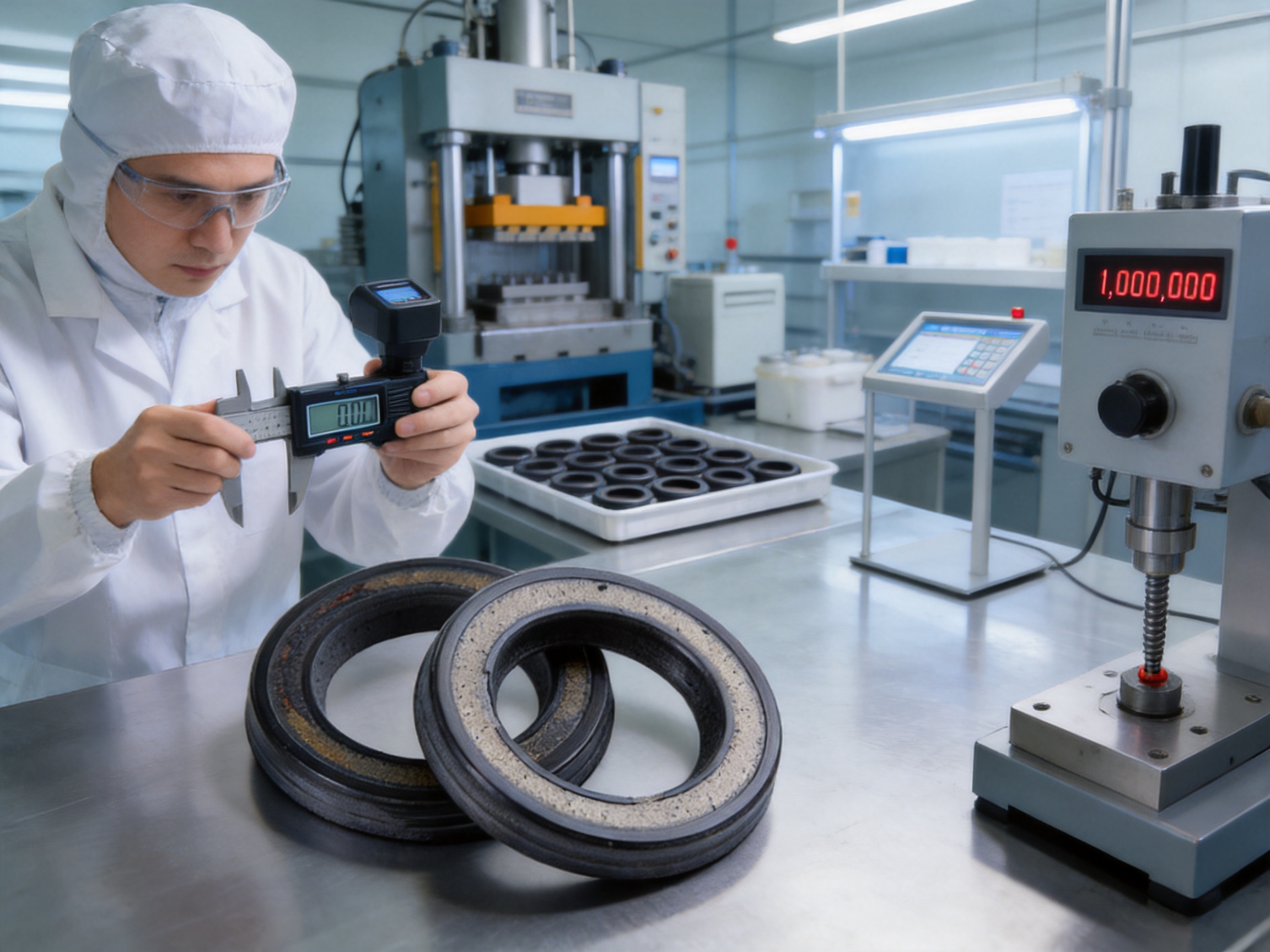
Dimensional inspection confirms whether the molded component corresponds to the approved design. Key dimensions include the outside diameter, inside diameter, height, sealing profile, and any adapter-related features. Inspection may be performed using calibrated gauges, optical measurement equipment, dedicated fixtures, or other suitable methods.
Dimensional inspection is not only a quality-control activity; it is also a performance-control activity. If the outside diameter is too large, assembly may require excessive force. If it is too small, the seal may not be retained properly. If the inside diameter is incorrect, the rod contact may be too tight or too loose. If the height is inconsistent, the seal may not sit correctly in the housing.
Testing and Technical Evaluation
Testing helps connect product specifications with actual application performance. Depending on customer requirements, evaluation may include dimensional checks, hardness testing, tensile or elongation testing, compression-set assessment, leakage testing, friction measurement, and repeated-cycle testing. For gas springs and dampers, endurance testing can provide useful information about sealing stability under realistic movement and load conditions.
The manufacturer’s focus on research and development supports the use of testing as part of product improvement. Test results can guide changes to the profile, compound, molding conditions, or installation recommendations. This development approach is more reliable than selecting a seal solely by nominal diameter.
Quality Assurance and Production Reliability
Quality assurance for sealing products should cover the entire production chain. Incoming materials, compounding, molding, curing, finishing, inspection, packaging, and shipment all influence the final product. A failure at any stage can compromise the seal before it reaches the customer.
Traceability is valuable for industrial customers. Batch identification allows the supplier and customer to investigate performance issues, compare production lots, and manage corrective actions. It also supports repeat ordering because the approved material and process information can be connected to a known product code.
Packaging should protect the seals from dust, compression, sunlight, ozone, and unnecessary deformation during storage and transportation. Elastomer products should be stored in conditions appropriate for rubber components. Long-term exposure to heat, direct light, or unsuitable chemicals can affect material properties before installation.
Quality assurance should also consider cleanliness. Small particles on a sealing lip can create a leakage path or scratch the mating surface. Clean handling, controlled work areas, and appropriate packaging are therefore important, especially when the seal is installed in a pressure-sensitive mechanism.
The manufacturer’s professional technical service team adds value beyond routine inspection. Technical personnel can help customers evaluate dimensions, installation methods, operating conditions, and material suitability. This support is particularly useful when the seal is being integrated into a new gas spring, damper, or customized mechanical product.
Applications Across Multiple Industries
The 26mm Durable Industrial Seal is suited to product designs that use compact reciprocating or pressure-assisted mechanisms. Gas springs in furniture may rely on a seal to maintain smooth lifting and lowering action. Automotive mechanisms may use gas springs or dampers for hoods, trunks, seats, doors, and adjustable components. Home appliances may incorporate controlled movement systems in covers, panels, or doors.
Medical equipment can require compact, clean, and dependable motion-control components. In such applications, the sealing system must be selected according to the equipment’s fluid, temperature, cleanliness, and regulatory requirements. The seal’s compact dimensions and simple fitting characteristics may be useful, but the completed assembly must still undergo application-specific validation.
Construction equipment and industrial machinery may place higher mechanical demands on seals. Repeated loading, vibration, dust, and variable operating conditions can accelerate wear. The fatigue-focused design and broad stated load range make the product a candidate for evaluation in such systems when the material and environmental conditions are compatible.
Furniture and consumer products often require a combination of compact dimensions, economical production, smooth movement, and long service life. A seal that can be installed consistently and withstand repeated cycles can contribute to a better user experience while helping manufacturers reduce field returns.
Across all of these industries, the correct application depends on more than the seal alone. Engineers should consider the rod material, surface finish, housing tolerance, lubrication, temperature, load profile, movement speed, storage conditions, and expected number of cycles. The product provides a strong starting point for evaluation, but system-level testing remains essential.
Installation Recommendations
Before installation, inspect the seal and all mating parts. The seal should be free from cuts, cracks, distortion, embedded particles, and visible surface damage. The housing and rod should be clean and free from burrs. Sharp edges should be removed or protected because they can cut the sealing lip during insertion.
Confirm that the assembly matches the intended dimensions: a 26 mm outside diameter, 7.2 mm inside diameter, 4 mm height, the specified adapter arrangement, and the compatible 25 × 8 mm pipe and rod relationship. Do not force the seal into a groove or bore that has not been verified. Excessive insertion force can permanently deform the component.
Use a compatible lubricant when required by the assembly design. Lubrication can reduce installation friction and assist the sealing lip during initial movement. The lubricant must be compatible with NBR and with the internal fluid or oil used in the gas spring or damper. Excessive lubricant should be avoided if it could contaminate other parts or affect the finished product.
Install the seal in the correct orientation. A Y-type ring has a functional profile, and reversing it may prevent the sealing edges from working as intended. Follow the approved assembly drawing or technical instruction for the specific mechanism.
After installation, check that the ring is seated evenly and has not twisted. Operate the mechanism slowly at first, observing for abnormal friction, binding, leakage, or unusual movement. In production, an inspection procedure should define acceptable insertion force, visual condition, seating position, and functional test results.
Maintenance and Service Considerations
Even a durable seal benefits from correct maintenance. Equipment should be operated within its intended load and motion limits. Excessive side loading, impact, misalignment, or rapid movement can reduce the life of the seal and the surrounding mechanism.
Inspection intervals should be based on the application. High-cycle industrial equipment may require more frequent checks than lightly used furniture hardware. Signs of concern may include oil leakage, reduced gas spring force, jerky movement, increased friction, unusual noise, visible contamination, or damage around the rod and housing.
When replacing the seal, inspect the mating surfaces rather than changing only the rubber ring. A scratched rod, worn groove, damaged retaining feature, or contaminated lubricant can cause a replacement seal to fail prematurely. Correcting the underlying issue is necessary for a durable repair.
Replacement seals should be identified by the correct product code and dimensions. Similar-looking rings may have different profiles, materials, or operating ranges. Using the correct A-1-032 specification helps reduce the risk of an unsuitable substitute being installed.
Customization and Engineering Support
Standard dimensions are useful for established designs, but many customers require customized sealing solutions. Differences in rod diameter, housing size, load, stroke, temperature, lubricant, or installation method may require a modified profile or material. A sealing technology supplier with research and development capabilities can evaluate these requirements and propose an appropriate design.
Customization may involve profile adjustment, dimensional changes, compound selection, hardness optimization, tooling development, or testing under customer-defined conditions. The objective is not merely to produce a ring with a different size. The complete sealing function must be maintained after the dimensions, material, and operating conditions change.
Technical consultation can begin with application information such as the working load, cycle count, stroke length, movement speed, temperature range, internal medium, rod material, housing dimensions, and leakage acceptance criteria. Accurate information allows the supplier to recommend a more suitable design and avoid unnecessary trial and error.
The manufacturer provides customized sealing solutions that include product design, testing, and technical consultation. This integrated capability can shorten development time for customers and make it easier to move from an initial concept to a validated production component.
Why Choose a Specialized Sealing Manufacturer?
Specialization matters because sealing performance is influenced by many variables that are not obvious from a simple dimensional description. A manufacturer focused on gas springs, dampers, and O-ring products is familiar with the relationship between elastomer behavior, reciprocating movement, pressure retention, installation, and fatigue.
A specialized supplier can also support continuous improvement. If a customer observes installation variation, unexpected wear, or a change in operating conditions, the supplier can review the product and process rather than treating the component as a generic commodity. This technical relationship is particularly valuable for original equipment manufacturers and exporters that need stable quality across repeated production orders.
The company behind this product is a high-tech enterprise founded in 2019 and headquartered in Anhui, China. Its stated business focus includes sealing technology research, development, and application for gas springs and dampers, together with related O-ring products. Its products serve automotive, furniture, home appliance, medical equipment, construction, and other industries.
The company also emphasizes advanced production equipment, research and development strength, and a professional technical service team. These capabilities support its ability to provide standard and customized sealing components. Its stated commitment to innovation, quality, and customer-oriented technical service is aligned with the requirements of industrial buyers seeking long-term supply support.
Purchasing and Supplier Evaluation Checklist
When evaluating the 26mm Durable Industrial Seal for a project, purchasing and engineering teams should confirm the following points:
| Evaluation Area | Recommended Confirmation |
|---|---|
| Product identity | Confirm product code A-1-032 and Y-type oil seal ring classification. |
| Dimensions | Verify 26 mm outside diameter, 7.2 mm inside diameter, and 4 mm height. |
| Material | Confirm NBR compound and compatibility with the working medium. |
| Assembly | Check the 25 × 2.4 mm O-ring adapter and 25 × 8 mm pipe and rod relationship. |
| Load conditions | Compare the actual application with the 50–2000 N design load range. |
| Cycle life | Assess whether the million-cycle performance objective matches the equipment requirement. |
| Environment | Review temperature, oil, dust, moisture, ozone, and chemical exposure. |
| Quality documentation | Request applicable inspection records, batch information, and test data. |
| Customization | Discuss profile, material, or dimensional changes if the standard product is not sufficient. |
| Technical support | Confirm availability of design review, testing, and installation guidance. |
This checklist helps ensure that the seal is evaluated as part of a complete engineering system. It also gives purchasing teams a structured method for comparing suppliers. Price remains important, but the lowest unit price may not provide the lowest total cost if the seal creates installation delays, leakage, premature replacement, or warranty issues.
Q&A
What type of seal is the 26mm Durable Industrial Seal?
It is a Y-type oil seal ring identified by product code A-1-032. It is designed for applications involving repeated movement and load, including gas springs and dampers.
What are the main dimensions?
The seal has a 26 mm outside diameter, a 7.2 mm inside diameter, and a 4 mm height. The listed O-ring adapter is 25 × 2.4 mm.
What material is used?
The product is made from NBR, or nitrile butadiene rubber. NBR is commonly used for oil seals because of its elasticity, mechanical strength, and compatibility with many petroleum-based lubricants.
What load range is specified?
The design applicable pressure range is listed as 50 to 2000 N. Engineers should compare this range with the complete operating load and pressure conditions of the finished mechanism.
How many cycles is the product designed to withstand?
The product description emphasizes fatigue strength and states a million-cycle life under loads up to 2000 N. Actual service life depends on installation, alignment, lubrication, temperature, surface finish, speed, and other system conditions.
What does strong shape memory mean for this seal?
Strong shape memory means that the NBR material is designed to recover its intended form after controlled deformation. This characteristic supports stable sealing contact and can help the ring return to its functional profile after installation and repeated movement.
Is the seal suitable for every 26 mm application?
No. The outside diameter alone is not sufficient for selection. The inside diameter, height, housing groove, rod size, adapter arrangement, load, fluid, temperature, and movement conditions must also be compatible.
Can the product be used in gas springs and dampers?
Yes. The product is designed for sealing applications associated with gas springs and dampers. The final application should still be validated according to its specific load, cycle, pressure, temperature, and lubricant requirements.
Is installation difficult?
The product is described as simple to fit. Even so, the mating surfaces should be clean and free from burrs, the correct orientation should be maintained, and the ring should not be twisted or cut during assembly.
Can the manufacturer develop customized seals?
Yes. The manufacturer states that it provides customized sealing solutions, including product design, testing, and technical consultation. Customers should provide detailed application information so that the profile and material can be evaluated properly.
What industries can use this type of seal?
Potential industries include automotive, furniture, home appliances, medical equipment, construction, and general industrial equipment. Suitability depends on the specific operating environment and assembly design.
What should be checked before ordering?
Confirm the product code, dimensions, NBR material, adapter size, compatible pipe and rod dimensions, load range, cycle requirement, environmental conditions, and available technical documentation.
How can customers request technical assistance?
Customers can contact the manufacturer’s technical and sales team for product selection, design review, testing arrangements, and customized sealing requirements. The listed company contact includes jns@jnsseals.cn and the provided manager telephone contacts.
Conclusion
The 26mm Durable Industrial Seal is a compact but performance-focused sealing component for gas springs, dampers, and related industrial mechanisms. Its Y-type profile, NBR material, 26 mm outside diameter, 7.2 mm inside diameter, and 4 mm height are designed for a specific assembly relationship. The product’s major performance advantages include fatigue-oriented design, a stated million-cycle life objective under loads up to 2000 N, strong shape memory, and simple fitting.
Its value is further supported by the manufacturer’s focus on sealing technology, research and development, advanced production equipment, testing, and technical service. Controlled compound preparation, precision molding, stable vulcanization, careful finishing, dimensional inspection, and application testing are all important to producing a dependable seal. These manufacturing strengths help transform a small elastomer ring into a reliable component for long-cycle mechanical systems.
For the best result, customers should evaluate the seal as part of the complete gas spring, damper, or industrial assembly. Correct dimensions, compatible materials, clean installation, suitable lubrication, proper alignment, and realistic cycle testing are essential. When these conditions are controlled, the A-1-032 seal can provide an effective balance of durability, installation efficiency, and production value for demanding sealing applications.
References
1. Product specification information for the 26mm Durable Industrial Seal, product code A-1-032.
2. Manufacturer-provided information concerning NBR sealing products and Y-type oil seal rings.
3. General engineering principles for elastomeric seals used in reciprocating gas springs and dampers.
4. General technical references on nitrile butadiene rubber properties, compression behavior, and lubricant compatibility.
5. General industrial quality-control practices for molded rubber sealing components.
6. Manufacturer-provided company information concerning sealing technology research, development, production, testing, and technical consultation.
Product: 26mm Durable Industrial Seal

PREV:9mm Series NBR Sealing Washer: Reliable O-Ring Performance for Pump Connectors
NEXT:Precision Synchronous Seal for Accurate, Low-Hysteresis Motion Control
NEXT:Precision Synchronous Seal for Accurate, Low-Hysteresis Motion Control


Want to know more
about us?
about us?

Precision sealing for gas springs and dampers. Durable, wear-resistant, and built for long-life performance in demanding applications.
Product Categories
Quick Links
Contact Us
-
Email: jns@jnsseals.cn

-
Manager Gong: +86-18563770820

-
Manager Wang: +8615357558902
-
No. 5, Meilin Avenue, Meilin Industrial Development Zone, Ningguo City, Anhui Province, China

