

 English
 русский
 Deutsch
 Türk
Türk 中文简体
中文简体
9mm Series NBR Sealing Washer: Reliable O-Ring Performance for Pump Connectors
9mm Series NBR Sealing Washer: Reliable O-Ring Performance for Pump Connectors
9mm Series NBR Sealing Washer: Reliable O-Ring Performance for Pump Connectors
9mm Series NBR Sealing Washer: Reliable O-Ring Performance for Pump Connectors
9mm Series NBR Sealing Washer: Reliable O-Ring Performance for Pump Connectors
9mm Series NBR Sealing Washer: Reliable O-Ring Performance for Pump Connectors
9mm Series NBR Sealing Washer: Reliable O-Ring Performance for Pump Connectors
9mm Series NBR Sealing Washer: Reliable O-Ring Performance for Pump Connectors
9mm Series NBR Sealing Washer: Reliable O-Ring Performance for Pump Connectors
9mm Series NBR Sealing Washer: Reliable O-Ring Performance for Pump Connectors
9mm Series NBR Sealing Washer: Reliable O-Ring Performance for Pump Connectors
9mm Series NBR Sealing Washer: Reliable O-Ring Performance for Pump Connectors
9mm Series NBR Sealing Washer: Reliable O-Ring Performance for Pump Connectors
9mm Series NBR Sealing Washer: Reliable O-Ring Performance for Pump Connectors
9mm Series NBR Sealing Washer: Reliable O-Ring Performance for Pump Connectors
9mm Series NBR Sealing Washer: Reliable O-Ring Performance for Pump Connectors

Lu Wanyin — Senior After-Sales Service Engineer
Home / Author / Lu Wanyin — Senior After-Sales Service Engineer / 9mm Series NBR Sealing Washer: Reliable O-Ring Performance for Pump Connectors
NEW Category
Contact us
9mm Series NBR Sealing Washer: Reliable O-Ring Performance for Pump Connectors
Content
- 1 Product Overview and Core Specifications
- 2 Why NBR Is Used for Sealing Washers
- 3 Enhanced Cross-Section and Gap-Filling Performance
- 4 Advantages Over Competing General-Purpose Sealing Washers
- 5 Application in Pump Connectors
- 6 Manufacturing Strengths and Production Capabilities
- 7 Customization and Technical Support
- 8 Installation Recommendations
- 9 Storage and Handling
- 10 Applications Beyond Pump Connectors
- 11 Comparison with Alternative Materials
- 12 Why Manufacturer Support Matters
- 13 Quality, Consistency, and Supply Reliability
- 14 Evaluation Checklist for Buyers
- 15 Q&A
- 15.1 What is the 9mm Series NBR Sealing Washer?
- 15.2 What does NBR mean?
- 15.3 What is the main advantage of the enhanced cross-section?
- 15.4 Can this washer be used with every type of oil?
- 15.5 Is the product suitable for high-pressure applications?
- 15.6 Can the product be customized?
- 15.7 What should be checked before installation?
- 15.8 How should the sealing washers be stored?
- 15.9 What information should be provided for a technical quotation?
- 15.10 How can customers confirm the dimensional notation in the product information?
- 16 Conclusion
- 17 References
- 18 Product: 9mm Series NBR Sealing Washer
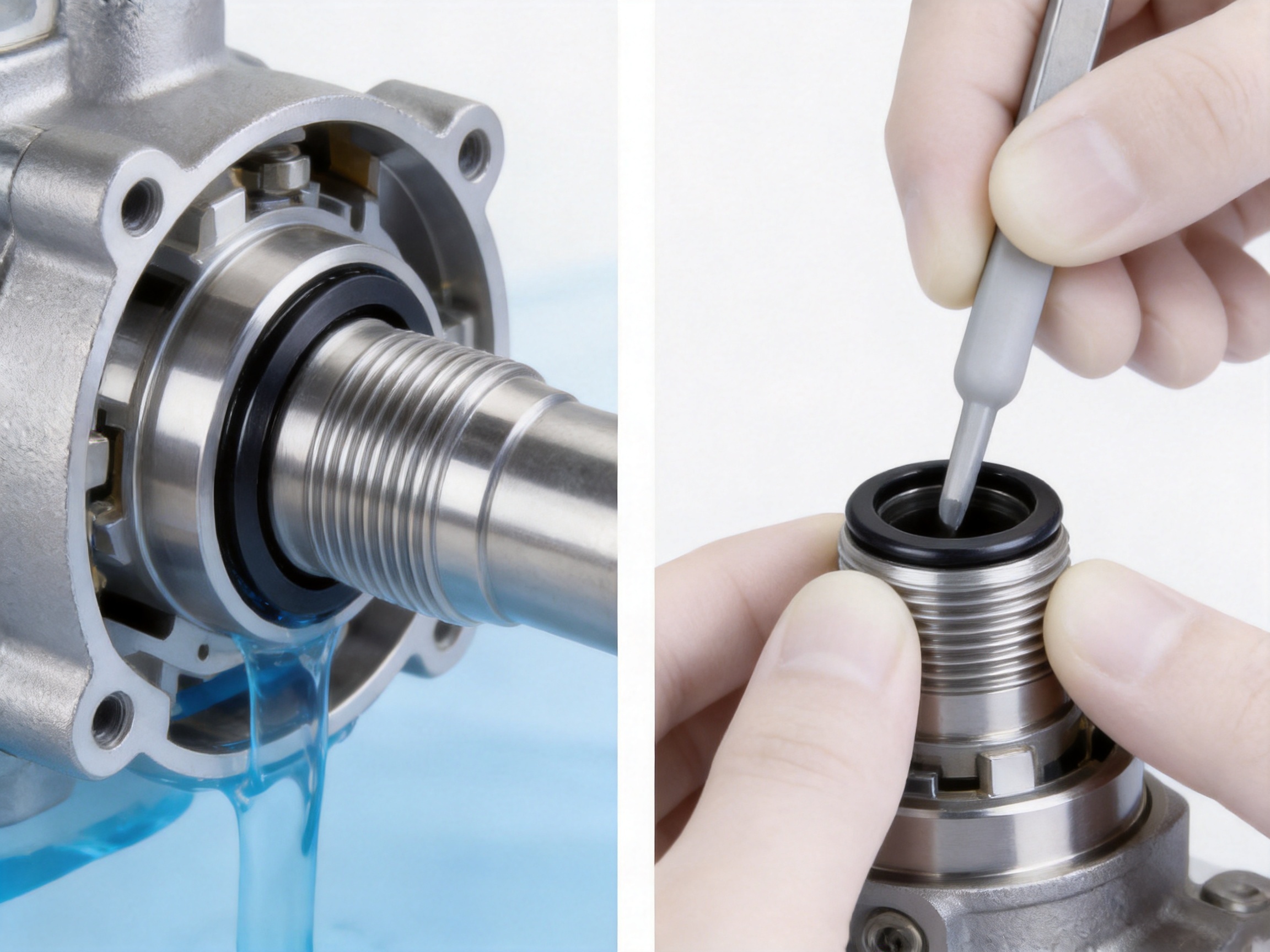
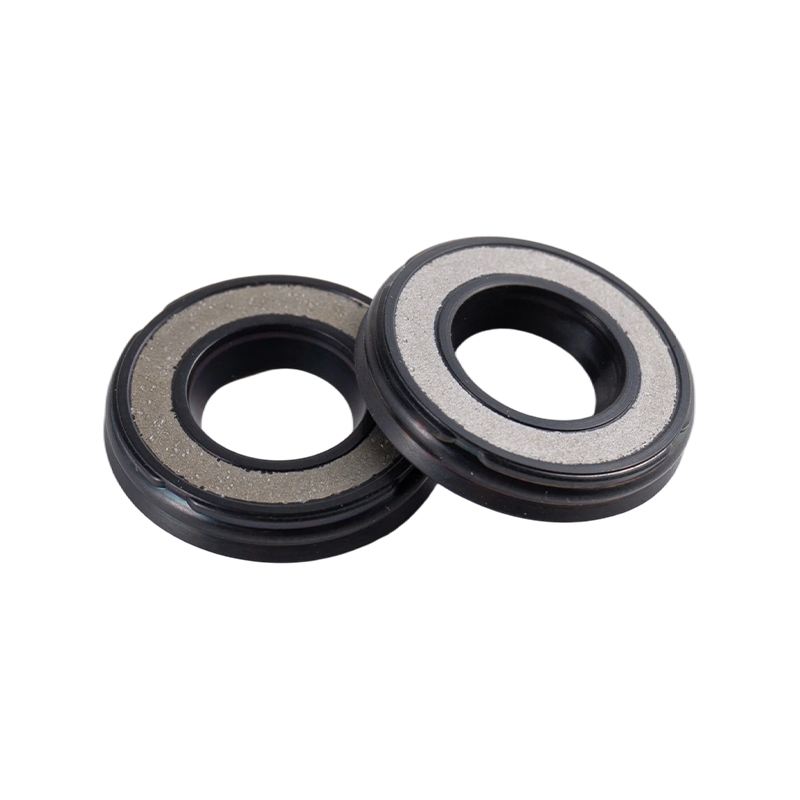
The 9mm Series NBR Sealing Washer is a universal sealing component designed for applications that require dependable fluid and gas sealing in a compact format. Manufactured from nitrile butadiene rubber, commonly identified as NBR, this sealing washer combines practical chemical resistance, useful elasticity, dimensional stability, and strong resistance to deformation under moderate pressure.
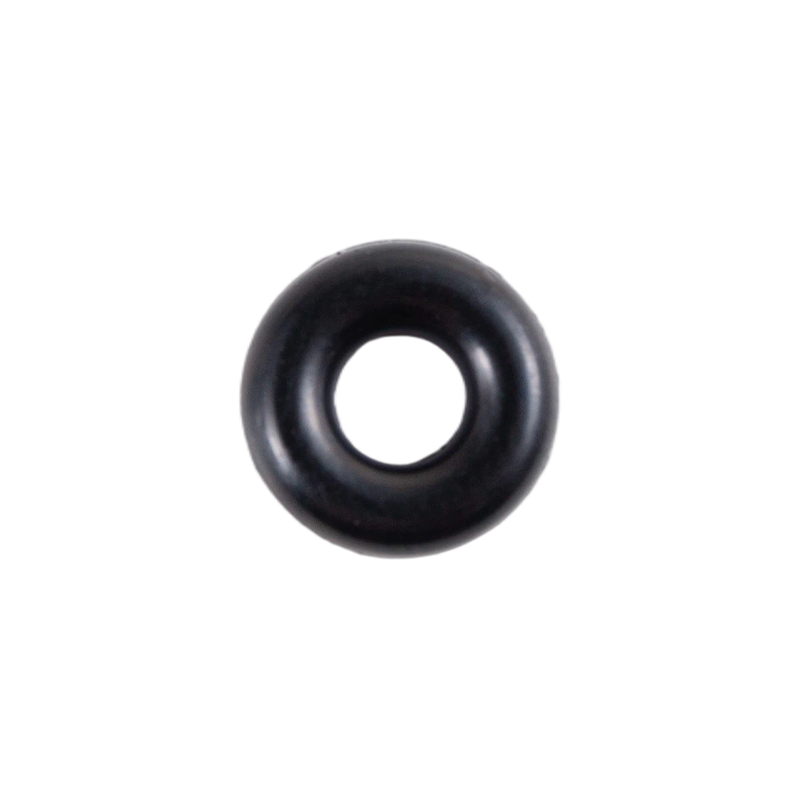
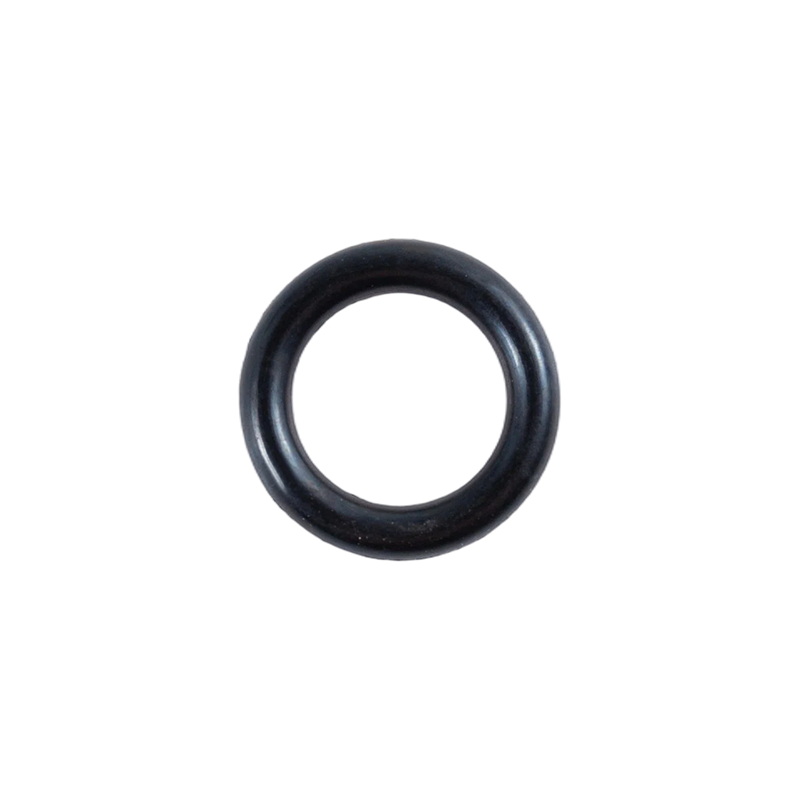
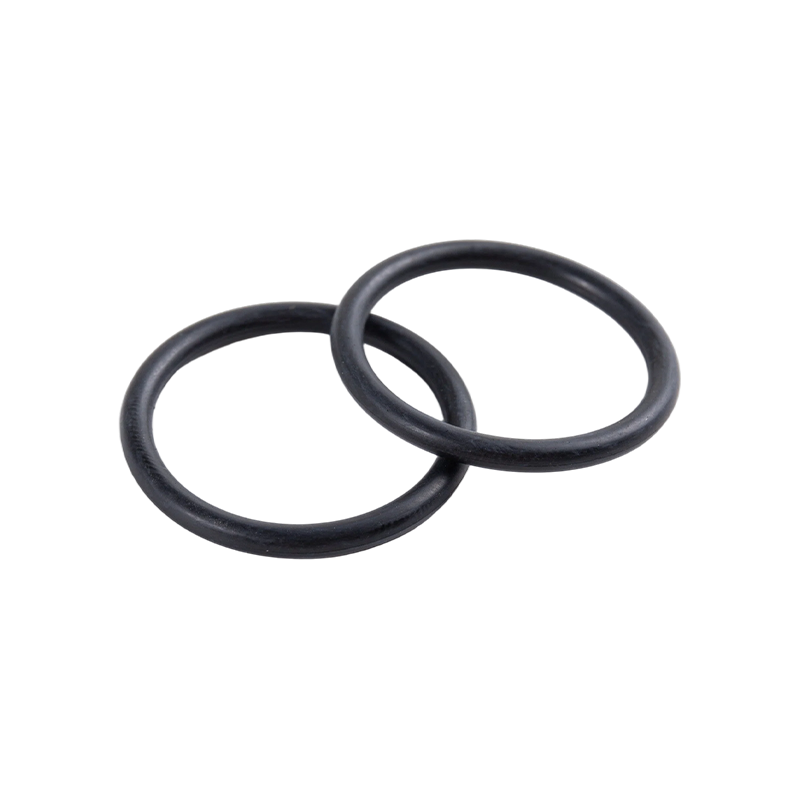
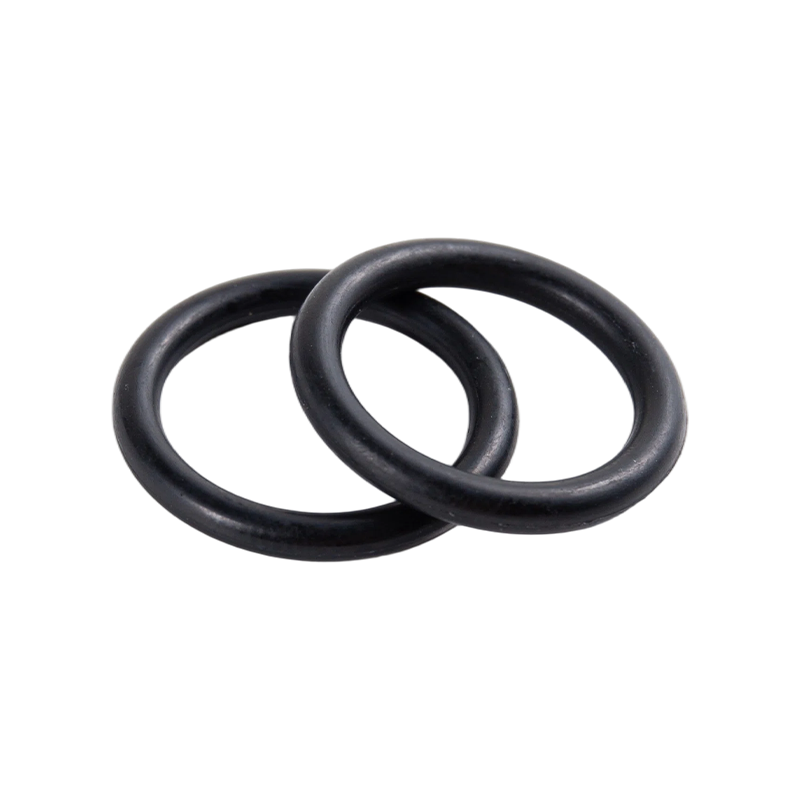
With a specified inner diameter of 9 mm and a wire diameter of 2.6 mm, the product is intended for use in pump connectors and other connection points where a consistent sealing interface is essential. Its enhanced cross-section helps fill small gaps between mating components, supporting improved sealing reliability during assembly and service.
The product code for this sealing washer is A-4-002. It belongs to the O-shaped oil seal ring category and is suitable for applications that require a standardized elastomeric sealing element rather than a complex molded seal assembly. Its simple structure makes it easy to handle, inspect, install, replace, and integrate into different equipment designs.
In modern machinery, a sealing washer is a small component with a significant operational responsibility. It must remain compressed between two surfaces, accommodate minor dimensional variations, resist the working medium, and maintain contact pressure over time. A poorly selected washer can lead to leakage, contamination, pressure loss, premature maintenance, or damage to surrounding parts. By contrast, a correctly specified NBR sealing washer can provide a practical and economical solution for many moderate-duty sealing applications.
Product Overview and Core Specifications
The 9mm Series NBR Sealing Washer is developed around a balanced cross-sectional design. Its 9 mm inner diameter establishes the nominal opening through which a connector, shaft, passage, or fitting may extend. The 2.6 mm wire diameter provides the radial or axial material thickness required for compression and gap filling.
| Product Attribute | Specification |
| Product Name | 9mm Series NBR Sealing Washer |
| Product Category | O-Shaped Oil Seal Ring |
| Product Code | A-4-002 |
| Nominal Inner Diameter | 9 mm |
| Wire Diameter | 2.6 mm |
| Material | NBR, nitrile butadiene rubber |
| Primary Application | Pump connectors and moderate-pressure sealing points |
| Design Feature | Enhanced cross-section for improved gap filling |
The supplied product information also includes the dimensional notation “Inner 3.8*2.6” under product specifications. Because the listed nominal ID is 9 mm and the listed wire diameter is 2.6 mm, buyers should confirm the intended dimensional interpretation with the technical team before ordering large quantities or using the washer in a precision assembly. Dimensional confirmation is especially important when the sealing element must match a specific groove, connector profile, or installation tool.
For routine procurement, the product code A-4-002 provides a clear reference for communication, quotation, sampling, production planning, and quality documentation. Using a dedicated code reduces the possibility of confusing this washer with products made from different compounds, having different cross-sectional dimensions, or intended for different pressure and temperature conditions.
Why NBR Is Used for Sealing Washers
NBR is one of the most widely used elastomers for general-purpose sealing applications. Its popularity comes from a practical combination of performance, availability, processability, and cost efficiency. NBR can provide reliable sealing against many petroleum-based oils, lubricants, greases, and hydraulic fluids, making it suitable for numerous mechanical systems.
The material also offers useful resistance to abrasion. During assembly, a sealing washer may pass over a fitting, enter a groove, or contact a mating surface. A material with insufficient abrasion resistance may be scraped, cut, or damaged before the equipment even begins operating. NBR’s balanced mechanical properties help reduce this risk when the product is installed using suitable procedures and compatible surfaces.
Another important property is compression resistance. A seal must remain sufficiently resilient after being compressed. If the elastomer permanently flattens or loses too much recovery, contact pressure may decrease and leakage may develop. The 9mm Series NBR Sealing Washer is designed to provide anti-deformation performance under moderate pressure, helping it retain a useful sealing profile during service.
NBR is not universally suitable for every fluid or environment. It should be evaluated carefully for exposure to strong oxidizing chemicals, ozone-rich conditions, certain aggressive solvents, high-temperature air, and some specialized fluids. The correct material selection depends on temperature, pressure, media compatibility, compression, movement, surface finish, and expected service life.
Enhanced Cross-Section and Gap-Filling Performance
The product’s enhanced cross-section is one of its principal functional advantages. A seal with an appropriate cross-section can occupy the available sealing space more effectively than a thinner or poorly matched ring. This helps compensate for small gaps, minor surface irregularities, and normal dimensional variation between mating components.
In pump connectors, the sealing washer may be compressed between a connector face, housing, threaded fitting, plug, or related component. When the assembly is tightened, the elastomer deforms and conforms to the contact surfaces. The goal is not simply to flatten the washer, but to create stable contact around the complete sealing path without causing excessive extrusion or installation damage.
A well-designed cross-section can support a more consistent contact area. This may reduce localized stress concentrations and make the washer less sensitive to minor variations in assembly torque. It can also help improve initial sealing during startup, when the system may experience pressure fluctuations or vibration.
Compared with an undersized sealing element, the 9mm Series design offers more material to fill the intended interface. Compared with an excessively oversized element, its specified dimensions provide a more controlled fit when the groove and mating components are designed accordingly. The correct fit remains essential: even a high-quality washer can fail if it is forced into an unsuitable groove or compressed beyond the recommended range.
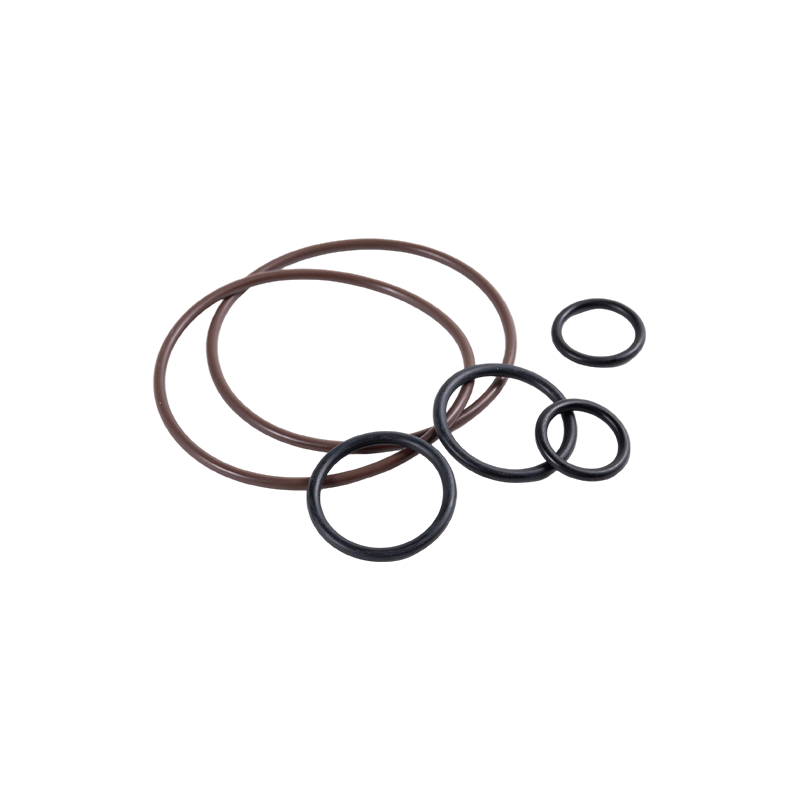
9mm Series NBR Sealing Washer
Advantages Over Competing General-Purpose Sealing Washers
Reliable Moderate-Pressure Sealing
The 9mm Series NBR Sealing Washer is intended for moderate-pressure applications, particularly pump connectors and related connection points. Its material resilience and 2.6 mm wire diameter provide a practical balance between flexibility and structural support.
Some low-cost sealing washers may rely on a thin cross-section that is easily distorted during tightening. Others may use inconsistent material hardness, leading to uneven compression or premature leakage. The enhanced cross-section of this product is intended to offer more stable deformation behavior, helping the washer maintain contact with the sealing surfaces after assembly.
Better Resistance to Deformation
Deformation resistance is a key differentiator in sealing performance. A washer that deforms too easily may extrude from its groove, roll during assembly, or become permanently compressed. A washer that is too hard may not conform to minor surface imperfections and may require excessive assembly force.
The NBR formulation and product geometry are selected to provide a useful balance. The ring can compress sufficiently to establish contact while retaining enough body to resist excessive distortion under moderate operating conditions. This is particularly valuable in connectors that are repeatedly assembled, exposed to vibration, or subject to changes in pressure.
Practical Compatibility with Oil-Based Media
For applications involving many petroleum-based oils and lubricants, NBR is a practical material choice. Compared with some general-purpose elastomers that may swell or soften in oil exposure, properly formulated NBR can maintain a more stable sealing profile.
Material compatibility must still be verified against the actual fluid, temperature, concentration, and exposure time. However, for common industrial and mechanical oil-sealing environments, NBR offers an established and economical performance foundation.
Efficient Installation and Replacement
The O-shaped profile is familiar to maintenance teams and production operators. It does not require a complicated installation sequence or specialized orientation, provided the receiving groove and mating surfaces are properly prepared. The product can therefore support efficient assembly and straightforward replacement programs.
Its compact size also makes it convenient for inventory management. A clearly identified 9mm washer can be stored in organized bins, issued through standard maintenance systems, and included in spare-parts kits for pumps, connectors, dampers, and related equipment.
Cost-Effective Functional Design
Not every application requires a high-temperature fluorocarbon seal, a custom multi-lip profile, or a complex engineered seal assembly. Selecting a suitable NBR washer for a moderate-duty application can reduce component cost while still providing dependable sealing.
The product’s standardized design and dedicated product code can also simplify procurement. When a production or maintenance department uses a repeatable part number, it can reduce purchasing errors, shorten replacement lead times, and improve consistency across equipment platforms.
Application in Pump Connectors
Pump connectors frequently operate under conditions that challenge sealing components. They may encounter pressure pulses, fluid movement, vibration, temperature changes, assembly torque, and repeated maintenance. A compact sealing washer must respond to these conditions without losing contact with the connector surfaces.
The 9mm Series NBR Sealing Washer is positioned as a suitable choice for pump connector applications involving moderate pressure. Its inner diameter is designed to accommodate the nominal connection geometry, while the wire diameter supplies the material volume needed for compression and gap filling.
During assembly, the washer should be placed in the designated sealing groove or against the specified sealing face. The connector should then be aligned carefully to avoid pinching, twisting, or cutting the elastomer. If the washer is installed on a threaded part, the thread should not drag across the seal unless the design specifically requires that movement. A suitable installation sleeve, lubricant, or protective guide may be used where appropriate.
Correct assembly torque is also important. Insufficient torque may leave a leakage path, while excessive torque may flatten or extrude the washer. The appropriate torque depends on connector design, material, thread condition, pressure, groove dimensions, and the specific operating environment.
Before commissioning a pump or connector assembly, operators should inspect for visible displacement, pinching, cuts, surface contamination, and uneven compression. A controlled inspection process can prevent small installation errors from becoming field failures.
Manufacturing Strengths and Production Capabilities
The manufacturer is a high-tech enterprise founded in 2019 and headquartered in Anhui, China. Its business focuses on sealing technology for gas springs and dampers, as well as related O-ring products. This specialization gives the organization a product-development foundation relevant to elastomeric sealing, compression behavior, equipment compatibility, and application support.
Advanced sealing production depends on more than rubber molding alone. It requires compound preparation, mold design, process control, curing management, trimming, inspection, packaging, and technical communication. A manufacturer with capabilities across these stages can provide better consistency than a supplier that only resells standard components.
The company reports strong research and development capabilities, advanced production equipment, and a professional technical service team. These strengths support the development of sealing products for automotive, furniture, home appliance, medical equipment, construction, and other industries.
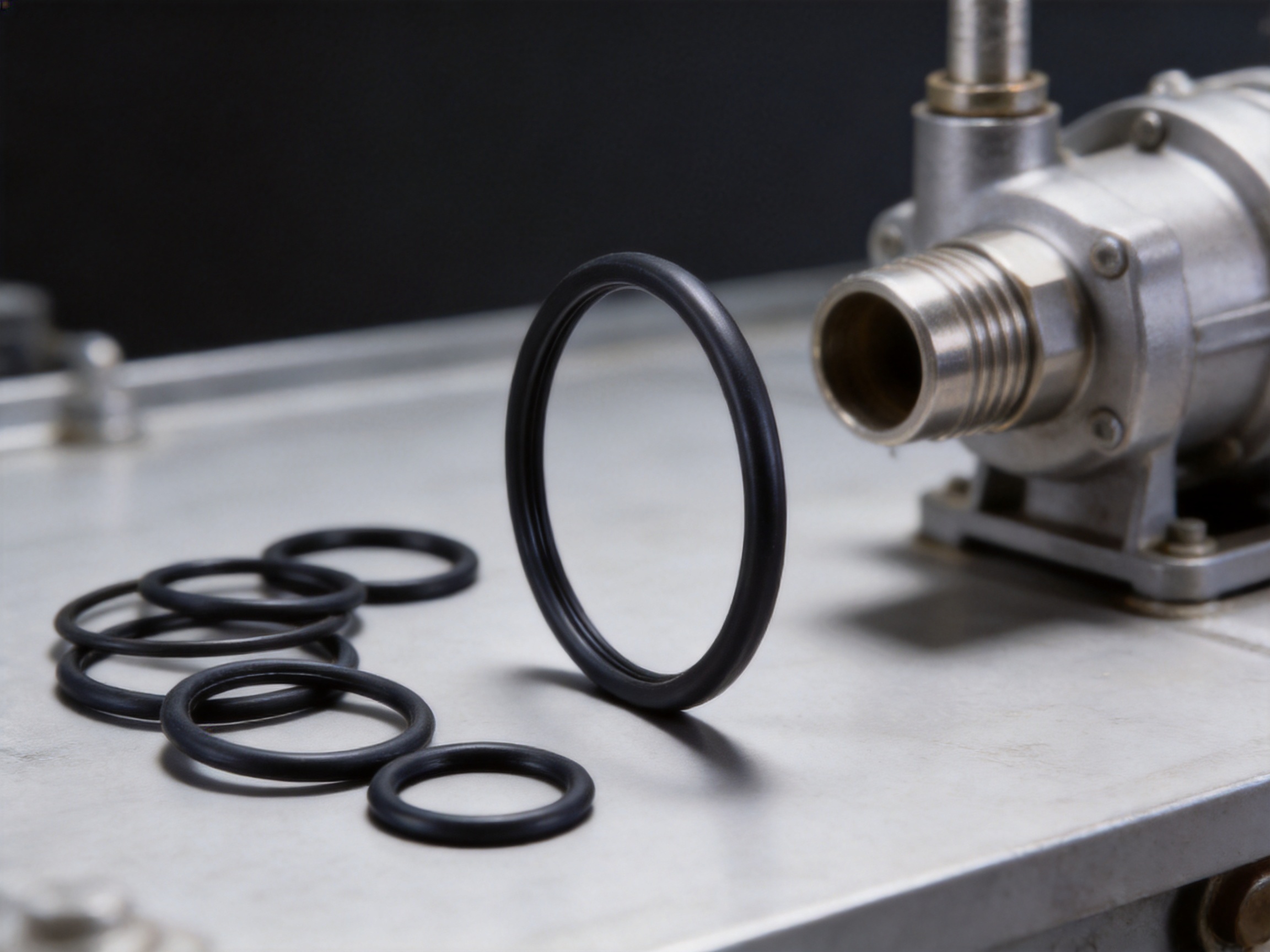
Material and Compound Management
NBR sealing performance begins with compound selection. The rubber compound must be suitable for the intended hardness, resilience, compression behavior, temperature range, and fluid exposure. Fillers, plasticizers, curing agents, pigments, and reinforcing materials must be balanced carefully to achieve repeatable physical performance.
Controlled material management helps reduce variation between production batches. Incoming materials can be identified, recorded, and checked before use. Batch traceability is valuable because it allows technical teams to investigate a problem, compare production results, and connect finished products with the material history used during molding.
For an NBR sealing washer, appropriate formulation control can influence tensile strength, elongation, compression set, hardness, abrasion resistance, and resistance to swelling. These properties are interrelated, so compound design must focus on the real service requirements rather than optimizing only one test result.
Precision Mold Design
The geometry of an O-shaped sealing washer is simple in appearance but still requires careful mold design. The cavity must produce the required inner diameter, wire diameter, circular profile, and surface condition. Mold alignment, parting-line control, venting, and cavity finish can all affect the final product.
For the A-4-002 product, dimensional control is especially important because the sealing function depends on the relationship between the 9 mm nominal ID, the 2.6 mm wire diameter, and the receiving groove. Small dimensional deviations can influence compression, stretch, installation force, and pressure resistance.
A well-maintained mold can reduce flash, uneven parting lines, surface marks, and profile variation. It can also support stable production over repeated cycles. Mold maintenance and periodic dimensional verification are therefore central parts of an advanced sealing manufacturing process.
Controlled Molding and Vulcanization
During molding, NBR compound is formed under controlled temperature, pressure, and time. Vulcanization transforms the uncured rubber into an elastic material with the required mechanical characteristics. If the curing cycle is insufficient, the product may lack strength or resilience. If it is excessive, the material may become too hard, brittle, or less capable of recovering after compression.
Production control should therefore include monitoring of molding conditions and verification of finished-part properties. Consistent vulcanization supports more predictable compression behavior from one batch to another.
For sealing washers used in pump connectors, stable curing is particularly important because the washer must compress repeatedly without losing its ability to recover. It must also maintain its shape when exposed to moderate pressure and common operating fluids.
Trimming and Surface Finishing
After molding, excess rubber may remain around the parting line. Controlled trimming removes unwanted flash and helps produce a clean sealing profile. Excessive trimming, however, can damage the edge or reduce the effective cross-section. The finishing process must therefore be precise and consistent.
A clean surface supports proper contact with the mating component. It also makes visual inspection easier. Operators can more readily identify cuts, voids, cracks, foreign material, excessive flash, or incomplete molding when the part has a controlled finish.
Inspection and Quality Assurance
Quality assurance for a sealing washer may include visual inspection, dimensional measurement, hardness verification, tensile and elongation testing, compression-set evaluation, and material or batch identification. The exact inspection plan should reflect the customer’s requirements and the intended service conditions.
Dimensional inspection should confirm the inner diameter and wire diameter against the approved product specification. When the product is used in a precision connector, additional attention may be required for roundness, cross-sectional uniformity, mold flash, and parting-line condition.
Functional validation may include leak testing or application-specific testing. For example, sample assemblies can be evaluated under representative pressure, temperature, fluid, and tightening conditions. Such testing helps confirm that the sealing washer performs as expected in the complete assembly rather than only as an isolated rubber component.
Customization and Technical Support
Although A-4-002 is a defined product, sealing applications often differ in important ways. Customers may require another inner diameter, wire diameter, hardness, color, compound, packaging method, or inspection standard. The manufacturer provides customized sealing solutions that can include product design, testing, and technical consultation.
Customization begins with application information. Useful data includes the sealing medium, operating temperature, working pressure, static or dynamic movement, groove dimensions, shaft or connector dimensions, assembly method, expected service life, and relevant regulatory requirements.
Design engineers can then evaluate whether a standard NBR profile is suitable or whether a different compound or geometry is required. In some environments, HNBR or FPM may be more appropriate than standard NBR. The choice should be based on actual operating conditions rather than material names alone.
Technical consultation can also help identify installation risks. If a connector has sharp edges, a long lead-in, excessive groove stretch, or poor surface finish, the sealing washer may fail even when its material and dimensions are correct. Addressing these factors early can improve total system reliability.
Installation Recommendations
Inspect the Sealing Groove and Mating Surfaces
Before installation, clean the groove, connector, and mating surface. Remove dust, metal chips, old seal fragments, and fluid residues that could prevent uniform contact. Check for scratches, burrs, corrosion, sharp edges, or excessive roughness.
Surface defects can create leakage channels or cut the rubber during assembly. If the sealing surface is damaged, replacing the washer alone may not solve the problem. The connector or housing may require repair or replacement.
Use the Correct Part and Dimension
Confirm the product code, nominal ID, wire diameter, and material before assembly. Do not substitute a similar-looking ring without verifying its dimensions and compound. A washer with the wrong cross-section may be over-compressed, under-compressed, stretched excessively, or left loose in the groove.
For A-4-002, buyers should also confirm the intended interpretation of the supplied product specification notation before placing a high-volume order. This is a practical step that helps ensure compatibility between product documentation and the customer’s engineering drawings.
Prevent Twisting and Pinching
The washer should lie evenly in its groove or on its sealing face. Twisting can produce an uneven contact path and may create a spiral leakage route. Pinching can cut the rubber and lead to immediate or delayed failure.
Where necessary, use a compatible assembly lubricant. The lubricant must not attack NBR, contaminate the operating fluid, or create an unacceptable change in friction. Petroleum-based lubricants may be unsuitable for certain installation conditions, so compatibility should be verified in advance.
Control Compression
Compression should be sufficient to maintain sealing contact but not so high that the washer is excessively flattened or forced into clearance gaps. Groove design, pressure direction, temperature, and movement all influence the recommended compression range.
For moderate-pressure static sealing, a properly designed groove generally provides stable compression without allowing uncontrolled extrusion. If pressure is higher, clearance gaps are large, or movement is present, backup rings or a different seal profile may be necessary.
Storage and Handling
Elastomeric sealing products should be stored in a clean, dry, and well-ventilated environment. Avoid direct sunlight, excessive heat, ozone-generating electrical equipment, and contact with oils or chemicals that are not part of the intended application.
Products should remain in their original packaging until they are needed. Avoid hanging rings on hooks, stretching them over sharp objects, or stacking heavy materials on top of cartons. Deformation during storage can affect installation and sealing performance.
Stock rotation is recommended. Older material should generally be used before newer material when storage conditions and shelf-life requirements permit. Customers should follow their internal quality procedures and any applicable elastomer storage standards.
During handling, avoid metal tools that can cut or scratch the washer. If a tool is required, it should have smooth, rounded edges and be suitable for elastomer installation. Workers should keep hands, gloves, and work surfaces free from abrasive particles.
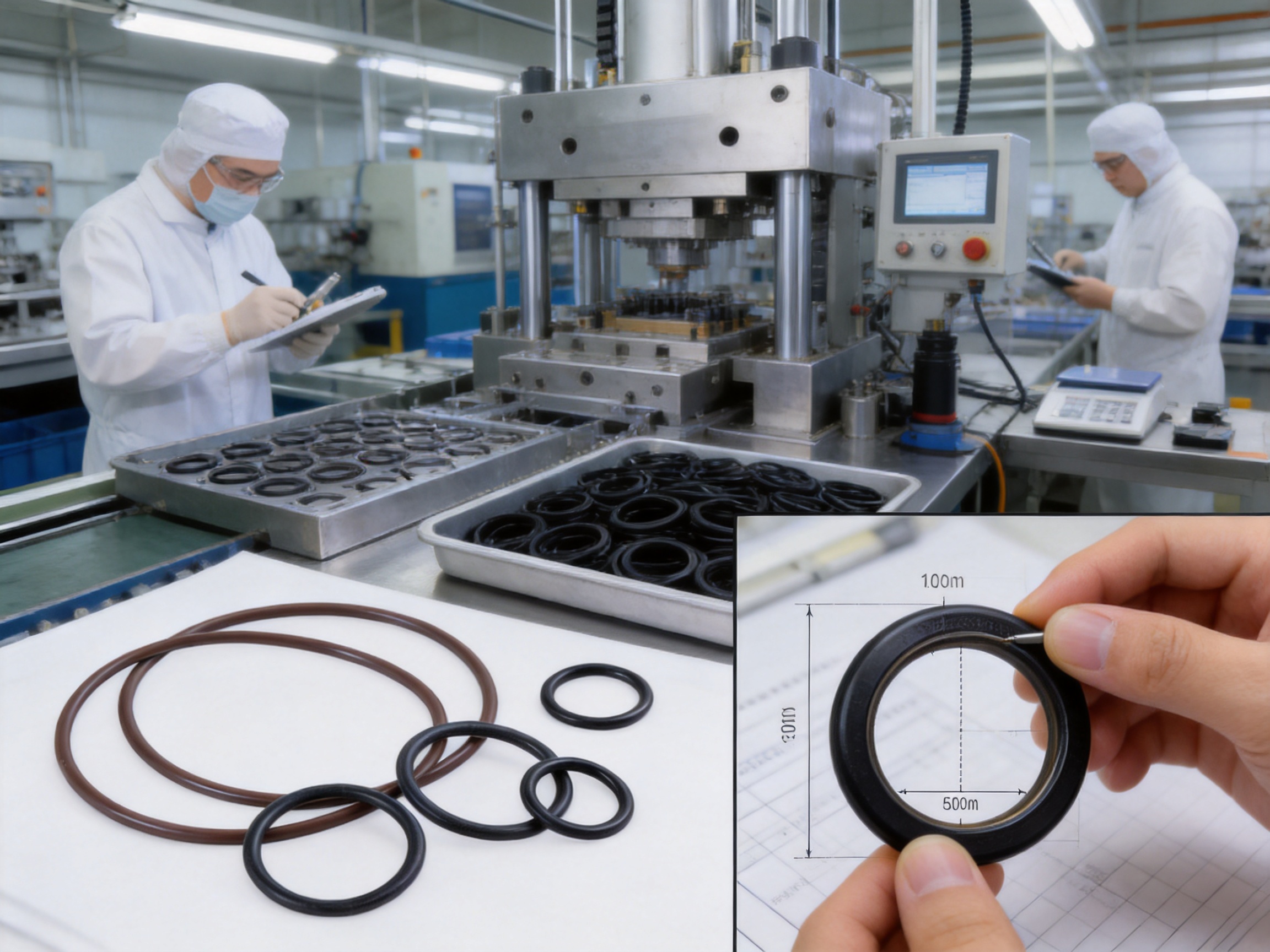
Applications Beyond Pump Connectors
Although pump connectors are a principal application, a compact NBR sealing washer may be used in many other moderate-duty static sealing positions. Potential uses include fluid fittings, small hydraulic or lubrication connections, damper-related components, gas spring assemblies, household equipment, and general industrial machinery.
In automotive and furniture-related systems, sealing components may be used around adjustment mechanisms, dampers, connectors, or compact fluid interfaces. In home appliances, NBR washers may be considered for suitable oil or water-related assemblies, provided the temperature and fluid compatibility requirements are met.
Construction and general machinery may also use O-shaped sealing components in equipment connections, service points, and replaceable maintenance assemblies. Medical equipment requires additional evaluation because material composition, cleanliness, sterilization, regulatory compliance, and patient-contact requirements may exceed the scope of a general-purpose NBR washer.
The product should therefore be treated as a versatile industrial sealing component, not as a universal solution for every environment. Application approval should always consider the complete operating profile.
Comparison with Alternative Materials
| Material | Typical Strength | Important Consideration |
| NBR | Good general-purpose oil resistance, abrasion resistance, and cost efficiency | May be unsuitable for certain aggressive chemicals, ozone-rich environments, and higher temperatures |
| HNBR | Improved resistance to heat, aging, and selected demanding environments | Usually more expensive and still requires application-specific compatibility review |
| FPM | Strong resistance to many high-temperature fluids and chemicals | Higher cost and potentially different low-temperature or mechanical performance |
| EPDM | Useful resistance to hot water, steam, and weathering in suitable applications | Generally not preferred for many petroleum-based oils |
| Silicone Rubber | Broad temperature flexibility and useful properties in selected applications | May have lower abrasion and tear resistance in some mechanical conditions |
NBR is often selected because it delivers a balanced performance profile at a competitive cost. If the application includes elevated temperature, aggressive chemicals, outdoor ozone exposure, or specialized fluids, another compound may be more appropriate. A technically responsible supplier should help customers select the material that fits the operating environment rather than recommending NBR indiscriminately.
Why Manufacturer Support Matters
Sealing failures are not always caused by the rubber itself. They may result from an incorrect groove, poor surface finish, unsuitable compression, wrong assembly torque, incompatible lubricant, contamination, pressure-induced extrusion, or thermal expansion. Access to technical support can help identify the actual failure mechanism.
A manufacturer with experience in gas springs, dampers, O-rings, and related sealing technologies can evaluate the interaction between product design and equipment design. This application perspective is valuable when a customer is developing a new connector, modifying an existing assembly, or investigating repeated leakage.
The company’s stated service capabilities include product design, testing, and technical consultation. These services can support customers from the early specification stage through sampling, validation, production, and after-sales improvement.
Professional technical communication also helps clarify important details such as material grade, hardness, dimensional tolerances, packaging quantities, inspection documentation, and production lead time. Clear documentation reduces misunderstandings and supports stable international procurement.
Quality, Consistency, and Supply Reliability
For an industrial sealing washer, consistency is often more important than an isolated laboratory result. Production teams need parts that fit the same groove, compress in the same manner, and provide predictable performance throughout repeated deliveries.
Consistency depends on controlled raw materials, stable tooling, repeatable curing, trained operators, appropriate inspection, and effective corrective action. It also depends on maintaining clear product identification. The A-4-002 code helps establish a repeatable reference for the 9mm Series NBR Sealing Washer.
Supply reliability is another consideration. A supplier serving automotive, furniture, appliances, medical equipment, construction, and other sectors must coordinate different product requirements while maintaining production discipline. Advanced equipment and an organized technical team can support this broader capability.
For customers purchasing in volume, it is advisable to establish an approved specification that includes dimensions, tolerances, material, hardness, appearance requirements, packaging, labeling, and acceptance criteria. Sample approval and periodic batch review can further improve supply stability.
Evaluation Checklist for Buyers
Before selecting the 9mm Series NBR Sealing Washer, buyers should confirm the nominal inner diameter and wire diameter against the equipment drawing. The 9 mm ID and 2.6 mm WD should be reviewed together with groove dimensions and required compression.
The operating medium should be identified precisely. “Oil” can refer to many different formulations, additives, temperatures, and pressure conditions. The actual fluid should be compared with NBR compatibility data or validated through application testing.
Operating temperature and pressure should also be documented. The product is described for moderate pressure, so applications involving extreme pressure, large extrusion gaps, high-speed movement, or severe thermal cycling may require a different design.
Buyers should determine whether the seal is used in a static or dynamic application. A static pump connector and a reciprocating damper rod impose different demands. Dynamic applications may require specialized surface finish, lubrication, clearance control, and seal geometry.
Finally, customers should confirm the required inspection documents and packaging conditions. For export shipments and long-term storage, appropriate packaging helps protect the elastomer from light, contamination, and deformation.
Q&A
What is the 9mm Series NBR Sealing Washer?
It is an O-shaped sealing washer made from NBR, with a listed nominal inner diameter of 9 mm and a wire diameter of 2.6 mm. The product code is A-4-002, and it is designed for general sealing duties such as pump connectors and moderate-pressure connection points.
What does NBR mean?
NBR means nitrile butadiene rubber. It is a widely used elastomer known for useful resistance to many petroleum-based oils and lubricants, good abrasion resistance, and practical mechanical strength.
What is the main advantage of the enhanced cross-section?
The enhanced cross-section provides additional material volume at the sealing interface. This can improve gap filling, support more stable contact pressure, and help resist deformation under moderate pressure when the washer is installed in a suitable groove.
Can this washer be used with every type of oil?
No. NBR is compatible with many petroleum-based oils, but compatibility depends on the exact fluid formulation, additives, temperature, pressure, and exposure duration. The actual operating medium should be checked before approval.
Is the product suitable for high-pressure applications?
The product is described for moderate-pressure use. High-pressure applications should be reviewed separately for clearance gaps, extrusion risk, compression, backup-ring requirements, and alternative seal profiles.
Can the product be customized?
The manufacturer provides customized sealing solutions, including product design, testing, and technical consultation. Customers can discuss alternate dimensions, materials, hardness, packaging, and application requirements with the technical team.
What should be checked before installation?
Inspect the seal, groove, and mating surfaces. Confirm the product code and dimensions, remove contamination, eliminate burrs and sharp edges, use a compatible lubricant when appropriate, and avoid twisting or pinching during assembly.
How should the sealing washers be stored?
Store them in a clean, dry, and cool environment away from direct sunlight, ozone sources, excessive heat, chemicals, and mechanical deformation. Keep the products in their original packaging until use whenever possible.
What information should be provided for a technical quotation?
Useful information includes required dimensions, operating medium, temperature, pressure, movement type, groove details, surface finish, annual quantity, packaging requirements, inspection standards, and any special compliance needs.
How can customers confirm the dimensional notation in the product information?
The listed product data includes a nominal ID of 9 mm, a WD of 2.6 mm, and the notation “Inner 3.8*2.6” in the specification field. Customers should ask the technical team to confirm the intended interpretation before finalizing drawings or bulk orders.
Conclusion
The 9mm Series NBR Sealing Washer is a practical O-shaped sealing solution for pump connectors and other moderate-pressure applications. Its listed 9 mm inner diameter, 2.6 mm wire diameter, NBR material, and enhanced cross-section create a balanced design focused on gap filling, compression stability, and resistance to deformation.
Compared with thin, inconsistent, or poorly matched general-purpose washers, the product offers a more considered cross-sectional design and a clear product identification system. NBR provides a cost-effective combination of oil resistance, abrasion resistance, elasticity, and mechanical performance for many common industrial conditions.
The manufacturer strengthens this product offering through sealing-focused research and development, advanced production equipment, professional technical service, customized design, testing, and application consultation. These capabilities are important because dependable sealing requires coordination between material, geometry, manufacturing, assembly, and operating conditions.
For the best result, customers should verify dimensions, confirm fluid compatibility, define pressure and temperature requirements, inspect the receiving groove, and establish suitable installation and storage procedures. When these factors are controlled, the A-4-002 sealing washer can provide a reliable and economical sealing option for a wide range of equipment and connector applications.
References
1. Manufacturer-provided product specification for the 9mm Series NBR Sealing Washer, product code A-4-002.
2. Manufacturer-provided company information concerning sealing technology, research and development, production equipment, customized solutions, and technical services.
3. General engineering principles for O-ring and elastomeric seal design, including compression, groove fit, deformation, extrusion, and installation practice.
4. General technical guidance on nitrile butadiene rubber material behavior, oil resistance, abrasion resistance, compression set, and application compatibility.
5. General industrial guidance for elastomeric seal storage, handling, inspection, and maintenance.
Product: 9mm Series NBR Sealing Washer

PREV:1500N Heavy-Duty Hydraulic Seal: Engineering Performance, Reliable Sealing, and Custom Manufacturing Capability
NEXT:26mm Durable Industrial Seal for High-Load Gas Springs and Dampers
NEXT:26mm Durable Industrial Seal for High-Load Gas Springs and Dampers


Want to know more
about us?
about us?

Precision sealing for gas springs and dampers. Durable, wear-resistant, and built for long-life performance in demanding applications.
Product Categories
Quick Links
Contact Us
-
Email: jns@jnsseals.cn

-
Manager Gong: +86-18563770820

-
Manager Wang: +8615357558902
-
No. 5, Meilin Avenue, Meilin Industrial Development Zone, Ningguo City, Anhui Province, China

