

 English
 русский
 Deutsch
 Türk
Türk 中文简体
中文简体
6000N Giant-Thrust Heavy Seal: High-Load Y-Type Oil Seal Ring for Gas Springs and Dampers
6000N Giant-Thrust Heavy Seal: High-Load Y-Type Oil Seal Ring for Gas Springs and Dampers
6000N Giant-Thrust Heavy Seal: High-Load Y-Type Oil Seal Ring for Gas Springs and Dampers
6000N Giant-Thrust Heavy Seal: High-Load Y-Type Oil Seal Ring for Gas Springs and Dampers
6000N Giant-Thrust Heavy Seal: High-Load Y-Type Oil Seal Ring for Gas Springs and Dampers
6000N Giant-Thrust Heavy Seal: High-Load Y-Type Oil Seal Ring for Gas Springs and Dampers
6000N Giant-Thrust Heavy Seal: High-Load Y-Type Oil Seal Ring for Gas Springs and Dampers
6000N Giant-Thrust Heavy Seal: High-Load Y-Type Oil Seal Ring for Gas Springs and Dampers
6000N Giant-Thrust Heavy Seal: High-Load Y-Type Oil Seal Ring for Gas Springs and Dampers
6000N Giant-Thrust Heavy Seal: High-Load Y-Type Oil Seal Ring for Gas Springs and Dampers
6000N Giant-Thrust Heavy Seal: High-Load Y-Type Oil Seal Ring for Gas Springs and Dampers
6000N Giant-Thrust Heavy Seal: High-Load Y-Type Oil Seal Ring for Gas Springs and Dampers
6000N Giant-Thrust Heavy Seal: High-Load Y-Type Oil Seal Ring for Gas Springs and Dampers
6000N Giant-Thrust Heavy Seal: High-Load Y-Type Oil Seal Ring for Gas Springs and Dampers
6000N Giant-Thrust Heavy Seal: High-Load Y-Type Oil Seal Ring for Gas Springs and Dampers
6000N Giant-Thrust Heavy Seal: High-Load Y-Type Oil Seal Ring for Gas Springs and Dampers

Lu Wanyin — Senior After-Sales Service Engineer
Home / Author / Lu Wanyin — Senior After-Sales Service Engineer / 6000N Giant-Thrust Heavy Seal: High-Load Y-Type Oil Seal Ring for Gas Springs and Dampers
NEW Category
Contact us
6000N Giant-Thrust Heavy Seal: High-Load Y-Type Oil Seal Ring for Gas Springs and Dampers
Content
- 1 Product Overview
- 2 Why High-Thrust Sealing Requires a Specialized Design
- 3 Key Product Advantages
- 4 Applications in Gas Springs and Dampers
- 5 Manufacturing Strengths and Technical Capabilities
- 6 How This Seal Compares with Conventional Alternatives
- 7 Installation and Design Considerations
- 8 Quality and Testing Approach
- 9 Customization and OEM Support
- 10 Benefits for Equipment Manufacturers
- 11 Ordering Information
- 12 Q&A
- 12.1 What type of product is the 6000N Giant-Thrust Heavy Seal?
- 12.2 What is the maximum listed capacity?
- 12.3 What are the product dimensions?
- 12.4 What structure is this seal designed to fit?
- 12.5 What material is used?
- 12.6 What makes this seal different from a standard light-duty ring?
- 12.7 Can this seal be used in a damper?
- 12.8 Can it be used in furniture gas springs?
- 12.9 Is NBR suitable for every operating environment?
- 12.10 Does the manufacturer provide customized sealing solutions?
- 12.11 How should customers confirm product suitability?
- 13 Conclusion
- 14 References
- 15 Product: 6000N Giant-Thrust Heavy Seal
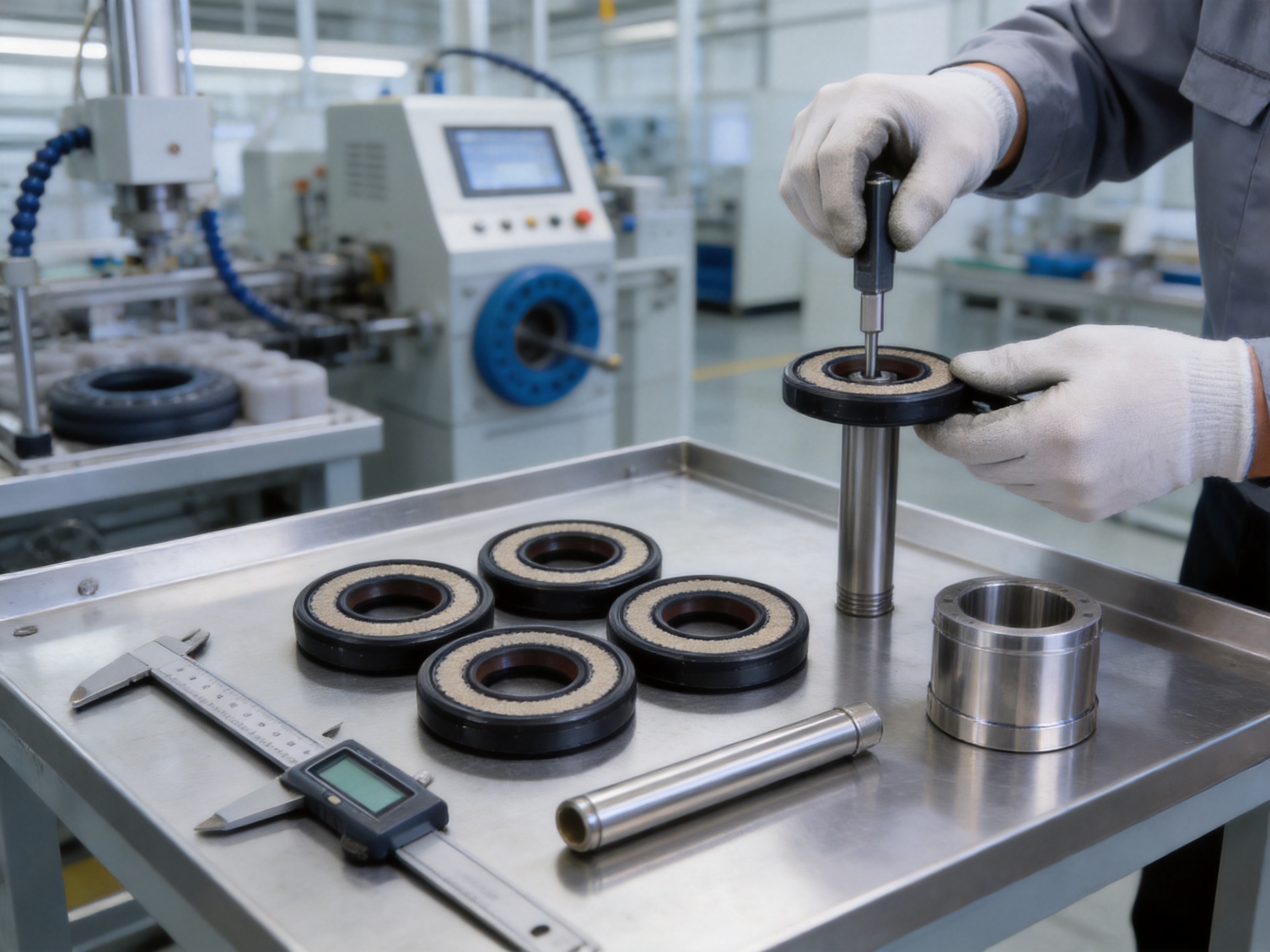
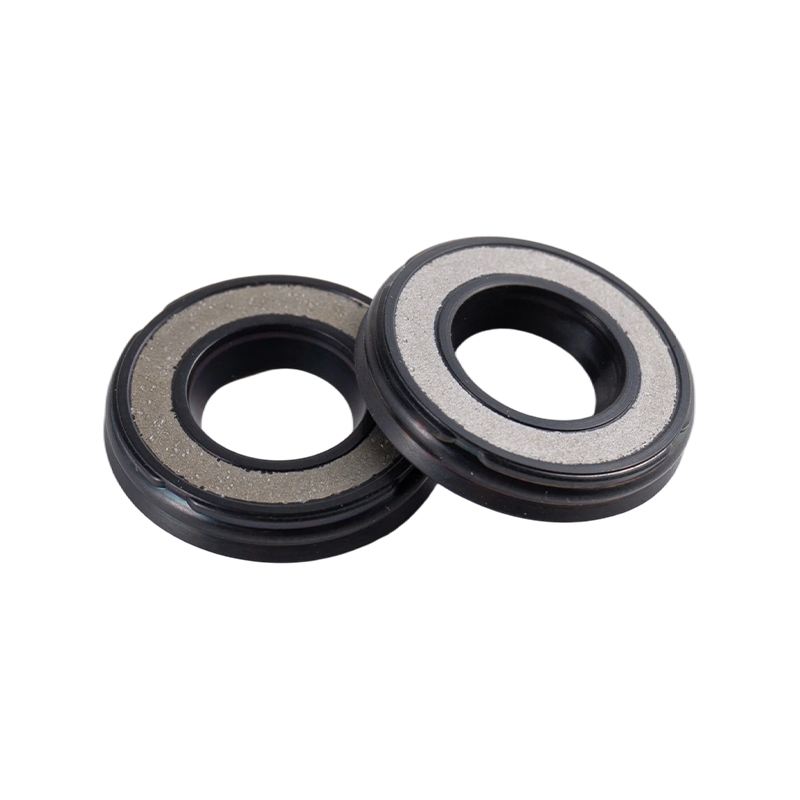
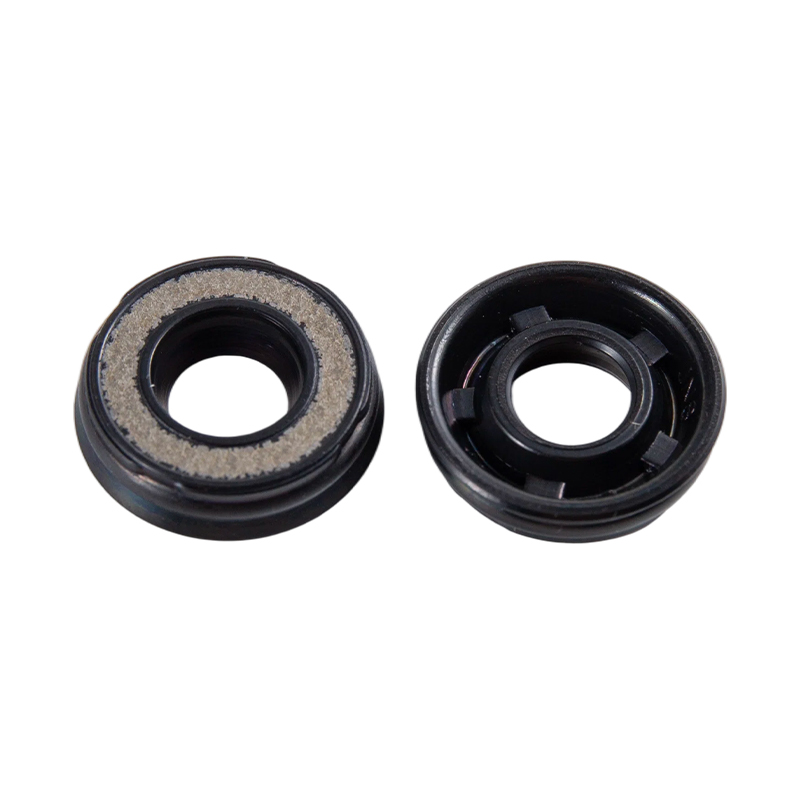
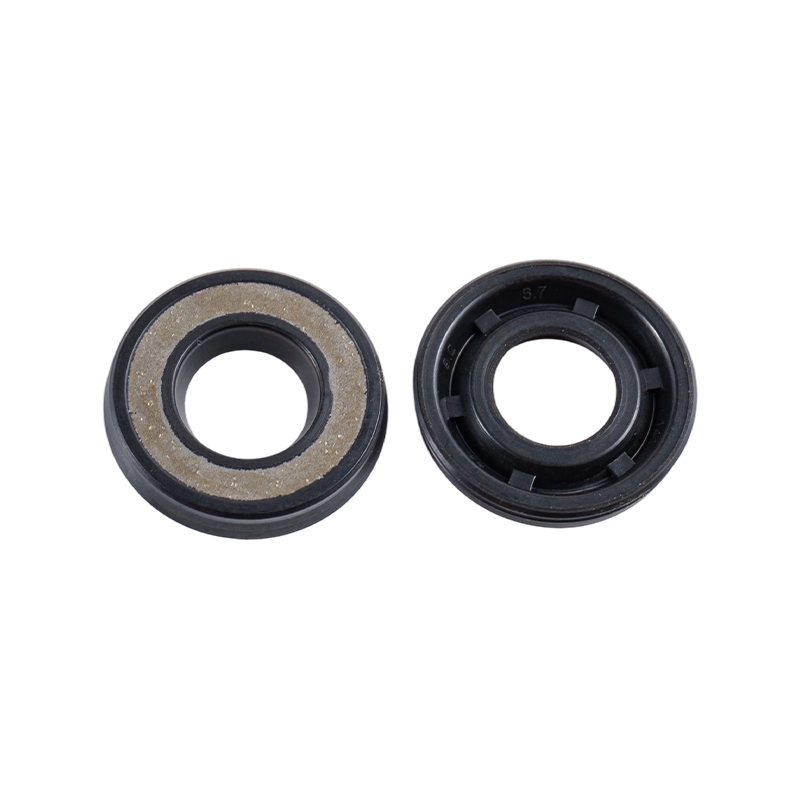
In gas springs, dampers, furniture supports, automotive mechanisms, and industrial actuators, the sealing element must do much more than prevent fluid leakage. It must maintain contact under pressure, tolerate repeated movement, resist deformation, support stable operation, and remain dependable inside a compact assembly. When the application involves unusually high thrust and demanding mechanical conditions, a standard sealing ring may no longer provide sufficient performance. The 6000N Giant-Thrust Heavy Seal is designed for precisely this type of challenge.
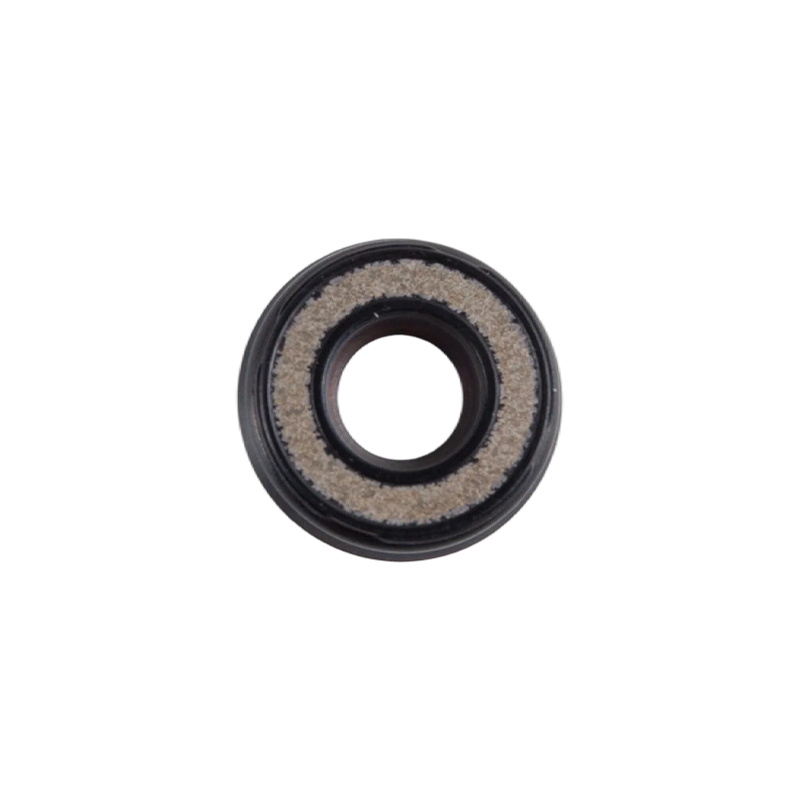
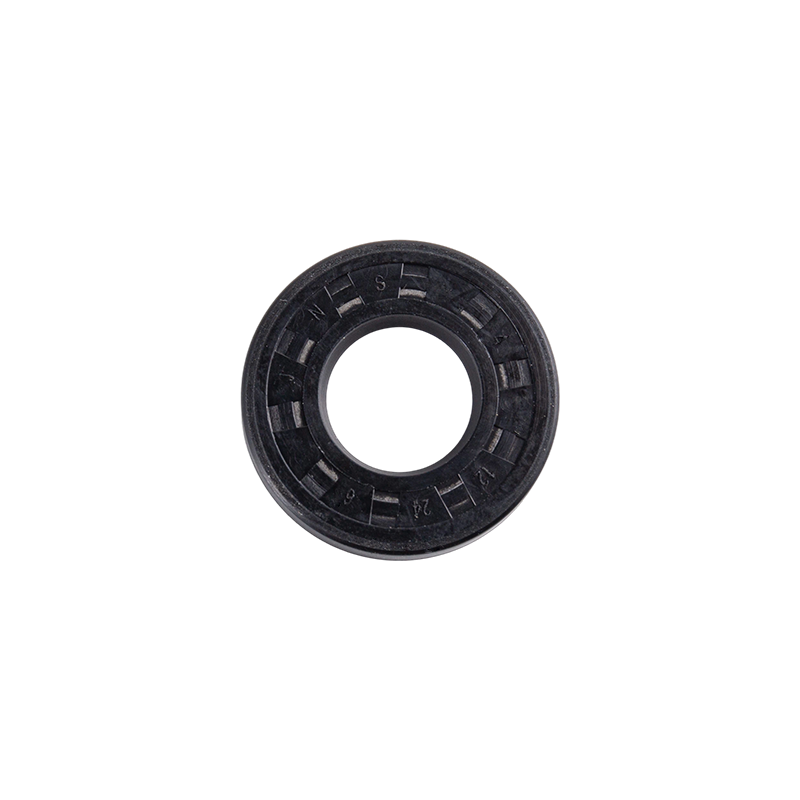
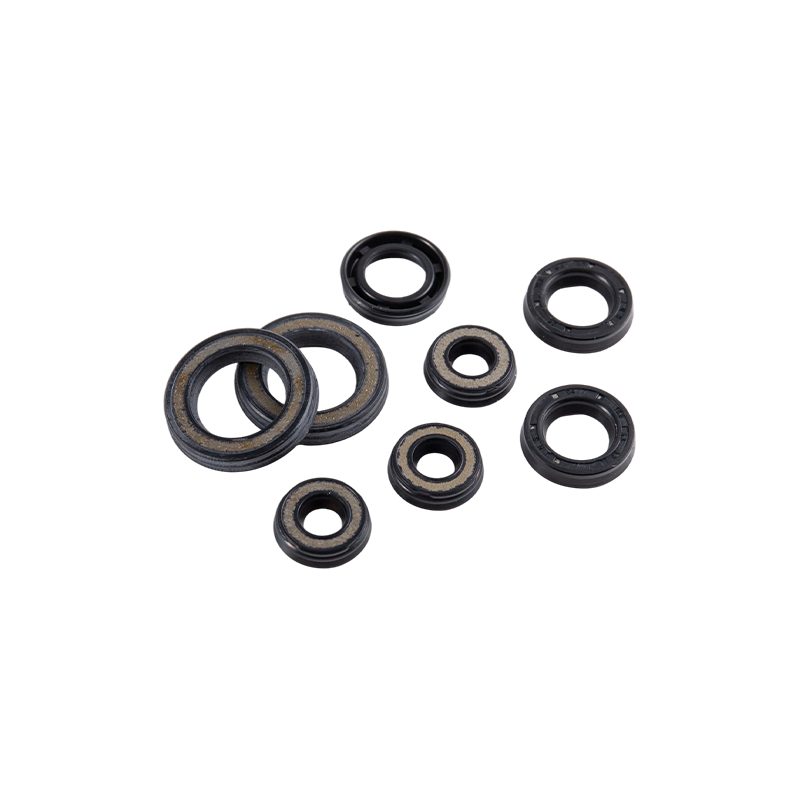
This product is a reinforced Y-type oil seal ring with an outside diameter of 37 mm, an inside diameter of 19.1 mm, and a height of 5 mm. It is intended for structures using a 36 mm steel pipe inner diameter and a 20 mm piston rod diameter. Its design applicable pressure range is listed as 100–6000N, giving it a broad operating range that extends from ordinary support duties to high-load applications. Manufactured from NBR, the seal combines elastic sealing performance with a reinforced section engineered for increased load resistance and reduced deformation.
The product is identified by specification 37*19.1*5 and product code A-1-035. Its main design objective is clear: provide a compact, heavy-duty sealing solution for 36*20 structures where high thrust, dimensional stability, and reliable sealing contact are essential.
Product Overview
The 6000N Giant-Thrust Heavy Seal belongs to the Y-type oil seal ring category. Y-type seals are commonly selected for dynamic sealing applications because their profile can create effective sealing lips while preserving flexibility during reciprocating motion. In gas springs and dampers, the piston rod moves through the seal repeatedly. The seal must therefore maintain sufficient contact with the rod without generating excessive friction or losing its shape under pressure.
This particular design is described as the largest item in its listed product range, with a 37 mm outside diameter. Its most important performance feature is the stated capacity of up to 6000N. Rather than being designed only for light or moderate support, the seal is intended for structures that experience extreme thrust loads. The reinforced section helps the ring retain its geometry, while the ultra-low deformation design supports more consistent sealing performance during operation.
The product is made from NBR, or nitrile butadiene rubber. NBR is widely used in oil seals and hydraulic sealing products because it provides a useful balance of elasticity, oil resistance, wear resistance, and cost efficiency. Its characteristics make it suitable for many gas spring and damper assemblies, particularly where petroleum-based oils or lubricating media are present and the operating temperature remains within the material’s suitable range.
| Product Attribute | Specification |
| Product Type | Y-Type Oil Seal Ring |
| Product Name | 6000N Giant-Thrust Heavy Seal |
| Product Code | A-1-035 |
| Product Specification | 37*19.1*5 |
| Outside Diameter | 37 mm |
| Inside Diameter | 19.1 mm |
| Height | 5 mm |
| Applicable Pressure Range | 100–6000N |
| Matching Structure | 36 mm steel pipe inner diameter * 20 mm piston rod diameter |
| Material | NBR |
| O-Ring Adapter | Not specified |
Why High-Thrust Sealing Requires a Specialized Design
Sealing systems in gas springs and dampers operate under a combination of pressure, sliding movement, friction, temperature variation, and assembly stress. A seal that performs acceptably in a low-load application may not be suitable when the thrust rises substantially. High force can compress or distort the seal, changing the shape of the sealing lips and creating a path for oil leakage. It can also increase friction between the piston rod and sealing surface, causing irregular movement or accelerated wear.
A high-thrust seal must address several engineering requirements at the same time. First, it must provide enough contact pressure to block the movement of oil or gas along the piston rod. Second, it must resist extrusion or excessive displacement when pressure acts on the sealing profile. Third, it must remain elastic enough to follow the rod during reciprocating movement. Fourth, it must preserve its dimensions after repeated loading. Finally, it must be compatible with the surrounding assembly and the working medium.
The 6000N Giant-Thrust Heavy Seal addresses these needs through a reinforced profile and low-deformation structure. The product description emphasizes an extreme load capacity, a reinforced section, and ultra-low deformation. These characteristics are particularly important in applications where the seal is not merely exposed to pressure but is part of a load-bearing or force-supporting mechanism.
In a gas spring, the piston rod and internal pressure work together to generate a controlled extension or support force. The seal must separate the pressurized internal medium from the external environment while allowing the rod to move. In a damper, the seal must help contain the working fluid during repeated dynamic motion. In both cases, dimensional stability is closely related to service reliability.
Key Product Advantages
High Load Capacity up to 6000N
The defining advantage of this seal is its stated applicable pressure range of 100–6000N. The upper value places the product in a heavy-duty category for structures that require substantial thrust support. This makes it suitable for larger gas springs, high-force dampers, and other mechanisms in which ordinary sealing rings may be insufficiently reinforced.
A 6000N capacity gives designers more room when selecting a seal for a demanding application. Instead of limiting the design to light or medium loads, engineers can consider a wider range of operating conditions while maintaining a compact sealing component. The product can therefore support applications where high force is a primary design requirement.
Load capacity should always be evaluated together with the complete assembly, including pressure, stroke, speed, temperature, lubrication, surface finish, and housing geometry. Nevertheless, the stated 6000N rating clearly communicates the product’s intended position as a heavy-thrust sealing solution rather than a general-purpose light-duty ring.
Reinforced Section for Greater Structural Stability
The reinforced section is designed to improve the seal’s resistance to distortion. Under high force, a conventional flexible ring can become displaced, compressed unevenly, or forced into clearance spaces. Such deformation can reduce sealing efficiency and increase wear. Reinforcement helps the sealing profile retain its working shape and maintain more stable contact with the piston rod and housing.
For high-thrust gas spring and damper assemblies, structural stability is valuable because the seal must remain functional throughout repeated movement. A stable profile can help reduce the risk of sudden leakage caused by deformation, particularly when the assembly is exposed to changing loads or frequent cycling.
The reinforced design also offers a practical benefit during product selection. It gives equipment designers a purpose-built option for demanding applications instead of attempting to adapt a lighter seal to a load level beyond its normal design intent.
Ultra-Low Deformation
Low deformation is important for both sealing performance and operating consistency. When a sealing ring changes shape excessively, the contact pattern on the piston rod can become uneven. One area may experience excessive pressure and friction, while another area may lose sufficient contact to prevent leakage. The result may be uneven wear, rising operating force, or reduced service life.
The ultra-low deformation characteristic of this product is intended to help the ring preserve its original geometry under load. This supports a more consistent sealing interface and helps the seal remain effective as the mechanism moves through its operating cycle.
For manufacturers, low deformation can also help improve process repeatability. A seal that maintains its dimensions more consistently is easier to integrate into a defined housing and piston rod arrangement. Consistent geometry may reduce variation during assembly and make it easier to establish quality-control standards.
Compact 37*19.1*5 Dimensions
The 37 mm outside diameter, 19.1 mm inside diameter, and 5 mm height provide a compact format for a high-load seal. The dimensions are matched to a 36 mm steel pipe inner diameter and a 20 mm piston rod diameter. This makes the ring suitable for assemblies that require substantial force support without a large external sealing package.
Compact dimensions can be especially important in furniture hardware, automotive components, adjustable supports, medical equipment, and other products where available space is limited. A seal that provides high-load capability within a controlled envelope can help designers preserve the overall size of the mechanism.
Correct dimensional matching remains essential. The listed product dimensions should be compared with the actual housing, piston rod, groove, compression, clearance, and assembly tolerances before production use. The nominal dimensions provide a starting point for selection, while the complete application design determines final suitability.
NBR Material for Practical Oil-Sealing Applications
NBR is one of the most widely adopted elastomer materials for oil seals. Its popularity comes from a practical combination of properties, including resistance to many mineral oils, good flexibility, useful abrasion resistance, and broad availability. These characteristics make NBR a logical material choice for many gas spring and damper applications.
In a moving seal, the elastomer must maintain contact with the rod while resisting wear caused by repeated sliding. NBR can provide the flexibility needed for this function while retaining enough strength for a reinforced heavy-duty profile. Its performance can also be supported by suitable lubrication and properly prepared counter surfaces.
Although NBR is versatile, material selection should always consider actual operating conditions. Temperature, chemical exposure, fluid type, pressure, speed, and environmental conditions can influence the service life of any elastomer. For applications involving unusually high temperatures, aggressive chemicals, or specialized fluids, an alternative material such as HNBR or FPM may need to be evaluated. The supplied product specification identifies this model as NBR, making it especially suitable for applications compatible with that material.
Applications in Gas Springs and Dampers
Gas Springs
Gas springs are used to assist lifting, opening, positioning, or controlled movement. They are found in vehicle hoods and tailgates, office furniture, adjustable beds, cabinets, machinery covers, medical equipment, and many other products. The internal pressure generates force through the piston rod, while the seal prevents the working medium from escaping.
In high-force gas springs, the seal is exposed to substantial internal pressure and repeated reciprocating motion. The 6000N Giant-Thrust Heavy Seal is designed for structures using a 36 mm steel pipe inner diameter and a 20 mm piston rod diameter, making it relevant to larger gas spring constructions. Its high-thrust design can support the requirements of mechanisms where a standard light-duty ring would not provide an adequate margin.
A gas spring manufacturer can evaluate this seal when developing products that need stable support force, durable rod sealing, and controlled dimensions. The ring’s reinforced section and low-deformation structure are particularly relevant to applications in which the gas spring is cycled frequently or expected to support heavy components.
Dampers
Dampers control movement by dissipating energy through hydraulic resistance or other forms of controlled friction. They may be used in furniture, automotive systems, industrial machinery, medical devices, and construction equipment. The damper seal must contain the working fluid while allowing the piston rod to move smoothly.
In this environment, leakage prevention is directly connected to damping performance. If fluid escapes, the damper may lose resistance and fail to deliver the intended motion control. A high-load, low-deformation seal can help maintain the integrity of the fluid chamber and support more consistent operation across repeated cycles.
The product’s NBR material and Y-type geometry make it a practical candidate for compatible oil-based damper systems. Final selection should be based on the damper’s fluid, pressure, rod speed, temperature, stroke length, and surface specifications.
Furniture and Adjustable Support Systems
Furniture products increasingly use gas springs and dampers to improve user convenience and safety. Adjustable chairs, lift tables, reclining systems, storage beds, cabinets, and other products may rely on compact force-supporting mechanisms. Some designs require high thrust because the supported panel, platform, or seat is heavy.
The 37 mm outside diameter gives designers a defined envelope for integrating the seal into a larger support unit. The 6000N rating can be relevant to heavy-duty furniture systems, although the actual load calculation must account for leverage, installation angle, cycle frequency, and user operation. A seal designed for high thrust can contribute to the reliability of the gas spring or damper used in these products.
Automotive and Industrial Equipment
Automotive components frequently experience vibration, repeated motion, temperature changes, and variable loads. Gas springs and dampers may be used in hoods, liftgates, seats, access panels, and other assemblies. Industrial equipment can impose even more demanding conditions through continuous cycling, heavier components, or exposure to dust and oil.
A reinforced Y-type ring can be considered when the sealing application requires a combination of compact installation, dynamic rod movement, and high mechanical support. The product’s intended 36*20 structure offers a clear reference for engineers evaluating compatibility with a particular cylinder or damper design.
In every industry, the seal should be evaluated as part of a complete sealing system. Rod hardness, surface roughness, concentricity, housing alignment, lubrication, installation tools, and assembly cleanliness all affect the final result.
6000N Giant-Thrust Heavy Seal
Manufacturing Strengths and Technical Capabilities
The manufacturer is a high-tech enterprise founded in 2019 and based in Anhui, China. Its focus is sealing technology for gas springs and dampers, together with related O-ring products. This specialization is important because sealing performance depends not only on rubber formulation but also on profile design, tooling, molding control, dimensional management, testing, and application knowledge.
A supplier dedicated to gas spring and damper seals can develop more relevant product expertise than a general rubber processor. Understanding the relationship between piston rod movement, internal pressure, friction, fluid retention, and assembly geometry helps the manufacturer create products for real operating conditions rather than producing only generic rings.
Research and Development
The company emphasizes strong research and development capabilities. In a technical sealing business, research and development may include profile optimization, material evaluation, mold development, dimensional analysis, performance testing, and customer-specific adaptation. These activities help convert an application requirement into a manufacturable sealing solution.
For a heavy-thrust product such as the 6000N Giant-Thrust Heavy Seal, development work is especially important. The profile must balance rigidity and elasticity. If the seal is too soft, it may deform under load. If it is too rigid, it may fail to maintain a suitable dynamic sealing interface or may generate excessive friction. The final geometry must also fit the specified 36 mm pipe and 20 mm piston rod arrangement.
Product development should therefore consider not only the nominal dimensions but also the shape of the sealing lips, reinforced areas, material hardness, compression behavior, extrusion resistance, and interaction with the rod surface. The manufacturer’s specialization in sealing technology supports this type of application-focused development.
Advanced Production Equipment
The company reports the use of advanced production equipment. Modern sealing production depends on accurate molding, stable temperature control, consistent pressure, precise tooling, and repeatable material handling. Production equipment must support the required geometry and preserve dimensional consistency across batches.
For a ring specified at 37*19.1*5, dimensional control is essential. Small variations can affect installation compression, rod contact, friction, and leakage resistance. Advanced equipment helps reduce process variation and supports the manufacture of rings with more consistent dimensions and surface quality.
Production capability is also connected to scalability. Customers may need samples for design verification, pilot quantities for testing, and larger production volumes after qualification. A supplier with established equipment and manufacturing processes can support different stages of product introduction more effectively.
Professional Technical Service
The company provides professional technical service, including product design, testing, and technical consultation. This is a significant advantage for customers that need more than an off-the-shelf component. Seal selection often requires an understanding of the application’s force, pressure, motion, fluid, temperature, and dimensional constraints.
Technical consultation can help customers confirm whether the 6000N Giant-Thrust Heavy Seal is appropriate for their design. It can also help identify the correct installation method, check the relationship between the nominal seal dimensions and the housing, and determine whether the NBR material matches the working medium.
For customized projects, the manufacturer can support the process from initial concept through product design and testing. This may reduce development risk and help customers move from a general performance requirement to a defined sealing specification.
Application Experience Across Multiple Industries
The company’s products are used in automotive, furniture, home appliances, medical equipment, construction, and other industries. This broad application experience can strengthen product development because each sector introduces different requirements. Automotive products may prioritize vibration resistance and repeated cycling. Furniture products may emphasize compactness and user safety. Medical equipment may require careful material and cleanliness considerations. Construction products may experience heavier loads and harsher operating environments.
Experience across these fields can help the manufacturer understand how sealing designs behave in different assemblies. It also provides a foundation for recommending suitable product structures and materials for specific customer requirements.
How This Seal Compares with Conventional Alternatives
The main competitive advantage of the 6000N Giant-Thrust Heavy Seal is its combination of high load capacity, reinforced construction, low deformation, and compact dimensions. Conventional seals intended for light or moderate loads may not provide the same structural support when installed in a 36*20 high-thrust assembly.
A lighter seal may be more economical in a low-load application, but using an underspecified seal in a heavy-duty mechanism can create risks. Excessive deformation may lead to leakage. Higher friction may affect the movement of the piston rod. Premature wear may increase maintenance requirements. In severe cases, seal displacement can compromise the function of the entire gas spring or damper.
Compared with a generic ring selected only by diameter, this product offers a more defined application profile. The 36 mm steel pipe inner diameter and 20 mm piston rod reference give engineers a clearer starting point for matching the product to the intended structure. The 100–6000N applicable range also communicates the product’s intended load category.
Compared with seals that prioritize flexibility without sufficient reinforcement, this product focuses more strongly on shape retention under high force. Its reinforced section and low-deformation characteristics are intended to preserve sealing stability. This makes it particularly relevant where load capacity is a primary concern.
Compared with an oversized sealing assembly, the compact 37*19.1*5 format may help designers control package size. A compact seal can simplify integration into a cylinder or damper body, preserve space for other components, and support a cleaner overall mechanical design.
| Selection Factor | Conventional Light-Duty Seal | 6000N Giant-Thrust Heavy Seal |
| Primary Design Focus | General sealing for lower loads | High-thrust sealing for demanding structures |
| Load Range | May be limited by profile and material | Specified applicable range of 100–6000N |
| Structural Support | Standard flexible section | Reinforced section |
| Deformation Control | Depends on standard profile | Designed for ultra-low deformation |
| Reference Structure | May require additional evaluation | 36 mm pipe inner diameter * 20 mm piston rod |
| Product Dimensions | Varies by model | 37*19.1*5 |
| Material | Varies by supplier | NBR |
This comparison does not mean that the heavy seal is the correct choice for every application. Light-duty products may be more suitable for low-load mechanisms, while high-temperature or chemically aggressive applications may require a different elastomer. The advantage of this product is its focused design for high-thrust, oil-sealing applications within the specified dimensional and material conditions.
Installation and Design Considerations
Confirm Dimensional Compatibility
Before ordering or installing the seal, engineers should confirm the housing diameter, piston rod diameter, groove geometry, sealing height, and available compression. The listed product size is 37*19.1*5, and the associated structure is identified as a 36 mm steel pipe inner diameter with a 20 mm piston rod diameter. The actual assembly should be checked against these references and the manufacturer’s technical recommendations.
Dimensional compatibility affects both leakage prevention and friction. Insufficient compression may create a weak sealing interface, while excessive compression can raise friction and cause accelerated wear. The correct groove and support geometry also help prevent the ring from moving or extruding during high-load operation.
Prepare the Piston Rod Surface
The piston rod should have a suitable surface finish, hardness, straightness, and cleanliness. Rough or damaged surfaces can cut or abrade the sealing lip. Excessive roughness may also create leakage channels, while a surface that is too smooth may not retain enough lubricant for stable operation.
Before assembly, the rod should be free from burrs, sharp edges, metal chips, dust, and other contaminants. Any transition over which the seal must pass should be designed or protected to avoid cutting the sealing lip. Proper chamfering and the use of an appropriate installation tool can help preserve the ring during assembly.
Use Compatible Lubrication
Lubrication can reduce installation damage, lower initial friction, and support stable dynamic operation. The lubricant must be compatible with NBR and with the working fluid used in the gas spring or damper. Incompatible substances may cause swelling, hardening, softening, or loss of elasticity.
Lubrication should be applied in a controlled manner. Excessive contamination can affect the assembly, while insufficient lubrication may increase friction during initial movement. The correct practice depends on the equipment design and the manufacturer’s process instructions.
Control Assembly Conditions
Sealing rings should be installed using clean tools and controlled force. Stretching, twisting, folding, or scraping the ring can create damage that may not be visible immediately but can cause leakage during operation. The ring should be correctly oriented and seated in its groove or housing.
After assembly, manufacturers should consider inspection of the seal position, rod movement, leakage, and initial operating force. For high-volume production, automated or standardized assembly procedures can reduce variation and improve consistency.
Evaluate the Complete Operating Environment
The stated 100–6000N range is an important selection reference, but final product suitability depends on the total operating environment. Engineers should evaluate pressure, force, rod speed, stroke, cycle count, temperature, fluid type, vibration, contamination, and storage conditions.
Where the equipment is exposed to unusual temperature or chemicals, material validation is especially important. NBR is suitable for many oil-sealing applications, but every working medium should be checked for compatibility. Prototype testing under representative conditions is recommended before mass production.
Quality and Testing Approach
A reliable heavy-duty seal requires more than a suitable material and nominal dimensions. Quality assurance should include inspection of raw materials, molding conditions, finished dimensions, appearance, hardness, and functional performance. For dynamic applications, testing should reproduce the pressure, movement, temperature, and fluid conditions expected in service.
Dimensional inspection is particularly important for the 37*19.1*5 specification. Outside diameter, inside diameter, height, sealing lip geometry, and reinforced section dimensions should be controlled within the agreed tolerances. Visual inspection can identify flash, cracks, cuts, incomplete molding, contamination, or other defects.
Performance testing may include leakage evaluation, reciprocating movement tests, compression assessment, friction measurement, and durability cycling. The precise test method depends on the customer’s application. A gas spring manufacturer may test the seal inside a complete cylinder, while a damper manufacturer may evaluate fluid retention over a defined number of cycles.
The manufacturer’s stated capabilities in product design, testing, and technical consultation provide a foundation for application-specific validation. Customers can work with the supplier to define test conditions and acceptance criteria that reflect actual product requirements.
Customization and OEM Support
Different customers may require different seal profiles, materials, dimensions, hardness levels, or performance characteristics. A standard product such as A-1-035 provides a clear solution for the specified 36*20 structure, but customized sealing solutions may be needed when the cylinder geometry, piston rod size, fluid, or operating conditions differ.
The company offers customized sealing solutions, including product design and testing. This can benefit OEMs and component manufacturers that are developing a new gas spring, damper, or actuator. Rather than adjusting the equipment around an unsuitable standard part, the customer can discuss the actual application requirements with a specialized seal manufacturer.
Customization may involve modifying the outside diameter, inside diameter, height, profile, reinforced section, material, or sealing lip geometry. It may also involve selecting NBR, HNBR, FPM, or another material when the working conditions require a different performance balance. Any modification should be validated through dimensional review and functional testing.
Technical cooperation can also support production efficiency. Once the design is approved, the supplier can help establish product specifications, inspection standards, packaging requirements, and delivery arrangements. This creates a more controlled path from development sample to repeat production.
Benefits for Equipment Manufacturers
For equipment manufacturers, choosing a purpose-designed high-thrust seal can reduce the risk associated with component selection. The 6000N Giant-Thrust Heavy Seal communicates its intended performance level, material, dimensions, and matching structure clearly. This information helps engineers begin their design review with a defined product rather than an unspecified generic ring.
The product can also support a more compact design approach. Its 37 mm outside diameter and 5 mm height provide a controlled installation envelope, while the reinforced structure is intended to support high force. This combination may help manufacturers develop gas springs and dampers that deliver strong performance without unnecessarily increasing the size of the sealing package.
Reliable sealing can contribute to a better end-user experience. In a gas spring, stable sealing helps preserve support force and smooth rod movement. In a damper, it helps maintain fluid retention and controlled resistance. In furniture, automotive, and medical equipment, these effects can influence safety, comfort, durability, and perceived product quality.
A specialized supplier can also provide value beyond the individual seal. Research and development support, testing, technical consultation, and customization can help customers address problems at the design stage. This may reduce the likelihood of repeated tooling changes, field leakage, or premature component replacement.
Ordering Information
Customers evaluating this product should identify it as the 6000N Giant-Thrust Heavy Seal, product code A-1-035. The key specification is 37*19.1*5, with a 37 mm outside diameter, 19.1 mm inside diameter, and 5 mm height. The stated application is a 36 mm steel pipe inner diameter combined with a 20 mm piston rod diameter.
Before placing an order, customers should provide information about the application, including the intended force range, operating medium, temperature, movement type, cycle frequency, piston rod surface, housing design, and expected service life. This enables the supplier to confirm whether the standard NBR version is appropriate.
For large-scale orders or customized requirements, customers may also need to discuss sampling, tooling, inspection documentation, packaging, lead time, and technical support. Clear communication at the beginning of the project helps align the seal specification with the complete equipment design.
Q&A
What type of product is the 6000N Giant-Thrust Heavy Seal?
It is a Y-type oil seal ring designed for gas springs, dampers, and other dynamic sealing applications. It is intended for high-thrust structures and uses a reinforced profile to support load resistance and dimensional stability.
What is the maximum listed capacity?
The listed design applicable pressure range is 100–6000N. The upper value is 6000N. Actual performance depends on the complete assembly, operating conditions, material compatibility, installation, and testing.
What are the product dimensions?
The product specification is 37*19.1*5. This corresponds to a 37 mm outside diameter, a 19.1 mm inside diameter, and a 5 mm height.
What structure is this seal designed to fit?
The listed matching structure consists of a 36 mm steel pipe inner diameter and a 20 mm piston rod diameter. Customers should verify the complete groove and housing design before installation.
What material is used?
The seal is made from NBR, or nitrile butadiene rubber. NBR is widely used for oil seals because of its elasticity, oil resistance, abrasion resistance, and practical cost-performance balance.
What makes this seal different from a standard light-duty ring?
Its main distinguishing features are the stated 6000N capacity, reinforced section, ultra-low deformation design, and high-thrust application focus. These characteristics are intended to support more demanding structures than ordinary light-duty sealing rings.
Can this seal be used in a damper?
It can be considered for compatible damper applications that require an oil seal ring for a 36*20 structure. The damper’s fluid, pressure, rod speed, temperature, and cycle requirements should be checked before approval.
Can it be used in furniture gas springs?
It may be suitable for heavy-duty furniture gas springs when the dimensions, force range, material compatibility, and operating conditions match the product specification. The actual load and installation arrangement should be evaluated by the equipment manufacturer.
Is NBR suitable for every operating environment?
No. NBR is suitable for many oil-based applications, but unusually high temperatures, aggressive chemicals, or specialized working fluids may require another elastomer. Compatibility testing is recommended when conditions are outside common NBR applications.
Does the manufacturer provide customized sealing solutions?
Yes. The company provides customized sealing solutions, including product design, testing, and technical consultation. Customers can discuss different dimensions, profiles, materials, and operating requirements.
How should customers confirm product suitability?
Customers should compare the product dimensions and material with the assembly design, then evaluate force, pressure, fluid, temperature, movement, surface finish, and cycle requirements. Prototype testing in a representative assembly is recommended before mass production.
Conclusion
The 6000N Giant-Thrust Heavy Seal is a specialized Y-type oil seal ring developed for high-load gas spring and damper structures. Its 37*19.1*5 dimensions, NBR material, reinforced section, and ultra-low deformation design provide a focused solution for 36 mm steel pipe inner diameter and 20 mm piston rod arrangements.
Its most important advantage is the stated applicable range of 100–6000N. This positions the product for applications where high thrust, compact installation, and stable sealing are required. Compared with a conventional light-duty ring, its reinforced structure and low-deformation design are intended to provide stronger resistance to shape change and more reliable performance under demanding conditions.
The manufacturer strengthens the product offering through sealing-focused research and development, advanced production equipment, application experience, testing capability, and professional technical service. These capabilities are valuable for customers that need standard products, customized designs, or engineering support during development.
As with any dynamic sealing component, final performance depends on correct dimensional matching, suitable material compatibility, proper installation, controlled lubrication, and complete application testing. When these factors are addressed, the 6000N Giant-Thrust Heavy Seal can provide a dependable high-load sealing option for gas springs, dampers, furniture mechanisms, automotive components, medical equipment, construction products, and other demanding applications.
References
1. Product Specification Sheet: 6000N Giant-Thrust Heavy Seal, Product Code A-1-035.
2. Manufacturer Technical Information: Y-Type Oil Seal Ring, Specification 37*19.1*5.
3. Manufacturer Company Profile: Sealing Technology for Gas Springs, Dampers, and Related O-Ring Products.
4. Standard Engineering Principles for Elastomeric Oil Seals and Dynamic Reciprocating Sealing Systems.
5. General Material Reference: Nitrile Butadiene Rubber Properties for Oil-Sealing Applications.
Product: 6000N Giant-Thrust Heavy Seal

PREV:13mm Slim-Section Oil-Resistant Ring for Compact Sealing Applications
NEXT:1500N Heavy-Duty Hydraulic Seal: Engineering Performance, Reliable Sealing, and Custom Manufacturing Capability
NEXT:1500N Heavy-Duty Hydraulic Seal: Engineering Performance, Reliable Sealing, and Custom Manufacturing Capability


Want to know more
about us?
about us?

Precision sealing for gas springs and dampers. Durable, wear-resistant, and built for long-life performance in demanding applications.
Product Categories
Quick Links
Contact Us
-
Email: jns@jnsseals.cn

-
Manager Gong: +86-18563770820

-
Manager Wang: +8615357558902
-
No. 5, Meilin Avenue, Meilin Industrial Development Zone, Ningguo City, Anhui Province, China

