

 English
 русский
 Deutsch
 Türk
 中文简体
66mm Jumbo Flange O-Ring Seal: A Reliable Solution for Large Static Flange Joints
66mm Jumbo Flange O-Ring Seal: A Reliable Solution for Large Static Flange Joints
66mm Jumbo Flange O-Ring Seal: A Reliable Solution for Large Static Flange Joints
66mm Jumbo Flange O-Ring Seal: A Reliable Solution for Large Static Flange Joints
66mm Jumbo Flange O-Ring Seal: A Reliable Solution for Large Static Flange Joints
66mm Jumbo Flange O-Ring Seal: A Reliable Solution for Large Static Flange Joints
66mm Jumbo Flange O-Ring Seal: A Reliable Solution for Large Static Flange Joints
66mm Jumbo Flange O-Ring Seal: A Reliable Solution for Large Static Flange Joints
66mm Jumbo Flange O-Ring Seal: A Reliable Solution for Large Static Flange Joints
66mm Jumbo Flange O-Ring Seal: A Reliable Solution for Large Static Flange Joints
66mm Jumbo Flange O-Ring Seal: A Reliable Solution for Large Static Flange Joints
66mm Jumbo Flange O-Ring Seal: A Reliable Solution for Large Static Flange Joints
66mm Jumbo Flange O-Ring Seal: A Reliable Solution for Large Static Flange Joints
66mm Jumbo Flange O-Ring Seal: A Reliable Solution for Large Static Flange Joints
66mm Jumbo Flange O-Ring Seal: A Reliable Solution for Large Static Flange Joints
66mm Jumbo Flange O-Ring Seal: A Reliable Solution for Large Static Flange Joints

Lu Wanyin — Senior After-Sales Service Engineer
Home / Author / Lu Wanyin — Senior After-Sales Service Engineer / 66mm Jumbo Flange O-Ring Seal: A Reliable Solution for Large Static Flange Joints
NEW Category
Contact us
66mm Jumbo Flange O-Ring Seal: A Reliable Solution for Large Static Flange Joints
Content
- 1 Product Overview
- 2 Why the 66mm Size Matters
- 3 Material Advantages of NBR
- 4 Static Flange Sealing Performance
- 5 Advantages Compared with Generic O-Ring Alternatives
- 6 Manufacturing Process and Quality Control
- 7 Company Manufacturing Strengths
- 8 Application Areas
- 9 Installation Recommendations
- 10 Design Considerations for Engineers
- 11 Quality, Reliability, and Total Cost
- 12 Inspection Checklist for Buyers
- 13 Technical Service and Customization
- 14 Q&A
- 14.1 What is the specification of the 66mm Jumbo Flange O-Ring Seal?
- 14.2 What material is used for this O-ring?
- 14.3 Is this O-ring suitable for moving applications?
- 14.4 What makes the 2.65 mm cross-section useful?
- 14.5 Can NBR resist all oils and chemicals?
- 14.6 How can installation damage be prevented?
- 14.7 Why is low stress relaxation important?
- 14.8 Can the manufacturer provide customized sealing solutions?
- 14.9 What industries can use this type of O-ring?
- 14.10 How should unused O-rings be stored?
- 14.11 What information should be included in an inquiry?
- 15 Conclusion
- 16 References
- 17 Product: 66mm Jumbo Flange O-Ring Seal
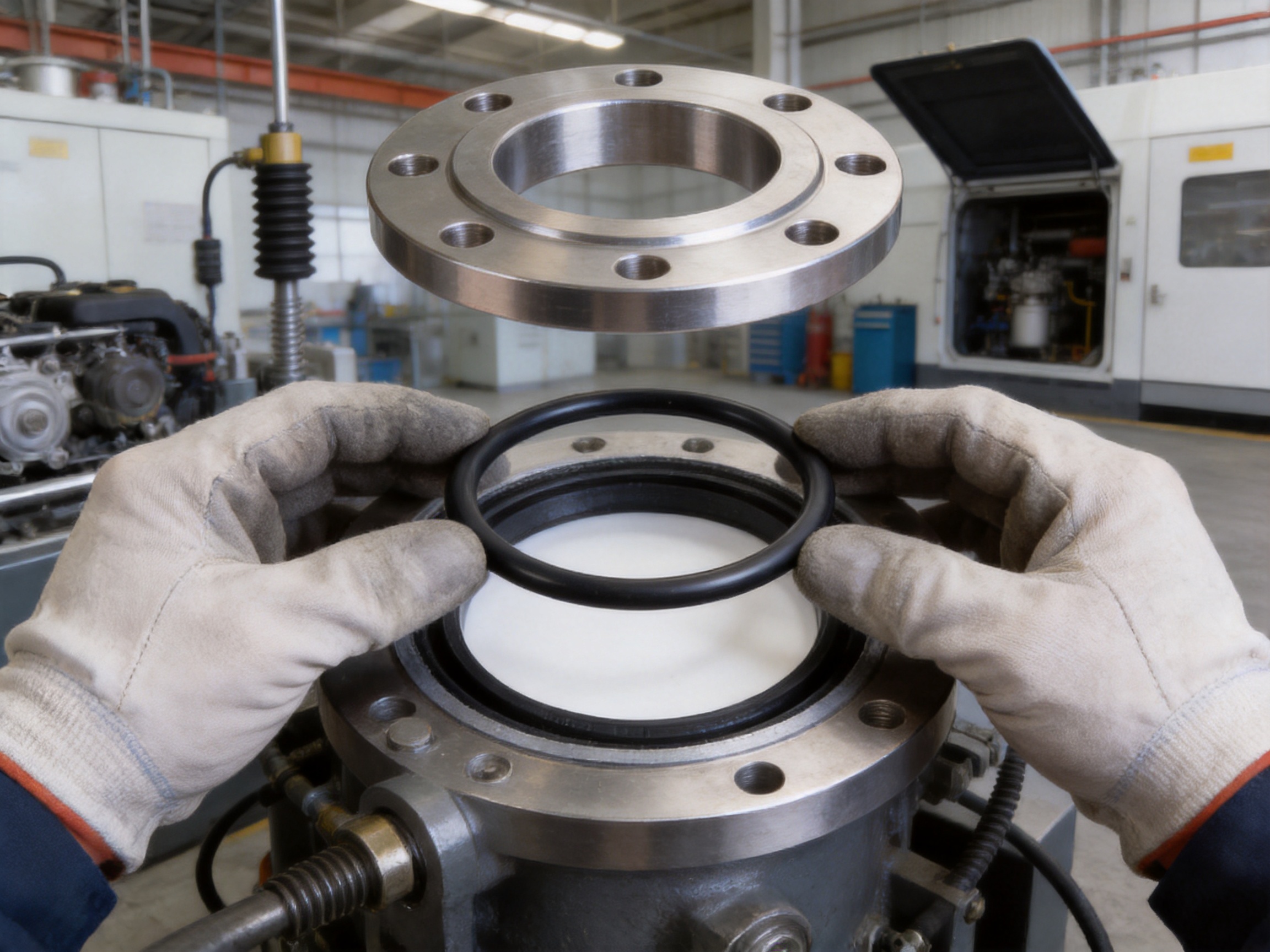
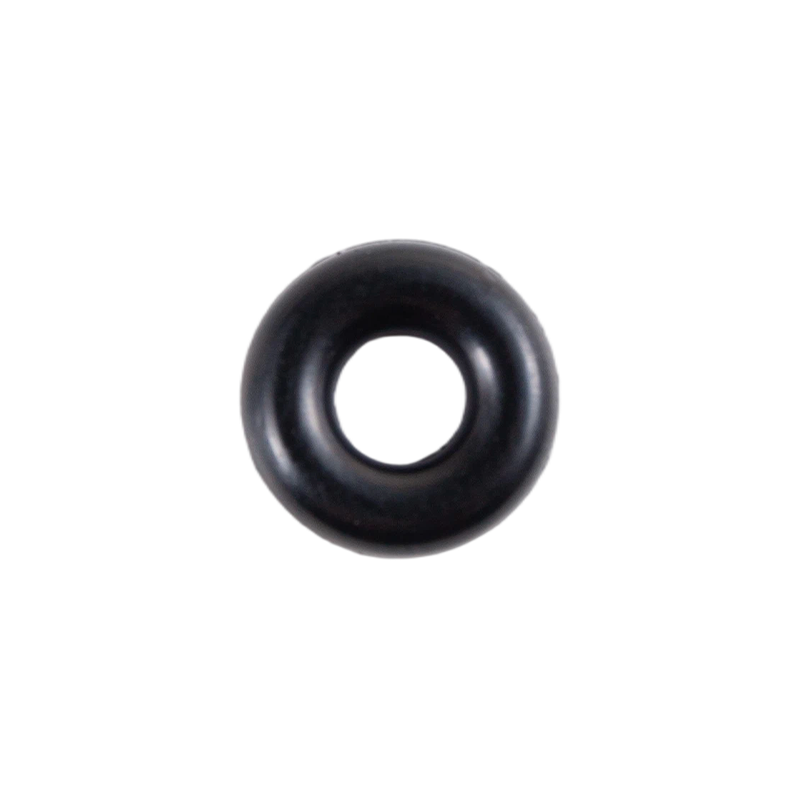
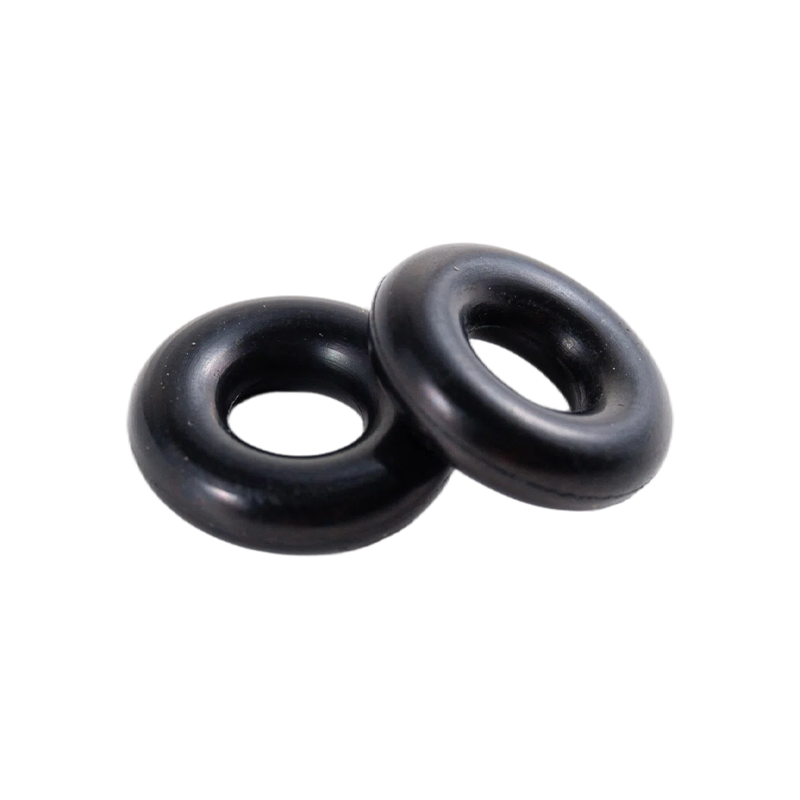
Large flange connections require sealing components that can maintain reliable contact across broad joint surfaces, resist compression-related damage, and remain stable during long periods of service. The 66mm Jumbo Flange O-Ring Seal is designed for this specific requirement. With an inside diameter of 66 mm and a cross-sectional diameter, or width dimension, of 2.65 mm, this NBR O-ring provides a balanced sealing profile for equipment covers, flange joints, housings, and other static sealing applications.
Identified by product code A-4-015, the seal combines a relatively large internal diameter with a controlled cross-section. This configuration makes it suitable for applications in which a flange or cover must be sealed without using an excessively thick ring. The 2.65 mm working dimension helps balance sealing height, compression force, installation convenience, and long-term dimensional stability.
For purchasers, engineers, and equipment manufacturers, selecting an O-ring is not simply a matter of matching an inside diameter. Material behavior, cross-section, groove design, compression ratio, surface condition, assembly method, operating temperature, chemical exposure, and expected service duration all influence sealing performance. The 66mm Jumbo Flange O-Ring Seal is therefore best understood as a complete sealing component designed around the needs of static flange connections rather than as a generic rubber ring.
Product Overview
The 66mm Jumbo Flange O-Ring Seal is manufactured from nitrile butadiene rubber, commonly identified as NBR. NBR is widely used for sealing applications because it offers a practical combination of oil resistance, abrasion resistance, elastic recovery, and cost efficiency. It is especially appropriate for many hydraulic, pneumatic, automotive, industrial, furniture, appliance, and general mechanical applications where petroleum-based oils, lubricants, and greases may be present.
| Product Attribute | Specification |
|---|---|
| Product Name | 66mm Jumbo Flange O-Ring Seal |
| Product Category | O-Shaped Oil Seal Ring |
| Product Code | A-4-015 |
| Product Specification | 66 × 2.65 mm |
| Inside Diameter | 66 mm |
| Cross-Sectional Diameter | 2.65 mm |
| Base Material | NBR |
| Primary Application | Static covers, flange joints, housings, and equipment closures |
The product description emphasizes its use in 66 mm equipment covers and flange joints. In a static application, the O-ring is compressed between two mating surfaces. This compression creates contact pressure around the circumference of the seal, closing small surface irregularities and preventing the passage of liquids, gases, lubricants, or external contaminants.
Because the seal is intended for static sealing, its performance depends heavily on correct groove design and controlled compression. A suitable groove allows the O-ring to deform enough to create continuous contact without producing excessive stress. The 2.65 mm cross-section provides a useful balance for designs where available installation space, closure force, and sealing height must all be considered.
Why the 66mm Size Matters
Large circular covers and flange joints often require a seal that can follow a broad circumference without creating unnecessary assembly difficulty. An O-ring with a 66 mm inside diameter provides a defined sealing path for components designed around this nominal size. Correct dimensional matching helps reduce installation stretching, excessive looseness, twisting, and uneven compression.
When an O-ring is too small for a groove, installers may stretch it excessively. Excessive stretch can reduce the effective cross-section, increase assembly tension, and make the ring more vulnerable to damage during installation. When the ring is too large, it may buckle, move out of position, or become pinched when the flange is closed. A correctly specified 66 mm inside diameter helps the seal sit consistently in its intended groove.
The 2.65 mm cross-section is also important. A thicker O-ring may provide greater deformation capacity, but it may require a deeper or wider groove and greater closure force. A thinner O-ring may fit into a compact design, but it can offer less tolerance for surface imperfections and may be more sensitive to incorrect compression. The selected 2.65 mm dimension is intended to provide a controlled sealing profile for a large-diameter static joint.
For original equipment manufacturers, this dimensional balance can simplify product design. It allows engineers to establish a repeatable groove geometry and specify a known sealing element across a product family. For maintenance departments, a clearly identified size and product code can reduce replacement errors and improve inventory control.
Material Advantages of NBR
NBR is one of the most widely used elastomer materials for industrial O-rings. Its popularity comes from its practical performance across many general-purpose sealing environments. The polymer structure provides good resistance to mineral oils, hydraulic fluids, lubricating oils, and greases. This makes NBR a natural choice for equipment in which the seal may contact oil-based media during normal service.
Compared with many low-cost general rubber compounds, a properly formulated NBR compound can provide more predictable resistance to swelling and softening in oil-contact conditions. It can also provide good abrasion resistance during handling, assembly, and maintenance. These characteristics are valuable when the O-ring must be installed into a flange groove or replaced in the field.
NBR also offers useful elastic recovery. After being compressed between mating surfaces, the material attempts to return toward its original shape. This recovery helps maintain sealing contact as minor surface movement, vibration, and dimensional variation occur. In a static flange joint, this behavior supports the formation of a stable sealing line around the entire circumference.
Another advantage is cost-to-performance efficiency. Fluorocarbon rubber, hydrogenated nitrile rubber, silicone rubber, and other specialty materials may be necessary for demanding environments, but they can increase product cost. NBR is often the most economical selection when the operating temperature and chemical conditions fall within its capabilities. This makes the 66mm NBR O-ring suitable for many high-volume applications where consistent quality and competitive total cost are important.
Material selection must still be based on the actual operating environment. NBR is not the universal solution for every fluid, temperature, or exposure condition. For strong oxidizing chemicals, aggressive solvents, high-temperature applications, ozone-rich environments, or specialized fuel systems, another compound may be more suitable. The correct approach is to evaluate the media, temperature, pressure, and service conditions before final approval.
Static Flange Sealing Performance
A flange O-ring seals by being compressed inside a specially prepared groove. When the flange surfaces are brought together, the ring is compressed radially or axially depending on the groove configuration. The resulting contact pressure creates a barrier against leakage.
For a static joint, the seal generally does not experience continuous sliding against the mating surface. This is an advantage because it reduces dynamic friction and limits wear caused by repeated movement. The 66mm Jumbo Flange O-Ring Seal is therefore suitable for covers, access plates, housings, inspection ports, and other joints that remain stationary after assembly.
The seal’s long-term effectiveness depends on maintaining adequate contact pressure. Compression must be sufficient to close microscopic surface gaps but not so high that the rubber becomes excessively stressed. Excessive compression can increase installation force, accelerate material fatigue, and create a greater risk of extrusion or permanent deformation.
The product description identifies low stress relaxation as a key performance objective. Stress relaxation occurs when an elastomer under constant deformation gradually loses part of its sealing force. A compound with controlled stress relaxation can maintain more stable contact pressure during long-term static service. This is particularly valuable for equipment covers and flange joints that may not be opened frequently.
Static sealing performance is also influenced by the surface finish of the groove and flange. Sharp edges, burrs, machining marks, contamination, or corrosion can damage the O-ring or create leakage paths. Even a high-quality seal cannot compensate for a severely damaged sealing surface. For best results, the mating components should be clean, properly finished, and free from sharp defects.
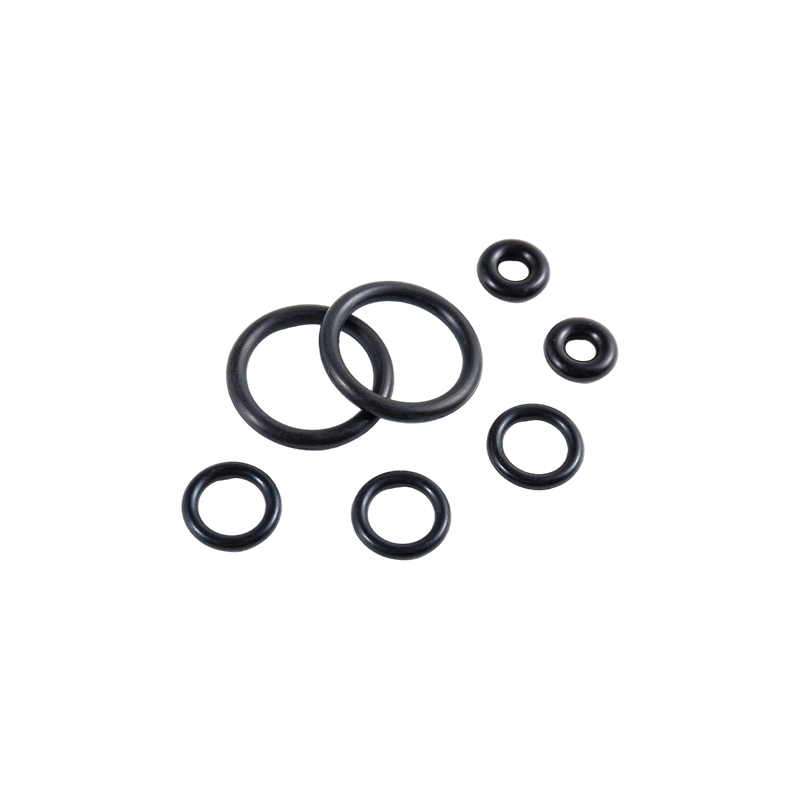
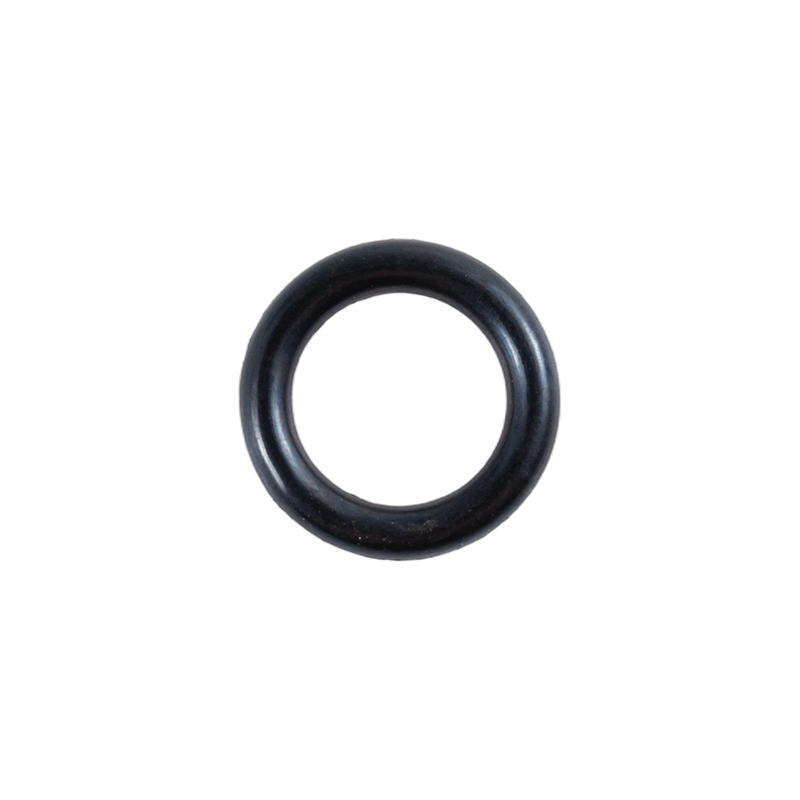
66mm Jumbo Flange O-Ring Seal
Advantages Compared with Generic O-Ring Alternatives
Many O-rings appear similar at first glance, but differences in material consistency, dimensional control, cross-section accuracy, and manufacturing quality can affect field performance. The 66mm Jumbo Flange O-Ring Seal offers several practical advantages over unverified or poorly specified alternatives.
Application-Specific Dimensions
A generic ring may be advertised only by an approximate diameter. The A-4-015 product is defined by both its 66 mm inside diameter and 2.65 mm cross-section. Providing both dimensions supports more accurate groove design, purchasing, inspection, and replacement. Engineers can evaluate compression and fit using a known geometry instead of relying on a vague nominal size.
Balanced Sealing Height
The 2.65 mm cross-section is selected to balance sealing height and closure force. A seal that is too thick may be difficult to compress and may require stronger fasteners or a more robust flange structure. A seal that is too thin may offer less tolerance for surface variation. The specified cross-section gives designers a defined starting point for establishing a stable static seal.
Suitable NBR Compound Selection
Using NBR for suitable oil and general industrial applications can offer a favorable combination of resistance, resilience, and economy. Compared with an unclassified rubber ring, a product made from a specified elastomer provides a clearer basis for material compatibility review. This supports more reliable technical documentation and purchasing decisions.
Long-Term Static Sealing Focus
The product is intended for static flange applications rather than being marketed as a one-size-fits-all seal for every type of motion. This application focus helps align the material, geometry, and installation recommendations with the actual service condition. A seal designed around static performance can be evaluated according to compression stability, stress relaxation, and resistance to permanent deformation.
Traceable Product Identification
The product code A-4-015 provides a clear identification reference for orders, drawings, inspection records, maintenance lists, and replacement programs. Traceable product identification is particularly useful for factories with multiple O-ring sizes that may look similar during manual handling.
Support for Customized Sealing Programs
When an existing size is not sufficient, a technically capable sealing manufacturer can help customers review materials, dimensions, groove requirements, testing needs, and application conditions. This is more valuable than simply purchasing an anonymous ring because it supports the complete sealing system rather than only the individual component.
Manufacturing Process and Quality Control
The performance of an O-ring begins with compound formulation and continues through mixing, molding, curing, trimming, inspection, packaging, and technical verification. A professional manufacturer must control each stage because a defect introduced early in production can affect the seal after installation.
Material Formulation
NBR raw material is combined with a carefully selected package of reinforcing agents, plasticizers, curing agents, antioxidants, processing aids, and other ingredients. The formulation influences hardness, tensile strength, elongation, compression set, oil resistance, temperature behavior, and stress relaxation.
Material formulation should be matched to the intended application. A compound for a static flange seal may prioritize compression set resistance and long-term contact stability, while a compound for high-speed dynamic service may require different friction and wear characteristics. Controlled formulation helps the manufacturer produce a seal with more consistent behavior from batch to batch.
Internal Mixing
During internal mixing, the ingredients are blended under controlled mechanical energy and temperature. Uniform dispersion is essential. Poor dispersion can create weak areas, local hardness variation, surface defects, or inconsistent curing behavior. Mixing parameters must therefore be controlled according to the compound recipe and batch size.
After mixing, the rubber compound is typically allowed to stabilize before further processing. This stage helps ensure that the material is suitable for calendaring, extrusion, or molding. A disciplined material preparation process supports repeatable production and reduces variation between lots.
Preforming and Mold Preparation
Before molding, the compound may be cut or preformed into pieces of controlled weight and geometry. Accurate preforms help fill the mold cavity consistently and reduce the risk of underfilling, excessive flash, or uneven material distribution.
The mold itself must be designed for the 66 mm ring geometry and maintained in good condition. Mold surfaces influence the final appearance and dimensional accuracy of the O-ring. Regular cleaning, inspection, and maintenance help prevent contamination, damage, and progressive dimensional drift.
Compression or Injection Molding
During molding, the rubber compound is placed into a shaped cavity and exposed to controlled pressure and temperature. The material flows into the cavity and cures into the O-ring profile. Depending on the production system, compression molding, transfer molding, or injection molding may be used.
Controlled molding conditions are essential for maintaining the inside diameter and 2.65 mm cross-section. Temperature that is too low may produce incomplete curing, while excessive temperature may cause premature curing, surface defects, or material degradation. Pressure and mold-closing conditions also influence flash formation and dimensional consistency.
Vulcanization and Curing
Vulcanization transforms the uncured rubber compound into an elastic material with its required mechanical properties. During curing, cross-links form within the polymer structure. The curing system must be carefully matched to the compound, because under-curing and over-curing can both reduce performance.
Under-cured rubber may be too soft, weak, or dimensionally unstable. Over-cured rubber may become too hard or lose flexibility. The correct cure state supports elastic recovery, compression resistance, oil resistance, and stable long-term sealing behavior.
Deflashing and Surface Finishing
After molding, excess rubber may remain along the mold parting line. This flash must be removed without damaging the sealing surface. Deflashing may be performed mechanically, cryogenically, manually, or through a combination of methods depending on the product requirements and production volume.
A properly finished O-ring should have a smooth, continuous surface without cuts, nicks, open blisters, excessive flash, or visible contamination. Since the O-ring must create a continuous barrier, even a small defect can become a leakage path under service conditions.
Dimensional Inspection
Dimensional inspection verifies the inside diameter, cross-sectional diameter, roundness, and general geometry. For the A-4-015 product, the key nominal dimensions are 66 mm inside diameter and 2.65 mm cross-section. Inspection tolerances should be established according to the relevant drawing, application, and industry standard.
Inspection equipment must be suitable for flexible elastomer products. Excessive measuring force can deform the ring and produce misleading results. Appropriate fixtures, calibrated gauges, optical methods, and controlled measurement procedures help improve accuracy.
Physical Property Testing
Depending on customer requirements, the manufacturer may evaluate hardness, tensile strength, elongation, compression set, density, aging resistance, and fluid resistance. These tests provide information about whether the compound and curing process are producing the intended performance profile.
Compression set testing is especially relevant for static flange applications. It evaluates the degree to which the material fails to recover after being compressed for a specified time and temperature. Lower compression set generally indicates better recovery, although actual sealing performance must also consider groove design, surface condition, pressure, and operating environment.
Visual and Batch Inspection
Visual inspection is a simple but important quality step. Operators examine the O-rings for surface cracks, scratches, molding defects, flash, contamination, irregular joints, and color variation. Automated vision systems may be used for high-volume production, while trained inspectors can identify defects that require contextual judgment.
Batch records and product identification support traceability. A controlled manufacturing system should connect the finished product to material batches, production parameters, inspection results, and packaging information. This structure helps identify the source of any quality issue and supports continuous improvement.
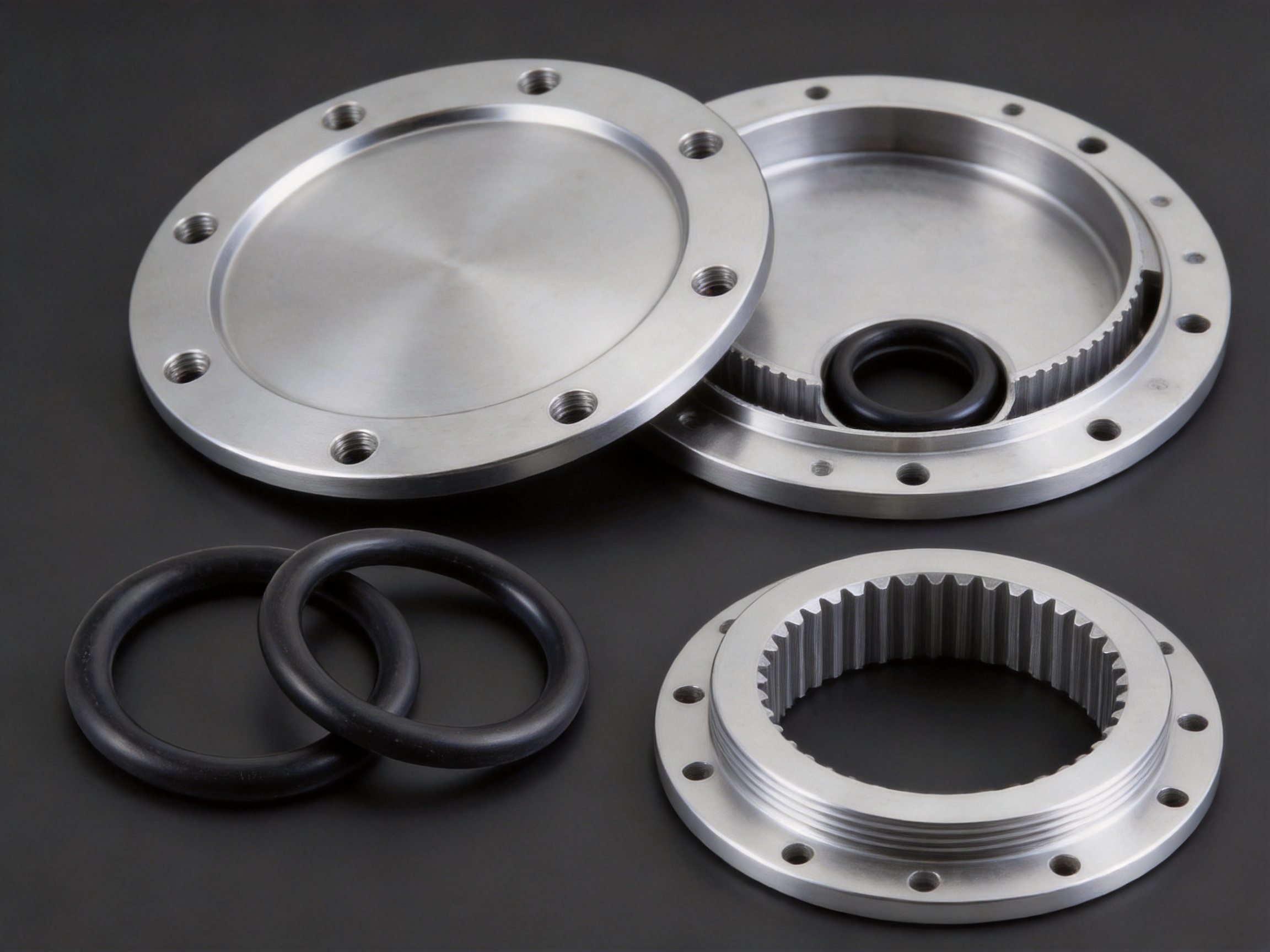
Company Manufacturing Strengths
Ningguo Jnsseals Sealing Technology Co., Ltd. is a high-tech sealing enterprise founded in 2019 and located in Anhui, China. The company focuses on the research, development, and application of sealing technology for gas springs, dampers, and related O-ring products.
The company’s industry focus is important because gas spring and damper systems require reliable sealing under repeated movement, pressure variation, and long-term use. Experience in these applications can support a deeper understanding of elastomer behavior, groove design, friction, wear, pressure retention, and manufacturing consistency. This technical foundation also benefits static flange products such as the 66mm Jumbo Flange O-Ring Seal.
JNS operates with research and development capabilities, production equipment, and a professional technical service team. These resources allow the company to address more than basic product supply. Customers can receive support with product selection, design review, testing, and application consultation. Such support is valuable when a seal must be integrated into a newly designed cover, housing, damper, appliance, or mechanical assembly.
A modern sealing manufacturer must connect laboratory knowledge with production discipline. Product development begins with understanding the customer’s operating conditions. These may include temperature range, oil or fluid type, pressure, compression ratio, installation method, expected service life, and environmental exposure. Engineers can then evaluate material and geometry options before the product enters regular production.
Advanced production equipment contributes to repeatability. Consistent temperature control, pressure control, mold alignment, curing time, and material handling reduce variation in finished rings. For a large-diameter O-ring, production control is especially important because small dimensional differences around a long circumference can affect installation and sealing uniformity.
The company also serves multiple industries, including automotive, furniture, home appliances, medical equipment, construction, and general industrial applications. This broad market experience can encourage cross-industry learning. A sealing solution developed for one type of equipment may provide useful insight into another application, provided that material compatibility and service conditions are carefully reviewed.
Customization is another stated strength. Customized sealing support can include product design, sample development, performance testing, technical consultation, and production adjustment. For customers that need a non-standard size, a different compound, a special hardness, a particular color, or a documented inspection plan, direct communication with the manufacturer can shorten the development cycle and reduce design risk.
Application Areas
Equipment Covers
The 66mm O-ring can be used for equipment covers where a removable panel or housing must be sealed against oil, dust, moisture, or internal fluids. The ring can be installed in a groove around the cover perimeter, allowing the cover to be removed for inspection or maintenance without replacing a formed gasket each time.
Flange Joints
Static flange joints are a natural application. The seal can be positioned between two prepared surfaces and compressed when bolts, clamps, or other fastening systems bring the components together. Proper bolt tightening and flange alignment are necessary to achieve even compression around the full circumference.
Industrial Housings
Industrial equipment housings may contain lubricated gears, valves, pistons, bearings, or other components that require protection from contamination. An NBR O-ring can help seal inspection plates, access covers, and modular housing sections in applications compatible with the material.
Automotive and Mechanical Assemblies
Automotive and mechanical equipment commonly use O-rings in fluid-handling and housing applications. NBR is widely considered for oil-contact environments, but engineers should confirm compatibility with the exact fluid, additive package, temperature, and pressure conditions before use.
Furniture and Gas Spring Systems
Gas springs used in furniture, seating, cabinets, and adjustable mechanisms rely on sealing technology for pressure retention and smooth function. Although a static flange seal has different operating requirements from a moving piston seal, experience in gas spring and damper sealing provides relevant knowledge of elastomer selection, production control, and service reliability.
Home Appliances and General Equipment
Appliances and general equipment may use O-rings in pump covers, fluid reservoirs, connection points, and access panels. The 66 mm size can be considered where the housing or cover geometry corresponds to the specified sealing dimensions and the service environment is suitable for NBR.
Installation Recommendations
Correct installation is essential to achieving the designed performance of the 66mm Jumbo Flange O-Ring Seal. Before assembly, verify the product code, material, dimensions, and quantity. Compare the ring with the approved drawing or maintenance specification rather than relying only on visual similarity.
Inspect the groove and mating surfaces. Remove metal chips, dust, old gasket material, oil contamination, and other debris. Check for burrs, sharp edges, deep scratches, corrosion pits, or machining damage. Any sharp edge that contacts the O-ring should be chamfered or otherwise protected according to the equipment design.
Use a compatible lubricant when recommended by the equipment designer. Lubrication can reduce friction during installation and lower the risk of twisting, cutting, or stretching. The lubricant must be compatible with NBR and the operating medium. Incompatible lubricants can cause swelling, softening, cracking, or premature loss of elasticity.
Do not install the O-ring with sharp tools. Screwdrivers, knives, picks, and unprotected metal edges can create small cuts that may not be visible immediately but can develop into leakage paths. Use suitable installation tools or carefully stretch the ring by hand within its elastic limits.
Place the ring evenly in the groove. It should not be twisted, folded, pinched, or locally stretched. For larger rings, verify the complete circumference before closing the flange. A twist in a static groove may create uneven compression and a localized leakage path.
Bring the mating flange surfaces together in a controlled manner. Avoid sliding one surface aggressively across the O-ring. If bolts are used, tighten them in a suitable cross-pattern or staged sequence to promote uniform compression. Excessive bolt force can damage the seal or distort the flange.
After assembly, inspect the joint for visible displacement and confirm that the equipment operates within the intended conditions. If a pressure or leak test is specified, perform it according to the equipment procedure and applicable safety requirements.
Design Considerations for Engineers
Engineers should design the O-ring groove around the actual product dimensions and the selected sealing mode. The groove should provide adequate space for the compressed ring while limiting excessive movement. Groove width, depth, corner radius, squeeze, gland fill, and clearance must be evaluated together.
Compression should be distributed consistently around the entire seal. Uneven flange flatness, fastener spacing, housing distortion, or incorrect groove depth may produce areas with insufficient contact and areas with excessive stress. A strong seal material cannot compensate for major mechanical design errors.
Thermal expansion should also be considered. The O-ring and surrounding components may expand at different rates as temperature changes. The design should allow the ring to maintain contact without becoming excessively compressed or losing engagement.
Pressure direction matters. Internal pressure can help energize an O-ring by pressing it against the opposite groove wall, but excessive clearance may create an extrusion risk. If pressure, temperature, or clearance is high, an engineer may need to consider a harder compound, a backup ring, a modified groove, or a different elastomer.
Surface finish should be appropriate for static sealing. A surface that is too rough may create leakage channels or abrade the rubber. A surface that is excessively smooth may reduce lubricant retention in some dynamic applications, although this concern is generally less significant for a properly designed static flange.
Storage conditions can affect elastomer performance before installation. O-rings should be stored away from direct sunlight, ozone-generating equipment, excessive heat, moisture, and chemicals. They should not be compressed, stretched, or hung from sharp hooks for long periods. Proper packaging and stock rotation help preserve dimensional and material properties.

Quality, Reliability, and Total Cost
Purchasing decisions should consider total cost rather than unit price alone. A low-cost O-ring that leaks, requires early replacement, contaminates equipment, or causes unplanned downtime may be more expensive over its service life than a consistently manufactured product with documented specifications.
The 66mm Jumbo Flange O-Ring Seal supports cost control through a defined product code, known dimensions, and an application-oriented material selection. Consistent product identification can reduce ordering mistakes and simplify the management of spare parts. A stable manufacturing process can also reduce variation during assembly and lower the likelihood of field failures caused by dimensional inconsistency.
Reliable sealing protects more than the joint itself. A properly functioning O-ring can help prevent lubricant loss, fluid contamination, corrosion, dust entry, pressure loss, and damage to internal components. In equipment used in factories, vehicles, appliances, or commercial systems, this protection can contribute to longer maintenance intervals and more predictable operation.
For original equipment manufacturers, reliable seals can support product reputation and warranty control. For distributors, clearly specified products are easier to classify and recommend. For maintenance teams, a traceable replacement part reduces uncertainty when restoring equipment to service.
Inspection Checklist for Buyers
Buyers can use the following checklist when evaluating the A-4-015 seal or an equivalent O-ring for a flange application.
| Inspection Item | Recommended Review |
|---|---|
| Size | Confirm 66 mm inside diameter and 2.65 mm cross-section against the drawing. |
| Material | Confirm NBR and verify compatibility with the operating fluid. |
| Application | Confirm that the joint is static or has only limited movement. |
| Temperature | Compare the actual service temperature with the approved material range. |
| Pressure | Review pressure, clearance, extrusion risk, and groove design. |
| Surface Condition | Inspect the flange and groove for burrs, scratches, corrosion, and contamination. |
| Appearance | Check for cuts, cracks, blisters, excessive flash, and molding defects. |
| Traceability | Record product code, batch information, inspection results, and storage date. |
| Packaging | Ensure that the rings are protected from sunlight, ozone, heat, and chemicals. |
This checklist is not a substitute for application engineering, but it provides a practical framework for procurement and incoming inspection. For critical equipment, buyers should request additional documentation such as material certificates, inspection reports, test results, or samples for validation.
Technical Service and Customization
Different equipment designs may require more than a standard size. A customer may need a different elastomer, hardness, color, tolerance, packaging method, or performance test. A manufacturer with research and development and technical service capabilities can review these requirements systematically.
Customization normally begins with collecting application information. Important details include the groove dimensions, mating materials, internal or external pressure, temperature range, fluid composition, movement type, assembly method, expected service life, and applicable quality standards. This information allows the engineering team to identify potential risks before selecting the final compound and geometry.
Prototype samples can then be produced for dimensional verification and functional testing. Testing may include compression behavior, fluid immersion, thermal aging, pressure retention, leakage evaluation, and repeated assembly. The exact test program should reflect the customer’s real operating conditions.
Once the design is approved, production controls should ensure that the mass-produced rings remain consistent with the validated sample. This includes control of compound batches, mold condition, curing parameters, inspection criteria, packaging, and change management.
The ability to provide design, testing, and consultation services is particularly useful for customers developing new equipment. It can reduce dependence on trial and error and create a clearer technical record for future maintenance and replacement orders.
Q&A
What is the specification of the 66mm Jumbo Flange O-Ring Seal?
The specification is 66 × 2.65 mm. The inside diameter is 66 mm, and the cross-sectional diameter is 2.65 mm. The product code is A-4-015.
What material is used for this O-ring?
The specified material is NBR, or nitrile butadiene rubber. NBR is commonly selected for oil resistance, abrasion resistance, elastic recovery, and cost-effective industrial sealing performance.
Is this O-ring suitable for moving applications?
The product is primarily described for static equipment covers and flange joints. It may not be suitable for continuous reciprocating or rotary movement without a separate engineering review of friction, lubrication, wear, speed, pressure, and groove design.
What makes the 2.65 mm cross-section useful?
The 2.65 mm cross-section provides a balance between sealing height and closure force. It can help designers achieve sufficient compression without requiring the groove and flange structure needed for a much thicker ring.
Can NBR resist all oils and chemicals?
No. NBR is compatible with many mineral oils, lubricants, and greases, but compatibility depends on the exact fluid composition, additives, concentration, temperature, and exposure duration. The application should be reviewed before approval.
How can installation damage be prevented?
Clean the groove, remove burrs, use a compatible lubricant when appropriate, avoid sharp tools, and ensure that the ring is not twisted or pinched. The flange should be closed in a controlled manner with even fastener tightening.
Why is low stress relaxation important?
Low stress relaxation helps the seal retain contact pressure during long-term compression. This is important for static flange joints that remain assembled for extended periods and may not receive frequent maintenance.
Can the manufacturer provide customized sealing solutions?
Yes. The company provides customized sealing support that may include product design, testing, and technical consultation. Customers should provide detailed application information so the material and geometry can be evaluated appropriately.
What industries can use this type of O-ring?
Potential industries include automotive, furniture, home appliances, medical equipment, construction, industrial machinery, gas spring systems, dampers, and other equipment using compatible static flange or cover joints.
How should unused O-rings be stored?
Store them in a cool, dry, dark location away from direct sunlight, ozone-generating equipment, excessive heat, moisture, oils, solvents, and sharp objects. Avoid stretching, compressing, or hanging the rings during storage.
What information should be included in an inquiry?
An inquiry should include the required quantity, product code, dimensions, material, operating temperature, pressure, fluid or gas, groove drawing, application type, delivery requirements, and any inspection or documentation requirements.
Conclusion
The 66mm Jumbo Flange O-Ring Seal is a purpose-oriented NBR sealing component for large static covers, flange joints, and equipment housings. Its 66 mm inside diameter and 2.65 mm cross-section provide a defined geometry for applications requiring a controlled balance between sealing height, compression force, installation convenience, and long-term contact stability.
Compared with an unspecified generic ring, the product offers clearer dimensional identification, a documented material selection, an application-specific design focus, and product traceability through code A-4-015. Its NBR construction can provide a practical combination of oil resistance, resilience, abrasion resistance, and cost efficiency when used within an appropriate operating environment.
Reliable performance depends on more than the seal itself. Correct groove design, suitable compression, clean mating surfaces, proper installation, compatible fluids, controlled storage, and appropriate operating conditions are all essential. When these factors are managed together, the O-ring can help prevent leakage, contamination, pressure loss, and unnecessary maintenance.
Ningguo Jnsseals Sealing Technology Co., Ltd. strengthens this product offering through sealing technology experience, research and development capability, advanced production equipment, technical service, and customized design support. Its work across gas springs, dampers, O-rings, automotive equipment, furniture, appliances, medical equipment, construction, and other industries provides a foundation for developing practical and reliable sealing solutions.
For customers selecting a 66 mm flange seal, the A-4-015 product provides a clear starting point for technical evaluation. Final approval should always be based on the complete application, including fluid compatibility, temperature, pressure, groove design, surface quality, assembly method, and required service life.
References
1. ISO 3601, Fluid Power Systems—O-Rings.
2. ISO 1629, Rubber and Latices—Nomenclature.
3. ASTM D2000, Standard Classification System for Rubber Products in Automotive Applications.
4. ASTM D395, Standard Test Methods for Rubber Property—Compression Set.
5. ASTM D471, Standard Test Method for Rubber Property—Effect of Liquids.
6. Parker O-Ring Handbook, Engineering and Application Guidance.
7. Engineering Design Principles for Elastomeric Seals and Static Flange Applications.
8. Manufacturer product specification for A-4-015, 66 × 2.65 mm NBR O-Ring Seal.
Product: 66mm Jumbo Flange O-Ring Seal

PREV:700N Wear-Resistant Y-Type Oil Seal Ring for Heavy-Duty Pneumatic Systems
NEXT:16 mm Thickened Anti-Vibration O-Ring Seal for Demanding Mechanical Applications
NEXT:16 mm Thickened Anti-Vibration O-Ring Seal for Demanding Mechanical Applications


Want to know more
about us?
about us?

Precision sealing for gas springs and dampers. Durable, wear-resistant, and built for long-life performance in demanding applications.
Product Categories
Quick Links
Contact Us
-
Email: jns@jnsseals.cn

-
Email: LouZhuoyu@outlook.com
-
Manager Gong: +86-18563770820

-
Manager Wang: +8615357558902
-
No. 5, Meilin Avenue, Meilin Industrial Development Zone, Ningguo City, Anhui Province, China

