

 English
 русский
 Deutsch
 Türk
 中文简体
High-Performance HNBR Dual-Function Seal for Damping and Inflation Systems
High-Performance HNBR Dual-Function Seal for Damping and Inflation Systems
High-Performance HNBR Dual-Function Seal for Damping and Inflation Systems
High-Performance HNBR Dual-Function Seal for Damping and Inflation Systems
High-Performance HNBR Dual-Function Seal for Damping and Inflation Systems
High-Performance HNBR Dual-Function Seal for Damping and Inflation Systems
High-Performance HNBR Dual-Function Seal for Damping and Inflation Systems
High-Performance HNBR Dual-Function Seal for Damping and Inflation Systems
High-Performance HNBR Dual-Function Seal for Damping and Inflation Systems
High-Performance HNBR Dual-Function Seal for Damping and Inflation Systems
High-Performance HNBR Dual-Function Seal for Damping and Inflation Systems
High-Performance HNBR Dual-Function Seal for Damping and Inflation Systems
High-Performance HNBR Dual-Function Seal for Damping and Inflation Systems
High-Performance HNBR Dual-Function Seal for Damping and Inflation Systems
High-Performance HNBR Dual-Function Seal for Damping and Inflation Systems
High-Performance HNBR Dual-Function Seal for Damping and Inflation Systems

Shen Ruolan — After-Sales Technical Consultant
Home / Author / Shen Ruolan — After-Sales Technical Consultant / High-Performance HNBR Dual-Function Seal for Damping and Inflation Systems
NEW Category
Contact us
High-Performance HNBR Dual-Function Seal for Damping and Inflation Systems
Content
- 1 Product Overview and Functional Purpose
- 2 Why HNBR Is Suited to Dual-Function Sealing
- 3 Double Inner Lip Design and Sealing Performance
- 4 Dimensional Integration in Compact Assemblies
- 5 Advantages over Conventional Single-Function Seals
- 6 Manufacturing Strengths and Quality-Oriented Production
- 7 Application Areas
- 8 Installation and Engineering Considerations
- 9 Testing and Performance Validation
- 10 Customization and Technical Cooperation
- 11 Company Capabilities and Industry Experience
- 12 Purchasing and Supplier Evaluation
- 13 Frequently Asked Questions
- 13.1 What type of seal is the A-1-008/A-1-009 product?
- 13.2 What material is used?
- 13.3 What are the main dimensions?
- 13.4 What O-ring adapters are compatible with the product?
- 13.5 Can the seal be used in both damping and gas-spring applications?
- 13.6 Does HNBR guarantee a specific service life?
- 13.7 Is the stated 10–500 N range a pressure rating?
- 13.8 Why is the double inner lip useful?
- 13.9 What industries can use this seal?
- 13.10 Can the manufacturer provide customized products?
- 13.11 What should be checked before installation?
- 13.12 How should the product be tested?
- 14 Conclusion
- 15 References
- 16 Product: High-Performance HNBR Dual-Function Seal
Reliable sealing is essential wherever gas, oil, pressure, motion, and temperature must be controlled inside a compact mechanical assembly. In gas springs, dampers, lifting mechanisms, furniture hardware, automotive components, medical equipment, and industrial actuators, a seal is not simply a passive ring. It is a precision-engineered component that helps maintain internal pressure, control lubricant movement, prevent contamination, reduce leakage, and extend the service life of the complete product.
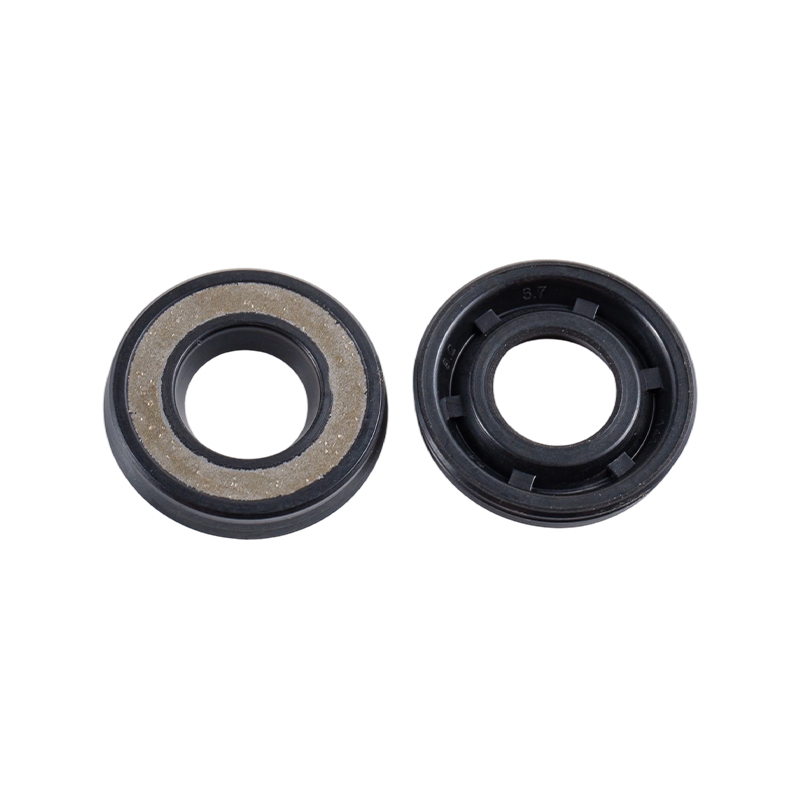
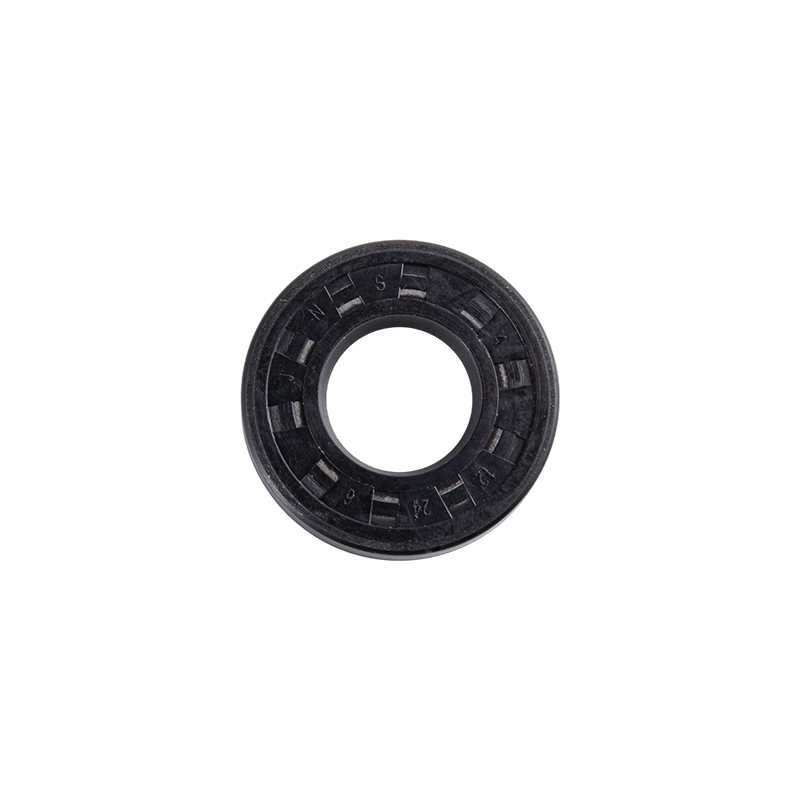
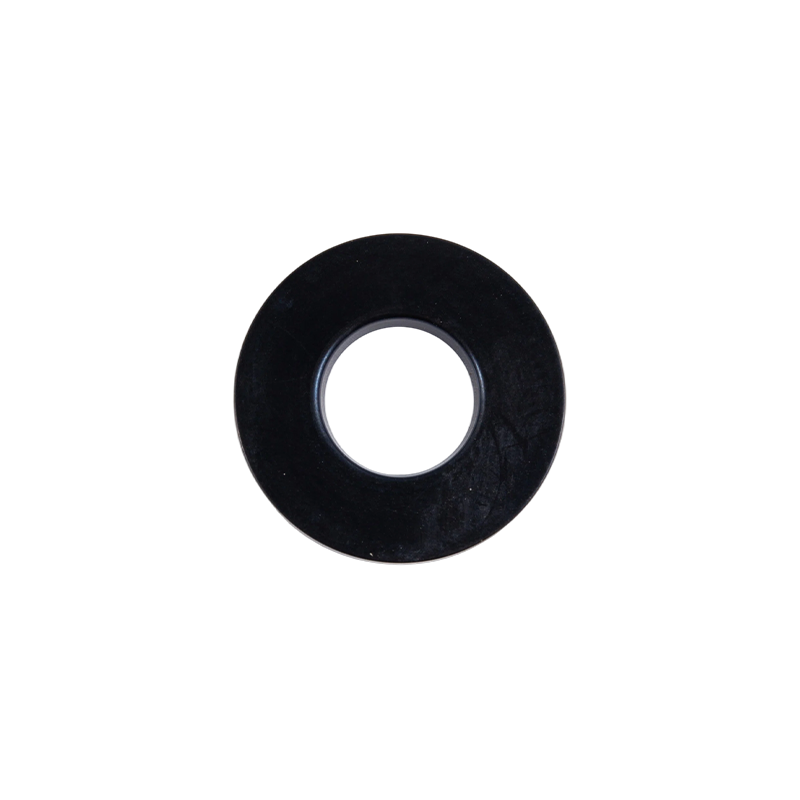
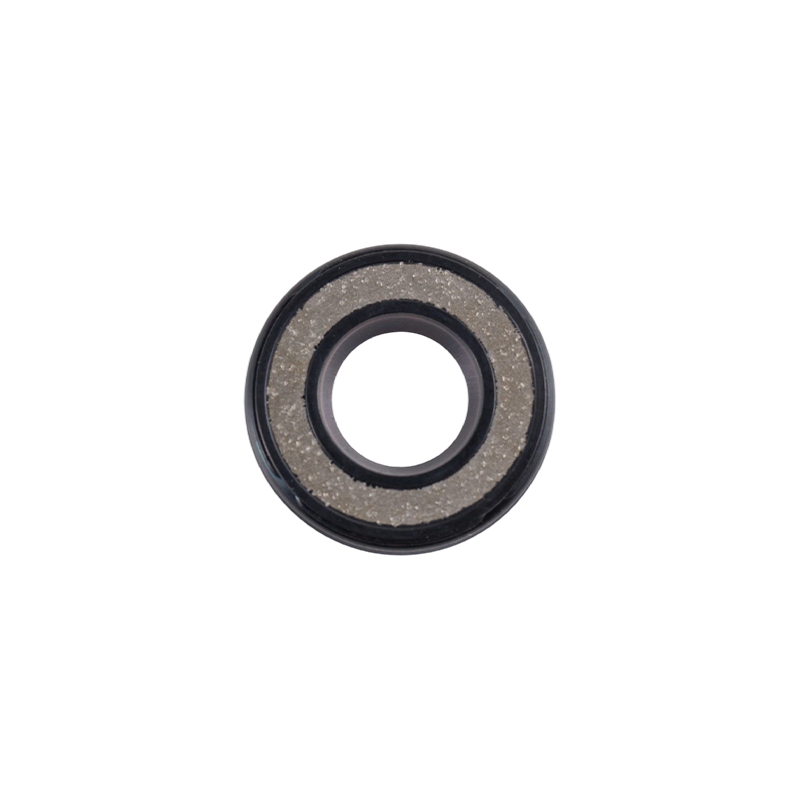
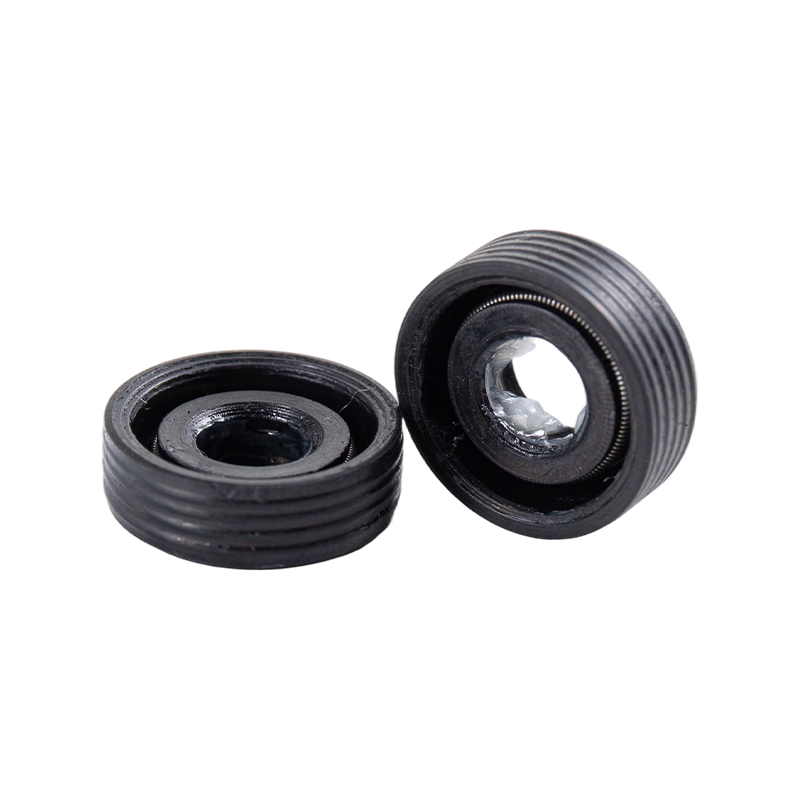
The High-Performance HNBR Dual-Function Seal, identified by product codes A-1-008 and A-1-009, is a Y-type oil seal ring designed for applications that combine damping and inflation functions. Its construction incorporates a double inner lip, a 13.9 mm outside diameter, a 5.4 mm inside diameter, and a 3.5 mm height. Manufactured from hydrogenated nitrile butadiene rubber, commonly known as HNBR, the seal is developed for demanding service conditions in which chemical resistance, aging stability, dimensional control, and reliable dynamic sealing are required together.
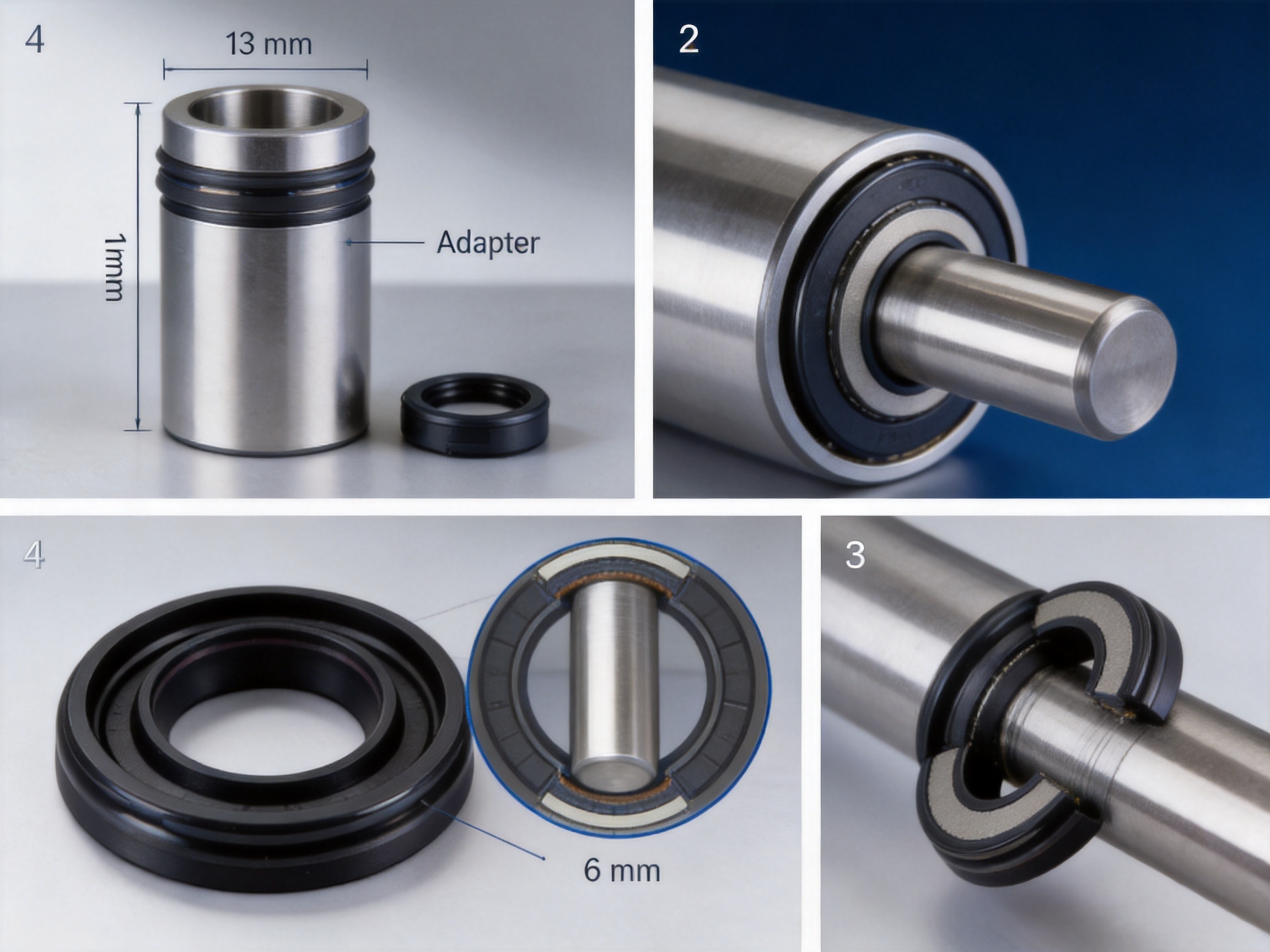
Unlike a basic static O-ring that depends mainly on compression between two stationary surfaces, this dual-function seal is shaped to perform in a more complex operating environment. Its Y-type profile and double inner lip support sealing around a piston rod or similar moving shaft. The geometry is suitable for a steel pipe with a 13 mm inner diameter and a piston rod with a 6 mm diameter. It can also be used with compatible O-ring adapters measuring 13 mm by 1.9 mm or 13 mm by 1.5 mm, giving designers greater flexibility when configuring a compact gas spring or damping assembly.
The product is manufactured by Ningguo Jnsseals Sealing Technology Co., Ltd., a high-tech sealing enterprise established in 2019 and headquartered in Anhui, China. The company specializes in sealing technology for gas springs, dampers, and related O-ring products. Through research and development, specialized production equipment, testing capability, and technical support, the company provides both standard sealing components and customized sealing solutions for customers in multiple industries.
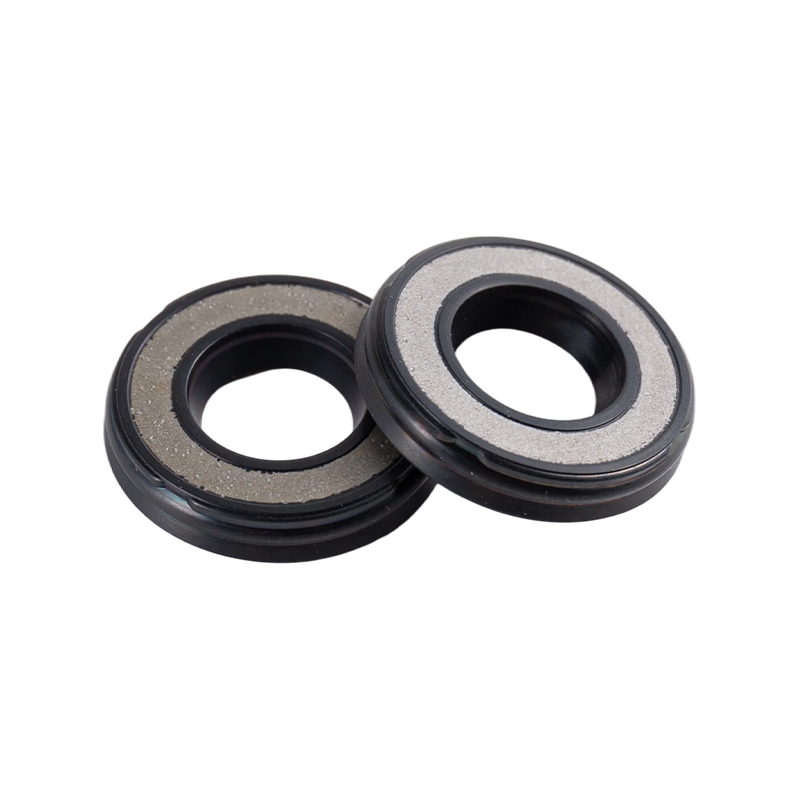
High-Performance HNBR Dual-Function Seal
Product Overview and Functional Purpose
The A-1-008/A-1-009 seal is designed for applications where a single sealing component may need to support two related functions: damping and inflation. In a damping system, the seal helps control the movement of oil or another working medium around a moving piston rod. In an inflation or gas-spring system, it helps retain pressurized gas and lubricant within the cylinder while limiting external contamination.
This combined function requires more than material durability alone. The seal must have a geometry that can maintain contact with the moving rod, resist deformation, accommodate the dimensional relationship between the rod and the cylinder, and remain stable during repeated movement. It must also work with the surrounding groove, support ring, adapter, and assembly process. The product specification therefore combines material selection with a carefully defined dimensional design.
The principal product dimensions are as follows:
| Item | Specification |
| Product type | Y-type oil seal ring |
| Product code | A-1-008/A-1-009 |
| Outside diameter | 13.9 mm |
| Inside diameter | 5.4 mm |
| Height | 3.5 mm |
| Sealing profile | Double inner lip |
| Material | HNBR |
| Compatible O-ring adapters | 13 mm × 1.9 mm or 13 mm × 1.5 mm |
| Steel pipe inner diameter and piston rod diameter | 13 mm × 6 mm |
| Stated design applicable range | 10–500 N |
| Primary application | Damping and inflation |
The dimensions are especially important in compact assemblies. A difference of only a few tenths of a millimeter can affect interference, lip loading, friction, installation force, and leakage performance. For this reason, a seal should not be selected only by nominal outside or inside diameter. The mating bore, shaft, groove, adapter, working medium, temperature, assembly method, and movement pattern must all be considered together.
Why HNBR Is Suited to Dual-Function Sealing
HNBR is produced by hydrogenating the molecular structure of nitrile butadiene rubber. This modification improves resistance to heat, oxidation, ozone, and long-term aging compared with standard NBR in many demanding applications. HNBR also retains useful resistance to oils, lubricants, and several industrial fluids, making it a practical material for sealing systems that combine gas retention with oil damping.
Material selection is a major advantage of the A-1-008/A-1-009 seal. A seal used in a gas spring or damper may experience repeated compression, sliding contact, pressure variation, lubricant exposure, and temperature changes. Over time, these conditions can cause some elastomers to harden, soften, crack, swell, or lose their elastic recovery. HNBR is selected to help reduce these risks and provide a longer aging cycle under suitable operating conditions.
The term “long aging cycle” should be understood as a material and design benefit rather than a universal service-life guarantee. Actual service life depends on temperature, pressure, fluid compatibility, shaft finish, surface speed, assembly accuracy, storage conditions, and maintenance. Nevertheless, HNBR provides a stronger material foundation for applications in which long-term stability is more important than the lowest initial component cost.
HNBR is also useful when the seal must support both static and dynamic behavior. During storage or when the equipment is not moving, the seal must maintain contact and limit leakage. During operation, the inner lip must follow the piston rod while controlling friction and preventing the working medium from bypassing the seal. The elastomer therefore needs sufficient flexibility for conformability and sufficient strength for dimensional retention.
Resistance to Aging and Environmental Exposure
Gas springs and dampers are often installed in products that remain in service for years. They may be exposed to elevated temperatures inside vehicles, changing indoor and outdoor temperatures, vibration, humidity, ozone, and intermittent operation. A seal that loses elasticity too quickly can allow leakage or create excessive friction. HNBR is advantageous because its hydrogenated structure generally provides improved resistance to thermal and oxidative degradation.
The material is also suitable for applications in which the product may be stored for a significant period before installation. Correct storage remains essential. Seals should be protected from direct sunlight, ozone-generating equipment, excessive heat, contamination, and mechanical deformation. Proper packaging and stock rotation help preserve the performance that the material is designed to provide.
Compatibility with Oil and Gas Spring Applications
Many damping and gas-spring systems contain lubricating oil, hydraulic oil, or another specially selected working medium. The seal must remain dimensionally stable when exposed to that medium. HNBR is commonly selected for oil-resistant sealing applications, although compatibility must always be verified against the exact fluid formulation, additives, concentration, and operating temperature.
For this reason, the A-1-008/A-1-009 product should be evaluated with the actual medium used by the customer. A material that performs well with one lubricant may respond differently to another formulation. The product’s material specification offers a strong starting point, while application-specific validation confirms the final suitability.
Double Inner Lip Design and Sealing Performance
The double inner lip is one of the defining features of this product. Instead of relying on one sealing edge, the profile uses two inner contact areas to support the sealing function around the piston rod. This configuration can help create a more stable barrier against the movement of gas, oil, and contaminants when the rod travels through the seal.
A double-lip arrangement may provide several practical benefits. It can improve separation between internal lubricant and the external environment, create additional resistance to leakage paths, and provide a degree of functional redundancy within the compact profile. The two lips can also support more consistent sealing when the system experiences repeated rod movement, provided that the groove, shaft, and installation conditions are correctly designed.
The lip geometry must be matched to the actual application. Excessive lip interference can increase friction, heat generation, and wear. Insufficient interference can reduce sealing reliability. The correct balance is influenced by the 5.4 mm nominal inside diameter, the 6 mm piston rod diameter, material elasticity, surface finish, lubrication, temperature, and movement speed.
Dynamic Sealing Around a Piston Rod
In a gas spring or damper, the piston rod moves through the seal during extension and compression. The sealing lips need to remain in contact without being damaged by rod movement. A suitable surface finish and clean rod are essential because scratches, burrs, corrosion, or embedded particles can abrade the lips and create leakage channels.
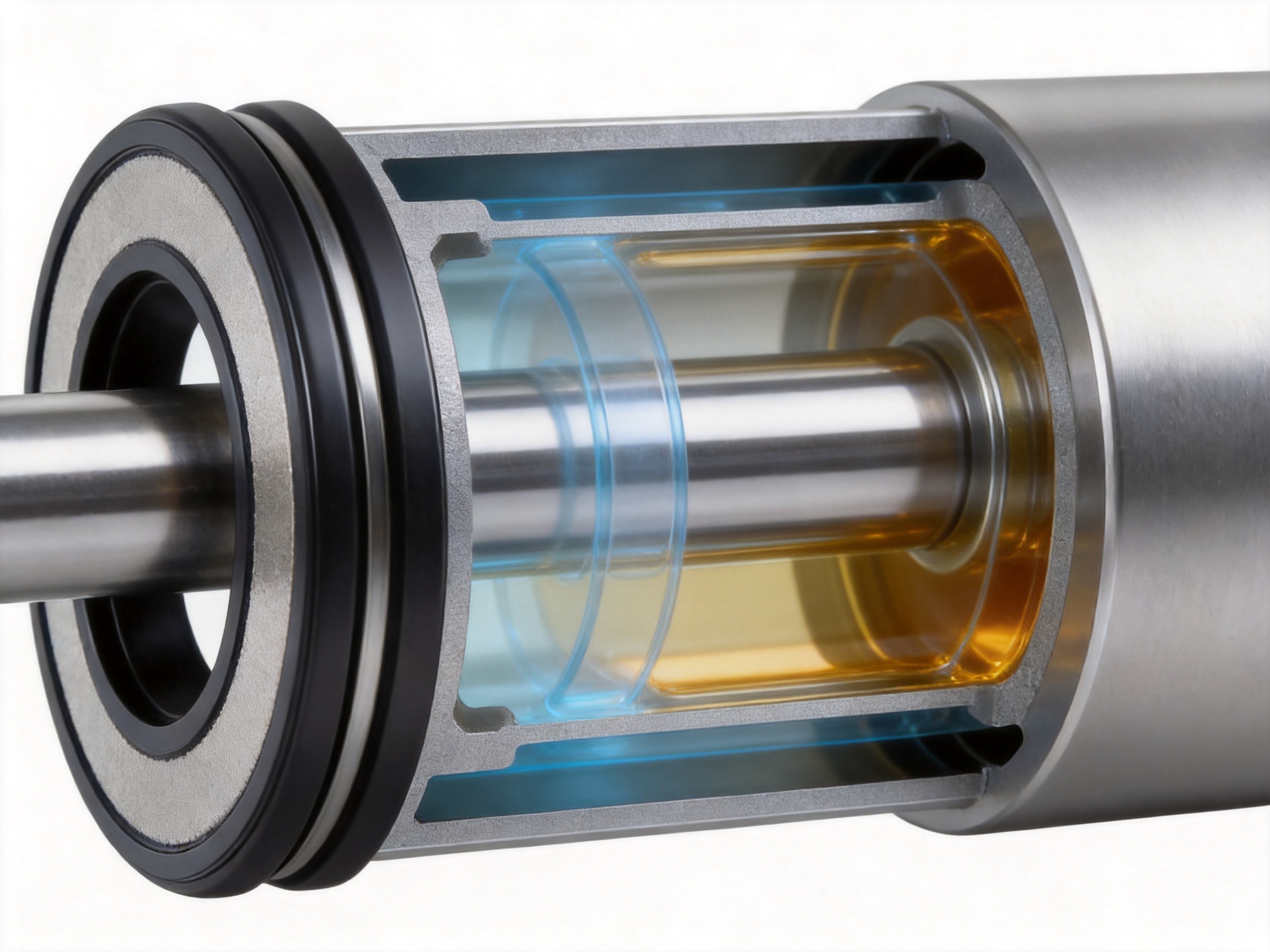
The Y-type profile helps direct the elastomer toward the sealing surfaces. Under suitable operating conditions, changes in internal pressure can increase contact at the sealing edge. This pressure-assisted behavior can support sealing while avoiding the need for excessive initial interference. The final result depends on the complete profile and the assembly design, so performance should be confirmed by testing the finished assembly rather than by examining the seal in isolation.
Support for Static and Intermittent Operation
Many furniture gas springs, lifting mechanisms, and compact actuators remain stationary for long periods before being operated. Static sealing stability is therefore as important as dynamic performance. The seal must resist compression set and maintain sufficient elastic recovery after periods of compression.
HNBR and the double inner lip design work together to support this requirement. The material provides resilience and aging resistance, while the profile offers multiple sealing interfaces. When properly installed, the seal can help preserve the internal condition of the assembly during storage, transport, and intermittent use.
Dimensional Integration in Compact Assemblies
The 13.9 mm outside diameter and 3.5 mm height make the seal suitable for compact sealing spaces. Compact dimensions are valuable in gas springs and dampers because the overall cylinder diameter often must remain small while still providing useful force and controlled movement. A seal that occupies limited axial and radial space can help engineers preserve room for the piston, guide components, lubricant, retaining elements, and pressure chamber.
The specified 13 mm steel pipe inner diameter and 6 mm piston rod diameter provide an important design reference. These dimensions establish the relationship between the seal, the housing, and the moving rod. Correct fit is necessary to control radial compression, prevent seal rotation, and maintain a stable contact pattern during operation.
The two listed O-ring adapter options, 13 mm by 1.9 mm and 13 mm by 1.5 mm, offer additional configuration flexibility. The appropriate adapter depends on the assembly structure, groove design, compression requirement, and customer-specific sealing architecture. This adaptability can be useful for manufacturers that produce several related models and need to optimize the sealing package without completely redesigning the surrounding components.
| Design factor | Product reference | Engineering significance |
| Outer radial envelope | 13.9 mm outside diameter | Helps define fit within the housing or steel pipe |
| Rod-side sealing dimension | 5.4 mm inside diameter | Establishes the nominal elastomer contact around the rod |
| Axial space | 3.5 mm height | Supports compact cartridge and cylinder designs |
| Rod and bore relationship | 6 mm rod / 13 mm pipe inner diameter | Provides the principal mating assembly reference |
| Adapter alternatives | 13 mm × 1.9 mm or 13 mm × 1.5 mm | Allows selection according to groove and compression design |
| Profile | Double inner lip | Supports dynamic separation and leakage control |
Dimensional compatibility should always be verified using production drawings and application testing. Nominal measurements alone do not account for tolerance, thermal expansion, surface roughness, concentricity, groove accuracy, or installation deformation. Professional seal selection considers all of these factors together.
Advantages over Conventional Single-Function Seals
The main advantage of the A-1-008/A-1-009 product is its ability to address damping and inflation requirements in one specialized sealing solution. Conventional seals designed for only one operating condition may not provide the same balance of oil resistance, gas retention, dynamic lip behavior, and compact installation. Using a purpose-designed dual-function seal can simplify the sealing package and reduce the need to combine multiple components that were not developed to work together.
A second advantage is the use of HNBR rather than a basic elastomer selected only for general-purpose sealing. Standard NBR can be effective in many oil-sealing applications, but more demanding environments may require improved resistance to heat, ozone, and long-term aging. HNBR provides a higher-performance option when the application demands greater material stability.
A third advantage is the double inner lip. A single lip may be adequate for simple conditions, but dual inner lips can provide greater control over the sealing interface. The additional lip can help limit the movement of lubricant and reduce the direct path available for contaminants. It can also contribute to more consistent performance during repeated movement, subject to correct design and lubrication.
The compact dimensional profile is another competitive strength. A 13.9 mm outside diameter and 3.5 mm height can support miniaturized products without requiring a large housing. In industries such as furniture hardware, medical equipment, automotive components, and home appliances, space is often limited. Compact seals help designers balance mechanical performance with product size and appearance.
Finally, the product is supported by a manufacturer that provides customized sealing solutions rather than only catalog distribution. Customers can request assistance with product design, testing, and technical consultation. This is valuable when a seal must be adapted to a special medium, unusual temperature range, specific rod finish, or unique assembly structure.
Manufacturing Strengths and Quality-Oriented Production
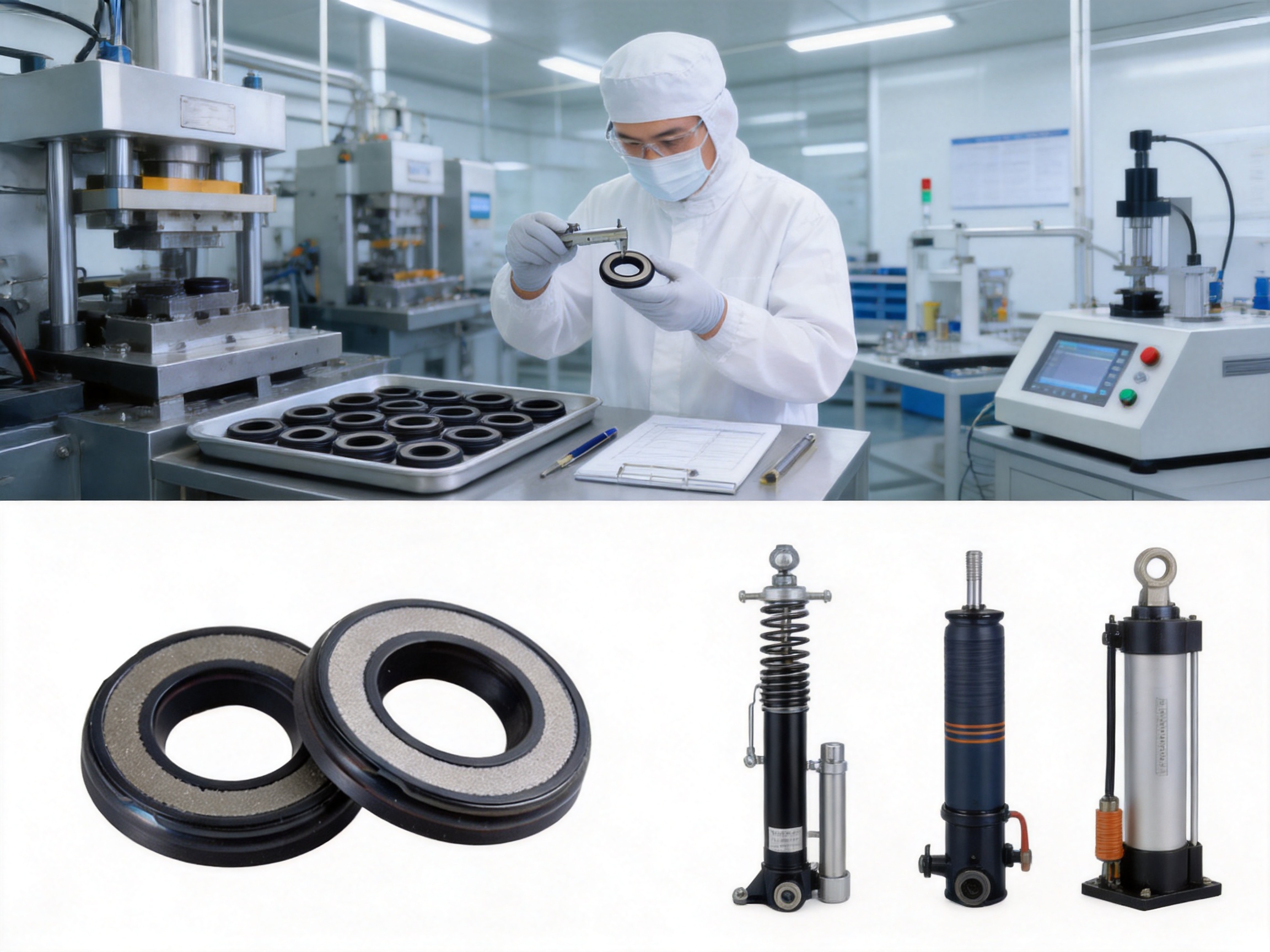
Seal performance depends not only on the rubber compound and profile but also on the manufacturing process. A high-performance elastomeric seal requires controlled raw materials, accurate molding, stable curing, careful trimming, dimensional inspection, and suitable testing. Small variations in lip geometry or surface quality can affect friction, leakage, and installation behavior.
Ningguo Jnsseals Sealing Technology Co., Ltd. focuses on the research, development, and application of sealing technology for gas springs, dampers, and related O-ring products. Its production approach is supported by advanced equipment, technical personnel, and a dedicated research and development capability. These resources allow the company to develop products around actual customer requirements rather than treating every sealing application as a generic commodity.
Material Preparation and Compound Control
HNBR seals begin with appropriate compound preparation. The material must be mixed so that the polymer, reinforcing agents, stabilizers, processing aids, pigments, and other ingredients are distributed consistently. Poor dispersion can create weak areas, uneven hardness, surface defects, or inconsistent compression behavior.
Controlled compound preparation helps ensure that different production batches deliver similar physical characteristics. Depending on the customer’s requirements, important properties may include hardness, tensile strength, elongation, compression set, heat aging, fluid resistance, and dimensional stability. These properties are not independent; improving one may affect another. A specialized manufacturer can select and adjust the compound to balance flexibility, strength, and long-term performance.
Precision Molding and Curing
The seal profile is created through a molding process in which the HNBR compound is shaped and cured under controlled conditions. Mold accuracy is especially important for the double inner lip because the sealing edges must be formed cleanly and consistently. The mold must reproduce the intended outside diameter, inside diameter, height, lip angle, and transition areas without excessive flash or distortion.
Curing converts the prepared rubber compound into an elastomer with its final network structure. Time, temperature, pressure, and material formulation must be controlled together. Under-curing may reduce strength and chemical stability, while over-curing may make the material too hard or reduce resilience. Stable curing supports consistent sealing force and elastic recovery across production lots.
Advanced molding equipment helps reduce variation and improve process repeatability. Automated or semi-automated production can also improve handling efficiency and reduce the possibility of contamination or accidental deformation. For a small seal, these process improvements can make a significant difference because the sealing lip is sensitive to minor defects.
Flash Removal and Surface Finishing
After molding, excess material may remain along the parting line. Flash removal must be performed carefully. Too much flash can interfere with installation or create a leakage path, while aggressive trimming can damage the lip edge. A controlled finishing process preserves the intended sealing geometry and produces a clean component for assembly.
Surface appearance is not the only quality consideration. Inspection should also address nicks, cracks, voids, blisters, incomplete filling, contamination, and dimensional deformation. The functional region of the inner lip deserves particular attention because defects in this area can directly affect dynamic sealing performance.
Inspection and Process Traceability
Quality control may include visual inspection, dimensional measurement, hardness checks, weight checks, and material or performance testing. Measuring tools should be suitable for elastomeric parts because flexible components can deform under excessive measurement force. Production teams should also understand the difference between a free-state dimension and an installed dimension.
Traceability supports continuous improvement. Recording material batch information, molding conditions, inspection results, and production dates helps identify trends and investigate customer feedback. If a problem occurs, traceability allows the manufacturer to narrow the potential source and take corrective action more efficiently.
Application Areas
Gas Springs and Lift Supports
Gas springs use pressurized gas, often together with a lubricating medium, to produce controlled extension or support. The piston rod must move smoothly while the cylinder retains its internal pressure. The dual-function seal is suited to this type of assembly because it is designed around the relationship between the rod, the cylinder, and the sealing chamber.
Applications may include adjustable furniture, cabinet supports, vehicle components, machine covers, access panels, and lifting mechanisms. In these products, leakage can reduce force, create inconsistent movement, or shorten service life. A compact HNBR seal can help manufacturers develop a reliable sealing package while maintaining a small overall product size.
Dampers and Motion-Control Devices
Dampers are used to control movement and reduce impact. They may be found in furniture, automotive systems, equipment covers, doors, drawers, and industrial mechanisms. The seal must limit the escape of damping medium while allowing the piston rod to move repeatedly.
The double inner lip is particularly relevant in this environment because the component must separate the internal working medium from the outside atmosphere during dynamic movement. Correct lubrication and rod surface quality remain essential to prevent premature wear and excessive friction.
Automotive and Transportation Components
Automotive systems experience vibration, temperature variation, intermittent operation, and exposure to oils and environmental contaminants. Compact gas springs and dampers are used in hoods, trunks, seats, access panels, and other mechanisms. HNBR can provide a suitable material option where improved aging and oil resistance are required.
Automotive customers generally require strict consistency because a large production program may use thousands or millions of seals. Stable molding, batch control, inspection, and delivery management are therefore as important as the initial product design.
Furniture and Home Appliances
Furniture hardware often requires smooth movement, quiet operation, compact dimensions, and long service life. A seal used in a chair, cabinet, lifting table, adjustable bed, or soft-closing mechanism must function reliably without requiring frequent maintenance.
Home appliances can also include dampers, gas supports, and small actuators. The compact size of this product may help designers integrate a sealing solution into narrow mechanical spaces while maintaining an attractive external design.
Medical Equipment and Specialized Devices
Medical and laboratory equipment may use controlled-motion mechanisms that require clean, dependable, and repeatable operation. The sealing material and manufacturing process must be evaluated according to the specific equipment environment, fluid exposure, cleaning method, and regulatory requirements. The HNBR seal may serve as a component in such equipment when its material and design are confirmed to meet the application requirements.
Installation and Engineering Considerations
Even a high-quality seal can fail if it is installed incorrectly. Before assembly, the bore, rod, groove, adapter, and surrounding components should be inspected for burrs, sharp edges, chips, dust, and machining residue. The piston rod should have a suitable surface finish and should not contain scratches or corrosion that could cut the sealing lips.
Installation tools should guide the seal evenly and prevent twisting. The seal should not be dragged over sharp threads, keyways, holes, or abrupt shoulders without protection. If the design requires stretching or compression during installation, the deformation should remain within an acceptable range. Excessive distortion may permanently deform the double lip or cause the seal to rotate during operation.
Compatible lubrication can reduce installation damage and initial friction. However, the lubricant must be compatible with HNBR and with the working medium in the final assembly. Contamination should be avoided because dirt or metal particles can become trapped under the lip and create an immediate leakage path.
The assembly should also control concentricity. If the piston rod is not aligned with the cylinder, the seal may experience uneven loading. One side of the lip may wear rapidly while the opposite side loses contact. Misalignment can produce friction, rod scoring, noise, and leakage even when the seal itself meets its dimensional specification.
| Installation checkpoint | Recommended consideration |
| Rod condition | Check for burrs, scratches, corrosion, and contamination |
| Housing condition | Confirm correct diameter, roundness, cleanliness, and surface quality |
| Groove or adapter | Verify dimensions, compression, retention, and orientation |
| Lubrication | Use a medium compatible with HNBR and the final working fluid |
| Assembly tooling | Prevent cutting, twisting, overstretching, or lip deformation |
| Alignment | Maintain suitable concentricity between rod and cylinder |
| Functional validation | Test leakage, friction, movement, and pressure retention in the complete assembly |
Testing and Performance Validation
Product testing should reflect the actual operating conditions. A seal intended for damping and inflation should be evaluated in a representative cylinder or cartridge rather than tested only as a loose component. The test assembly should use the intended piston rod diameter, steel pipe inner diameter, working medium, lubricant, pressure or force condition, movement cycle, and temperature range.
Leakage testing can determine whether the seal maintains the required separation between the internal chamber and the external environment. Friction testing can reveal whether the lip force is too high or whether surface interaction is unstable. Cycle testing can evaluate changes after repeated extension and compression. Pressure retention testing can show whether the sealing system maintains its function during static periods.
Material tests may include hardness, tensile properties, elongation, compression set, heat aging, and fluid immersion. These tests help characterize the HNBR compound, but they should not replace complete assembly testing. A material may meet a laboratory specification while the finished seal performs poorly because of incorrect groove design, poor rod finish, excessive misalignment, or unsuitable lubrication.
The stated design applicable range of 10–500 N should be interpreted within the manufacturer’s product specification and customer application context. It should not be treated as a universal pressure rating. Force, pressure, temperature, speed, and cycle frequency are separate variables, and the correct operating limits must be established for the complete design.
Customization and Technical Cooperation
Different customers may need different dimensions, materials, lip profiles, hardness levels, adapter arrangements, or testing conditions. A specialized sealing supplier can support the development process from initial concept through sample production and validation. This reduces the risk of selecting a standard part that is only approximately suitable.
Ningguo Jnsseals Sealing Technology Co., Ltd. provides customized sealing solutions that may include product design, testing, and technical consultation. Its technical service approach is valuable for customers developing new gas springs, dampers, or related mechanisms. Engineers can discuss the working medium, shaft diameter, housing dimensions, operating temperature, movement pattern, expected service life, and production volume.
Customization may involve modifying the profile while retaining the basic function of the seal, selecting a different HNBR formulation, adapting the dimensions to a new pipe or rod, or developing a related O-ring solution. Prototype samples can then be evaluated in the customer’s assembly. Feedback from testing may lead to refinements in lip geometry, hardness, interference, or material selection.
This collaborative method is an important advantage over suppliers that only provide an unmodified catalog item. Sealing performance is strongly application-dependent, so technical communication between the component manufacturer and the seal supplier can improve the final result.
Company Capabilities and Industry Experience
Ningguo Jnsseals Sealing Technology Co., Ltd. was founded in 2019 as a high-tech enterprise focused on sealing technology. The company is headquartered in Anhui, China, and serves customers in automotive, furniture, home appliance, medical equipment, construction, and other sectors.
Its business scope includes the research, development, and application of sealing products for gas springs and dampers, along with related O-ring products. This specialization gives the company a practical understanding of the conditions that influence sealing performance in compact motion-control systems.
The company combines research and development capability with production equipment and a professional technical service team. This combination supports more than routine manufacturing. It allows the company to investigate new material requirements, improve product structures, provide application guidance, and work with customers on customized designs.
The company’s stated philosophy is based on a people-oriented approach, innovation, continuous improvement, and the pursuit of excellence. In practical terms, these principles are reflected in the development of reliable sealing products, attention to customer requirements, investment in production capability, and technical support throughout the product life cycle.
For international customers, communication and customization are also important. The company can support product discussions involving specifications, samples, technical requirements, and application conditions. Customers can contact the company through its sales and technical representatives for product selection and project consultation.
Purchasing and Supplier Evaluation
When purchasing the A-1-008/A-1-009 seal, customers should provide as much application information as possible. The most useful information includes the piston rod diameter, housing or steel pipe inner diameter, groove or adapter dimensions, working medium, pressure or force conditions, operating temperature, movement speed, cycle frequency, and expected service life.
Customers should also clarify whether the seal will be used in a new design or as a replacement part. In a replacement application, the original seal may have experienced wear caused by factors unrelated to the seal material. Examining the old component can reveal signs of excessive heat, abrasion, chemical attack, compression set, misalignment, or installation damage.
A capable supplier should be able to provide product dimensions, material information, sample support, inspection details, and technical recommendations. For larger programs, customers may also ask about production capacity, quality control, batch consistency, packaging, delivery planning, and change-management procedures.
Packaging is important because elastomeric seals can be damaged by compression, contamination, sunlight, heat, or ozone during storage and transportation. The product should be packed in a way that maintains its shape and protects it from environmental exposure. Customers should establish suitable storage conditions and use a first-in, first-out inventory system whenever possible.
Frequently Asked Questions
What type of seal is the A-1-008/A-1-009 product?
It is a Y-type oil seal ring with a double inner lip. The product is designed for applications that require support for both damping and inflation functions.
What material is used?
The seal is manufactured from HNBR, or hydrogenated nitrile butadiene rubber. HNBR is selected for its combination of oil resistance, elasticity, strength, and improved resistance to aging and environmental exposure compared with many general-purpose elastomers.
What are the main dimensions?
The product has a 13.9 mm outside diameter, a 5.4 mm inside diameter, and a 3.5 mm height. The associated assembly reference is a 13 mm steel pipe inner diameter with a 6 mm piston rod diameter.
What O-ring adapters are compatible with the product?
The listed adapter options are 13 mm by 1.9 mm and 13 mm by 1.5 mm. The correct choice depends on the customer’s groove, compression, retention, and assembly requirements.
Can the seal be used in both damping and gas-spring applications?
Yes. The product is specified as suitable for both damping and inflation. However, the complete assembly must be validated for the actual working medium, force or pressure condition, temperature, rod surface, movement cycle, and service requirements.
Does HNBR guarantee a specific service life?
No material can guarantee a universal service life in every application. HNBR can provide improved aging and chemical stability under suitable conditions, but actual service life depends on temperature, fluid compatibility, pressure, speed, alignment, surface finish, installation, and storage.
Is the stated 10–500 N range a pressure rating?
The specification identifies 10–500 N as the design applicable range. Newton is a unit of force, not pressure. Customers should confirm the exact engineering meaning of this range with the manufacturer and evaluate the seal in the complete application.
Why is the double inner lip useful?
The double inner lip provides two inner sealing interfaces around the moving rod. This can support separation of the internal working medium from the external environment and may improve sealing stability during repeated movement when the surrounding design is correct.
What industries can use this seal?
Potential industries include gas-spring manufacturing, damping systems, automotive components, furniture hardware, home appliances, medical equipment, construction equipment, and other applications requiring compact dynamic sealing.
Can the manufacturer provide customized products?
Yes. The company provides customized sealing solutions, including product design, testing, and technical consultation. Customers can discuss alternative dimensions, materials, profiles, and application conditions with the technical team.
What should be checked before installation?
The rod, housing, groove, adapter, and assembly tools should be clean and free from burrs, sharp edges, scratches, and contamination. The installation process should prevent twisting, cutting, overstretching, and deformation of the sealing lips.
How should the product be tested?
The seal should be tested in a representative assembly using the intended rod, housing, working medium, lubricant, temperature, movement cycle, and force or pressure conditions. Leakage, friction, pressure retention, and durability should be evaluated together.
Conclusion
The High-Performance HNBR Dual-Function Seal provides a specialized solution for compact damping and inflation systems. Its HNBR material supports chemical stability, oil resistance, elasticity, and long-term aging performance. Its Y-type profile, double inner lip, and compact 13.9 mm by 5.4 mm by 3.5 mm configuration are designed to support dynamic sealing around a 6 mm piston rod inside a 13 mm steel pipe.
Compared with a basic single-function seal, this product offers a more application-focused combination of material performance, double-lip sealing, compact dimensions, and configuration flexibility. It is suitable for manufacturers seeking to improve gas retention, lubricant control, motion reliability, and component service life in gas springs, dampers, and related mechanisms.
The product’s value is strengthened by the manufacturing and technical capabilities of Ningguo Jnsseals Sealing Technology Co., Ltd. The company combines sealing research and development, specialized production equipment, professional technical support, and customized engineering services. This enables customers to move from product selection to application validation with support from a supplier experienced in sealing solutions for gas springs, dampers, and O-ring systems.
For the best result, the seal should be selected as part of a complete engineering system. Correct dimensions, working medium, rod finish, groove design, lubrication, alignment, installation, testing, and storage all contribute to final performance. When these factors are controlled, the A-1-008/A-1-009 HNBR dual-function seal can provide a dependable and efficient sealing foundation for demanding modern equipment.
References
1. Manufacturer Product Specification: A-1-008/A-1-009 High-Performance HNBR Dual-Function Seal.
2. Manufacturer Technical Information: Y-Type Oil Seal Rings for Damping and Inflation Applications.
3. General Elastomer Engineering Principles for HNBR Sealing Materials.
4. Industrial Guidelines for Dynamic Oil Seal Design, Installation, and Testing.
5. General Engineering References on Gas Springs, Dampers, and Piston-Rod Sealing Systems.
6. General Quality-Control Practices for Molded Rubber Sealing Components.
Product: High-Performance HNBR Dual-Function Seal

PREV:Industrial Standard L-Ring Kinetic Seal for Reliable Reciprocating Applications
NEXT:6000N Giant-Thrust Heavy Seal: Reinforced NBR Sealing for Extreme Loads
NEXT:6000N Giant-Thrust Heavy Seal: Reinforced NBR Sealing for Extreme Loads


Want to know more
about us?
about us?

Precision sealing for gas springs and dampers. Durable, wear-resistant, and built for long-life performance in demanding applications.
Product Categories
Quick Links
Contact Us
-
Email: jns@jnsseals.cn

-
Email: LouZhuoyu@outlook.com
-
Manager Gong: +86-18563770820

-
Manager Wang: +8615357558902
-
No. 5, Meilin Avenue, Meilin Industrial Development Zone, Ningguo City, Anhui Province, China

