

 English
 русский
 Deutsch
 Türk
Türk 中文简体
中文简体
Lightweight High-Frequency Seal for Low-Load Gas Spring and Damper Applications
Lightweight High-Frequency Seal for Low-Load Gas Spring and Damper Applications
Lightweight High-Frequency Seal for Low-Load Gas Spring and Damper Applications
Lightweight High-Frequency Seal for Low-Load Gas Spring and Damper Applications
Lightweight High-Frequency Seal for Low-Load Gas Spring and Damper Applications
Lightweight High-Frequency Seal for Low-Load Gas Spring and Damper Applications
Lightweight High-Frequency Seal for Low-Load Gas Spring and Damper Applications
Lightweight High-Frequency Seal for Low-Load Gas Spring and Damper Applications
Lightweight High-Frequency Seal for Low-Load Gas Spring and Damper Applications
Lightweight High-Frequency Seal for Low-Load Gas Spring and Damper Applications
Lightweight High-Frequency Seal for Low-Load Gas Spring and Damper Applications
Lightweight High-Frequency Seal for Low-Load Gas Spring and Damper Applications
Lightweight High-Frequency Seal for Low-Load Gas Spring and Damper Applications
Lightweight High-Frequency Seal for Low-Load Gas Spring and Damper Applications
Lightweight High-Frequency Seal for Low-Load Gas Spring and Damper Applications
Lightweight High-Frequency Seal for Low-Load Gas Spring and Damper Applications

Shen Ruolan — After-Sales Technical Consultant
Home / Author / Shen Ruolan — After-Sales Technical Consultant / Lightweight High-Frequency Seal for Low-Load Gas Spring and Damper Applications
NEW Category
Contact us
Lightweight High-Frequency Seal for Low-Load Gas Spring and Damper Applications
Content
- 1 1. Product Overview
- 2 2. Why High-Frequency Sealing Requires a Specialized Design
- 3 3. Main Performance Advantages
- 4 4. Geometry and Functional Configuration
- 5 5. Advantages Compared with General-Purpose or Heavier Seals
- 6 6. Application Areas
- 7 7. Manufacturing Process and Technical Strengths
- 8 8. Quality Control Considerations for the A-1-020
- 9 9. Installation Recommendations
- 10 10. Design and Selection Guidance
- 11 11. Customized Sealing Solutions from JNS
- 12 12. Manufacturing Infrastructure and Organizational Strengths
- 13 13. Sustainability and Lifecycle Efficiency
- 14 14. Procurement and Supplier Evaluation
- 15 15. Recommended Validation Program
- 16 16. Frequently Asked Questions
- 16.1 Q1: What is the A-1-020 Lightweight High-Frequency Seal?
- 16.2 Q2: What material is used for this seal?
- 16.3 Q3: What are the product dimensions?
- 16.4 Q4: What pressure or force range is applicable?
- 16.5 Q5: What piston rod and tube sizes are associated with the product?
- 16.6 Q6: Why is a lightweight lip useful in high-frequency applications?
- 16.7 Q7: Can the A-1-020 be used in every gas spring or damper?
- 16.8 Q8: Is NBR suitable for high-temperature applications?
- 16.9 Q9: Can the product be customized?
- 16.10 Q10: What should be checked before installation?
- 16.11 Q11: How can customers reduce premature seal failure?
- 16.12 Q12: What industries can use this product?
- 16.13 Q13: Does a lower-friction seal always provide better performance?
- 16.14 Q14: What technical information should be supplied for a quotation?
- 17 17. Conclusion
- 18 References
- 19 Product: Lightweight High-Frequency Seal
Modern gas springs, dampers, compact actuators, and motion-control systems increasingly require sealing components that can respond quickly without creating excessive friction, heat, or energy loss. In these applications, the seal is not merely a passive barrier against leakage. It is a precision functional component that directly influences movement quality, operating life, efficiency, noise, maintenance requirements, and the overall reliability of the equipment.
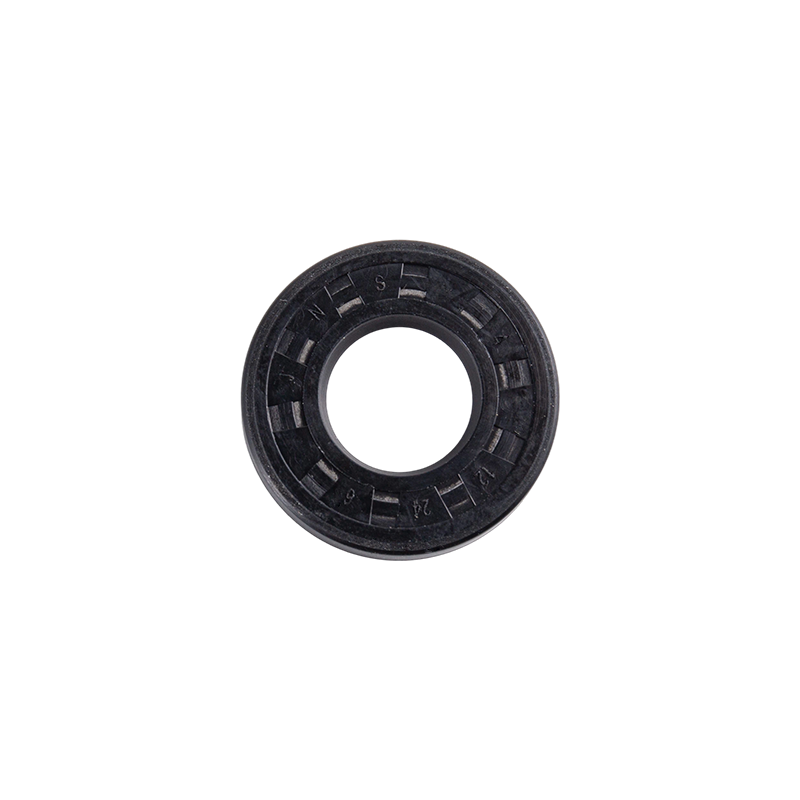
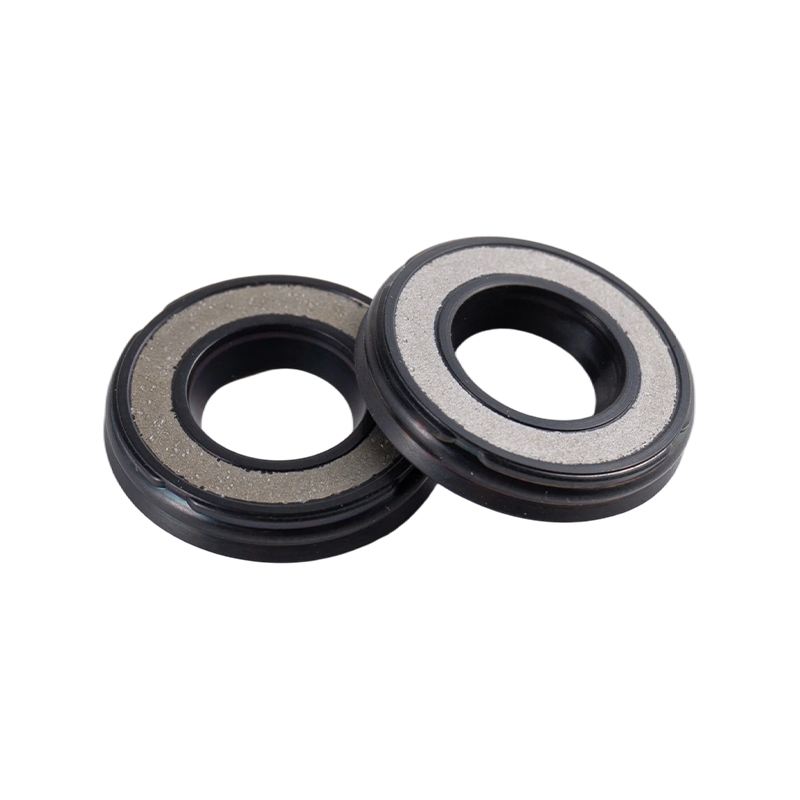
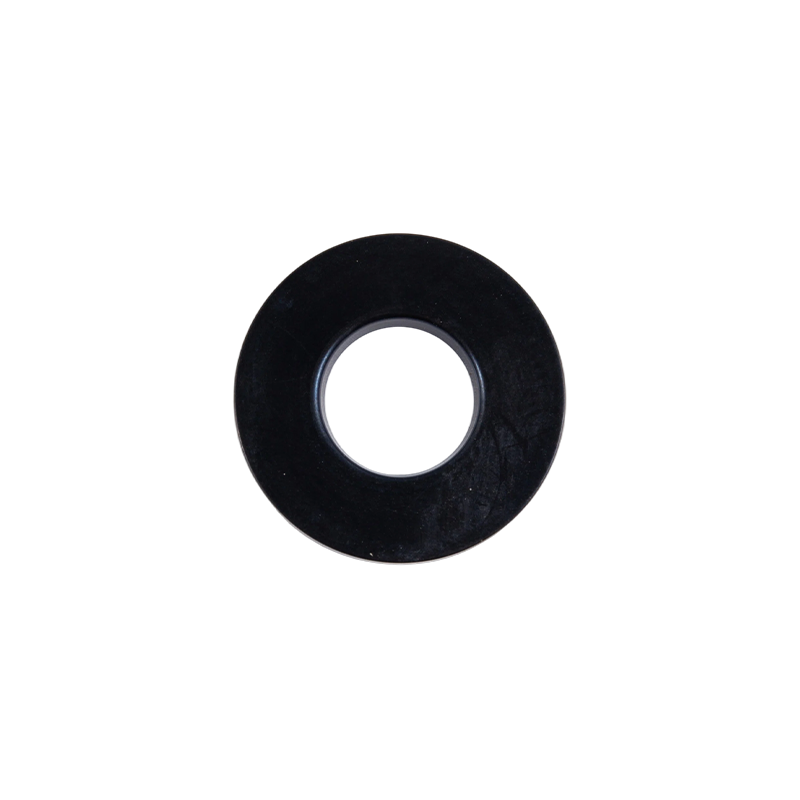
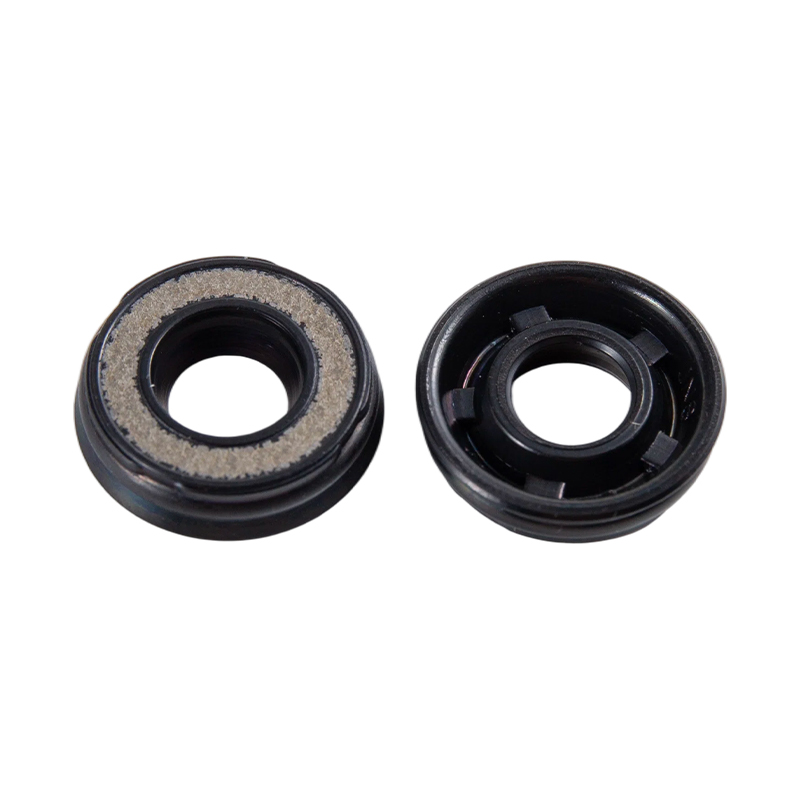
The Lightweight High-Frequency Seal, identified by product code A-1-020, is designed for low-load, high-frequency operating conditions. Its lip treatment is intended for applications requiring rapid response under a design applicable pressure range of 10–100 N. With a compact 20.8 mm outside diameter, 9.2 mm inside diameter, and 3.8 mm height, the seal provides a practical solution for systems where installation space is limited and repeated movement is frequent.
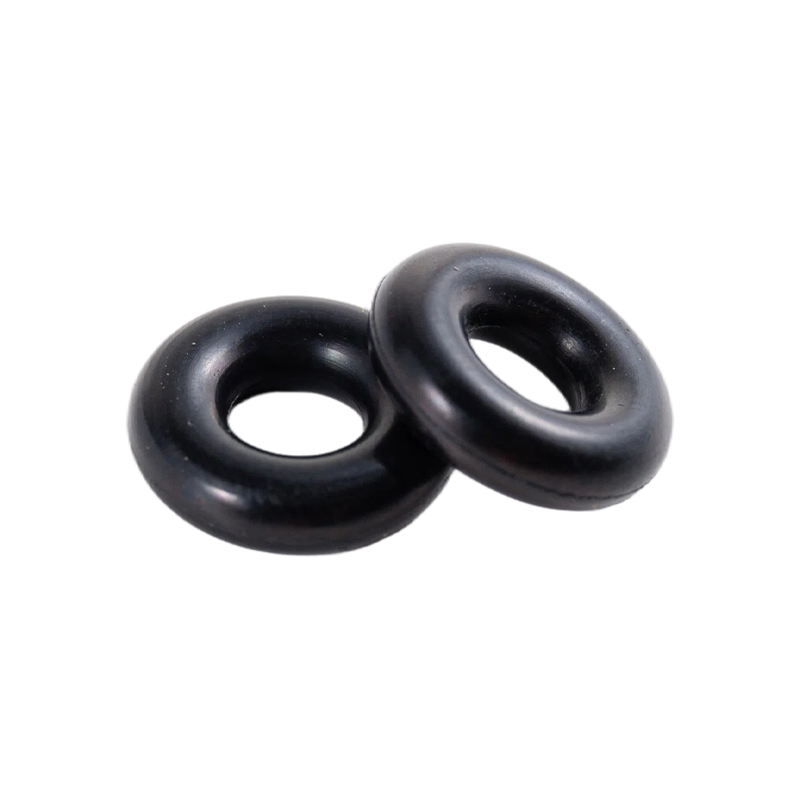
Manufactured from NBR and supplied with a 20 × 2.4 O-ring adapter, the A-1-020 combines a lightweight sealing profile with a supporting adapter arrangement. The result is a compact sealing assembly intended to reduce resistance, limit heat generation, and support energy-efficient operation. It is particularly suitable for piston rod and steel pipe combinations specified at 10 mm and 20 mm respectively.
This article examines the product’s design characteristics, operating advantages, material selection, dimensional configuration, application suitability, quality considerations, and the manufacturing capabilities of Ningguo Jnsseals Sealing Technology Co., Ltd. It also explains how a focused sealing manufacturer can help customers select, customize, test, and implement sealing solutions for demanding industrial and commercial products.
1. Product Overview
The A-1-020 Lightweight High-Frequency Seal is a Y-type oil seal ring developed for low-load repetitive motion. Its primary purpose is to maintain a reliable sealing interface around a moving piston rod while minimizing the resistance associated with repeated reciprocating movement.
Unlike a heavy-duty seal designed primarily for high pressure or severe contamination, a lightweight high-frequency seal must balance several different requirements. The sealing lip must maintain contact with the moving rod, but it must not press so aggressively that it causes unnecessary friction. The seal must respond quickly to small movements, but it must also remain stable over many repeated cycles. It must help retain lubricant and prevent leakage, while limiting heat accumulation in the contact zone.
The A-1-020 is therefore focused on operating efficiency and motion response rather than simply maximum pressure resistance. Its design applicable pressure range of 10–100 N identifies the intended low-load operating envelope. Within a suitable installation and application environment, the seal is designed to support smooth, responsive, and energy-conscious movement.
| Product Item | Specification |
| Product Name | Lightweight High-Frequency Seal |
| Product Code | A-1-020 |
| Product Category | Y-Type Oil Seal Ring |
| Material | NBR |
| Outside Diameter | 20.8 mm |
| Inside Diameter | 9.2 mm |
| Height | 3.8 mm |
| O-Ring Adapter | 20 × 2.4 mm |
| Design Applicable Pressure Range | 10–100 N |
| Steel Pipe Inner Diameter | 20 mm |
| Piston Rod Diameter | 10 mm |
2. Why High-Frequency Sealing Requires a Specialized Design
High-frequency movement places a distinctive combination of demands on a seal. A piston rod may complete thousands of short strokes within a relatively short operating period. Each stroke produces a new contact event between the sealing lip and the rod surface. Even when the applied load is comparatively low, the cumulative effects of friction, sliding speed, lubrication, temperature, and material fatigue can become significant.
A conventional seal with an unnecessarily heavy lip may create excessive drag. This can slow the movement of a gas spring, increase the force needed to initiate motion, and reduce the efficiency of an actuator. Higher friction may also generate additional heat at the sliding interface. Over time, heat and mechanical stress can contribute to hardening, wear, loss of elasticity, or deterioration of sealing performance.
Conversely, a seal with insufficient contact force may fail to maintain a stable sealing line. This can result in lubricant loss, gas leakage, contamination entry, or inconsistent movement. The challenge is to establish sufficient contact for sealing without imposing more resistance than the application requires.
The lightweight lip treatment of the A-1-020 addresses this balance. By targeting low-load, high-frequency cycles, the design supports fast response and reduced mechanical resistance. The seal is intended to move with the system rather than oppose it unnecessarily. This characteristic can be especially valuable in compact gas springs, furniture mechanisms, vehicle components, and equipment where smooth motion is a defining performance requirement.
High-frequency applications also benefit from predictable dimensional control. Small variations in lip geometry, height, or adapter fit can influence friction and leakage. For this reason, a seal designed for repetitive movement must be manufactured with stable tooling, consistent material preparation, controlled molding, and careful inspection.
3. Main Performance Advantages
3.1 Lightweight Lip Action
The central advantage of the A-1-020 is its lightweight lip treatment. A lighter sealing lip can reduce the normal force acting against the piston rod when compared with a more heavily loaded sealing design intended for higher-pressure applications. Reduced contact force can help lower starting resistance and running friction.
For equipment users, this may translate into smoother movement and more consistent operating behavior. In a gas spring or damper, the seal can influence how easily the rod begins to travel, how evenly it moves through its stroke, and how much force is required from the surrounding mechanism. A low-resistance sealing interface is particularly useful when the system is powered by a small spring force, a compact actuator, or a manually operated mechanism.
3.2 Rapid Response
The product is designed for rapid response during high-frequency cycles. A seal used in a fast or repeatedly actuated mechanism must adapt quickly to changes in direction and speed. Excessive mass, stiffness, or contact resistance can create a delayed response, especially during short-stroke operation.
The lightweight construction supports a responsive sealing action. This is valuable in applications where movement must begin promptly, stop accurately, or reverse repeatedly. Examples include adjustable furniture, compact dampers, automation components, and mechanisms that perform many short movements during their service life.
3.3 Low Heat Generation
Frictional heat is a major consideration in reciprocating seals. When a seal operates continuously or at high frequency, even moderate friction can generate substantial heat over time. Excessive heat can affect the seal material, lubricant, piston rod surface, and surrounding components.
The A-1-020 is intended to limit unnecessary friction through its lightweight lip configuration. Lower friction generally supports lower heat generation at the sliding interface, provided that the seal is correctly installed, properly lubricated where required, and operated within its design conditions. Lower thermal stress can help preserve the material’s mechanical properties and improve the stability of repeated operation.
3.4 Energy Efficiency
Every sealing interface consumes some amount of mechanical energy through friction. In a single slow cycle, the energy loss may be small. In a high-frequency system, however, repeated frictional losses can affect the total efficiency of the equipment.
A seal designed for low-load motion can help reduce the amount of energy required to overcome sealing resistance. This is especially relevant in gas springs and dampers, where the desired movement force may be carefully controlled. A lower-friction seal can help the mechanism deliver more of its available energy to useful motion instead of converting it into heat.
3.5 Compact Installation
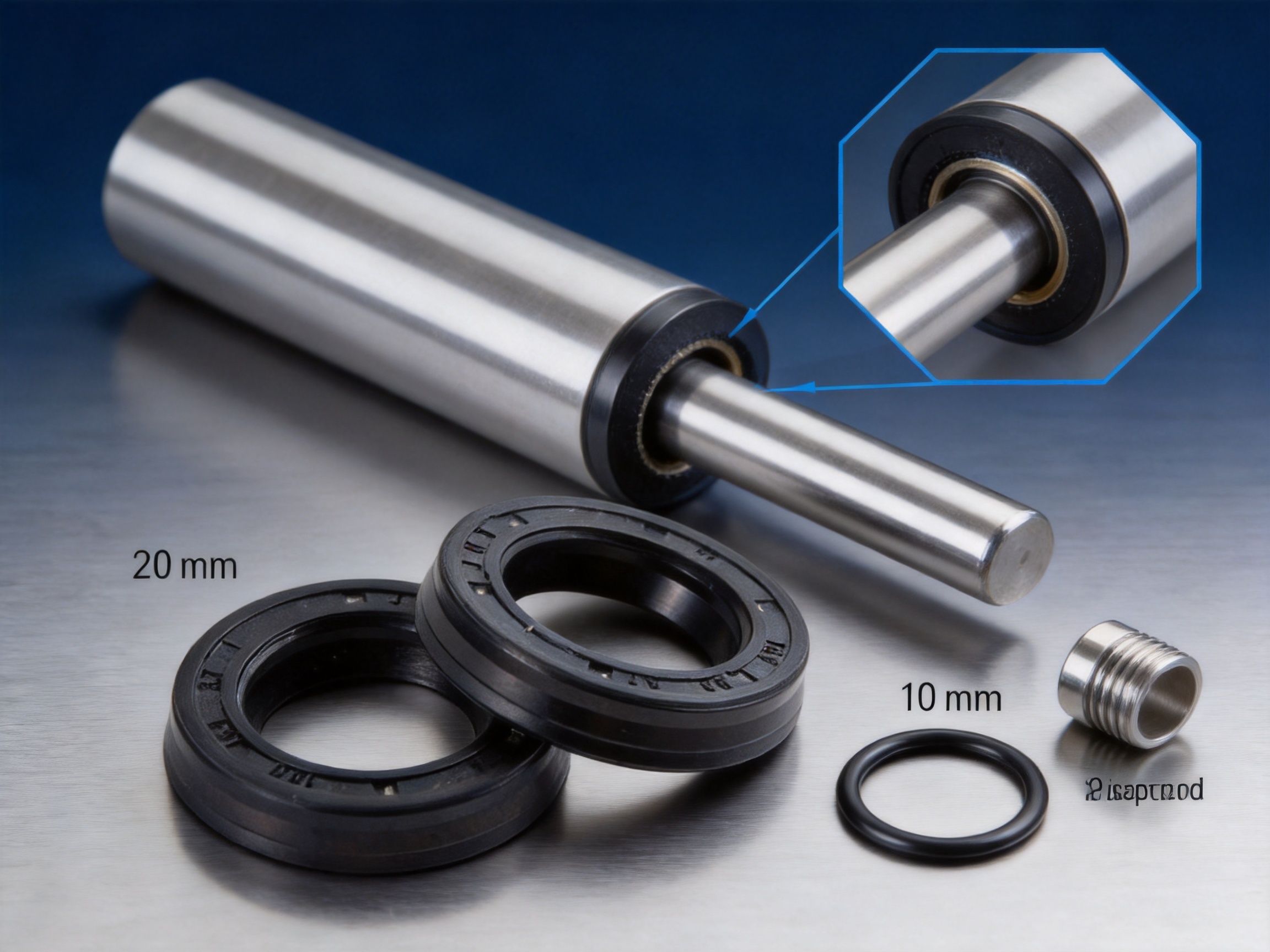
The A-1-020 has a height of 3.8 mm and an outside diameter of 20.8 mm. These compact dimensions make it suitable for assemblies where the available sealing cavity is limited. Its specified relationship with a 20 mm steel pipe and 10 mm piston rod provides a clear starting point for compatible system design.
Compact sealing components can also help equipment designers reduce the size of surrounding housings, sleeves, and retaining features. Smaller installation requirements may contribute to reduced product weight and more efficient use of material. However, the exact cavity design must always be checked against the complete installation drawing, tolerances, surface finish, lubrication conditions, and operating environment.
3.6 NBR Material Performance
Nitrile butadiene rubber, commonly called NBR, is widely used for oil seals and O-rings because it provides a practical combination of oil resistance, elasticity, abrasion resistance, and cost efficiency. These characteristics make NBR a common choice for gas spring and damper sealing systems that operate with compatible oils and lubricants.
For the A-1-020, NBR provides the elastic recovery needed to maintain contact with the piston rod and housing. It also supports resistance to ordinary mechanical wear in appropriately selected environments. The material is particularly appropriate when the application involves petroleum-based lubricants and moderate operating conditions.
Material selection must be matched to the actual application. Temperature, fluid chemistry, pressure, speed, ozone exposure, weathering, and storage conditions can all influence seal life. Where the application requires higher temperature resistance, enhanced chemical resistance, or improved fuel and solvent resistance, alternative elastomers such as HNBR or FPM may be considered through a customized sealing program.
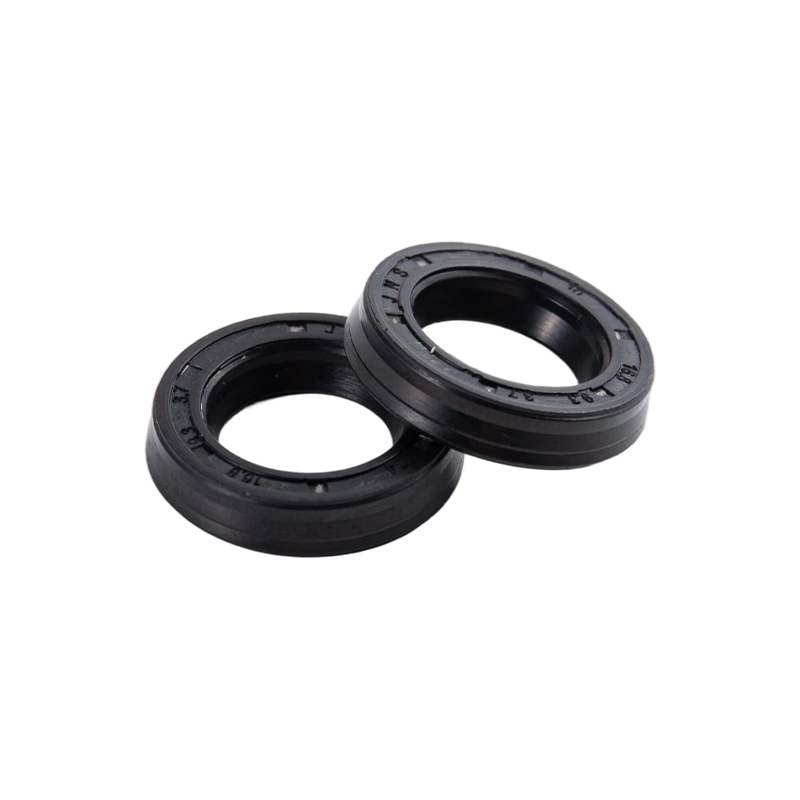
Lightweight High-Frequency Seal
4. Geometry and Functional Configuration
4.1 Y-Type Sealing Profile
The product belongs to the Y-Type Oil Seal Ring category. A Y-type profile typically uses a shaped sealing lip that creates a controlled contact interface with a rod or bore. The profile is intended to combine sealing performance with a manageable level of friction.
The shape of the lip affects contact pressure distribution, lubricant retention, response during reciprocation, and resistance to extrusion or deformation. In a high-frequency, low-load application, the geometry must be carefully balanced. A lip that is too tight can create drag and heat, while a lip that is too relaxed may allow leakage or unstable contact.
The A-1-020 is designed as a lightweight version for a specific application range rather than as a universal replacement for every oil seal. This application-focused approach is advantageous because it allows the geometry to be optimized for a defined combination of rod size, housing size, movement frequency, and load.
4.2 O-Ring Adapter
The product specification includes a 20 × 2.4 mm O-ring adapter. This adapter contributes to the sealing arrangement between the seal and its installation environment. It can help establish a stable interface with the surrounding component and support correct positioning within the sealing cavity.
Using a specified adapter size also assists equipment manufacturers during design and procurement. Instead of evaluating an isolated seal ring without supporting dimensions, the customer can consider the seal and adapter relationship as part of a more complete assembly. Correct fit is essential because excessive compression can increase friction, while insufficient compression can compromise retention and sealing stability.
4.3 Dimensional Relationships
The listed product dimensions are 20.8 mm outside diameter, 9.2 mm inside diameter, and 3.8 mm height. The related steel pipe inner diameter is 20 mm, and the piston rod diameter is 10 mm. These values should be treated as product reference dimensions and verified against the manufacturer’s technical drawing before mass production.
Dimensional relationships are important because the nominal diameters of a seal, rod, tube, and cavity do not always correspond directly. The final performance depends on interference, compression, groove dimensions, tolerances, eccentricity, rod finish, and assembly alignment. A professional seal supplier can help confirm the correct installation geometry and identify any changes needed for a specific housing.
5. Advantages Compared with General-Purpose or Heavier Seals
Product comparisons should be made according to operating conditions rather than based only on material or external dimensions. A heavy-duty seal may be superior in a high-pressure or contaminated environment, while a lightweight high-frequency seal may be more suitable for low-load repeated movement. The A-1-020 offers several advantages when the application matches its intended design range.
5.1 Lower Movement Resistance
Compared with a seal designed with a stronger lip load, the A-1-020 may provide lower movement resistance in appropriate low-load applications. This can improve manual feel, actuator responsiveness, and the efficiency of spring-assisted mechanisms.
5.2 Better Suitability for Frequent Cycling
General-purpose seals may perform adequately during occasional movement but may not be optimized for high-frequency operation. The A-1-020 is specifically described for 10–100 N low-load high-frequency cycles. Its design focus makes it a better candidate for systems where cycle frequency is more important than extreme pressure capacity.
5.3 Reduced Friction-Related Thermal Stress
A seal that produces excessive friction can create higher temperatures at the contact interface. The lightweight lip configuration is intended to reduce this source of heat. This can support more stable operation in compact assemblies where heat dissipation is limited.
5.4 More Efficient Use of Available Force
In a low-force system, seal friction can represent a meaningful proportion of the total operating force. A lower-resistance seal allows a greater share of the available force to produce useful movement. This is an important advantage in furniture gas springs, compact dampers, and small actuating systems.
5.5 More Focused Product Selection
Rather than selecting an oversized seal for every application, engineers can choose a profile matched to actual load and frequency requirements. This can help avoid unnecessary friction, material cost, and installation complexity. The A-1-020 provides a defined option for customers seeking a compact, low-load, high-frequency sealing solution.
These advantages do not mean that the product should replace every other seal type. Seal selection must account for the complete operating environment. If the application involves high pressure, aggressive chemicals, extreme temperature, abrasive particles, or unusually high rod speed, another profile or elastomer may be more suitable. The strength of the A-1-020 lies in its focused performance profile.
6. Application Areas
6.1 Gas Springs
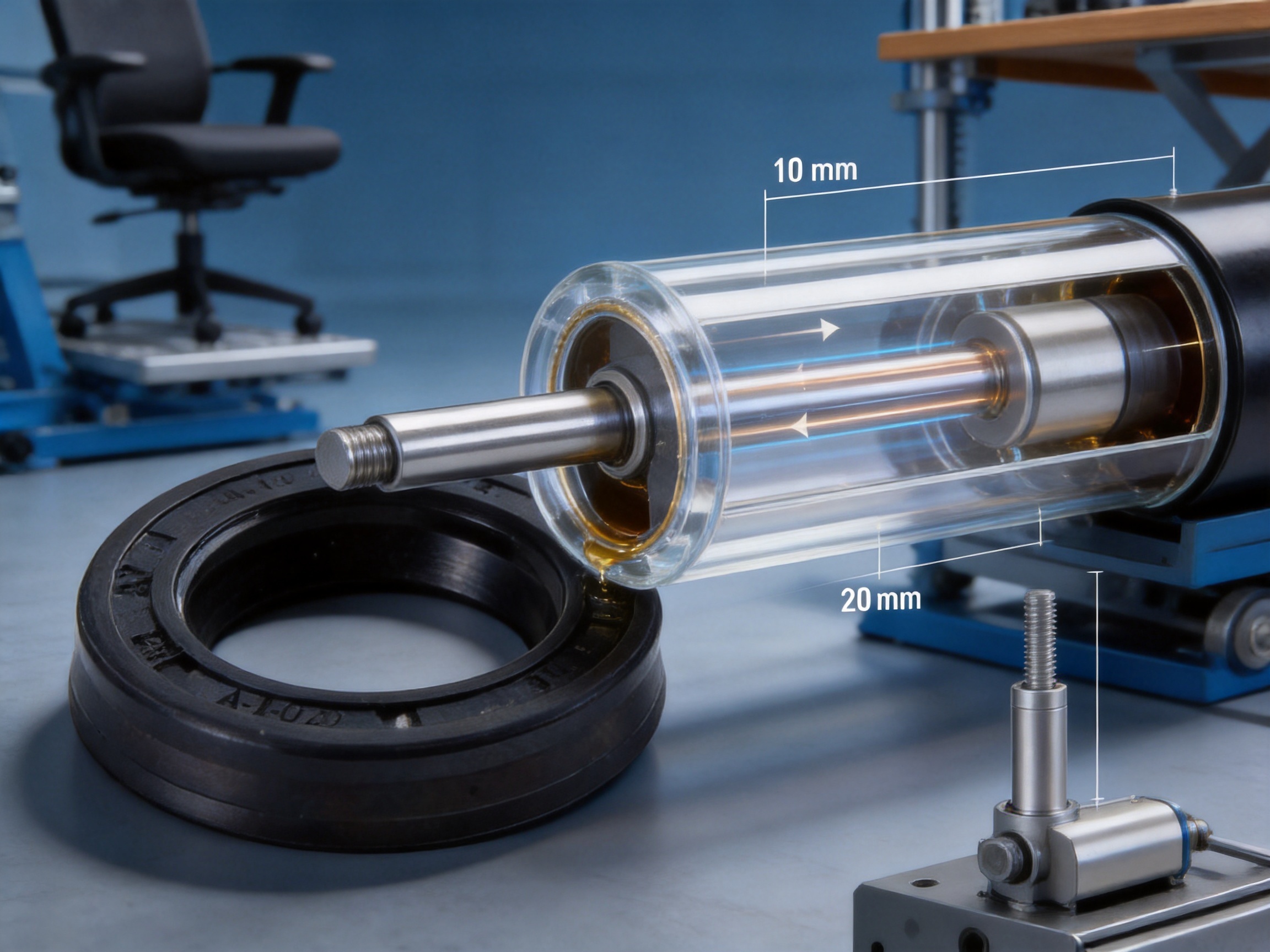
Gas springs require seals that can retain internal gas and lubricant while allowing the piston rod to move smoothly. In furniture, automotive, medical, and industrial equipment, the rod may be operated repeatedly throughout the product’s life. A low-friction seal can help preserve the intended movement force and reduce unwanted resistance.
The A-1-020 is especially relevant to compact gas spring assemblies designed for low-load, high-frequency cycles. Its specified 20 mm steel pipe inner diameter and 10 mm piston rod diameter provide a useful reference for systems using comparable dimensions.
6.2 Dampers
Dampers control motion by resisting movement and dissipating energy. Their sealing system must prevent oil leakage while allowing the rod to reciprocate reliably. A seal that adds excessive friction can alter the intended damping characteristics, particularly in small or finely controlled dampers.
The lightweight profile can help support a more predictable relationship between the designed damping force and the actual movement behavior. It may also help limit additional resistance that is unrelated to the damper’s intended fluid-control function.
6.3 Furniture Mechanisms
Adjustable chairs, cabinet systems, lift mechanisms, recliners, storage units, and other furniture products often use gas springs or dampers. Users expect these mechanisms to operate quietly, smoothly, and with minimal effort. Because such products may be adjusted frequently, the sealing component must support repeated motion without excessive friction or rapid wear.
The compact dimensions of the A-1-020 can be useful in furniture designs where the cylinder diameter and installation space are limited. Its low-load orientation also corresponds with many ergonomic and adjustment mechanisms that do not require extreme pressure capability.
6.4 Automotive Components
Automotive applications can include lift supports, dampers, seat mechanisms, interior adjustment systems, and other compact motion-control components. The specific material and product configuration must be evaluated against automotive temperature changes, vibration, fluid exposure, and service-life requirements.
NBR can be suitable for selected automotive environments when the temperature and fluid conditions are compatible. For more demanding conditions, a customized compound or an alternative elastomer may be required. Product validation should include representative temperature, cycle, and fluid testing before production approval.
6.5 Home Appliances
Home appliances may use dampers and gas spring mechanisms in doors, lids, drawers, height-adjustable structures, or vibration-control systems. These mechanisms often require low operating noise and consistent movement. A low-friction seal can contribute to a more refined user experience.
6.6 Medical and Construction Equipment
Medical equipment often requires controlled, repeatable adjustment and dependable operation. Construction equipment may use gas springs or dampers in access panels, seats, covers, and support systems. In both sectors, seal selection must consider cleanliness, safety, environmental exposure, maintenance policy, and the consequences of leakage.
The A-1-020 may be considered for suitable low-load mechanisms in these industries, provided that its NBR material, dimensional configuration, and pressure range are compatible with the final application.
7. Manufacturing Process and Technical Strengths
A sealing product’s performance depends not only on its design but also on the consistency of its manufacturing process. Even a well-designed profile can fail to deliver reliable service if the rubber compound is inconsistent, the mold is poorly controlled, the dimensions vary excessively, or inspection is incomplete.
Ningguo Jnsseals Sealing Technology Co., Ltd. is a high-tech enterprise founded in 2019 and headquartered in Anhui, China. The company focuses on sealing technology for gas springs, dampers, and related O-ring products. Its business model combines product research and development, manufacturing, testing, and technical service.
7.1 Material Preparation
The production process begins with appropriate material selection and compound preparation. For the A-1-020, NBR is selected to provide elasticity, oil compatibility, abrasion resistance, and practical manufacturing performance. Compound preparation should be controlled to maintain consistent hardness, viscosity, cure behavior, and physical properties from batch to batch.
Careful material preparation helps reduce variation in the finished seal. The objective is to ensure that the lip has sufficient elasticity for contact recovery while maintaining the mechanical strength needed for repeated movement. Compound control is also important for avoiding defects such as porosity, contamination, uneven dispersion, or incomplete curing.
7.2 Precision Mold Design
Seal geometry is created through precision tooling. The mold must reproduce the outside diameter, inside diameter, height, lip profile, adapter relationship, and other functional features accurately. For a lightweight high-frequency seal, the lip geometry is especially important because small dimensional changes can influence friction and sealing force.
JNS’s focus on sealing technology supports the development of application-specific tooling rather than relying solely on generic profiles. A dedicated mold can be optimized for the intended piston rod, housing, pressure range, and movement conditions. This provides a stronger foundation for repeatable mass production.
7.3 Controlled Molding and Vulcanization
Rubber molding and vulcanization determine the final shape and physical properties of the product. Temperature, pressure, time, material quantity, and mold condition must be controlled so that the seal cures uniformly. Inadequate curing can reduce strength and elasticity, while excessive curing can make the material harder and less resilient.
Stable processing is particularly important for thin or lightweight sealing lips. The lip must be formed without tears, folds, short shots, flash, or deformation. Controlled vulcanization helps the product achieve consistent elastic recovery and dimensional stability during operation.
7.4 Flash Removal and Finishing
After molding, excess flash must be removed carefully. In a sealing product, flash near the lip or adapter area can interfere with installation, alter contact pressure, or create a leakage path. Finishing operations must therefore preserve the designed profile while removing unwanted material.
Surface condition is also important. The sealing lip should be free from cuts, nicks, inclusions, and rough irregularities that could damage the piston rod or compromise fluid retention. A professional finishing and inspection process supports more reliable assembly and operation.
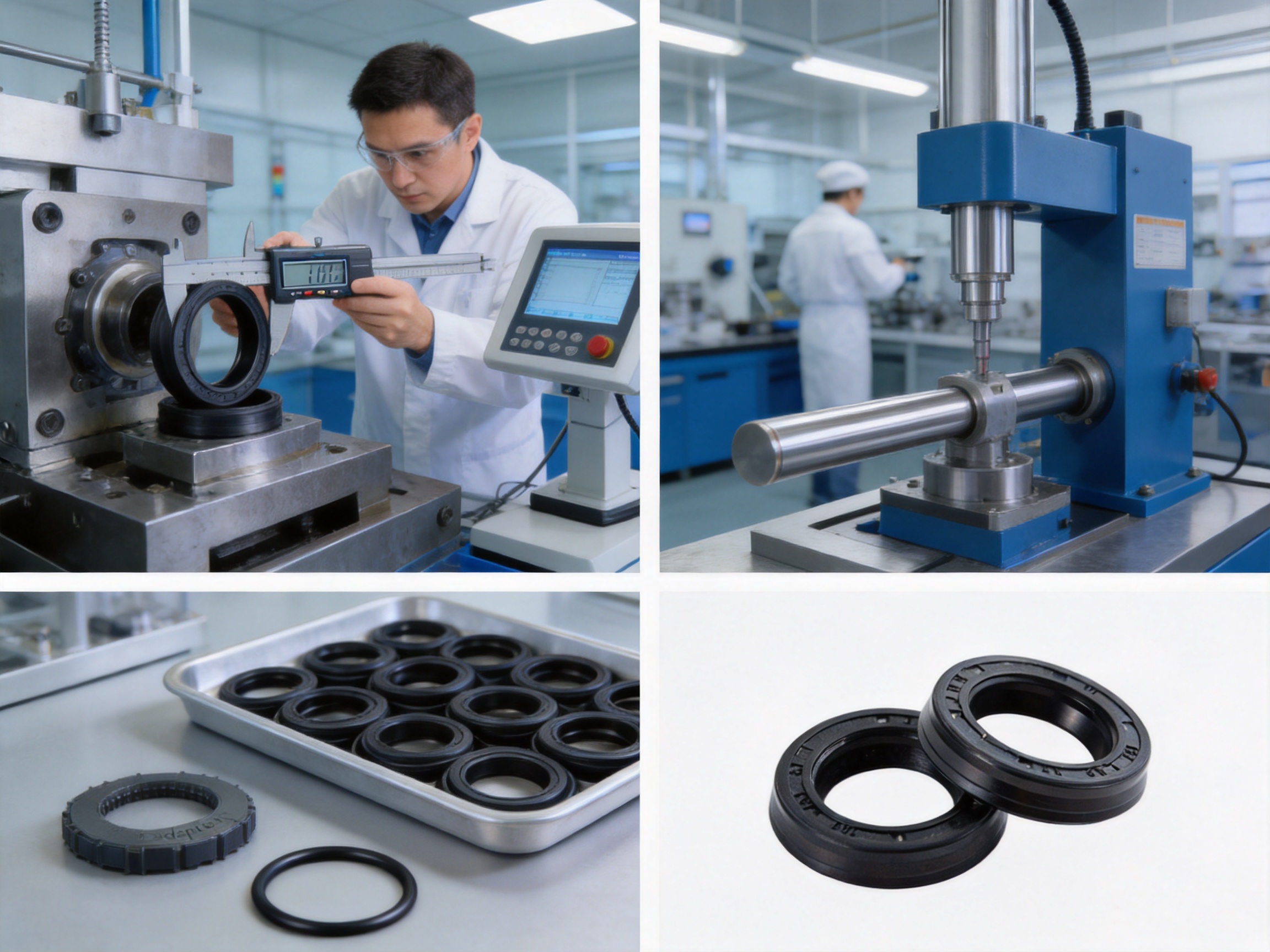
7.5 Dimensional Inspection
Inspection should verify the dimensions that influence installation and performance. For the A-1-020, this includes the 20.8 mm outside diameter, 9.2 mm inside diameter, 3.8 mm height, and the 20 × 2.4 mm O-ring adapter specification. Inspection may also include lip geometry, concentricity, flash condition, and visual appearance.
Dimensional inspection is most effective when performed with calibrated equipment and defined acceptance criteria. Production records can help identify trends before they become significant quality problems. Consistent inspection also supports customer confidence when the product is supplied in repeated batches.
7.6 Performance Testing
Sealing performance should be evaluated under conditions that represent actual use. Testing may include reciprocating motion, leakage observation, friction measurement, temperature monitoring, compression behavior, and endurance cycling. The exact test plan depends on the customer’s equipment and service requirements.
Because the A-1-020 is intended for high-frequency, low-load cycles, endurance testing should reflect repeated movement rather than relying only on static pressure tests. A seal can perform well under static compression but behave differently during rapid reciprocation. Dynamic testing provides more meaningful evidence for this product category.
7.7 Technical Consultation and Customization
JNS provides customized sealing solutions that can include product design, testing, and technical consultation. This capability is valuable when a standard product is close to the required dimensions but not fully compatible with the customer’s cavity, rod, lubricant, or operating conditions.
Customization may involve profile changes, compound selection, dimensional modifications, adapter adjustments, or validation under application-specific conditions. A collaborative development process can reduce the risk of selecting a seal based solely on nominal diameter and can improve the probability of achieving the desired service life.
8. Quality Control Considerations for the A-1-020
Quality control for a lightweight high-frequency seal should address both material properties and functional performance. A suitable inspection program may include the following areas.
| Control Area | Purpose | Relevance to the Product |
| Raw Material Verification | Confirm compound identity and consistency | Supports stable NBR elasticity and oil resistance |
| Hardness Testing | Measure resistance to indentation | Helps control lip flexibility and contact behavior |
| Dimensional Inspection | Confirm product geometry | Ensures compatibility with the specified assembly |
| Visual Inspection | Detect flash, cuts, bubbles, and contamination | Protects sealing integrity and assembly quality |
| Dynamic Cycling | Evaluate repeated reciprocating movement | Reflects the high-frequency application purpose |
| Leakage Evaluation | Check fluid or gas retention | Confirms the practical sealing function |
| Friction or Force Testing | Assess movement resistance | Verifies the lightweight operating concept |
Quality control should be supported by clear production procedures and traceability. Traceability allows the manufacturer to connect a finished batch with its material lot, tooling condition, production date, inspection records, and packaging information. This is valuable for both routine supply and corrective action if a field issue occurs.
Packaging also matters. Rubber seals should be protected from unnecessary deformation, contamination, excessive heat, ozone, and direct sunlight during storage and transport. The product should be stored in a clean, dry environment and installed according to the supplier’s recommendations. Poor storage can reduce the useful life of an otherwise well-manufactured seal.
9. Installation Recommendations
Correct installation is essential to achieving the intended performance of the A-1-020. The sealing cavity, rod, and surrounding components should be clean and free from sharp edges, burrs, metal particles, and machining residue. Any contamination introduced during assembly can damage the lip or create a leakage channel.
The piston rod should be checked for suitable surface quality, straightness, and concentricity. A rough, scratched, or corroded rod can wear the sealing lip quickly. Excessive eccentricity can cause uneven contact, leading to localized wear and unstable sealing behavior.
The installation cavity should be checked against the approved technical drawing. The specified outside diameter, inside diameter, height, adapter dimensions, groove dimensions, compression, and retaining method must work together. The seal should not be forced into a cavity that is too small, nor should it be installed with insufficient retention.
Where lubrication is required, the lubricant must be compatible with NBR and with the internal fluid of the complete assembly. The use of an incompatible lubricant can cause swelling, hardening, softening, cracking, or loss of elasticity. Excessive lubricant can also affect assembly cleanliness and operating behavior.
Sharp tools should not be used directly against the sealing lip. Installation tools should have smooth, rounded contact surfaces. If the seal must pass over a rod end, thread, groove, or other sharp feature, a protective sleeve or suitable lead-in chamfer should be used.
After installation, the assembly should be checked for smooth movement, abnormal friction, leakage, noise, and visible damage. Initial functional testing should be performed at controlled speed and load before the product is released for full-cycle operation.
10. Design and Selection Guidance
10.1 Confirm the Operating Force
The A-1-020 is associated with a design applicable pressure range of 10–100 N. Engineers should confirm that the actual load, force profile, and system pressure fall within the intended range. If the application operates significantly above this range, a heavier or differently engineered seal may be more appropriate.
10.2 Evaluate Cycle Frequency
High-frequency suitability depends on more than the number of cycles per minute. Stroke length, rod speed, dwell time, temperature, lubrication, and direction changes also affect the seal. A short stroke repeated rapidly can produce different thermal behavior from a long stroke performed at a lower frequency.
10.3 Review Temperature Conditions
NBR is suitable for many ordinary oil-sealing applications, but its performance depends on temperature. The customer should define minimum and maximum operating temperatures, as well as short-term temperature peaks. If the equipment is exposed to extreme heat, cold, or rapid temperature changes, compound selection should be reviewed with the manufacturer.
10.4 Check Fluid Compatibility
Oil, grease, hydraulic fluid, cleaning agent, fuel, and environmental chemicals can interact differently with elastomers. The customer should provide the complete fluid information, including additives where available. NBR is a practical material for many petroleum-based fluids, but it should not be assumed to be compatible with every chemical environment.
10.5 Consider Rod Surface Quality
The sealing lip operates directly against the piston rod. Rod diameter alone does not determine compatibility. Surface roughness, hardness, coating, roundness, straightness, and cleanliness all influence service life. A carefully selected seal cannot compensate for a rod surface that is too rough or damaged.
10.6 Allow for Manufacturing Tolerances
Housing, rod, seal, adapter, and groove tolerances must be considered together. A design that works at nominal dimensions may become too tight or too loose at tolerance limits. Tolerance stack-up analysis helps prevent excessive compression or inadequate contact.
11. Customized Sealing Solutions from JNS
Different industries often require different combinations of dimensions, materials, performance, and documentation. A standard product can provide a fast solution, but customized development may be necessary when the customer’s equipment has a unique cavity or demanding service environment.
Ningguo Jnsseals Sealing Technology Co., Ltd. supports customized sealing solutions through product design, testing, and technical consultation. This integrated approach allows the manufacturer to participate earlier in the customer’s development process. Instead of treating the seal as an isolated purchased part, the company can evaluate it as part of the gas spring, damper, actuator, or equipment assembly.
Customization may begin with a review of drawings and operating data. Important information includes rod diameter, tube diameter, cavity dimensions, pressure or force, stroke, frequency, temperature, fluid, expected service life, and installation method. The manufacturer can then recommend a profile and material or propose a modified design.
Prototype samples can be used to verify assembly fit and basic movement behavior. More advanced testing can evaluate leakage, friction, endurance, temperature rise, and material compatibility. When the test results indicate that the profile or compound should be changed, the design can be refined before production tooling is finalized.
This development method can offer several advantages. It can reduce trial-and-error procurement, improve communication between the seal supplier and equipment designer, and support more reliable production transfer. It can also help customers identify whether NBR is sufficient or whether HNBR, FPM, or another material is needed.
The company’s stated focus on research, development, and application of sealing technology is particularly relevant for customers who require more than a catalog part. Technical support can be valuable in industries where the cost of a leakage failure, premature wear, or inconsistent movement is much higher than the initial cost of the seal.
12. Manufacturing Infrastructure and Organizational Strengths
JNS describes itself as a high-tech enterprise with advanced production equipment, strong research and development capabilities, and a professional technical service team. These strengths support the production of specialized sealing products such as the A-1-020.
Advanced equipment can improve process stability, repeatability, and production efficiency. In rubber sealing production, equipment performance affects material mixing, molding pressure, temperature uniformity, curing control, trimming, and inspection. Reliable equipment also supports the transition from prototype quantities to repeatable mass production.
Research and development capability allows the company to work on profile design, material selection, product testing, and application engineering. This is important because sealing performance is influenced by the interaction among the seal, rod, housing, lubricant, and operating cycle. A supplier with application knowledge can provide more useful recommendations than a supplier focused only on nominal dimensions.
A professional technical service team can help customers communicate requirements clearly, understand installation constraints, and resolve problems during sample evaluation or production. Effective technical communication is especially important when a product is exported or supplied to multiple industries with different standards and operating practices.
The company serves customers in automotive, furniture, home appliance, medical equipment, construction, and other industries. This broad application experience can support the transfer of useful sealing knowledge between sectors while still allowing the product to be adapted to specific requirements.
13. Sustainability and Lifecycle Efficiency
Seal sustainability is closely connected with service life and system efficiency. A seal that lasts longer reduces the frequency of replacement, maintenance visits, downtime, and discarded components. A low-friction design can also reduce energy losses during repeated operation.
The A-1-020’s intended low-heat, energy-efficient operation can contribute to the lifecycle efficiency of suitable equipment. Lower friction may reduce energy consumption in frequently cycled mechanisms, while stable sealing can help protect internal lubricants and reduce premature component wear.
Manufacturing efficiency is also important. Consistent molding and inspection reduce the number of defective products and avoid unnecessary material use. Proper packaging and storage help prevent damage before installation. Customers can further improve lifecycle performance by using the correct installation method and selecting an elastomer compatible with the actual operating environment.
Sustainability should not be evaluated solely by material choice. A seal must first perform reliably in its intended application. A product that fails prematurely may create more waste and maintenance impact than a product manufactured from a more specialized material but designed for a longer service life. Correct selection, testing, and quality control are therefore central to responsible sealing design.
14. Procurement and Supplier Evaluation
When purchasing the A-1-020 or a similar lightweight high-frequency seal, buyers should evaluate more than unit price. Important factors include dimensional consistency, material certification, production capacity, testing capability, packaging, technical support, and response time for customized requirements.
The supplier should be able to confirm the product code, material, dimensions, adapter specification, and intended application range. Customers should also request the latest technical drawing when the product is being integrated into a new design. Product data should be reviewed by both the mechanical design and quality departments.
For regular production, customers may benefit from an agreed inspection standard and a defined sample approval process. This can include visual criteria, dimensional limits, material requirements, batch identification, and performance expectations. Clear requirements reduce misunderstandings and make incoming inspection more efficient.
For new applications, prototype testing is recommended. A seal that appears dimensionally compatible may behave differently under actual frequency, temperature, lubricant, and rod-surface conditions. Application testing provides a stronger basis for approval than relying solely on a catalog description.
JNS’s ability to provide design, testing, and consultation can be an advantage for customers who need a development partner rather than a simple component distributor. The combination of manufacturing and technical support can help shorten the path from initial concept to validated sealing solution.
15. Recommended Validation Program
A validation program for the A-1-020 should be adapted to the final equipment. A practical sequence may include dimensional verification, assembly testing, low-speed movement testing, normal-frequency cycling, endurance testing, and leakage inspection.
During dimensional verification, the customer should confirm that the seal and adapter fit the production cavity. During assembly testing, the team should inspect for cuts, twisting, excessive compression, or installation deformation. Low-speed testing can reveal problems that may be hidden at normal speed, such as high starting friction or improper lip orientation.
Normal-frequency testing should reproduce the intended force range and movement profile. Engineers should monitor friction, temperature, movement consistency, and leakage. Endurance testing should continue for a defined number of cycles or until a predetermined service-life target is reached.
After testing, the seal should be inspected for wear, hardening, cracking, swelling, tearing, or permanent deformation. The rod and housing should also be inspected because wear may result from the interaction of multiple components rather than from the seal alone.
Where the product will be used in a safety-critical or high-volume application, additional testing may be necessary. This may include temperature cycling, fluid immersion, storage aging, vibration, contamination exposure, or accelerated life testing. The manufacturer can help define a test plan based on the actual equipment and market requirements.
16. Frequently Asked Questions
Q1: What is the A-1-020 Lightweight High-Frequency Seal?
The A-1-020 is a Y-type oil seal ring designed for low-load, high-frequency reciprocating applications. It is intended to provide rapid response, low heat generation, and energy-efficient movement in suitable gas spring, damper, and actuator assemblies.
Q2: What material is used for this seal?
The listed material is NBR, or nitrile butadiene rubber. NBR is commonly used for oil seals because of its elasticity, abrasion resistance, and compatibility with many petroleum-based oils and lubricants. Final material suitability should be confirmed against the actual fluid and temperature conditions.
Q3: What are the product dimensions?
The specified dimensions are 20.8 mm outside diameter, 9.2 mm inside diameter, and 3.8 mm height. The product specification also lists a 20 × 2.4 mm O-ring adapter.
Q4: What pressure or force range is applicable?
The design applicable pressure range is listed as 10–100 N. Customers should compare this range with the actual operating conditions and consult the manufacturer if the application involves higher force, unusual pressure behavior, or severe dynamic conditions.
Q5: What piston rod and tube sizes are associated with the product?
The listed application reference is a 20 mm steel pipe inner diameter combined with a 10 mm piston rod diameter. The complete installation should still be checked against the approved technical drawing and tolerance requirements.
Q6: Why is a lightweight lip useful in high-frequency applications?
A lightweight lip can reduce contact force and movement resistance when the application does not require a heavy-duty sealing load. This can support faster response, lower friction, reduced heat generation, and improved energy efficiency during repeated cycles.
Q7: Can the A-1-020 be used in every gas spring or damper?
No. The product is intended for a defined low-load, high-frequency operating range. Gas spring or damper designs with higher pressure, extreme temperatures, aggressive fluids, contamination, or unusual rod speeds may require another seal profile or elastomer.
Q8: Is NBR suitable for high-temperature applications?
NBR is suitable for many ordinary sealing environments, but its temperature capability depends on the specific compound and operating conditions. Customers should provide the expected temperature range to the manufacturer. HNBR, FPM, or another material may be considered for more demanding conditions.
Q9: Can the product be customized?
JNS provides customized sealing solutions that may include product design, testing, technical consultation, dimensional changes, and material recommendations. Customers should provide drawings and operating data so that the proposed solution can be evaluated accurately.
Q10: What should be checked before installation?
The rod, housing, cavity, adapter, lubricant, and seal should all be checked. Surfaces must be clean and free from burrs or sharp edges. The installation dimensions and compression should match the approved design, and the lubricant must be compatible with NBR.
Q11: How can customers reduce premature seal failure?
Customers should use compatible materials, maintain correct rod surface quality, prevent contamination, control installation force, avoid twisting the seal, observe the applicable load and frequency range, and validate the assembly under representative operating conditions.
Q12: What industries can use this product?
Potential industries include automotive, furniture, home appliances, medical equipment, construction, gas spring manufacturing, damper manufacturing, and other sectors using compact reciprocating mechanisms. Suitability depends on the actual operating environment.
Q13: Does a lower-friction seal always provide better performance?
Not always. Lower friction is beneficial when the application is low-load and requires rapid, efficient motion. However, a seal must still provide sufficient contact to prevent leakage. The best design balances friction, sealing force, pressure resistance, material compatibility, and service life.
Q14: What technical information should be supplied for a quotation?
Useful information includes the rod diameter, tube or housing dimensions, cavity drawing, operating force or pressure, stroke, cycle frequency, temperature, internal fluid, desired service life, installation method, and any applicable industry requirements.
17. Conclusion
The A-1-020 Lightweight High-Frequency Seal is a focused sealing solution for low-load, repeatedly cycled mechanisms. Its lightweight lip treatment is intended to support rapid response, low heat generation, reduced friction, and energy-efficient operation. The compact 20.8 × 9.2 × 3.8 mm configuration, 20 × 2.4 mm O-ring adapter, NBR material, and reference compatibility with a 20 mm steel pipe and 10 mm piston rod make it a practical option for selected gas spring and damper designs.
Its main advantage over heavier or general-purpose seals is application alignment. The product is not designed simply to withstand the highest possible pressure. Instead, it is designed to work efficiently under low-load, high-frequency conditions where excess sealing force can reduce movement quality and increase heat. This focused design philosophy can benefit furniture mechanisms, compact dampers, automotive components, home appliances, medical equipment, and other reciprocating systems.
The quality of the final result depends on more than the seal itself. Correct material selection, cavity design, rod surface quality, lubrication, installation, and validation must all be considered. Ningguo Jnsseals Sealing Technology Co., Ltd. strengthens the product offering through research and development, advanced production equipment, technical service, product testing, and customized sealing solutions.
For customers seeking a reliable supplier, the combination of a defined product design and application-oriented technical support is important. By working with the manufacturer during selection, sampling, testing, and production implementation, equipment designers can improve sealing reliability and reduce the risk of friction, leakage, overheating, and premature wear.
When the operating conditions match its intended range, the A-1-020 offers an efficient and compact approach to high-frequency sealing. It represents a practical choice for manufacturers seeking smooth movement, controlled resistance, and dependable sealing performance in modern gas spring and damper systems.
References
1. Ningguo Jnsseals Sealing Technology Co., Ltd., A-1-020 Lightweight High-Frequency Seal Product Information.
2. Ningguo Jnsseals Sealing Technology Co., Ltd., Product and Company Technical Information for Gas Spring and Damper Sealing Applications.
3. International Organization for Standardization, Elastomeric Sealing Elements and O-Ring Technical Principles.
4. International Organization for Standardization, Rubber Products—Determination of Hardness and Physical Properties.
5. Standard engineering references concerning reciprocating oil seals, elastomer compatibility, seal installation, and dynamic leakage control.
Product: Lightweight High-Frequency Seal

PREV:16mm Industrial Fluid Seal Ring: Reliable O-Ring Sealing for Dynamic and Static Applications
NEXT:6000N Giant-Thrust Heavy Seal for High-Load Gas Springs and Dampers
NEXT:6000N Giant-Thrust Heavy Seal for High-Load Gas Springs and Dampers


Want to know more
about us?
about us?

Precision sealing for gas springs and dampers. Durable, wear-resistant, and built for long-life performance in demanding applications.
Product Categories
Quick Links
Contact Us
-
Email: jns@jnsseals.cn

-
Manager Gong: +86-18563770820

-
Manager Wang: +8615357558902
-
No. 5, Meilin Avenue, Meilin Industrial Development Zone, Ningguo City, Anhui Province, China

